
I’m sure most of you have come across those Facebook videos of Prime Minister Nikol Pashinyan greeting the country’s citizens with a piece of mood-setting music. His playlist is as impressive in its diversity as it is stultifying in its mass-appeal “best-of” eclecticism, featuring everything from Charles Aznavour and Vladimir Vysotsky ballads and kitschy Armenian pop-romance tracks like “A Night of Love” to more “elevated” fare such as Louis Armstrong and Delibes’s ”Flower Duet”. My personal favorite is the clip of Pashinyan standing by his hotel window in Brussels, admiring the view under Stromae’s “Formidable”.
We’ll leave it to analysts and sociologists to decipher the tea-leaves here, yet I can’t help but think how effectively Pashinyan’s self-performative gestures mirror Armenia’s broader social condition—its near-maniacal fixation on surface appearance and its eclectic grab-bag mentality that conceals a deep ambiguity at the core of our collective identity (Yerevan’s urban image being another prime example).
That same ambiguity runs through the country’s art scene, with all its anachronistic hang-ups, chronic belatedness, imitative tendencies, political agnosticism, and sudden flashes of resistance and brilliance. But is that really such a terrible state of affairs in a world that has gone completely haywire? Perhaps this very ambivalence is what we should consciously embrace as a form of liberation—something Simone de Beauvoir articulated with remarkable clarity in her 1947 book “The Ethics of Ambiguity”.
Armenia’s current cultural ecosystem is certainly a fertile ground for such a radical stance, and fortunately, it offers more range and depth than the prime minister’s playlist.
EXHIBITIONS
LEVON FLJYAN, ARMENIA: RELATIONSHIP
Since Martiros Saryan, the model of Armenia as an idealized homeland—where all matter and relations appear magically synchronized—has rarely been tested in visual art. Despite the efforts of painters such as Hakob Hakobyan and later generations of post-Soviet avant-gardists, these archetypes have proven too resilient to be seriously undermined by critical or artistic inquiry.
Unlike their more provocative avant-garde predecessors of the 1990s, newer generations of contemporary Armenian artists approach the framing of Armenia as a socio-political and cultural entity with greater nuance and caution. Levon Fljyan, a seasoned representative of this group that emerged in the 2010s, has developed a distinctive painterly and conceptual style that draws on digital aesthetics and social media to address pressing political and cultural issues—from the post-Soviet condition and the Karabakh war to the Covid pandemic and the 2018 Velvet Revolution.
In his latest solo exhibition at the Aslamazyan Sisters Gallery in Gyumri, Fljyan weaves these threads into a more ambivalent meditation on the narratives and ideas that define Armenia both as a socio-cultural and “spiritual” entity. Is Armenia a utopian projection that glosses over deep contradictions and conflicts? Or is it a constantly evolving, shape-shifting collective project that demands conscious investment and care in order to endure? As the artist’s statement makes clear, the exhibition does not offer definitive answers but instead extends an invitation to reflect on national belonging as a complex interplay of mythmaking, dreaming, and, above all, civic responsibility.
Exhibition: “Armenia: Relationship”, Levon Fljyan
Where: The Gallery Of Mariam And Yeranuhi Aslamazyan Sisters
232 Abovyan St., Gyumri
Dates: Open from September 21
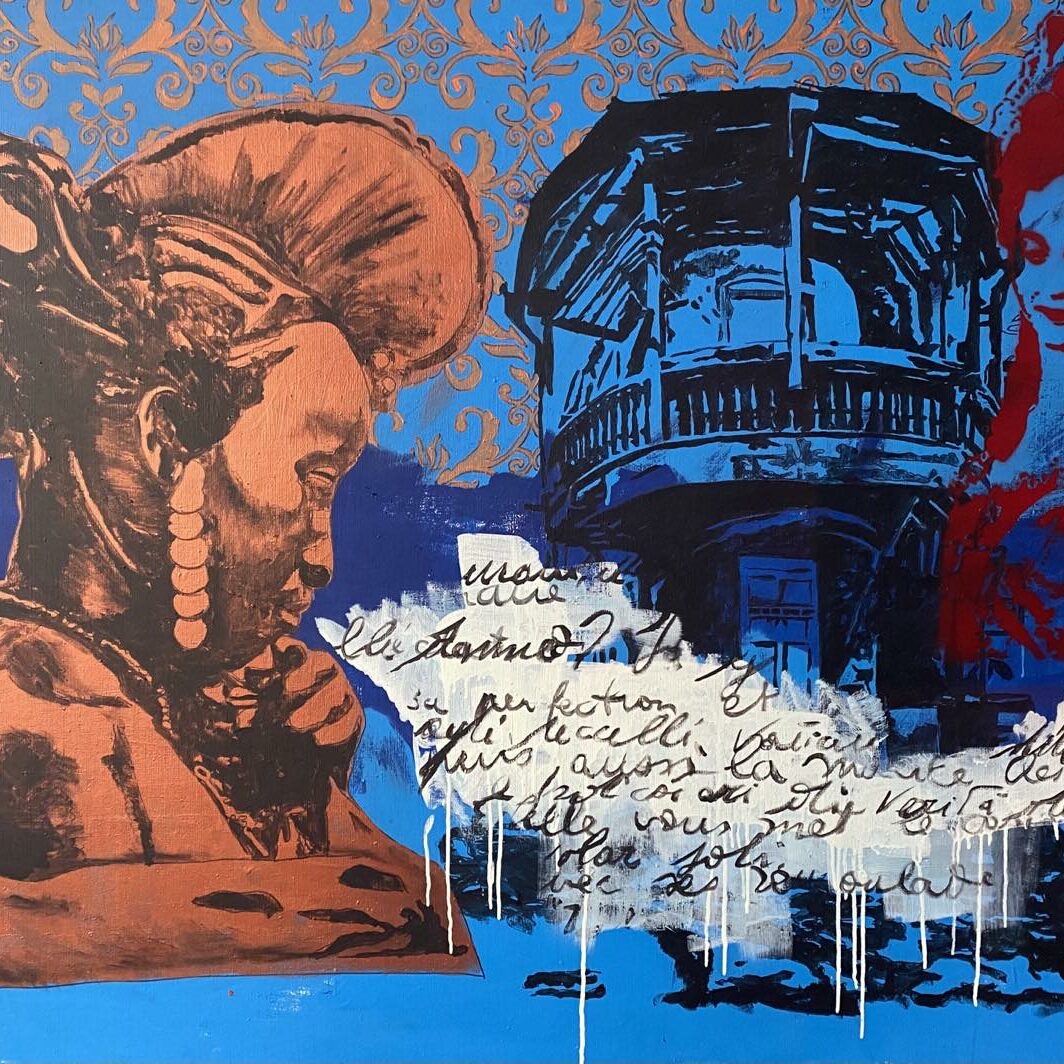
VAHAGN HAMALBASHYAN, LAYERS
Can contemporary painting be beautiful and still offer a pointed critique of neo-colonial corporate globalization? Vahagn Hamalbashyan’s works make a persuasive case that the political imperatives of contemporary art need not exclude aesthetic seduction, which, let’s be honest, remains one of the first things a viewer expects from an artwork.
Emerging from the mid-2000s “new wave” of Armenian painting, Hamalbashyan has transformed the spectacle of current events and the chaotic circus of global politics into a dramatically rich visual lexicon. His large-scale acrylic canvases operate as collages of clashing subjects, styles, and forms; an oxymoronic mash-up that, on paper, sounds like the least promising formula for visual pleasure. Yet his canny deployment of pop-art and modernist strategies—saturated colours, sharp graphic edges, ornament, dripping paint—renders these sarcastic tapestries of the postmodern condition strangely seductive.
As the eye wanders from one confounding juxtaposition to another, the imagination sparks multiple associations and references, rippling through the viewer like waves of an intense perfume. So, it feels only fitting that Hamalbashyan’s new solo exhibition takes place not in a traditional gallery but in the ambient spaces of a coffee-bar, where these ghostly impressions of lived reality can mingle with conversation over a glass of wine.
Exhibition: “Layers”, Vahagn Hamalbashyan
Where: Arahet Cafe
13a Hr. Kochar St., Yerevan
Dates: September 20-October 25
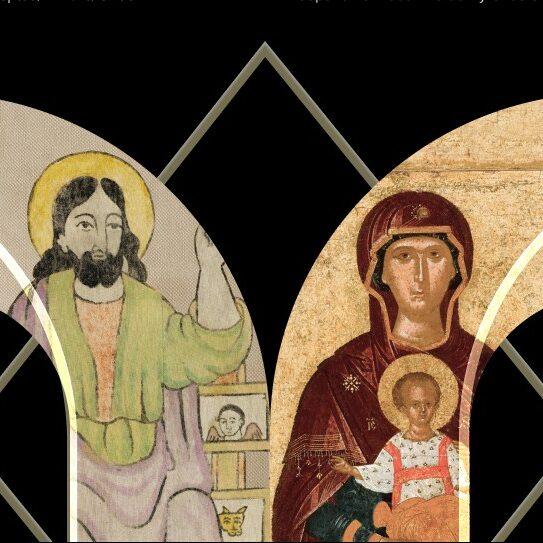
SACRED DIALOGUES։ FROM THE LOUVRE TO THE HISTORY MUSEUM OF ARMENIA
Hallowed, sacred, sanctified, blessed, venerated—this obstinate rationale that has governed Armenian museums throughout the 20th century shows no sign of abating, even in today’s climate of critical revisionism. The History Museum of Armenia (HMA) has been especially zealous in maintaining the museum as a quasi-religious temple, where unique artefacts radiate their rarity like invisible incense, intended to send visitors into reverential ecstasy.
After last year’s coup with the loan of the bronze head—presumed to represent the goddess Anahit—from the British Museum, the HMA has now staged a new exhibition in collaboration with another encyclopedic giant of world culture: the Louvre. Drawing on 16 artefacts from the Parisian collection, supplemented by highlights from the HMA’s own holdings, the relatively small-scale show ambitiously presents a panorama of iconographic traditions across the “Christian East,” spanning the 4th to the 19th centuries.
The curatorial objective seems legitimate, if somewhat weary. Yet the broad comparative framework, stretching across vastly different periods, objects, and geographies from Egypt and the Balkans to Byzantium and Armenia, fails to withstand serious analytical scrutiny or generate substantive dialogue. While the objects on display are undeniably worthwhile, none rise to the status of a star exhibit like Anahit. The true “star” of the show is, in fact, the Louvre itself. Descending upon this periphery like a pontiff, the French museum has “blessed” us with its presence, and the exhibition becomes less about the artefacts than about a distant communion with imperial prestige.
Ideally, however, such occasions should be used to confront more uncomfortable questions about these panoptic European institutions, and the ways in which they have shaped the discourse on world art since the 18th century, rather than simply rehearsing our routine fetishization of the sacred monsters of colonialism.
Exhibition: “Sacred Dialogues: from the Louvre to the History Museum of Armenia”
Where: History Museum of Armenia
Republic Square, Yerevan
Dates: September 21, 2025-March 21, 2026
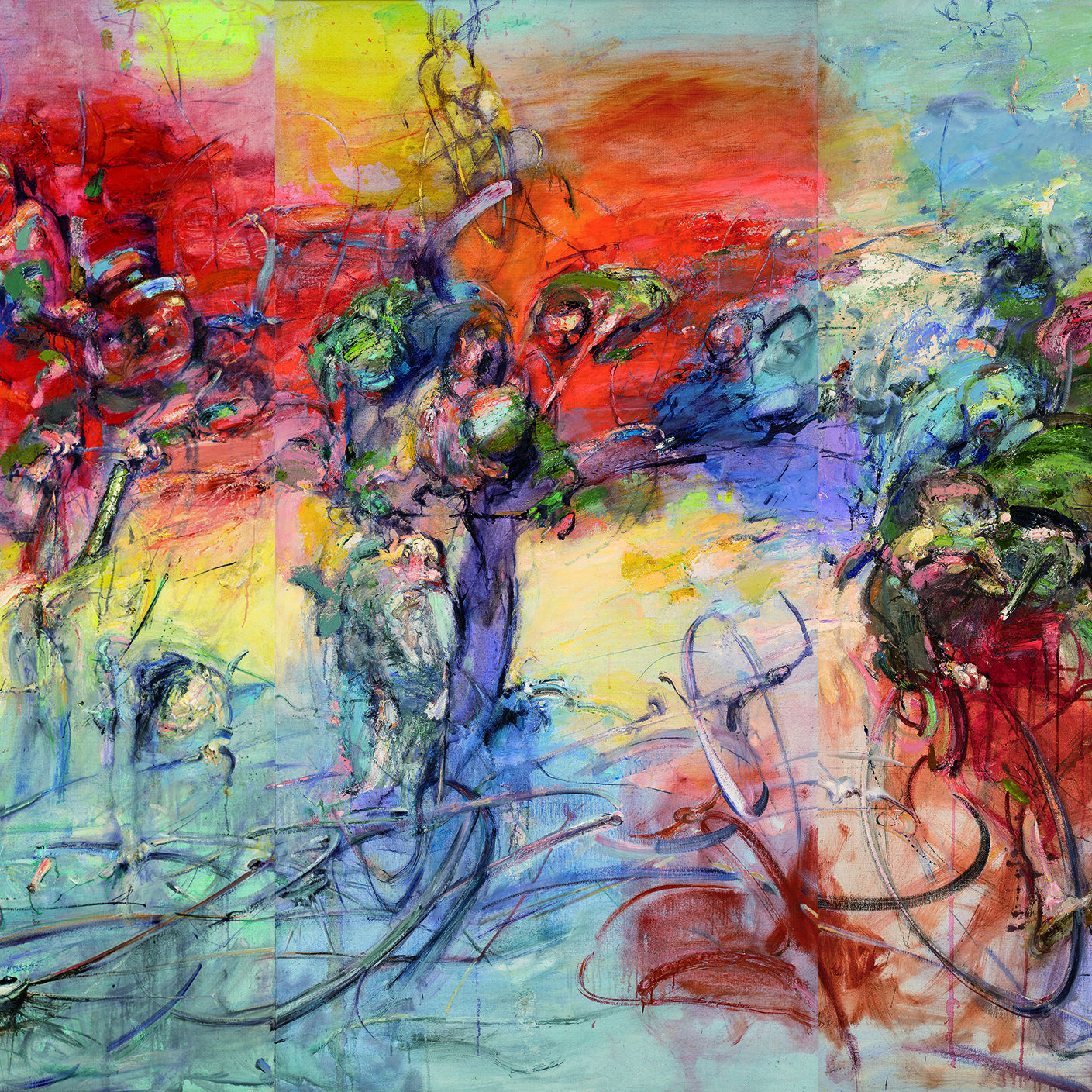
SAM ZUMIAN: THE WHITE SUN
After relocating to the United States in the 1990s, Sam Zumian continued to cultivate a style of expressive romanticism in vibrant, impasto-rich paintings—a direction already evident in the etchings that earned him considerable recognition in Armenia during the 1980s. His American period departs sharply from the more structured, narrative-driven works of his early career, which often depicted historical motifs and aspects of local culture. Instead, his mature oeuvre gravitates toward a tight regime of favored subjects: portraiture, the female body, and quasi-mythological, erotically charged symbolic themes.
Detached from reality or historical time, Zumian’s paintings conjure an imaginary realm of pure sensuality and aesthetic force. His overtly sexualized, fleshy (and conspicuously white) female figures might strike some viewers as relics of a male gaze largely banished from the post-feminist landscape of contemporary art. Yet, as his new solo exhibition in Yerevan demonstrates, there is also something disarming—and captivating—in his unabashed portrayal of unrestrained desire that makes him almost a spiritual heir to Peter Paul Rubens.
For all their rootedness in masculine subjectivity, Zumian’s animalistic figures, whirling in the sweet haze of primordial pleasures, taunt us with a sense of absolute freedom, a vision that feels especially provocative in our tightly policed age of political correctness.
Exhibition: “The White Sun”, Sam Zumian
Where: Aramé Art Gallery (Mashtots Branch)
33/1 Mashtots Ave., Yerevan
Dates: September 26-October 11
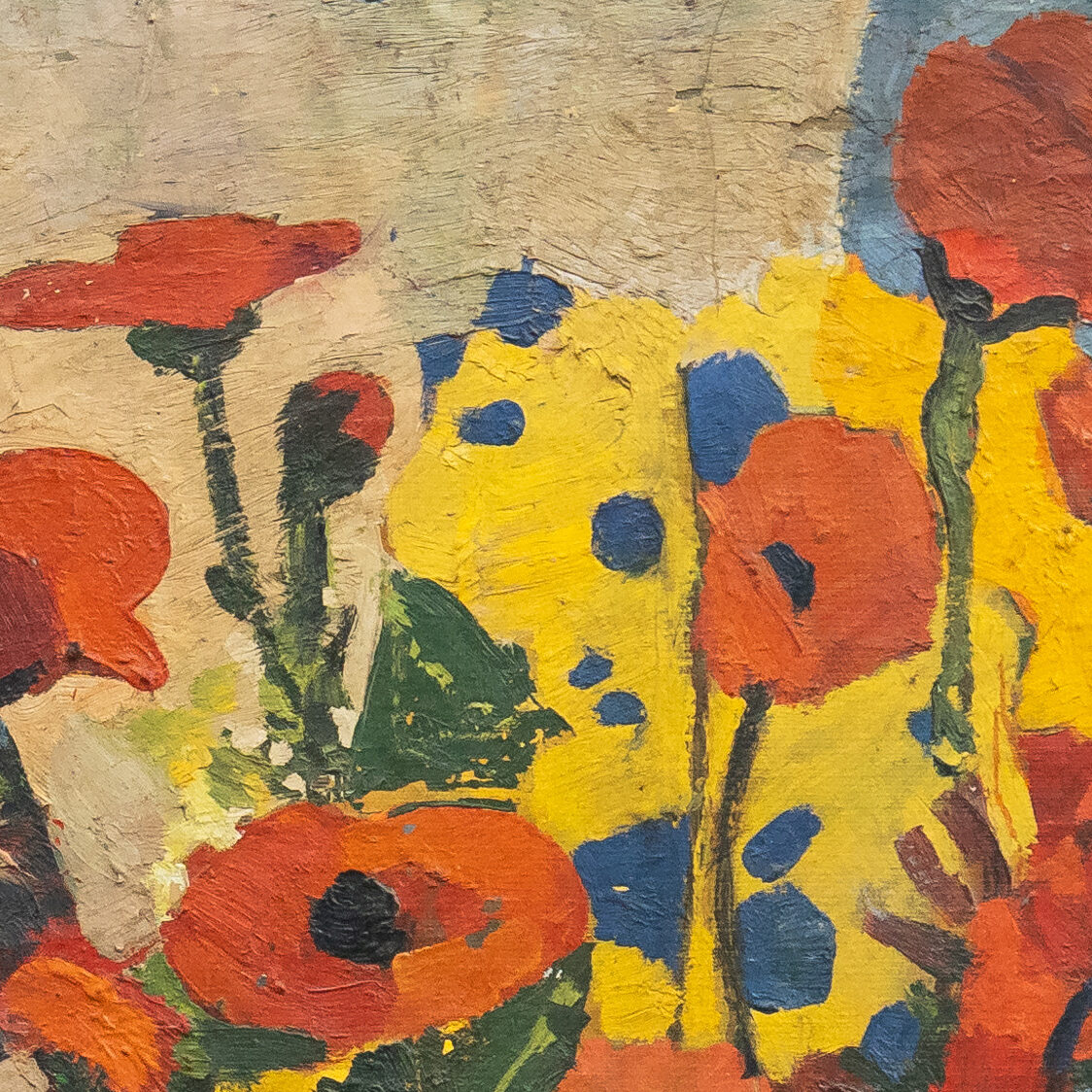
ANDRANIK PETROSYAN: 100
If you haven’t heard of painter Andranik Petrosyan, don’t worry, very few today remember this prolific autodidact who single-mindedly pursued painterly excellence on the margins of the Soviet-Armenian art establishment. His first retrospective, curated by his sons, accomplished contemporary artists in their own right, offers a long-overdue opportunity to reassess not only this particular painter, but also the broader “battalion” of forgotten names that have slipped through the gaping cracks of the Armenian art-historical canon.
After qualifying as a veterinarian in the late 1950s, Petrosyan spent years working on collective farms across Armenia, developing a visceral understanding of the landscape and its distinctive light. Yet his childhood passion for painting never waned. Petrosyan doggedly refined his artistic skills until he secured membership in the Artists’ Union of Armenia. Despite his lack of formal training, his work aligned, at least superficially, with the post-impressionist formalism that dominated Soviet-Armenian painting from the 1960s to the 1980s. But Petrosyan was never a formalist in spirit. His perspective remained grounded in direct observation, which he sought to transform into an intensity of feeling that transcended ordinary perception. Like his hero Vincent van Gogh, Petrosyan’s saturated, thickly painted landscapes, still lifes, and portraits vibrate with a restless inner energy that conveys an almost physical sense of the artist’s presence and thought process.
Uneven though his output may be, Petrosyan’s finest works, especially his “volcanic” flower paintings, radiate a sincere wonder at nature’s magic, striking the viewer with uncommon immediacy and aesthetic force. And that alone makes this independently organized exhibition worth the effort, offering a vital detour from the usual, rather rudimentary itinerary of Yerevan’s cultural scene.
Exhibition: “Andranik Petrosyan: 100”, Solo Exhibition
Where: 63/1 Orbeli St., Yerevan
Dates: Open from October 8
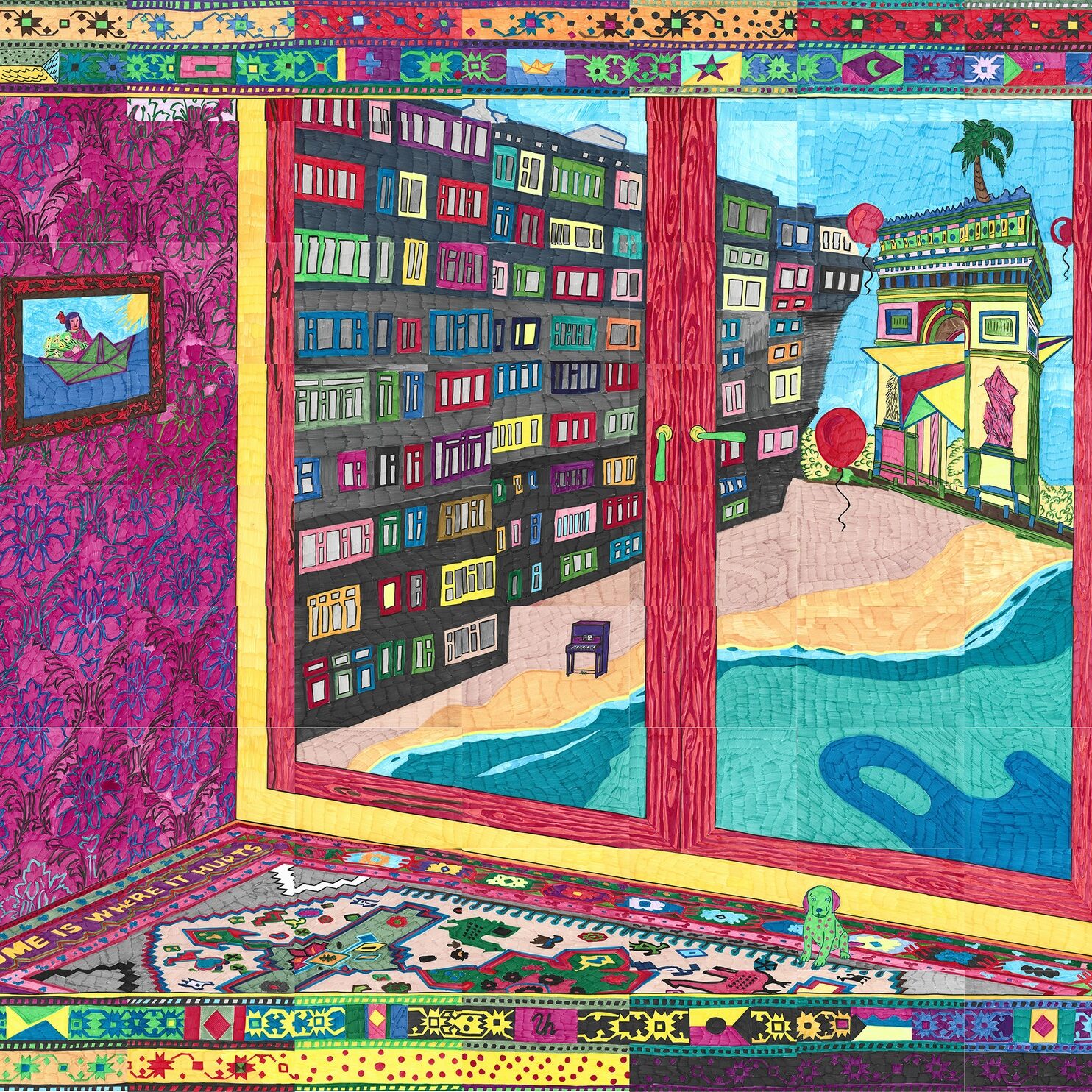
ARAKS SAHAKYAN: THE WINDOWS TO MY HOUSE
Why should an artist’s intimate, personal space be an interesting,let alone important, subject for others? Is it because artists are perceived as different kinds of human beings (slightly “crazy” as the common perception goes), who experience life with unusual intensity and depth? However we frame it, the artist’s capacity to rediscover the most banal aspects of daily life in a new light is not a mere quirk, but an essential function of the cultural ecosystem through which society continually renews its meanings.
A part of the post-Soviet “new diaspora”, the Hrazdan-born, Paris-based visual artist Araks Sahakyan often turns to her immediate surroundings as a source of reflection. Working primarily in color drawings, she composes large panels reminiscent of ceramic tile arrangements found in old Dutch and Persian interiors, as well as richly patterned figurative carpets. These echoes resound in her solo exhibition at Studio 20 independent space, which presents vivid views seen from apartment windows and poses a simple yet enduring question: What is home, and how does one belong?
Drawing on her migratory experience, Sahakyan creates subtly hallucinatory images of familiar yet entirely invented hybrid environments where Paris, Alicante and Hrazdan seamlessly merge. Though detached from physical reality, these interwoven urban landscapes feel wholly real in their psychological and emotional truth. They suggest that “home” is a liminal, fluid space—woven from fragments of past lives and desires—where memory spills into the present, binding us to multiple geographies and temporalities at once.
It is this idea that Sahakyan captures with rare precision and poetic clarity, offering a vision that is powerfully relatable in an age of restless mobility and forced displacement.
Exhibition: “The Windows of My House”, Araks Sahakyan
Where: Studio 20
13 Hr. Kochar St., Yerevan
Dates: October 16-30
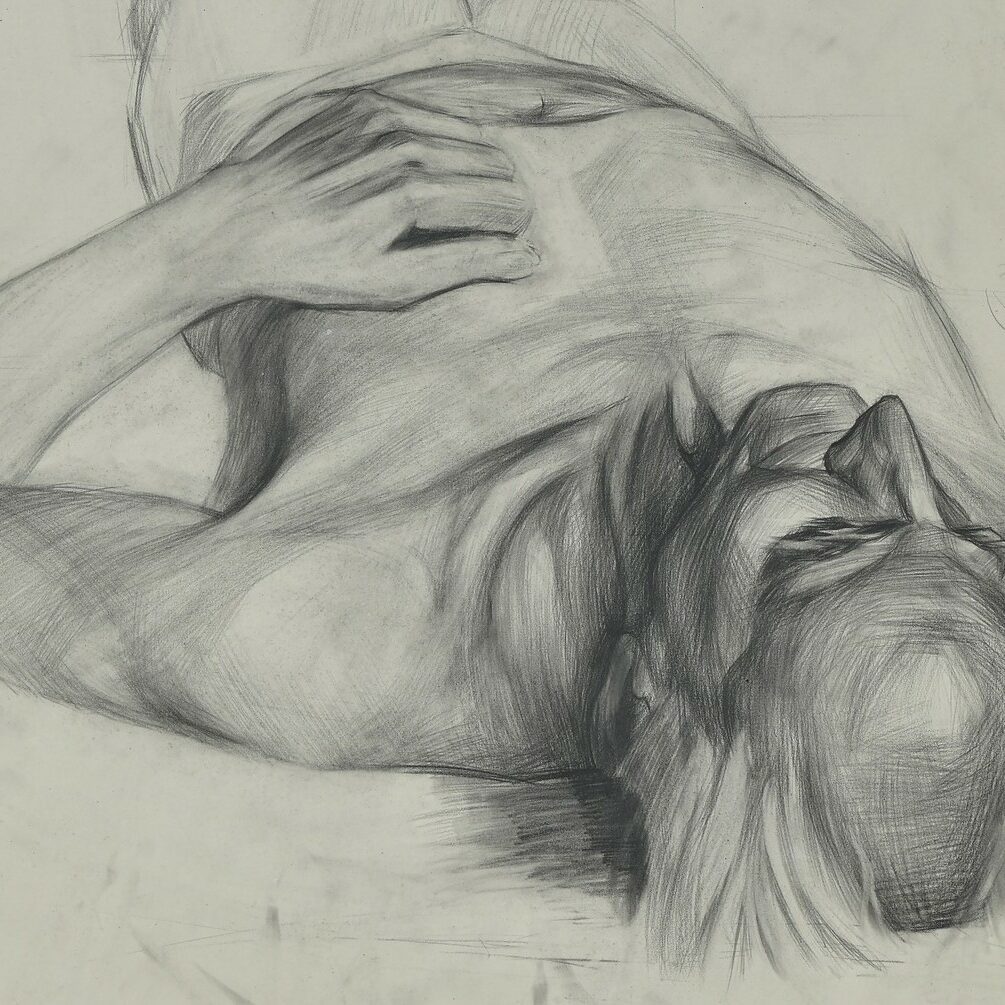
THINKING THROUGH DRAWING: THE BODY AS A NUDE
The Boyajian Gallery of the State Fine Arts Academy in Yerevan hasn’t exactly been among the city’s more distinguished exhibition spaces. Long used rather indifferently as a venue for whoever happened to come knocking—from students and hobby painters to faculty members and established maîtres—the gallery suffered from a lack of programming and direction, despite its enviable location next to the Cascade and its institutional standing.
With the appointment of curator Nareh Sahakyan at its helm, however, the Gallery finally has real potential to become one of the more dynamic platforms for visual arts in the capital.
The inaugural project under the Gallery’s new program offers an encouraging start. Sahakyan has astutely turned to the Academy’s own history, assembling a selection of nude model drawings from its vast archive, which dates back to the 1940s.
On one level, the exhibition functions as a historical curiosity, tracing the evolving academic practices of alumni—many of whom went on to become nationally recognized artists. Yet on another, more conceptually engaging level, it examines how cultural and institutional frameworks shape our ways of seeing, understanding, and representing the human body as a social, moral, and aesthetic entity.
Such questions may appear distant from everyday life, yet they are deeply connected to how we—particularly within a conservative culture like Armenia’s, where the body’s public visibility remains bound by archaic moral codes—internalize notions of beauty, desirability, respectability, and social status. And if all this theoretical discourse isn’t exciting enough, the exhibition also offers the viewers the chance to simply delve into the enduring pleasures of nude drawing: an act of sustained, attentive observation that captures the pulse of life itself.
Exhibition: “Thinking through Drawing: The Body as a Nude”
Where: SAFA Boyajian Gallery
36 Isahakyan St., Yerevan
Dates: Open from October 8
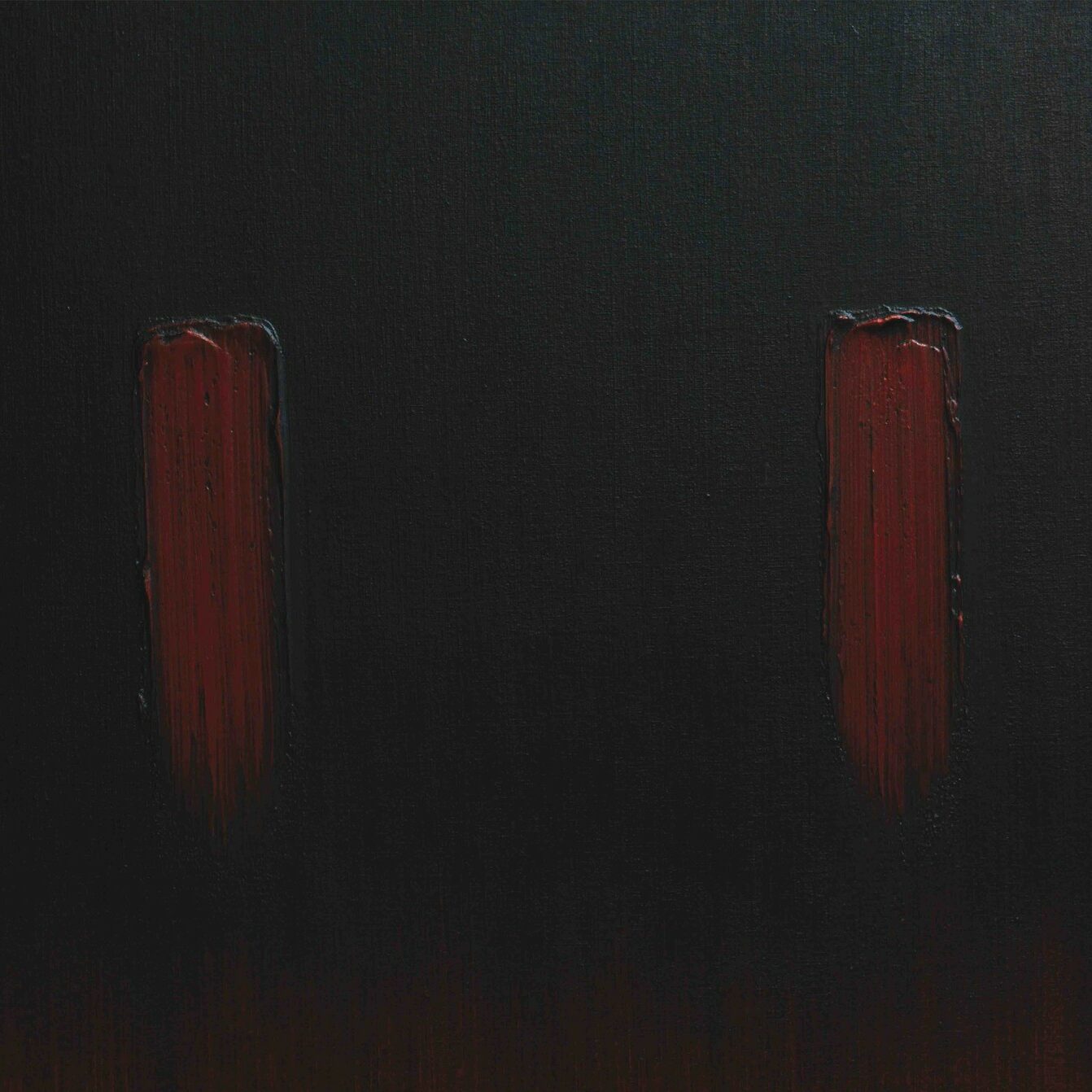
LEO LEO VARDANYAN: DEEP RED
Working in the vein of pure abstraction today is a tough call for any artist. It’s hard to say or do anything truly new in this field after the heights reached by Malevich, Pollock, De Staël, Rothko, Twombly, or Richter. Yet Armenian painter Leo Leo Vardanyan has remained committed to this form for over two decades, undeterred by the weight of its formidable legacy.
His latest solo exhibition at the Yerevan Museum of Modern Art takes on a deceptively simple subject: the color red. That may sound straightforward—perhaps even simplistic—until one considers the immense symbolic charge red carries in human culture. As the most intense hue on the spectrum, it evokes life at its most heightened and extreme.
In his artist statement, Vardanyan recalls a childhood memory of his mother making cherry compote, and how the deep crimson liquid spellbinded him. This associative, metaphysical power of pure color—the closest point where visual art approaches music—is precisely what Vardanyan, like Rothko before him, seeks to evoke. By layering, gradating, scratching, and scraping the paint in manifold ways, he wants the viewer to surrender to red’s transportive pull and travel on the color’s wavelength beyond physical and rational boundaries.
It doesn’t always succeed—primarily because Vardanyan tries to reconcile too many idioms of abstraction at once—but when it does, the experience is striking (no matter how many times we’ve experienced it before). The gaze dissolves into the color’s radiant heat, leaving consciousness and the body beyond for one, deliciously sublime moment. And that’s just one of the many reasons why abstraction still holds its sway over artists and the public alike.
Exhibition: “Deep Red”, Leo Leo Vardanyan
Where: Yerevan Modern Art Museum
7 Mashtots Ave., Yerevan
Dates: October 7-31
LILIT MARTIROSYAN. THE INSIDE
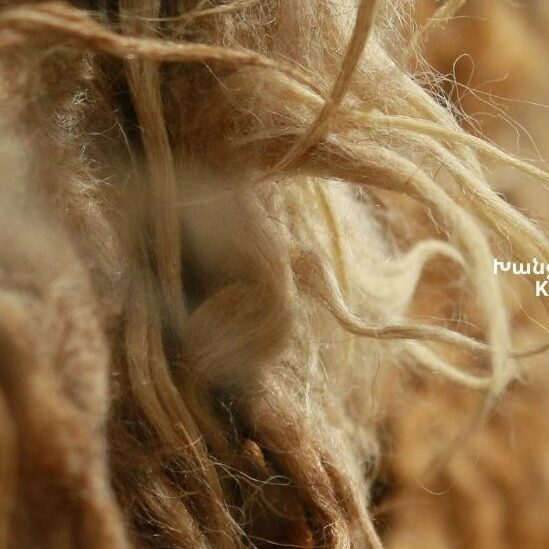
I must admit that I know little about Yerevan-born, Freiburg-based emerging artist Lilit Martirosyan or her previous work. Nor do I have any clear idea of what her new project—a performative installation called Inside, soon to be presented at the Johannissyan Institute—will entail. Yet there is a tantalizing intrigue in the exhibition’s description, which indicates that Martirosyan is engaging with one of the most ancient practices of human civilization: wool carding.
Still performed in parts of Armenia despite the prevalence of off-the-shelf bedding products, this physically demanding craft not only gave considerable upper-body muscles to generations of women but also became a cornerstone of our collective cultural identity. And yet, it has rarely been examined through a feminist lens—as a ritual that creates an exclusively female space of communication, storytelling, and knowledge transmission. It seems likely that Martirosyan’s project will inevitably touch upon these dimensions, and that alone gives us hope that her exhibition will be an occasion to discover yet another rising talent on the contemporary Armenian art scene.
Exhibition: “The Inside”, Lilit Martirosyan
Where: Johannissyan Institute
19 Khanjyan St., Yerevan
Dates: October 10-31
THE BODY OF MINE: MHER AZATYAN
Few artists can successfully pull off back-to-back—or, even more impressively, simultaneous—exhibitions that address related yet distinctly different subjects. Mher Azatyan is undoubtedly one of them. Immediately following his September solo show at Studio 20, which explored the philosophical implications of place, Azatyan now presents a new project at the Institute of Contemporary Art, centered on the theme of the body.
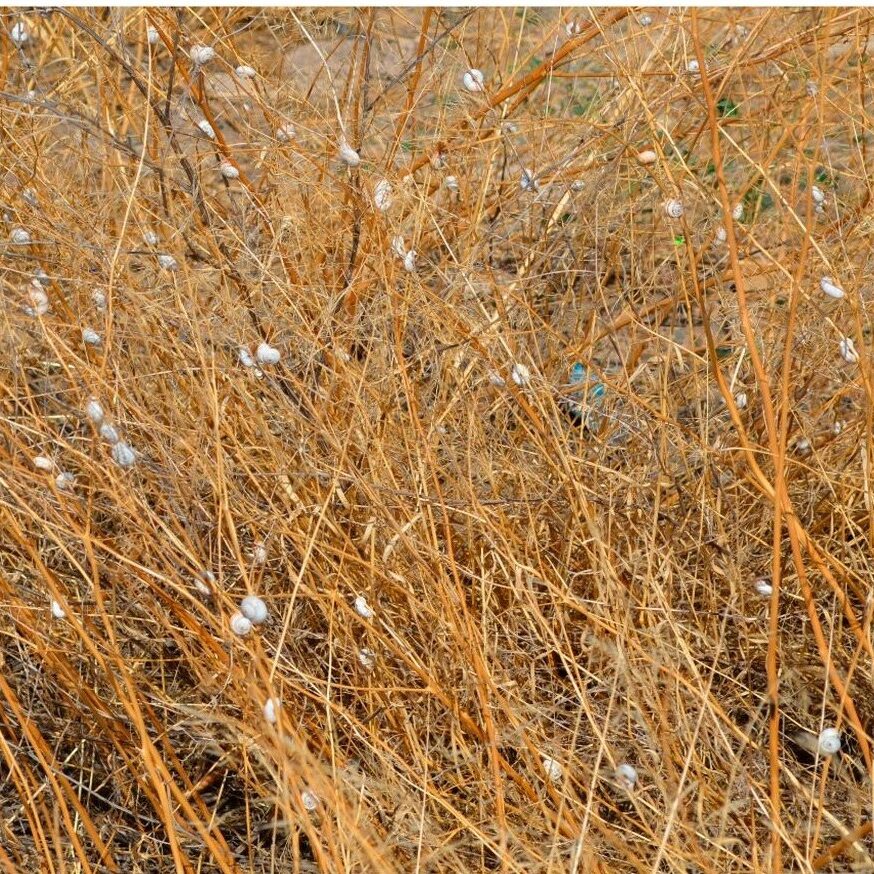
Meticulously curated by Ruben Arevshatyan, the exhibition may confound viewers expecting literal depictions of the human form. True to his practice, Azatyan employs his favoured mediums—photography and found objects—to reflect on the spiritual, material, and transcendental dimensions of his subject. Unassuming images of skies, trees, grass, and other familiar natural phenomena encircle a display of stones, animal bones, bark, and even a jar of dust.
For the artist, the body’s elemental essence resides somewhere between these ordinary yet universal materials—an unstable entity emerging through molecular and cosmic relations that hover perpetually between finitude and infinity, always on the verge of dissolution and transformation. It is an unsettling yet quietly soothing proposition—one that deepens with sustained looking, revealing ever subtler layers of meaning.
Exhibition: “The Body of Mine”, Mher Azatyan
Where: ICA Yerevan
47 Avet Avetisyan St., Yerevan
Dates: Open from September 15
FESTIVALS
ReA FESTIVAL 2025
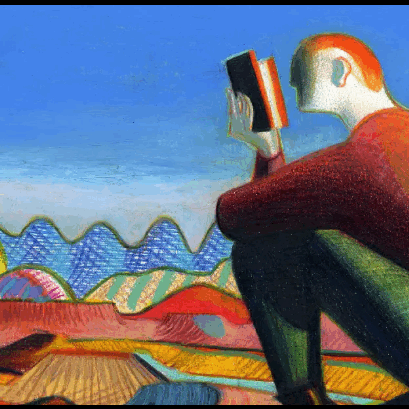
Launching its 17th edition, the largest animation and comics festival in the region is back to thrill the citizens and guests of Yerevan with another five-day-long program filled with all sorts of animated delights from across the world. As always, there is something for all ages and tastes here, from the enchanting tale of the three-year old Amelie who begins to discover the beauty and complications of life to a historical biopic about a difficult period in the life of the great surrealist filmmaker Luis Bunuel during the Spanish Civil War. Though noticeably more compact than the previous iterations of the festival, this year’s selection still amazes with the range of thematic and stylistic approaches, proving yet again that animation remains one of the more inventive and vibrant branches of cinema today. The full program and tickets can be found on tomsarkgh.am.
Festival: ReA Festival 2025
Where: Across multiple venues in Yerevan
Dates: October 19-25
SCREENINGS
SYU
So here’s the remarkable thing: over the past decade, local commercial cinema has quietly developed its own distinct identity and typology, built on a steady stream of run-of-the-mill comedies, dramedies, adventures, and action films. Even more amazingly, these movies often achieve considerable box-office success, easily out-performing Hollywood blockbusters. And all this has been accomplished largely without government support or incentives, by a handful of “studios” like Sharm and an assortment of independent producers, many with backgrounds in television and advertising.
The formula behind this success is now easy to decode. Take a collection of hackneyed motifs and plotlines plagiarized from American films (see Gor Kirakosyan’s Mall-Napped—a shameless Xerox of Home Alone currently on every screen), add a couple of local stars, marinate in slang-heavy Armenian colloquialism, season with frivolity, and blend until any trace of nuance, originality, intelligence, or basic logic dissolves into a ham-fisted sludge of grotesque mimicry. Operating like extended sketches of bawdy street anecdotes, most of these films have little purpose beyond pandering to the lowest common denominator and the intellectual attention span of pubescent boys.
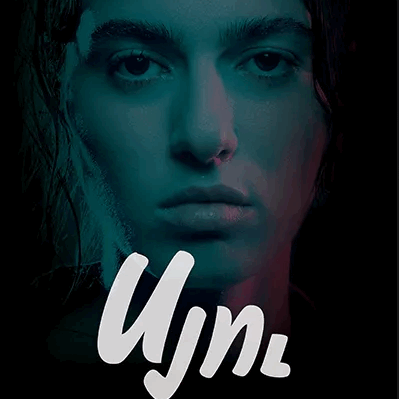
So when a new commercial release markets itself as a serious drama about tragic loss, grief, and the collapse of a relationship, all soaked-up in moody, neon-lit cinematography, you sit up and take notice. The intrigue is further heightened by the fact that the production features largely unknown, fresh faces. Could they be giving us a game-changer here? In his feature debut, director Hrant Abovyan’s Syu follows a young, middle-class Armenian couple, whose female half spirals into psychosexual free fall after the accidental death of her child.
With roots in Greek tragedy, it’s a timeworn scenario that has inspired some great masterworks by the likes of Claude Chabrol, Nicolas Roeg, Andrei Zvyagintsev, Ari Aster, and many others. Hence, it’s not irrational to expect that it would inspire even a modestly accomplished Armenian retelling – especially considering the pertinence of the theme, following the 2020 Artsakh war.
Alas, even the trailer quickly dispels any hope that this might, against all odds, be an artistically inclined project rather than a tone-deaf simulation of Lars von Trier’s Antichrist, stripped of its metaphysics and hardcore penetration. Pasted together with astoundingly prosaic dialogue and performances so wooden they could make my grandmother’s cupboard jealous, the film appears to be yet another pitiable attempt to scrounge off a Hollywood recipe. Except, instead of broad-appeal comedies, this “daring” (read – mildly erotic) production sets its sights on prestige melodramas built around marquee stars putting on fireworks of emotional suffering—à la Pieces of a Woman with Vanessa Kirby or Kenneth Lonergan’s masterful Manchester by the Sea.
Unfortunately, in its desperate effort to eliminate any trace of authenticity or cultural context (even the title seems designed to avoid unwelcome Armenian associations), Syu produces the cinematic equivalent of an off-key karaoke performance in ill-fitting drag. This would be less irritating if the film didn’t also display considerable technical polish—and budget—in its cinematography, editing, production, and sound design. Which begs the question: why is Armenian popular cinema still so reluctant to turn toward stories, characters, and issues rooted in its own lived reality, instead of resorting to the undignified shortcut of crass copy-pasting? Isn’t that dilemma itself the perfect subject for an original, relevant film?
Screening: Syu
Where: Across all cinemas in Yerevan
Dates: From September 19