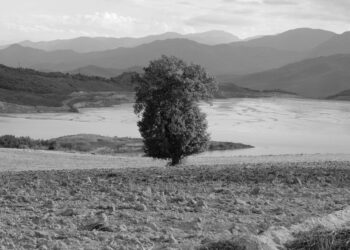

For decades, residents of Artsvanik have lived in the shadow of Armenia’s largest tailings dam. As the Zangezur Copper-Molybdenum Combine plans to expand the facility, the village continues to lose farmland and livelihoods. Through the lives and stories of its residents, Gayane Ghazaryan’s photo essay documents the human cost of mining and the promises of economic growth that have left communities behind.
Yerevan’s rivers, springs and fountains have gradually disappeared from the city’s visible landscape. Through “Blue Yerevan”, a cultural research project examining the city’s water heritage, Elizaveta Zubiuk explores what was lost, what remains beneath the surface, and how making forgotten waterways visible can reshape the way we see the city.
Armenia is hosting COP17 while leaving key international environmental commitments unfinished. From transboundary water management and wastewater to pollution monitoring and transparency, Hranoush Dermoyan examines what ratifying these agreements could change and why implementation matters.
Armenia’s human-bear conflict is escalating, particularly in Vayots Dzor, where hundreds of incidents have been recorded in recent years. As bears lose natural food sources and grow accustomed to human settlements, experts warn that Armenia must act before a dangerous situation becomes a crisis.
Lake Sevan is under growing ecological pressure from untreated wastewater, pollution and climate change. After years of stalled efforts, a major overhaul of wastewater collection and treatment could finally address one of its most pressing problems, but financing remains unresolved.
Firebird’s $500 million AI data center has been heralded as a major economic breakthrough for Armenia, but what are the environmental implications of a project of such scale? Luan Rogers reports.
Armenia's ratification of the Nagoya Protocol and its role as host of COP17 place the country at the center of a global debate over who controls genetic resources, biodiversity and the benefits derived from nature. Davit Khachatryan explains.
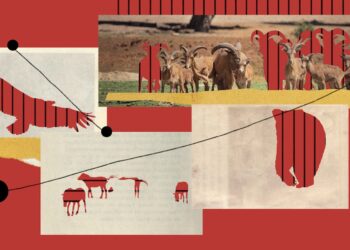
An investigation into the transfer of endangered animals from Armenia to India's controversial Vantara wildlife center reveals troubling questions about transparency, conservation, international wildlife trade and Armenia's role in a global network that blurs the line between rescue and commerce.
As Yerevan prepares to welcome the world's largest biodiversity summit, an investigation reveals a stark contradiction: Armenia remains a key transit point for endangered wildlife. Mariam Tashchyan traces the legal, commercial and institutional failures enabling the trade to persist.
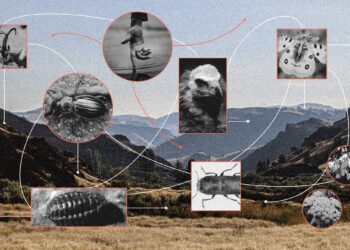
Examining how Armenia’s conservation priorities overlook invertebrates, despite their vital ecological roles, Anahit Ghazakhetsyan explores barriers of stigma, weak research and habitat loss, urging narratives that value the “unloved” species sustaining ecosystems.
EVN Report’s mission is to empower Armenia, inspire the diaspora and inform the world through sound, credible and fact-based reporting and commentary. Our goal is to increase public trust in the media. EVN Report is the media arm of EVN News Foundation registered in the Republic of Armenia in 2017.
SUPPORT INDEPENDANT JOURNALISM