

Listen to the AI generated audio of the text.
*This story follows two fishermen from the village of Noratus as they describe their everyday work—filled with risk and uncertainty. Their names have been changed to protect their privacy.
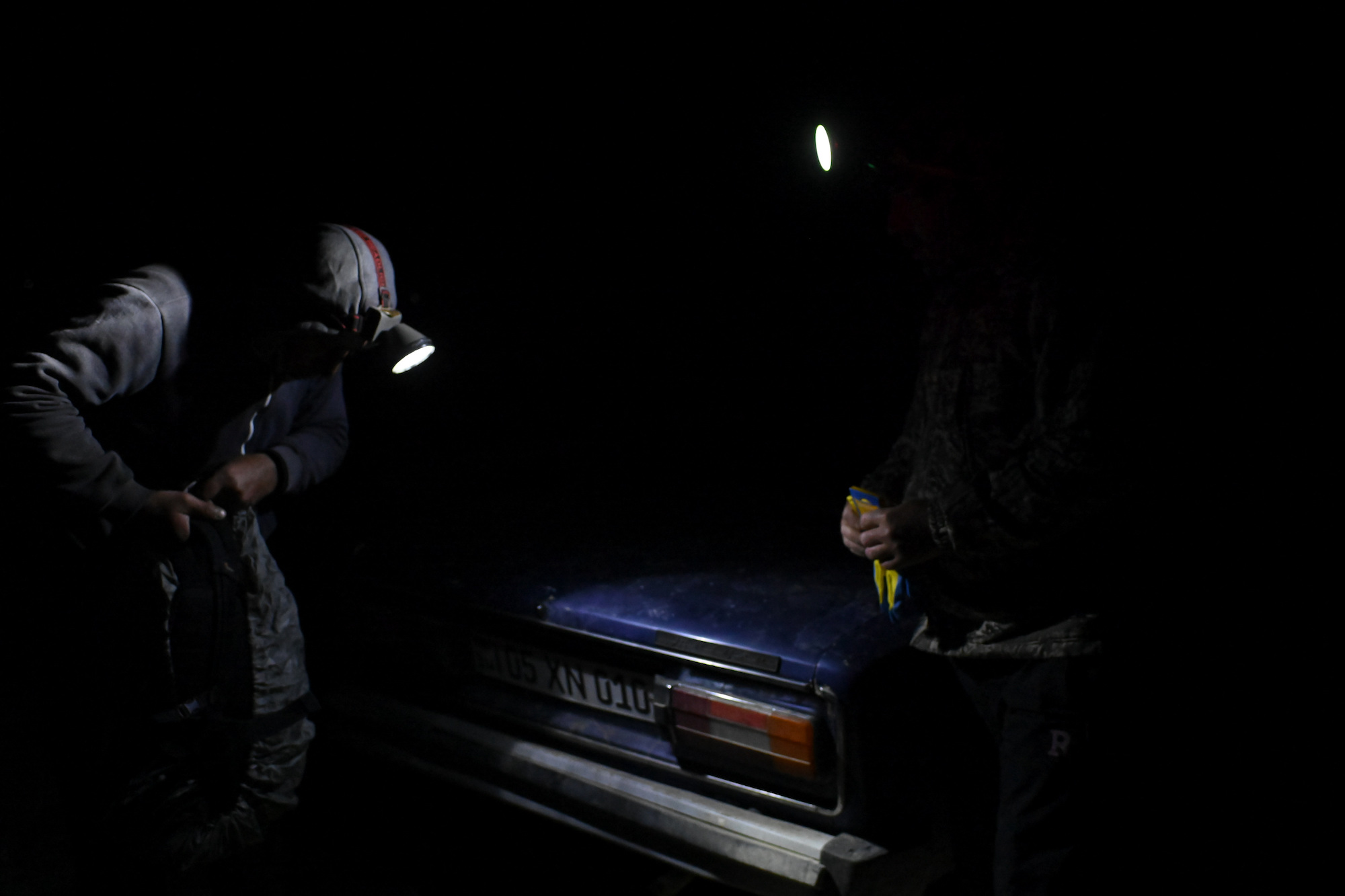
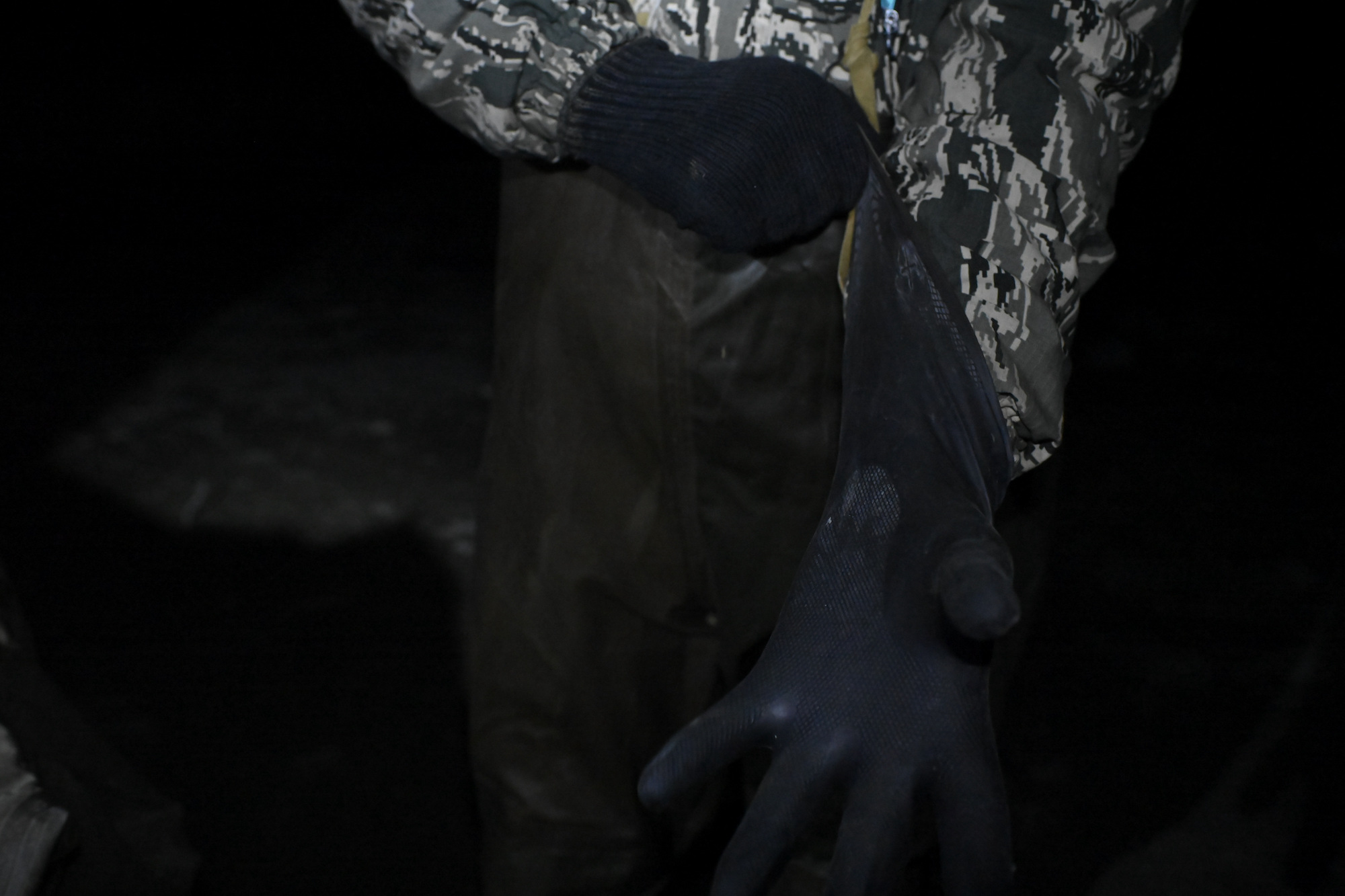
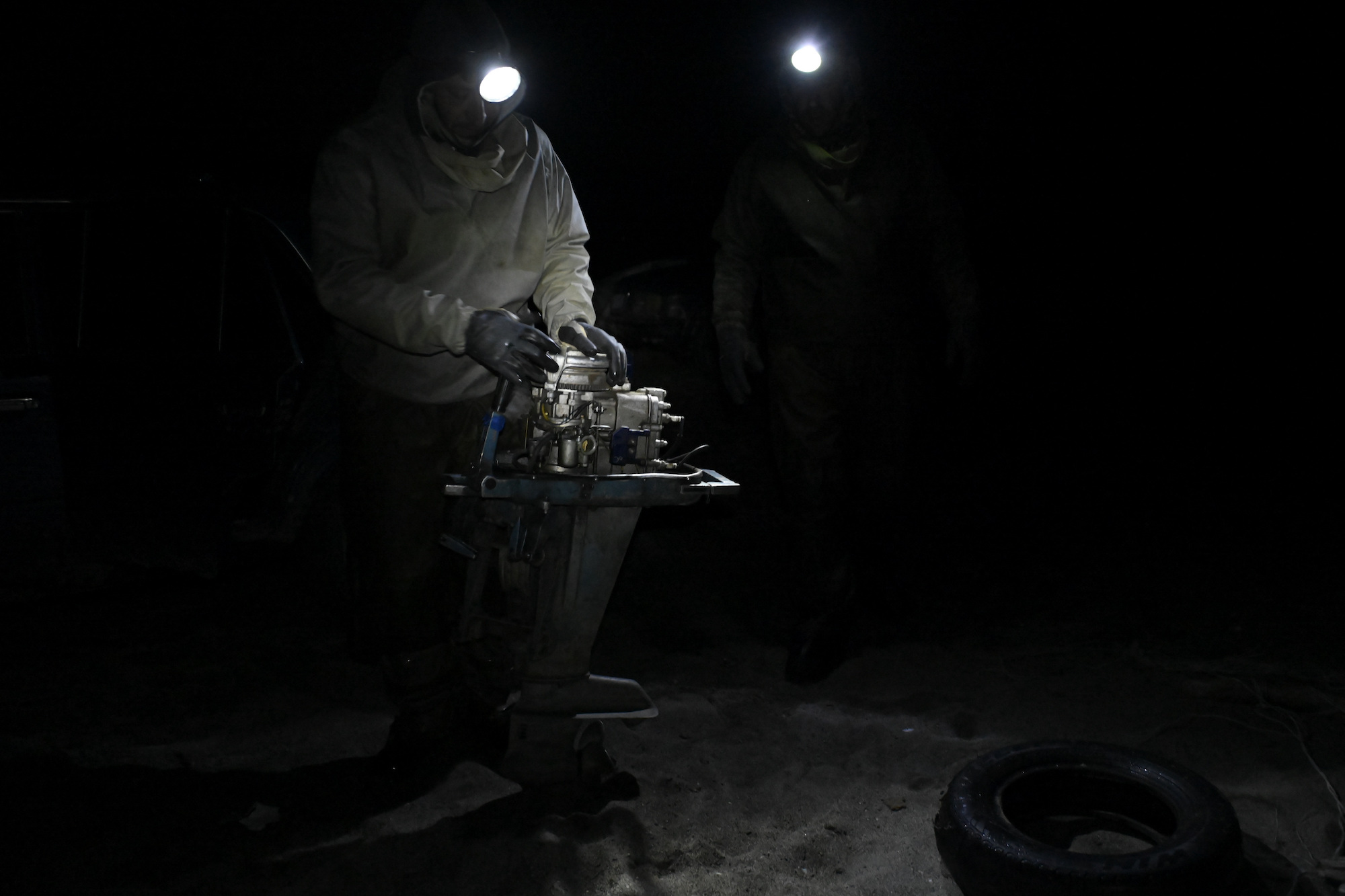
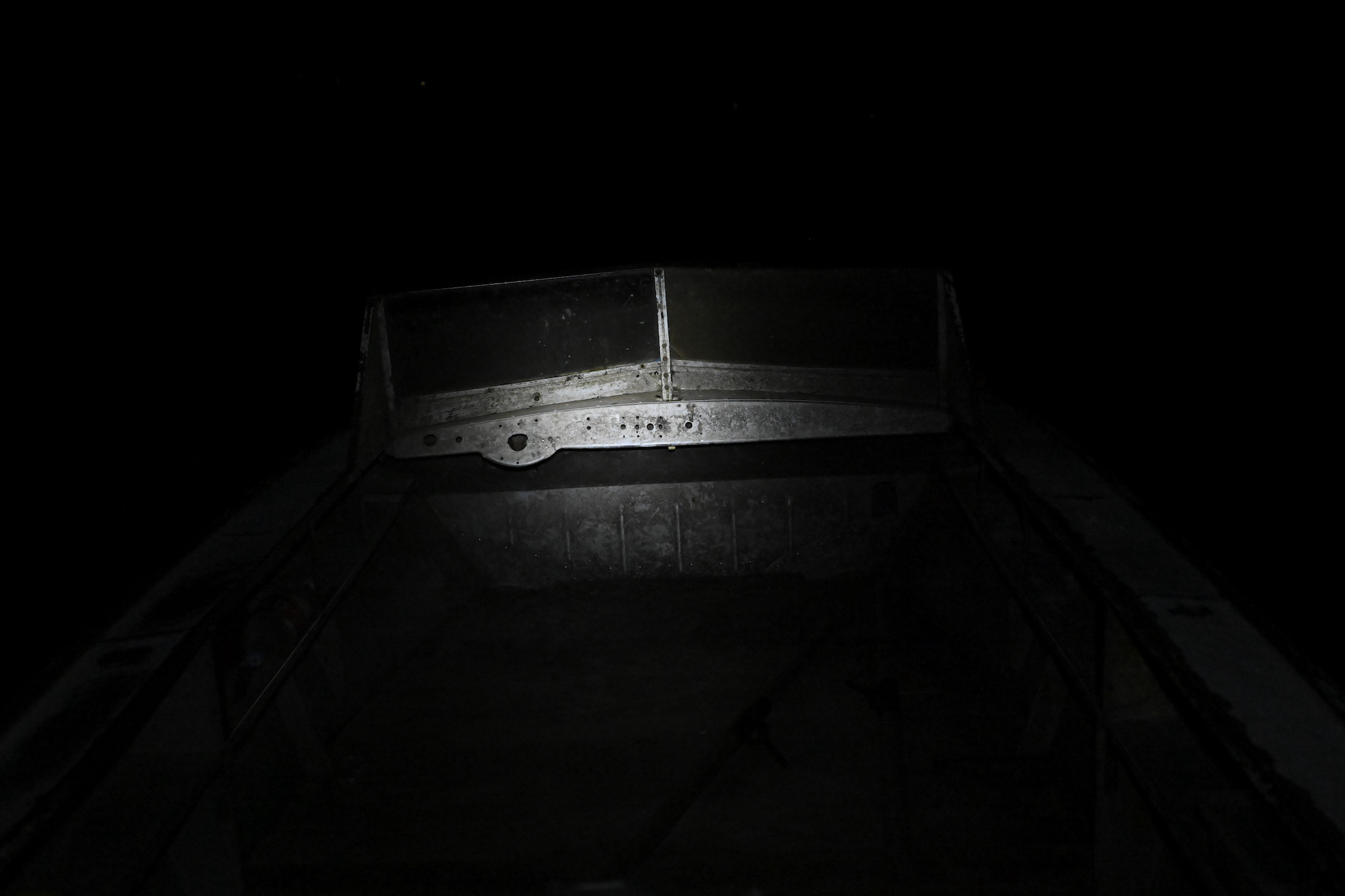
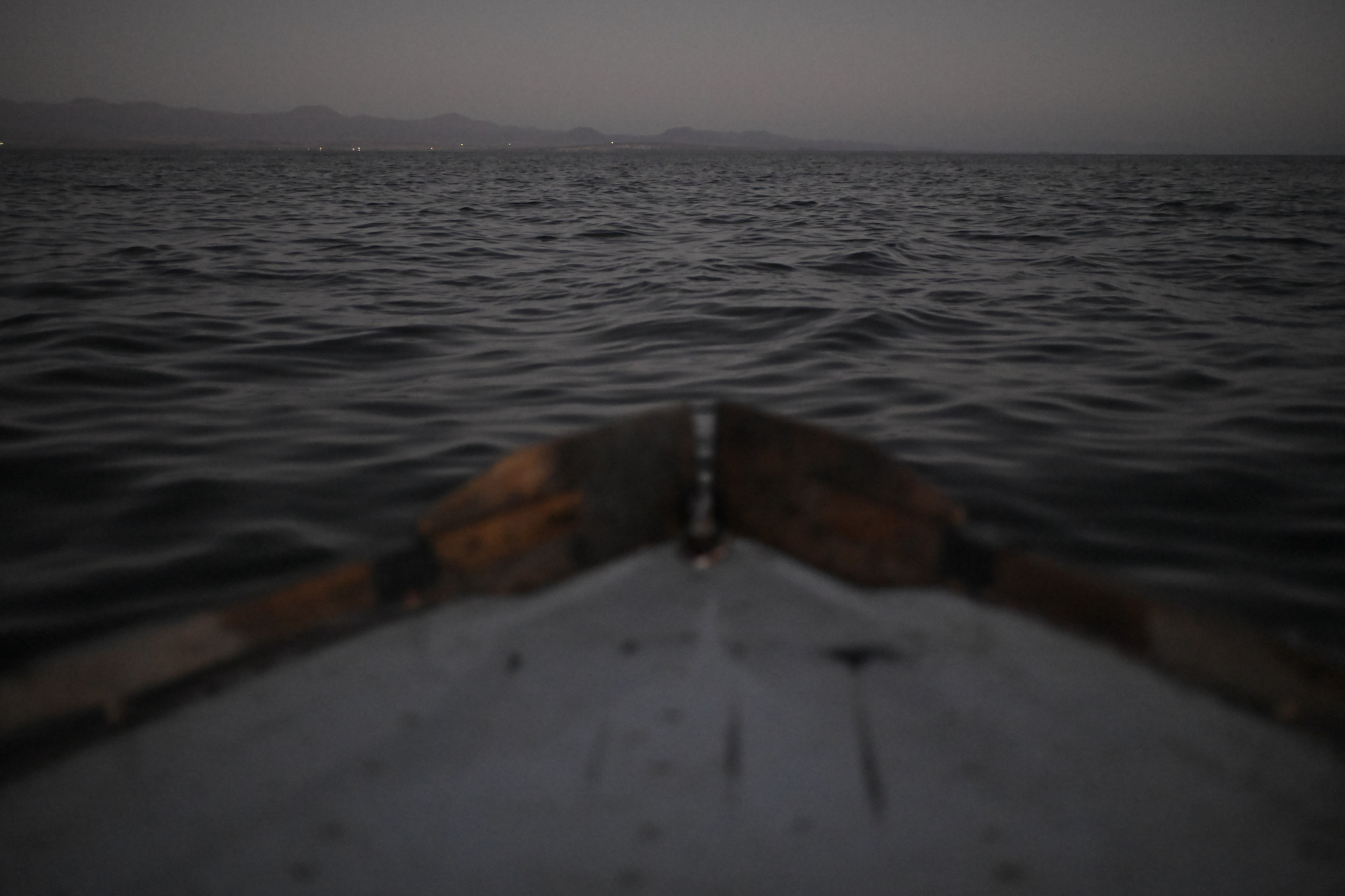
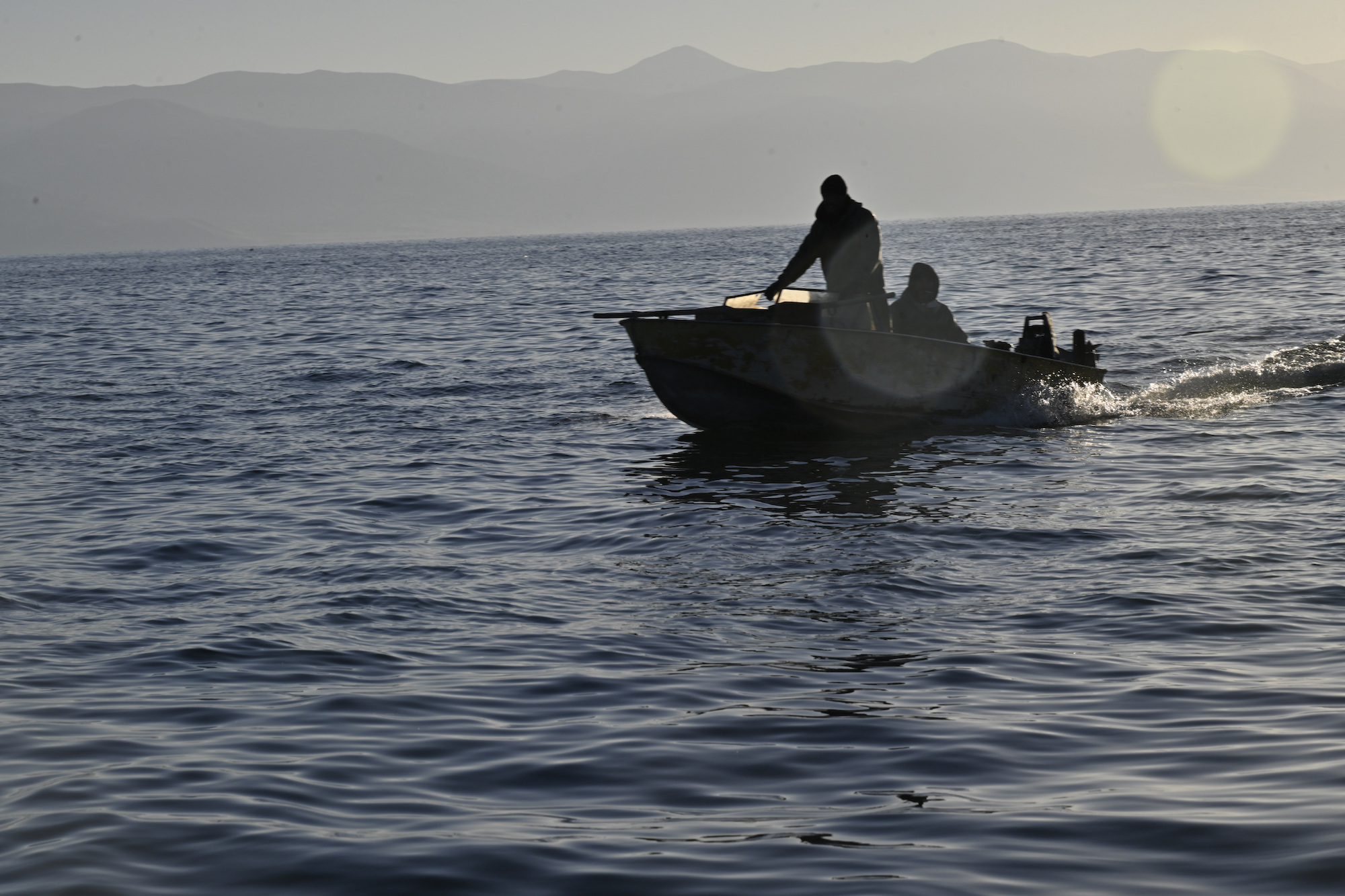
It’s two in the morning. Sharp air and silence blanket the night. Two fishermen, Armen and Vardan, put on their heavy clothes and thick boots, then head toward the shore of Lake Sevan. Their small boat, built for two, waits to begin the daily journey, one full of risk, danger and long hours.
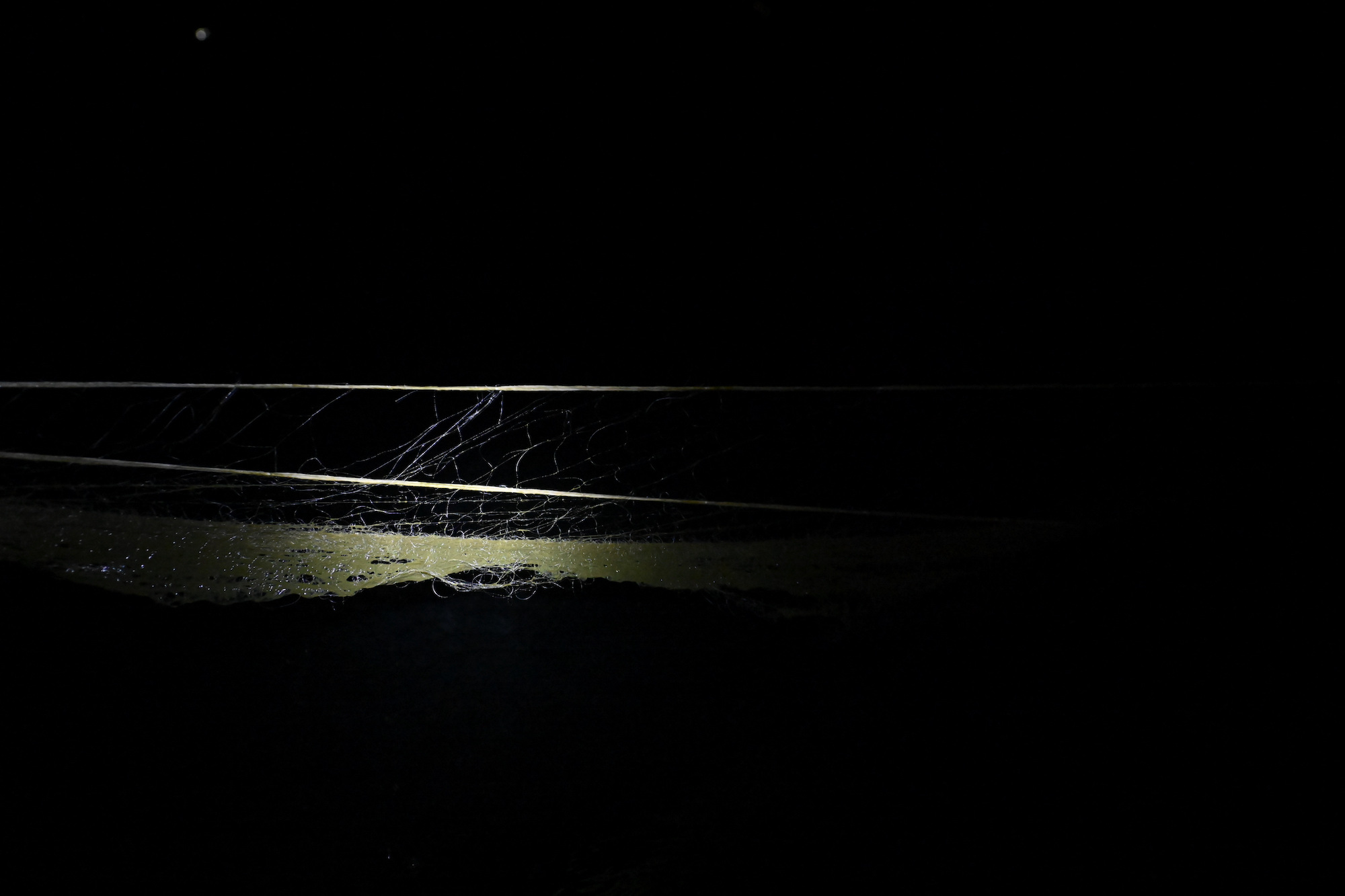

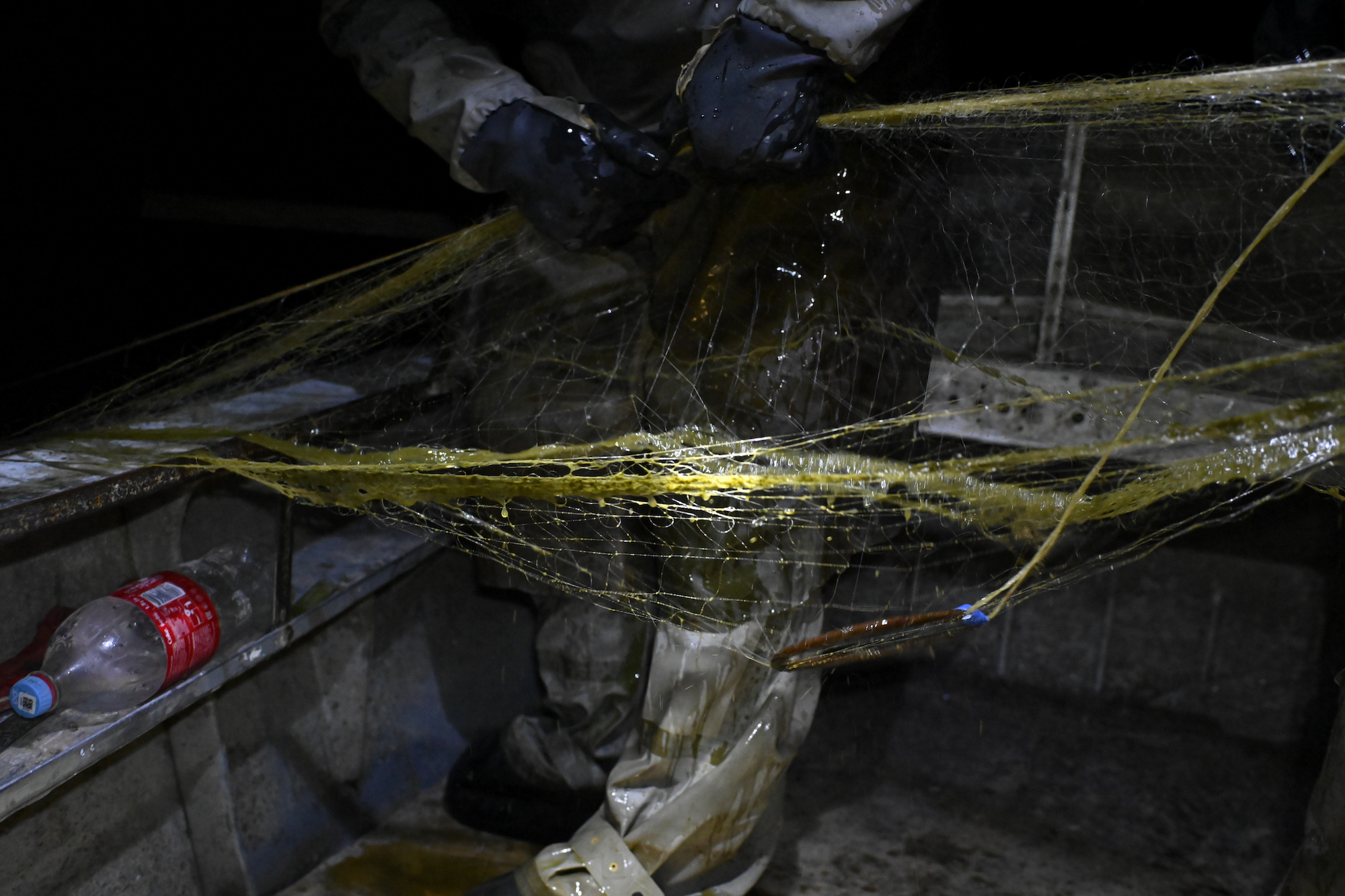
Vardan, 42, doesn’t know how to swim; every mistake may cost him his life. Armen, 46, first went fishing at sixteen. Since then, he has gone fishing every day because it is the only way to support his family of five. In Noratus, a village on the shores of Lake Sevan in Armenia’s Gegharkunik region, nearly every family depends on the lake for its livelihood. Fishing shapes the local economy, from the daily catch to processing, packaging and canning the fish that leave the village for markets across the country. When Armen first began fishing in the 1990s, there were barely 20 boats on the lake. Today, as night falls, nearly 400 vessels glide onto the lake for the daily harvest of Sevan whitefish.*
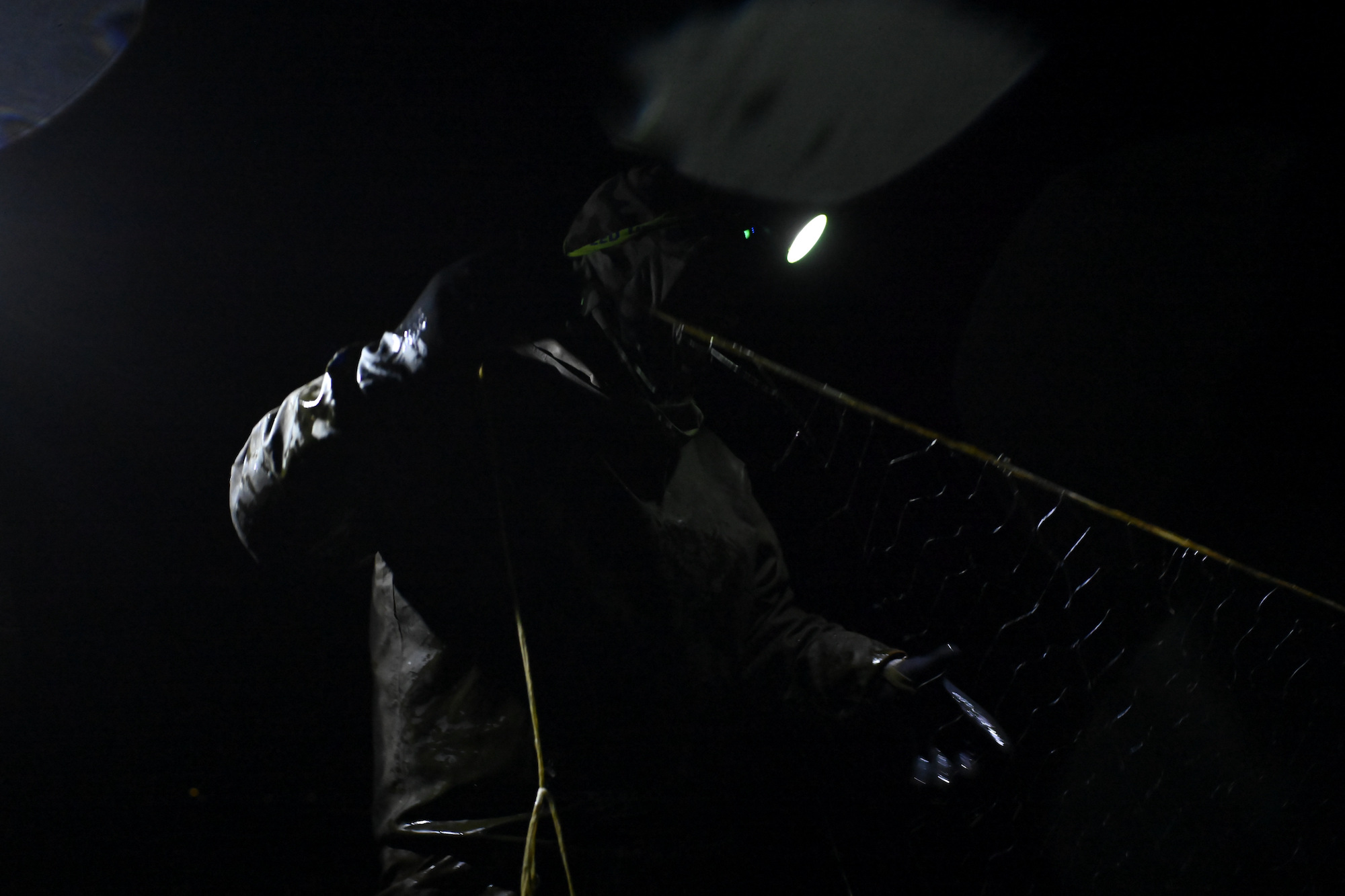
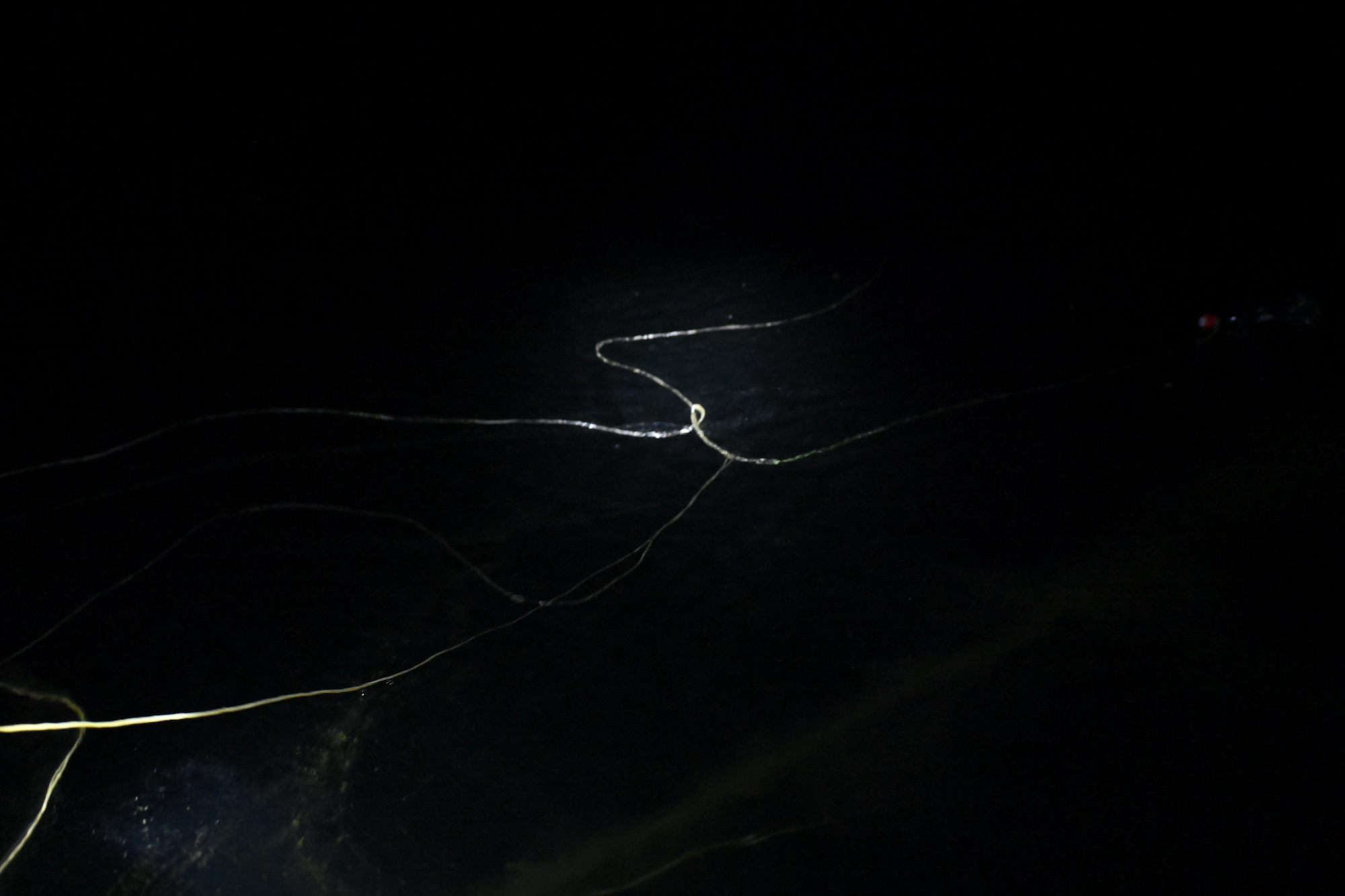
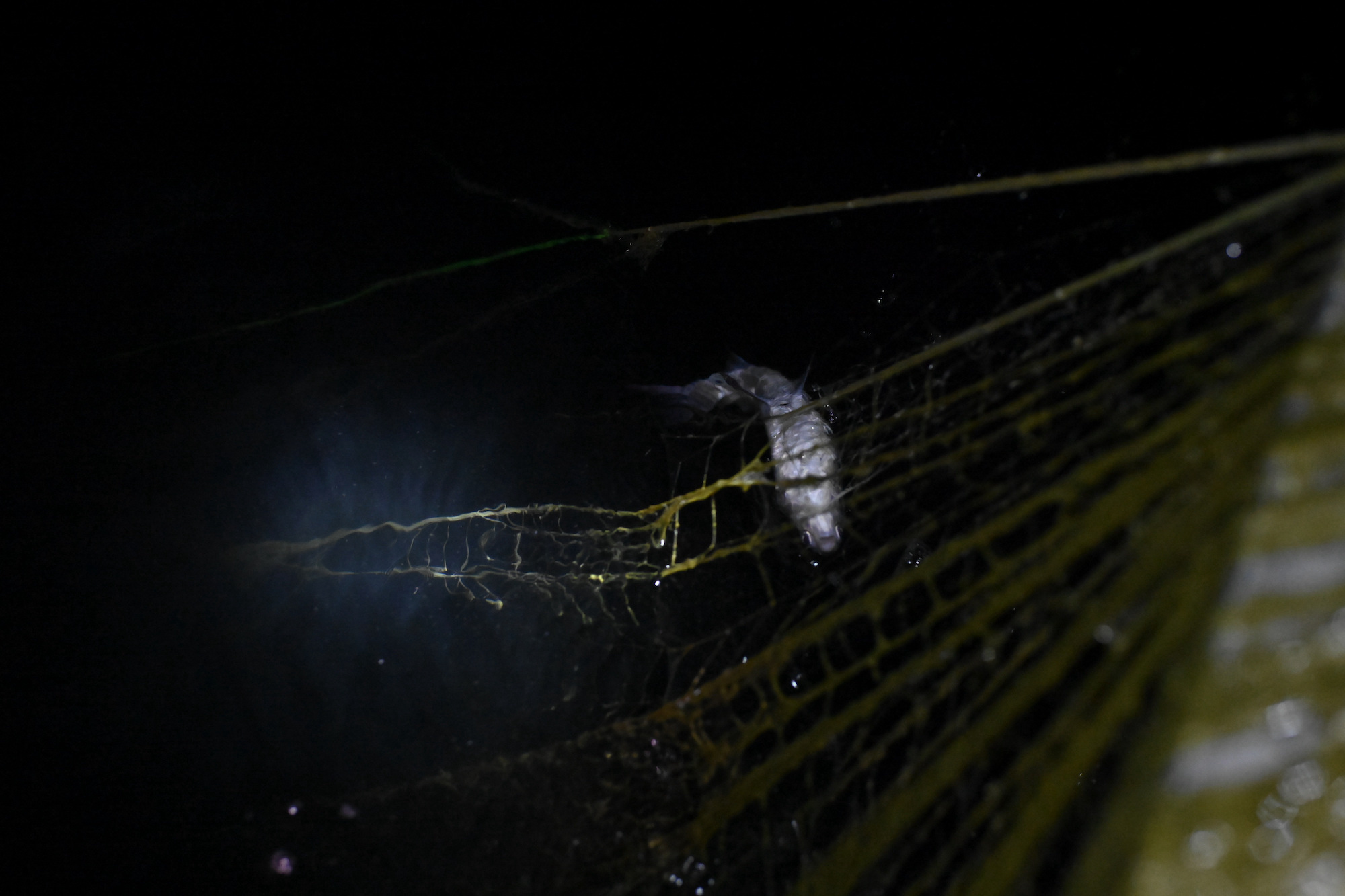
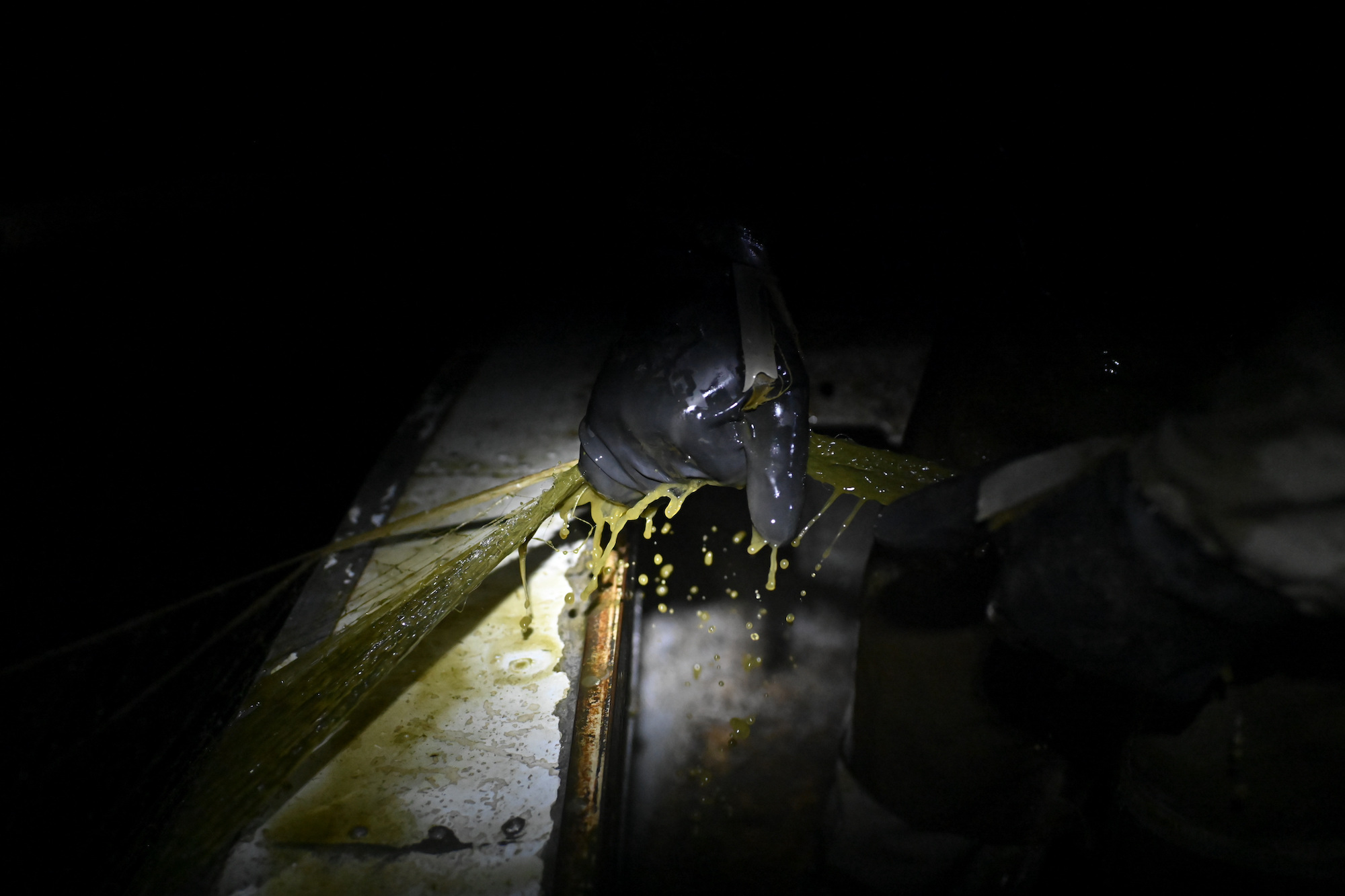
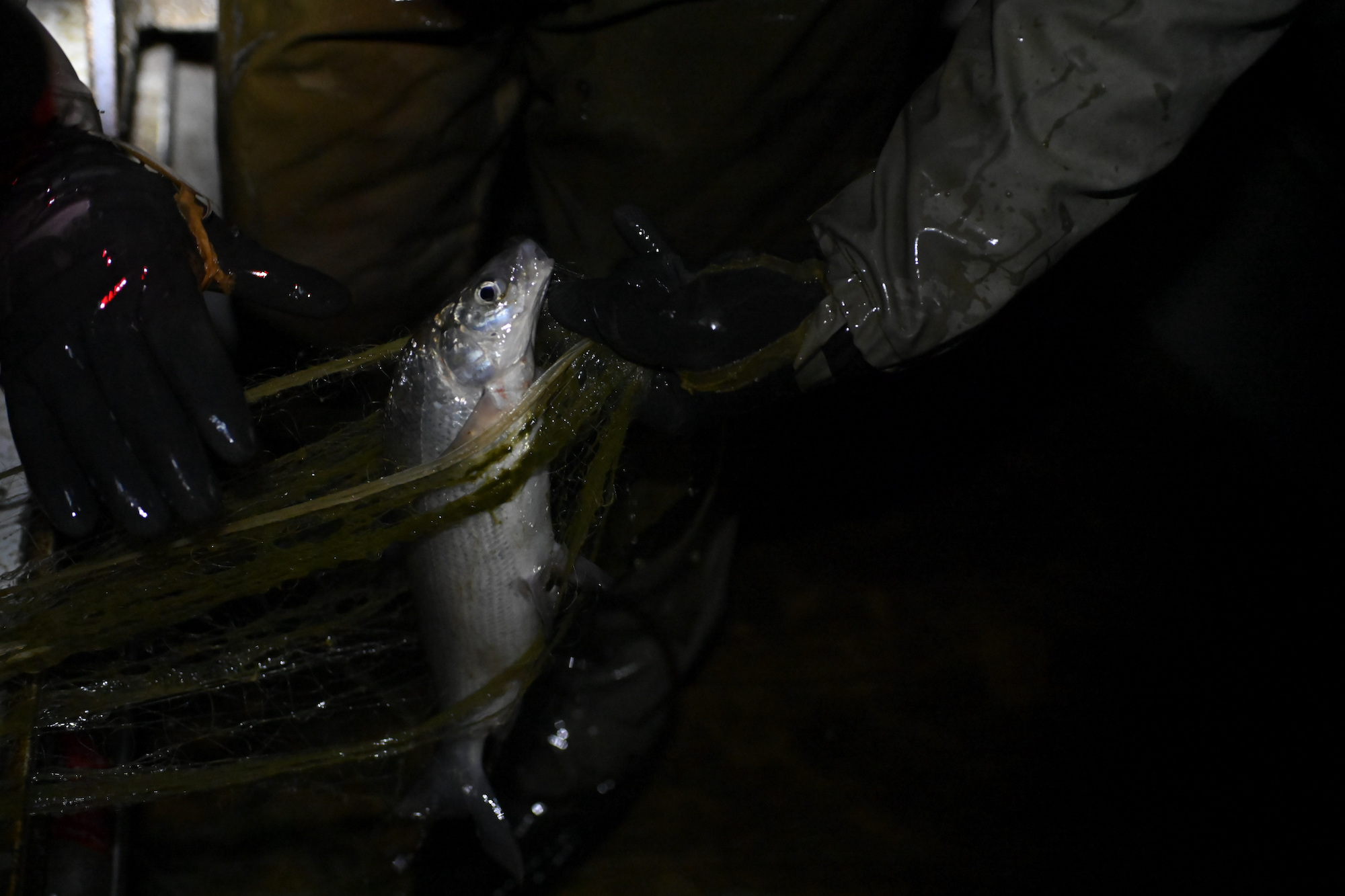
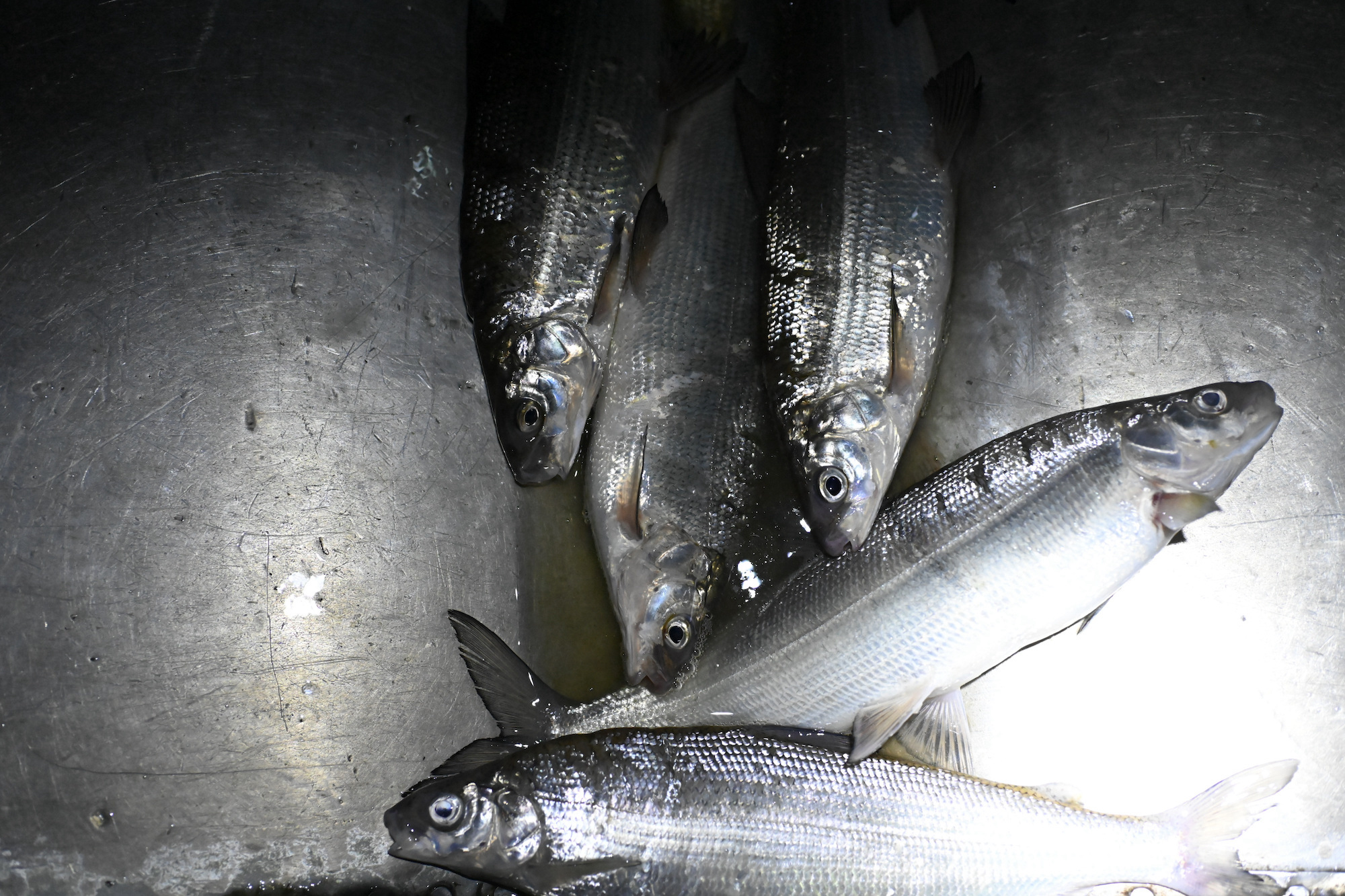
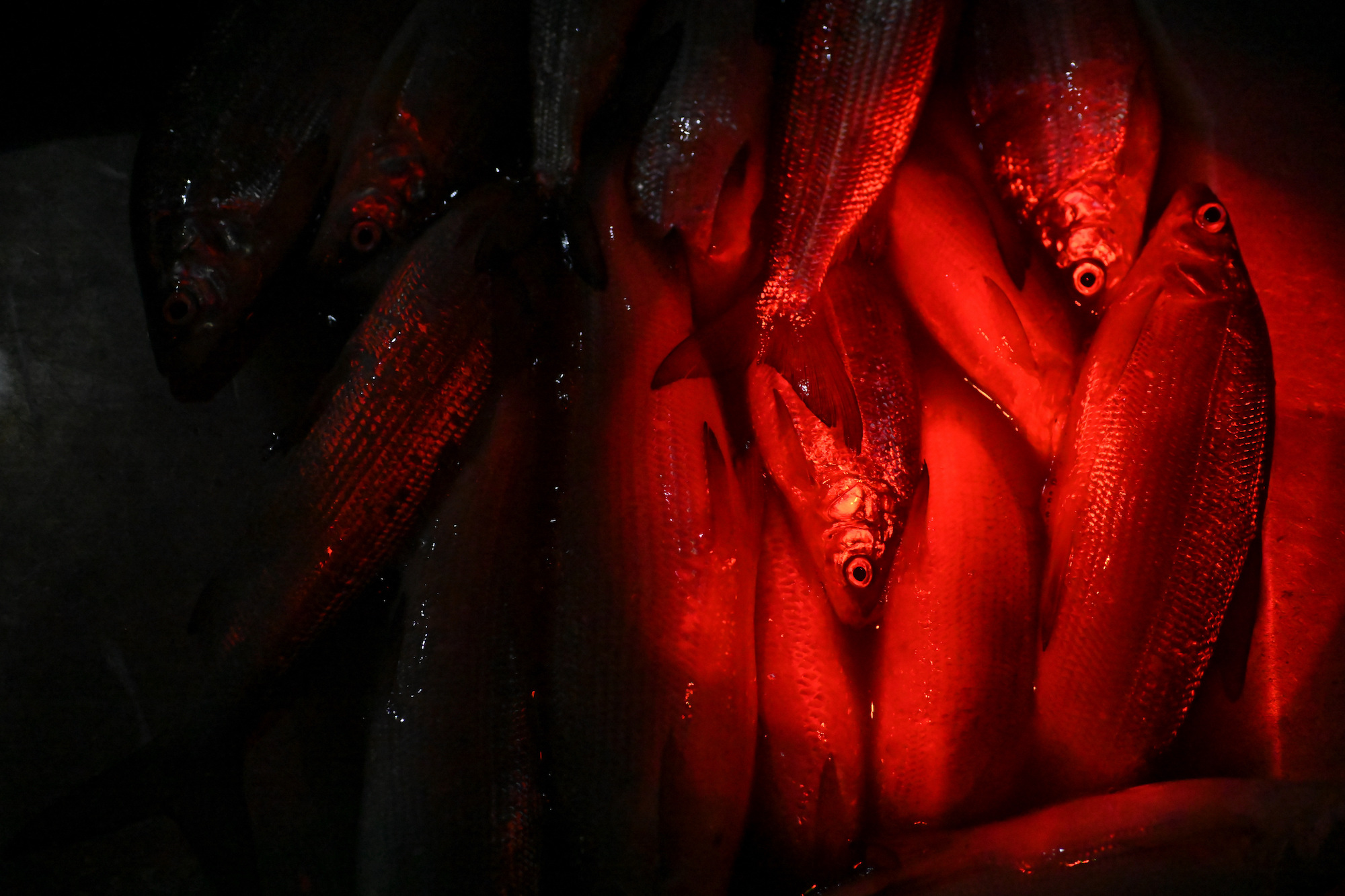
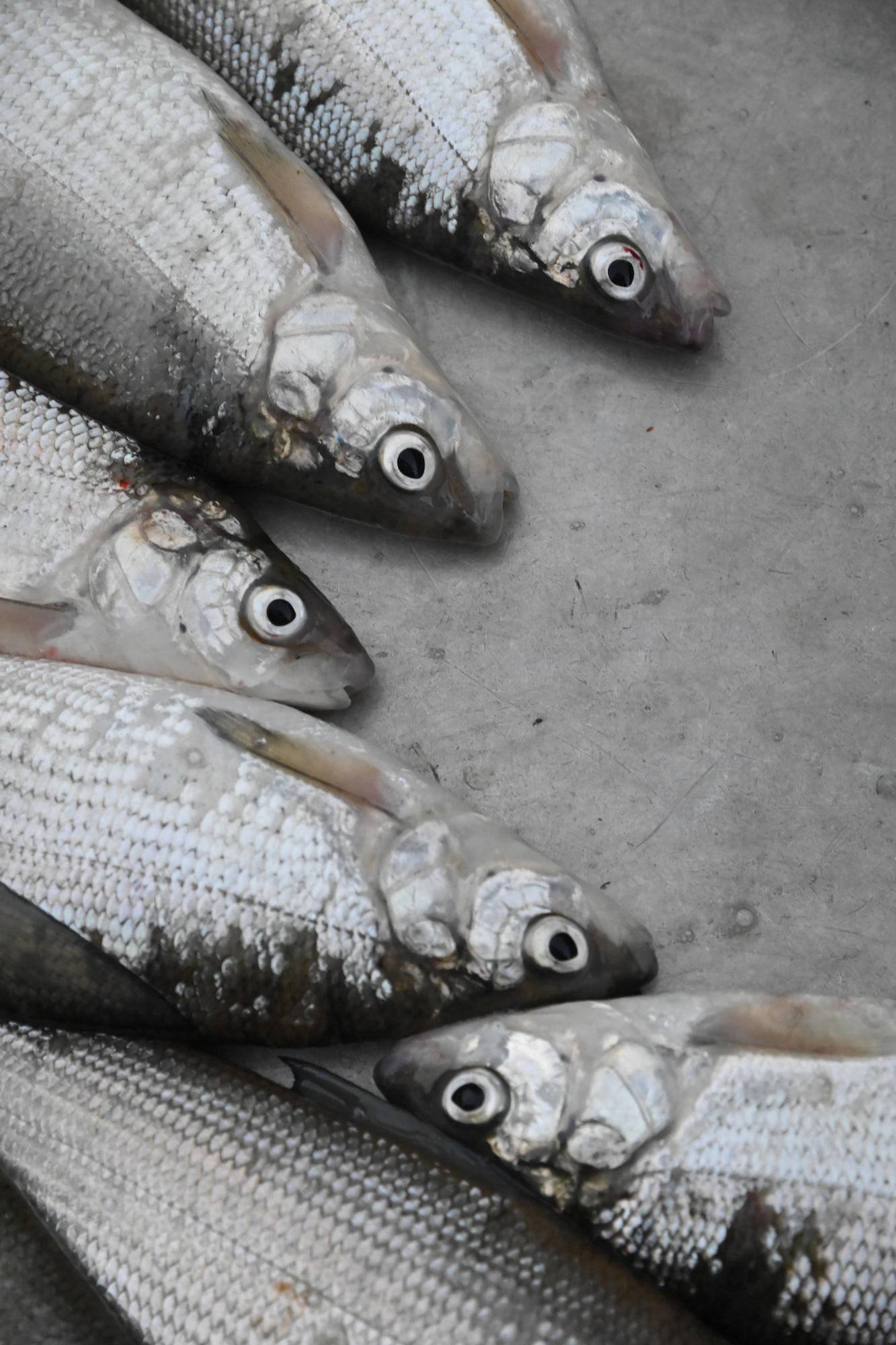
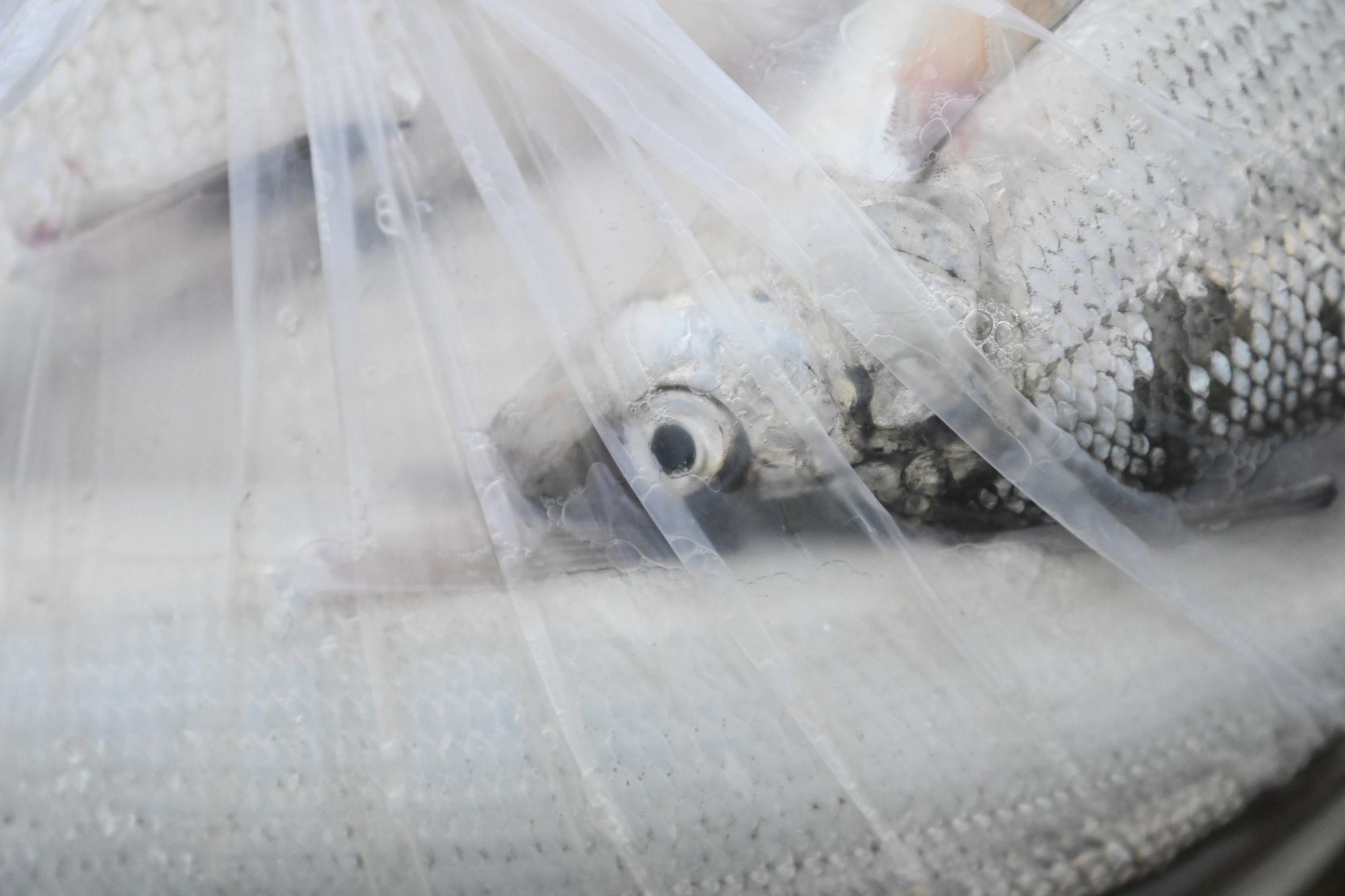
Five hours later, they managed to catch only 70 whitefish. In the morning, their client will meet them on the lakeshore to take everything they have. They keep a handful of fish to bring home for lunch with their families. The biggest whitefish weighs 4.5 kilograms.
In this region, fishing is completely male-dominated and regulated by a system of special licenses. Armenia’s Ministry of Environment issues permits to fishermen for fishing in Lake Sevan. By law, fishing is prohibited from November 20 to January 20, during spawning season.
On a bitterly cold winter day, Armen’s nephew fell into Lake Sevan. There were no phones to call for help. Vardan and Armen looked for him for hours without navigation and ended up drifting 15 kilometers from the lakeshore to Artanish, frozen and frightened. The nephew survived, but barely. Both fishermen describe their job as work that can be fatal.
“Once, one of our relatives from Yerevan said he wanted to join us while fishing. Some people think it’s a romantic trip. They don’t truly imagine the consequences and challenges we face there,” Armen recalls.
Suddenly, a storm hit. Armen’s relative shouted that he would pay all the money they were supposed to earn from that day’s fishing, begging to be taken back to the shore.
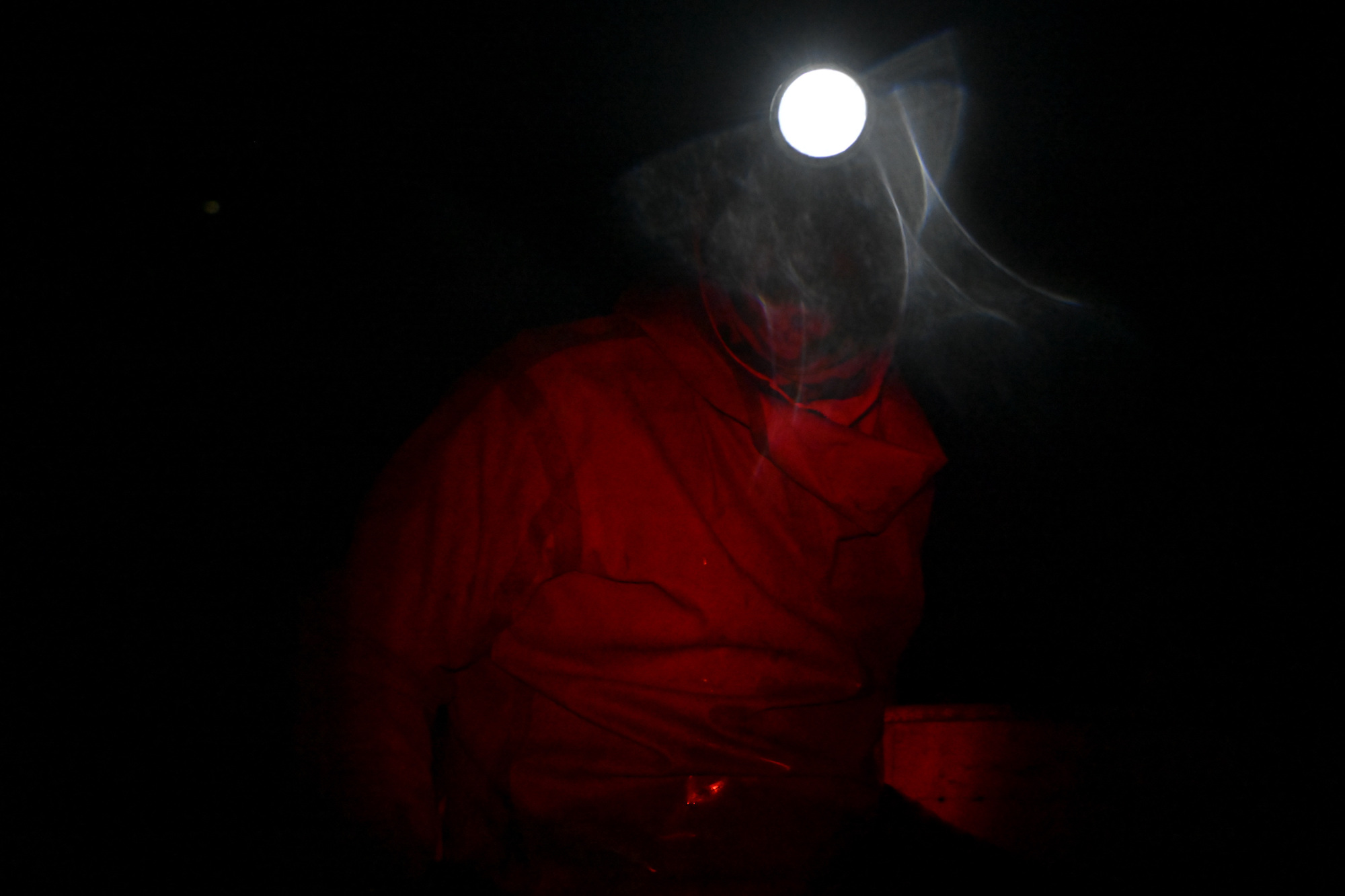
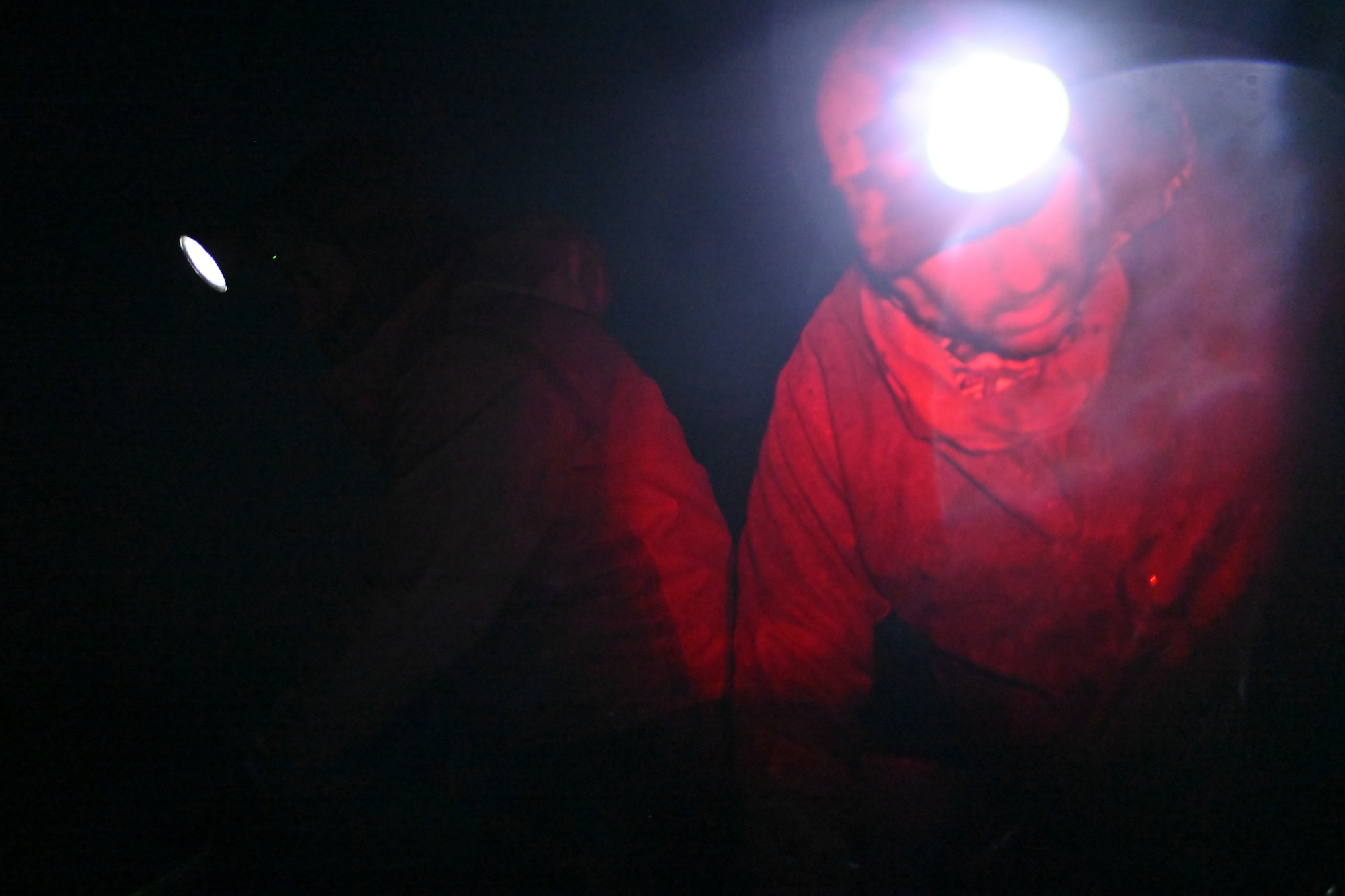
Both fishermen have children, but they would never let them go fishing. It wasn’t their choice either, but the 1990s were extremely hard to survive, and they thought only about money to help their families. With a sigh, Armen says that he would have preferred to study at university rather than fish. That’s why now he does everything to keep his children away from fishing.
“Many people who aren’t familiar with our territory and the problems we face here ‘kindly’ suggest that we work in construction. I tried, but a day pays 7,000 AMD (about 18 USD). I can’t support my family on that,” Vardan says.
There’s no irrigation system in Noratus, which makes farming difficult and often pointless. Families either fish or work abroad. The region is also one of the coldest in Armenia, so animal husbandry isn’t a reliable source of income.
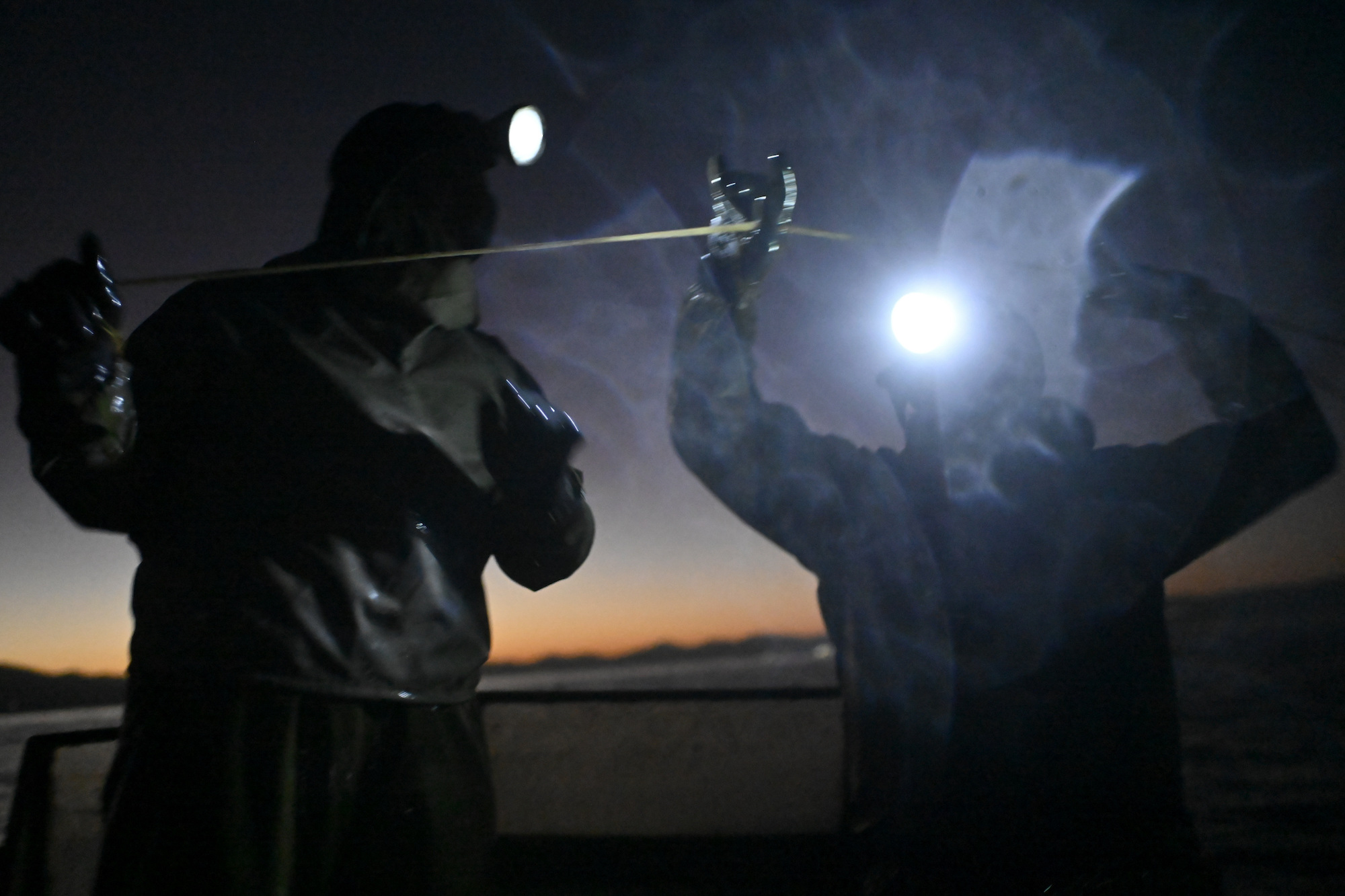
In the 1990s, Armen explains, they used to fish in the mornings. But the past three years have been different. New types of black birds have started coming to the area to feed on the fish. Because they don’t know the real name of these birds, they jokingly call them “Bayraktar,” a reference to the Turkish combat drone. These unexpected guests create problems for the fishermen, forcing them to go to the lake at night, when everyone is asleep. This makes fishing even more dangerous, because it’s extremely cold and dark, especially at the end of autumn.
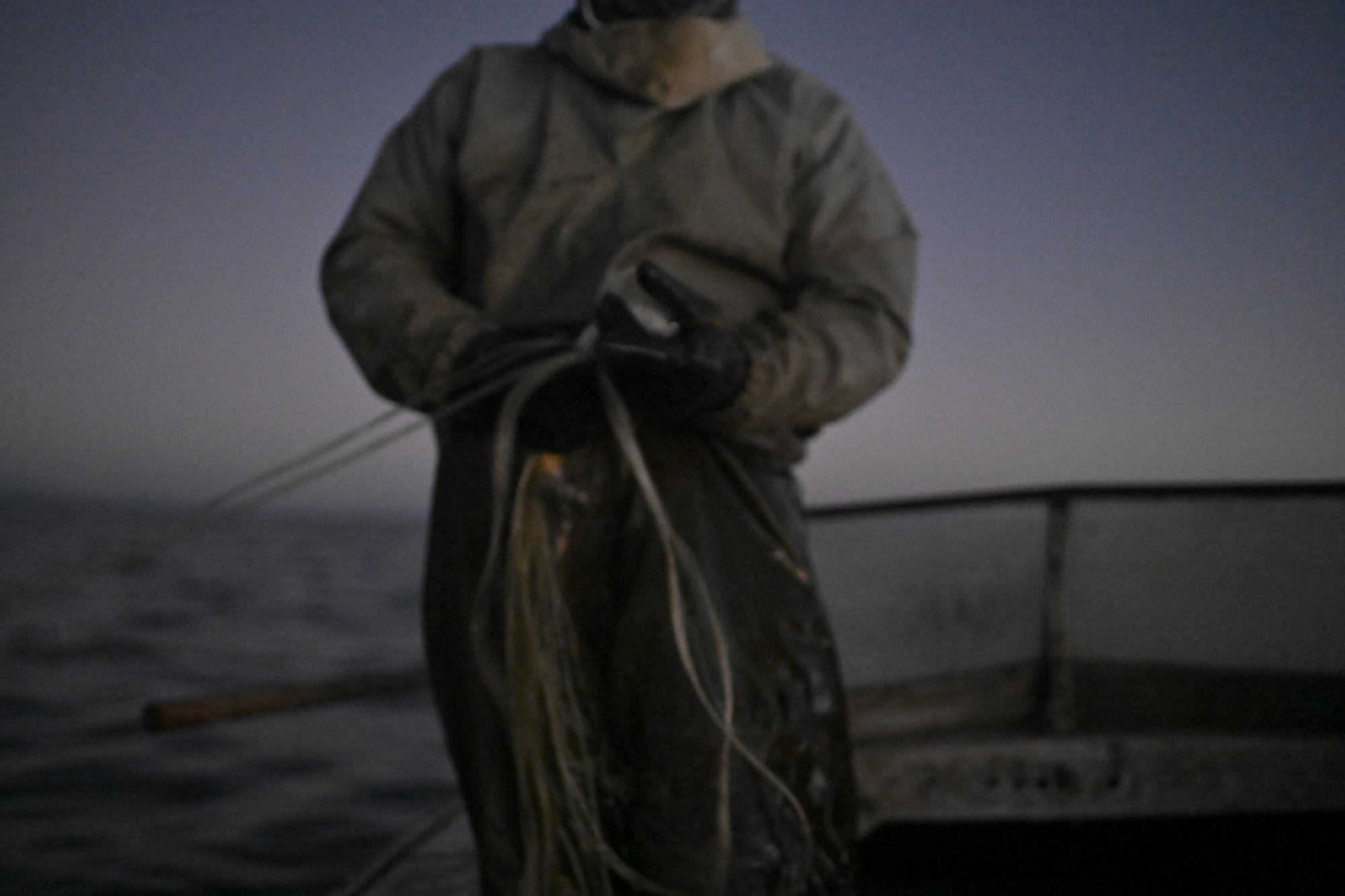
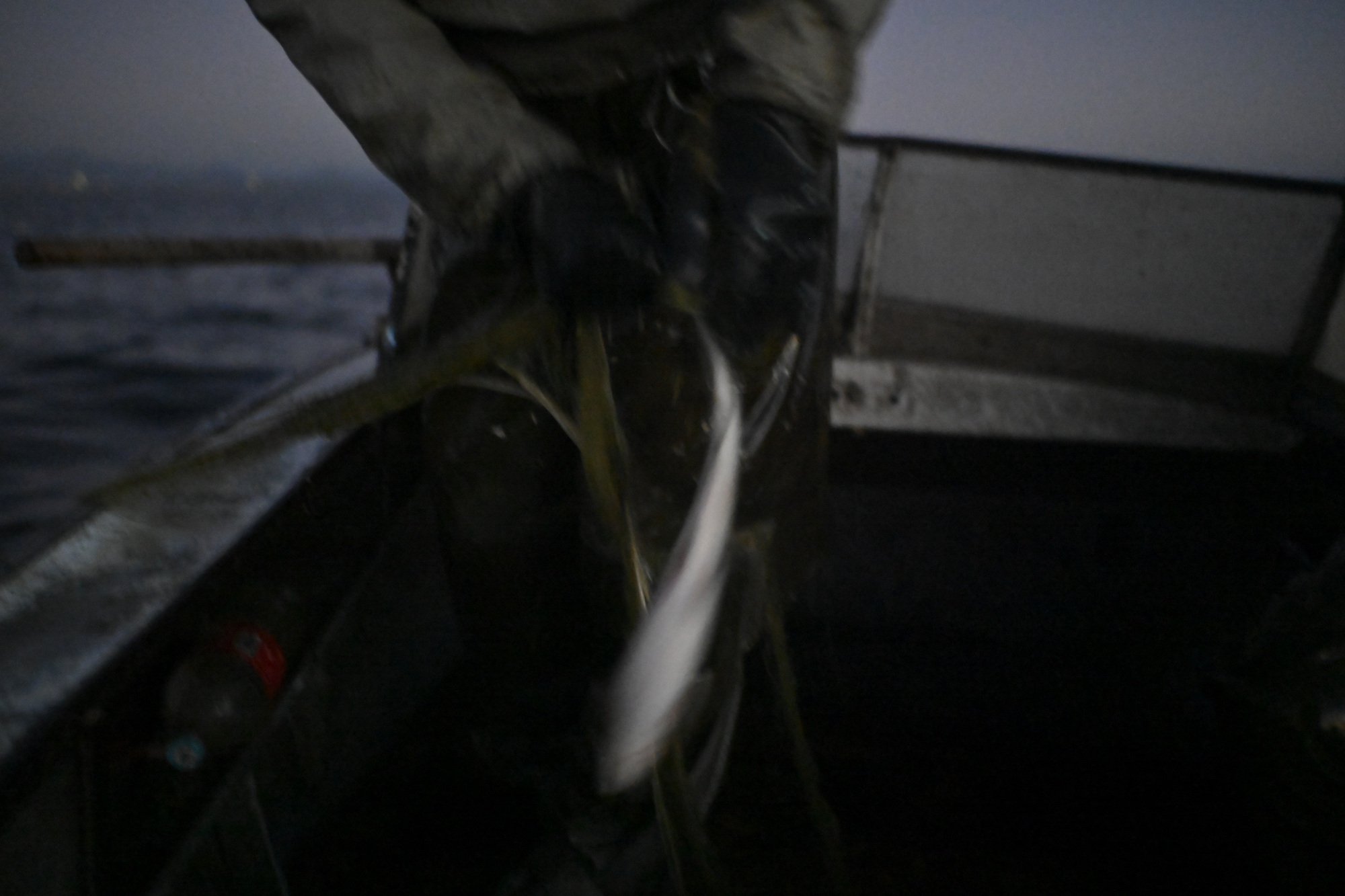
The fishing nets are about 100 meters long and 7 meters wide. Fishermen order them from China or buy them from villagers who knit them by hand. The boats cost about one million AMD and are ordered from Russia. When technical problems arise, a boat mechanic in Noratus who specializes in this kind of boat handles the repairs.
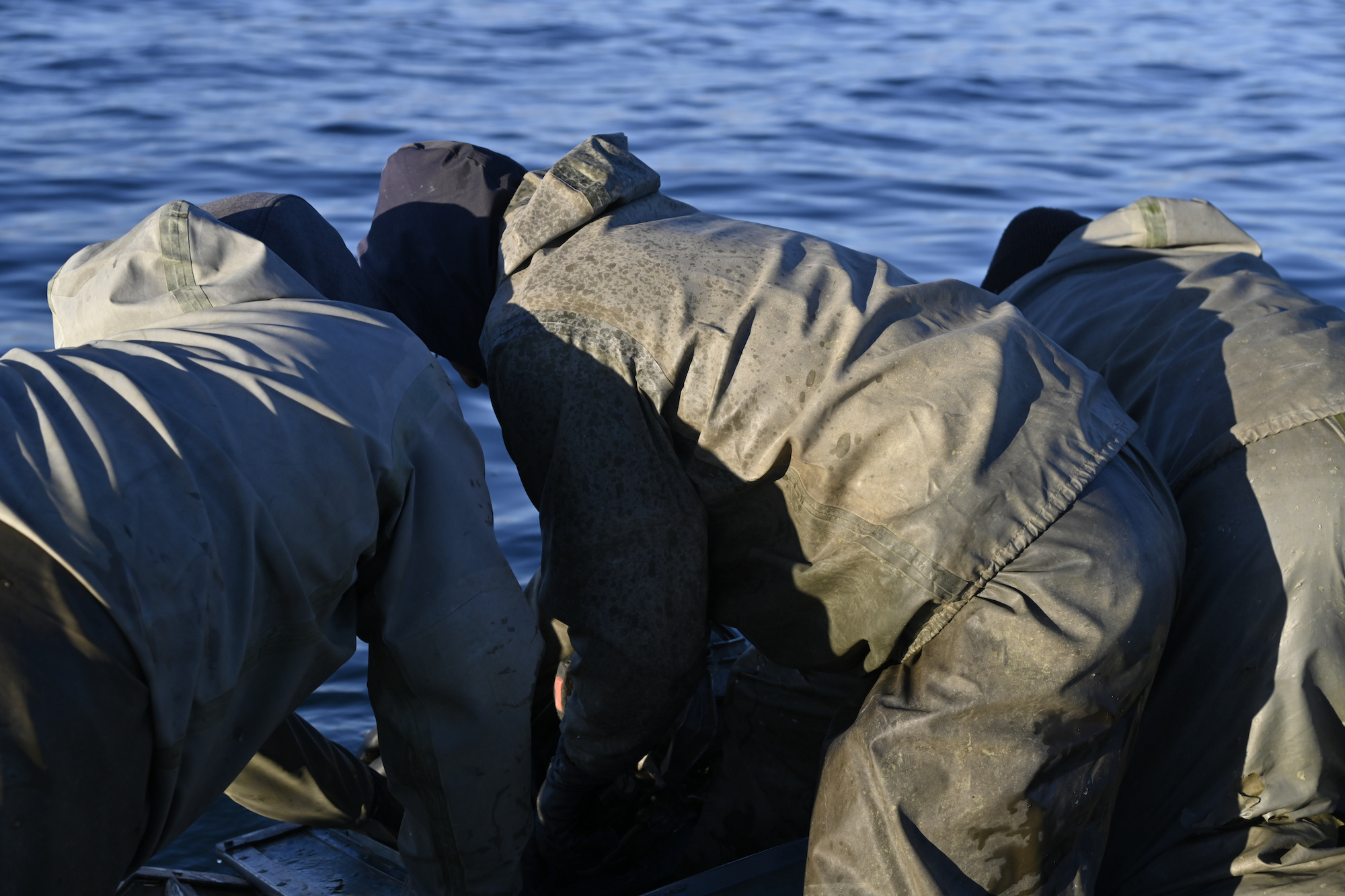
Fishermen place their nets in different parts of the lake—they know from experience where to set them. The journey begins with the first next to the second and so on. There isn’t a minute to sit down or rest. Hauling the fish onto the boat is hard work. Whitefish die almost immediately, so they’re placed in special containers.
“A fisherman on the boat never knows what to expect from Sevan. Sometimes the weather is perfect, and suddenly it changes,” Vardan explains. “Our uncle died in Sevan in the 1990s while fishing. Especially in February, when Sevan is covered with thick ice, one can hardly survive falling in.”
Unlike most people, Armen and Vardan sleep during the day, because they don’t have weekends or holidays. They work at night and need to rest for the next day’s work.
They don’t want anyone to think they’re indifferent to the lake or nature, but with no better options, they fish to survive. Whenever the opportunity has arisen, they have raised these concerns with government officials.
“We have seen some changes during the last year. There is some construction happening here, and if there are jobs that will feed our families, we will never avoid doing them,” Armen says. “University tuition for my son is 950,000 AMD, and I do my best to give him the opportunity to have a better job than mine.”
Early in the morning, when the fishing is done and the fishermen safely reach home, Vardan’s mother starts cooking lunch for the family. Sometimes, when Vardan is not too tired, he prepares the fish with tomatoes, potatoes, peppers, and tarragon. He says he could eat the fish every day, but the family has other preferences. Like many in Noratus, his family eats fish at least twice a week. The whitefish of Sevan not only provides them with permanent income but also with food.
We drive back toward Yerevan along the curve of Lake Sevan and stop to rest beside a familiar roadside mannequin making the famous “Sevan fish” gesture—arms stretched wide, as if measuring an impressive catch. Its head is a white plastic bottle, its body dressed in faded jeans, a permanent smile fixed on its face. The lake glimmers calmly in shifting shades of blue, and it is hard to imagine that, after dark, storms rise here and fishermen push off into the water, never certain what the next hours will bring.

*Whitefish is not endemic to Sevan; it was introduced from Russia. Brought to the lake in 1924, it established itself and crossbred with local species, producing a new hybrid: Coregonus lavaretus sevanicus Dadikyan