
I was in Venice last week, taking part in a conference dedicated to Haroutioun Galentz and making the rounds of what is arguably the world’s greatest concentration of visual art events: the Venice Biennale. The sad coda to the 2026 edition, In Minor Keys, is the premature death of its curator Koyo Kouoh, as well as a series of scandals and even a jury resignation over the presence of the Russian and Israeli pavilions, which have nonchalantly pitched their tents on these venerated grounds to pontificate on exalted ideas while gleefully waging genocidal wars back home. All par for the course, I suppose, in a contemporary world that has so comfortably settled into a reality of incessant, daily slaughter of innocent people — so long as there remain the means to sustain a pretence of normality elsewhere. Venice, for example.
Despite some hard-hitting national pavilions and individual works that shriek and shout about our doomsday times — Austria, Moldova, and Belgium among them — the Biennale as a whole felt like a giant pacifier, designed to lull our collective anxieties with an endless array of floral and vegetal motifs, miles of woven, crocheted or embroidered “memories,” and communal mythologies that gently sway us towards an idyllic past. Perhaps it was just me, but the strange aura of escapism that permeated the proceedings (one pavilion featured an enormous wool “mattress” deployed with great enthusiasm by exhausted visitors) felt more discomforting than any work directly confronting the grim realities of the day. The worst irony of all was the creeping realisation that there was nothing remotely “minor” about Minor Keys. The globalized ecosystem of — industry? — contemporary art cannot but operate as a loud and lurid spectacle, to be consumed before a tasty aperitivo and digested accordingly.
It is easy to surrender to the polemic of visual art’s deepening irrelevance against such a backdrop. And yet I also found the experience quietly reassuring, because the flashes of brilliance I did encounter came not from the acknowledged centers but from more peripheral contexts — Moldova, Kenya, Finland — places not particularly dependent on the machinations of the global art marketplace. Armenia is clearly one of those contexts. And yet, since its surprising win at the 2015 Biennale, the country has been represented by locally-based artists only once — the 2019 Revolutionary Sensorium — too often conceding the platform to established practitioners of Armenian origin based overseas. Leaving aside questions of individual merit, including that of this year’s representative, the New York-based sculptor Zadik Zadikian, it feels high time that the country, and its Culture Ministry, unshackled itself from its inferiority complexes and embraced the messy, unpolished but vividly alive art scene on its own home turf.
EXHIBITIONS
New Beginning: Body, Habitat, Memory
Speaking of messy and unpolished, the State Academy of Fine Arts of Armenia is holding its annual graduate show, which is always a good occasion to discover some rough diamonds in the making. Even in the horribly dismal 2025 exhibition, there were at least a few budding artists whose remarkable talents shone through like bolts of lightning in what was otherwise a thick swamp fog. It’s tremendously exciting when you can spot these wild young things, and I know that I’ll be working with some of them in the very near future. With its changed administration and younger (and dare I say, more clued-in) staff, the Academy is in the process of fundamental transformations, so we’re hoping that this year’s graduates will finally start to show the fruits of these reforms as optimistically indicated by the event’s title.
Exhibition: “New Beginning: Body, Habitat, Memory”, Graduates of the State Academy of Fine Arts of Armenia, 2025-2026
Where: Artists’ Union of Armenia
16 Abovyan Str., Yerevan
Dates: June 4-10
A Youthful Gaze
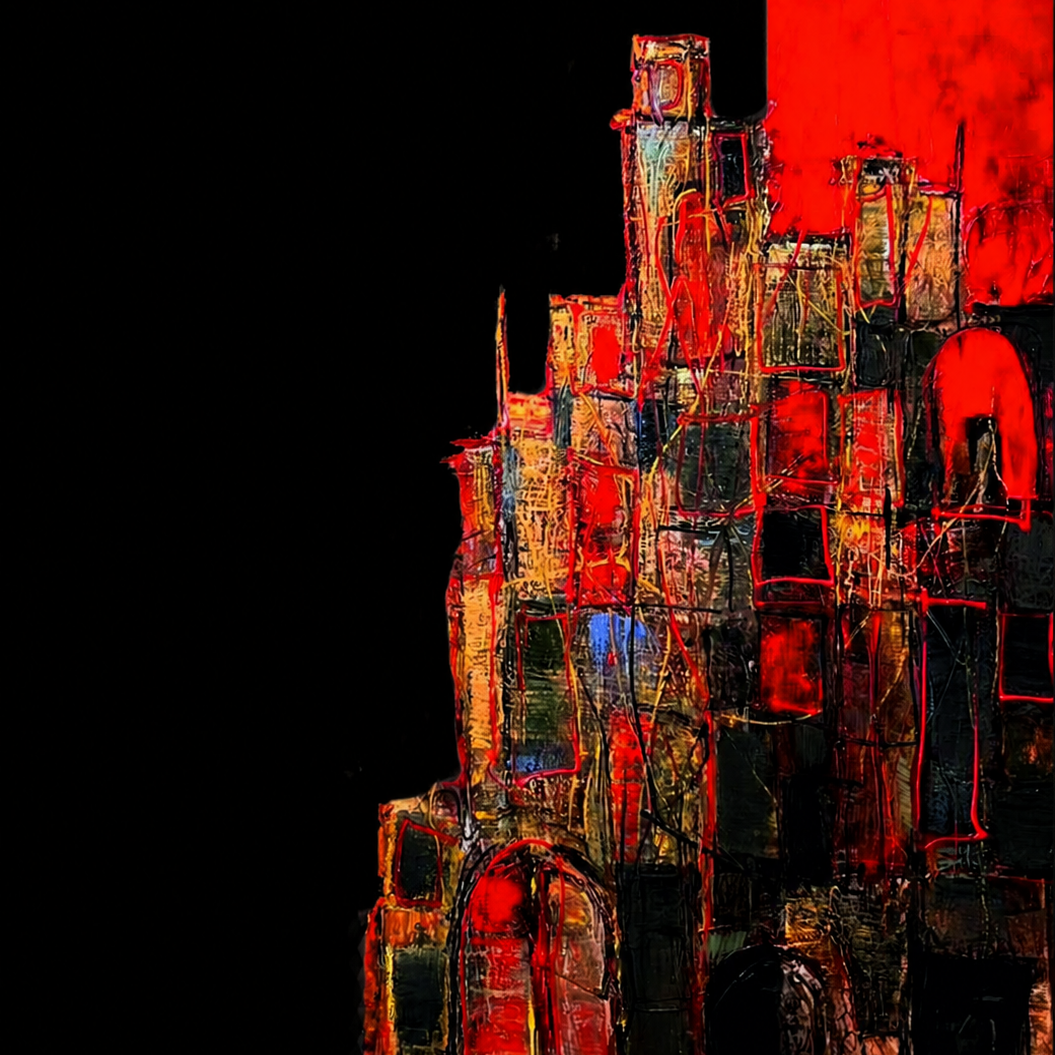
Yerevan may appear to be the only true hub of contemporary Armenian art, but in reality the capital functions more like a gravitational center, constantly drawing in, and depending on, new talent from other parts of the country. Take Vanadzor, for example. Few would think of this former industrial giant as one of Armenia’s most culturally distinctive cities, with its own rich artistic traditions and a remarkable lineage of painters, including Vilen Gabuzyan, Karlos Abovyan, Aram Nazaryan, Gideon Ohanyan and many others. While the city’s rampant artistic development was cut short by the 1988 earthquake and subsequent economic collapse, Vanadzor still produces a remarkable number of young artists, filmmakers and writers, most of whom, alas, eventually end up moving to Yerevan due to the lack of opportunities in their hometown. Nevertheless, the fine art department of the city’s State University remains one of the busiest ones and every year releases a substantial batch of emerging art practitioners into Armenia’s maelstrom of an art scene. This year’s hopefuls get their first significant public outing with a graduate show held at the Vanadzor Museum of Fine Arts. So if you’re in town, make sure to pop-in and see if you can pick out any rising stars from the mix.
Exhibition: “Youthful Gaze”, Graduates of Vanadzor State University
Where: Vanadzor Fine Arts Museum
52 Tigran Mets Str., Vanadzor
Dates: June 3-10
Face to Face
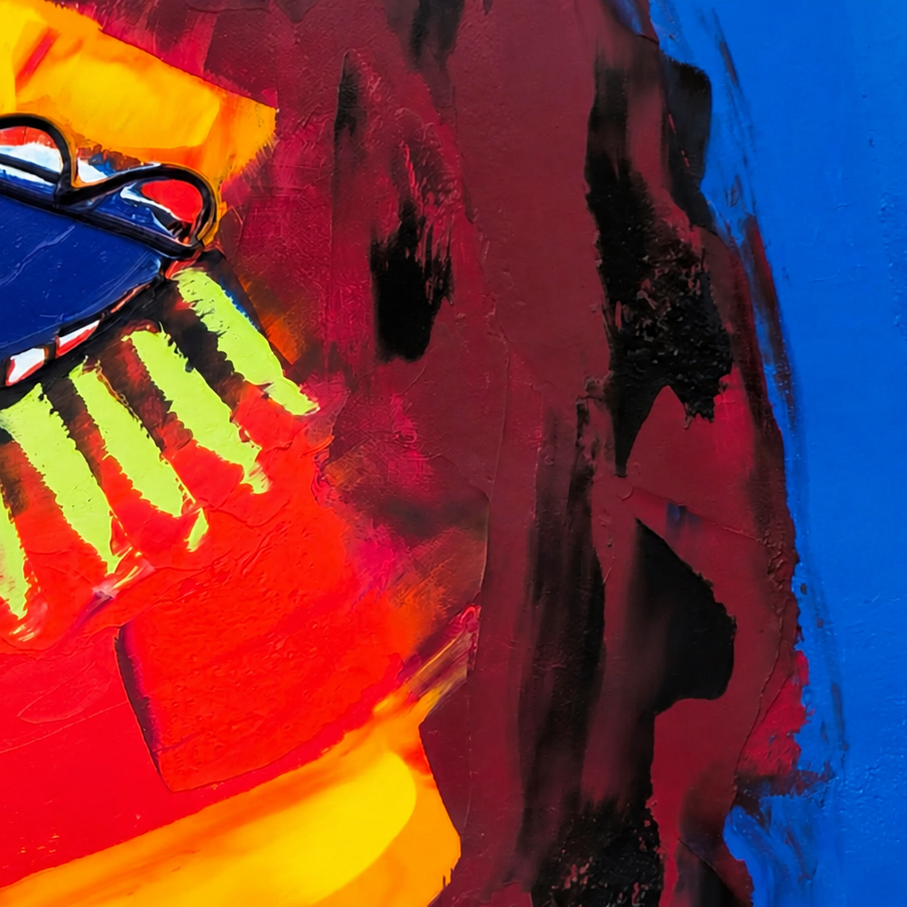
Another group show that provides an opportunity to discover new names, and get reacquainted with some old ones, is the exhibition dedicated to contemporary portraiture held at the Nikolay Nikoghosyan Foundation. This open-call initiative brings together around 30 artists who address this age-old, yet never irrelevant genre from very different perspectives. While Armenian art has had its share of brilliant portraitists, from Hakob Hovnatanyan and Martiros Saryan to Lavinia Bajbeuk-Melikyan and Vruyr Galstyan, in recent decades there have been few truly memorable additions to this canon. Nikoghosyan himself was a master of psychological portraiture in sculpture and it’ll be quite interesting to see how well contemporary artists fare next to his classicist approach, and whether anybody actually dares to break new ground.
Exhibition: “Face to Face”, Group Exhibition
Where: Nikoghosyan Cultural Foundation
19-21 Saryan Str., Yerevan
Dates: May 29-June 30
Weaving Culture: Anna Boghiguian
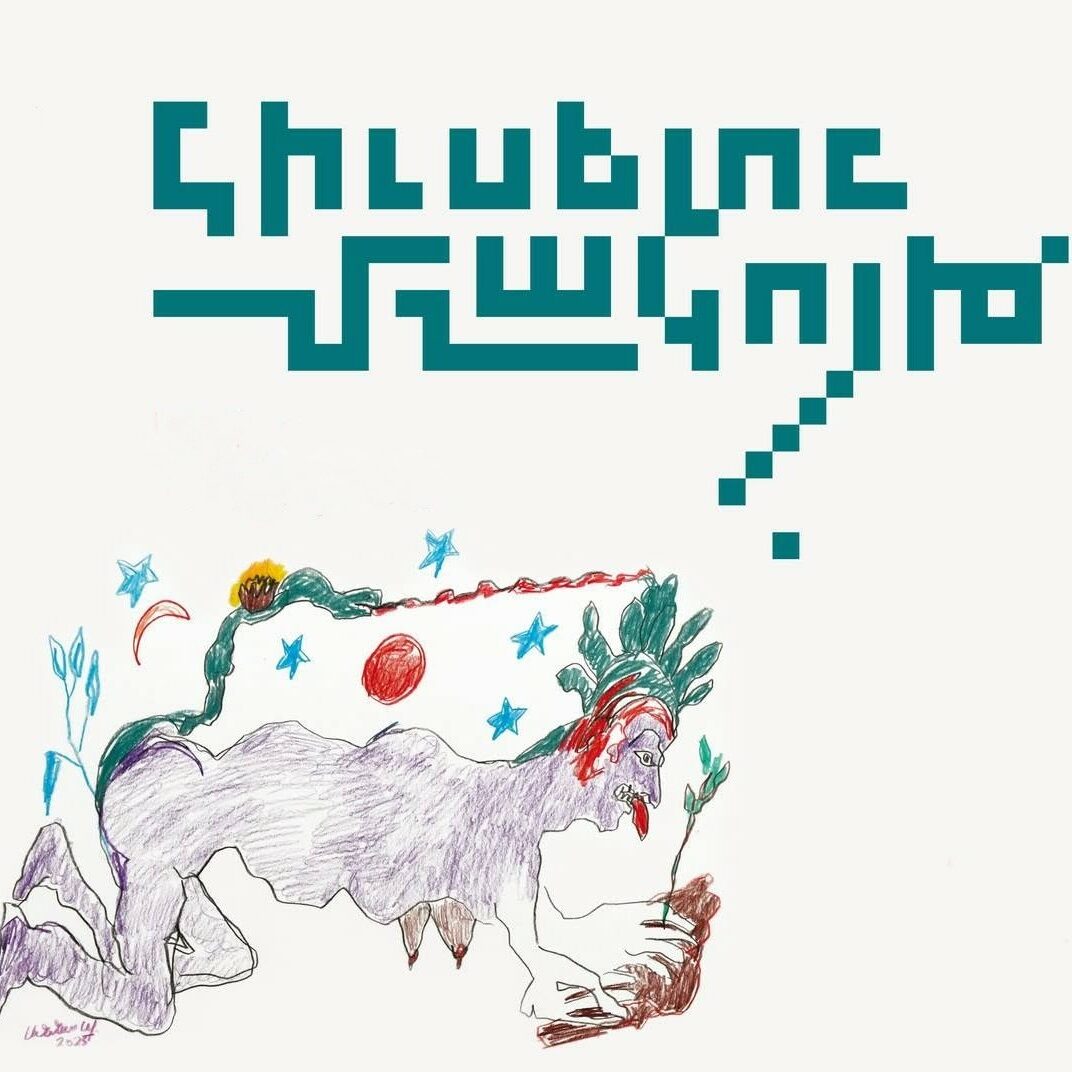
The question of how artists from the diaspora can convincingly be included into the framework of “Armenian” art remains open to debate. One of the undeniably logical pathways is their inclusion within the local institutional infrastructure, especially in terms of the production of new work. A precise and brilliantly successful example of this is the exhibition Weaving Culture: Anna Boghiguian, a project realized by the AHA Collective and presented at the National Gallery of Armenia.
Though very little-known in Armenia, the Egyptian-Armenian Boghiguian is now one of the great doyens of feminist, interdisciplinary art from the SWANA region. She came to international attention relatively late in her career, which has seen her travel from region to region exploring a wide range of indigenous traditions and cultural networks that have resulted in conceptual dense, yet visually boisterous installations, sculptures and paintings.
Her latest work brings her to Armenia’s Syunik region, where she spent a month exploring local weaving customs and materials, eventually producing an extensive series of designs for tapestries and carpets. The final woven objects were made under Boghiguian’s supervision by a group of professional weavers who were displaced from Artsakh in 2023. As always with Boghiguian, these are not merely decorative or purely visual pieces, but pieces of a larger narrative in which she interpolates both personal and indigenous mythologies, observations and factual research. The central thread here is the nurturing, life-affirming connection between humans and land, as well as the vital importance of cultural memory and its transmission.
Curated by Nairi Khachatourian, the exhibition space radiates with a peculiar glow and sensuality that radiate from the wooly surfaces of the carpets like some psychedelic echo of a lost paradise. This effect is largely achieved due to the astonishing use of over 70 dyes used to recreate some of the larger pieces (a traditional carpet normally utilizes 20-30 tones at best). It’s a feat of real technical ingenuity and a feast for the eyes. More importantly, perhaps, is the fact that the project brings Boghiguian into the orbit of Armenian landscape and weaving art, making her a part of a long lineage of artists who have reflected on the spiritual and metaphysical aspects of the land, and the question of “living tradition.” And what a riotous addition it is!
Exhibition: “Weaving Culture”, Anna Boghiguian
Where: National Gallery of Armenia
Republic Square., Yerevan
Dates: May 15-August 15
Armineh Johannes: Defining Moments on Armenia’s Path to Independence
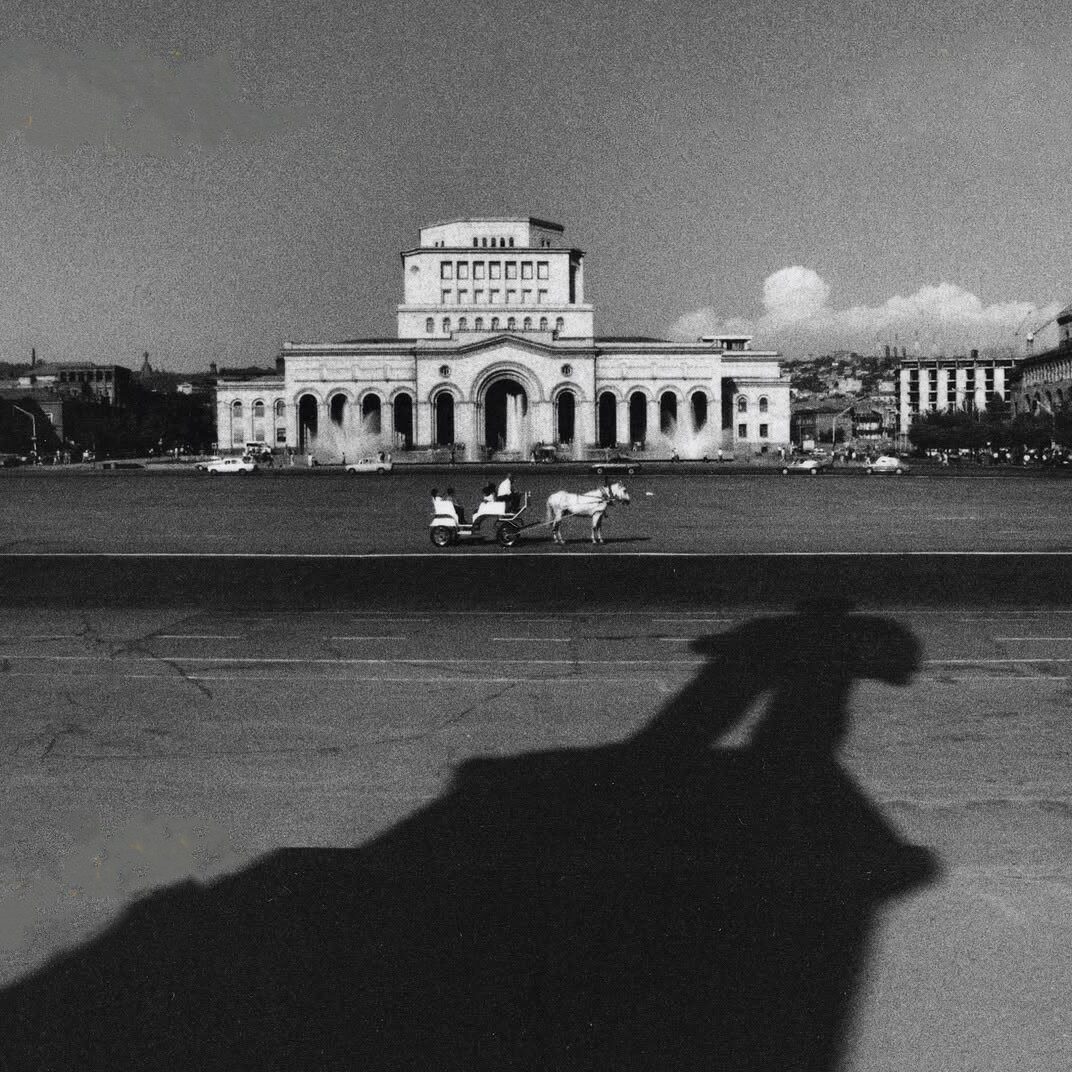
Another major female diasporan artist who deserves much wider recognition and acknowledgement than she has had is the Iranian-born, U.S.-based photographer Armineh Johannes, currently exhibiting an extensive body of her Armenia-related images at the History Museum.
Back in the late 1980s-early 1990s, Johannes became something of a maverick in our part of the world. Having just started out as a young photojournalist in France, she rushed to Armenia to document the earth-shattering events that would shape the country in the following decades: the 1988 earthquake, the Nagorno-Karabakh war, the 1991 independence and subsequent economic collapse… What made her special was the fact that she was frequently the only female Armenian with a camera in her hand witnessing these historical changes. It would be at least another decade before local women photographers appeared on the scene and Johannes’ work was instrumental in breaking these gender biases related to the profession. But that would only make her a statistical footnote in the history of Armenian photography, had she not made work of such tremendous visual power and sensitivity.
There is a lyrical quality to her stark black and white photographs of the war that firmly retains the focus on the strength and beauty of the human spirit while refusing to sensationalize the theater of death and destruction. Rejecting “decisive moments”, Johannes instead searches around the corners and margins, fixing seemingly minor fragments in which the realities of historical time unfold quietly, and only with sustained contemplation. This solo exhibition provides an impressive panorama of her long-standing creative and professional connection to Armenia, which is, undeniably, one of the most moving visual records of the country’s painful recent history.
Exhibition: “Armineh Johannes: Defining Moments on Armenia’s Path to Independence”
Where: History Museum of Armenia
Republic Square., Yerevan
Dates: Open from May 27
Childhood Under Fire
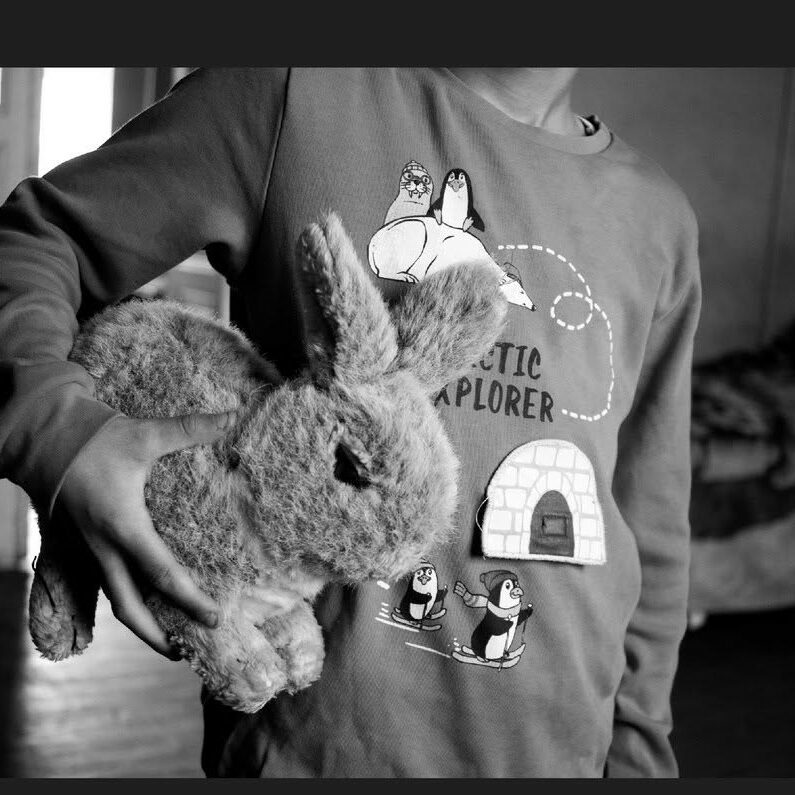
Documentary photography is an integral part of contemporary society’s social mechanism, a highly effective tool that we have used for a century and a half to “streamline” our relationship with truth. As problematic and deeply undermined as the medium has become over the decades it did serve as one of the few universal institutions of trust. But today it’s facing an existential crisis with the proliferation of digital technologies and AI that have made the belief in any kind of images obsolete. And yet, the urgency of witnessing and documenting one’s own time in a way that can create actual empathy and understanding has never been greater.
This is the driving imperative of documentary photographers like Ani Gevorgyan, who has been fixing her razor-sharp lens on various pivotal moments of Armenian reality for the past fifteen or so years. Her latest solo show, co-hosted with journalist Shushan Papazyan, is dedicated to the 2016-2023 Nagorno-Karabakh wars and eventual displacement of Artsakh’s population as told through the stories of five children who lost their lives in the conflict. This tragic premise, however, is subtly subverted by Gevorgyan and Papazyan who focus on how the traces and memories of the children continue to sustain and inspire their families who are rebuilding their lives in Armenia. Typically associated with mourning and evidentiary inevitability, documentary photography here becomes something much more affirmative and celebratory in the way it resists the eradication of these young lives and insists on their presence in the present.
One hopes that when the flood of AI slop and social media content recedes and disappears into the virtual void over time, what will remain is the images created by such photographers and journalists whose commitment to their subjects and emotional investment accords us those rare flashes of truth.
Exhibition: “Childhood Under Fire” Ani Gevorgyan, Shushan Papazyan
Where: Institute of Contemporary Art
47 Avet Avetisyan Str., Yerevan
Dates: Open from May 15
The Bird of a Thousand Voices: Elena Hamasyan
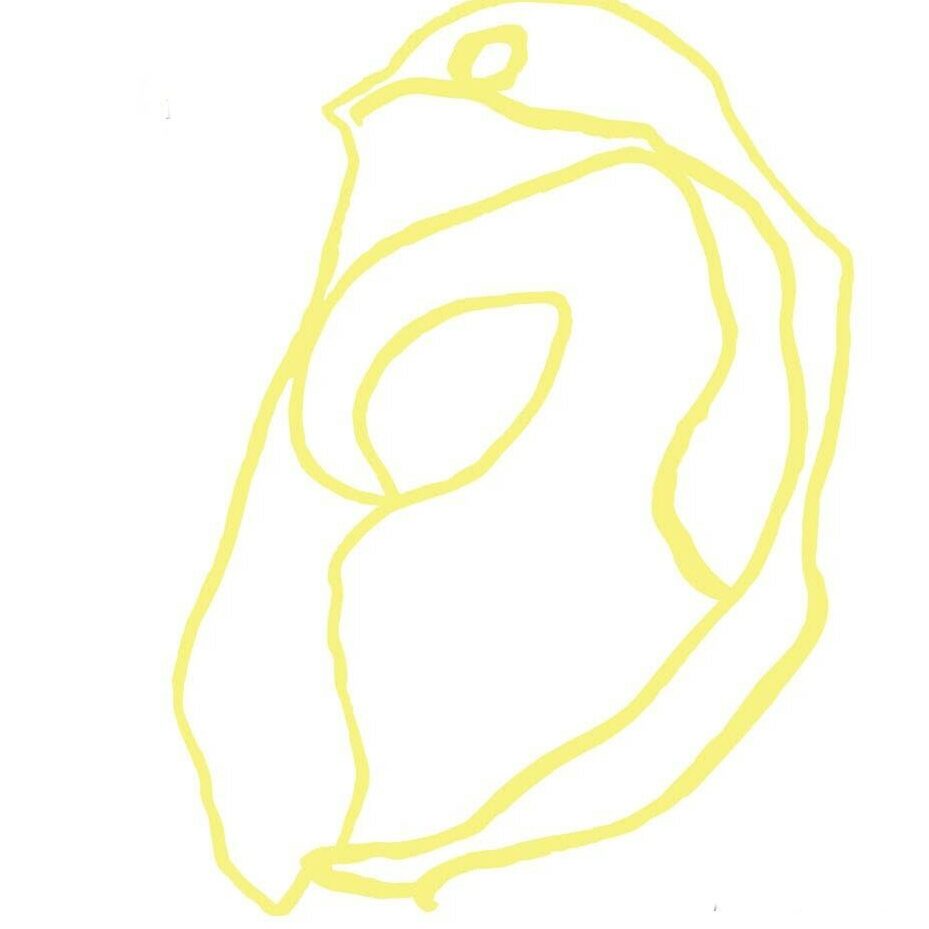
There aren’t many people in Armenia who haven’t heard Tigran Hamasyan’s name or at least one of his innovative, soulful forays into experimental folk-jazz. Few, however, would know his better half, Elena Hamasyan, who has been quietly developing an independent artistic practice alongside her world-renowned spouse. Honing her skills in photography and poetry over the last few years while collaborating with her husband across different projects, Elena’s inaugural public appearance as an artist is a photobook developed in parallel with Tigran Hamasyan’s multi-media musical extravaganza “The Bird of a Thousand Voices”, for which she conducted extensive research. Her elegantly composed, often impressionistic analogue photographs are visual reflections on the metaphoric and symbolic resonances of the mythical Bird and its connection to the spiritual realm. Held at the AHA Collective space on Moskovyan Street, the exhibition also features costumes and ceramics that complement the book while creating an immersive environment for the show as a whole. Though occasionally cloying with its heightened romanticism, this is a promising debut in contemporary Armenian photography, which has been somewhat starved for new blood in recent years.
Exhibition: “The Bird of a Thousand Voices” Elen Hamasyan
Where: AHA Collective
31 Moskovyan Str., Yerevan
Dates: June 2-July 2
Nature Unbound: Between Remedy and Poison
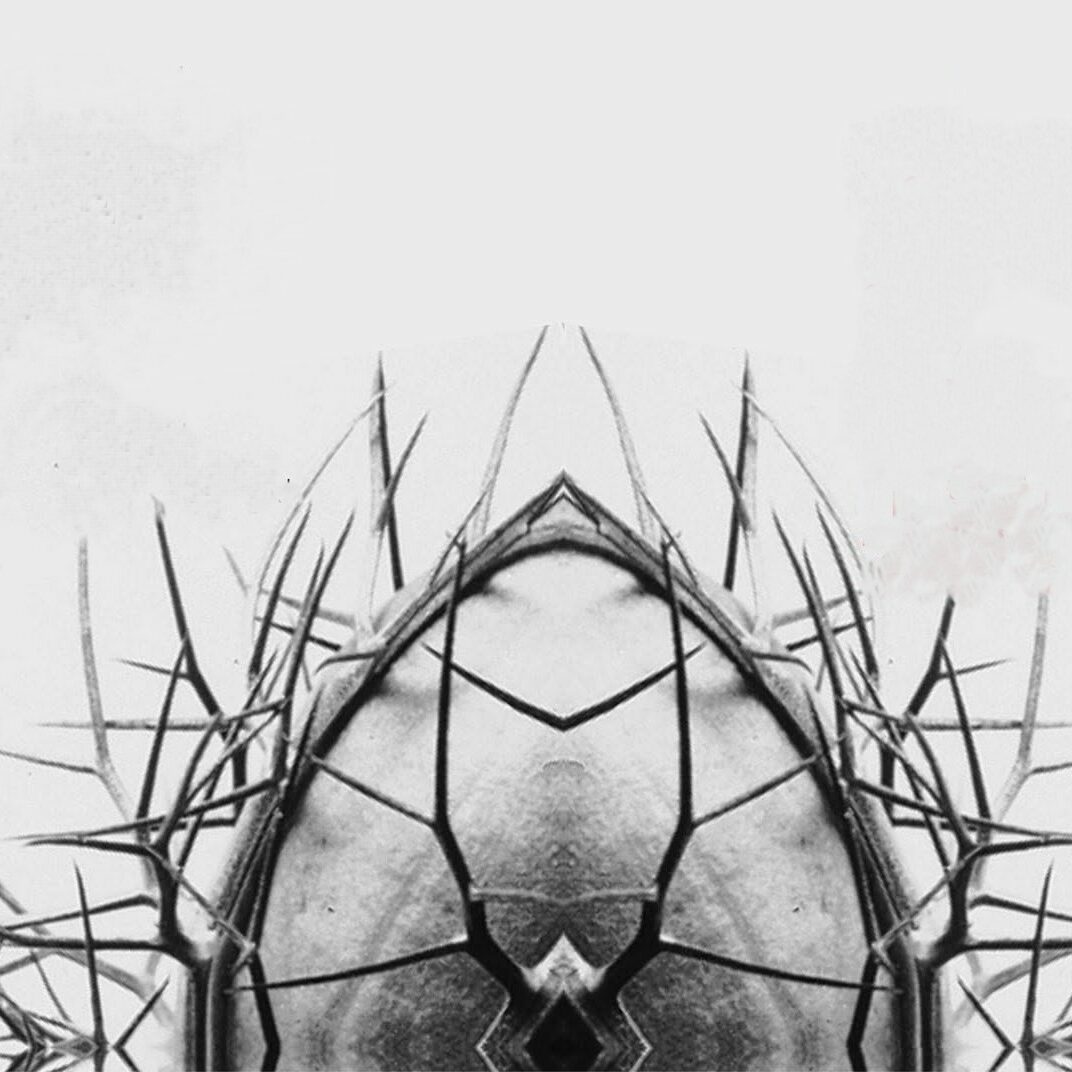
In the past few years, we have seen a notable increase in exhibitions featuring contemporary art from Europe, the Middle East and elsewhere — a development one can cautiously read as an indicator of Armenia’s broadening appeal within the international art scene. A show focused specifically on Cypriot artists, however, is something I don’t quite recall. Hence the upcoming thematic exhibition Nature Unbound at the Armenian Center for Contemporary Experimental Art (ACCEA) provides a rare opportunity for Armenian art lovers to discover a largely unfamiliar artistic context.
Curated by Artemis Eleftheriadou, the show revolves around one of the perennial obsessions of contemporary art: the conflicted relationship between humanity and nature. Citing Plato’s notion of the pharmakon, which signifies both cure and poison, the exhibition concept hones in on the inevitable duality of nature as a life-giving and destructive force. While philosophers, writers and artists have wrestled with this conundrum since time immemorial, contemporary art has successfully turned it into one of its more reliable repertoire numbers: a kind of inexhaustible tabula rasa that keeps on giving. The topic is especially inescapable in our catastrophe-prone times, and it is entirely logical that artists should continue to dwell on our broken contract with the natural world. Yet, aside from the occasional second-hand catharsis, recent exhibitions on the subject feel increasingly formulaic and pre-packaged, content to recycle broad Kantian and neo-Romanticist musings on the sublime and human fragility without offering any new meanings or approaches. Whether this show will fall into that same category remains to be seen, but at the very least it promises to introduce a group of established Cypriot artists to a local audience, brought into dialogue with Armenian landscape painter Armen Hakobjanyan and sculptor Manvel Matevosyan.
Exhibition: “Nature Unbound: Between Remedy and Poison” Group exhibition
Where: NPAK
1/3 Buzand Str., Yerevan
Dates: June 12-July 3
FESTIVALS
Creative Bridge: Summer Arts Festival
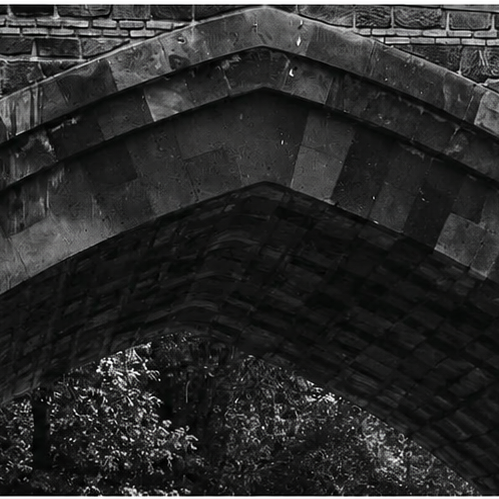
The summer festival craze is already upon us promising no escape from endless traffic jams, dime-store electronic music, bad wine in plastic cups and sweat-filled air. Those with means and the smarts will certainly make a run for the mountains of Lori and Syunik. But if mass gatherings are your thing then there is a wide range of events to choose from in the coming months. The heavily consumer-orientated Liver Art Company is organizing a new three-day festival called Creative Bridge to be held around the grounds of Yerevan’s historic and recently restored Red Bridge. The program lists an open-air exhibition of local and international artists, workshops and performances, and somewhat ambiguously framed “musical and cultural experiences.” I can’t vouch for the quality of any such experiences, but the fact that this beautiful riverside corner in Yerevan is quickly turning into one of the most active and exciting public spaces of the city is already something to smile about.
Festival: “Creative Bridge”
Where: Red Bridge, Yerevan
Dates: June 21-23
One Shot International Short Film Festival

It’s older than the Golden Apricot film festival, but this beleaguered event has always remained at its grassroot levels, packing its program with experimental, no-budget and student films that largely don’t have a chance to be screened elsewhere. What One Shot lacks in budget and resources, it makes up for in sheer tenacity and the firm belief that Armenia needs a platform (however small) for alternative cinematic voices. Granted, one really has to sift through a lot of semi-amateurish shorts to find anything really memorable. Now relegated to the crammed spaces of its host organization, the non-profit Open Platform, just on the outskirts of the city center, One Shot has become a positively “underground” phenomenon that provides an invaluable look at what the younger generation working around the margins of the local film industry are thinking and feeling. Indeed, the most precious thing about One Shot is its politics of openness to voices and visions from all corners of society, which induces an atmosphere of tolerance and communal connection that is the peculiar drawcard of such small festivals. And it is worth treasuring.
Festival: “One Shot International Short Film Festival”
Where: Open Platform
Dates: June 8-15
FILMS
Junior Mher

Well, the revolution is here. Sort of. The first AI-generated animated feature film produced in Armenia, Junior Mher, has just been unleashed across every multiplex screen in the country, and there is not even a whimper of public discussion to be heard. But that is generally the rule rather than the exception in a film “industry” that remains remarkably laissez-faire in matters of policy, oversight and engagement with its own processes and developments. All seems business as usual, even though Junior Mher’s visuals were produced entirely without actual animators.
That is only partially true, of course. The production team worked extensively to research, pre-visualize and feed the AI with relevant content and designs. The result is unquestionably the most technically smooth and sleek mass-appeal animation Armenia has ever produced. For a point of comparison, think of Anahit and Olympicos from a few years back. Even the script is surprisingly fine-tuned, thankfully enlivened with the voices of actual human actors. Taking one of the most mythical figures of Armenian folklore, Mher from the epic of Daredevils of Sassoun, and transplanting him into a modern-day adventure, the film reaches for one of Hollywood’s most reliable formulas: the hero of myth who arrives to save the present. It is an entertaining premise with ready-made comedic tension and genuine allegorical potential.
Unfortunately, what also gets transplanted is the full roll-call of clichés and overzealous imitation. The makers of Junior Mher seem intent on out-Pixaring Pixar, packing their Armenian characters into an imported, surreally synthetic aesthetic that feels ill-fitting and false, rather than forging a visual style of their own. Watching the film is like stepping into an uncanny valley, straining to identify which ghostly echoes the algorithm is remixing: Hercules? Shrek? Up? Inside Out? This technology is clearly here to stay. But behind its swift adoption lies an uncomfortable truth: it will take infinitely longer, and considerably more imagination, to turn it into a genuine tool of creativity rather than one of polished, empty simulation.
Screening: “Junior Mher”
Where: All cinemas
Dates: From June 1