Listen to the article.
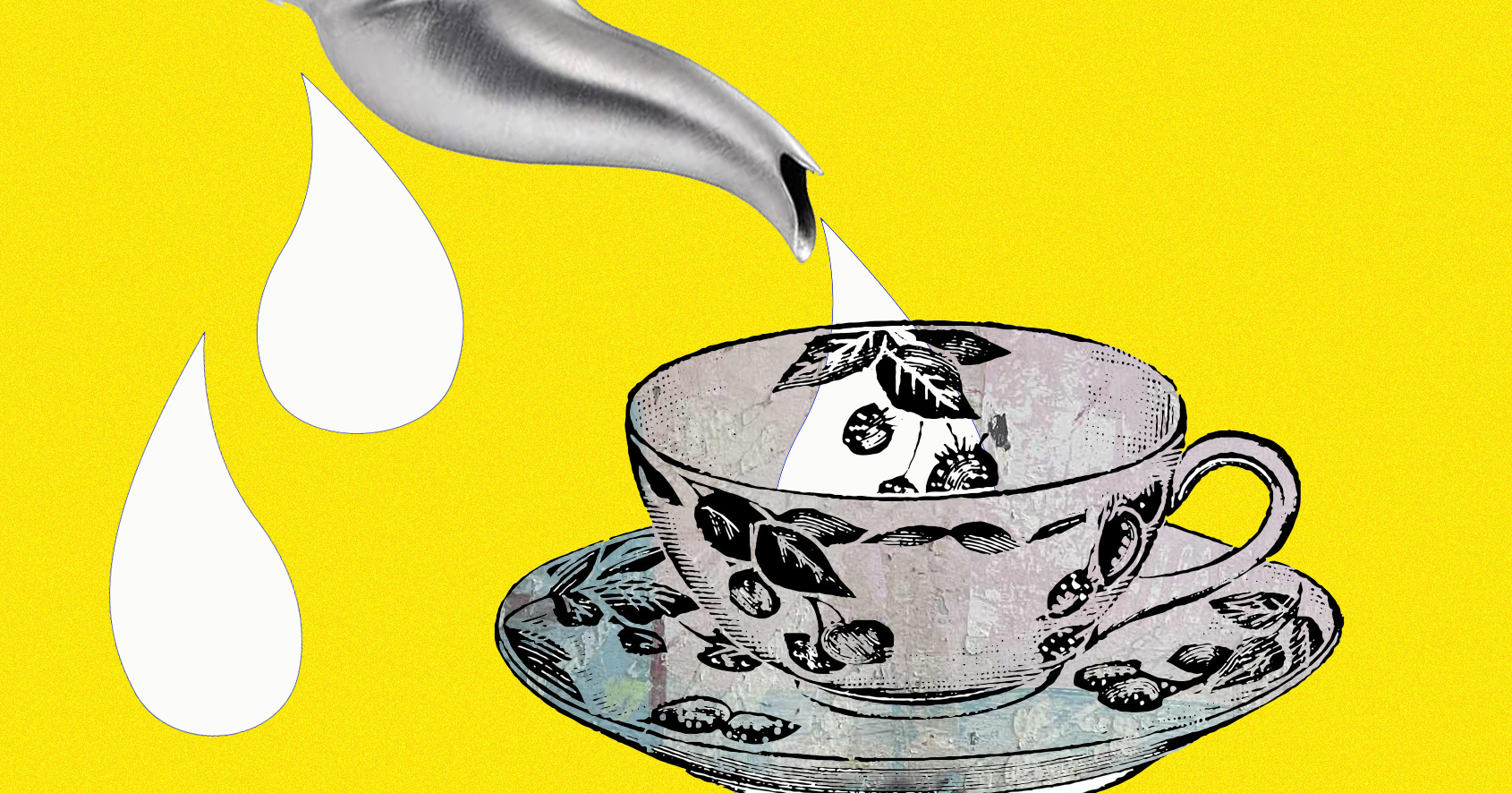
Hot steam rises from an antique samovar, as the scent of freshly brewed ziziphora [1] and helichrysum [2] wafts from Soviet-era teapots glowing softly under dim lightbulbs. Tucked in a quiet yard on the outskirts of Kapan, Syunik, this is Darmanadzor Teahouse, a labor of love created by 63-year-old Artur Patvakanyan—arborist by day, host by night.
Darmanadzor, which means “canyon of healing,” is not your typical teahouse serving blends with poetic names but unknown origins. Here, every leaf and petal is carefully foraged by Artur himself. On weekends, when not tending to Kapan’s trees and bushes as a municipal worker, Artur ventures deep into the surrounding mountains, sometimes traveling as far as Meghri, in search of wild, seasonal plants. He’s quick to point out that not all vegetation is safe to harvest, especially given the region’s numerous mining sites and tailings dumps. Even roadside plants can absorb harmful substances from passing cars. “I often encounter people picking plants right next to the road,” Artur says. “I have to stop and explain to them that you need to be at least 150 m above the road. I’m like, ‘Brother, sister, don’t be lazy, please, just go up a few meters for your own good.’”
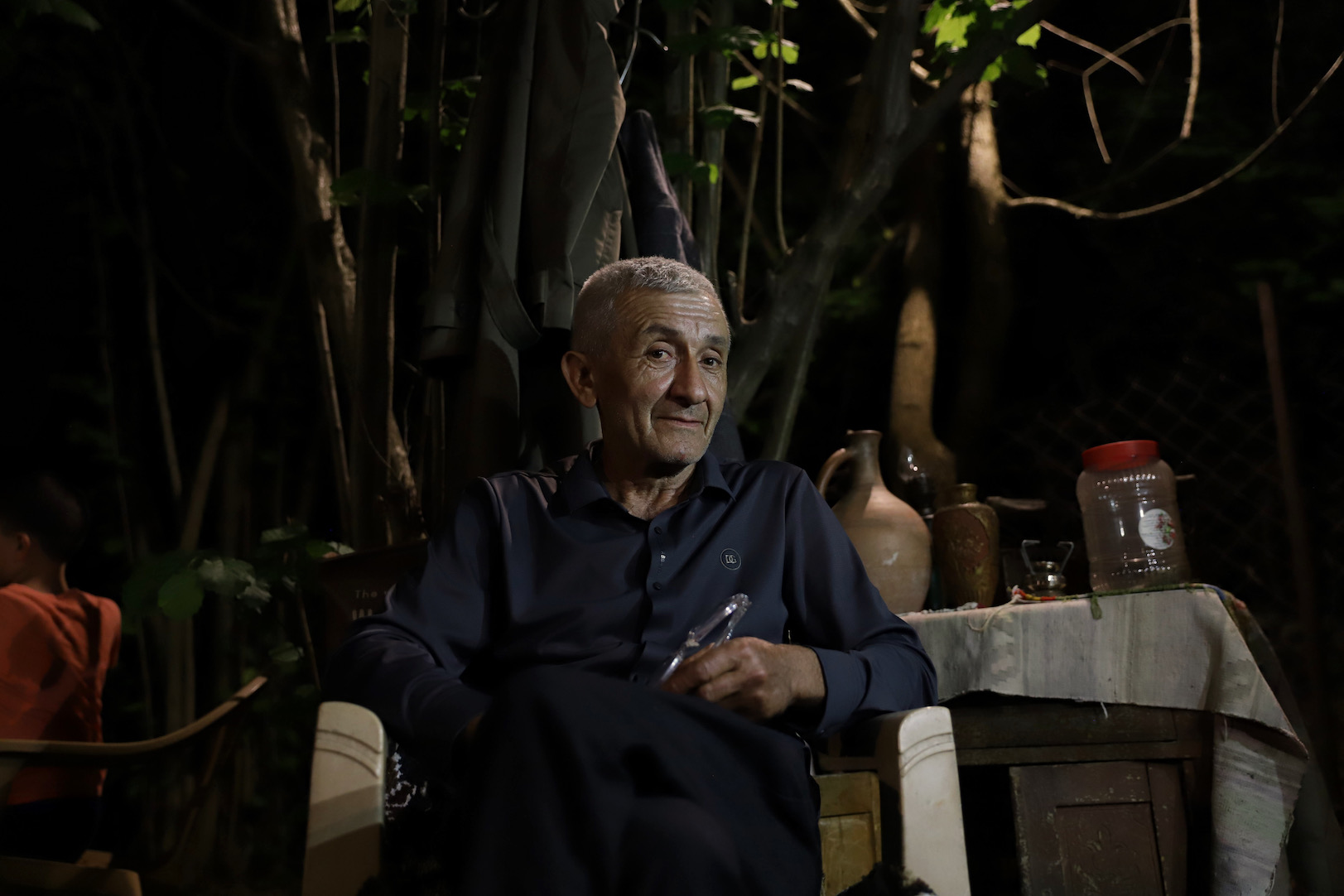
Artur opened Darmanadzor a year ago, but has been collecting and studying herbs for most of his life. Born in Kajaran, he spent his childhood summers in the villages of southern Syunik. “They would send us to either Shikahogh or Pirmazra (Katnarat),” Artur recalls. “Uncle Razmik was a herder and would mow hay in the mountains. When animals went missing, he’d take us along to look for them. He always had flowers tucked in his saddlebag.” His uncles sparked his interest in herbs. “Uncle Yuri and uncle Razmik were my ‘senseis’,” he says jokingly, adding that his two grandmothers also inspired his love for agriculture.
Artur’s love for nature and his fascination with biology led him to study agricultural science in Yerevan as a young man. After working various jobs, life eventually took him to Russia, where he worked at a large food processing factory. Though the job offered financial stability, something was missing.
“I spent nine years in Russia. Then one day, it just hit me—I felt sorry for my feet for walking on someone else’s land,” he says. “I gave up my passport and said, ‘I’m going back to the homeland.’ I threw my jacket over my shoulders and came back. Empty-handed. I had no idea what I would do. I just knew I had to return.”
Back in Armenia, he went through a difficult period. “It took me two years to heal my nervous system. I needed to find a new formula that would help me keep on living. And I found that formula in nature: go, talk to the waters, talk to the flowers, talk to the stones,” he shares with a smile.
By healing himself, Artur set out to heal others—one cup of tea at a time. Over the years, he has crafted tea blends for common ailments, from anxiety to stomachaches and diabetes. He proudly shares how his “Tea for Diabetics” unexpectedly helped a close friend fight azotemia (excess nitrogen in the kidneys) after regular use for over a year.
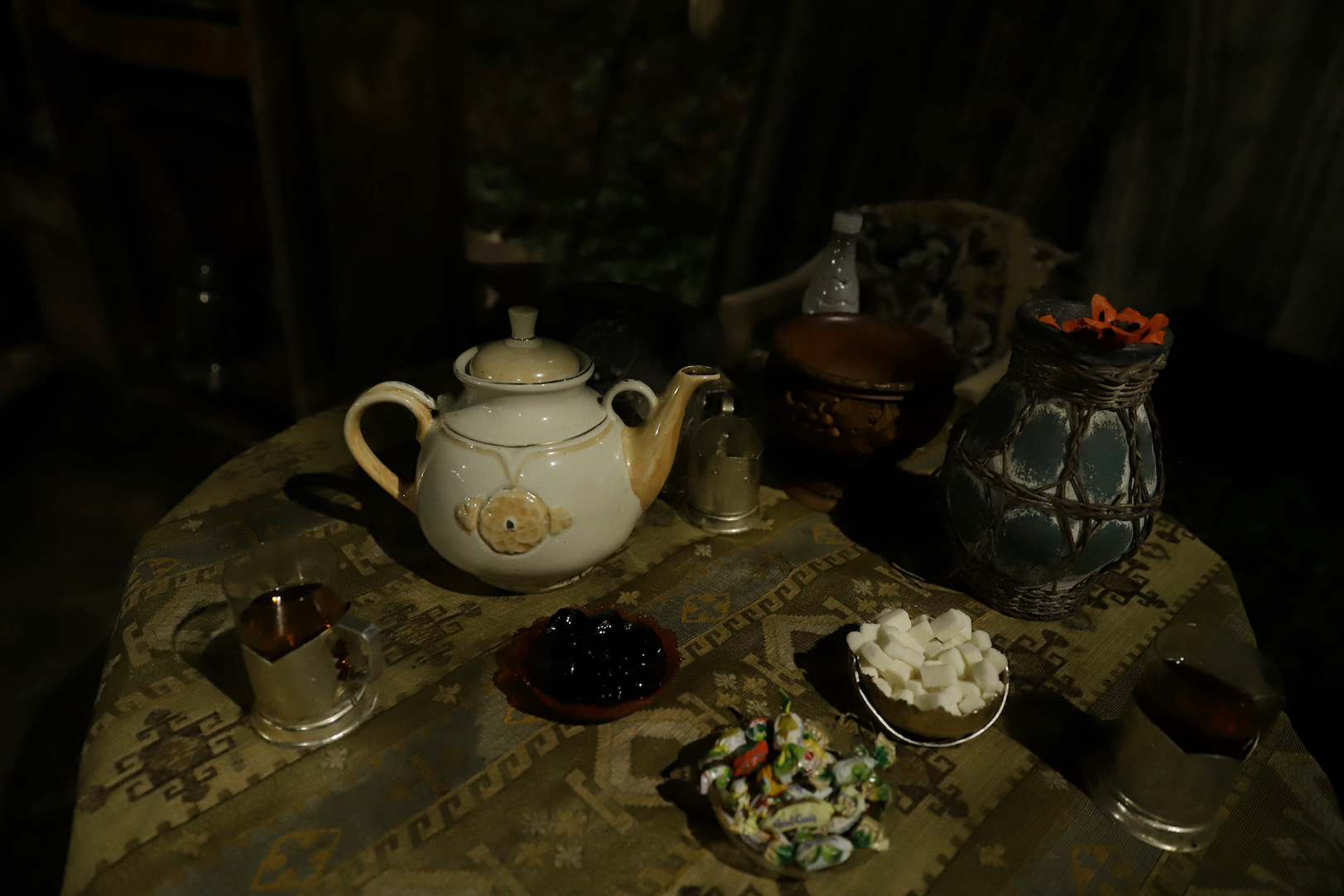
According to the tea sommelier, crafting a healing blend is as much about choosing the right ingredients as it is about the proper proportions and technique. With a degree in agricultural sciences, Artur combines scientific formulas with the time-tested wisdom of traditional Armenian herbal medicine.
He proudly draws on a personal library of rare medicinal texts—books he’s been collecting from street vendors for decades. “When I visit Yerevan, I always have to search for books,” Artur says with excitement, adding that he frequently uses medieval physicians Buniat Sebastatsi and Amirdovlat Amasiatsi’s works for reference.
Darmanadzor still remains something of a hidden gem, yet those who discover it, both locals and travelers, speak of it with affection and wonder. “I went there for the first time right after work, completely exhausted,” recalls Nare, 28, a Kapan resident. “I remember how rested and comforted I felt, thanks to the founder and the care he puts into his work—from the incredibly delicious tea to the thoughtful decoration of every inch of the garden with objects close to his heart.”
Socializing with guests and making them feel at home is an important part of Darmanadzor’s mission for Artur. Inspired by Japanese and Iranian tea rituals, he believes sharing a thoughtfully brewed cup of tea can be a cleansing experience for the body and soul. “But our people have gotten lazy,” Artur says with a hint of regret. “Not everyone appreciates the tea ceremony, you know. Teabags are in fashion—it’s faster.” To meet the demand, he offers his blends in teabags so people can enjoy his teas at home or at work. He ordered sachets online and partnered with local woodworkers to create custom wooden boxes for packaging.
Artur is currently focused on expanding his business. He’s participating in educational workshops at the Jinishian Foundation on how to run a business. Despite his passion for foraging and desire to see his teas reach more people, he still manages every aspect of the process himself. “I need a grinding machine if I want to scale up—to partner with supermarkets or even export the teas abroad.” For now, he’s handling everything manually, but with the right support, he aspires to develop Darmanadzor into a larger enterprise.
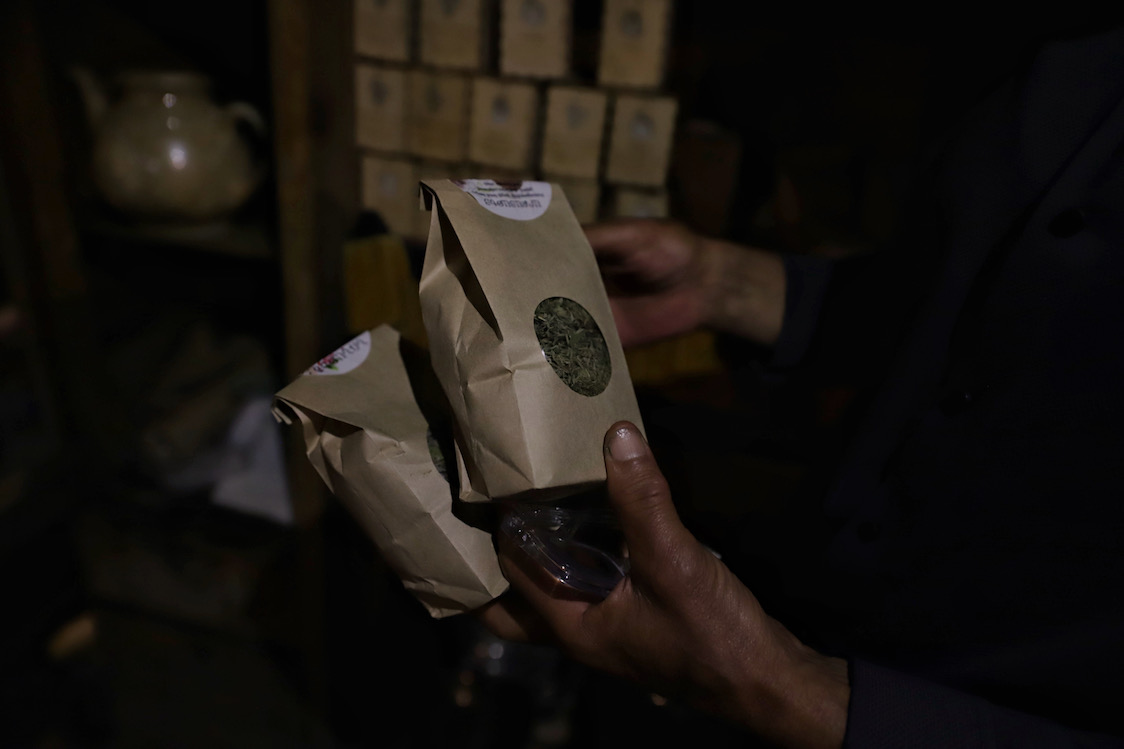
For now, the open-air teahouse operates seasonally, from late spring to mid-autumn, serving nourishing tea blends in a healing environment daily from 7p.m. on 29 Nerkin Vachagan Street, Kapan.
Photos by Gayane Ghazaryan.
Footnotes:
[1] Armenian – ուրցադաղձ
[2] Armenian – անթառամ

The July issue of SALT is a sensory journey through Armenia’s summer landscape — from foraging wild herbal teas in the mountains of Syunik to the weird and wonderful world of Yerevan’s Qrchi Bazaar. We explore the rise of horror writing, visit a museum of strange analogies, and spotlight an artist whose work defies convention. This month, eclecticism is our mood.
All Issues