

Listen to the author’s reading of the article.
I’ve always been fascinated by the environments, thoughts, and life events that shape a musician’s creative process. Without that knowledge, it feels like something essential is missing. Sure, there are plenty of documentaries about super famous and super dead artists that offer glimpses into their worlds. But what if we could forge stronger connections by looking closer to home? What about listening to the musicians who share our streets, our traffic jams, our daily frustrations—artists creating right alongside us?
Since Beyoncé never returned my calls, I turned my attention to local talent instead. What I discovered were incredibly talented, thoughtful and sensitive musicians—artists who, in my humble opinion, often outshine the hundreds of superstars we idolize from afar.
I spoke with four underground Armenian musicians, selected partly by design, partly by chance, to open a window for you, dear reader, into the heart of their music. Each conversation began with a story about a song that holds special meaning for them, then gradually explored their vision for the future. Here they speak in their own voices.
Futurili
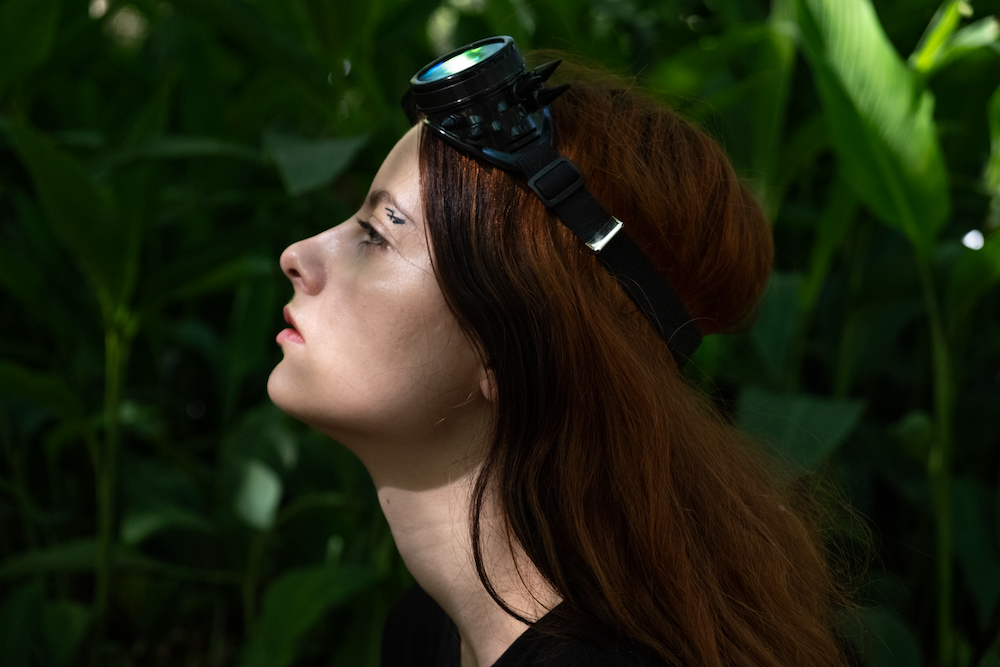
I was on a small ferry in Thailand that morning, leaving one of the islands for the mainland, when I slipped on my headphones to listen to the song for the first time after working on it for so long. It felt like I was in a cinematic scene—I couldn’t see the horizon; it was just me, the song, the sea and the splashes of water. I was thinking to myself: Did I make this? I was struck with awe. I’d never considered myself talented, but this song helped me start loving myself. I’ve always loved my music, but that feeling reached a whole new level—and I realized it was deserved.
The track also helped me define my genre: psychedelic rock, the sound closest to my heart. The whole album Who Killed the Octopus grew from this. While it blends elements of different styles, every track ultimately converges in psychedelia.
I’ve wanted to make music for as long as I can remember. Though no one in my family is a dedicated musician, my parents were music lovers, so I grew up listening to all types of music. By age four, I was already wondering what it would feel like to create my own music. I recorded my first song sitting in a closet. It wasn’t bad for a closet recording. The song was dedicated to my first love, the person who inspired most of my early work. I think love is the easiest thing to write about—my feelings were so intense they just had to come out through action, they couldn’t remain passive. I’m grateful I got to fall in love and write about it.
My music now has greater depth, both in writing and in production. I like to expand my compositions by using my voice to reproduce sounds of birds, wind, and even woodwinds. Every song is built on complexity now—even the seemingly simple ones.
I travel a lot on my own, and in solitude I start contemplating everything in life. Especially death. It awaits us all, and maybe the fact that it’s taboo has made me think about it even more. Why shouldn’t we talk about it? Death is as much a part of life as birth and greatly inspires me. These reflections—on death, devils, God, solitude—have become the main subjects of my songs.
I’m drawn toward abstract, tale-like lyrics where ideas take shape through metaphors. I never explain my music’s meaning or intended message. I believe people interpret everything through the lens of their own experiences. I want listeners to take whatever meaning they choose. I don’t want to restrict listeners’ perceptions.
But in reality, I don’t want anything from my audience. I make music because I can’t not do it. Sometimes it doesn’t even feel like a choice but rather something I just have to do, in the most humble sense.
Reactions to my music vary drastically. Some people send me heartfelt messages about how deeply it moved them; others openly hate it, calling me crazy. This doesn’t bother me—it’s actually flattering. Those who dislike my music typically see the world very differently from me, while those who connect with it are often on the same wavelength.
I’ll be part of an eco-festival, launching on August 29, that merges live music with immersive 3D animation. Together with my friend Emma (also known as Pixelemka), who creates the animations, we’re building an “underworld” experience where I’ll perform with the band South of the Sun. The show will explore the consequences of human ignorance, ultimately answering the question: Who killed the octopus?
Alongside the performance, there will be a month-long exhibition in October, city installations featuring our main character, the octopus, and events in different venues to spark eco-awareness.
Looking ahead, my animated series will be released at the end of 2026. The name Futurili originated as a character I created for an animated series I began writing in late 2022. She was a caricatured version of myself—bright glasses, vivid colors—and I realized she captured my music and identity better than my previous name, Liliana Bella. It almost felt like she came from somewhere beyond me, which was confirmed when I later found an old childhood notebook with the same character sketched inside.
Gurumiran
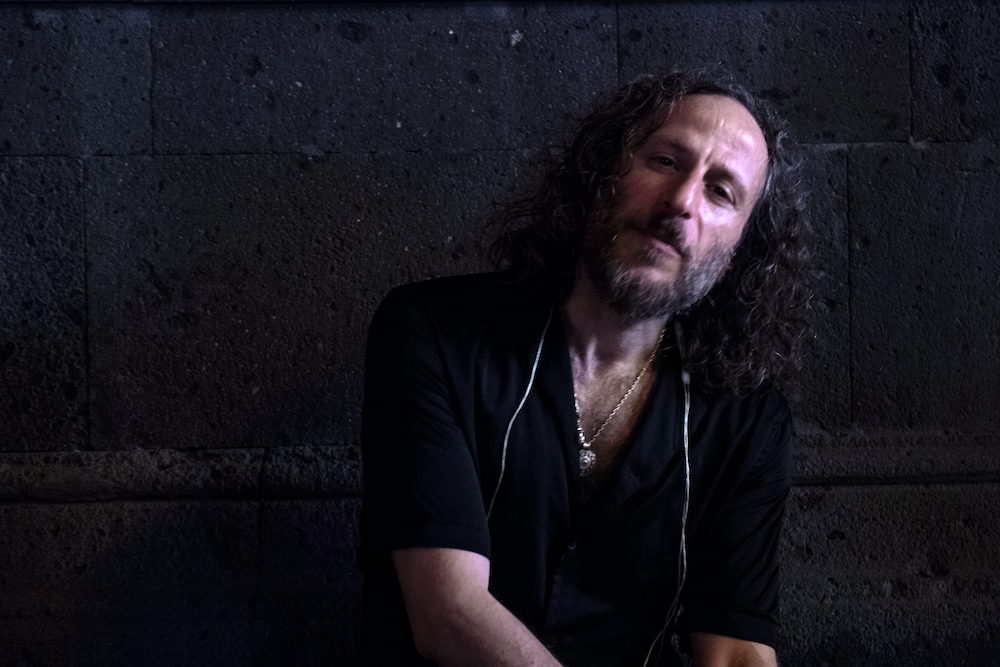
One morning, I was sipping coffee in the living room and watching BBC news when I learned that David Bowie had passed away. It was shocking. Sometimes you feel certain people just don’t die—they’re eternal because of their energy. I thought, “Oh man. Great people also die,” and decided to pay tribute to one of his songs.
I’d always wanted to cover The Man Who Sold the World because it became famous through Nirvana, though it’s originally a Bowie song. But at the same time, Bowie fucked it up so badly. It’s such a beautiful song, but the production was just awful.
Knowing I wanted to cover this song, I studied his life—making a pilgrimage to Berlin, visiting places where he lived, slept and partied. I tried to create lyrics that matched the same ideas and the same story. It’s not a literal translation but an embodiment of the idea in Arabic. I felt it had to have something of me as well. I recognized that a direct translation would not sound good, so I incorporated my own personal experiences to actually make it authentic to both the spirit and story. This cover is my tribute to David Bowie and my way of honoring the song’s origins.
During the war in Beirut, when restaurants or venues were too dangerous to perform in, my parents’ musician friends would host house parties instead—and our home was one of them. As an only child, these musicians became my playground. There was a bouzouki player, a guitarist, a drummer, and a bassist who performed Armenian, Greek, and Arabic songs. I initially played on their drums before paying more attention to the guitarist when I was 12 or 13. My parents bought me a guitar, and the band’s guitarist taught me for a few months. We had weekly sessions where I learned notes and chords, but after six months the lessons stopped. I don’t remember why—perhaps because fighting broke out again. That’s Lebanon for you. Still, I continued learning on my own, discovering music and developing from there.
I recorded my first song with a band called Leviathan at the American University of Beirut. Our debut track was called No Control. During this project, I met the producer I still work with today.
Sometimes it’s just about being in the right place with the right people. My band eventually changed its name, and in 2002, we became the first English-singing band in the Middle East to sign with a major label. It was a significant moment—though short-lived.
My process was completely different than what I do now. Back then, I was absorbing everything because I was new to the field. It was like a new playground: the studio, the recording, the microphone, the sound engineer, the production process—all of it was super interesting. But I wasn’t as much in control because I didn’t know how to manage these elements; I was still learning. The major shift came when I learned how to control the creation process technically.
Music gives focus to ideas that are purer than what happens around us—the politics, the pollution, the wars, crime. All of those can drive you insane, especially if you can imagine how things could be better. Music helps me maintain faith in humanity, in the belief that things will eventually get better. There can’t be that many people driving the world into destruction. Music gives me a way to hold onto that vision and keep going.
Music has given me answers. Answers provide knowledge, and knowledge gives power and survival.
One of the answers I found is that sincerity is important. People aren’t stupid, and it’s not true that only commercial music can reach them. When you’re sincere, people listen. I also realized that sincerity means not constantly questioning my identity. I was born in Lebanon, to Armenian parents. I’ve always felt in between—not fully Lebanese, not fully Armenian, with one foot in Western culture and another in Eastern. That can feel heavy, but it’s also cathartic.
My creative nickname Gurumiran combines my first and last name together. The idea came from a high school teacher who called me “Guru” in French in a sarcastic way to put me down and intimidate me. Since my first name is Miran, I merged “guru” with “Miran” as a reminder that sometimes people can give you ideas even when they are offending you. This name helped me preserve my identity.
Next, I’m recording some songs that aren’t yet written as piano notes. I’ll be recording with my current group of musicians—something I’ve never done with them. I want to travel to several places to present this music while recording newer songs, and I’ll see where things go from there.
Christine Kolyan
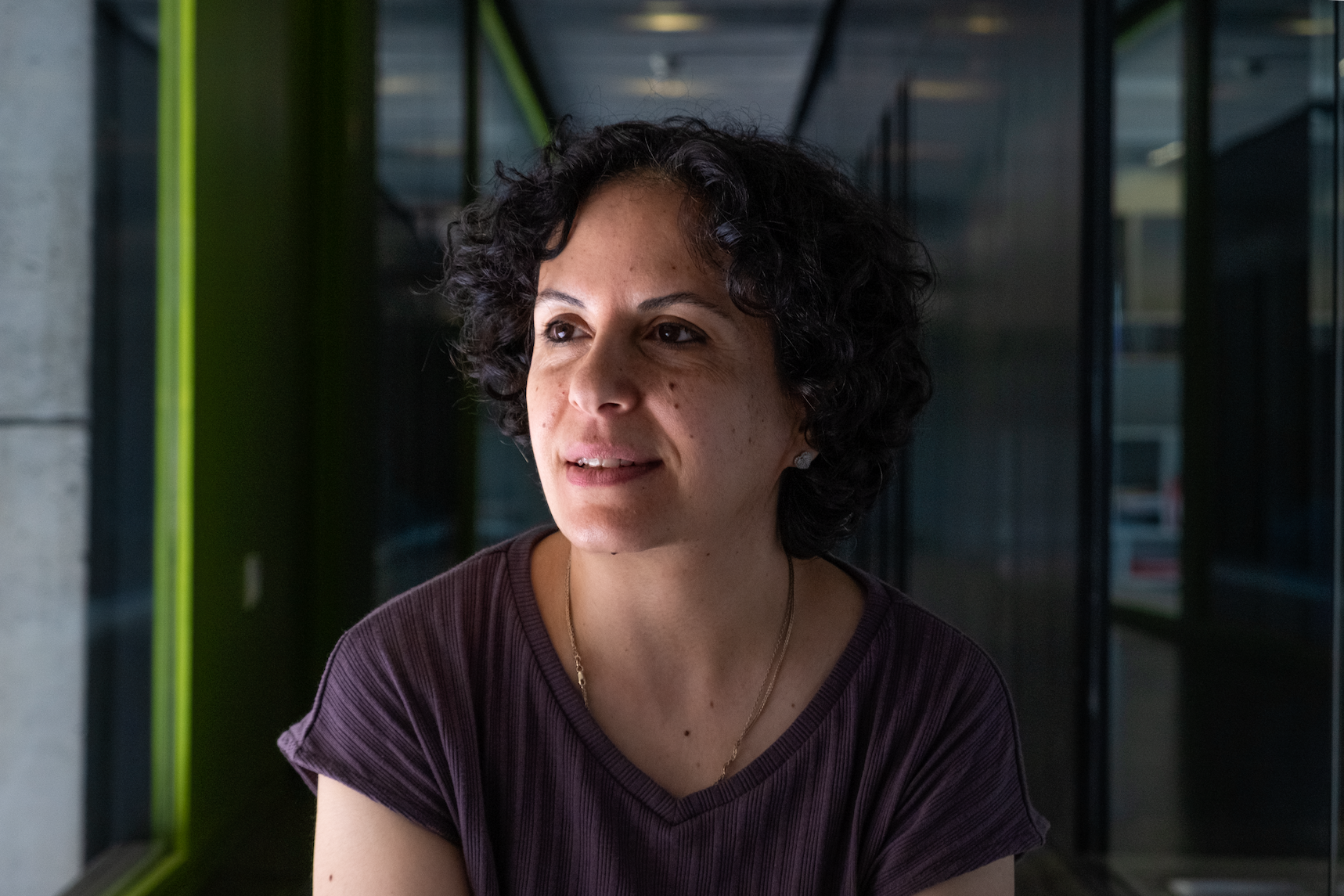
When I begin writing a song, I often don’t know how the story will end. I discover the idea during the process. Most of the time it gradually takes shape and matures, like wine. Yet this process is also very unpredictable.
My creative journey split in two distinct phases when I wrote Holani. Before that, all of my songs explored inner battles and struggles—themes still valuable and important to me. But while composing Holani, I truly experienced, for the first time at 39, the immense extent of how much one can love. There’s no battle or protest in this piece. From that moment on, songs about love began emerging within me.
My mom, a musician herself, always encouraged me to pursue music as a child. It wasn’t just her guidance—music genuinely resonated with me. But without that encouragement, I doubt I’d even consider going in that direction.
At 16, my grandmother gifted me a guitar, and by 18, after finding a teacher, I began learning intensively. Guitar gradually consumed most of my time, directly affecting my university studies. Eventually playing guitar with my morning coffee became a mandatory ritual. Whenever I had free time, I’d play. Realizing I no longer wanted to continue my studies, I proudly announced to my family I was dropping out. I moved back to Vanadzor where I found myself surrounded with rock musicians. The emotional intensity of their live performances was truly striking, and that’s how I decided to stay.
When they asked what I did, I said I was a songwriter, though I’d only written fragments, never complete songs. They asked me to bring a song, and having talked myself up, I had to deliver. Within a day or two, I managed to finish my first full song, “Revolution in My Heart”. That’s how it all began—everything connected like a chain.
After an argument, I left my first band, TNT, and began collaborating with other musicians. My first song circulated for a couple of years before eventually landing in the playlist of Gizak, the band I formed with my friend Edgar Sargsyan when I was 23. I chose the name from a book on the ancient Armenian calendar—Gizak is the eighth hour of the night—I simply liked how it sounded.
Gizak had a relaxed, friendly atmosphere where friends joined and left as their lives permitted. We kept it going for five or six years until a crisis hit: I faced a creative block. Edgar had his own struggles, and we decided to stop. Around this time, I moved to Yerevan, got married, and had children—Gizak ended there.
Years later, I reached out to the old members of Gizak, and we began working together again. The collaboration was strong. The differences between us, now approached with maturity, transformed into genuine creative strength.
By then, nearly ten years had passed. It no longer felt like Gizak. We knew we needed a new name. As a democratic band, each member suggested one, and after discussions, it came down to two: Avyun, Edgar’s idea, and Holani, suggested by a friend. Avyun felt masculine while Holani sounded more feminine. Though I was incredibly drawn to Holani, both names were good, so we couldn’t decide. In the end, a friend who had just returned from New York helped us by tossing a coin. It landed on an eagle. That’s how we became Avyun.
The guys still lived in Vanadzor. When you don’t meet and play together often, new ideas don’t germinate. Maintaining a band at a distance becomes very difficult, which is why Avyun eventually dissolved as well.
But I didn’t stop making music. That’s when my song “Holani” and the transformations that followed took place. I started to hold myself accountable for what I write. I know songs don’t come to me for no reason. All songs change the lives of both the performer and the listener. Your songs are your gift to the listener, and you must understand what you’re bringing to them. After “Holani,” my journey began moving in this direction.
I want my listeners to feel serenity and love through my music. Though I understand each person perceives art differently, I think it’s important not to overexplain a song’s meaning. This allows listeners to have their own personal connection with music.
No Man Cry
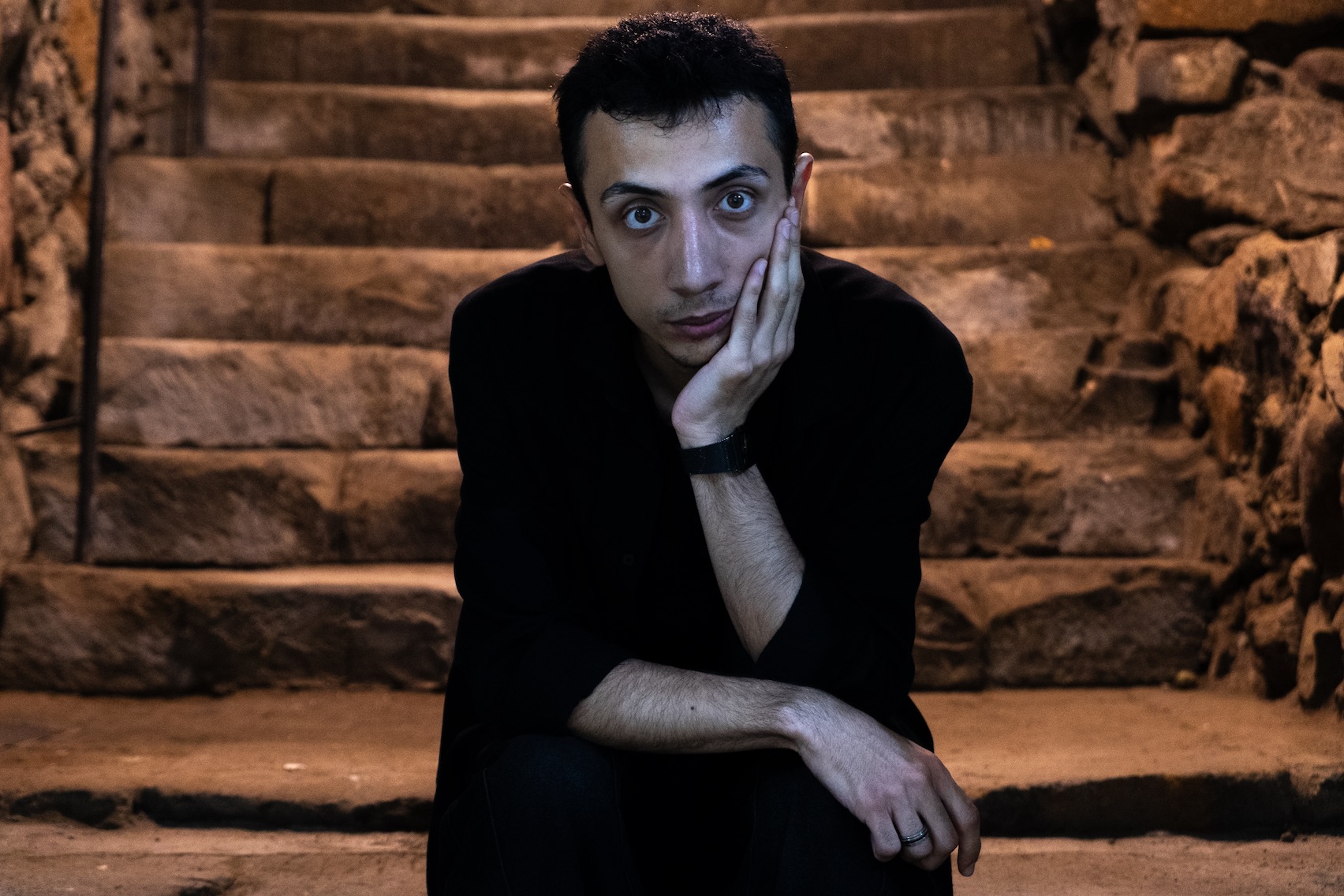
Two days before I was drafted to the army, I released the album Disappeared Men as a tribute to everyone who had ever been in my life. I thought I was going to die there. It was a way of saying goodbye.
When I first started listening to post-punk, I realized there was no Armenian music in that genre. Yet Yeghishe Charents is the purest post-punk figure in Armenian literature. I love him for that raw, dirty everyday sadness. You step outside in the heat, light a cheap cigarette. That’s important to me—sadness shouldn’t be romanticized.
The second track of that album, Forgive me, is his poem, Charents-Nameh. The dirty, chaotic drum sound perfectly reflected my state at the time: the fear that I might not return from the army, and the memories of people I’d lost touch with. There’s raw honesty in that song, dedicated to my ex-girlfriend Anika.
Out of all the songs I’ve written, this one has the best melody. I still play it on my guitar every couple of days and think: this is the best thing I’ve ever recorded. Maybe I’ll never make anything that good ever again.
Music is my escape. Every breakup triggers a new album, that’s how this project began. The songs in my first album weren’t just about my breakup; I had ideas before that. But the negative emotions and inner conflicts were always there, and still are. The breakup just lit the fuse. All that stress needed to come out somehow. The name of the project came from that too.
When I met up with a friend and told him I wanted to cry and let it all out, but said, Guys don’t cry, I can’t cry. His response was “չէ ապե, լացի” (“no man, cry”). I knew this was the perfect name. I later dropped the comma because it looked better visually, creating No Man Cry. People often misinterpret it as “no man cries,” but there’s no grammatical mistake—the message is actually the opposite.
I’ve been writing since I was 13 and at some point realized my words needed melody. After receiving a guitar for my 17th birthday, I began messing around with it, figuring out the melody on the guitar, and then arranging everything on my laptop. I still record all of my songs at home. It’s just me, my guitar, the amplifier and the laptop. That’s it.
The conditions may be bad, but I see beauty in that post-Soviet aesthetic. Recording on a carpet in a hot room, telling your family to be quiet, sweating while you capture that sound. A studio and better equipment would ruin it. It might make for a better project, but it wouldn’t be No Man Cry.
It’s weird how well people react to my music. Because I often think, who would like this? The sound is dirty, the solos aren’t fancy, I lack vocal ability, I’m almost just reading the text. But apparently people appreciate exactly that. Honesty.
I want my audience to know they’re not alone in their bad mental states, that someone else faces similar issues. Though it’s difficult, you can manage these feelings. Through writing music, drawing, or writing poems, you can heal and transform pain into something beautiful. No Man Cry is ultimately a selfish project—it’s for me.
In the future, I might do some concerts. I’m thinking of shifting genres. I’ve been listening to jazz lately and want to incorporate some of those elements, perhaps even write my first song while being in love. But whatever comes next, it’ll still be me. It’ll still be about letting things out.
Social Media
Futurili
https://www.instagram.com/futurili/?hl=en
Miran Gurumian
https://www.instagram.com/gurumiran/?hl=en
Christine Kolyan
https://www.instagram.com/christine_kolyan/?hl=en
No Man Cry
https://www.instagram.com/ohnomancry/?hl=en
https://www.instagram.com/insomnicchild/?hl=en
Rhythms
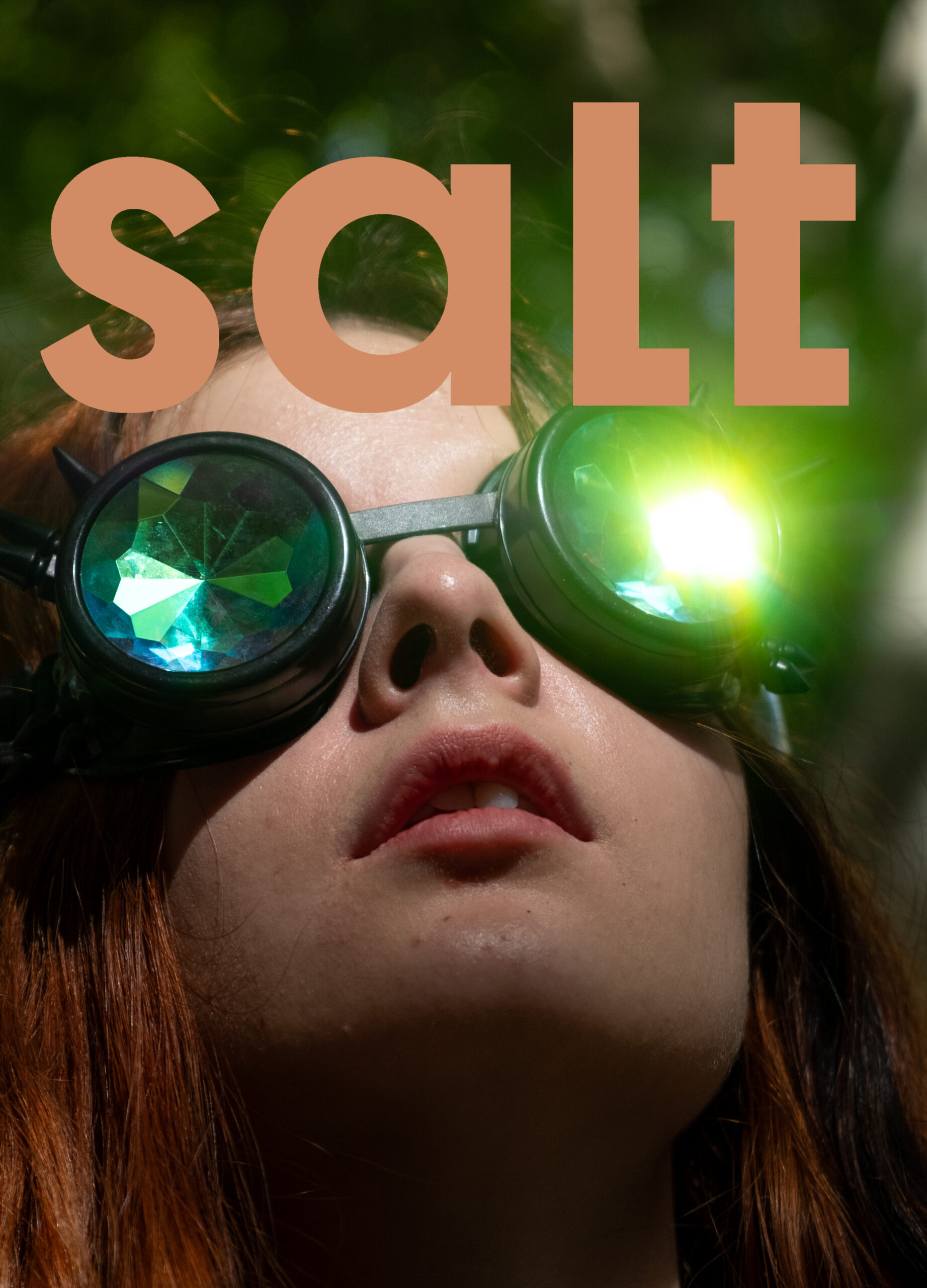
The August issue of SALT will immerse you in the rituals, rhythms and contradictions that shape contemporary Armenian life. From the evolving traditions of wedding rituals to the raw voices of Yerevan’s underground music scene, this month is about encounters, where heritage meets reinvention, where spectacle (hello, J.Lo) collides with satire, and where diaspora-Armenia relations unfold in all their messy, modern “situationships.” August is a month of intensity, and this issue embraces it with stories that are layered, unexpected, magnetic.
Cover photo by Lilith Margaryan, featuring Futurili.
Armenian Wedding Edition: Green and Red to White
From ancient rituals of red and green wedding attire to modern white gowns and tiered cakes, Armenian weddings have continually transformed. Maria Tumanyan explores how age-old symbols, myths and customs have evolved, blending tradition with contemporary influences.
Read more
Jenny On Our Block: What the Latina Diva Triggered in Our Armenian Hearts
When Jennifer Lopez arrived in Yerevan, she brought music and glamor and lots of conversation. From admiration to envy, the J.Lo effect revealed our society’s contrasts, ignited debates about culture and trust, and hinted at Armenia’s potential as a stage for the world.
Read more
Armenia and the Diaspora: A Situationship?
Armenia and its Diaspora share a bond of love, pride and pain—full of longing, misunderstandings and unspoken truths. Tatev Hovhannisyan explores their complicated “situationship” where memory and survival meet politics, and where distance both deepens and strains connection.
Read more