


This September, EVN Report will take “EVN Talks” on the road with a series of panel discussions at leading academic institutions across the United States. These conversations will tackle Armenia’s most pressing challenges and opportunities in the areas of security, diplomacy, democratization and technology.
Our goal is to spark meaningful dialogue, share fresh perspectives, and build stronger connections between academic and diaspora communities and the realities unfolding on the ground in Armenia. By bringing together thought leaders and practitioners, EVN Talks will contribute to timely, cross-disciplinary conversations about Armenia and its evolving role in a rapidly changing region.
From Yerevan to the West Coast
UC Berkeley
Monday, Sept. 22 | 10:00 AM
UC Berkeley | Geballe Room, 220 Stephens Hall, Townsend Center for the Humanities
See on the map
In collaboration with
UC Berkeley’s Armenian Studies Program and co-sponsored by the Institute of Slavic,
East European, and Eurasian Studies
Panel Discussion
Small State, Strategic Breakthrough: Armenia’s Security &
Democratic Trajectory in a Fractured Region
Armenia faces existential security dilemmas while striving to preserve its fragile democracy. How can a small state navigate authoritarian neighbors, shifting alliances, and geopolitical competition? The recent Washington Accords open possibilities for normalization with Azerbaijan, yet raise questions about Armenia’s trajectory. Meanwhile, the forced displacement of over 100,000 Armenians from Nagorno-Karabakh (Artsakh) underscores urgent human rights concerns that continue to reverberate. This discussion will examine what these developments mean for Armenia and the South Caucasus, and how they reflect broader global trends in security, sovereignty, and democratic resilience.
Moderator: Dr. Dzovinar Derderian
Panelists
Dr. Anna Ohanyan
Dr. Nerses Kopalyan
Raffi Kassarjian
The event is free and open to all — No registration required.
Stanford
Monday, Sept. 22 | 6:30 PM
Stanford University | Encina Commons, Rm. 123, 615 Crothers Way, Stanford
See on the map
Sponsored by
The Center for Russian, East European & Eurasian Studies
Panel Discussion
Small State, Strategic Breakthrough: Armenia’s Search for Security,
From Big Tech to Geopolitical Reshuffling
Armenia stands at a critical juncture, facing the dual challenges of ensuring security and driving innovation in a region fraught with conflict and uncertainty. This discussion will examine how Armenia manages pressing security challenges with long-term strategic thinking, including the role of technology, digital transformation and creative diplomacy in charting a path forward. The panelists will explore the lessons Armenia offers on resilience, adaptation and reimagining small state strategy in volatile geopolitical contexts.
Moderator: Maria Titizian
Panelists
Dr. Anna Ohanyan
Dr. Nerses Kopalyan
Raffi Kassarjian
The event is free and open to all — registration required.
From Yerevan to the East Coast
New York
Wednesday, Sept. 24 | 6:00 PM
AGBU | 55 East 59th Street, New York
See on the map
In partnership with AGBU
Panel Discussion
Armenia After the Washington Accords: Can the Neighborhood
Really be Normalized?
On August 8, Armenia and Azerbaijan signed the Washington Accords, opening a new phase in the normalization process. Among the agreements was TRIPP, a framework with potential to reshape regional dynamics and test Armenia’s resilience in safeguarding sovereignty and security.
This panel will examine the accords’ implications, the opportunities and risks they present, and what they mean for Armenia’s future — and for the Armenian-American community seeking to engage with this pivotal moment.
Moderator: Maria Titizian
Panelists
Dr. Anna Ohanyan
Dr. Nerses Kopalyan
Raffi Kassarjian
The event is free and open to all — registration required.
Massachusetts Institute of Technology
Friday, Sept. 26 | 1:00 PM
MIT | Stata Center
Building 32, Room 155
See on the map
In partnership with MIT Center for International Studies
Panel Discussion
Armenia at a Crossroads: Technology, Security and Survival
As Armenia confronts critical security risks, its future depends on how innovation is integrated into broader strategic choices. This discussion will highlight the intersection of technology, security, and sovereignty: from the implications of AI and data infrastructure, to questions of energy security and regional connectivity.
For MIT students and researchers, Armenia offers a compelling case study of how small states can — or fail to — harness innovation in pursuit of survival and long-term stability.
Moderator: Dr. Nerses Kopalyan
Panelists
Dr. Anna Ohanyan
Dr. Areg Danagoulian
Raffi Kassarjian
The event is free and open to all — registration required.
About the panelists
Dr. Anna Ohanyan

Anna Ohanyan is Richard B. Finnegan Distinguished Professor of Political Science and International Relations at Stonehill College in Massachusetts. She is a two-time Fulbright Scholar, and a Non-resident Senior Scholar in the Russia/Eurasia Program at the Carnegie Endowment for International Peace. Ohanyan has authored, edited and co-edited five books and numerous academic articles. Her most recent book is “The Neighborhood Effect: The Imperial Roots of Regional Fracture in Eurasia”, published with Stanford University Press in 2022. She is the recipient of the 2022 Michael Horne Award for Distinguished Faculty Scholarship at Stonehill College. Her “Regional Fracture and Its Intractability in World Politics: The Case of the Late Ottoman Empire,” published with Nationalities Papers in 2022, received the 2023 Huttenbach Prize by the 27th Convention of the Association for the Studies in Nationalities at Columbia University in New York. She is a public scholar and has contributed to BBC, PBS, the Washington Post, Foreign Policy, Bloomberg-Asia, Canadian Broadcasting Corporation, CNBC-Asia, MSNBC, Al Jazeera, and The Washington Quarterly, among many other news outlets and policy journals.
Ohanyan has also consulted for numerous organizations such as the U.S. State Department,United Nations Foundation, the World Bank, the National Intelligence Council Project at Maryland University, the Carter Center, and USAID. Her work has taken her across the globe, from Northern Ireland to the Balkans, Russia, and the South Caucasus.
Books:
The Neighborhood Effect: The Imperial Roots of Regional Fracture in Eurasia (Stanford University Press, 2022)
Armenia’s Velvet Revolution (Bloomsbury Publishing, 2021)
Russia Abroad: Driving Regional Fracture in Post-Communist Eurasia and Beyond (Georgetown University Press, 2018)
Networked Regionalism as Conflict Management (Stanford University Press, 2015)
NGOs, IGOs, and Network Mechanisms of Post-Conflict Global Governance in Microfinance (Palgrave, 2008)
Dr. Nerses Kopalyan
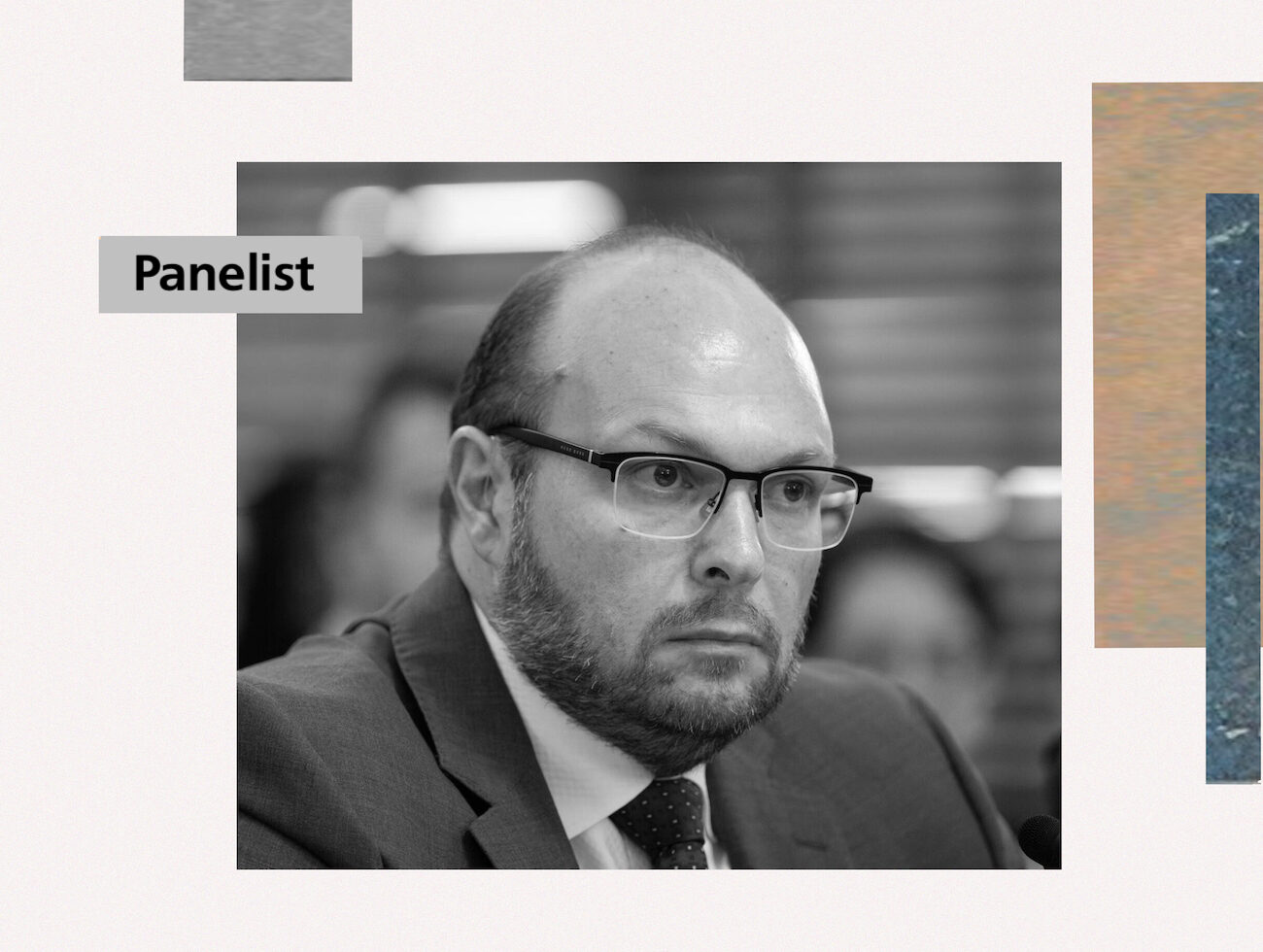
Dr. Nerses Kopalyan is an Associate Professor-in-Residence of Political Science at the University of Nevada, Las Vegas. His fields of specialization include international security, geopolitics, political theory, and philosophy of science. He has conducted extensive research on polarity, superpower relations, and security studies. He is the author of “World Political Systems After Polarity” (Routledge, 2017), the co-author of “Sex, Power, and Politics” (Palgrave Macmillan, 2016), and co-author of “Latinos in Nevada: A Political, Social, Economic Profile” (2021, Nevada University Press), and the upcoming “Armenia, Azerbaijan, and the 2020 War” (Routledge 2026). His current research and academic publication concentrate on geopolitical and great power relations within Eurasia, with specific emphasis on democratic breakthroughs within authoritarian orbits. He has conducted extensive field work in Armenia on the country’s security architecture and its democratization process. He has authored several policy papers for the Government of Armenia and served as voluntary advisor to various state institutions. Dr. Kopalyan is also a regular contributor to EVN Report.
Dr. Areg Danagoulian
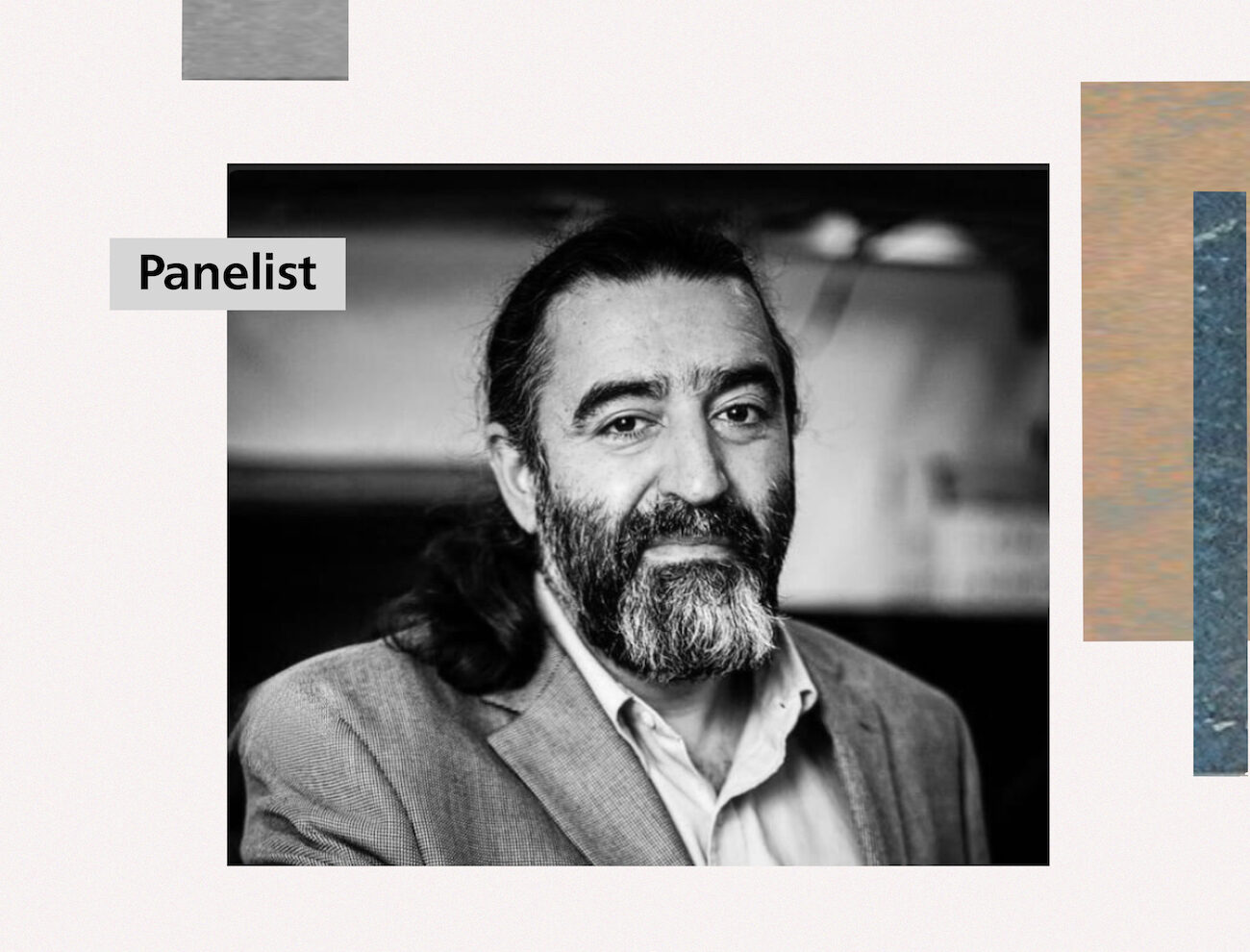
Areg Danagoulian is an Associate Professor of Nuclear Science and Engineering at MIT. He did his PhD research in Experimental Nuclear Physics at the University of Illinois at Urbana-Champaign. Areg’s PhD thesis focused on experiments that used real Compton scattering on the proton at 2-6 GeV, allowing to probe the proton’s internal structure and understand how it couples to external excitations. After his PhD Areg worked at Los Alamos as a postdoctoral researcher, and then as a senior scientist at Passport Systems, Inc. (PSI). At PSI Areg focused on the development of Prompt Neutron from Photofission (PNPF) technique, which allows to rapidly detect shielded fissionable materials in the commercial cargo traffic. Areg’s current research interests focus on nuclear physics applications in nuclear security, such areas nuclear nonproliferation, technologies for treaty verification, nuclear safeguards, and cargo security.
Raffi Kassarjian
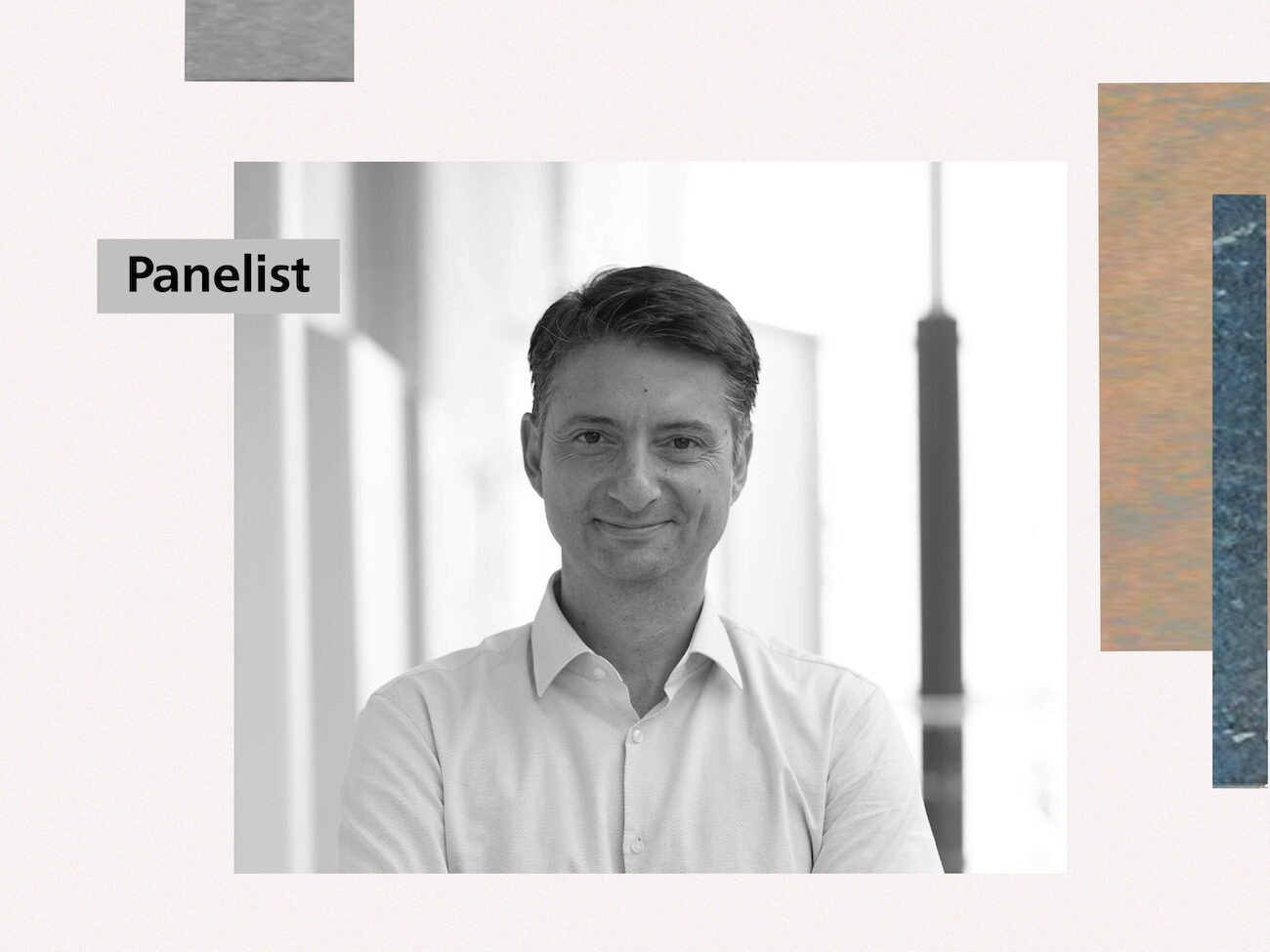
Raffi Kassarjian is CEO and Principal Advisor at Sensyan, a boutique advisory firm focused on the growing Armenian tech sector. Since moving to Armenia in 2008, Raffi has led the following organizations as CEO: iCON Communications (pioneer wireless internet service provider), TeamViewer Armenia (also serving as Senior Vice President at TeamViewer GmbH), and the Union of Advanced Technology Enterprises (UATE). He was also a member of the Management Board of Converse Bank Corporation. Previously, Raffi was Vice President and General Manager at Fair Isaac Corporation (NYSE: FICO). Prior to Fair Isaac, he was a Senior Manager with Accenture’s Strategic Services practice.
Raffi was born in Beirut, lived briefly in Tehran, and spent over 30 years in the San Francisco Bay Area. He holds Bachelor of Arts and Master of Business Administration degrees from Stanford University. He is an adjunct lecturer at the American University of Armenia, and founding board member of Repat Armenia Foundation, Impact Hub Yerevan, and EVN Report.
About the moderators
Dr. Dzovinar Derderian
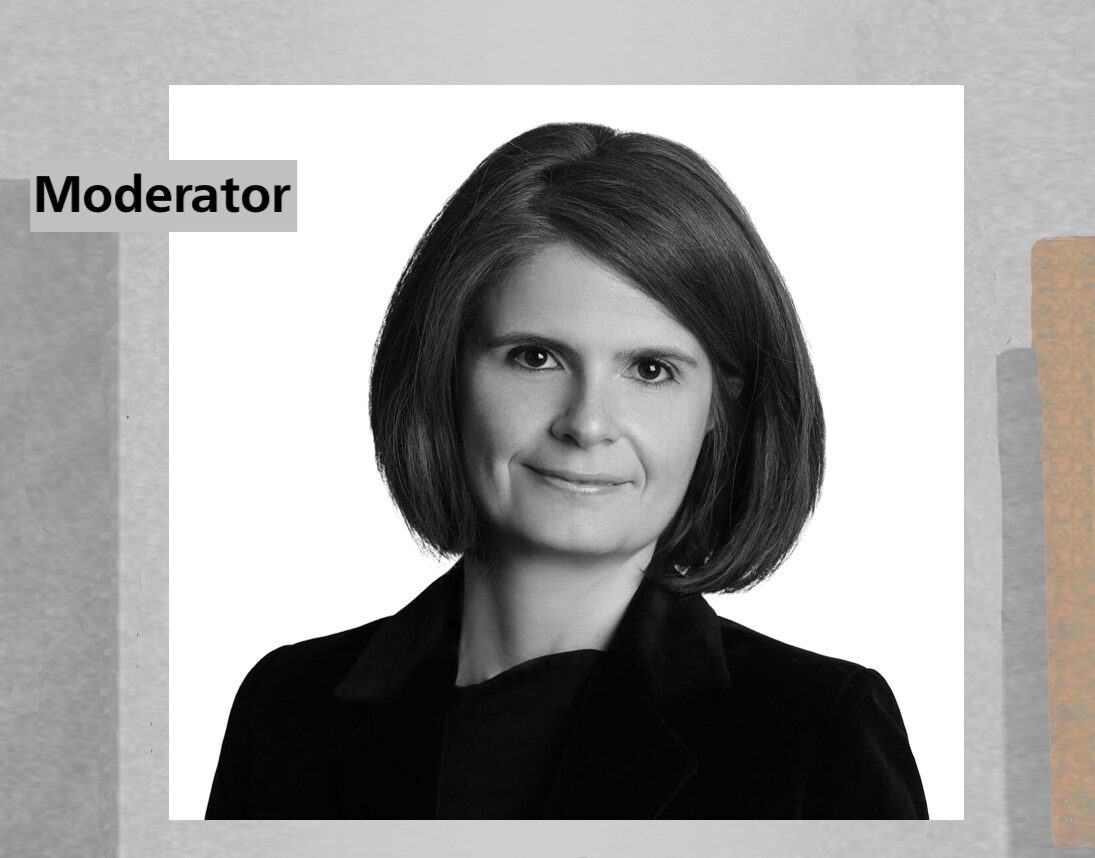
Dr. Derderian is a social and cultural historian focusing on Armenians in the Middle East and the Caucasus. Her interest lies in peoples at the margins of empires, and their roles in imperial processes of modernization. She examines discursive and social practices of provincial Armenians to understand how they navigated their multi-ethnic and multi-religious milieus, and as such how they maintained and transformed orders of power in the Ottoman Empire in the nineteenth century. As part of an effort to understand and situate nineteenth-century Armenians in the multi-ethnic and multi-religious context, with Tolga Yaşar Cora and Ali Sipahi, she co-edited a book The Ottoman East in the Nineteenth Century: Societies, Identities and Politics published by I.B. Tauris in 2016. In this book she also has a chapter titled “Shaping Subjectivities and Contesting Power through the Image of Kurds, 1860s.”
Maria Titizian
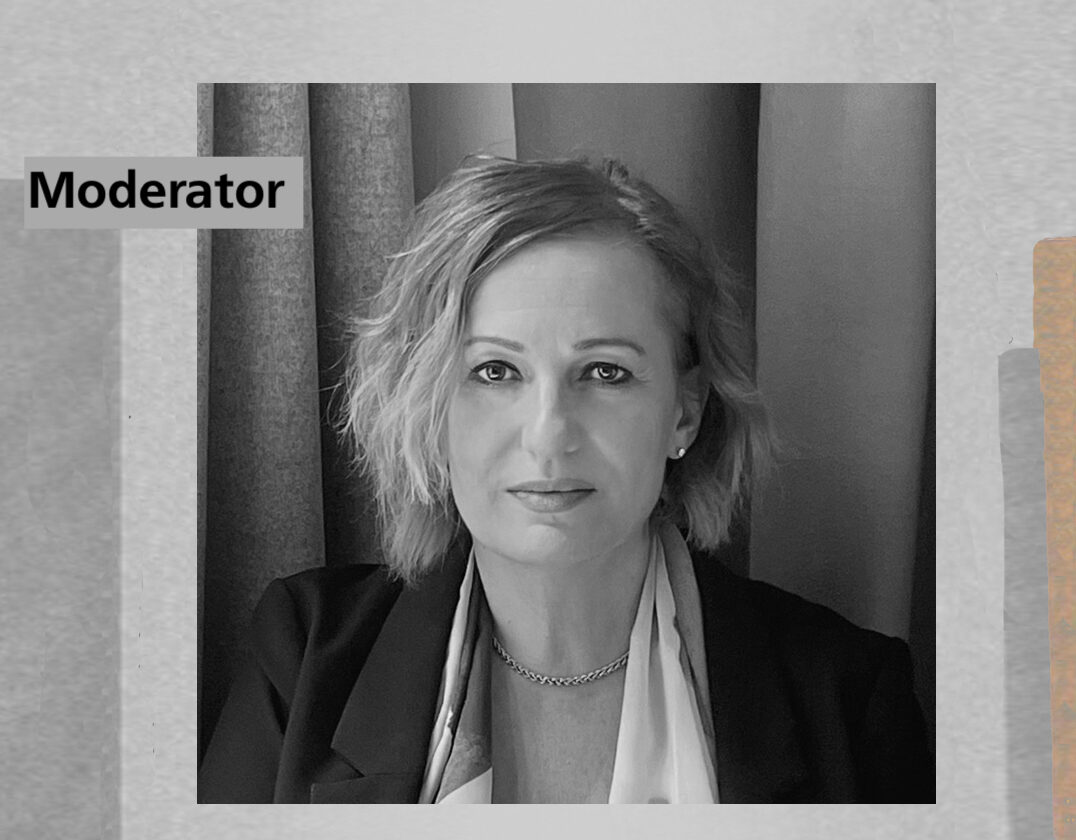
Maria is a writer, journalist, and editor with over two decades of experience covering Armenia and the region. She has reported extensively from Armenia, Artsakh and the Armenian diaspora communities in Lebanon, Syria, and Turkey, documenting their challenges and resilience. Her career spans roles as an anchor at Armenia’s Public Television, Associate Editor of the U.S.-based Armenian Reporter, and Managing Editor at CivilNet. She is the founding Editor-in-Chief of EVN Report, a leading English-language magazine dedicated to in-depth journalism on Armenia’s political, social, and cultural landscape. For over a decade, Maria has been a faculty member in the English and Communications Department at the American University of Armenia and recently helped to develop the university’s Master’s in Journalism program