
Listen to the author’s reading of the article.
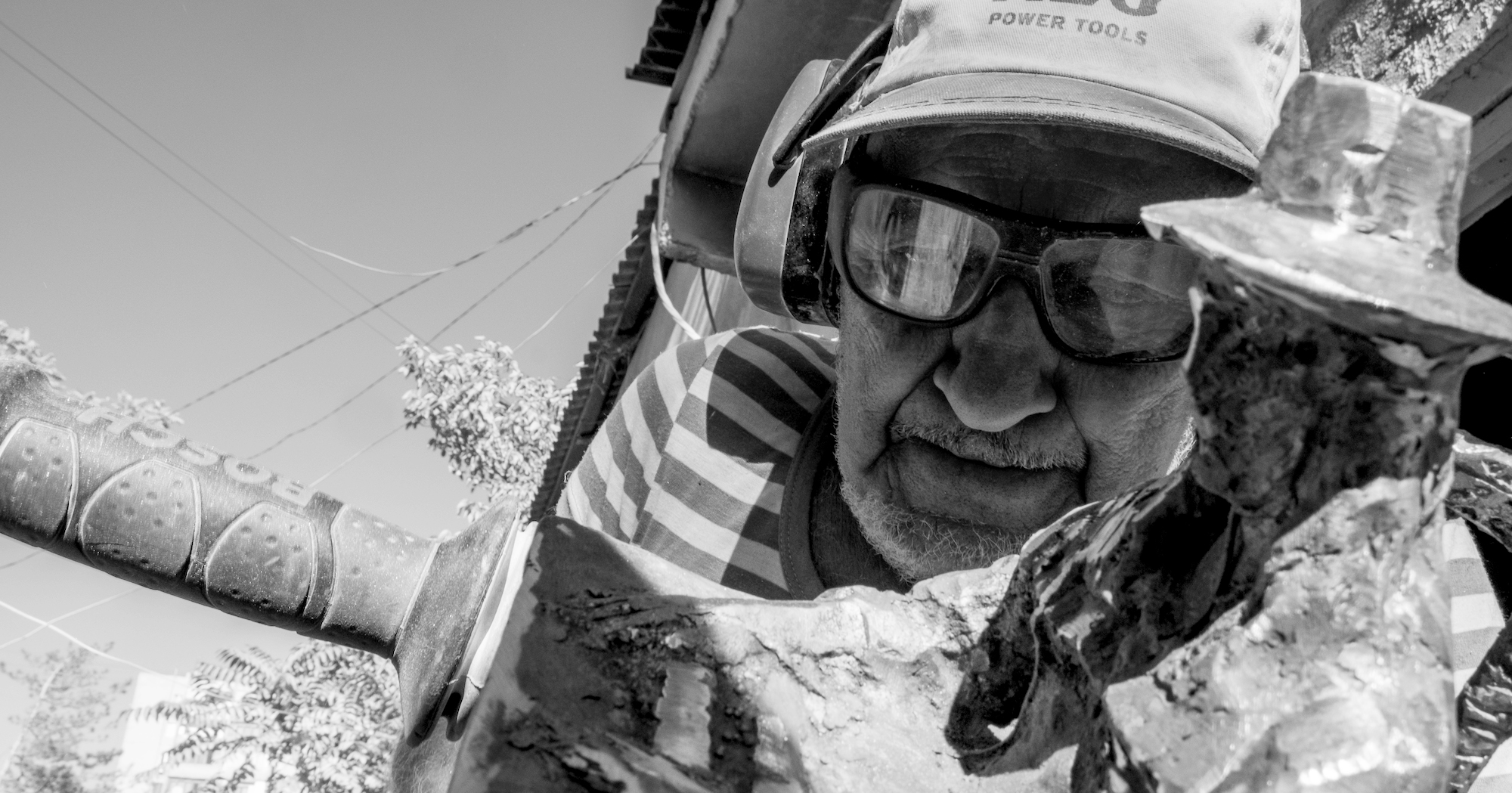
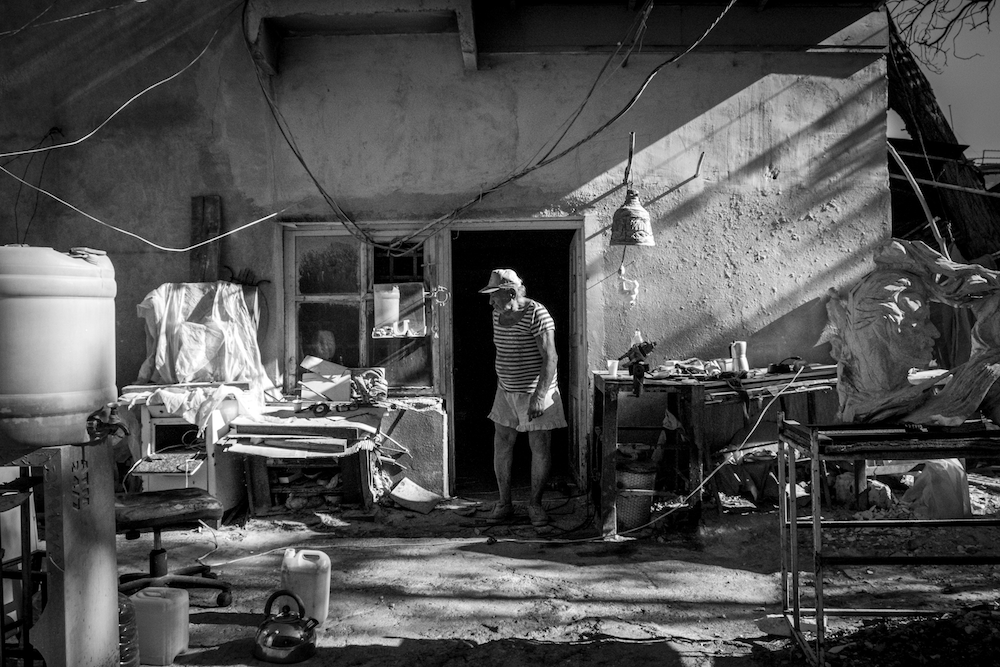
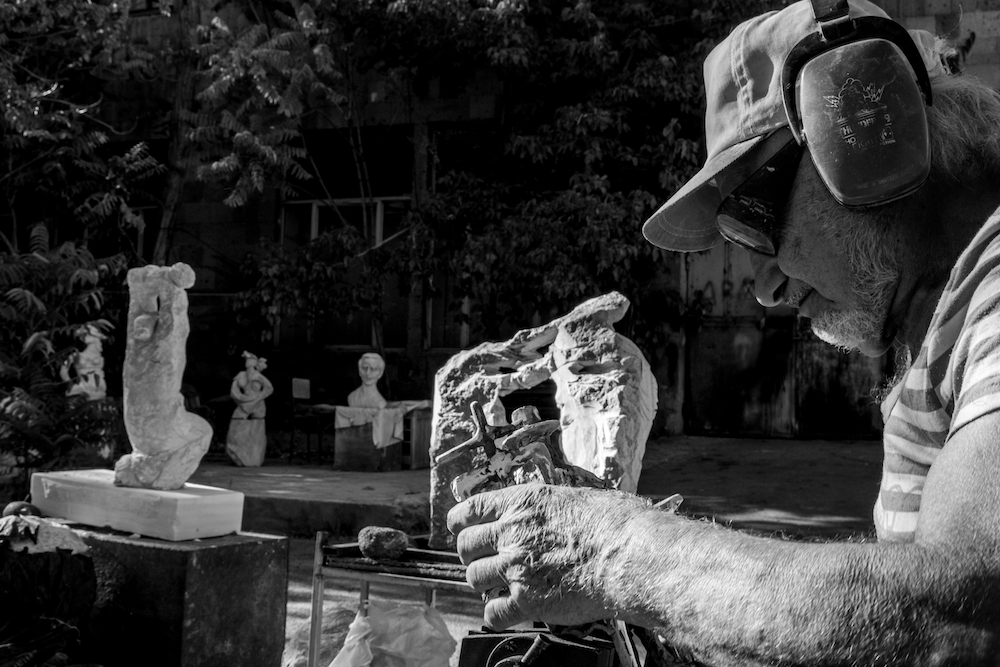
The abandoned Clock Factory in Yerevan has two faces. From one side, its windows look into its courtyard where a hum can usually be heard, coming from a slightly scary tool wielded by an 88-year-old man wearing ear and eye protection and loose white shorts. From the other side of the factory, the windows open onto a stunning view of Yerevan, a city buzzing with people wandering among paintings near the Martiros Saryan statue or strolling along Abovyan Street, where the bronze statue of Karabala eternally offers a flower to passersby. Yet remarkably, many on this side of the Clock Factory remain oblivious about the artist behind these monuments.
“Levon Tokmajyan, people’s sculptor of Armenia.” This simple introduction is penciled on the white door of a garage-like building, accompanied by two nearly identical phone numbers. The 88-year-old in loose white shorts emerges from this door to continue working on his sculpture.
Levon Tokmajyan is currently crafting a smaller bronze version of one of his sculptures. The composition depicts Voskan Yerevantsi, one of the first Armenian book publishers, who published the first Armenian Bible in Amsterdam in 1668, dictating to a seated Dutch printer. Once completed, Tokmajyan plans to donate this smaller version to the Matenadaran, while the original sculpture stands in Amsterdam․ Though dissatisfied with his compensation for the original work, he notes that even Michelangelo was underpaid by the Pope, yet today, people remember his artistry, not his earnings.
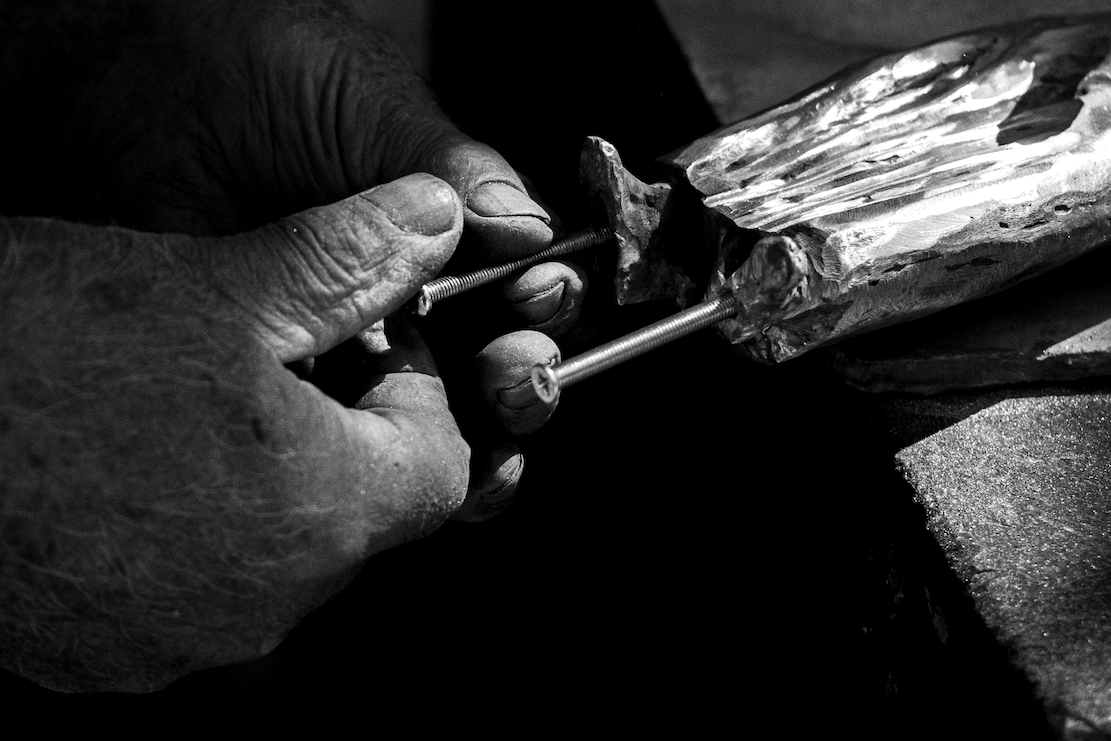
“Bronze is the worst,” he says. “No matter how hard I wash my hands, it never comes off completely. It gets into my skin and itches badly. But it’s such an interesting material to work with.” He speaks with a natural mystique and grandeur in his voice, as if narrating a documentary about history’s greatest kings.
Bronze dust, though it sparkles like glitter on his hands and workspace, is dangerous to inhale. He often collects it from his working table with a brush to sell later.
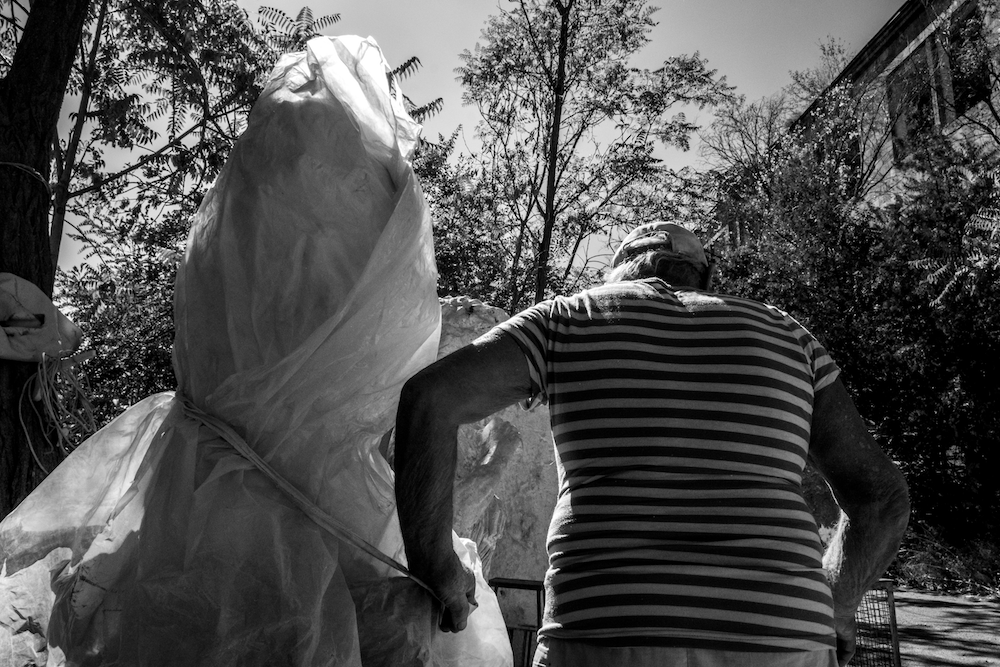
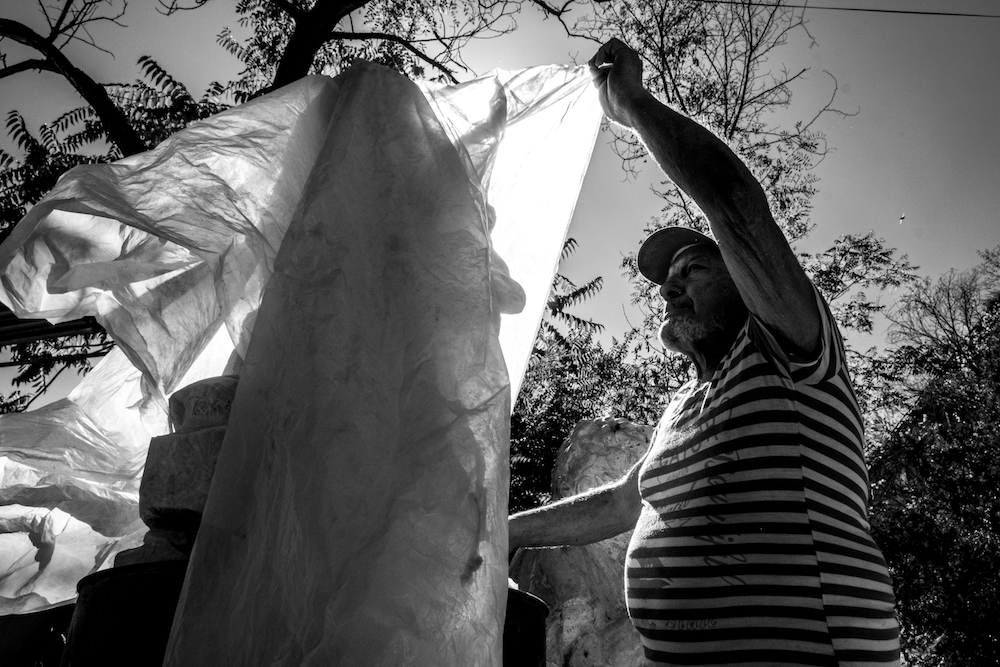
Among many sculptures arranged around his outdoor working space, there’s one he’s just finished. Levon unwrapped the plastic film around it. It’s a marble statue of Kirk Kerkorian, destined for Spitak.
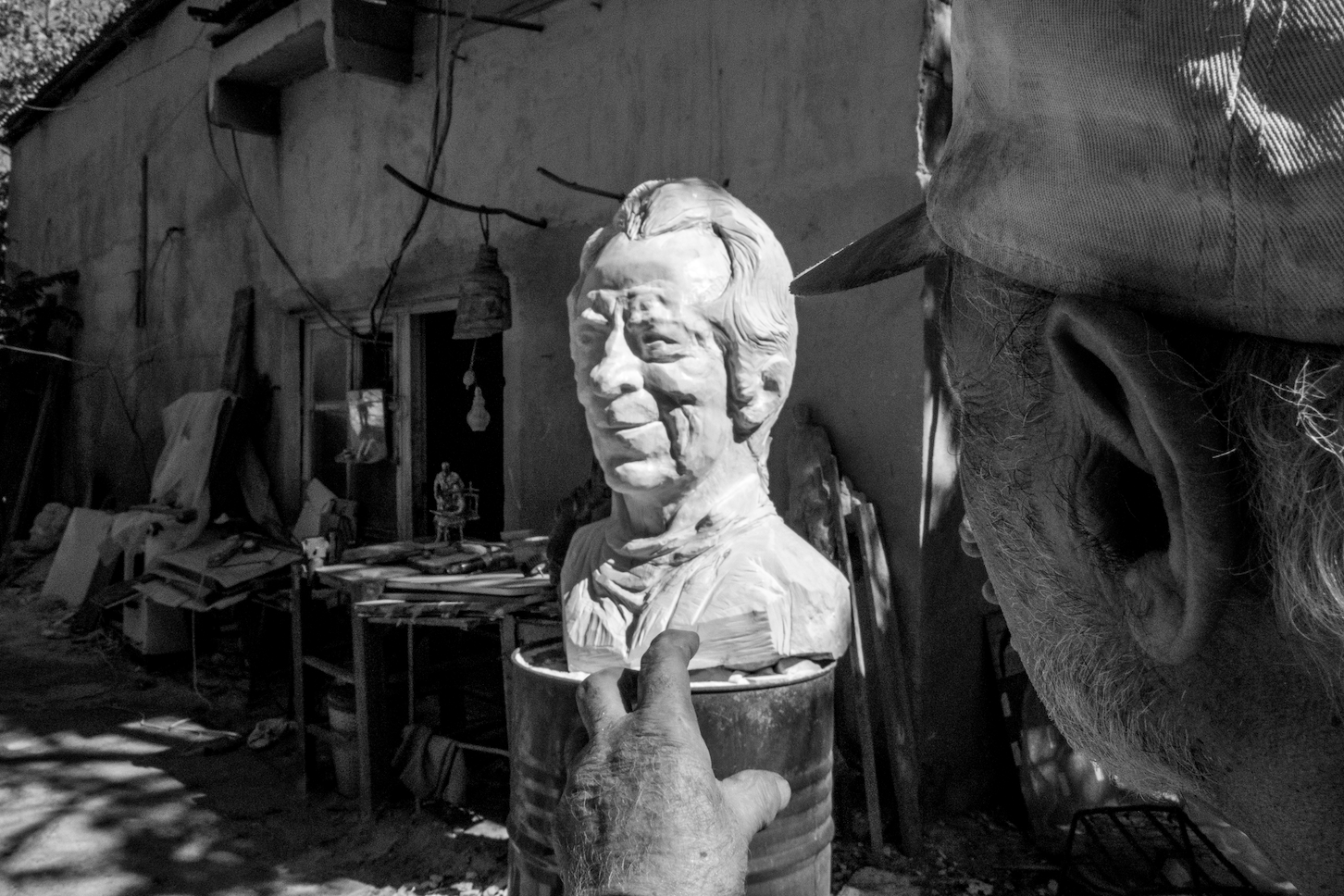
“Marble has its own fairytale,” he says. “No matter how much you work on it, there’s always more to do. I could continue working on it, but I want the tremor of Kerkorian’s anxiety to remain visible. Look at it. This is an exceptional sculpture. On the one hand he smiles, and on the other there’s regret. Through each detail, I’ve revealed his soul.”
Art Historian Vigen Galstyan explains that Tokmajyan has been a popular choice for public monuments because his mature work conveys heroism with pathos and theatricality. Galstyan also notes that the cartoonish folklorism in his sculptures is a defining characteristic—a trait that other sculptors and public commissioners have adopted. This style has become de rigueur in Armenian public sculpture of the past two decades. Tokmajyan is an honorary citizen of Yerevan and Etchmiadzin and has created more than a dozen public monuments throughout Armenia and his works are displayed worldwide.
Despite this legacy as a sculptor, Levon Tokmajyan never planned to become one.
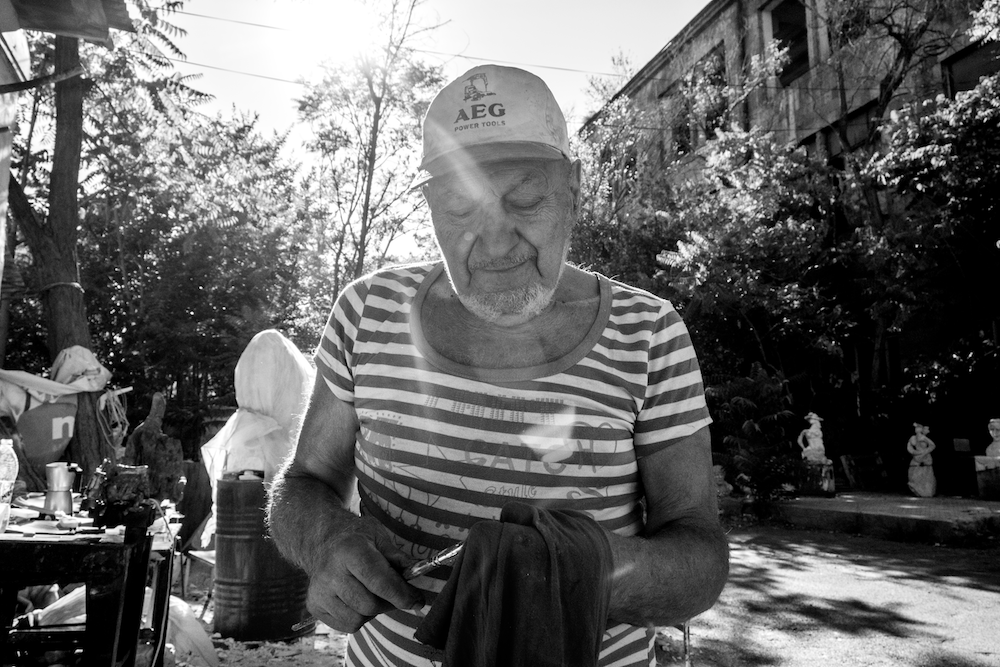
Born to a father from Kars and a mother from Batumi, Levon was the eldest of two children. His father, Hrach Tokmajyan, a house painter with a beautiful singing voice and a fondness for drink, often took young Levon along to work. While his father painted walls, Levon would cover them with his own drawings. That habit carried into the classroom, where he sketched through lessons instead of listening. After failing math so badly that he had to repeat seventh grade, his teacher suggested to Levon’s mother that he apply to the Terlemezyan Art School. She did—and it changed everything.
When Levon didn’t see his name on the list of accepted students, he went home in tears, convinced he had been rejected. His mother, Takush Tokmajyan was a swimmer and the kind of woman who would march in to demand her husband’s wages if they weren’t paid. She refused to believe it. She dragged him to the director’s office to get answers. Family friends often say that Levon and his mother are identical in character, energy, and enthusiasm.
“Your son has a great sense of volume. He feels form in space! We’ve put him in the department of sculpture,” the director explained.
“What!? Sculpture? What even is that?” howled Levon.
Completely unfamiliar with the medium, he began studying alongside people who had been practicing sculpture for years. Nevertheless, he graduated with honors and was admitted to the Yerevan State Institute of Fine Arts and Theater to continue his studies in sculpture.
“That’s how much materialism, in the good sense of the word, settled in me,” Levon explains. “I learned that one should touch, feel the material, that there’s more poetry in stone than in painting. Stone is eternal.”
Tokmajyan’s work emerged in the 1970s at the end of high modernism, when formalist experimentation defined “fine” art in Soviet Armenia. Galstyan notes that many sculptors of the period—Ara Shiraz, Getik Baghdasaryan, Yuri Petrosyan—embraced Neo-expressionist forms to articulate their larger-than-life subjectivity, independent from state directives. Though Tokmajyan shared their values of “pure” art and individualism, what distinguished him was his ability to shift to a narrative-driven, representational style for monumental sculpture.
Personal Life
In his early thirties, Tokmajyan married his second wife, Sveta, with whom he had three children: Vahe, Armine and Hayk. Yet even in marriage, he remained a figure of fascination for women. His first wife continued writing him letters after their divorce, and others openly pursued him—attention he accepted with ease. One encounter in the early 1980s left such a deep impression that he later turned it into a novel, “A Story of Love.”
After navigating the difficult process of obtaining permission to leave the USSR, he finally arrived in Ravenna, Italy, the city that hosted the Dante Biennale. His marble sculpture depicting Dante and Virgil standing before the gates of heaven had earned him a gold medal, which was why he was there. Though he received the medal a year after the award announcement, it was presented to him by Giacomo Manzù, a sculptor he deeply admired. In Ravenna, Tokmajyan met Giovanna Raggetti, an attractive woman who had studied Russian in Moscow and served as his translator. Open in her admiration and unreserved in her flirtation, she made no secret of her interest. Tokmajyan, while careful to maintain boundaries, responded with playful charm, once half-joking that they would marry one day. After his departure, Giovanna sent him letters, promising exhibitions in Italy and envisioning a life together.
When Tokmajyan saw Giovanna again a year after his visit to Ravenna, their reunion was nothing like he had imagined. She was in the hospital, her head shaved, seated in a wheelchair. Until then, Levon had planned to tell her gently that they could not be together. Instead, Giovanna rose from the chair, embraced him, and assured him she would soon be discharged. Exhausted from travel, he postponed the conversation. Later, over dinner with a mutual friend, he asked about her condition. The friend silently slid him a slip of paper with a single word: AIDS. Tears welled in his eyes, but he resolved to be honest with her. The next day Giovanna called, insisting she was fine and inviting him to meet her mother. Levon made it clear that they could not continue. A year later, after skipping the Dante Biennale—“I had already won a gold medal,” he explained—he called their mutual friend in Moscow to inquire about Giovanna. That’s how he learned of her death.
Tokmajyan only had the handwritten version of the story. He didn’t want to publish it as he would need to change the characters’ names––it wouldn’t be Giovanna anymore––and this wasn’t appealing to him, though he had already shared everything with his wife, Sveta.
Levon’s youngest son, Hayk, 53, says that while his parents were different, his mother was his interlocutor. “They would talk endlessly. She would always listen to him, no matter what, and support him,” he explained. “None of us can give him 100% in that way. And now that she’s gone, I can see the gap in him.”
For a long time, Levon and his family lived in his studio on Kochar Street. Being exposed to that environment from an early age, Vahe and Hayk, his sons, were also drawn to sculpting as well despite both parents initially opposing this path.
Yet Levon’s own artistic life was never confined to sculpture alone. He nurtured a passion for music and after graduating from the Yerevan State Institute of Fine Arts and Theater, he had gone on to study for two years at the Yerevan State Conservatory and later sang with the national choir. When they were younger, Hayk recalls another side of his father: how he would disappear for months touring with the national choir. “Touring was good for him. He was seeing new places, meeting new people, learning new things. I remember my father being fascinated by the conductor’s movements, he would say it was as if, from afar, he was shaping volumes in the air.” Singing would deepen his understanding of form, just as his sculptural knowledge enhanced his appreciation of music.
“Sculpture is hard, toilsome work. There’s a lot of rough, coarse labor, especially in stone. But if you have the desire, none of that seems to be a significant burden,” says Hayk. “Once my dad, Vahe, and I were all working on a huge piece of stone. One was chiseling, another was carving, and when my mom came to bring us food and saw us in that state, she exclaimed, ‘Oh no, my poor children!’ She didn’t come to the workshop often.”
Levon’s relationship with his children was always dry and pragmatic. He frequently intervened and told them what to do, a habit Hayk found difficult to accept, despite knowing it was simply his father’s nature. What frustrated him most was Levon’s inconsistency, stating on position one day, only to reverse it the next. Their conflicting approaches kept them in constant disagreement. However, those tensions have softened over the years. Father and son have always worked side by side in the same studio. The two almost identical phone numbers on the white door belong to Hayk and Levon.
At home, Sveta would encourage her children to be more patient with Levon. “My mom was a unifying force,” Hayk recalls.
For her grave, all three sculptors of the family––Levon, Vahe and Hayk––united to create a sculpture together. “The idea that all three of us took part in the statue for her grave was very important to me,” says Hayk, “no matter how hard it was going to be.”
“Working with stone is good for health. The stone is taken from the depths of the earth, so it has energy. When you have energy, it draws it from you; when you don’t, it gives it back to you. That energy transfers to the person. When one works, they feel good. If you work with stone indoors, it will leave you short of breath––not just because of dust, but also because of the confined energy. Stone needs space,” explains Hayk. Though it’s relaxing for Levon to work outdoors, and though he does have his mother’s energy, at 88 he sometimes gets tired now.
His children are cautious about telling him to slow down, as he always does the opposite of what he’s told.
Meanwhile, on the other side of the Clock Factory, the daily buzz of Yerevan rarely changes. People still walk past Tokmajyan’s monuments, which serve as significant signposts of their time and have become part of collective memory.
When there was nothing more to tell about his latest statue, Tokmajyan threw the plastic cover back over it, securing it with a wire so the wind wouldn’t lift it.
“Let it stay covered for a while,” he said. “Later, when I uncover it, I’ll see it with fresh eyes. If you look at something every day, it becomes ordinary.”
Photos by Lilith Margaryan.
LIFESTYLE
On Heels
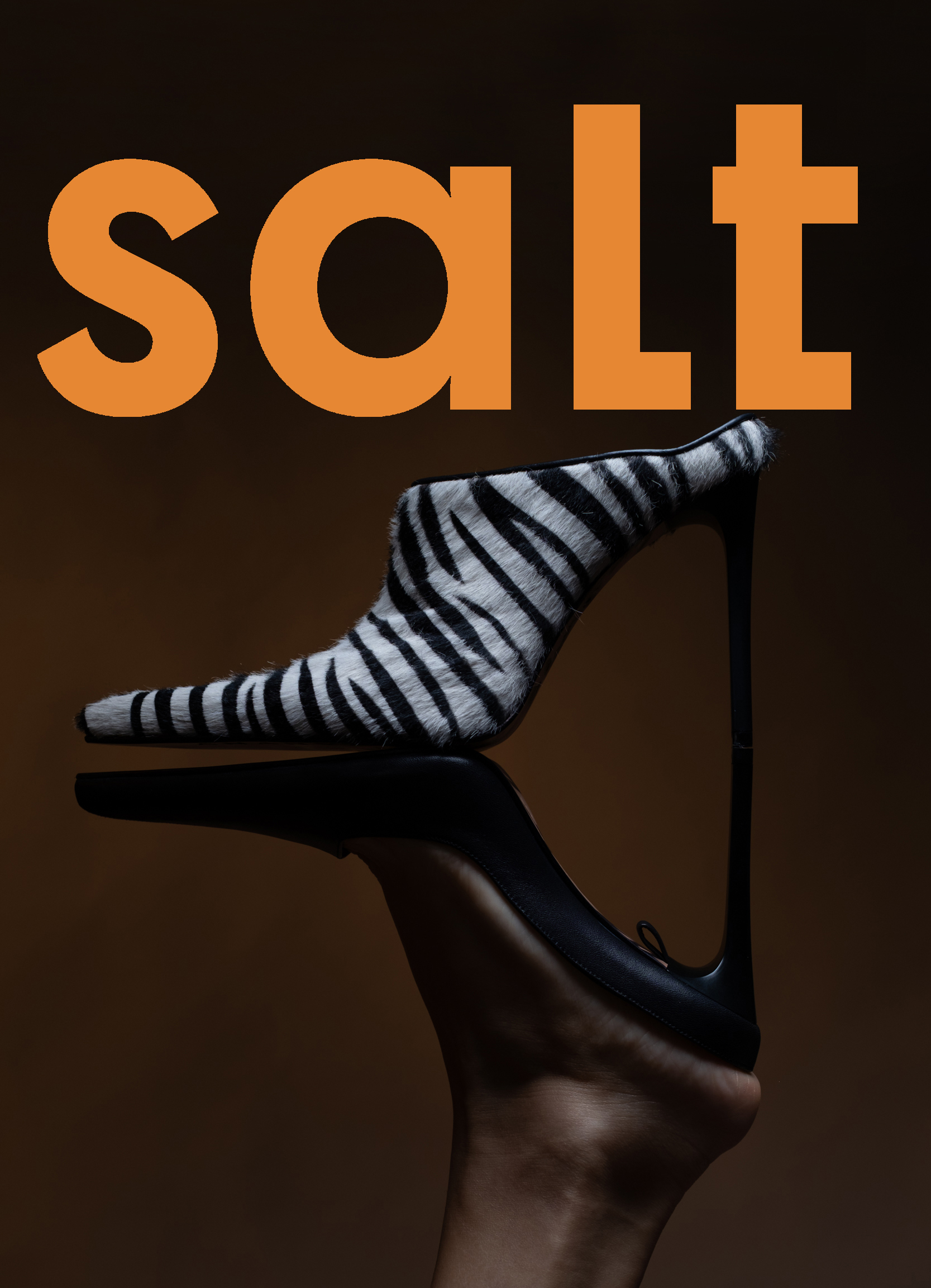
Cover photo by Areg Balayan.
This month’s SALT takes you from the hushed halls of the National Library turned unlikely coworking hub to the sculptor’s studio of Levon Tokmajyan. We celebrate curls in all their glory, trace Armenian culture through memes, and hear the story of a young woman navigating Yerevan’s streets in a wheelchair. To top it off, a new play brings to life the story of Armenian jazz legend Elvina Makaryan. SALT is where everyday struggles meet joy, creativity and reinvention.
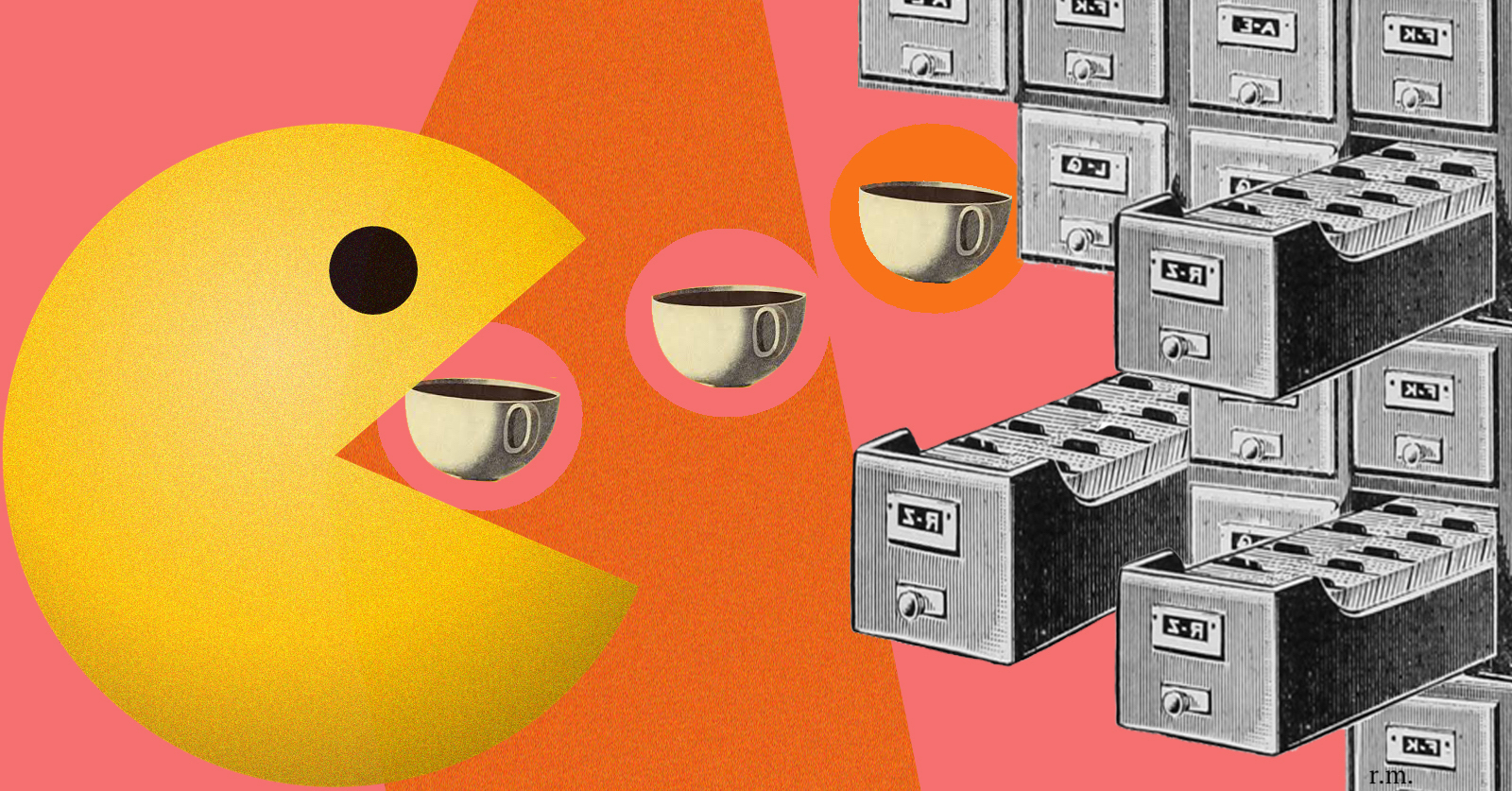
Silence Must Be Kept: Coworking at the National Library
Inside Yerevan’s National Library, Soviet grandeur collides with digital work culture. Once a temple to knowledge, its vast halls now host students, scholars and freelancers alike, each negotiating silence, discomfort and architectural awe in an unlikely coworking experiment.