
Listen to the AI generated audio of the text.
Amir
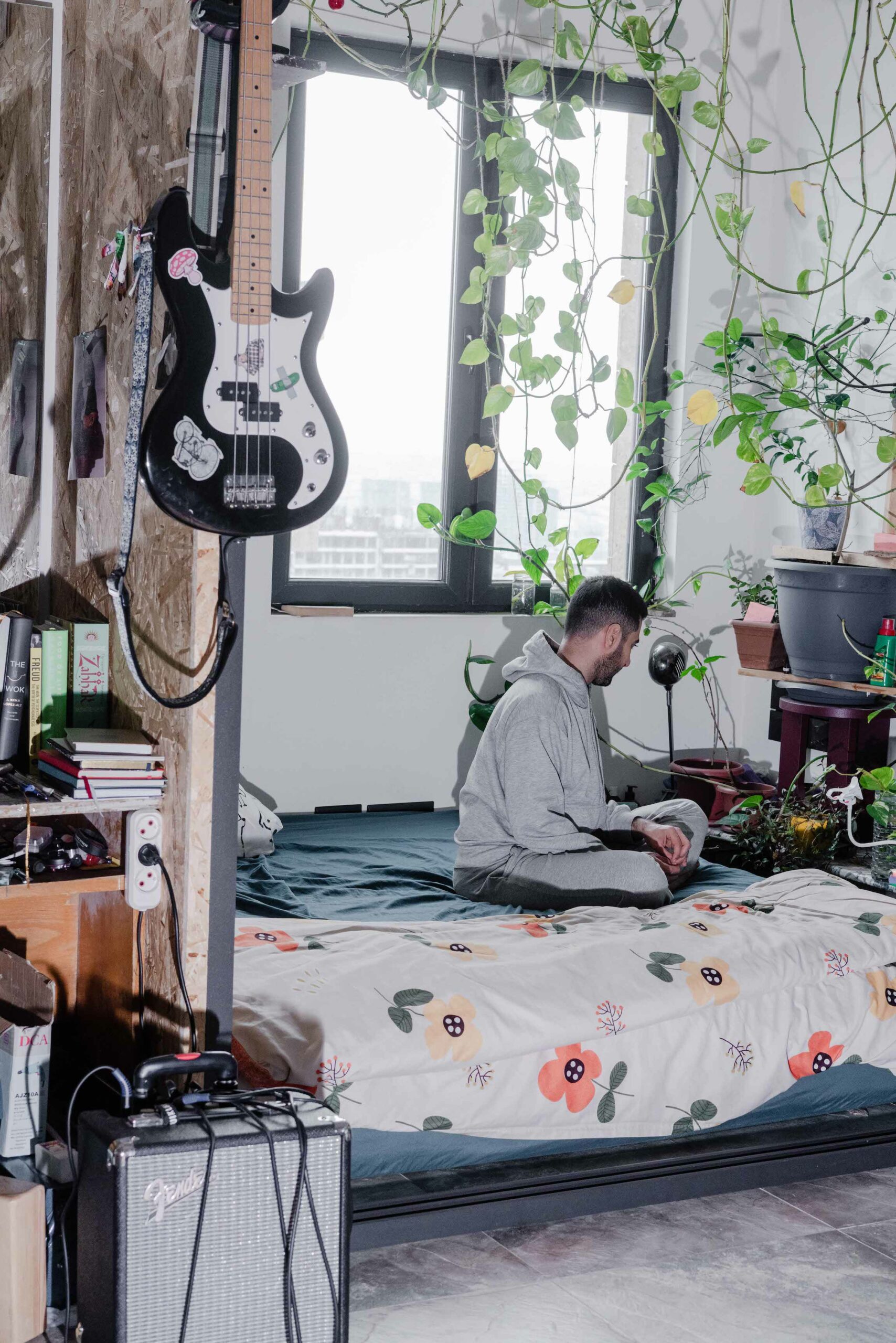
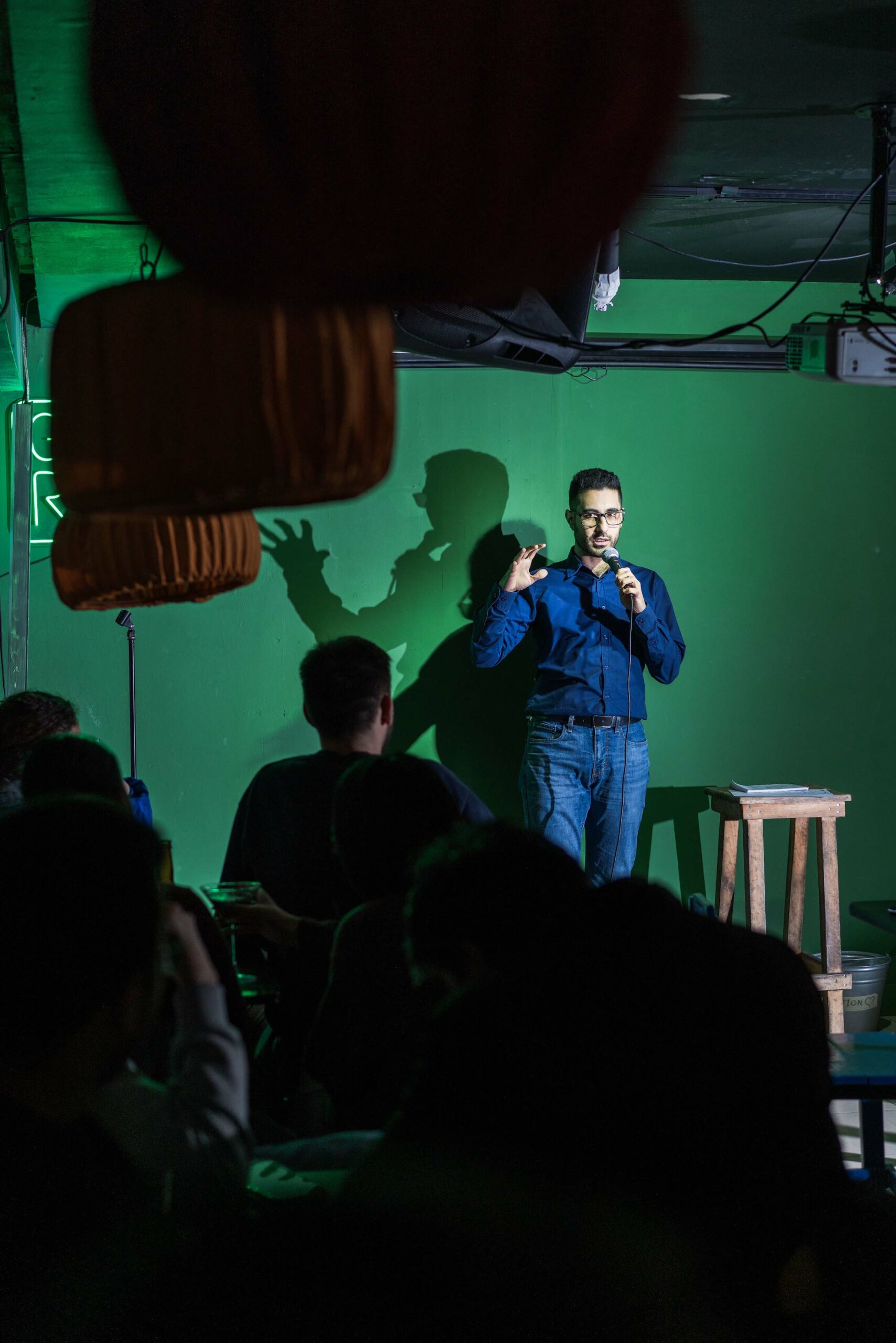
Amir came to Armenia about 17 years ago to study music. There are music schools and universities in Iran, he says, but the quality here is better. At the time, many Iranians he knew were visiting, going out, clubbing, but his passion was for his studies. After graduating, he tried to continue with music, but now works primarily in programming, doing quality assurance for different companies, which he enjoys. Still, he found another passion in stand-up comedy. His ex-girlfriend introduced him to the scene, and he began performing for mostly Armenian audiences. The hardest part is grabbing attention, you need a strong base story, he says. His sets often begin with: “I’m an Iranian living in Armenia, and this happened…”
His family remains in Iran, and he recently visited during the war to celebrate Nowruz. What struck him most, he says, was how calm everything felt, you wouldn’t know a war was going on.
He speaks Armenian fluently and is now learning Russian as well.
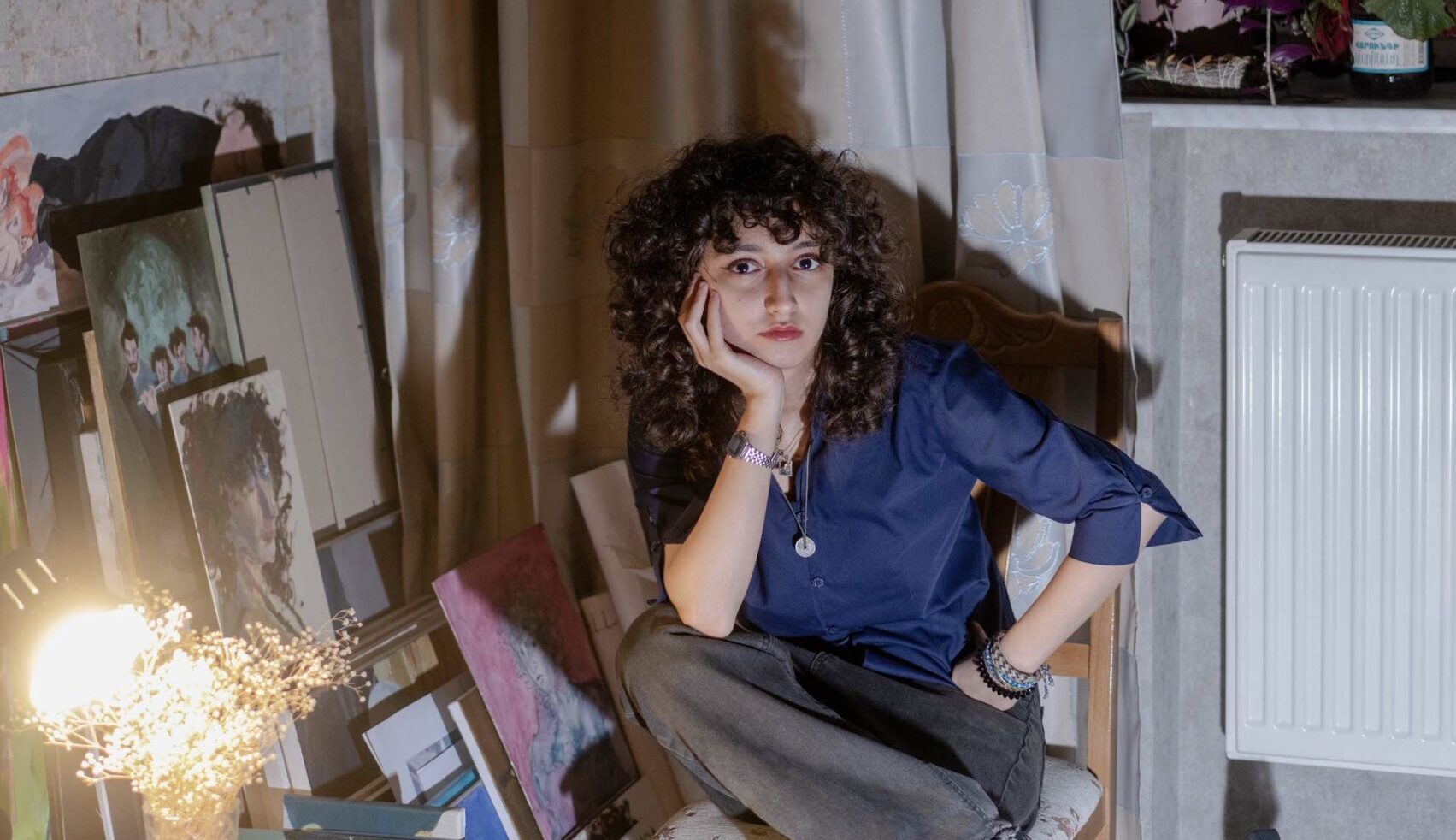
Hana
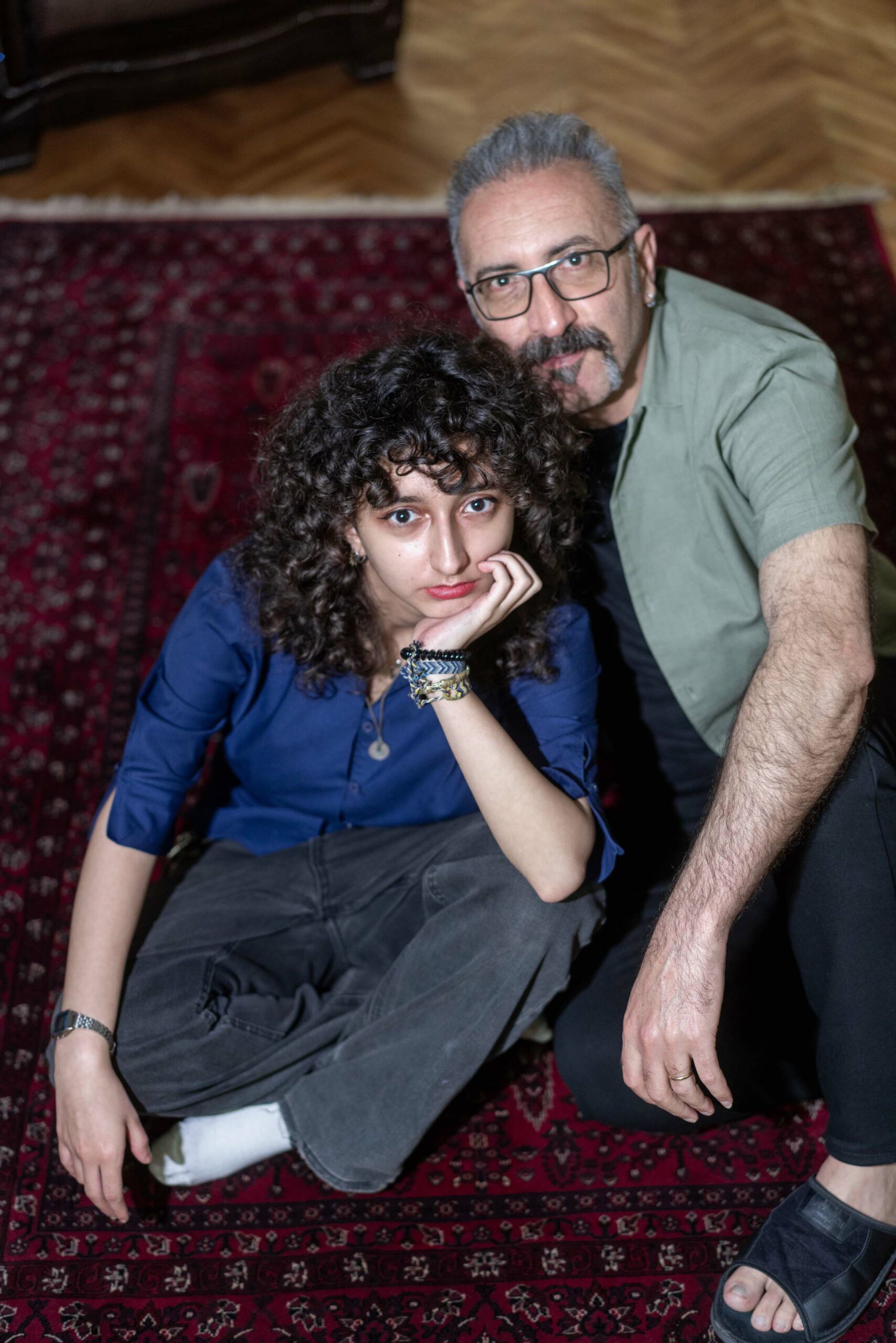
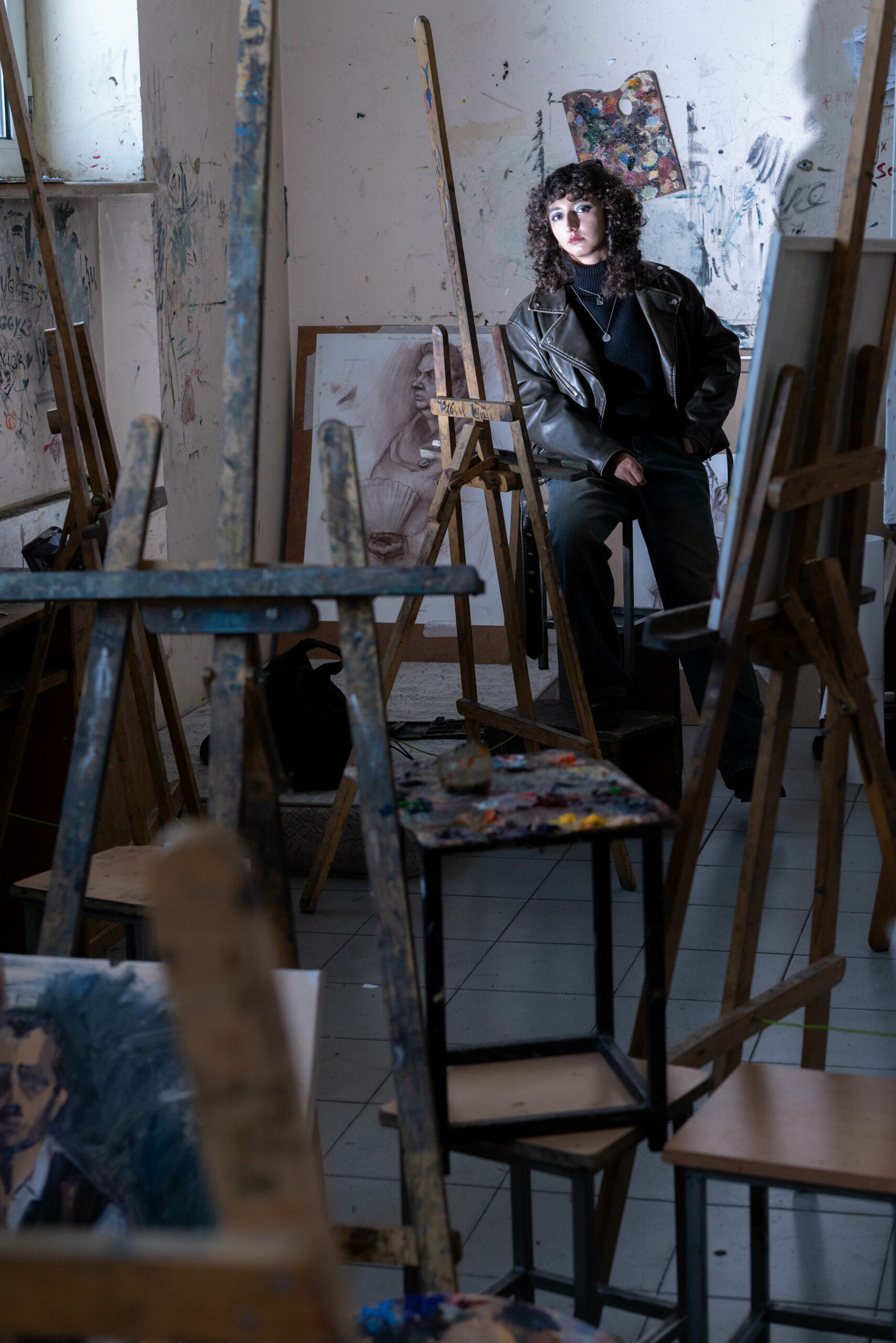
Hana’s family moved to Armenia from Isfahan around six years ago. She finds Yerevan is not that different from Isfahan and her feelings about the place are quite similar. She began learning Armenian here and went to a local school to assimilate herself into the culture. Here, Hana discovered her passion for visual arts and currently studies at the Terlemezyan College of Fine Arts. She travels throughout the country and most of all loves contemporary rock music. Hana hangs out more with Armenians and does not have many Iranian friends. She is the only one in her family who speaks Armenian and tries to act as a bridge between Armenian culture and her family. Most of the news about Iran she knows from family and less from social media because she does not trust it, especially the Iranian ones because of the lies she says she sees. She has no idea how the situation in Iran will eventually end and finds it very complicated, leaving her quite unsure about what to do in future after graduation.
Pooya
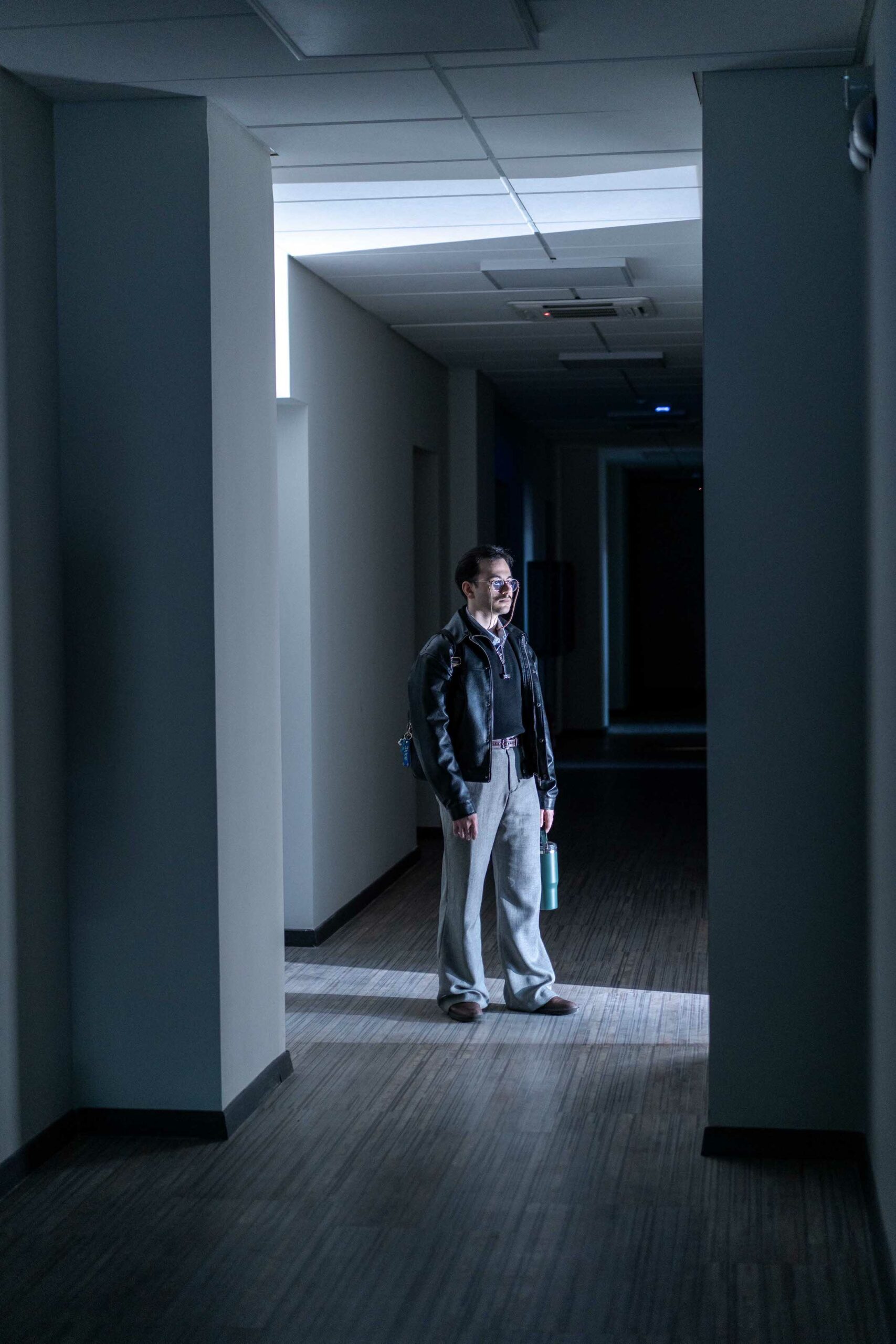
Pooya is from Bushehr. Like Amir, who helped him a lot in the beginning, he came to Armenia to study music, driven purely by his own passion. No one in his family is a musician. He has been at the Armenian Conservatory for five years now. The experience hasn’t been easy. He speaks about the difficulties of being treated as an outsider, often compared to other students as “the foreigner.” Still, he accepts the discipline the field demands: constant practice, constant performance, and keeps going. Ideally, he says, he would like to move to Europe after graduation.
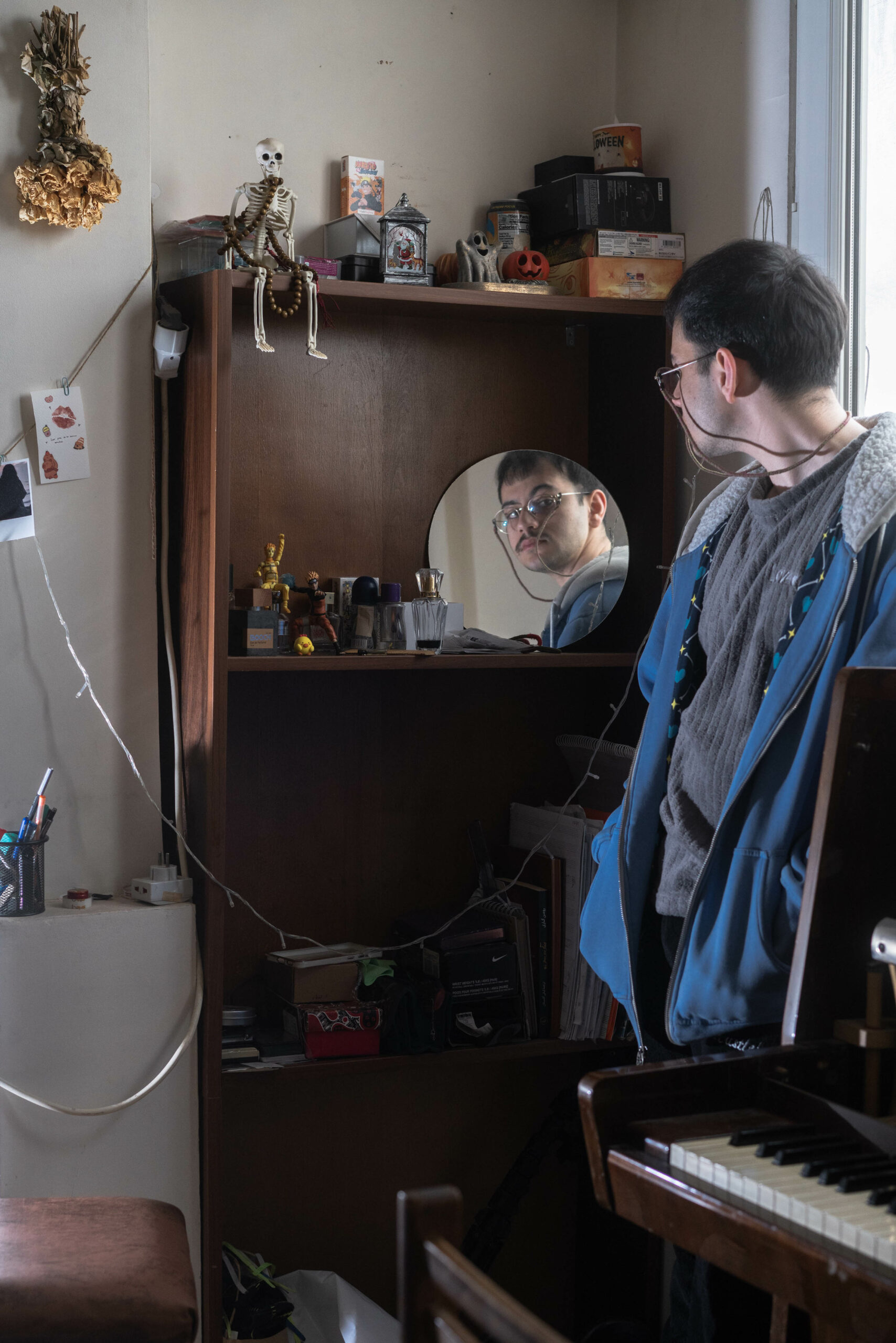
Most of his time is split between the university and home, navigating both his studies and the paperwork required to stay in the country. Outside of music, he has a strong interest in fashion and hopes to try modeling, though he hasn’t yet found a way in. His apartment is filled with small details that remind him of home, his girlfriend, his family, the life he misses. To stay connected, he follows news on X, checks Iranian outlets, and relies on various apps to keep in touch with loved ones back in Iran.
Arash
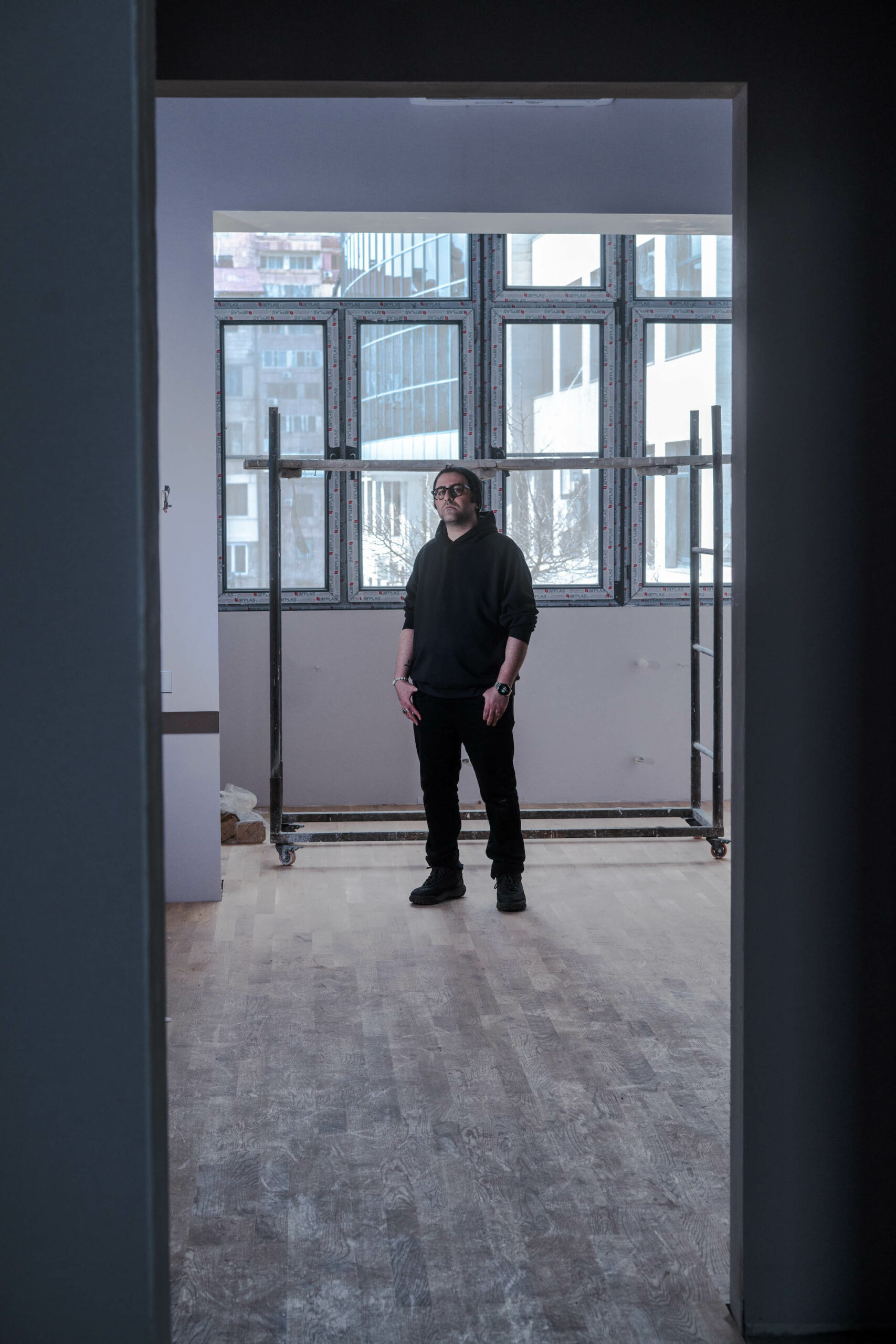
Arash is a musician and composer from Hamedan. In 2012, he enrolled in Armenia’s Yerevan State Conservatory, where he majored in composition and later continued his education at the Massachusetts College of Art. He prefers the quality of education offered here and notes that, at the time, the exchange rate made studying in Yerevan more accessible than Tehran. Armenia also hosts international festivals like Unsound Festival Yerevan Edition, Urvakan Festival and Synthposium Festival, which makes it attractive.
In 2020, Arash won the international composition award at the AGBU Sayat Nova International Composition Competition. Yet, his experience has not been without friction. Alongside some supportive professors, he recalls instances of systematic and cultural racism and xenophobia from both administrative and academic staff at the conservatory.
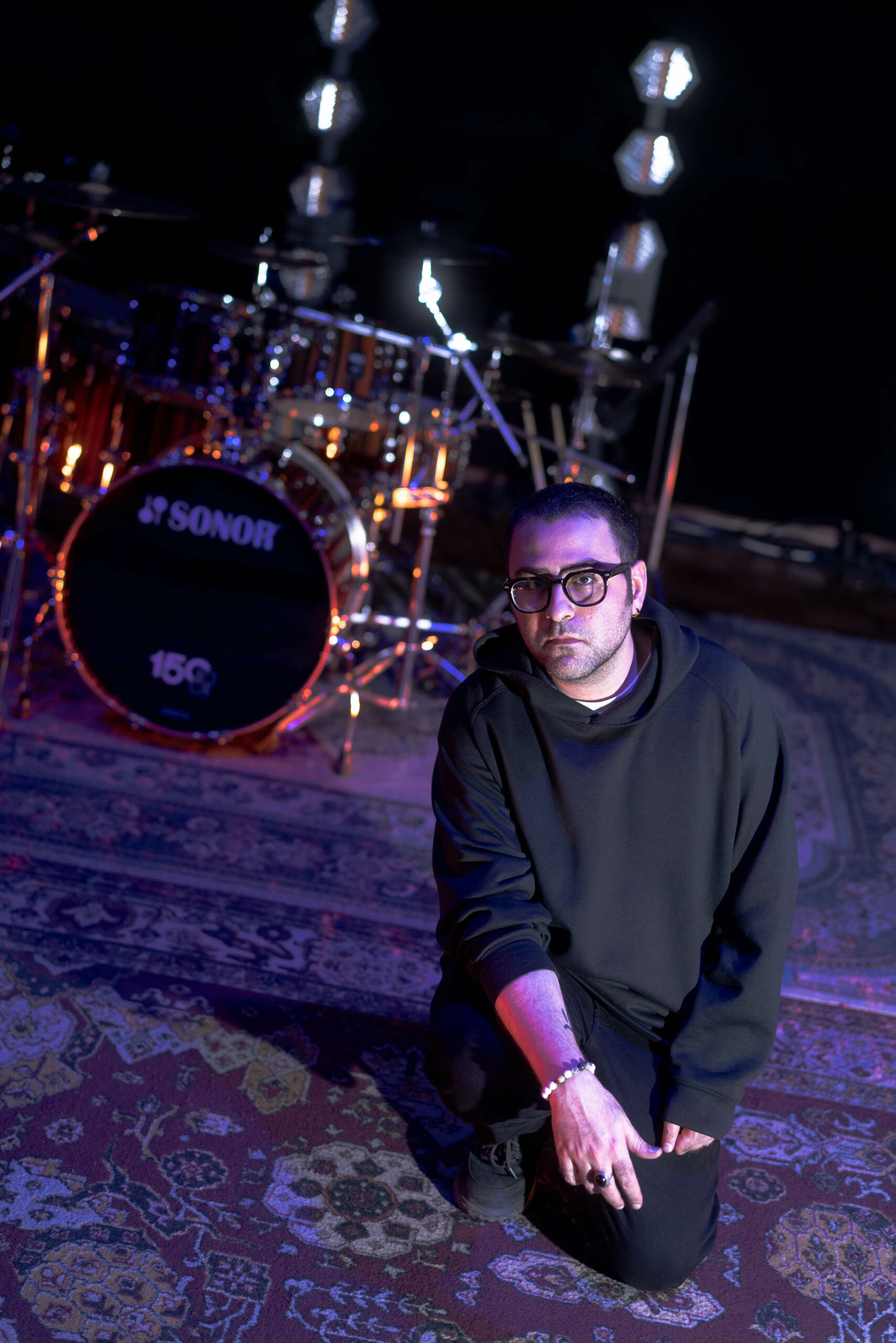
Speaking about Iran, Arash notes that regardless of who wins the current conflict, either outcome will produce hardships for the Iranian people. Comparing life in Yerevan and Tehran, he points to the capital’s transformation since the 1979 revolution and notes that air pollution is much worse in the latter.
Arash was an artist-in-residence at Garage Studios from 2021-2022 and has taught art and sound design at HSE Art and Design University. He is now based in Yerevan.
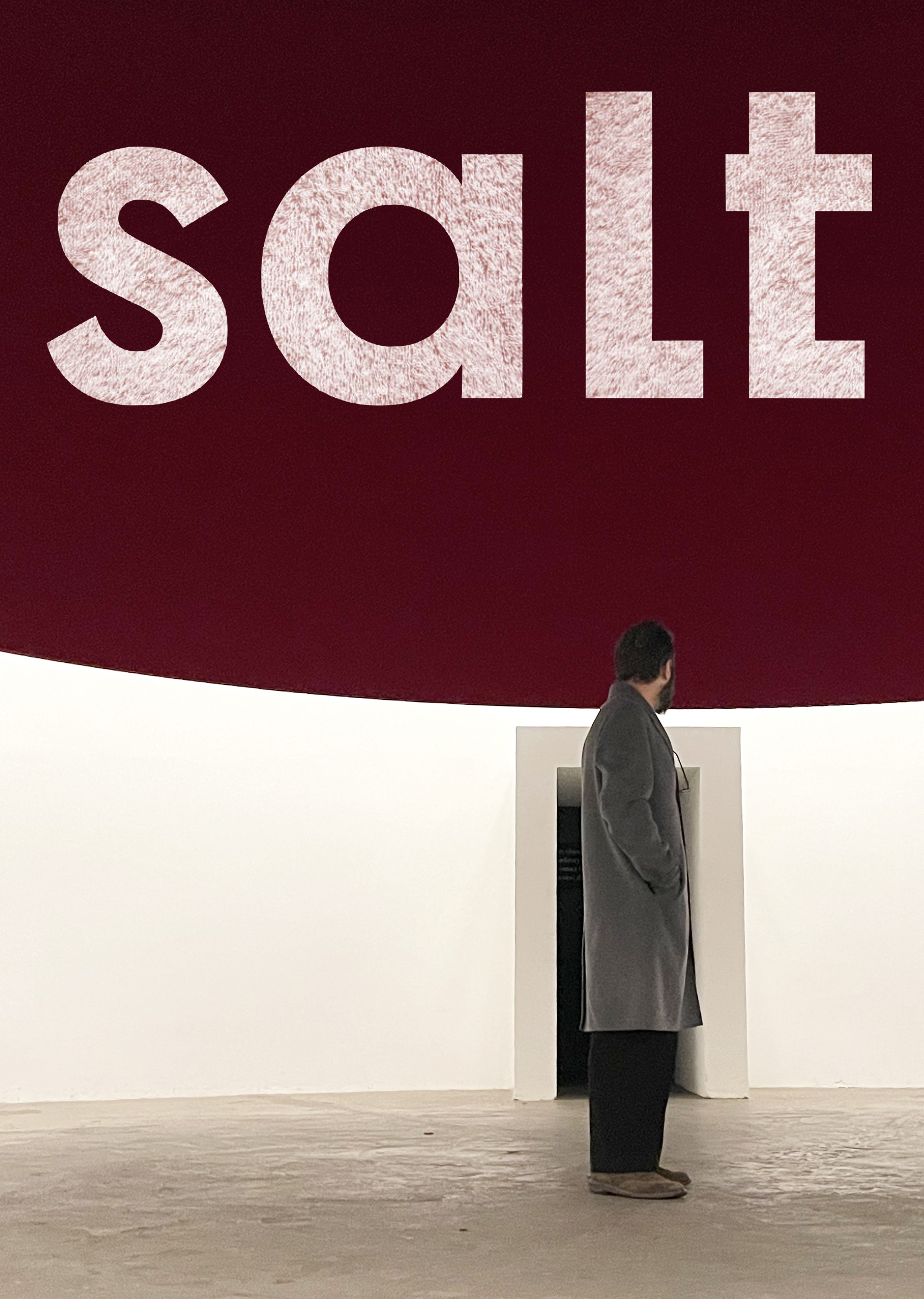
Cover photo by Roubina Margossian.
LIFESTYLE
Contemplation
March’s SALT issue, “Contemplation”, takes a reflective look at how we live, unwind and make sense of the world around us. From rethinking what fun means for a new generation and the quiet lessons of turning 25, to the liberating pull of rave culture as a space for self-expression, and the enduring realities of water scarcity in the post-Soviet landscape, the articles in this month’s issue move between the personal and the collective and trace how identity, environment and everyday choices shape the way we experience the world.
Where Shame Unravels: A Night in Yerevan’s Techno Scene
In Yerevan’s underground techno scene, one night alone becomes a meditation on shame, identity and freedom. Moving through darkness, music and memory, Melodie Sevagian confronts the expectations placed on her, and the self that emerges when they finally fall away.
Read more
Lifestyle Content for the End of the World or a Usual Day in Yerevan
In this sharp, darkly humorous take on lifestyle in Yerevan, Maria Gunko reframes beauty routines through water shortages and crumbling infrastructure, revealing how resilience, improvisation, and dignity redefine what “living well” actually means in a post-Soviet city.
Read more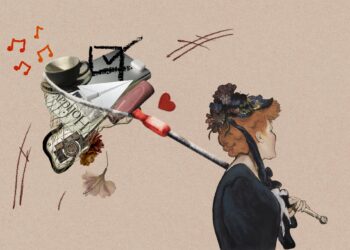
25 Things I’ve Learned Turning 25
In this candid, relatable reflection on turning 25, Sona Gevorgyan lists 25 lessons shaped by small moments, setbacks and quiet realizations. Moving between humor and honesty, it rethinks adulthood, expectations, and what it means to grow at your own pace, in your own way.
Read more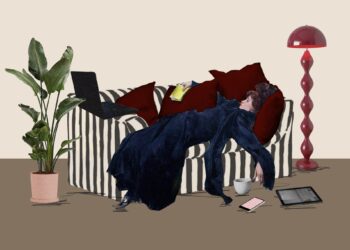
Fun, Reconsidered
What does “fun” mean for a generation shaped by screens, routine and constant pressure? Moving between personal introspection and cross-generational conversations, Tamara Khachatryan questions whether fun has diminished, or simply evolved into something less visible, but no less real.
Read more