
Listen to the AI generated audio article.
“Looks like I’ve lost it,” Jane said, realizing her recipe book wasn’t among the family albums and documents. “Some relatives borrowed it and never returned it.” She seemed genuinely saddened by the small loss.
She had spent years perfecting that notebook, gluing in photographs, sketching little cakes, and filling its pages with recipes from family, friends and glossy magazines. She laughed as she recalled forcing herself to write neatly, “not like a doctor,” which she once was. Losing it felt like more than misplacing a notebook; it meant losing years of memories and care.
I had come because of that very recipe book, hoping to learn the recipe that helped Jane support her family of four in the turbulent 1990s.
“The good thing is, the recipe you were looking for, my special Drunken Cherry tart, is all in my head.”
Drunken Cherry is a dessert that traveled across Soviet republics under different names and in countless variations. Mostly, it’s a rich chocolate cake layered with cherries soaked in brandy, a distant cousin of the German Schwarzwälder Kirschtorte, better known as Black Forest cake.
But somewhere along its journey east, this grand layered chocolate cake became something more practical. In Jane’s kitchen, shaped by the shortages, power cuts, and scarcity of 1990s Armenia, Drunken Cherry became a tart.
“Let’s go make some coffee and I’ll share the recipe with you,” she said, taking the family album from my hands and rising slowly, steadying herself on her walking frame.
I followed her into a long, narrow kitchen filled with competing aromas. A large pot of greens simmered on the stove. Fruit from her son’s garden covered most of the table. Nearby stood rows of homemade preserves in small jars.
“I made lots of jam, because I can’t cook in small portions,” she explained. “I’m used to cooking for a big family, as we were.” Her eyes glistened for a moment before she turned away, hiding her face behind the open kitchen cabinet.
I remembered being told about her husband and two sons. No one ever mentioned the younger one or his tragic death in the 1990s. Silence seemed to be the way the family protected Jane’s peace. When our conversation drifted too close to him, we let it fall away or turned to something else. Just like now.
“Here are the molds I used for the tart,” she said, her tone changing. “This one I bought in Tbilisi. Look, so gorgeous. I’ll give it to you. I have nobody else who would ever use it.”
We took the molds and some fruit, made the coffee, and walked back to the living room.
Only then did I notice the small camera mounted high in the corner, aimed at the armchair Jane called “my place.” A green light blinked once.
“My son installed it,” Jane said, following my gaze. “There were times when I kept falling. Now he can see if something happens.”
She spoke almost apologetically.
“I try to feel good so he’s not worried,” she continued. “He suffered enough in the nineties. Children shouldn’t have to go through the things he did. He was the glue of our family.”
Then, almost as an afterthought, she smiled.
“He helped me bake, too.”
I sipped my coffee and returned to the family albums, photos of Jane’s university years. She commented on each one carefully, sometimes adding more emotion than information to what I was seeing. In most of the photos, she looked stunning, but her shoulders curved inward and her head angled down, as if apologizing for something or hiding.
“I’m so sorry to keep talking, I can’t keep my mouth shut,” she says, gently wiping a tear. “These photos bring back so many memories, and I rarely look at them. But maybe we should get back to the recipe; otherwise, I’ll take up your whole afternoon.”
The doorbell interrupted us. Jane smiled and went to the door.
“That’s my friend. She also came to share something with you!”
Her friend entered slowly, carrying herself with a quiet elegance. Tall, with long, light hair, she looked like a figure from a Renaissance painting. Only the walking cane anchored her to the present.
Politely refusing coffee, she sat down by the window, where the light softened her outline.
Jane picked up where she’d left off and told me how baking entered her life.
“I started working at a medical school in 1994 and stayed there for 20 years.”
Her salary, which at the time was 8,000 AMD a month, was the family’s main source of income, and it wasn’t enough.
“We all baked to survive,” continued Jane’s friend, whom I’ll call Raphaelle. “But it was much more profitable before Perestroika. I could spend all night baking and end up with four or five cakes, selling them for 80 rubles each, a very good price at the time.”
She paused, noticing me trying to calculate what that meant.
“It was enough to take the whole family on vacation. My monthly salary was only 100 rubles,” she said.
Small details like this really capture the strange logic of the Soviet world.
The 1990s changed the equation completely, and baking no longer brought in nearly as much money. Still, for many women and many families, it was one of the few ways to survive.
“There was very little profit and a very high chance the cakes wouldn’t sell,” Jane said.
Raphaelle nodded: “Shops would give your cakes back after a day or two. You’d spent time baking and money on ingredients, plus taxi fare or other transportation. And if you didn’t sell anything, you were just giving away the cakes to your friends or neighbors. ”
I remember those unsold cakes appearing in our kitchen, gifts from my mother’s friends. They never accepted money, only gratitude, and we ate them with a slight sense of guilt.
What I could never understand was how those cakes were made in the first place. The 1990s in Armenia are remembered as the “dark and cold years,” when electricity was limited to a few unpredictable hours a day, and a full day of power came only if someone in the building died.
So how did anyone bake?
“Oh, that’s easy,” Jane answered. “You had to choose the right recipe. If, for example, you decided to make eclairs, they would definitely go bad!”
She laughed, recalling that Ada, a baker from Gyumri whom I had interviewed earlier, had come to exactly the same conclusion.
“No ‘fragile’ pastries!” Jane declared.
“Some used a kerosene stove,” Raphaelle continued, referring to the smelly, oil-burning device that barely illuminated the room. I imagined baking on it took patience. Even making a single crepe could take hours, the women agreed.
“It was torture to use that thing!” Jane said. “But there was something else…the Magic Oven. It could keep food warm for several hours.”
As Jane described it, I immediately remembered my aunt sending my mother something similar from Moscow. It looked almost unreal: a round, gray metal vessel shaped like a UFO, somewhere between a kitchen appliance and a prop from a science-fiction film.
For us children, it represented another world, one where electricity existed, films were never interrupted, and kitchens could function normally.
Meanwhile, I was in this dimension with Jane and her tall friend, who told us she needs to go back home to play with her grandchildren.
Soon I was alone again with Jane, the family album, and the work of recovering the missing recipe. The camera in the corner blinked occasionally, a quiet reminder that we were not alone.
The name of the main character has been changed to keep her privacy.
Thanks to Jane and her wonderful son for the openness, support and the beautiful vintage fruit vase.
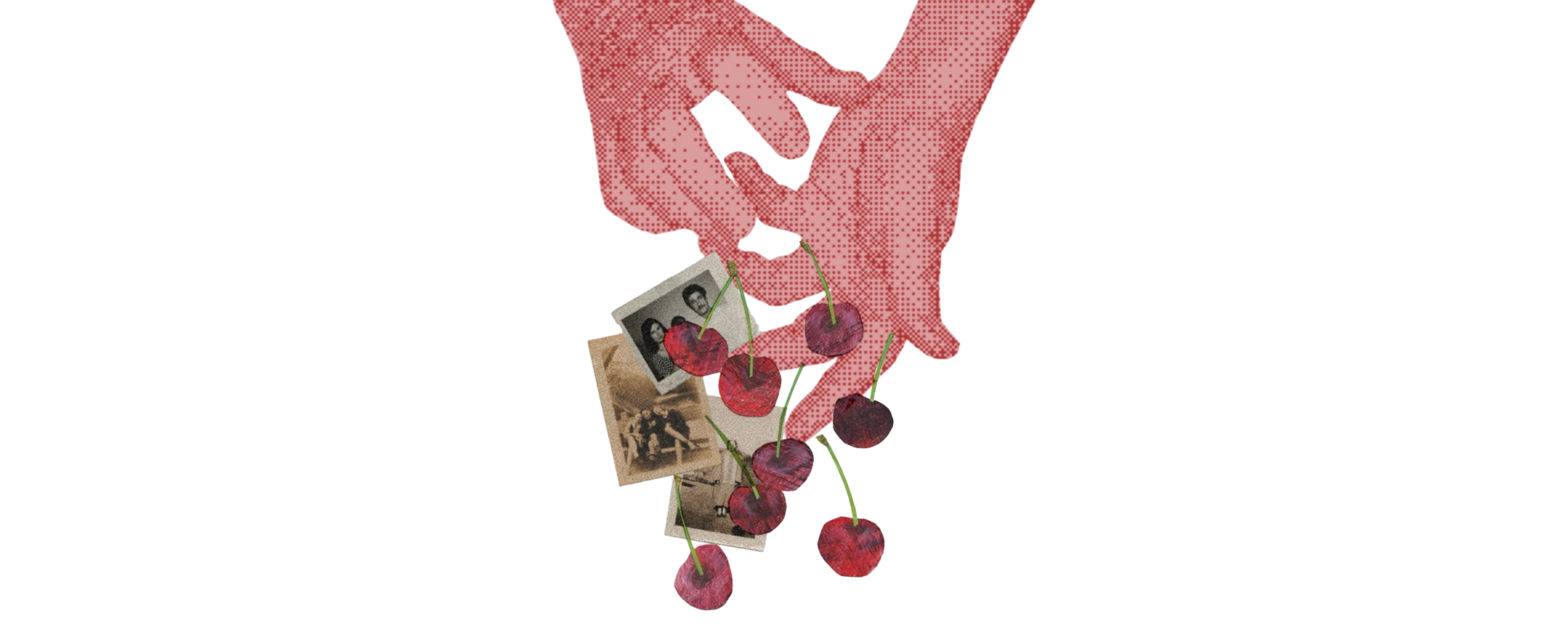
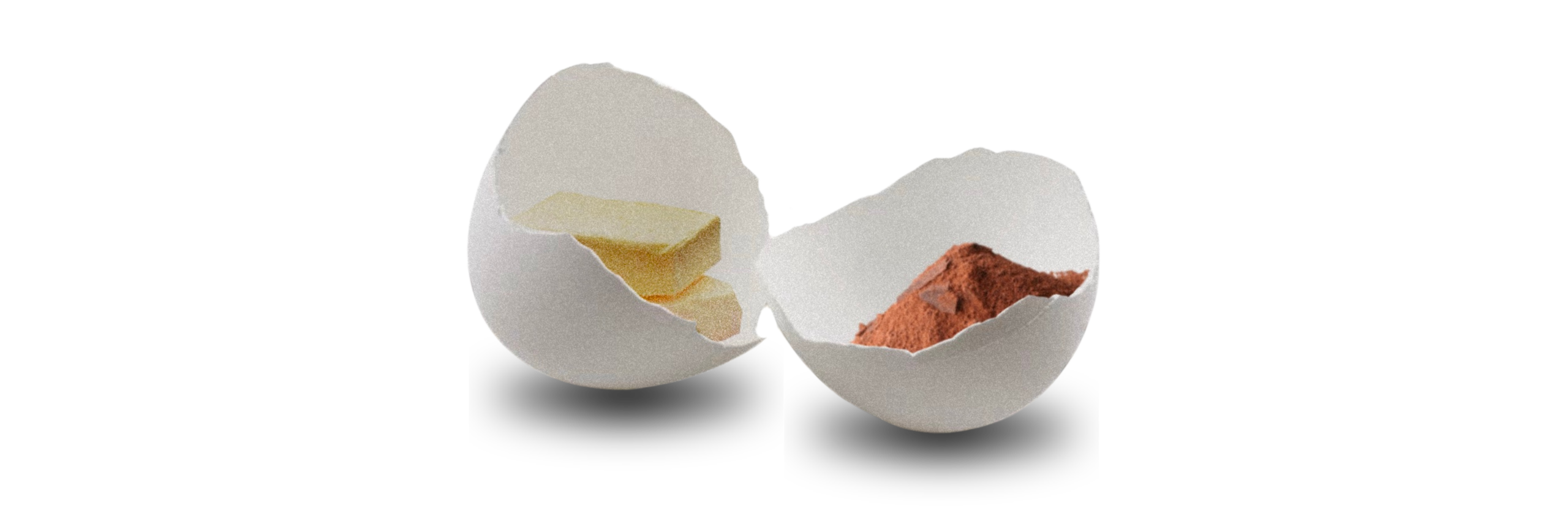
The Recipe
For the tarts
You’ll need 4 yolks. For each yolk, add 50 g of softened butter, a pinch of lemon salt and soda, 1 teaspoon of sugar, and 1 ½ cups of simple baking flour. Mix the dough well, then refrigerate for at least 30 minutes. Take it out and shape your little tarts.
Bake for 25-30 minutes at 350 degrees fahrenheit.
For the filling
Pit a bowl of cherries, then add a dash of vanilla and 1 tablespoon of sugar. You can also add 1 teaspoon of cognac.
For the topping
Jane first spread a layer of sour cream mixed with vanilla extract and icing sugar. She then adds the cherry filling and tops it all with meringue.
Her meringue recipe was a classic one, but she loved mixing it over a small water bath to give the sugar a smoother texture.
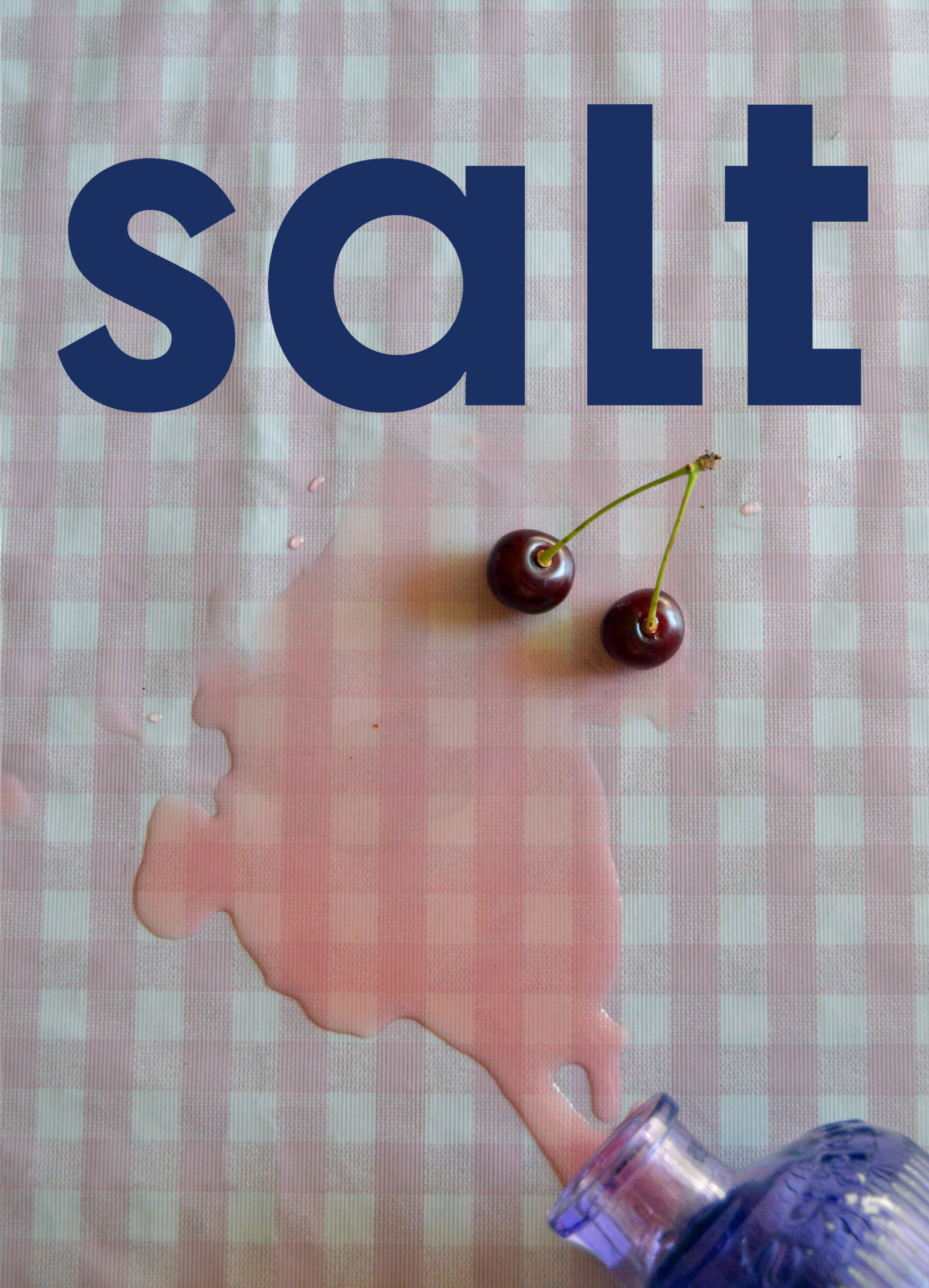
Cover photo by Meghrie Yaacoubian.
LIFESTYLE
Drunken Cherry
Go on a journey through Armenia’s landscapes and kitchens, its memories and quiet rituals in this month’s issue of SALT. From vegan dining and forgotten recipes to hiking trails and nostalgic reflections, these stories invite us to slow down and appreciate the unexpected.

Armenian Lemonades Between Chemistry and Witchcraft
In a small laboratory, food chemist Kristina crafts botanical beverages inspired by Armenia's landscapes, family traditions and science. Maria Gunko traces the delicate balance between chemistry, intuition and generations of women's knowledge.
Read more
Walking Armenia: Along the New National Trail
The Armenian National Trail aims to connect the country from north to south, but its greatest discovery lies beyond the landscape. Hiking through Lori's mountains and villages, Michele Crestani finds a journey shaped by hospitality, history and the quiet rhythms of communities that reveal themselves only to those willing to slow down.
Read more
Nothing Taken for Granted
Music in Kapan, a wedding, Vardavar and encounters with strangers become part of a journey both outward and inward. Returning to Armenia, Kristi Rendahl reflects on joy, loss, friendship and the unexpected moments that can bring the fragmented pieces of a life together.
Read more
It’s Not Just Salads
Once limited to salads and side dishes, vegan dining in Armenia is quietly expanding. New restaurants, cafés and bakeries are proving that plant-based food isn't about restriction, it's about creating spaces where everyone can enjoy a meal together.
Read more