Sevan on My Skin
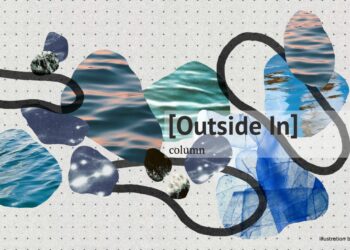
A sweltering Yerevan summer, a pilgrimage to Lake Sevan, and the shock of diving into its icy waters. Maria Gunko captures the sensory journey of heat, relief, memory, and the joy of feeling comfortable in your own skin.

A sweltering Yerevan summer, a pilgrimage to Lake Sevan, and the shock of diving into its icy waters. Maria Gunko captures the sensory journey of heat, relief, memory, and the joy of feeling comfortable in your own skin.
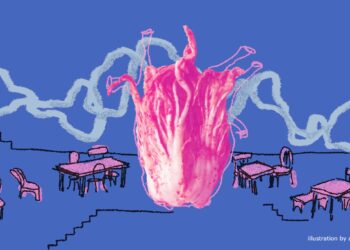
In a quiet Yerevan garage, a multicultural family reimagines identity, space and cuisine. Hummus Kimchi fuses cultural heritage with urban renewal, offering a fresh look at community, creativity, and culinary storytelling in a post-Soviet cityscape.
A critical reflection on Armenia’s national pavilions at the 2025 Triennale Milano and Venice Biennale of Architecture, Maria Gunko explores how they navigate themes of heritage, technology and everyday architecture, offering contrasting visions of authenticity, identity and the politics of representation.

Tucked away in central Yerevan, 13:20 Ruin Bar is a hidden sanctuary for spirits, both distilled and human. Blending DIY aesthetics, cultural preservation and underground allure, it is redefining heritage through decay, experimentation and quiet defiance.
A work trip to Sisian unfolds from dreary mediocrity into an unexpected revelation. Through the evocative paintings of Armen Hakobjanyan, Sisian’s stark landscapes transform, revealing a timeless beauty hidden beneath the town’s crumbling surfaces, and quiet melancholy.
A journey through Syunik’s cities reveals overlooked details: laundry lines, rustwoven structures, and abandoned railways, that tell richer, more intimate stories of place than tourist checklists ever could. Maria Gunko’s reflection on memory, materiality and urban meaning.
Maria Gunko explores the city’s transformation after dark, where familiar spaces shift, new rhythms emerge, and urban night pulses with secrecy, revelry and uncertainty. From hidden bars to shadow economies, it captures the mystery, intimacy and contradictions of Yerevan’s nocturnal self.
Metsamor embodies a complex interplay of post-Soviet deindustrialization, utopian aspirations, and organic transformation. Once a symbol of Soviet modernity, it now reveals a layered reality—marked by decay, resilience and the unplanned vibrancy of everyday life.

Delving into the rich cultural legacy of Venice’s San Lazzaro degli Armeni island, Maria Gunko reflects on the enduring significance of Armenian heritage around the world, the beauty of discovery, and the philosophical charm of places seemingly untouched by time.

In this month’s column, Maria Gunko explores how the pronouns "they" and "we" are used to navigate narratives of destruction, complicity and survival. She examines the shifting boundaries of agency and the struggle for meaning in a post-socialist, post-truth landscape.

EVN Report’s mission is to empower Armenia, inspire the diaspora and inform the world through sound, credible and fact-based reporting and commentary. Our goal is to increase public trust in the media. EVN Report is the media arm of EVN News Foundation registered in the Republic of Armenia in 2017.