
We are taught from the moment we can hold a pencil that life is a series of boxes to be checked. Get the grades. Earn the degrees. Land the job. Find the spouse. Buy the house. Have the babies. Win the awards. We spend years, decades, believing that if we just get one more credential, one more stamp of approval, we’ll finally be accepted. Respected. Maybe even loved.
I know this chase too well. I’ve spent most of my life trying to tick all the boxes and collect all the labels that promised to make me matter. Highly educated. International lawyer. UN official. TEDx speaker. Published author. Homeowner. Wife. Each new title, status, or achievement brought a flicker of satisfaction, like a short-lived sugar high. And every time it wore off, I’d convince myself that the next one would finally stick and make it all click. That, with enough letters after my name, a husband by my side, and a kick ass career, I’d be special. Admired. Worthy.
Our societies are structured around appearance and perception. From as early as kindergarten, we’re measured, ranked, and marked with labels such as “gifted,” “difficult,” “overachiever,” “underperformer.” We internalize the idea that we must become something remarkable to be valued. So, we chase gold stars well into adulthood, upgrading them for professional accolades, board appointments, media features, and all that. We feel we have to prove our worth externally because internally, we’ve been taught to question it.
Maybe it’s in our blood, this fixation on proving ourselves. Armenians are often stereotyped as wealthy, successful and hyper-educated, and the stereotype isn’t entirely untrue. But it’s not because we’ve had it easy, it’s because we’ve had to survive. After nearly being wiped off the face of the earth, we learned to fight for visibility through excellence. Success became our shield and our insurance policy. If we could be exceptional—in business, academia, art, law, medicine, everything—maybe the world wouldn’t try to erase us again.
But we can’t keep wearing our trauma like a badge that we feel compelled to offset with the illusion of perfect lives. Because the trap is that it almost works, at least on the surface. Doors do open. People do listen. Praise does come. But if we’re not careful, we suffer the side effects of a growing sense of disconnection and creeping realization that the life we’re performing may not be the one we’re meant to live.
I’ve seen brilliant people lose themselves to this game. Burn out chasing certificates and CVs they never really wanted. Spend years climbing ladders propped up against the wrong walls. Get stuck in cycles of proving instead of becoming. And it’s so common, we treat it as normal.
I felt it most acutely when I left the United Nations and chose to go independent so that I could break free from the golden handcuffs I knew were holding me back from living up to my full potential, on my own terms. I no longer had a title. No affiliation. No team. No safety net. It felt like I was deliberately dismantling everything I had spent 15 years building, destroying my rising career in slow motion.
I remember how awkward it felt at first when people would ask me, “So what do you do?”—that lazy cocktail-party question that somehow doubles as a social worth scan. I never used to have a problem answering it. Working for the UN and carrying a light blue laissez-passer was generally considered cool and sexy. So, when I quit cold turkey, I no longer had a slick, go-to answer that elicited the usual oohs and aahs. I had no official business card to flash. No acronym-laced job description that instantly earned respect. And I would scramble to explain myself in ways that made it sound impressive, just so they wouldn’t think I had failed.
At some point, I decided to stop trying so hard, and made peace with the discomfort of not having a tidy elevator-pitch answer. Because there’s nothing wrong with still figuring it out. Also, quite frankly, “What do you do?” is kind of a terrible question. What does that even mean? What does it have to do with who I am, what I believe, how I live, or how I treat people? Why is it the default measure of worth in so many conversations?
Don’t get me wrong, this isn’t a manifesto against ambition. I’m not saying credentials or accomplishments are meaningless. They have their place. And they’re undeniably useful. But they’re not you. They’re not me. They’re not the measure of our worth. And they certainly are not the map to our joy.
Yet, I have to admit that I’m still struggling with this. Even now, after years of being out on my own, I catch myself reaching for new labels to wear, new boxes to squeeze into. I still worry sometimes that I won’t be taken seriously without the backing of an institution or a formal designation. The old instinct to keep proving myself still rears its ugly head.
But I only began to understand what freedom really tastes like when I stopped asking, “What do they want me to be?” and started to ask, “Who am I, really, when no one’s watching?” Whose version of success am I chasing and why? Am I building a life that’s meaningful, or just marketable? These are scary questions. They demand brutal honesty, unflinching self-reflection, and often, a measure of rejection and loss. Because the answers come with the courage to be misunderstood, even dismissed, by those who still worship the checklist.
You are not your LinkedIn profile. You are not your résumé or your bio. You are not the sum total of the property you own, the partners you’ve had, or the offspring you’ve issued. You are a living, breathing, beautifully evolving being, and you don’t need anyone’s permission to step off the pre-scripted page of a story you didn’t even write and dive into the singular, unrepeatable, tailor-made-for-you life you’re meant to live.
See all [Unleashed] articles here
Listen to Sheila’s personal reading of “Boxes and Labels”.
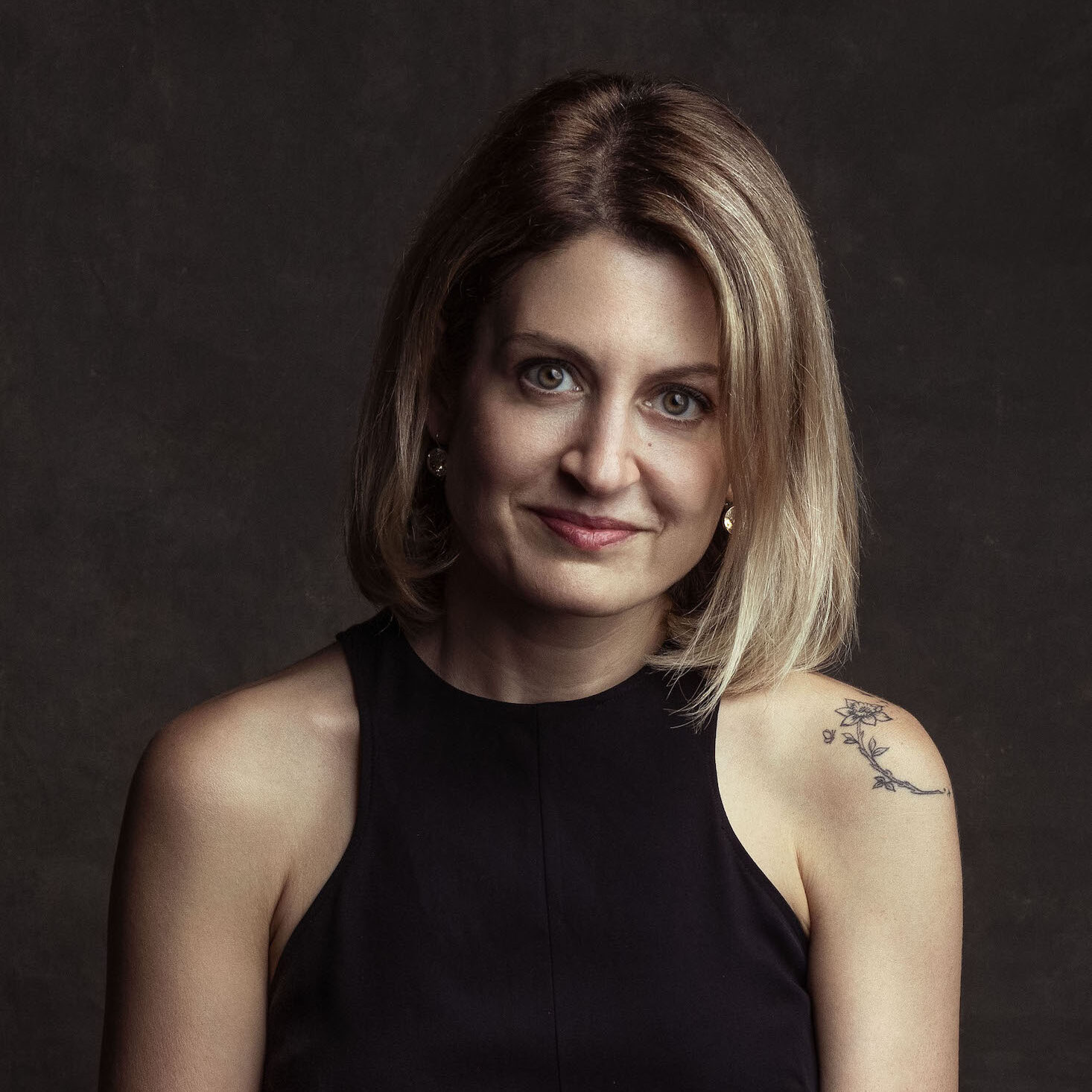
Sheila Paylan is an international human rights lawyer and former legal advisor to the United Nations. Now based in Yerevan, she regularly consults for a variety of international organizations, NGOs, think tanks, and governments.