
It’s hot and getting hotter. The sweat runs down my arms and fingers into the crevices of my laptop, making the keys sticky and my brain waves glitchy. It feels positively apocalyptic outside with all the traffic, noise and exhaust gas. For a moment I thought how wonderful it would be just to melt away and evaporate from this hellish greenhouse like an ice cube.
Nothing seems incentivizing enough to unglue myself from the wet leather seat. But I somehow force myself to brave the crowds and the elements on the last dregs of professional duty. An exhibition opening filled with friends, colleagues, familiar faces and the piquantly outré works of a neglected Armenian master. There is the usual banter on the latest antics of our political theatre, spliced in with some juicy gossip on friends, colleagues, and familiar faces. We ping-pong complaints about the mounting difficulties of being an art worker and wistfully rhapsodize about the things that could have been done had Gagik Tsarukyan developed a taste for culture instead of killing wildlife.
The work of the neglected Armenian master is subjected to a lengthy decolonial deconstruction over an iced Americano amply seasoned with Yerevan’s endless street dust. More familiar faces walk by our sidewalk table, and one stops to share assorted news, including a new grant from the Japanese embassy. There is some hope, after all. Don’t the Japanese love Parajanov? Or was it the Koreans? Regardless, we all agree that it’s high time to move beyond Parajanov. But where, and to what exactly? We debate and almost come to blows over the right options before the Russian waiter politely asks us to close out the bill.
Another day has already passed. Walking back home through a merciful midnight breeze, I encounter a group of Chinese tourists aggressively photo-mapping every inch of Hraparak, which makes me wonder whether China is a better focal point, since I fail to think of any viable links with Japan. My Stalinist-era apartment has instantly cooled, and the traffic noise has died down to a tolerable hum. I wipe off the dried-up sweat from my keyboard and sit down to read up on Chinese-Armenian cultural relations. It turns out to be a remarkably expansive and underexplored field, a new frontier almost. I take a couple of ideas to bed, satisfied with the fact that I didn’t actually evaporate like an ice cube. We’ve survived another day, until the next exhibition opening.
EXHIBITIONS
The Artist As an Image: A Photo-Chronicle
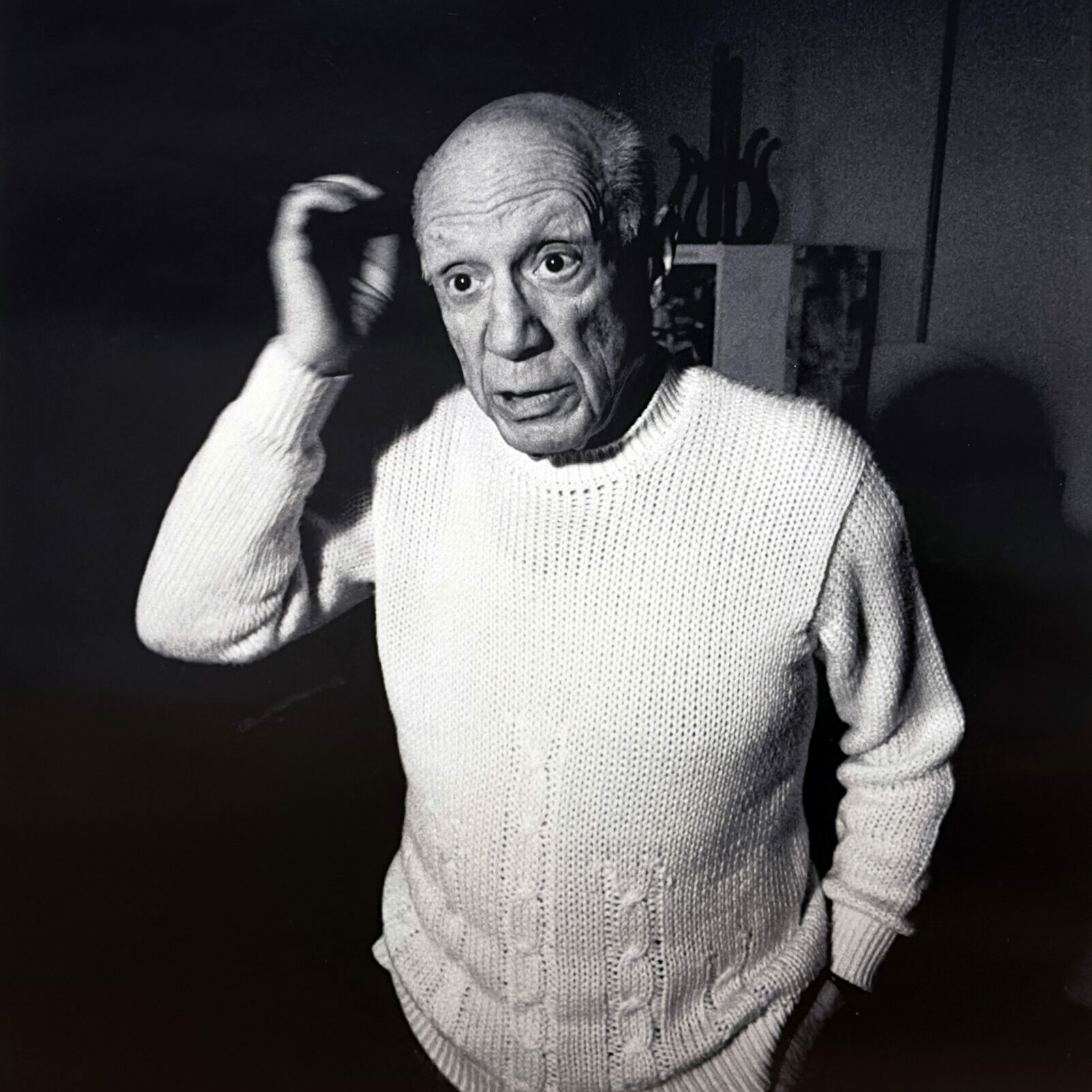
Ever since its official invention in 1839, photography has had a tense, contradictory relationship with its older “siblings”—painting, drawing and sculpture. It took decades before the medium stopped mimicking these more established art forms and came to terms with its own technological essence. But it continued to be fascinated, in a rather reverential way, by the personalities and the worlds of visual artists, whose relationship with photography also developed into a more creative and self-expressive tandem. Now, a forthcoming exhibition at the National Gallery gives us a discursive, but illuminating overview of artists’ images by Armenian and international photographers that depict the evolution of this fun and star-studded sub-genre of portraiture.
Starting from more conventional late-19th century studio portraits of Hovhannes Aivazovsky, Mgrditch Tchivanian, Vardges Surenyants, and other notable Armenian painters, the show then tracks photography’s increasingly probing efforts to capture the psychological and creative traits of artists. In the case of some photographers, such as Yusuf Karsh, Andranik Kochar, Hakob Hekekyan, Rudolf Vatinyan, Ara Güler, and Kamo Nigaryan, the interest in the cultural mystique of artists became a continuous thematic focus. What these often electrifying photographic dialogues reveal is the gradual transformation of the perceptions around the artists’ socio-symbolic standing as figures of extra-human capacity and fate. There are heroic and romanticizing depictions, as in the work of Hekekyan and Vatinyan. Others, like Güler, Gagik Harutyunyan and Kamo Nigaryan adopt a more analytical, even forensic stance in portraying their subjects.
By the time we arrive at contemporary works, the artist seems to have matriculated into an icon of mass culture, a presence that bears as much weight as their work. This is not merely applicable to world-famous figures like Picasso, Dali and Parajanov, but even relatively unknown, contemporary names who assume the mantle of the art maker as both a mission and a performance. Not incidentally, the closing images of the show are largely self-portraits in which the photographers themselves stake their claim to the artist’s seat. Largely drawn from the recently-established photographic collection of the National Gallery, many of the portraits on view have never been exhibited before, and provide a fascinating glimpse not only into the history of photo-portraiture, but also into the expanded history of photography itself.
Exhibition: “The Artist As an Image: A Photo-Chronicle”
Where: National Gallery of Armenia
Republic Square., Yerevan
Dates: July 31-September 30
Ruben Shahverdyan: Ornamental Tales
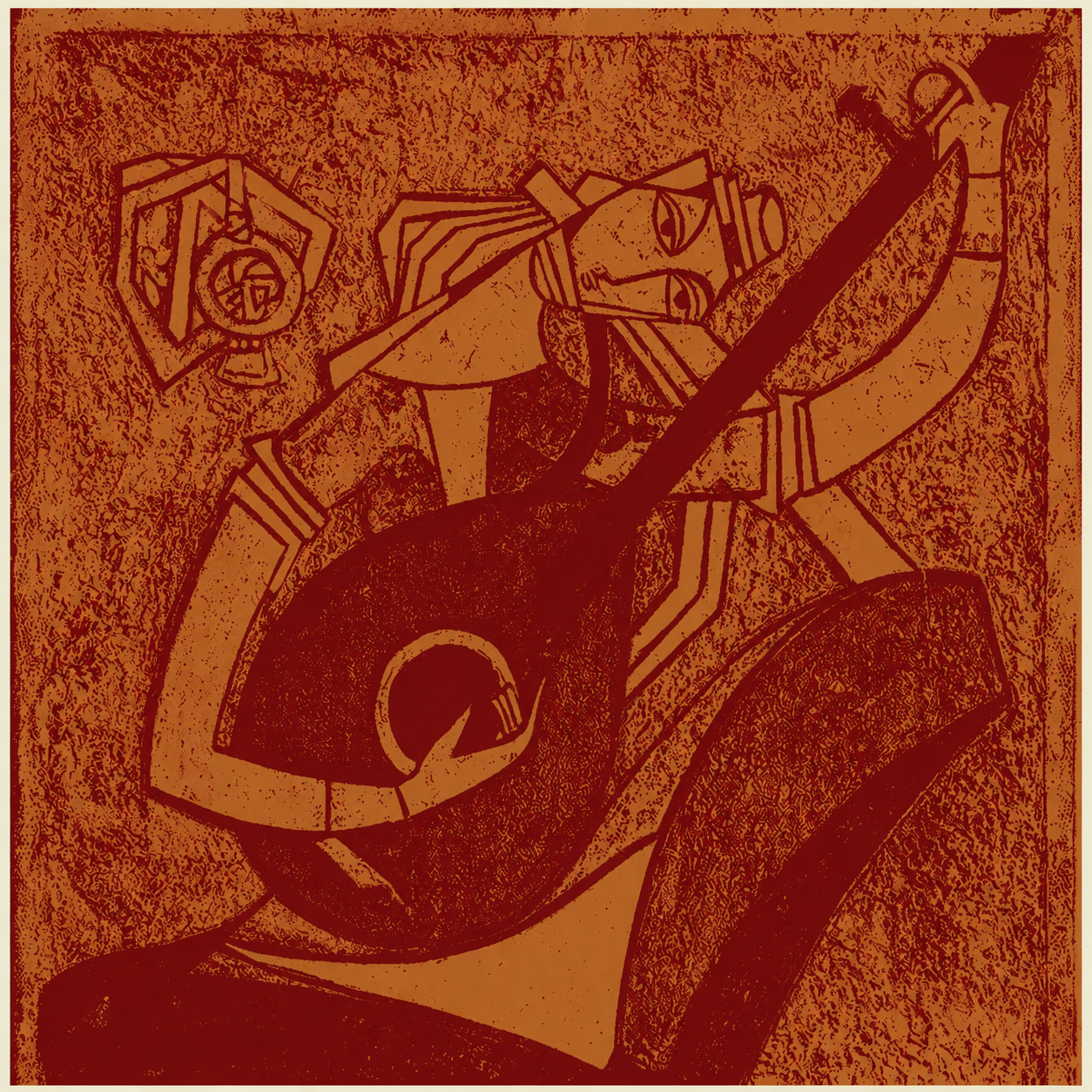
This year we’ll be seeing quite a number of retrospective exhibitions in Yerevan dedicated to known, or mostly forgotten Armenian artists of the 20th century. But few are quite as idiosyncratic in their stylistic specificity and imaginative spirit as painter and ceramist Ruben Shahverdyan (1900-1976), who is finally receiving an overdue reappraisal at the National Gallery of Armenia. Born and educated in Georgia, Shahverdyan developed an enthralling career that spans three key periods of 20th century Armenian art: Stalinist socialist-realism, Khrushchev’s Thaw and Brezhnev’s stagnation years. While largely apolitical and historicist in its subjects, his oeuvre bears the distinct stamp of each respective era. Starting from the bizarrely incongruent carpet designs of the 1930s-1940s that depict portraits of communist leaders embedded in lush fields of Armenian ornaments, the exhibition then swiftly moves to Shahverdyan’s post-Stalinist stylistic experiments which demonstrate the artist’s remarkable familiarity with Western modernist trends such as post-impressionism and cubism. From mid-1950s onwards the artist took up ceramics, producing an extraordinary array of fireclay and porcelain sculptures, vases, plates and tiles where Shahverdyan creates a dazzling variety of forms, ornaments and textures that oscillate from art-nouveau elegance to rough, rustic expressionism.
Based on the works on view, Shahverdyan’s primary objective was to find an organic synthesis between the language of European modernism and local, Eastern aesthetic traditions. The result is often a bewilderingly dichotomous combination of dynamism, monumentality, decorativity and grotesqueness. Focusing almost exclusively on folkloric and ethnographic motifs, Shahverdyan’s works obsessively invoke an idealized world of an oriental past steeped in communal rituals, customs and patterns. It’s a utopia of sorts, filled with the certitudes of familial values and the joyful symbiosis between humanity and nature. Consequently, it’s not a stretch to think of Shahverdyan’s vision as an artistic counterpoint to the communist reality and the industrial age—an attempt to crystalize a way of life that had already disappeared and was metamorphosing into a jewel like myth.
Exhibition: “Ruben Shahverdyan: Ornamental Tales”
Where: National Gallery of Armenia
Republic Square., Yerevan
Dates: July 7-July 21
Hovhannes Naghashyan – 150
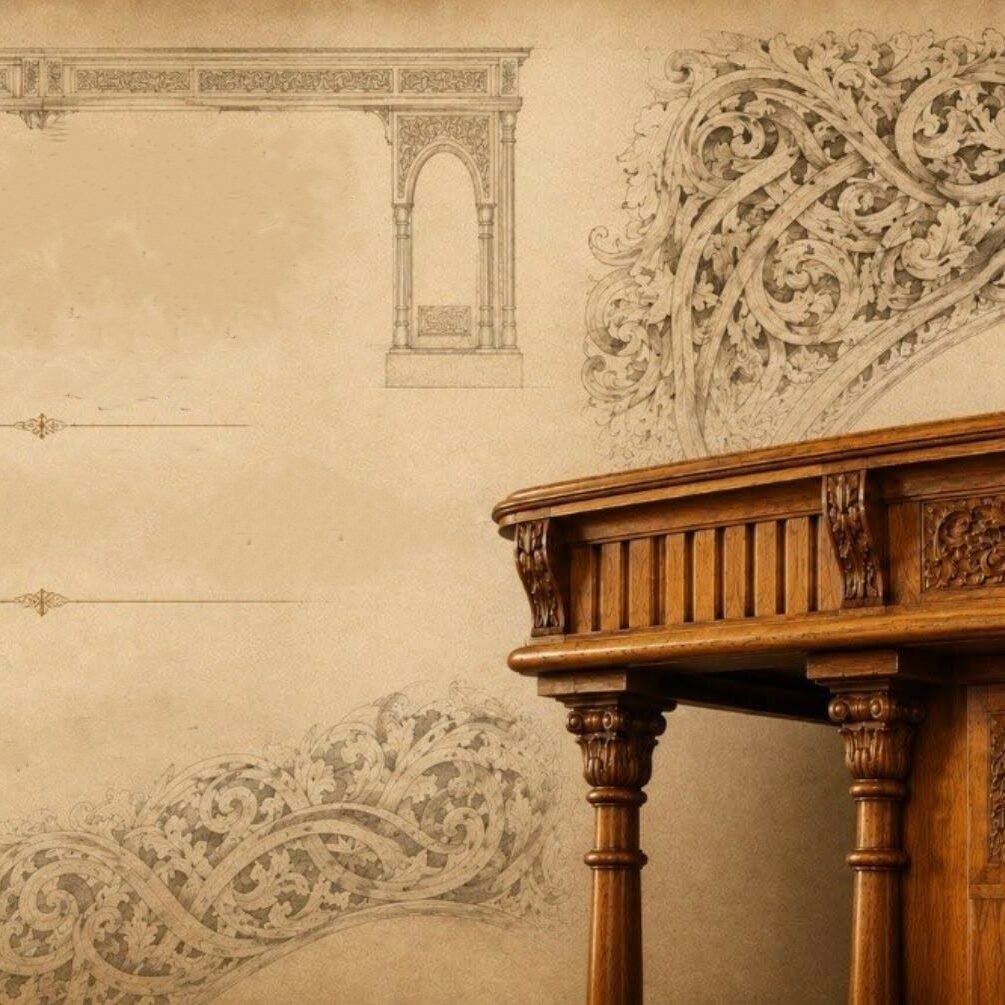
Armenian traditions or master craftsmen aren’t exactly the first things that come to mind when one thinks of furniture design. This is, after all, a land of stone, where woodworking never evolved into a defining craft tradition in the way it did across Europe or East Asia. But there are a few significant exceptions and Hovhannes Naghashyan (1878-1968) is, unquestionably, one of them. A new exhibition at the National Library of Armenia provides a rare opportunity not only to peruse some of his exquisite furniture pieces, but also get a sense of his creative process through original sketches and other archival materials.
Born in Yerevan, this talented master learned his craft while apprenticing in various furniture workshops of Tbilisi and had already established his own atelier in Alexandrapol (Gyumri) sometime around 1900. His reputation grew exponentially over the next decades thanks to a series of prominent commissions from the government, business elites and the Armenian Apostolic Church. By the time of Armenia’s sovietization in 1920, Naghashyan had become the undisputed leader in his field, a position that led to the creation of some of the most important interior fittings in Armenia, including the furniture at the State Library and Matenadaran and the stunning woodwork of the tobacco store on Mashtots Avenue (currently Lumen Cafe).
What set Naghashyan apart from his peers was his artistic ambition and an innate sense of taste that pushed him not only to develop a very local style of high-end furniture, but also achieve a degree of technical craftsmanship that remains unmatched to this day. Not content to simulate and replicate the pre-fabricated late-empire style designs that were being imported en-masse to this region at the turn of the 20th century, Naghashyan began to transpose local ornamental and architectural motifs onto elegantly simplified furniture shapes that drew their inspiration from both art-nouveau and art-deco trends. This symbiosis essentially paralleled Alexander Tamanyan’s efforts to find a language of national modernism in architecture during the 1920s.
Unlike Tamanyan, however, Naghashyan’s dedication to elevating furniture-making from the rut of banal functionalism didn’t produce lasting results. For many years he taught at the Yerevan Technical College and collaborated with factories, but local furniture manufacturing remained largely indifferent to the possibilities of high-end design. Alas, this exhibition does not delve into these wider historical issues or really try to analyze Naghashyan’s legacy as anything but the work of a talented craftsman—a common thread with such hagiographic shows. But the pleasure of seeing Naghashyan’s truly unique pieces next to his original sketches largely makes up for the glaring lack of any critical reflection.
Exhibition: “Hovhannes Naghashyan – 150”
Where: National Library of Armenia
Teryan 72., Yerevan
Dates: Open from July 10
A Wistful Gaze—Towards the Future
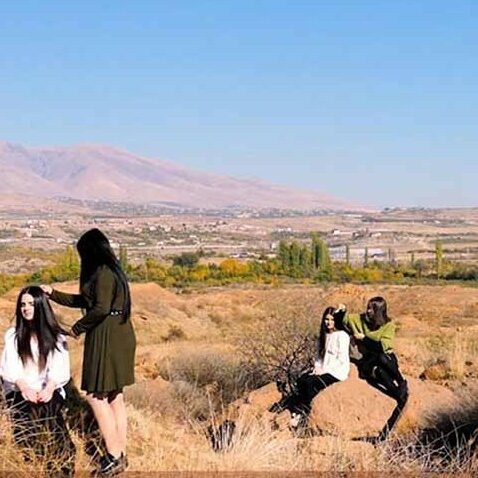
Highly respected in local and European contemporary art circles, the Argentinean-born, German-based contemporary artist Silvina Der-Meguerditchian is, alas, much less-known to the Armenian general public despite her consistent focus on post-genocidal memory, identity and mourning. Her first solo exhibition in Armenia in over 20 years is not likely to change that. But it’s a chance for a younger generation of local contemporary artists to discover a prolific and endlessly resourceful practitioner who has successfully drawn Armenian subjects into a global discourse on subaltern agency, the female gaze and post-colonial resistance.
It’s hard to put Der-Meguerditchian into a restrictive framework. Her work is never purely one thing as each of her pieces dramatically defies medium-specificity to achieve a kind of restless porousness and vitality that defines the artist’s boisterous personality itself. However, the foundations of her trans-disciplinary methodology are firmly set on rigorous archival research and exploration. Moving through the endless detritus of history in the form of vernacular photographs, textiles, industrial waste, maps and letters, Der-Meguerditchian stitches these sometimes incongruous fragments into new narratives about survival, remembering and empathy. Regardless of their forms, the uniting imperative behind these works is emphatic: to transmit cultural knowledge beyond traumatic ruptures and enliven it as a positive source of continuity.
Presenting some of her most recent videos and sculptural installations, the exhibition at ACCEA (NPAK) brings this trajectory to a markedly more romantic, sensual and even nostalgic pitch, which achieves the difficult feat of powerful emotional resonance without falling into the quagmire of self-pitying sentimentality.
Exhibition: “A Wistful Gaze – Towards the Future”, Silvina Der-Meguerditchian
Where: NPAK
Buzand 1/3., Yerevan
Dates: July 17-August 14
Rósa Gísladóttir: Mirror of Time

Making her debut in Armenia with an expansive show of recent works at HayArt Centre, the Icelandic sculptor Rósa Gisladóttir has developed a sustained practice that looks at the world of objects and their metaphorical function as markers of time and culture. Reminiscent of concrete functional shapes, yet ultimately abstract, Gisladóttir’s clean and geometric pieces immediately recall an array of modernist and minimalist approaches—from Brancusi to Donald Judd. But the Icelandic artist is less interested in autonomous aesthetic effects and more in the way objects help us orient ourselves within time, space and reality. She scales up and casts these forms into smoothly polished, often gleaming volumes that are at once familiar and surreal. There is a purity, or rather honesty about these sculptures that disarm with their approachable simplicity, yet always inspire a sense of harmony, much like the art of high antiquity. It is this sense of timeless classicism, which decidedly feels like a call to a return to order and balance that makes Gisladóttir’s work so compelling in our chaotic times. As such, it is a perfect introduction to the contemporary art of this Nordic country, which has given us some of the most innovative artists of the past decade, from Bjork and Ragnar Kjartansson to Olafur Eliasson. Kudos to HayArt Centre for bringing this spectacular exhibition to Yerevan, unquestionably the best project held in this space in recent years.
Exhibition: “Reflection of Time”, Rosa Gisladottir
Where: HayArt Centre
7a Mashtots Ave., Yerevan
Dates: May 11-August 11
Masters and Tools: Ayntap Coppersmithing
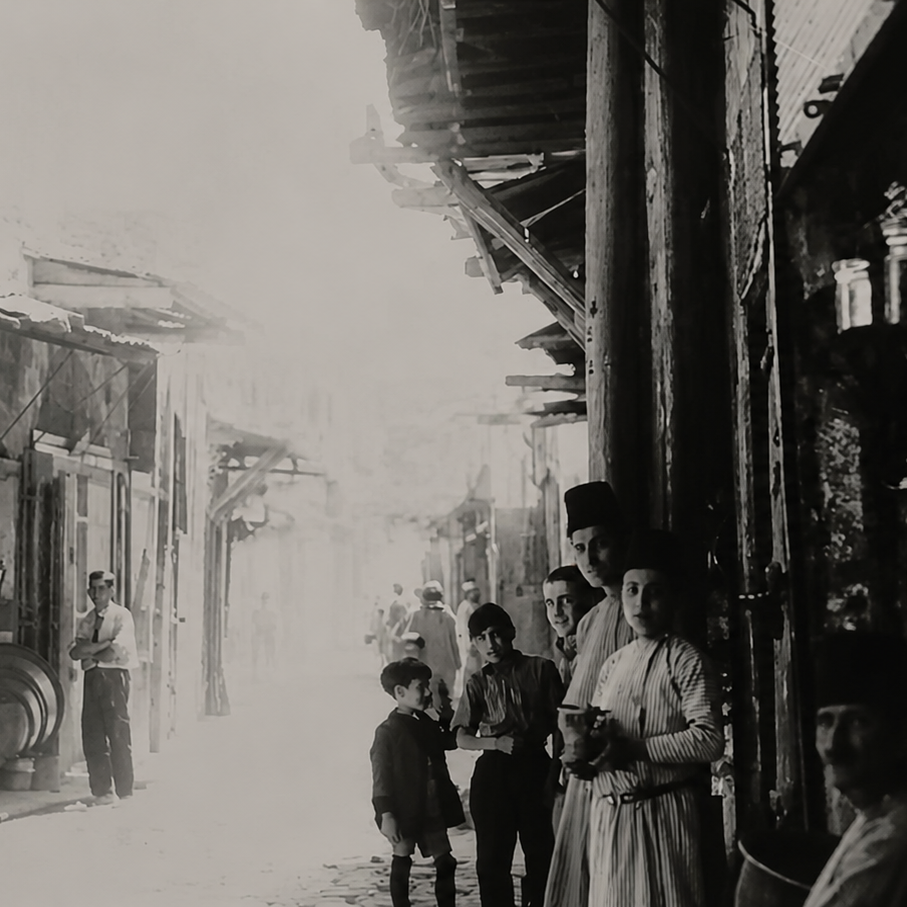
If you’re like me and don’t know much about Armenian metalworking traditions, then the new show dedicated to the coppersmith workshops of Ayntap at the Folk Arts Museum is a good place to start. The core of the exhibition are the wares and tools belonging to the Galemkearian coppersmiths, which have been collected by Hrazdan Tokmajyan, one of the most passionate and dedicated collectors of Armenian folk arts. Just a few decades ago copper utensils could still be found in use in many rural homes, which prized the exceptional heat-conducting qualities of the metal. Indeed, as I can wholeheartedly testify, food prepared in these age-old pots and pans just tasted infinitely better than what we get from our modern non-stick pans. Besides their gastronomic qualities, the hand-made objects from copper had an incredible aesthetic aura, something that our grandparents took for granted and we started to appreciate only when these items went out of use. Unlike industrially-produced utensils, these wares have nothing to hide: they are exactly what they seem and there is a moving nobility in their rustic simplicity that cannot be bought for any kind of money. It’s no wonder that these items have become such desired objects of decor in contemporary interiors.
But this show is more than just a nostalgic throwback to simpler lifestyles and erased cultural traditions of Western Armenia. It reminds us of an absolutely precious and life-enforcing quality of craftsmanship that is all but lost in modern society. Namely, the fact that the direct, tactile process of wrestling raw material into objects of use is a vital ritual of community-building and knowledge transmission, a value that cannot be reproduced and distributed by industrial means or through consumer culture.
Exhibition: “Masters and Tools: Ayntap Coppersmithing”
Where: Folk Arts Museum
64 Abovyan Str., Yerevan
Dates: Open from June 16
Yakishime: Earth Metamorphosis
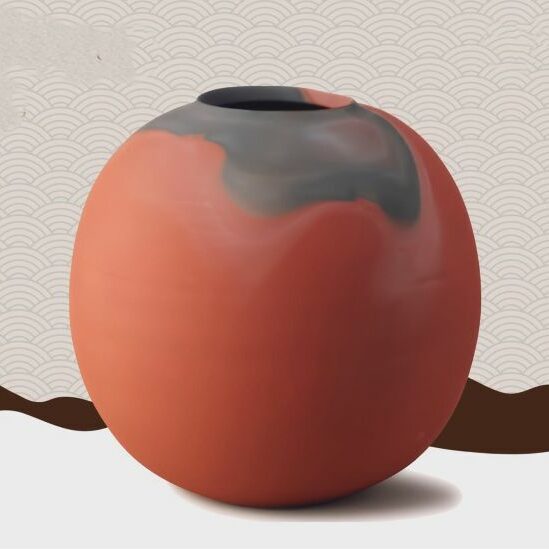
One country that has long understood and protected the cultural and spiritual value of craft is Japan. With traditions rooted in antiquity and sustained over centuries, Japanese craftsmanship across a wide range of disciplines has become synonymous with quality, accumulated knowledge and cultural refinement. Japanese ceramics, however, occupy a particularly singular place in the history of world art, owing to the extraordinary diversity of technique and the depth of philosophy behind their making and use.
A new exhibition at the History Museum of Armenia, organized in collaboration with the Embassy of Japan, focuses on one of the more ancient and beautiful branches of this medium, Yakishime. The technique relates to unglazed forms of pottery, broadly known as stoneware, in which the fireclay is left in its “naked” state, allowing the intense firing process to transform the minerals and colors of the material in unexpected ways. Here, the emphasis falls on revealing the earthly beauty of various clays and their natural chemical compounds. Often lacking any additional decorative elements, such pottery charms through its complete lack of pretension and its undeniable timelessness. Despite the limited scope of its technical procedures, the medium has never lost its popularity with Japanese artisans and consumers, thanks to the seemingly infinite textural variations that make even the simplest bowl entirely unique.
The travelling exhibition presented in Yerevan offers insight into the more experimental, even avant-garde applications of this technique, which increasingly blur the line between functional design and fine art. So if you’re tired of the hideous homogeneity and plastic falseness of shopping malls, do yourself a favor and drop by the History Museum to give your eyes, and your taste buds, a soothing deep-cleanse.
Exhibition: “Yakishime: Earth Metamorphosis”
Where: History Museum of Armenia
Republic Square., Yerevan
Dates: Open from June 19
Jim Torosyan: The Master of Beauty
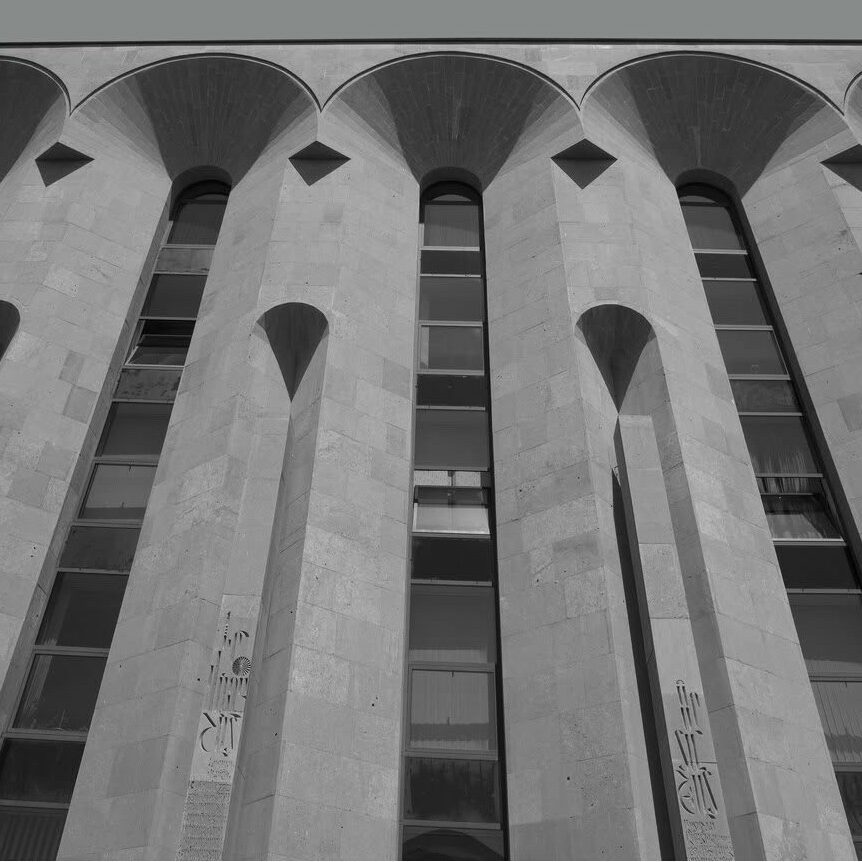
If you want to understand how Soviet architecture transformed into a national one in late-20th century Armenia, then you can’t bypass Jim Torosyan (1924-2014), one of the most eminent and influential figures in the field since the mid-1960s. Dedicated to the centenary of the master, the retrospective exhibition at the National Architecture Institute-Museum traces Torosyan’s career from his renegade avant-garde beginnings to the grand projects that made him something of a brand, while also significantly (re)shaping the face of the capital.
Torosyan came on the architectural scene of the republic immediately after Stalin’s death and quickly pushed through the ranks as one of the gutsiest, rule-breaking innovators trying to pull Armenia’s parochial, neo-classicist architecture into the era of space-age vanguard. Unsurprisingly, many of Torosyan’s more ambitiously transformative projects remained on paper either due to their scale or the unapologetically radical approaches of the architect. As with many other modernist masters who emerged in the 1960s, Torosyan was rather nonchalant about preserving the historical continuities of the built environment and preferred to impose his own “corrective” vision upon the cities (primarily Yerevan) for which he designed. Perhaps the most blatant and dramatic example of this progressivist mentality is the still-divisive and unfinished Cascade complex, in which Torosyan tried to engender a new kind of modernism located in the mythopoetic sources of national architecture while still reaching for a utopian futurism. Despite its obvious flaws, and the recent philosophical upheavals in architectural thinking, it’s a vision that remains remarkably potent for many current practicing architects in Armenia, a fact that sadly manifested itself in the notorious Northern Avenue and other projects of its ilk.
Regardless of how one perceives this legacy, this retrospective exhibition shows that Torosyan was a thinker of the highest caliber whose ideas still need to be critically reckoned with.
Exhibition: “Jim Torosyan: The Master of Beauty”
Where: National Museum-Institute of Architecture
Government House, 3rd Building, Republic Square, Yerevan
Dates: July 6-August 23
Lilit Martirosyan: Body of Earth
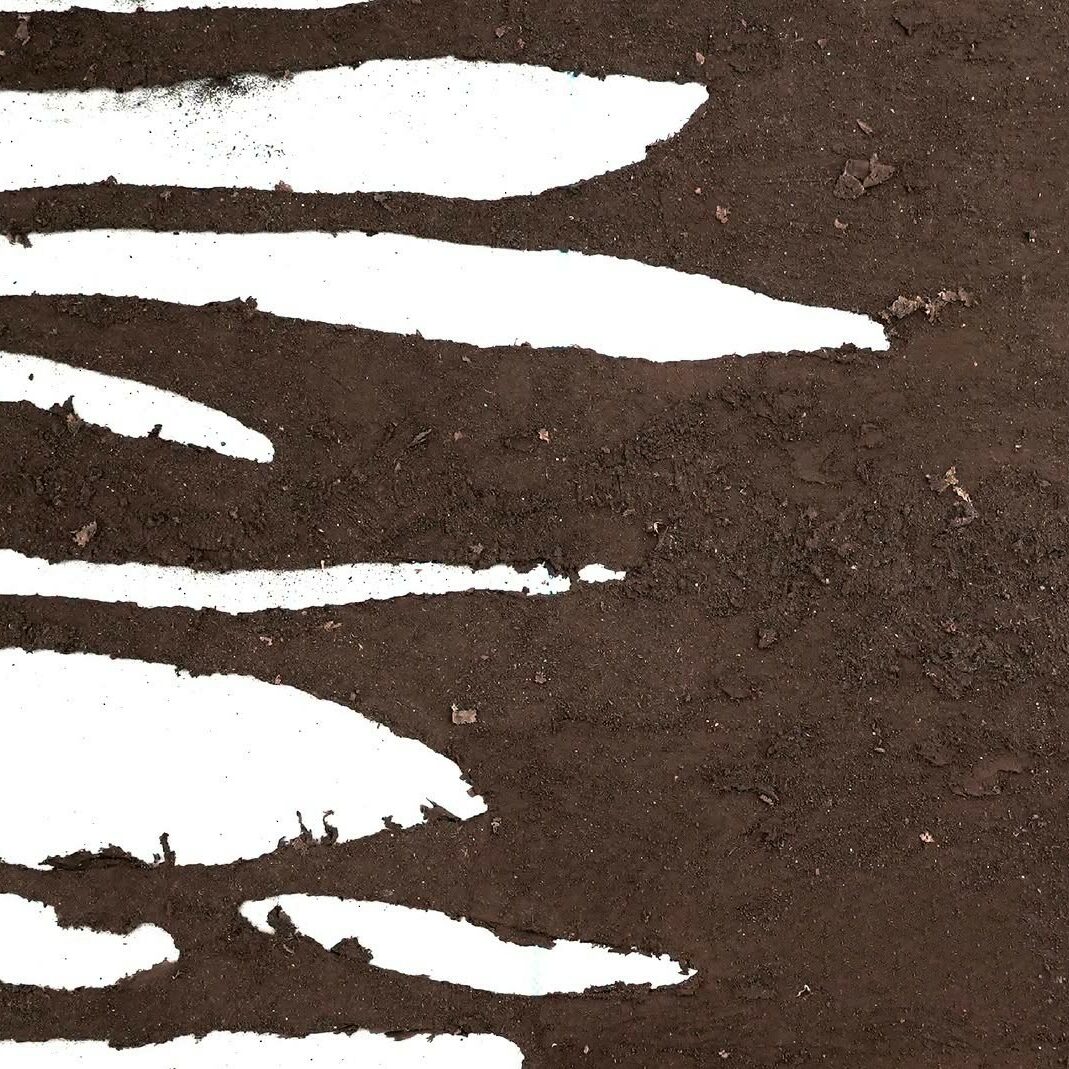
The saying “tread lightly on earth” has never been more resonant than it is today, when Mother Nature is turning on us with such punishing definitiveness. It’s no wonder, then, that so much of recent contemporary art is focused on the unfolding ecological crisis and humanity’s barbaric exploitation of the environment. Emerging conceptual artist Lilit Martirosyan is one of many younger practitioners who bring their concerns about this self-annihilating relationship to the forefront of their immersive installations. Her first significant piece, shown last year at the Johannisyan Institute, was an enveloping space cast in raw wool, a kind of embryonic tunnel that turned the comfort-prone material into a disturbingly primal, non-human “architecture.”
Now she has turned to earth with a series of sculptural pieces made of soil, shown at the Institute of Contemporary Art. Layered on canvas and hung from the walls and ceiling, these abstract shapes don’t relate to specific qualities of the earth but explicitly invoke certain conditions. The sculptural forms appear torn and ravaged, like carcasses violated by some vicious force. It is not a stretch of the imagination to see these works as a direct response to the post-war realities of the region, where land has been reduced to politically demarcated territory to be divided, conquered, and fought over.
Martirosyan wants us to see beyond this nationalist prism and return to an understanding of the earth as humanity’s singular home that cannot be sustained through man-made borders. In her earnest intention to speak against society’s destructive attitudes toward this natural abode, the artist follows in the footsteps of predecessors such as Andy Goldsworthy, Richard Long, Marcos Grigorian, and others. Unfortunately, though, the exhibition falls into its own trap, segregating and safely encasing these earth pieces within the white cube of the gallery and, inadvertently—or inevitably—turning them into highly aestheticized showpieces. As a result, what should have triggered collective anxiety about the devastating consequences of territorial mentality becomes a rather elegantly executed, brutalist objet d’art, an effect not helped by the artist’s overtly illustrative and literal conceptual solutions. Nevertheless, Martirosyan’s determination to tackle big, universal questions, and her constant rethinking of the possibilities of common materials, mark her as one of the more promising and ambitious Armenian artists of her generation.
Exhibition: “Body of Earth”, Lilit Martirosyan
Where: ICA Yerevan
47 Avet Avetisyan Str., Yerevan
Dates: July 2-31
The Contemporary Art of Vanadzor

The Fine Arts Museum of Vanadzor is emerging as the undisputed leader of regional museums in Armenia with its packed and thematically diverse exhibition programming. Now they’re doing something even more exceptional by bringing a show to Yerevan. This new project is dedicated to the 200th anniversary of the city and showcases the work of 21 local mid-career and emerging artists. Judging from the exhibition text, it’ll be a straightforward salon-style exposition. Which is perfectly fine when the aim is to overview the artistic landscape of the city in the present and introduce it to the public in the capital. Out of the two dozen names included in the show, only two are familiar to me, a heartening fact which demonstrates that the city has retained its cultural pulse despite the paucity of infrastructures that trigger the development of artistic milieus.
Exhibition: “The Contemporary Art of Vanadzor”
Where: Yerevan Modern Art Museum
7 Mesrop Mashtots Ave., Yerevan
Dates: Open from July 15
Nvard Haytayan: Four Suns
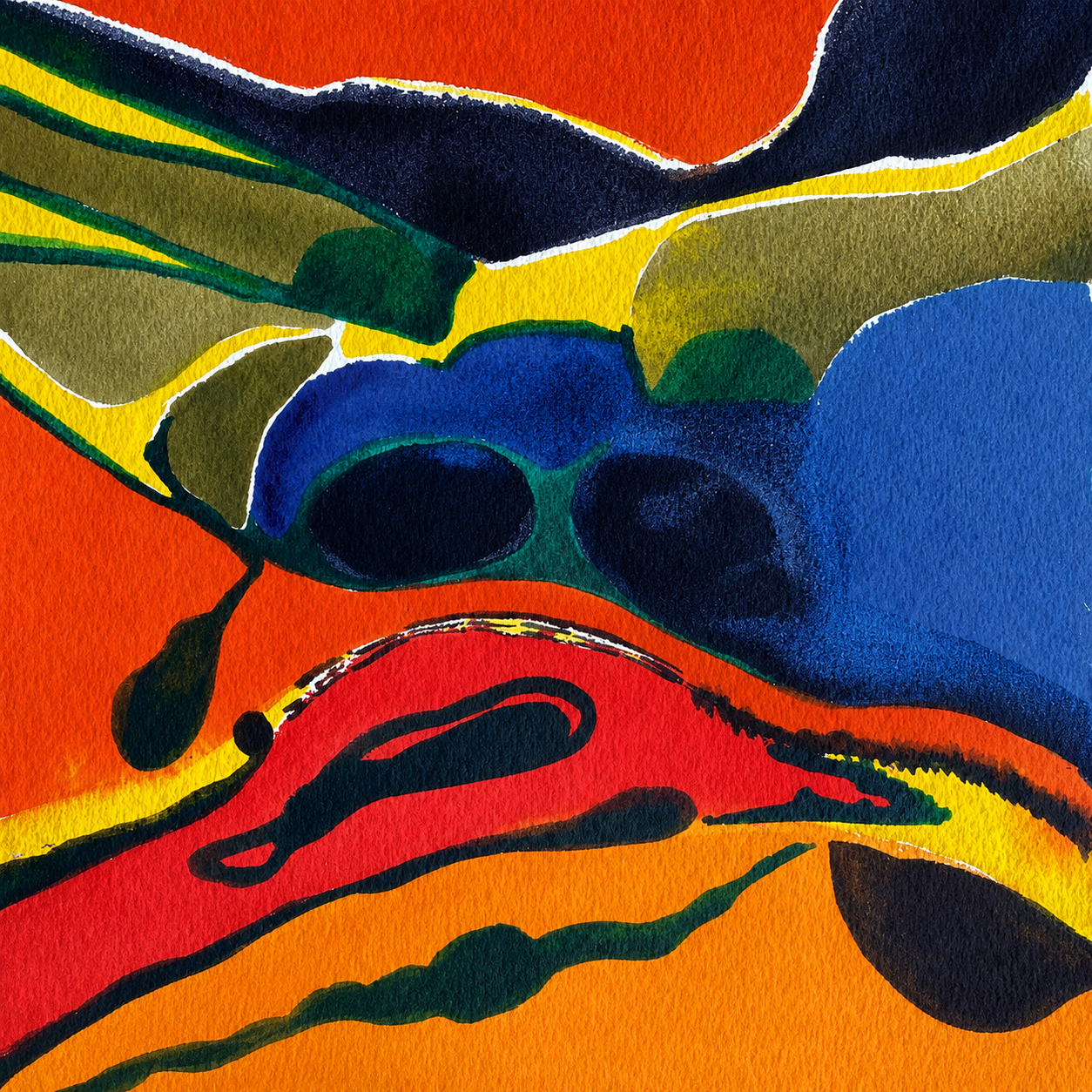
As Armenia’s second largest city and one of its most important cultural destinations, Gyumri isn’t quite the hotspot for visual arts that it deserves to be. And that’s a shame, because it’s hard to think of a more picturesque setting, steeped in artistic tradition, than this gem of a city. The small exhibition spaces of Berlin Art Hotel are among the few in Gyumri that provide a stable platform for showcasing work by local and visiting contemporary artists.
On view at the moment is the first solo show by painter Nvard Haytayan, which traveled here after its launch in Yerevan. Haytayan comes from a notable circle of artists and art historians; her father was the art critic Poghos Haytayan, who played an instrumental role in popularizing Armenian late-modernist art during the 1960s–1970s. Haytayan’s own work explicitly references this historical resurgence of formalism, but in a more low-key, intimate register, one strongly indebted to the legacies of masters such as Minas Avetisyan, Seyran Khatlamajyan and Ruben Adalyan. Devoid of any pretensions to formal innovation, her delicate watercolour landscapes read as a lyrical, gracefully executed riff on familiar motifs, a reminder of the seemingly endless variations still to be mined from the lexicon of high modernism.
Exhibition: “Four Suns”, Nvard Haytayan
Where: Berlin ART Hotel
25 Haghtanaki Str., Gyumri
Dates: June 27-July 27
Armenia: An Open Door
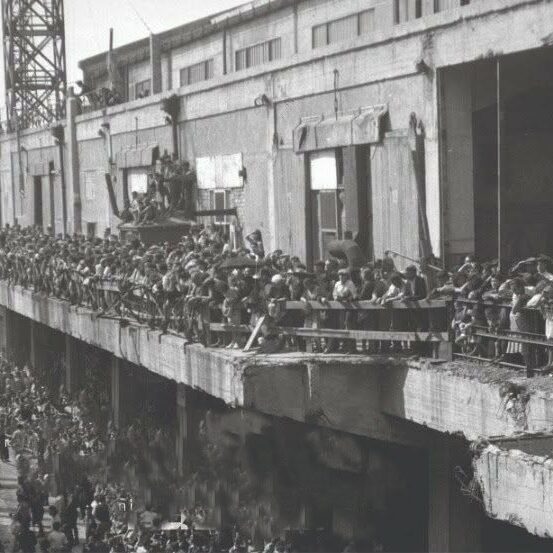
This year marks the 80th anniversary of the “Great Repatriation” of Armenian genocide survivors to their new homeland in Soviet Armenia. A deeply conflicted history of national reunification and sociopolitical oppression, the 1946–1949 wave of repatriation is a seminal yet woefully underexplored chapter of Armenia’s 20th-century history. Co-organized by the Factum Documentary Center, which has been researching the topic for many years, the new exhibition at the History Museum of Armenia surveys this event through the often-sidelined individual and personal perspectives of ordinary people.
Led to believe they were coming to a utopian homeland, the repatriate community was instead met with the harsh realities of Stalin’s totalitarian regime and the entrenched antagonism of the local population. The injustices and hardships suffered by most of these people, including arrests and exile to Siberian gulags, have not been fully acknowledged or accounted for. Comprising largely unique, previously unseen and unpublished photographic materials, as well as a selection of family relics, this immersive exhibition transports visitors from dry facts to the emotional experience of repatriation’s often harrowing outcomes. While not shying away from the dark and tragic aspects of this history, the curators also emphasize the essential role the repatriate community played in the eventual cultural and economic renaissance of Armenia following Stalin’s death in 1953. It is a moving and illuminating reflection on a pivotal moment in our collective past that must be absorbed in its full complexity by current and future generations alike.
Exhibition: “Armenia: An Open Door”
Where: History Museum of Armenia
Republic Square., Yerevan
Dates: July 3-September 2
Golden Apricot International Film Festival (GAIFF)
FESTIVALS

Well, the golden hour is finally upon us, marking the high point of Yerevan’s annual cultural calendar. Already in its 23rd edition and now included in FIAPF’s (the International Federation of Film Producers Associations) list of the world’s top film festivals, the Golden Apricot has proven itself the most rapidly developing and significant film event not only in Armenia, but in the entire region. To understand the scale of this achievement, one simply needs to look at the sad fate of the once-flourishing Tbilisi International Film Festival and Baku’s repeated failure to launch one despite its abundant financing. As with previous editions, GAIFF offers the top titles that premiered at Berlinale, Rotterdam and Cannes, including this year’s Palme d’Or and Best Director winners.
But the festival’s real gems are to be found in its regional program and official competition, which always comprise fabulous new films by up-and-coming directors who often fall through the cracks of glitzier, big-name events like Cannes and Venice.
Among my must-see picks are the urgently relevant No Good Men by Afghan-German director Shahrbanoo Sadat, Inna Sahakyan and Ruben Ghazaryan’s incredibly moving documentary Outliving Shakespeare, Tamara Stepanyan’s wartime road movie In the Land of Arto, Alexandre Koberidze’s haunting Dry Leaf, Gilda Pourjabar’s rousing tale of Tehran’s underground rock scene, The Westoxicateds, Pawel Pawlikowski’s superlative Fatherland, and Arthur Harari’s unsettling gender-swap fantasy The Unknown. I can’t fail to mention the festival’s Twisted Apricot midnight section, curated by yours truly, featuring five delectably horrific films, including the breakout mega-hit Obsession and the freshly restored version of Stephen Sayadian’s utterly gobsmacking 1970s sci-fi sex extravaganza Cafe Flesh.
The seven-day program also offers a rich selection of retrospective screenings, meetings, workshops, pitching sessions, concerts and exhibitions, all of which should turn this July week into a breathless, head-spinning and intoxicating ride through the exquisite tableaux of Almodóvar and Ibrahim Malouf’s soulful Middle Eastern beats.
Festivals: “Golden Apricot International Film Festival”
Where: Multiple screening venues
Dates: July 12-19