Molecules

From Armenia’s overlooked perfume heritage and the invisible border between Eastern and Western Armenian to Vanadzor’s quietly flourishing creative scene and the enduring voice of the duduk, this month’s SALT reveals the many ways that identity is expressed and preserved.
Cover photo by Meghrie Yaacoubian.
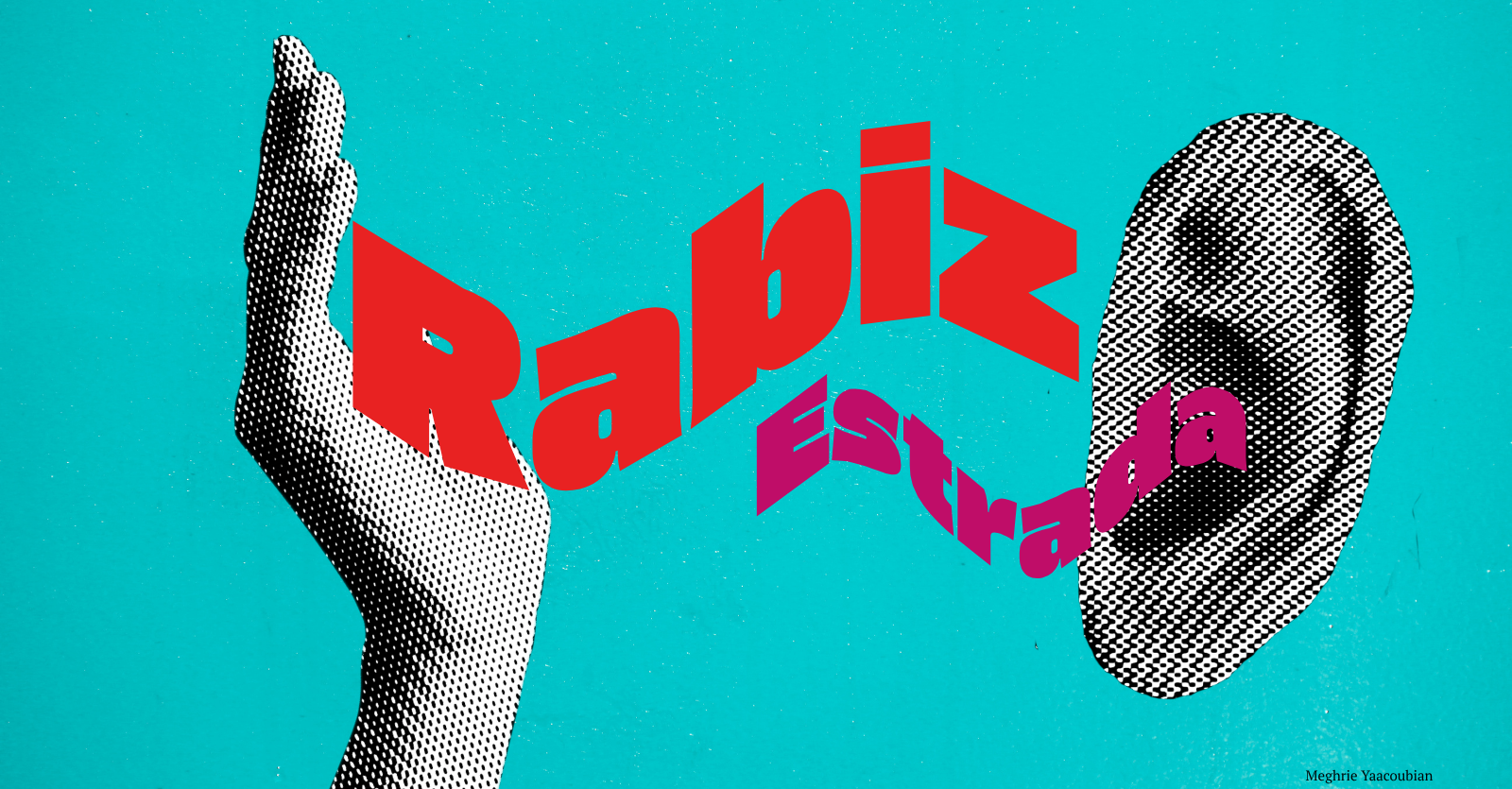
From estrada and rabiz to pop and hip-hop, Armenia’s music scene underwent a dramatic transformation in the 2000s. As television and radio programming expanded and the internet opened access, a new generation of musicians and listeners reshaped what Armenian popular music could be.

To an Italian journalist, the duduk sounds like grief, distilled through a century of Armenian loss. But is that something an audience recognizes, or a meaning that recent history has carved into the wood? This reported journey through Armenia’s most iconic instrument explores the difference between what it carries and what listeners bring to it.

Beyond its abandoned factories and Soviet industrial past, Vanadzor is home to a small but thriving community of artists and artisans. Isaac Stephenson meets the craftspeople whose work is quietly reshaping the identity of Armenia’s often-overlooked third city.
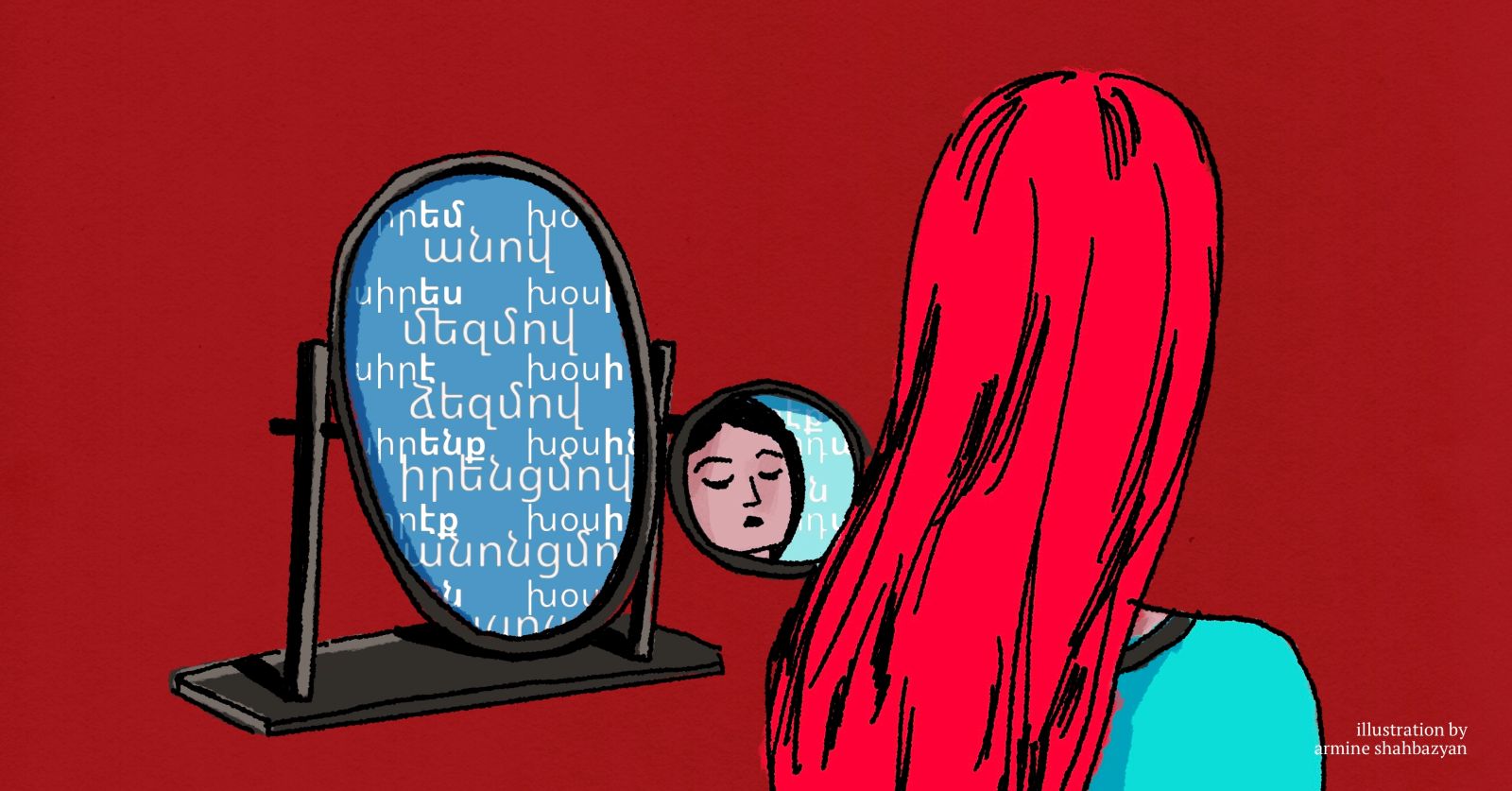
What happens when a shared language becomes a source of distance rather than belonging? Lori Ishilian explores the invisible border between Eastern and Western Armenian and the questions of identity, home and acceptance it reveals.

Part laboratory, part museum and part classroom, Yerevan’s Perfume Museum is more than a collection of antique bottles. It’s a working laboratory, a classroom and the culmination of perfumer Sargis Azaryan’s decades-long effort to revive Armenia’s rich but often overlooked perfume heritage.

EVN Report’s mission is to empower Armenia, inspire the diaspora and inform the world through sound, credible and fact-based reporting and commentary. Our goal is to increase public trust in the media. EVN Report is the media arm of EVN News Foundation registered in the Republic of Armenia in 2017.