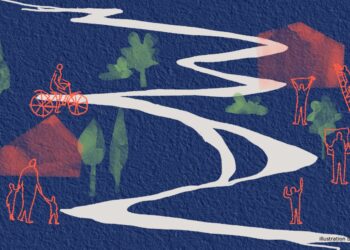
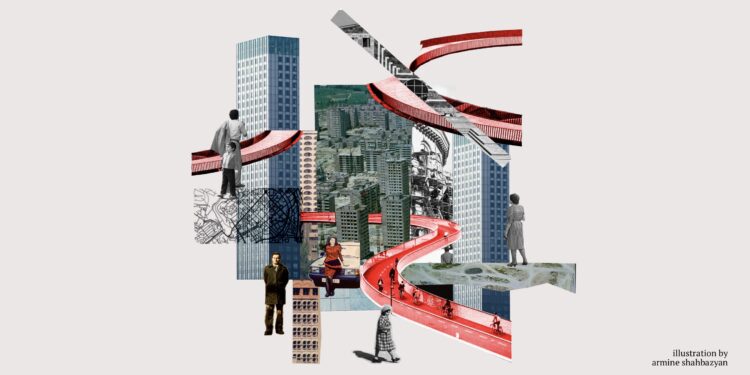
In this poetic manifesto, art historian and curator, Nairi Khatchadourian, envisions the Araks River not as a border but as a bridge, home to the world’s first Armenia-Iran binational art institution, where culture, ecology and collaboration flow together to heal histories and imagine shared futures.
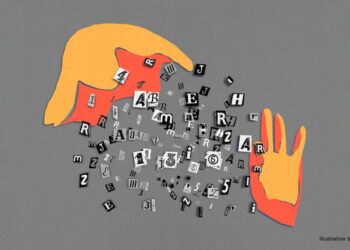
A biting reflection on the surreal showdown between Church and State in Armenia, Vigen Galstyan exposes the theatrical extremes of macho posturing—from priest-led coup plots to phallic rhetoric—revealing a deeper societal crisis and the need for cathartic cultural release, all while curating an eclectic itinerary of cultural events across the country.
From Berlin’s well-funded, immersive art scene to Yerevan’s under-resourced yet vibrant efforts, this instalment of “Artinerary” not only presents a calendar of cultural events coming up, but imagines what could emerge if Armenia’s artistic potential were fully supported and politically prioritized.
Two Armenian films were featured at this year’s Berlinale, marking a rare milestone. Sona Karapoghosyan explores their significance, the shifting politics of international film festivals, and how Armenian cinema navigates recognition, identity and the quiet constraints of global cultural power.
The exhibition “Victory Over the Victory” critically reexamines war and its legacies, bringing together global artists to challenge war narratives and explore memory, trauma and resistance. Curators Sona Stepanyan and Natasha Dahnberg create a space for dialogue across geographies and generations.
As AI reshapes creativity and replaces human labor, much contemporary art feels stagnant—recycled, safe and system-bound. A revival, if it comes, will rise from urgent, crisis-driven contexts like Armenia, where meaning still demands to be made. In this edition of ARTINERARY, Vigen Galstyan spotlights exhibitions where artists confront technology, identity, and post-war trauma in works pulsing with transformative promise.
The "Women, Peace, Art" exhibition in Armenia showcased eight female artists addressing peace amid war's haunting memories. While ambitious, the exhibition struggled with essentialist portrayals of women, often reinforcing stereotypes instead of challenging them.
There is clearly something momentous in the air, and I don't mean the aroma of budding apricot trees, the unusual sight of Georgian soccer fans in Yerevan, yet another nasty virus wave, or the municipality's self-righteous campaign of tree annihilation. No, the explosive atmosphere stems from the looming, yet still unlikely “peace deal” with Azerbaijan, whose vague details alternatively suggest a potential new era of stability, or a horrific epilogue to a five-year chronicle of aggression and collective humiliation. Does the art scene reflect this sense of running on the knife's edge?
After a whirlwind year of cultural events in 2024, Armenia enters 2025 with renewed momentum. This edition of ARTINERARY, curated by Vigen Galstyan, highlights the first major exhibitions, festivals and concerts of the year, along with must-see December shows still on view.
As the world grapples with relentless upheaval and a growing sense of despair, the relevance of art has never been more urgent for even amidst destruction, art can illuminate pathways to renewal. By stepping outside the confines of our panic-ridden newsfeeds, we open ourselves to the transformative potential of creative expression. Art can help us confront the chaos while offering a vital escape—a momentary reprieve to reimagine what the future could hold.
EVN Report’s mission is to empower Armenia, inspire the diaspora and inform the world through sound, credible and fact-based reporting and commentary. Our goal is to increase public trust in the media. EVN Report is the media arm of EVN News Foundation registered in the Republic of Armenia in 2017.
SUPPORT INDEPENDANT JOURNALISM