

Listen to the article.
Emerging at the intersection of two cultures, the Ariga Torosian brand is a reflection of heritage, architecture and artistry, a bold vision woven into timeless design.
Born and raised in Iran, Ariga Torosian’s creative instincts led her to move to Yerevan, Armenia at the age of 19, with the dream of pursuing design at the Fine Arts Academy. Upon her graduation in 2011, she returned to Iran to explore the business side of fashion in the country’s much larger market. But after two years, her creative instincts pulled her back to her roots, back to Armenia. In 2013, that calling gave rise to the Ariga Torosian brand, made in Armenia, where her vision truly came to life.
From the outset, Torosian’s brand forged a path of its own. She never sat down to write a business plan; instead it unfolded naturally. With a degree in fashion, she never paused to second-guess her trajectory, and didn’t apply elsewhere or consider further study. She simply began working on her first collection, a decision that would take her somewhere she hadn’t imagined––Paris Fashion Week. Debuting her very first collection on the industry’s biggest stage, became a defining moment. “It wasn’t just a milestone, it was a launchpad,” she recalls. For Torosian, fashion became more than business. It’s her rhythm, her ritual, a way of life.
Interestingly, the first piece Ariga ever designed wasn’t a dress, but a shoe. Crafted from fabric, it came to life with the help of a small Armenian-owned shoe workshop in Iran run by her friends.
“I was involved in every step of the process,” she recalls. “I visited daily, watching my sketch transform into something tangible.” The hands-on experience differed greatly from the techniques she had studied in school and revealed an entirely new dimension of design. That formative moment left a lasting impression. To this day, the Ariga Torosian brand continues to offer a limited-edition shoe collection.
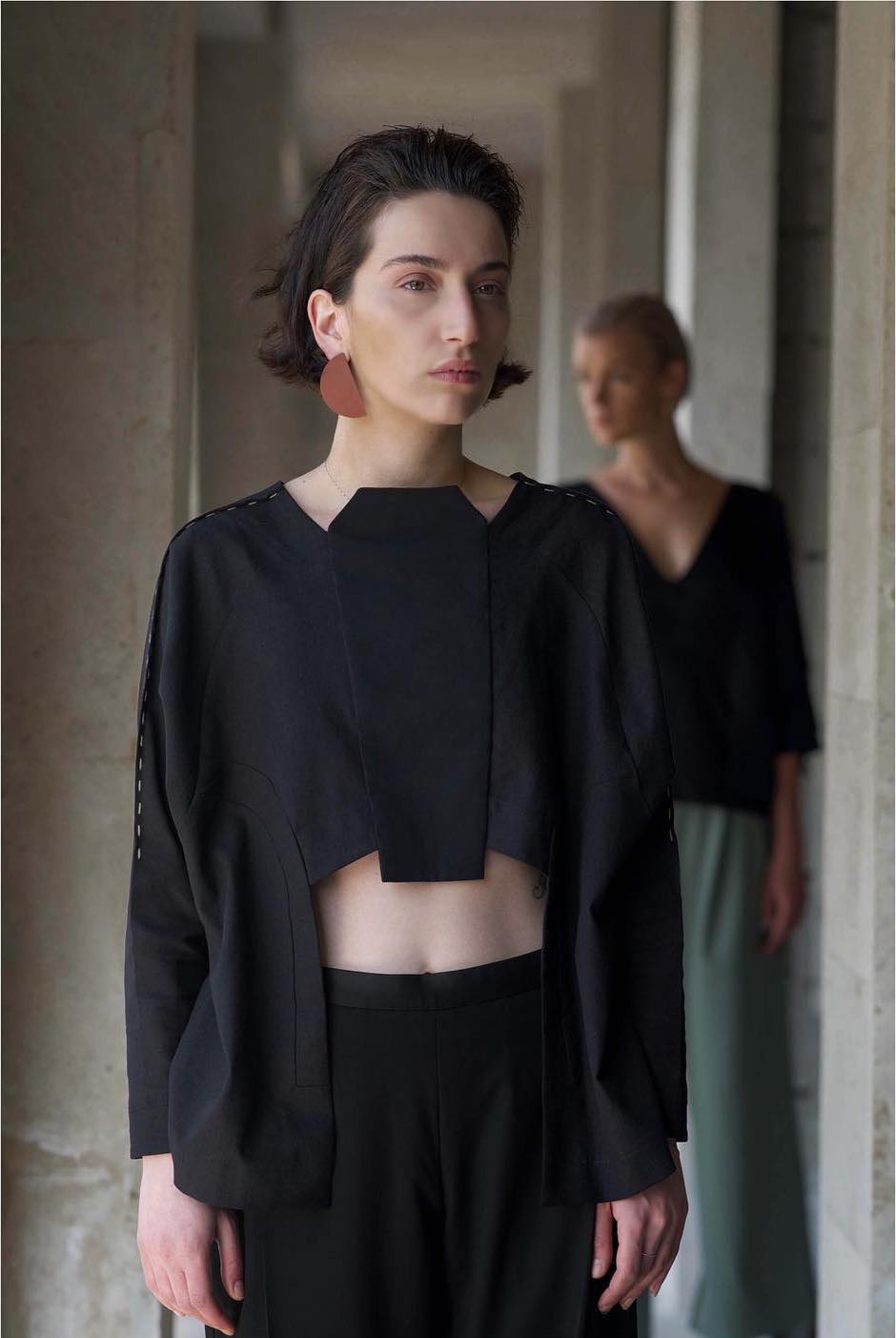
Photo: Lidia Virabyan
Source
“My brand is a form of self-expression, a hobby, a business, and a lifestyle — it’s my daily ritual, and the thing I am most devoted to,” she says.
Torosian’s designs are deeply shaped by her dual heritage, bridging the worlds of Iran and Armenia. “Our roots leave an imprint,” she explains. “The beauty, the history, and the challenges people grow up with, become part of us.” When creation comes from within, those influences are not only felt, they’re seen. Having spent half her life in each country, both cultural identities have shaped her aesthetic. While every collection has its own distinct inspiration, her signature style––rooted in personal experience––remains unmistakable.
Torosian sees the world through forms, bold lines, textured surfaces, and layered space. She explains how architecture has always drawn her in, not as something distant or theoretical, but as a daily presence. “You can’t unsee it,” she says. “Architecture plays a big role in describing my brand, and the cities we live in, the buildings we pass––they shape how we see everything,” Both in Iran and Armenia, these urban structures are a big part of her visual landscape, and they left a mark on her creative instincts.
Sculpture deepened that vision. During her time in Armenia, sculpting became her medium, and it transformed her creative process. She started visualizing designs as shapes in space, turning them in her head, before committing them to paper. Even today, she builds her collections like that: mentally sculpting every line and contour, then translating that vision into clothing—fluid, wearable structures that exist in motion.
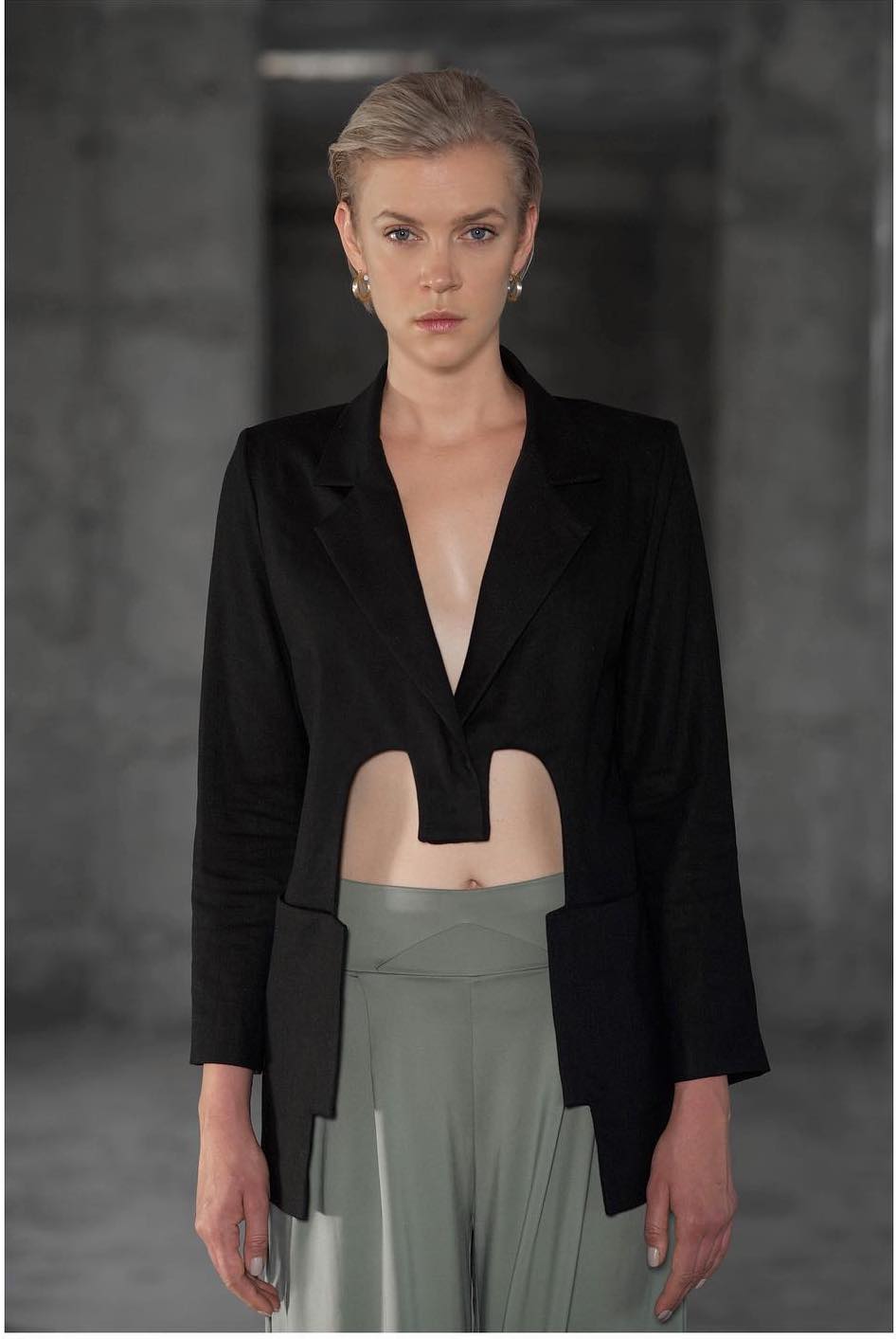
Photo: Lidia Virabyan
Source
“With each collection, I follow a concept, and everything else takes shape from it,” Torosian says, noting that this is why no single design element appears consistently in all her pieces. Each body of work stands on its own.
Her most recent collection draws inspiration from Soviet-era Armenian architecture, with each garment echoing a specific architectural detail. This approach is consistent throughout previous collections: she doesn’t rely on repetition, but reinvents her visual language based on each concept. Yet she admits that one motif subtly connects all her collections––the Armenian arch. Though never used the same way twice, this iconic shape resurfaces frequently, though it evolves with each interpretation. “I wouldn’t say one element defines my brand,” she notes, “but I can see how those curves, those architectural arcs, keep finding their way in.”
Known for its black-and-white palette, the brand embraces muted, understated tones, in both fabric texture and color, allowing the cut and form of the clothing to do the talking. For Torosian, color is secondary to silhouette. She selects each fabric deliberately, not for its boldness, but for how well it serves the concept behind each collection. It’s less about visual noise and more about clarity of form. “If the cut tells the story, why should the color shout over it?” she says. Her minimal palette isn’t a limitation but a design philosophy that lets structure lead.
Founded in 2013, the Ariga Torosian brand has now existed for over a decade. Looking back, Ariga is certain of one thing: evolution was essential. “If I was still working with the same themes and structures after 10 years,” she reflects, “I would’ve been disappointed.” Each collection reveals something new—elements to fix, refine, and expand. Perhaps a fabric that didn’t feel right or a design that didn’t breathe. For her, beauty lives in that balance, because ultimately, fashion must be wearable.
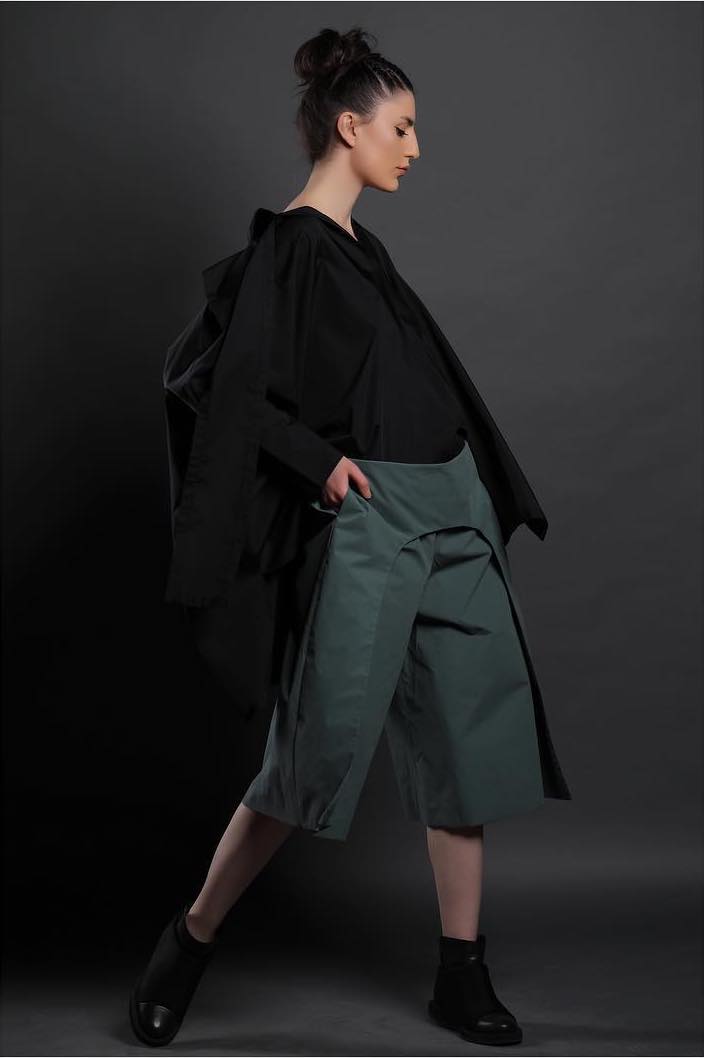
Photo: Gagik Petrosyan
Source
“If you make a piece people only wear once, or treat as decoration, then it belongs in a gallery, not a wardrobe,” she says. Practicality and comfort are as important as concept and visual impact. Her design philosophy is about finding that delicate balance, between art and life, expression and function. That ongoing process of reflection, correction, and growth is what she finds most beautiful. “Each collection teaches me something new,” she says. “That’s how I move forward. That’s what makes this journey feel meaningful. And for me, that’s the real success of the brand.”
After 12 years of building her brand, Torosian understands how her designs are perceived—bold, avant-garde, far from minimalist. To the general public, her pieces may seem unconventional, even niche. She acknowledges that in Armenia especially, the market has its limitations, and her style doesn’t always align with mainstream expectations. But fitting in was never her concern.
For Ariga, staying true to her creative identity matters more than mass appeal. “If I try to be like everyone else, I’ll lose my voice, and my brand will lose its shape,” she says, adding that she doesn’t chase trends. Instead, she believes in crafting a clear, specific aesthetic, one that speaks to those who connect with her vision. Rather than adapting her work to match the market, she sees herself as a stylist guiding others, offering something different and honest. Her goal isn’t just to expand her audience in Armenia, but to connect with people around the world who seek something beyond the ordinary. “Those who see it, get it,” she adds. “They come to me.”
Torosian considers her 2023 collection as her most defining work. Presented during the inaugural Yerevan Fashion Week, it marked a turning point, not just in her career, but in Armenian fashion’s international visibility. One dress in particular embodied the brand’s essence and the conceptual depth, resonated deeply with audiences and quickly became a standout, not only locally but also with members of the international press.
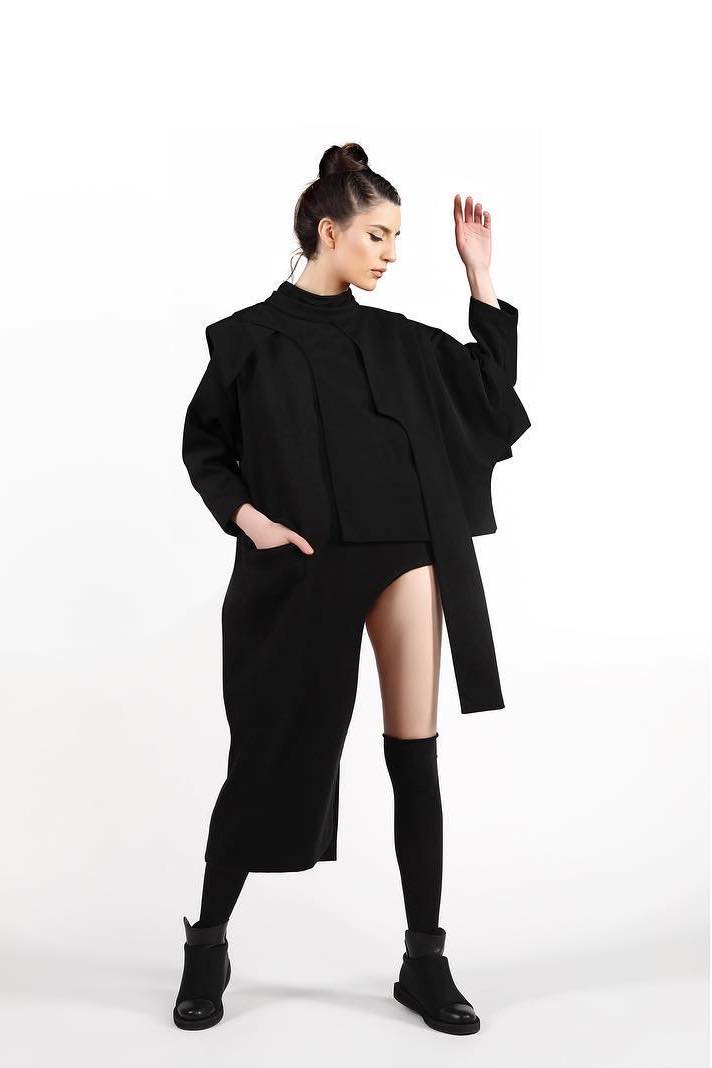
Photo: Gagik Petrosyan
Source
Torosian sees fashion’s shrinking global footprint as a positive development. As sustainability becomes more important for consumers, she hopes more brands will commit to this shift. “Let’s be honest,” she says, “we don’t need this many clothes in our wardrobes.” Mass production has created a cycle of overconsumption by convincing people they constantly need something new, resulting in psychological, environmental, and social costs. For Torosian, sustainability starts with responsibility.
Ariga Torosian operates her brand on a made-to-order basis. She displays prototypes and creates pieces only after receiving customer orders. No excess, leftovers, or discount bins: “Each garment is made for someone, and it keeps its value because it was made with intention.”
She sources fabrics from European fashion houses’ deadstock, materials that would otherwise end up in a landfill. While her scale is much smaller than global labels, she believes companies of any size can take responsibility for their production, an approach that preserves the value of the clothes, and keeps the planet lighter. To Ariga Torosian, this represents the future of fashion: thoughtful, slow and lasting.

The July issue of SALT is a sensory journey through Armenia’s summer landscape — from foraging wild herbal teas in the mountains of Syunik to the weird and wonderful world of Yerevan’s Qrchi Bazaar. We explore the rise of horror writing, visit a museum of strange analogies, and spotlight an artist whose work defies convention. This month, eclecticism is our mood.
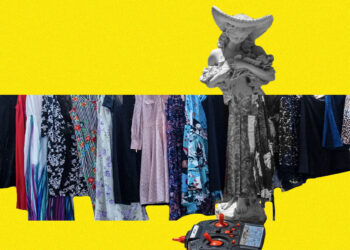
Qrchi Bazaar: Flea Market of Memory and Renewal
At Qrchi Bazaar, Yerevan’s gritty weekend flea market, worn objects tell stories of survival, memory and renewal. Once discarded, these items are repurposed and reborn, offering a glimpse into Armenia’s past and present through the chaos of things left behind.
Read more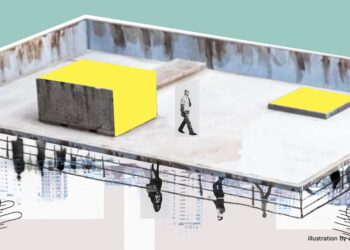
Museum of New Analogies: A Rooftop Story
Perched on a Yerevan rooftop, the Museum of New Analogies blurs the line between art, architecture, and everyday life—an ephemeral, sound-sensitive space for experimental installations, quiet performances, and surreal encounters high above the city's layered chaos.
Read more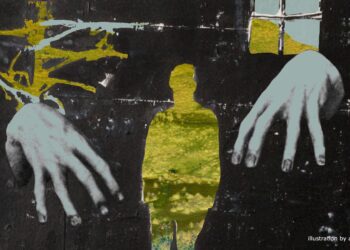
Fear and Fiction: The Rise of Armenian Horror Subculture
Armenia’s horror subculture is gaining momentum, led by YouTuber-turned-author Ruben Yesayan. His bestselling books, rooted in local myths and unsettling landscapes, are drawing a young fanbase, even as some critics dismiss his sensational, camp-infused style as unserious.
Read more
One Man’s Mission to Heal Through Nature
Nestled in the outskirts of the southern Armenian town of Kapan, Darmanadzor is a soulful teahouse where Artur Patvakanyan serves hand-foraged herbal blends. Rooted in ancestral wisdom and personal healing, his teas offer comfort, connection and a quiet resistance to modern haste.
Read more