

Listen to the article.
It was an early Sunday morning. Among a group of grumbling elderly men on the bus, 72-year-old Bagrat sat wearing a white coppola hat and brown shoes sent to him from America. He checked his watch every few minutes and kept a tight grip on one of his duffle bags as the bus passed Abovyan Street, where he occasionally drank with friends, then the children’s park, where he had played with an orchestra in his youth. The moment the doors opened at Hrazdan Stadium, Bagrat was already outside. With his fast gait, resembling a mix of an offended toddler and an impatient man, he turned right under the shade of a tree. He weaved through vendors selling clothes, ceramics, and junk laid out on sun-faded fabric, then dropped his bags at his usual spot in front of the stadium’s entrance gates.
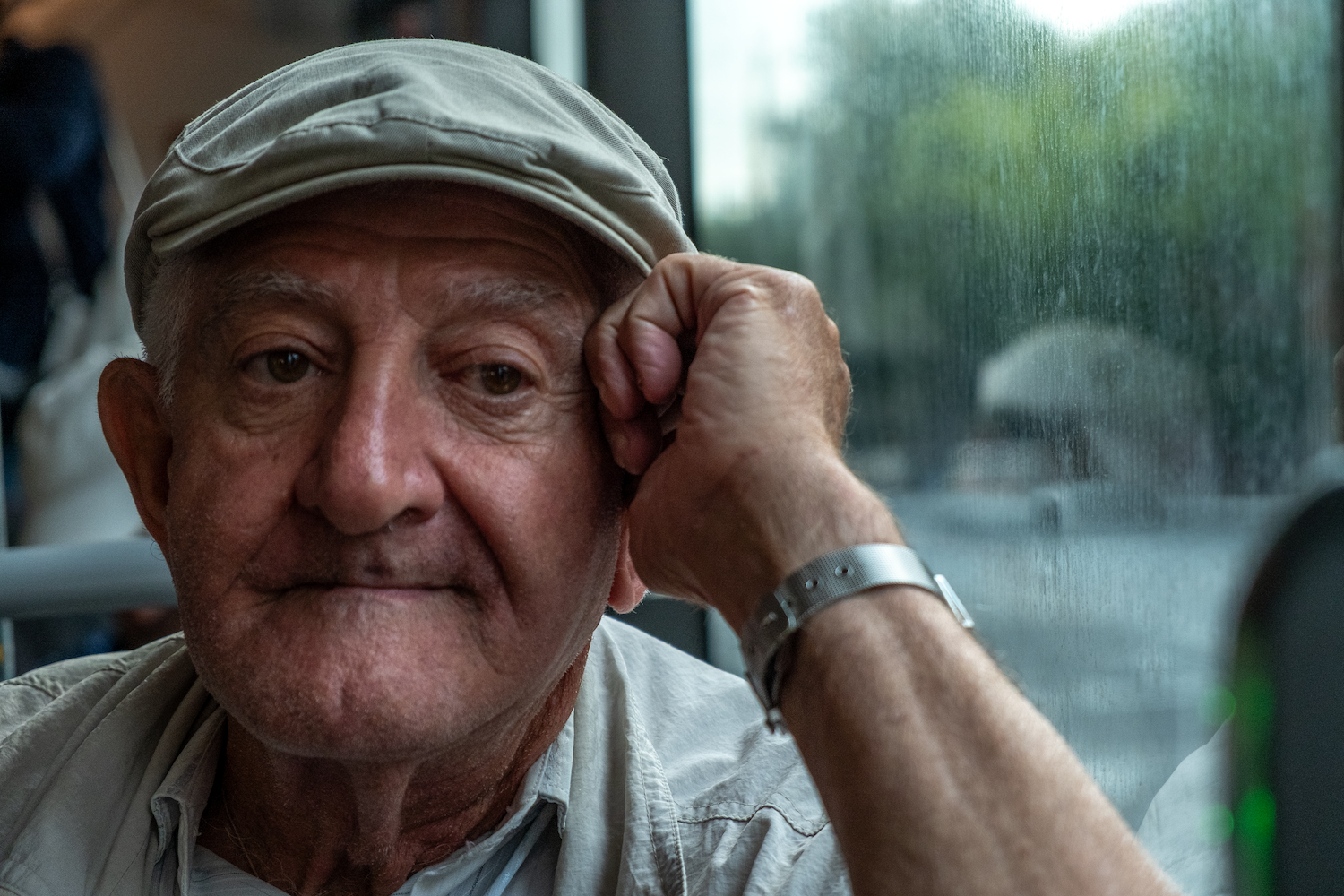
Photo: Lilith Margaryan
On weekends, hundreds of hawkers like Bagrat transform the parking lot of Hrazdan Stadium into Qrchi Bazaar, a flea market where you can find anything but the ordinary. The word “qrch” means a worn-out, tattered piece of cloth, and for anyone unfamiliar with the place, the name makes perfect sense once they catch its distinctive scent.
Without breaking his steady “I can’t be late” pace, Bagrat walked toward the stadium’s stages and descended into an improvised underground warehouse. There, he kept an old, squeaky stroller, a few cheap plywood boards, and a faulty chair. He lugged them back upstairs to his duffel bags. After setting up his modular, smartly-designed stroller-table, he began frantically laying out his items: lighters, watches, broken phones, nail cutters, incense sticks—the list goes on. The process had a particular significance. Any interruption visibly frustrated him; the final display, after all, had to be perfect—a mosaic.
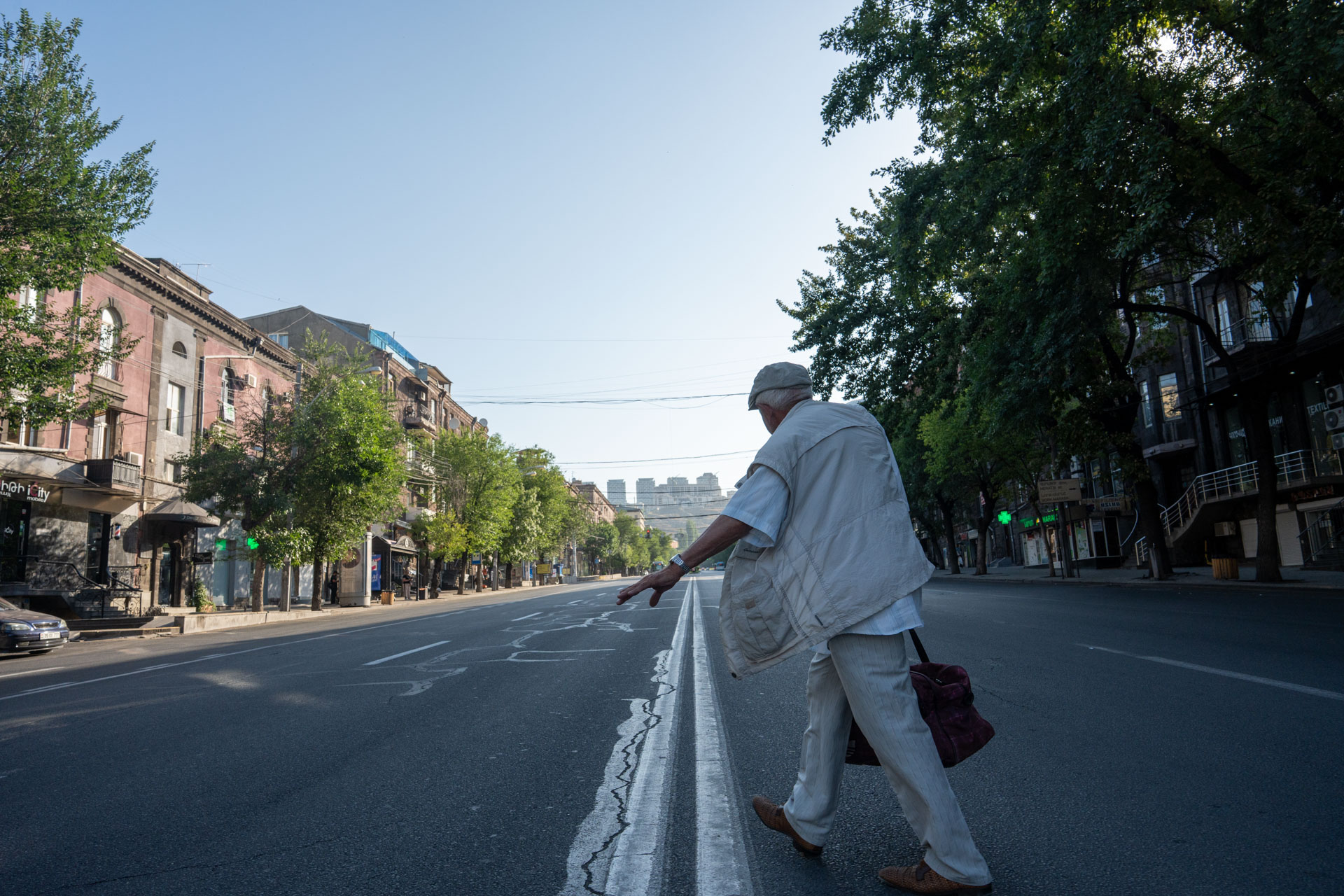
Photo: Michele Crestani
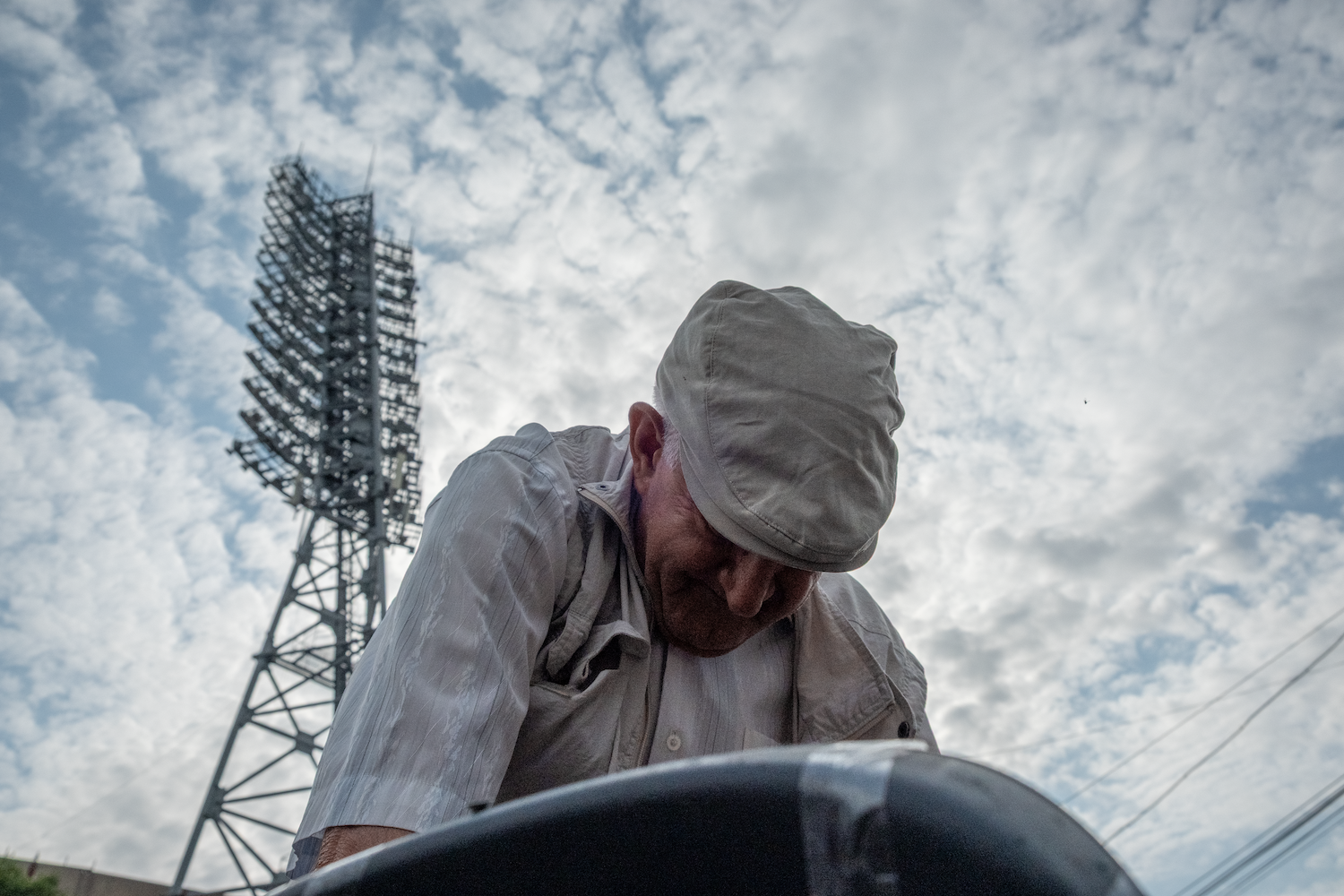
Photo: Lilith Margaryan
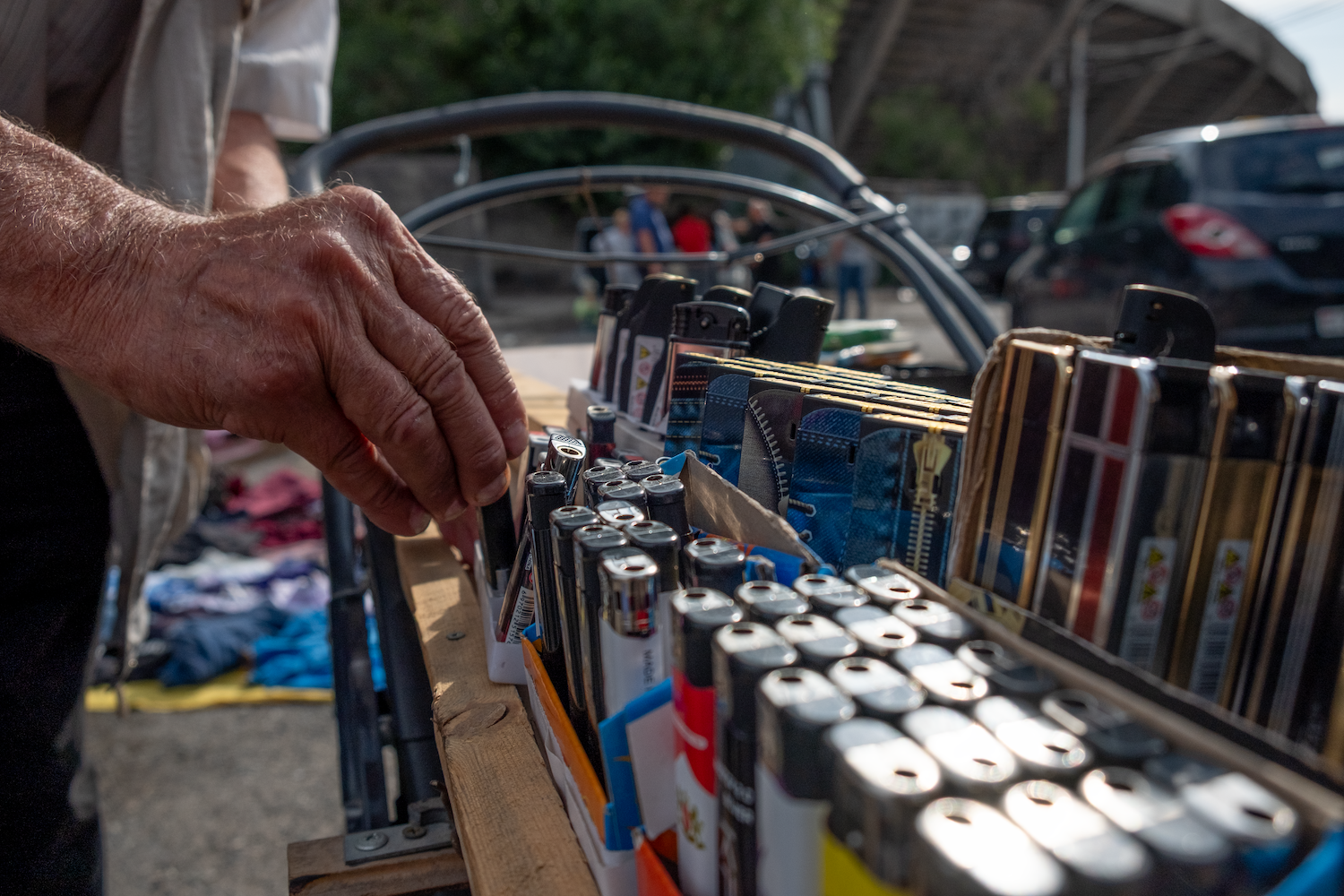
Photo: Lilith Margaryan
There are no strict timelines in Qrchi Bazaar, which makes his urgency all the more baffling. Once finished, he sat on the chair beside his table, waiting for customers to approach.
Bagrat is a man of a few words. He never shared how he became a seller—nor any other details about his life. The word “quieter,” tattooed in Russian on his left index finger, perhaps explains his reluctance to speak. All that’s known is that he’s been selling in Qrchi Bazaar for the past two years.
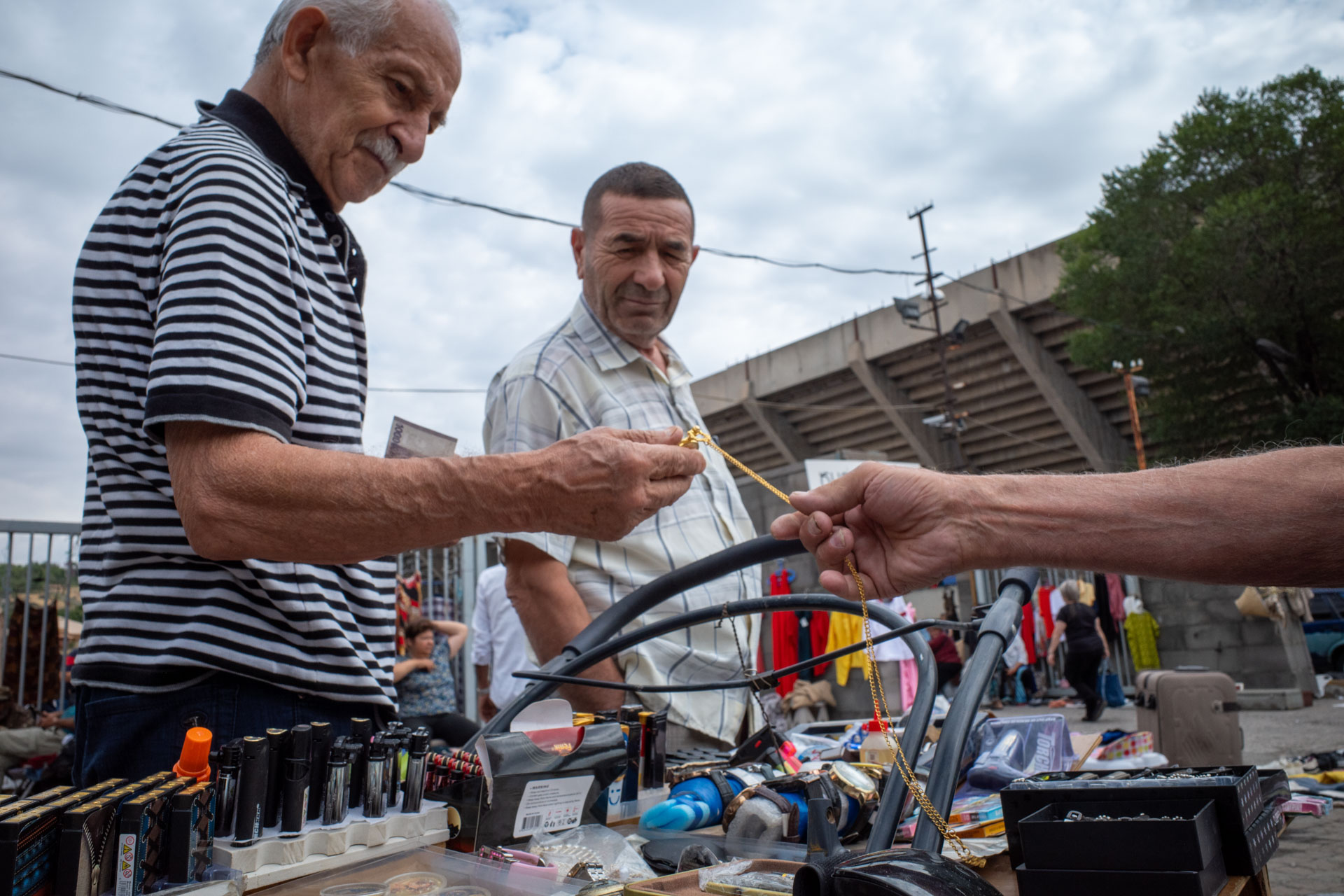
Photo: Michele Crestani
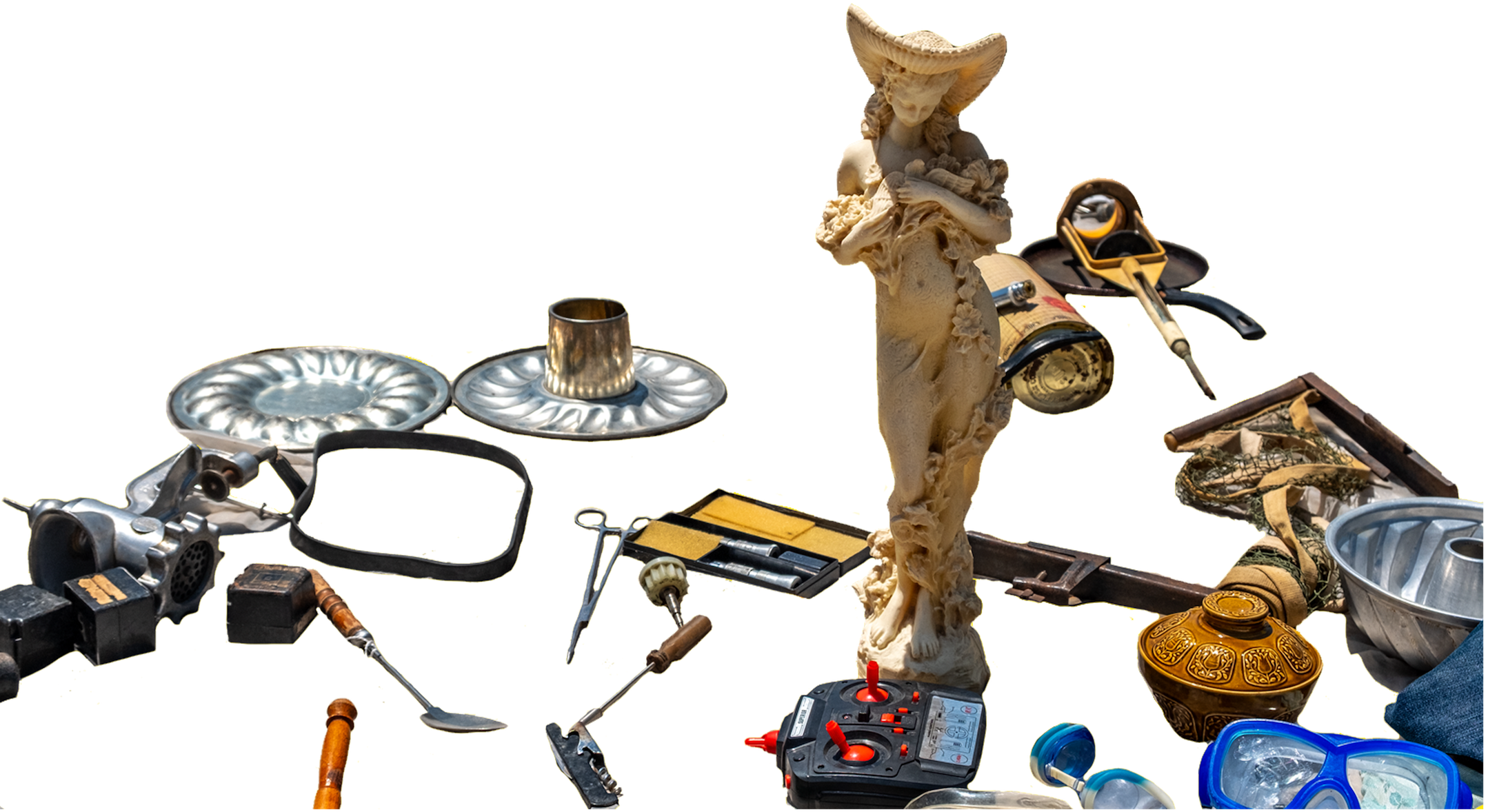
No official record exists of how or when the flea market began. Yerevan’s old-timers recall a similar market in front of the Rossiya Cinema in the early 1950s. According to 53-year-old Tamara, a bazaar hawker since 1995, the market gained vital importance in 1993-1994. After the Soviet collapse, Armenia was hit with war, isolation, and economic freefall. Residents began selling possessions from their homes, their pasts, and their closets just to survive. Though these hardships eventually eased—Qrchi Bazaar remained. It relocated throughout the city—near the Russian-Armenian University, the Republican Stadium—until settling at Hrazdan Stadium five years ago. Now locals and tourists come, in search of rare treasures, once discarded as useless, to give them new life. Silky pink dresses, piles of nude dolls, paintings, medical encyclopedias, cameras, mechanical spare parts, family albums, high school graduation CDs—Qrchi Bazaar offers it all.
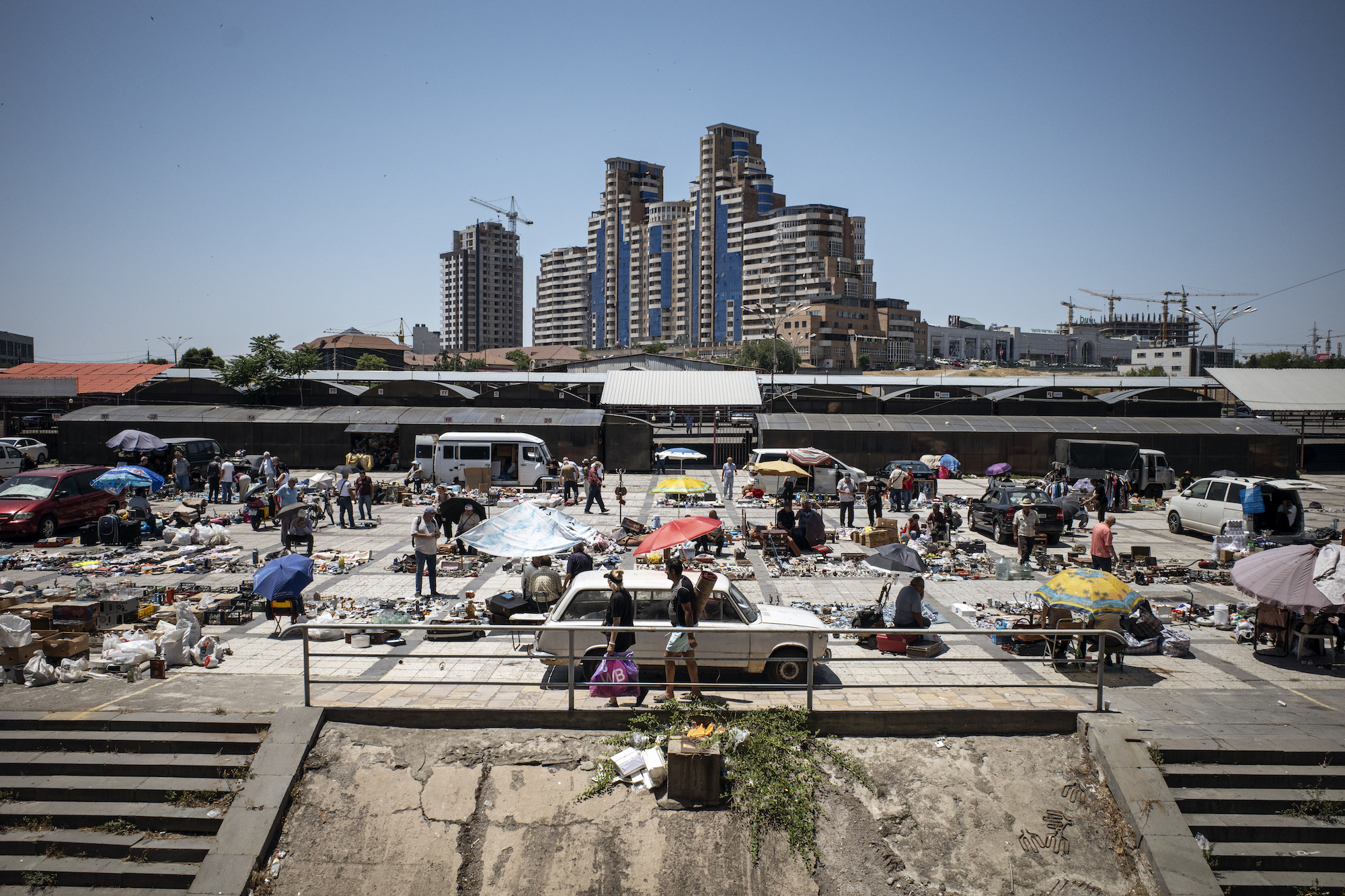
Photo: Michele Crestani
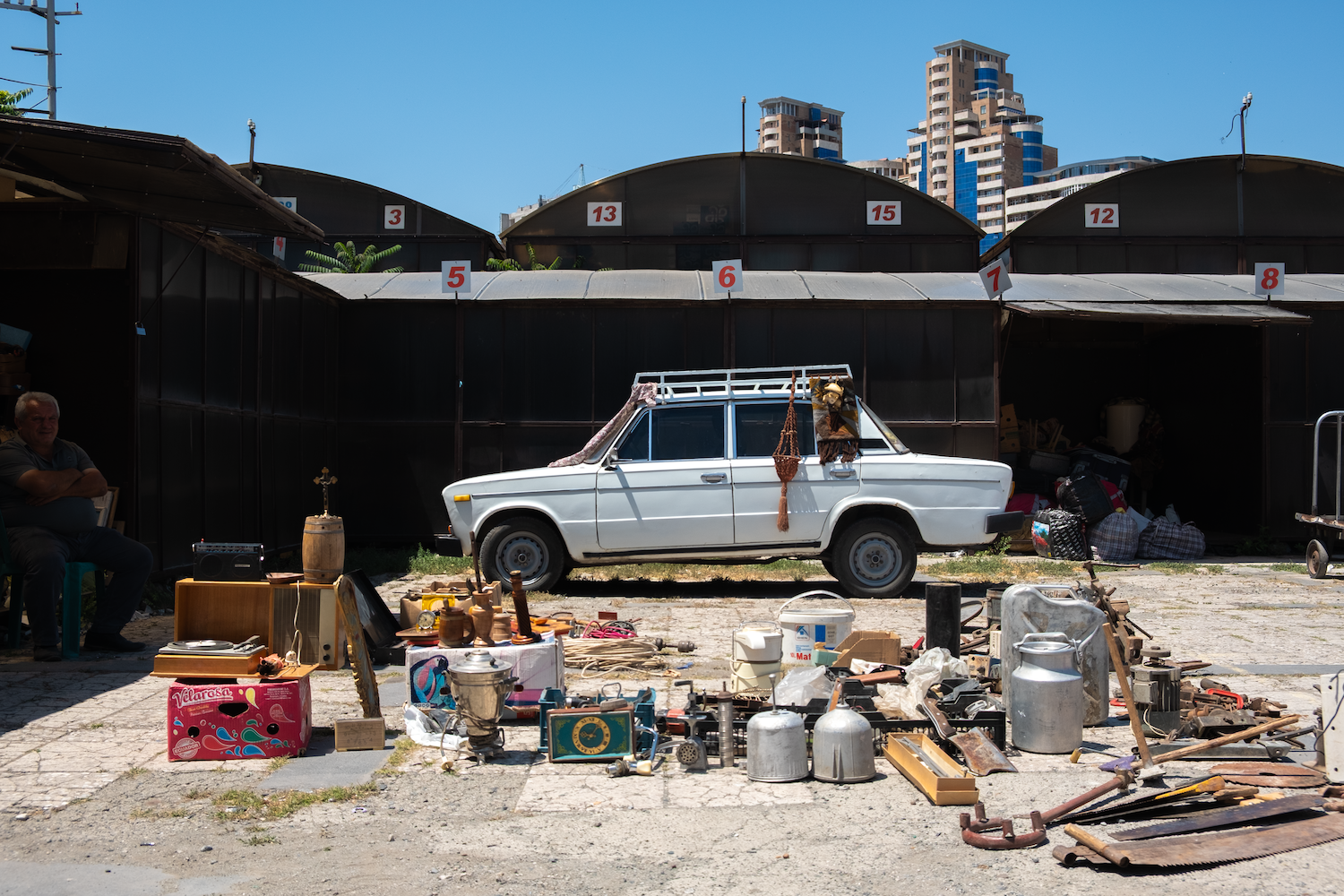
Photo: Lilith Margaryan
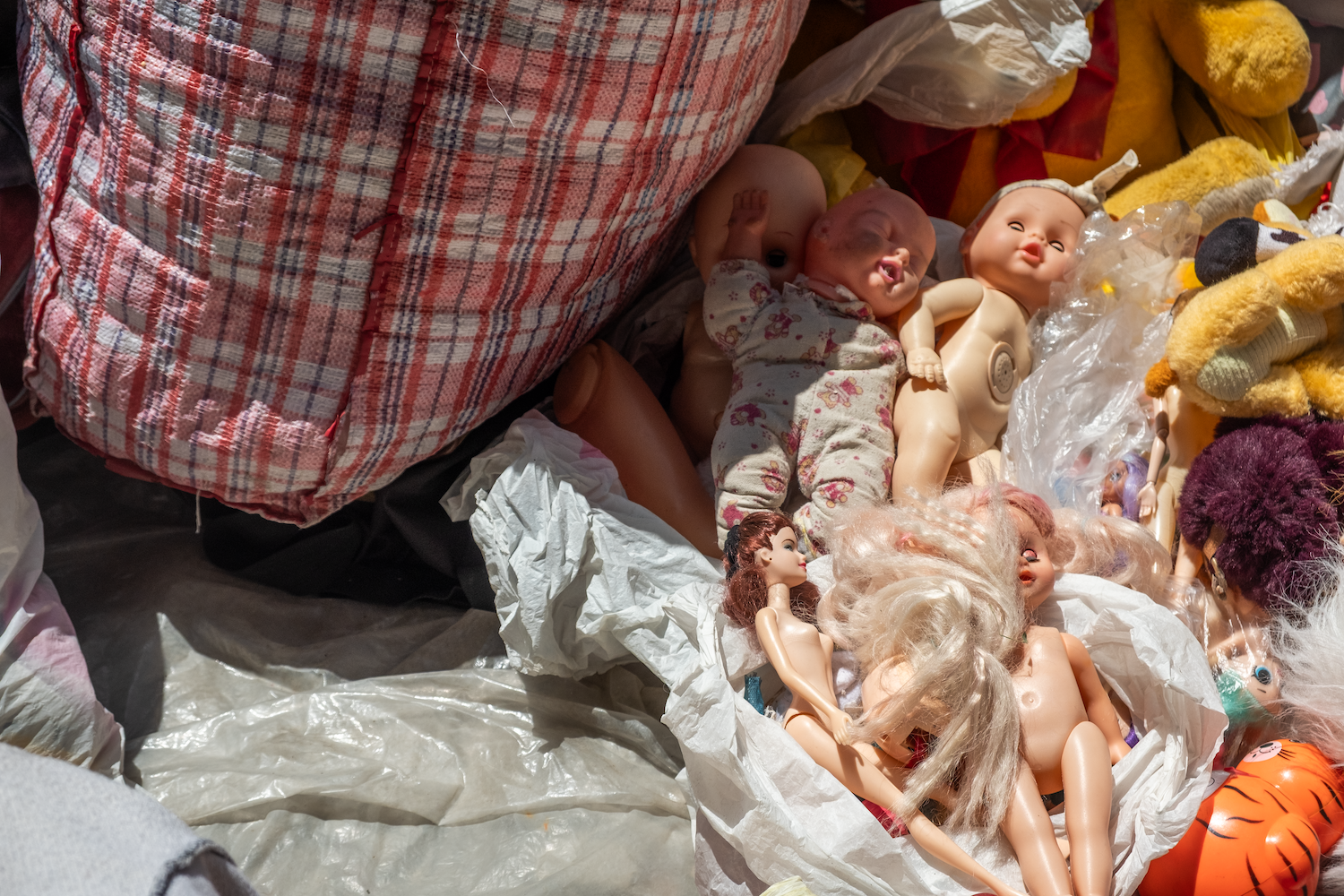
Photo: Lilith Margaryan
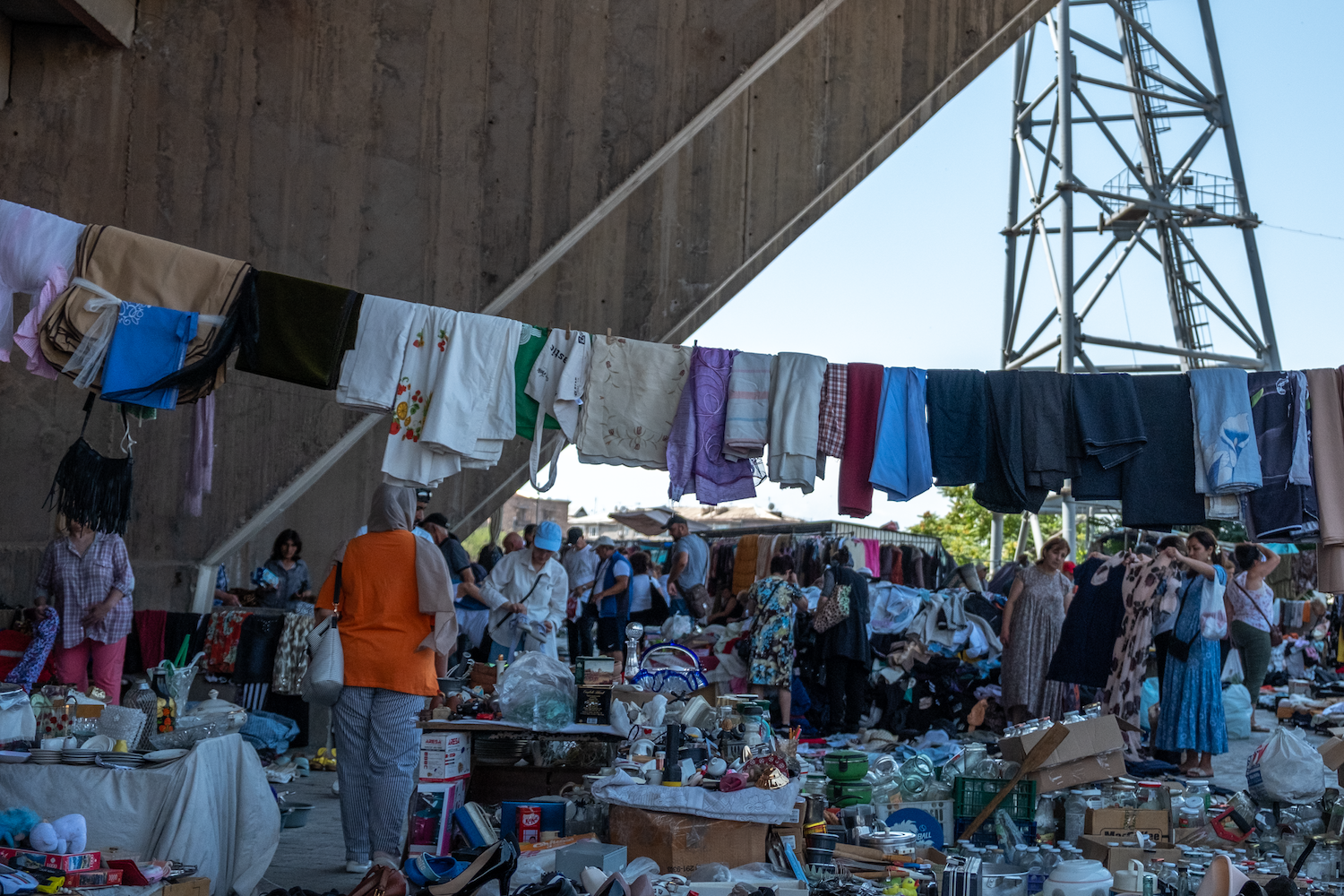
Photo: Lilith Margaryan
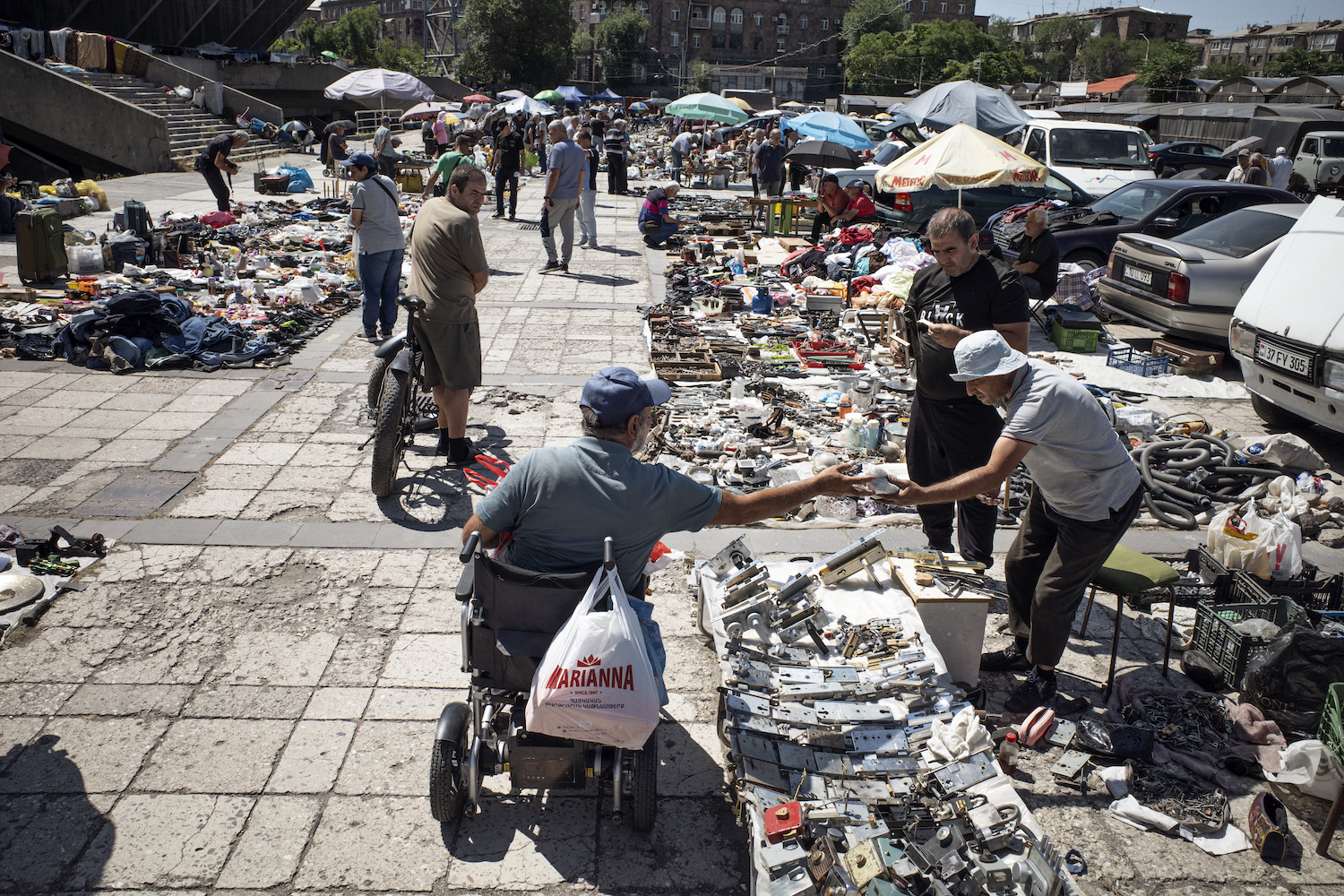
Photo: Michele Crestani
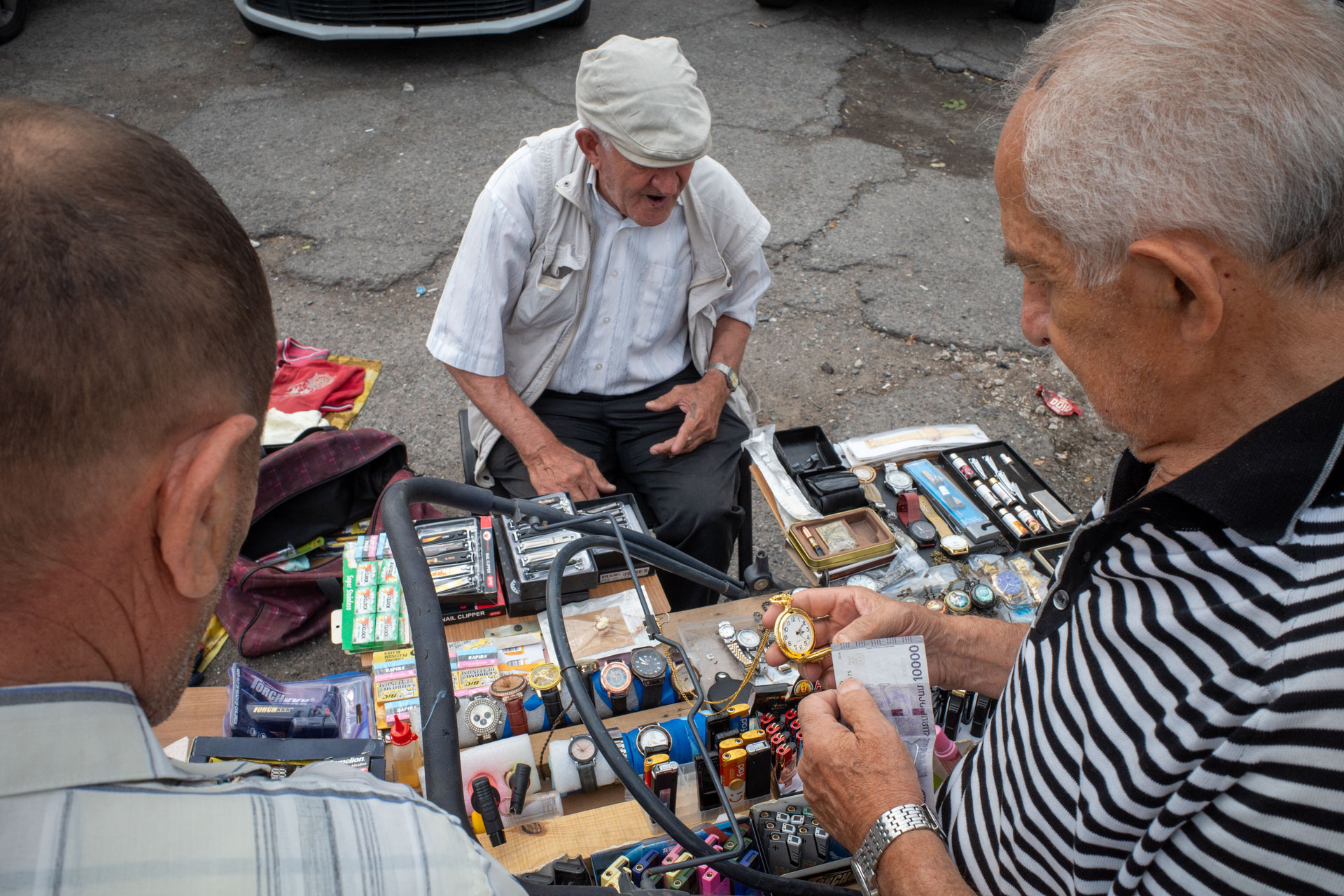
Photo: Michele Crestani
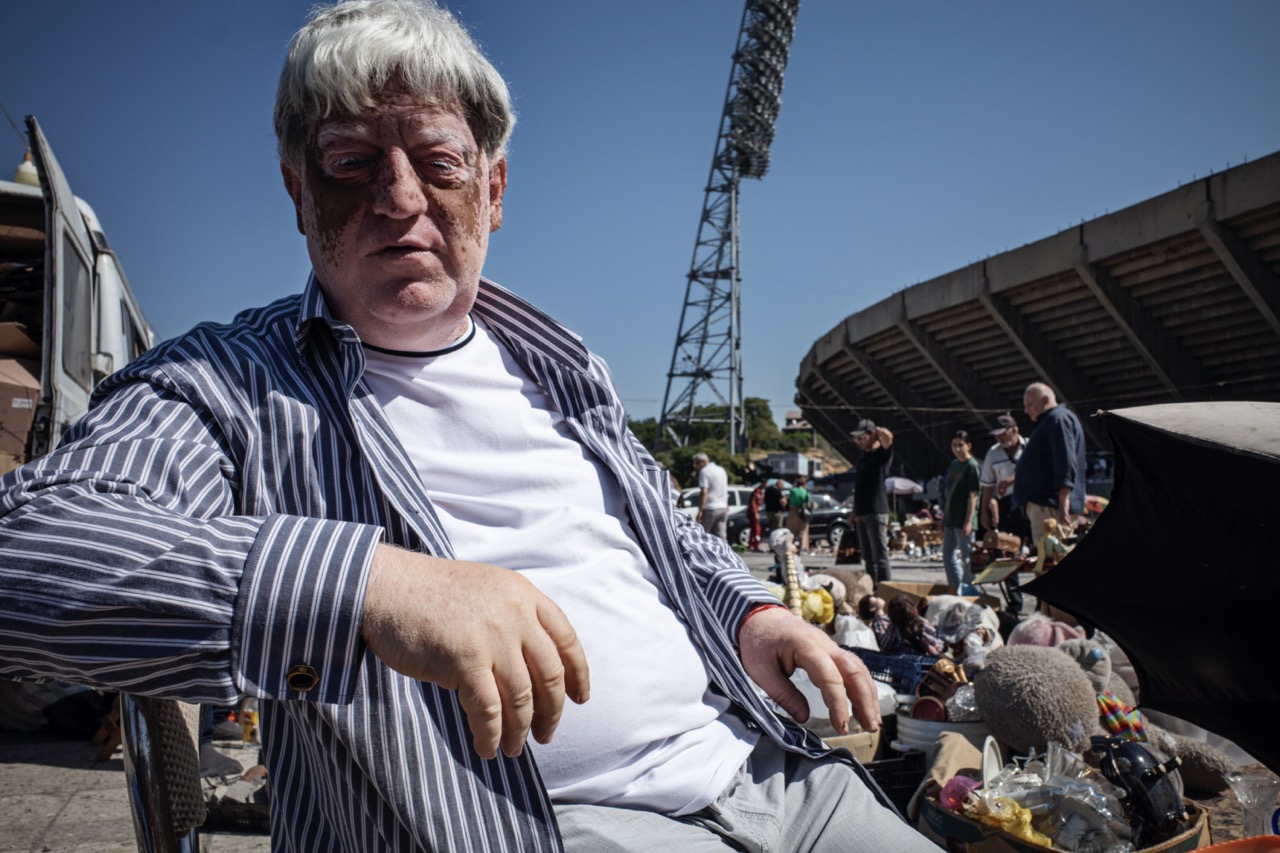
Photo: Michele Crestani
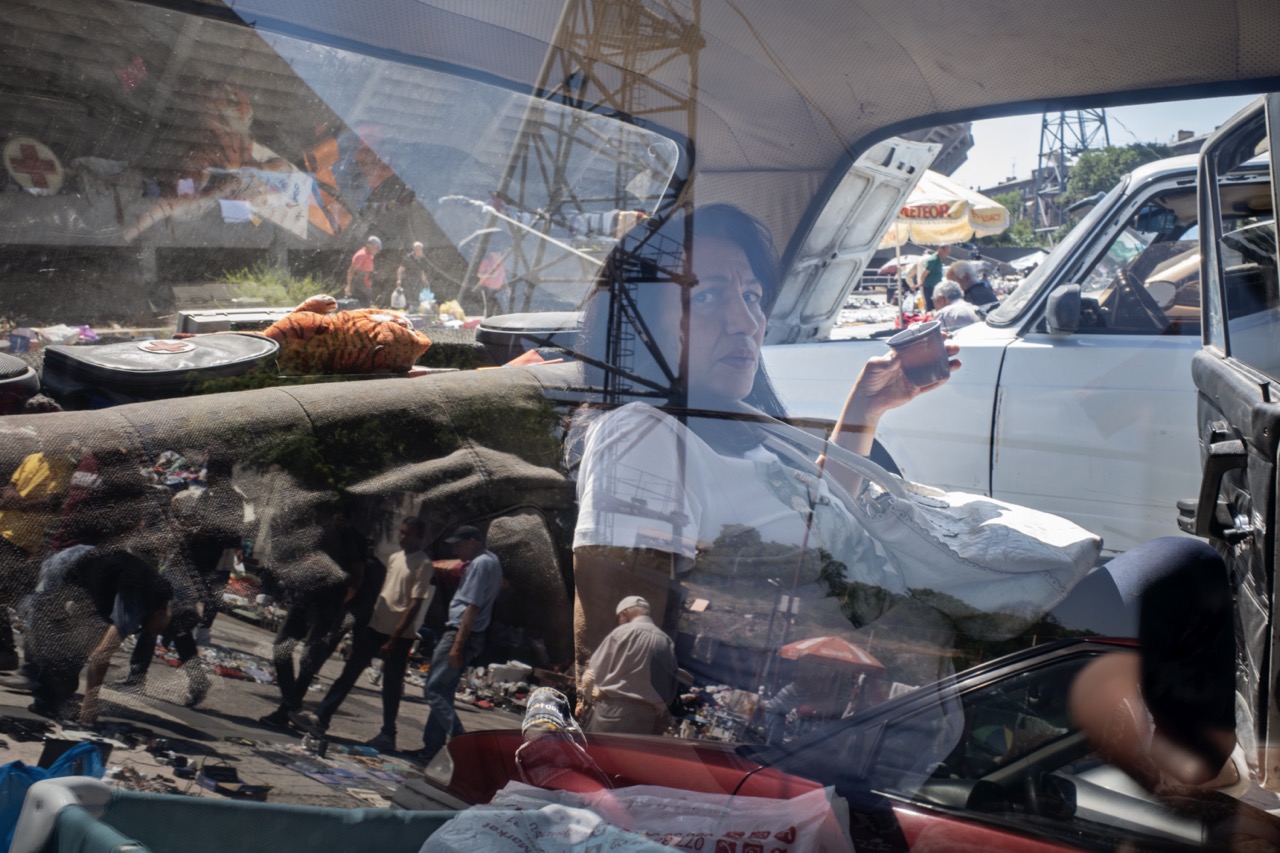
Photo: Michele Crestani
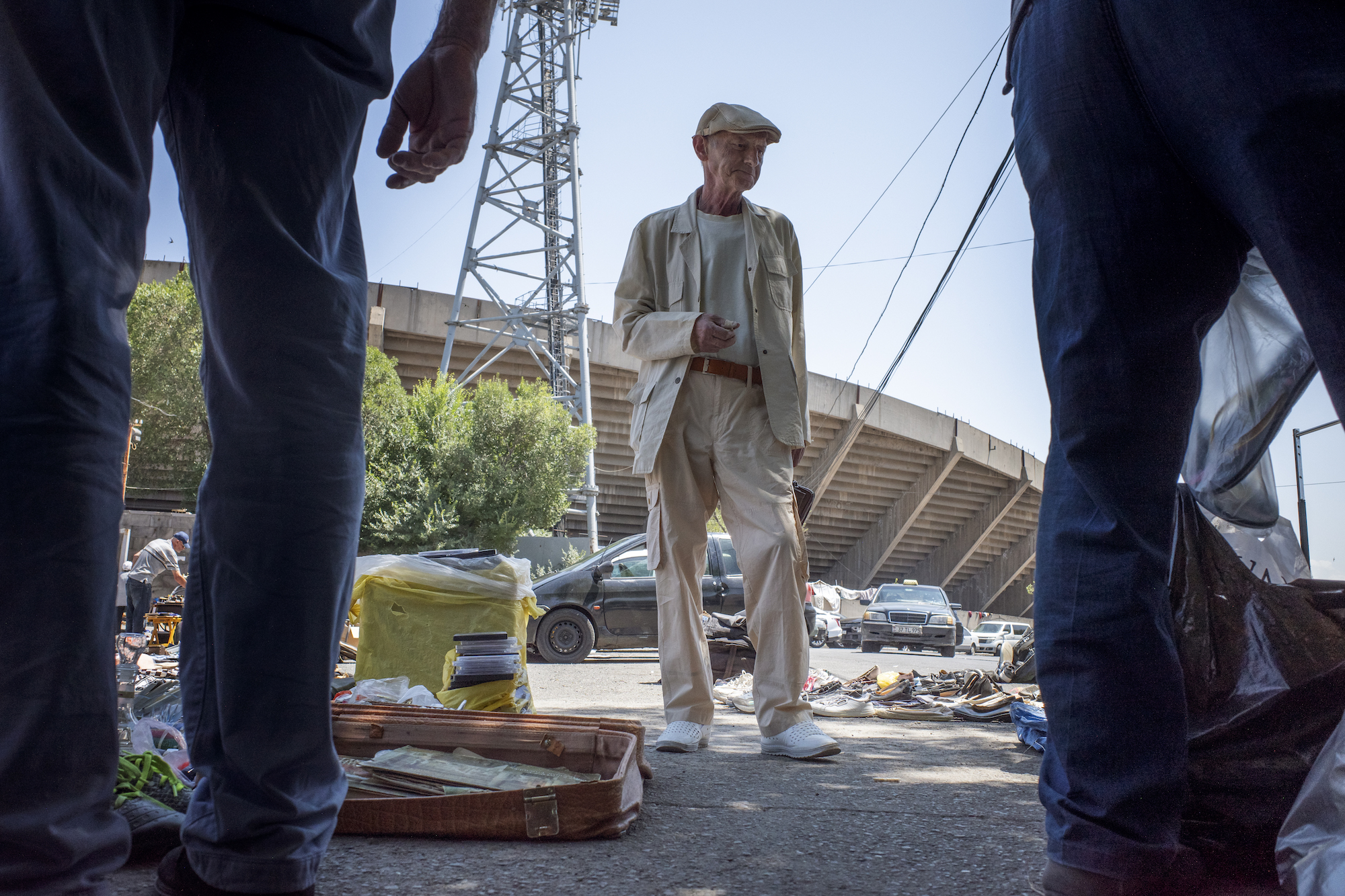
Photo: Michele Crestani
People of all ages, backgrounds, and intentions fill its Babylonian sprawl—wandering in loops, driven by curiosity, need, or habit. Among them, orbiting through the noise like a magpie, was 40-year-old Tarik from Morocco. He comes every weekend, searching for cheap tools for his trade, or items he can resell for extra money. This time, he’s hunting for a T-shirt. The bazaar brims with clothing—some brand new, but mostly second-hand––which is perfect for Tarik. He works as a part-time tiler and is often on a budget. Though he knows enough Armenian to bargain—delivered with street-smart grit and an abrasive Arabic-Italian cadence—it hasn’t helped him find the right T-shirt. Wrong sizes, bad deals.
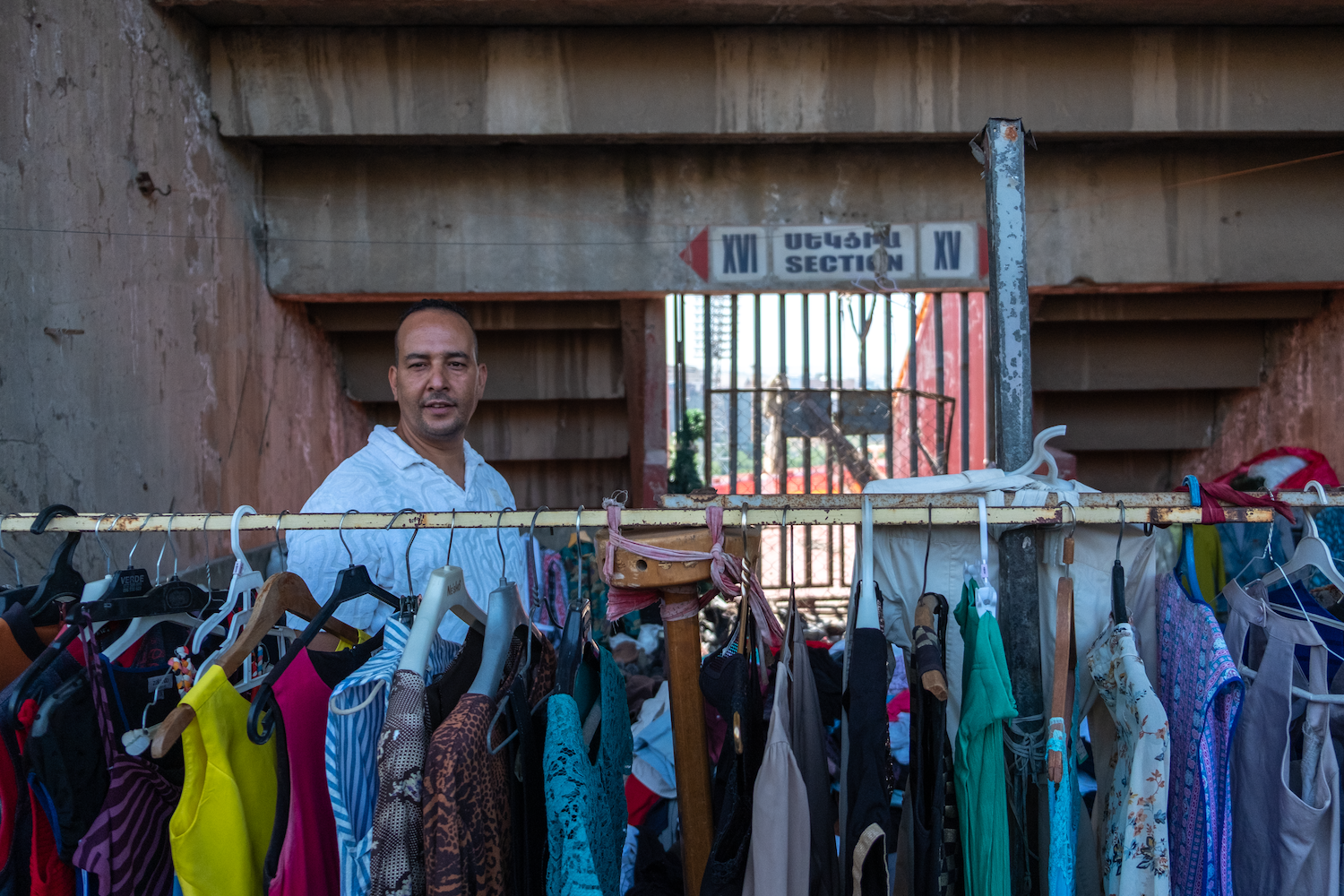
Photo: Lilith Margaryan
Tarik moved to Armenia ten months ago, while his wife and children, aged four and six, remain in Morocco. Italy is his true goal—a country where he lived for five years until 2010. He doesn’t see Armenia as his place; it’s just a stepping stone to Europe. Currently, he shares a ninth-floor apartment with two flatmates, overlooking Hrazdan Stadium. They don’t like the apartment and are actively looking for a new place.
It was past 1 p.m. when Tarik finished his deals. Qrchi Bazaar was turning lethargic—heat at its peak, hawkers hiding in the shade to eat lavash and cheese. Tarik left the market, dragging a trolley suitcase he had bought along with two pairs of running shoes, totalling 6,000 AMD. He passed by Bagrat’s stroller-table, which would disappear in a couple of hours, and took a cab home.
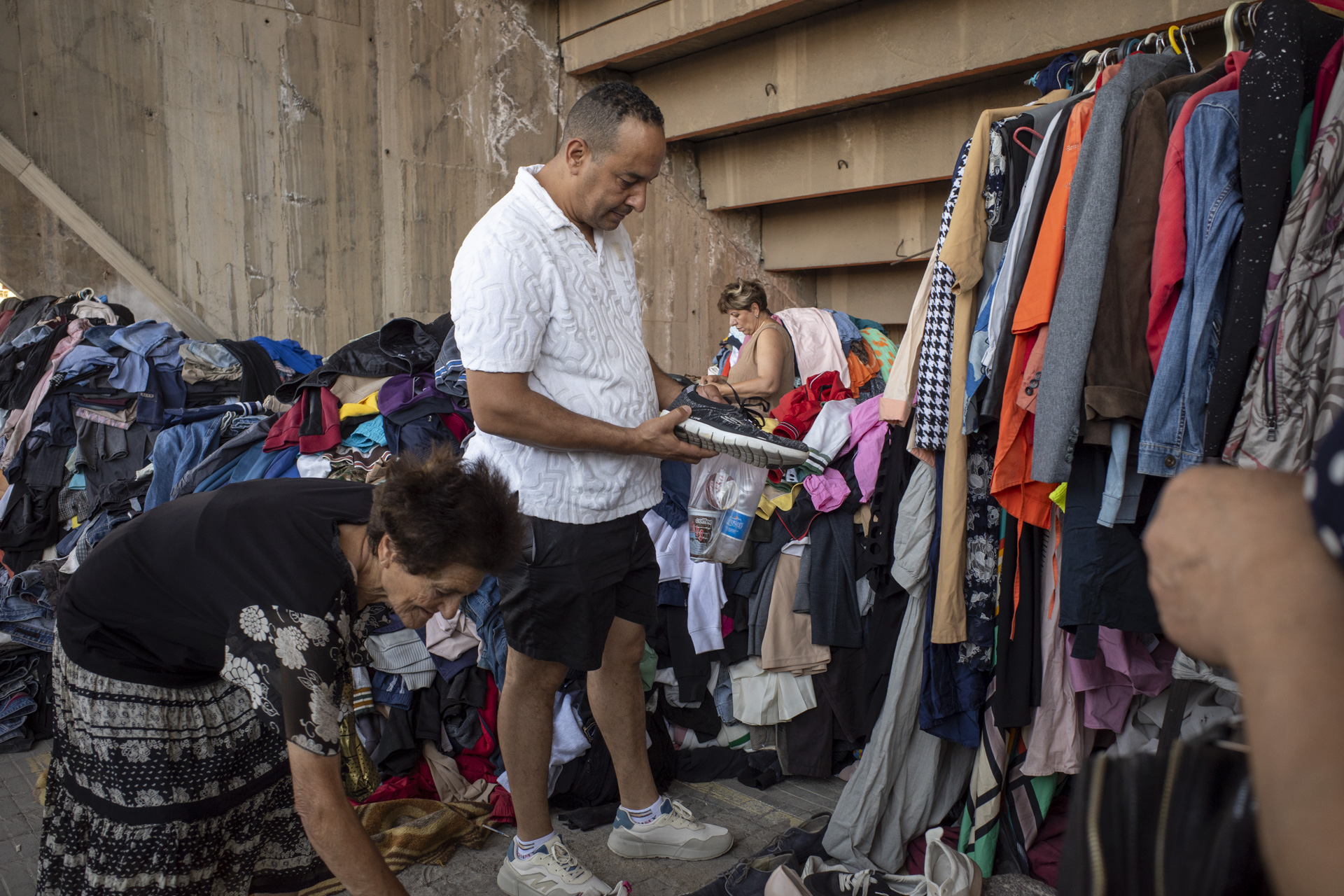
Photo: Michele Crestani
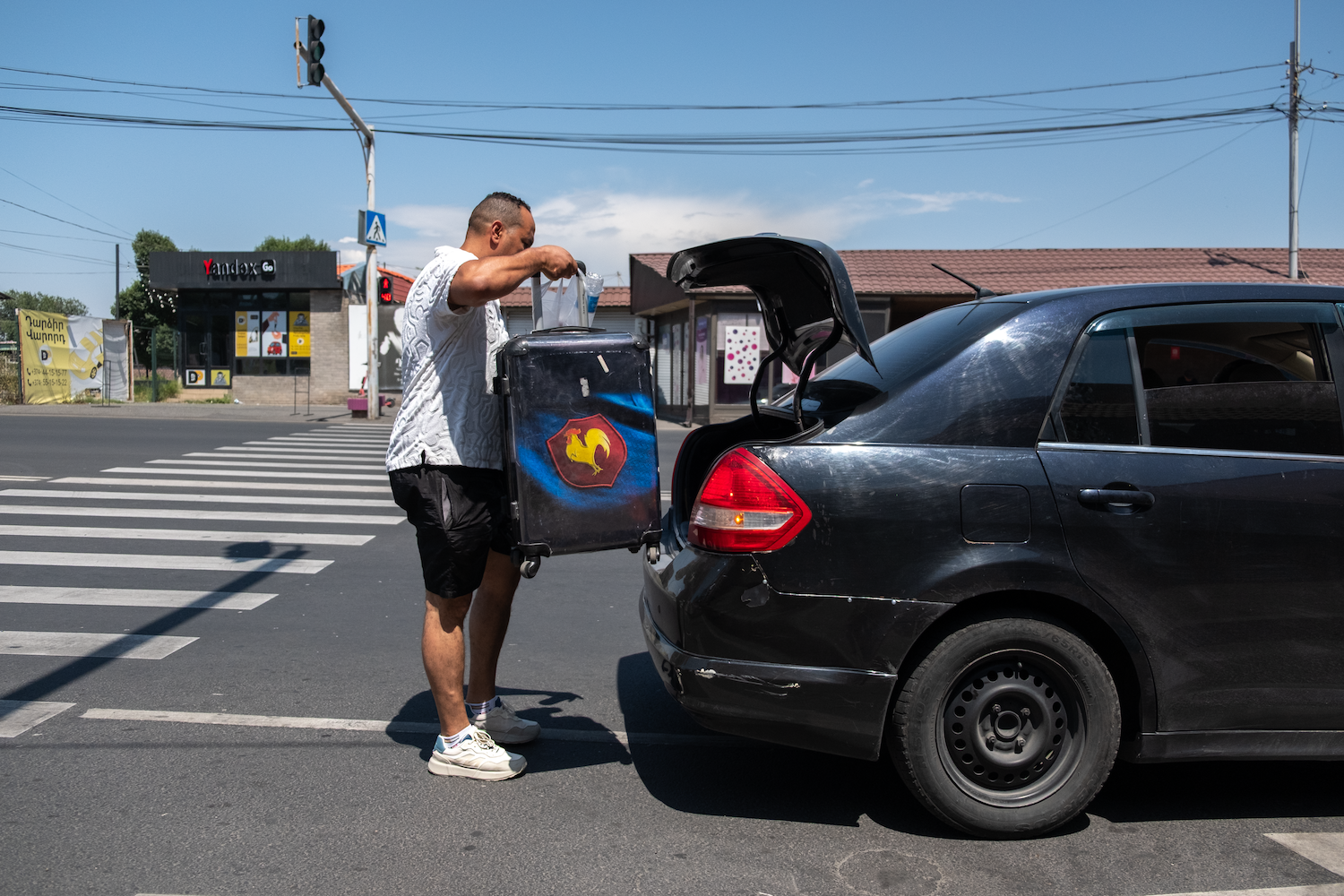
Photo: Lilith Margaryan
The suitcase was for his flatmate, for the day they find the new apartment. Tarik’s new running shoes, likely counterfeit, might carry him through Qrchi Bazaar again next weekend. He’ll walk past Bagrat’s mosaic of worn objects, where someone else will be testing lighters and asking for discounts, while Tarik searches for something new. The cycle continues: people coming and going, giving new life to things once cast off until they eventually end up back in the bazaar again through someone else’s hands. Others will pass Bagrat’s stroller-table before entering the parking lot of a thousand stories, searching for cast-offs waiting for a new life.
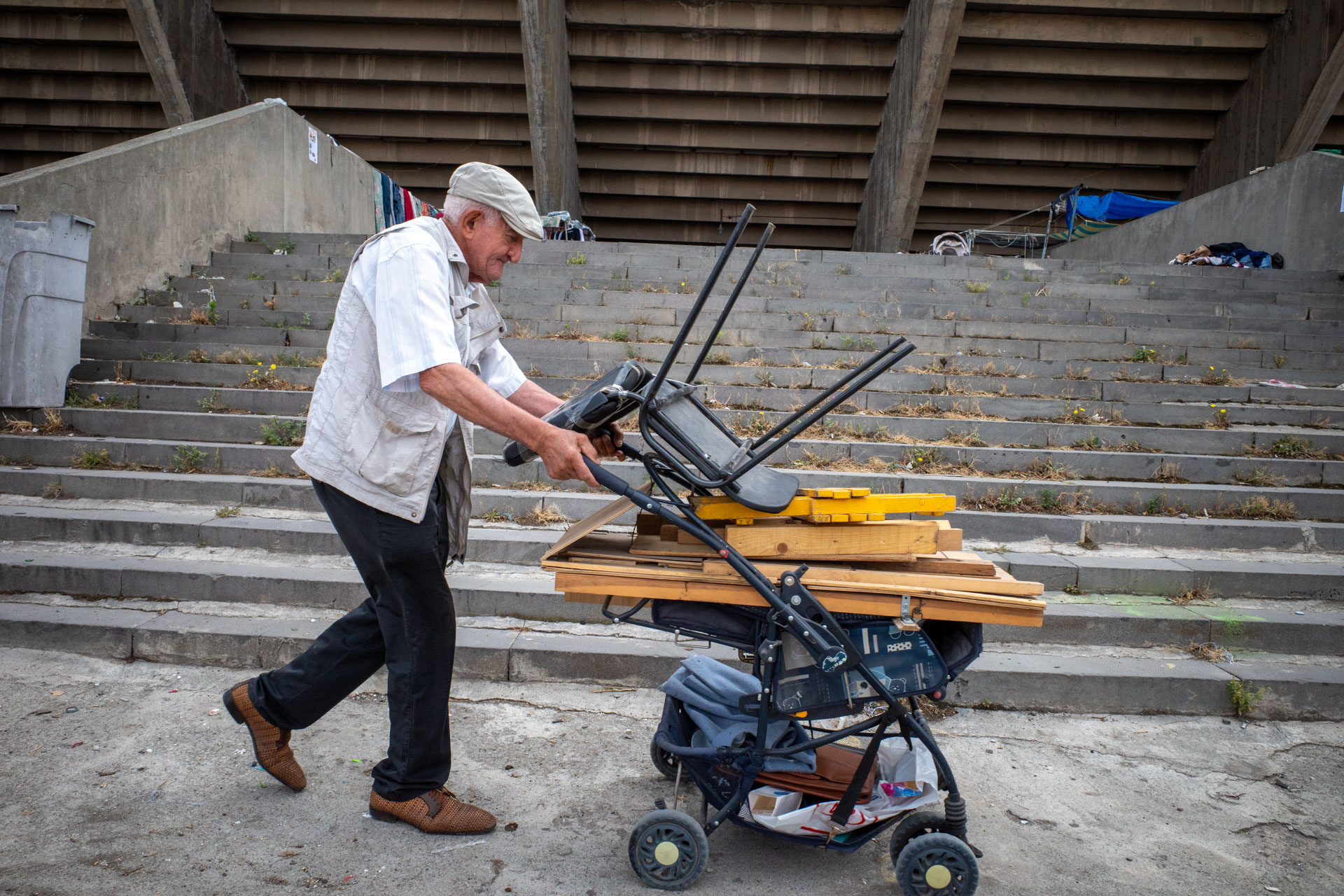
Photo: Michele Crestani
The July issue of SALT is a sensory journey through Armenia’s summer landscape — from foraging wild herbal teas in the mountains of Syunik to the weird and wonderful world of Yerevan’s Qrchi Bazaar. We explore the rise of horror writing, visit a museum of strange analogies, and spotlight an artist whose work defies convention. This month, eclecticism is our mood.
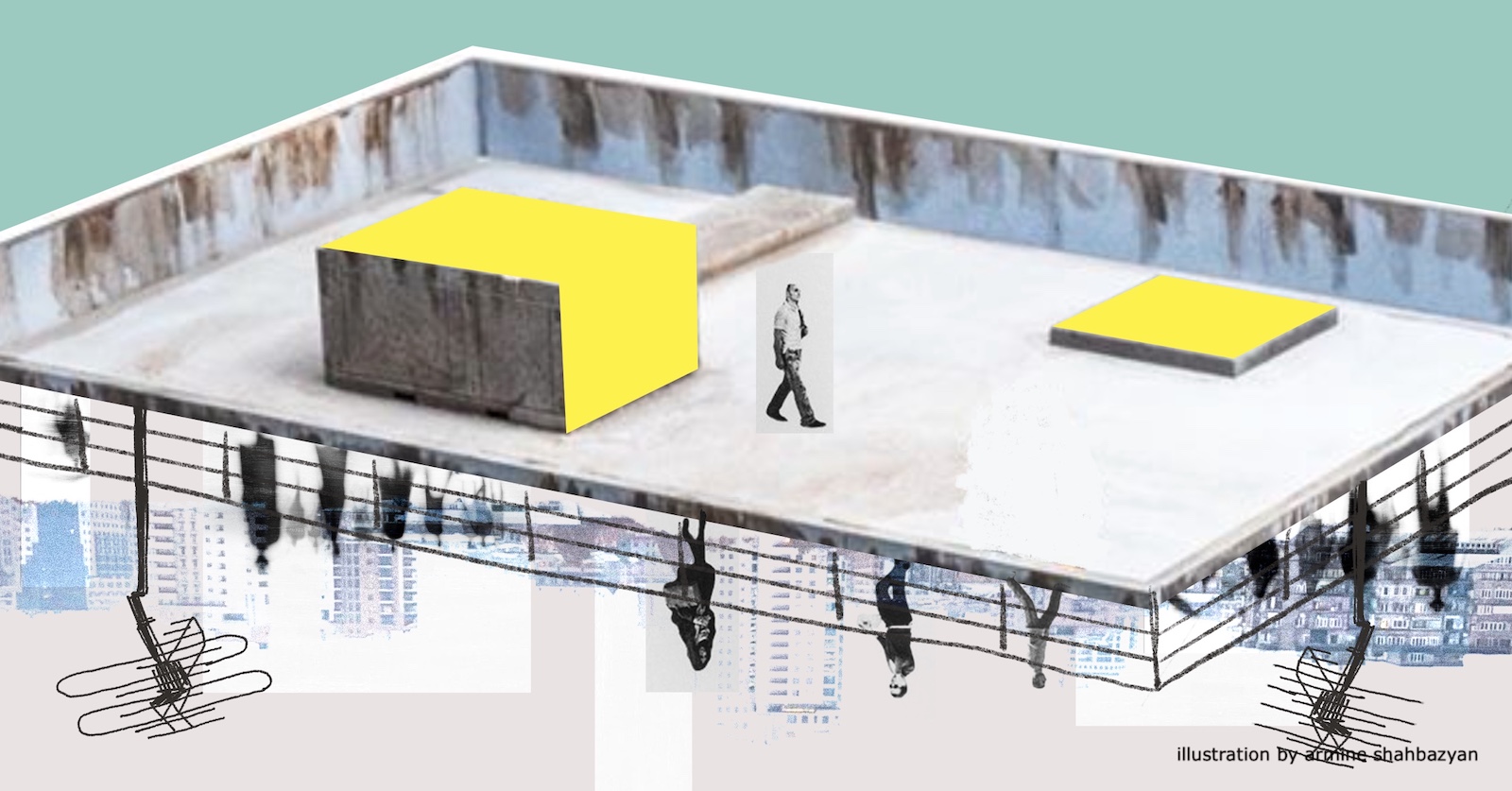
Perched on a Yerevan rooftop, the Museum of New Analogies blurs the line between art, architecture, and everyday life—an ephemeral, sound-sensitive space for experimental installations, quiet performances, and surreal encounters high above the city’s layered chaos.
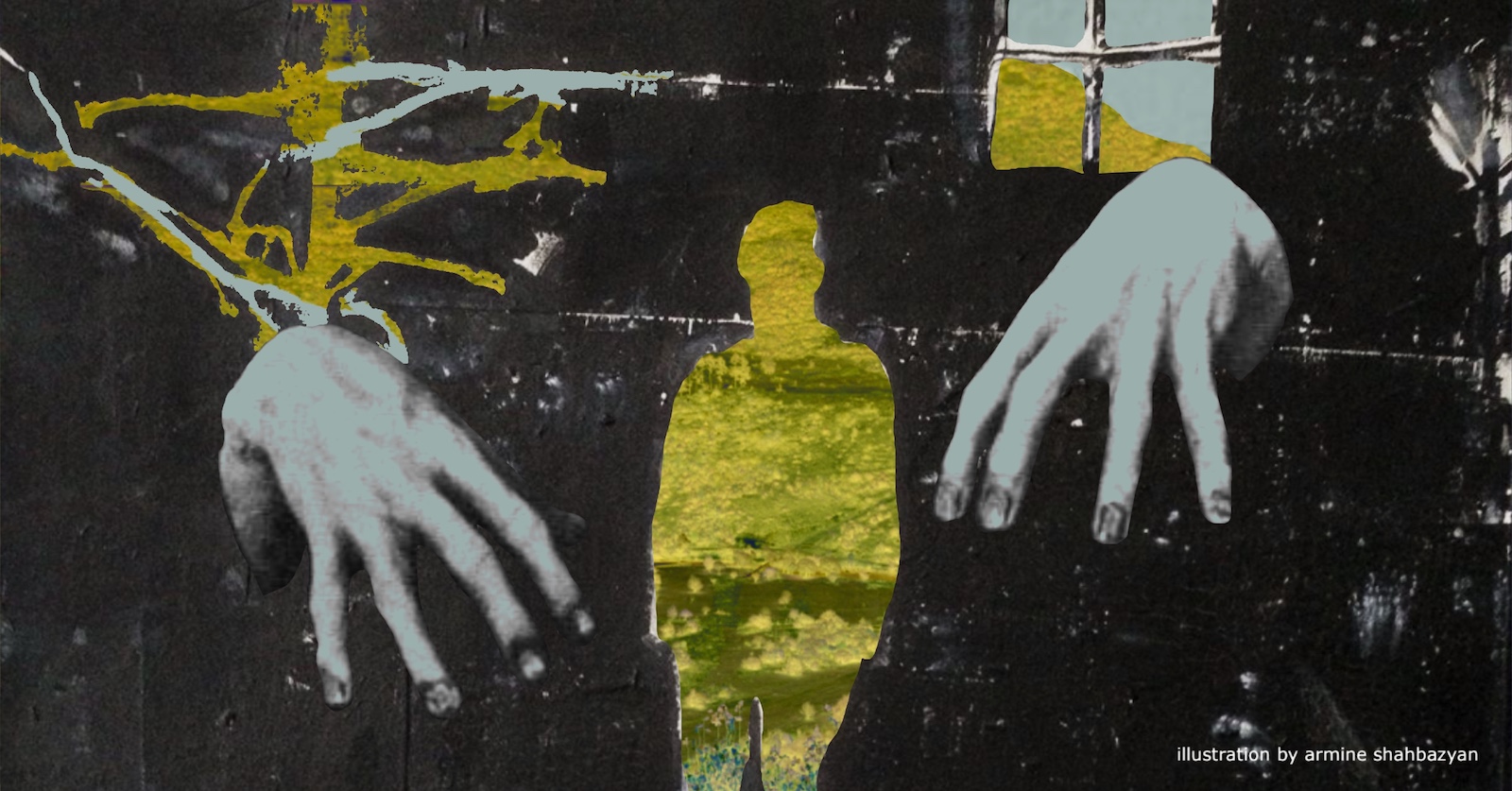
Armenia’s horror subculture is gaining momentum, led by YouTuber-turned-author Ruben Yesayan. His bestselling books, rooted in local myths and unsettling landscapes, are drawing a young fanbase, even as some critics dismiss his sensational, camp-infused style as unserious.