

Listen to the author’s reading of the article.
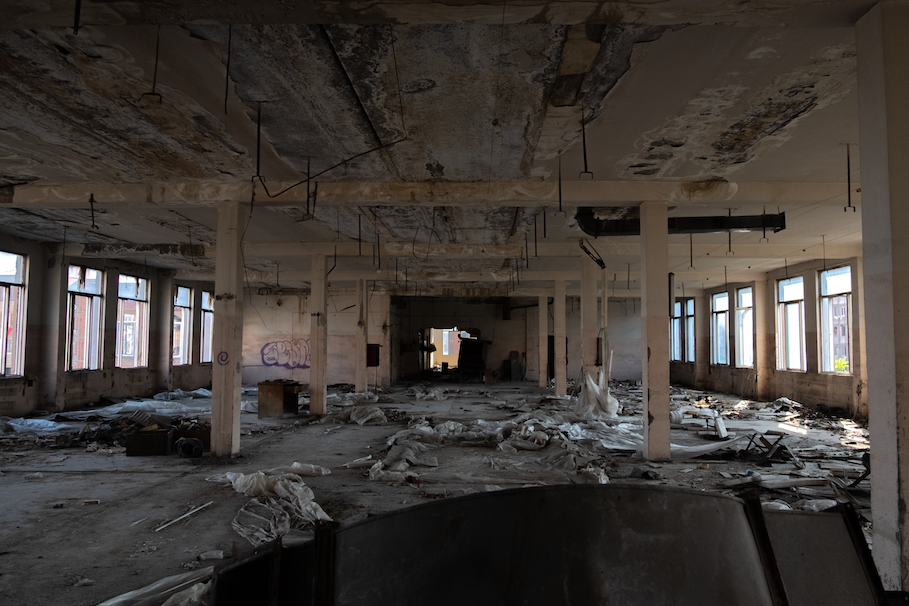
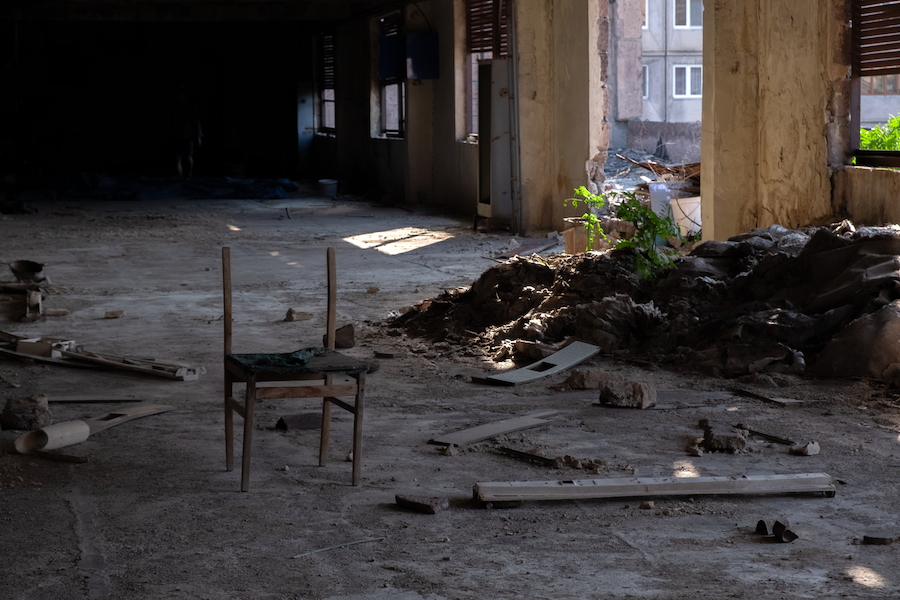
It took Mary Moon, the founder of Visual Gap Gallery, two months to clear out the debris from a room in the semi-abandoned Yerevan Clock Factory that she’d adopted as part of her art studio.
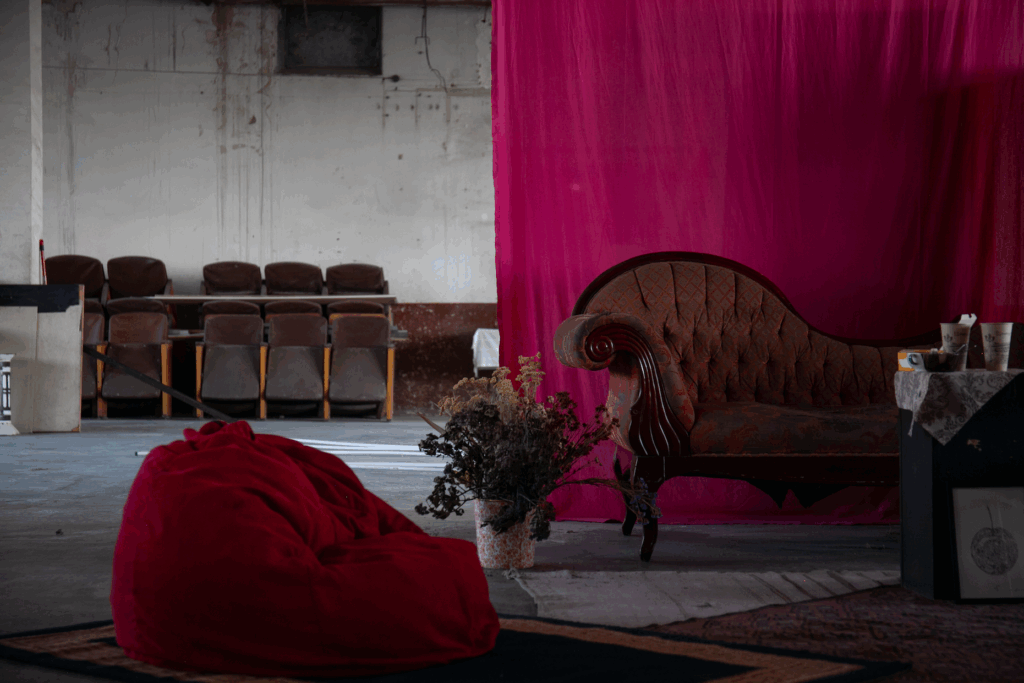
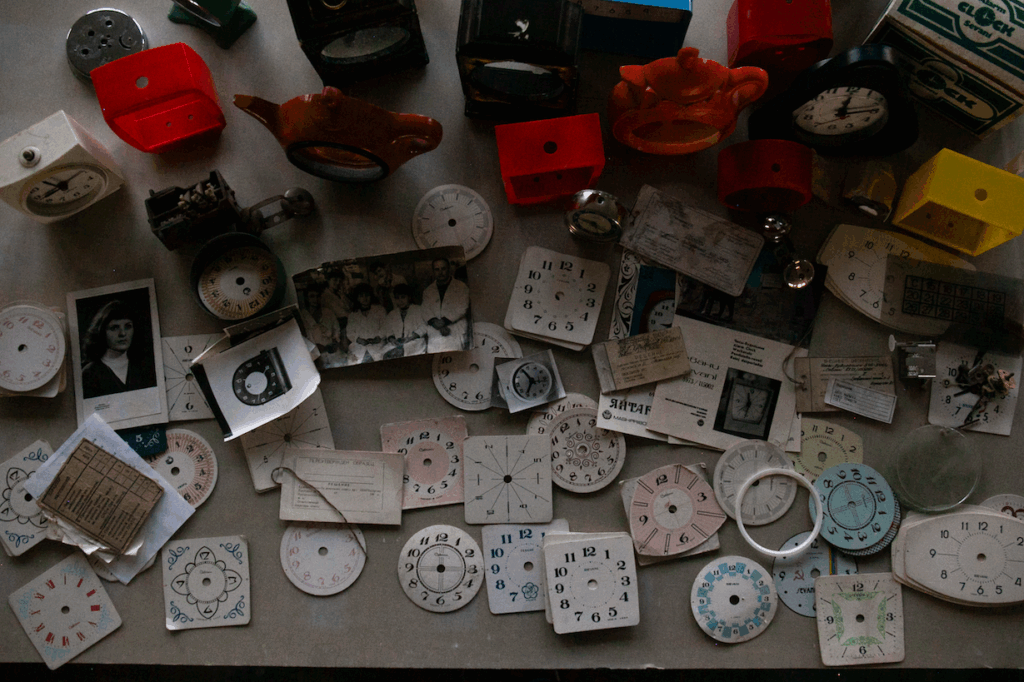
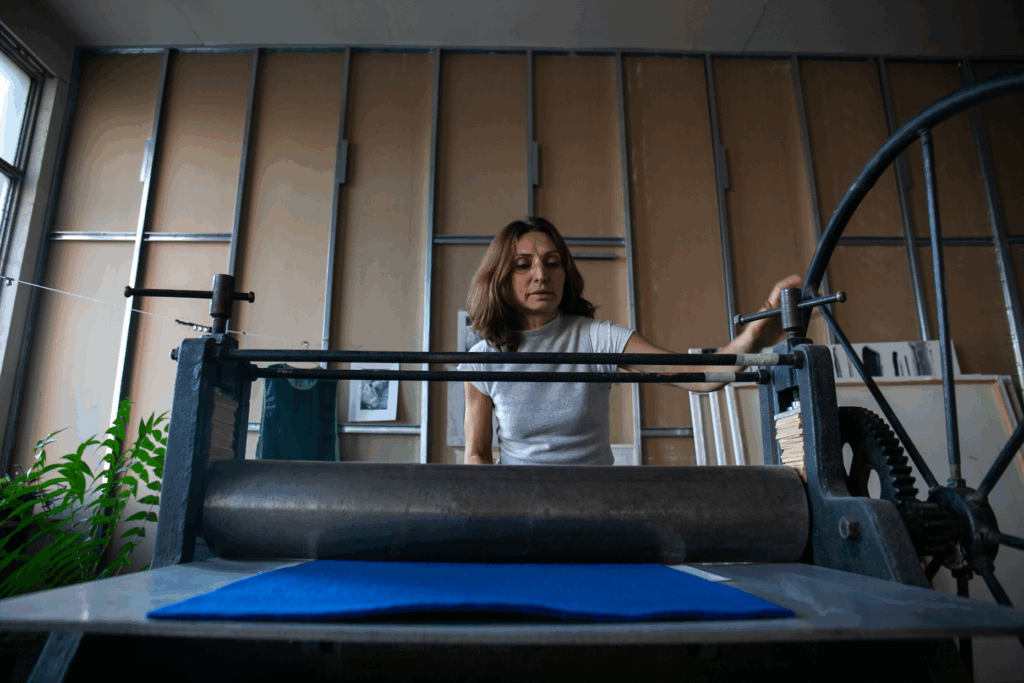
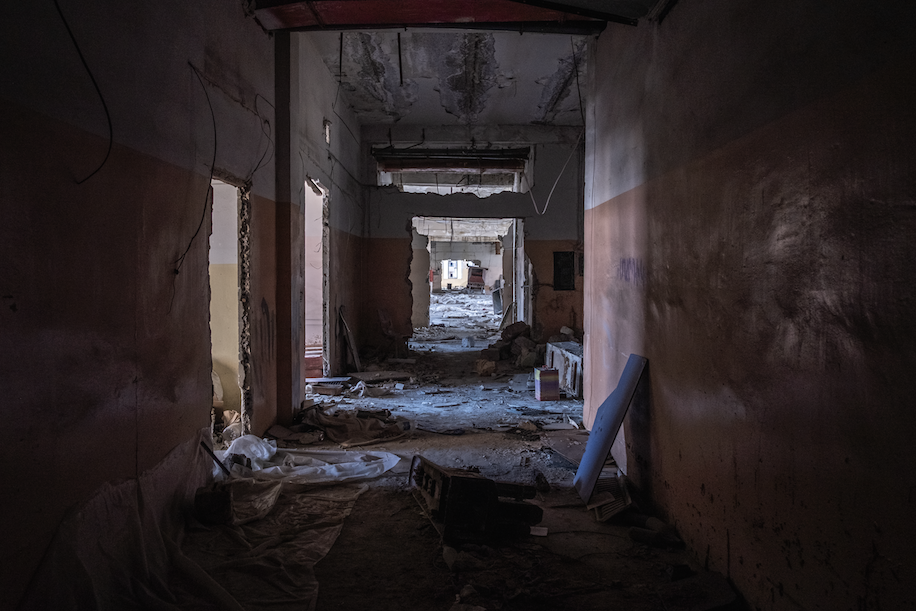
“During the two months, I couldn’t see what the color of the floor was,” says Moon, an Armenian artist and printmaker. But the space had undeniably good bones—an open floor plan, high ceilings, big windows. Now, it houses some of Moon’s larger-format works, as well as an eclectic mix of furniture and other objects. She says in the future, she hopes to use the space as a museum, showcasing the work of her generation of Armenian artists. But for now, Moon points out what she calls the factory museum: a collection of Sevani clock faces, bezels and cases displayed on a table. These clock parts, which Moon says were rescued from the clutter, are reminders of a time when workers in this room made clocks to be shipped around the Soviet Union and the world.
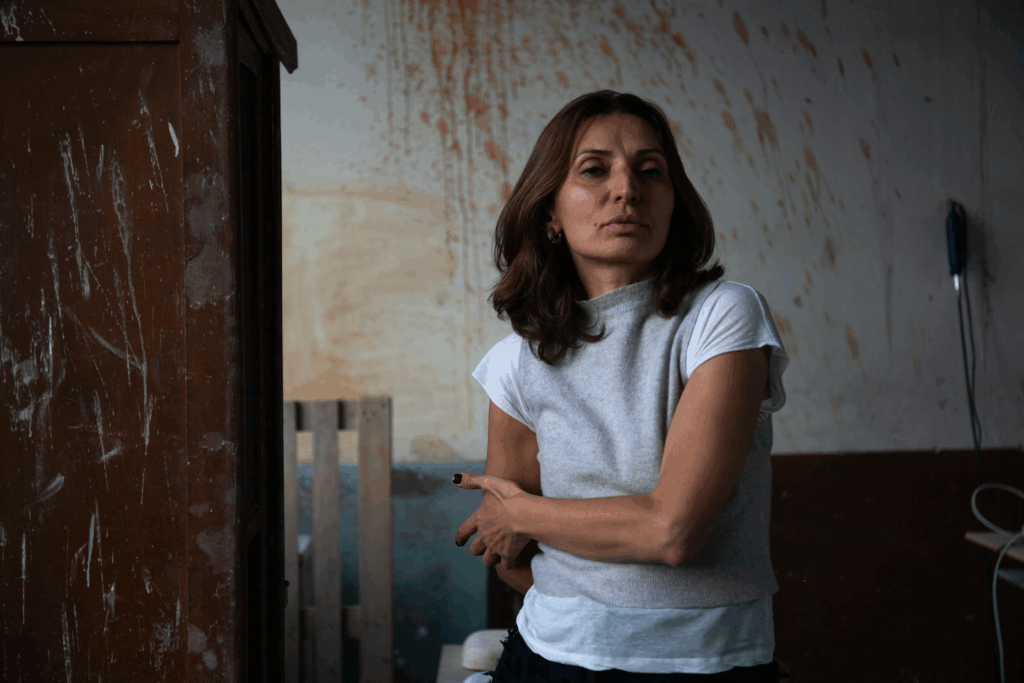
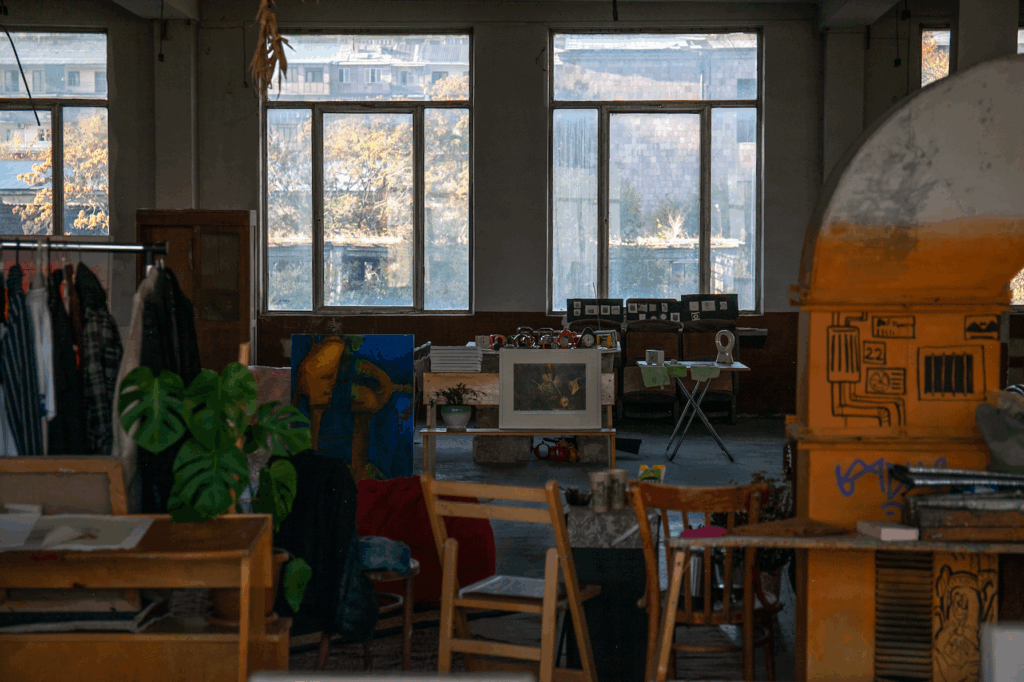
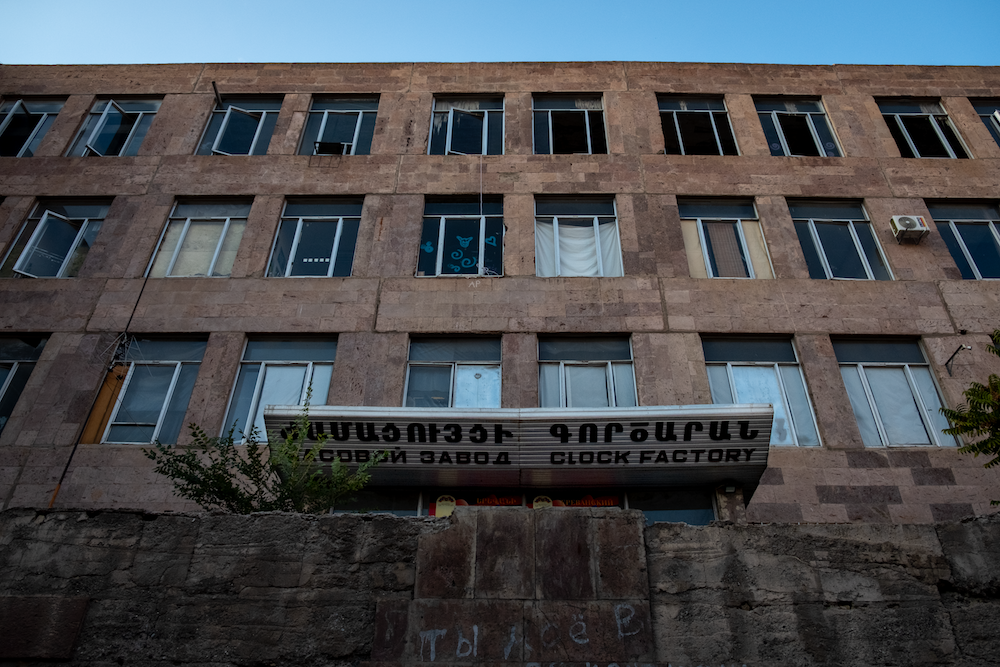
At its peak, the Yerevan Clock Factory, located in the Arabkir district near the American University of Armenia, employed thousands of workers and produced around 4 million clocks annually. It hasn’t made clocks in decades, but the factory building has found new life in recent years. Artists and craftspeople—Moon estimates around 20—have moved in, renting rooms to use as studios.
Patil Tokatlian and Zohrab Karigian work out of a room in the wing of the factory Moon has claimed for her studio. Their workspace has freshly-painted walls and large windows overlooking the apartment blocks of Yerevan’s northern districts. Tokatlian says they just finished renovating the room themselves. The two artists, both diaspora Armenians originally from Lebanon, work side by side, but in completely different mediums. On a recent afternoon in their studio, Tokatlian leaned over her work table, rolling the rough surface of a stone onto clay to create texture. A few feet away, Karigian sat deep in concentration before a computer monitor, turning the knobs on his DJ board. One day they hope to collaborate on a project. “Like music with visuals,” Tokatlian says.
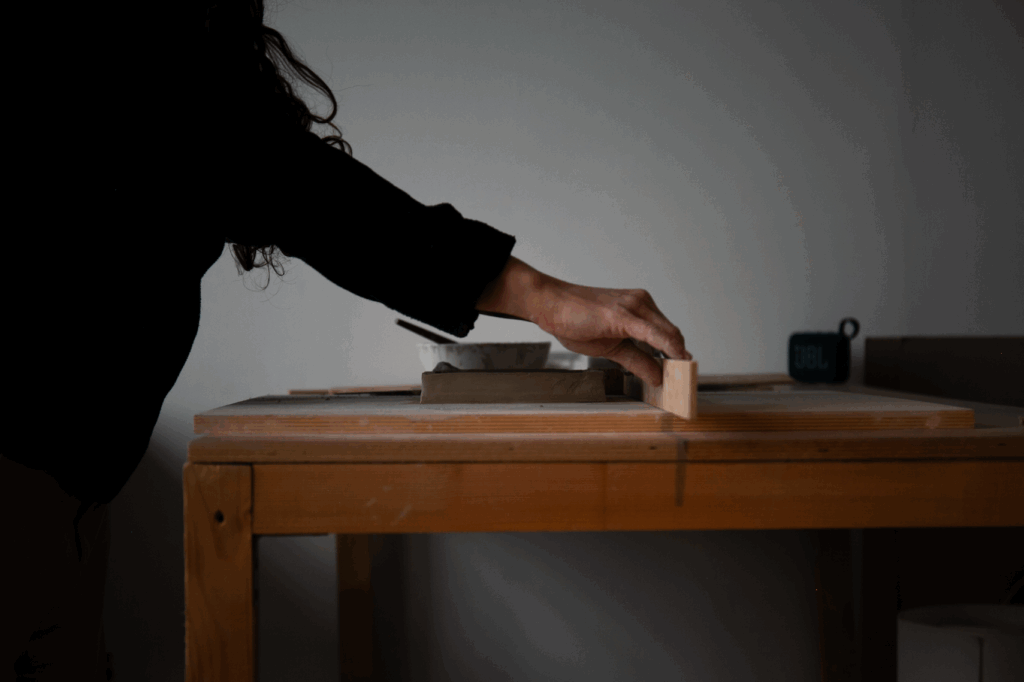
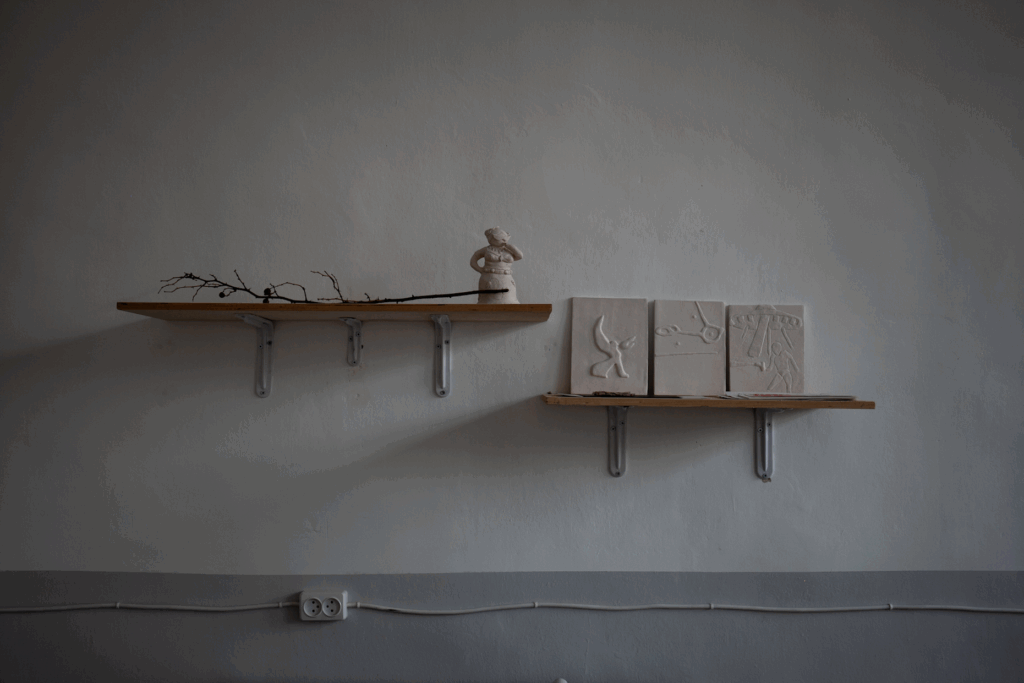
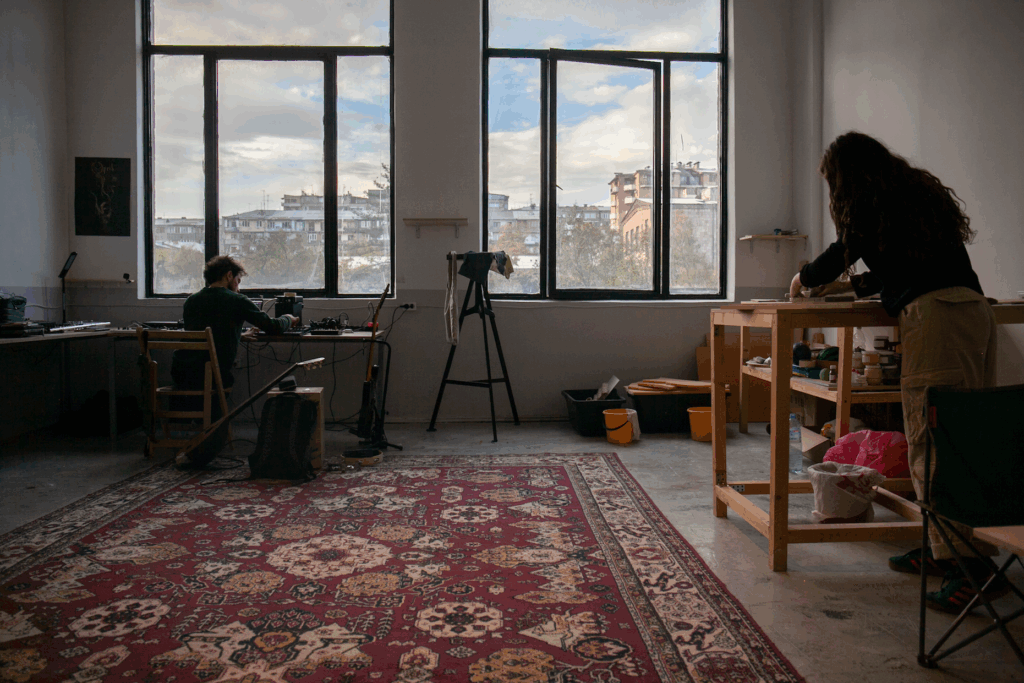
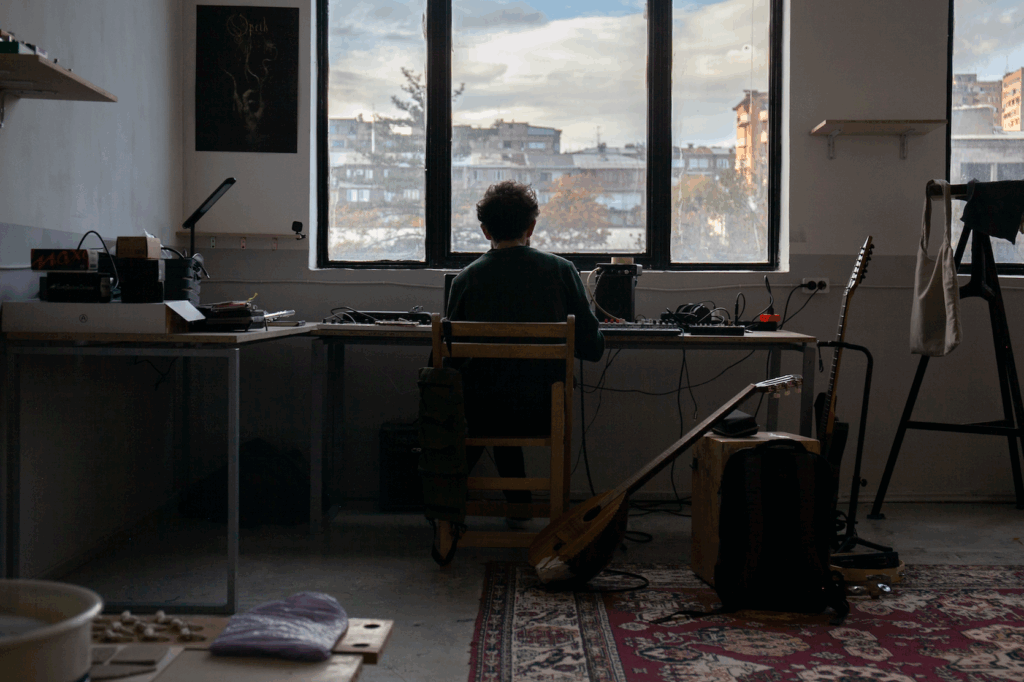
Karigian says he likes working in the factory because it allows him to devote himself fully to his music. “It takes a lot of energy and a lot of work,” he says. “You have to be fully focused.” For him, the factory offers an escape from distractions. Tokatlian, meanwhile, enjoys the opportunities to interact with other artists. “Just to see people working, it gives motivation,” she says. Since moving into the studio, Karigian has been “jamming with a lot of artists.” Back in Lebanon, he played in heavy metal bands, a background he says still influences his music. Earlier that day, they’d had coffee with a painter visiting from Germany. Tokatlian says she’s met artists from around the world working there.
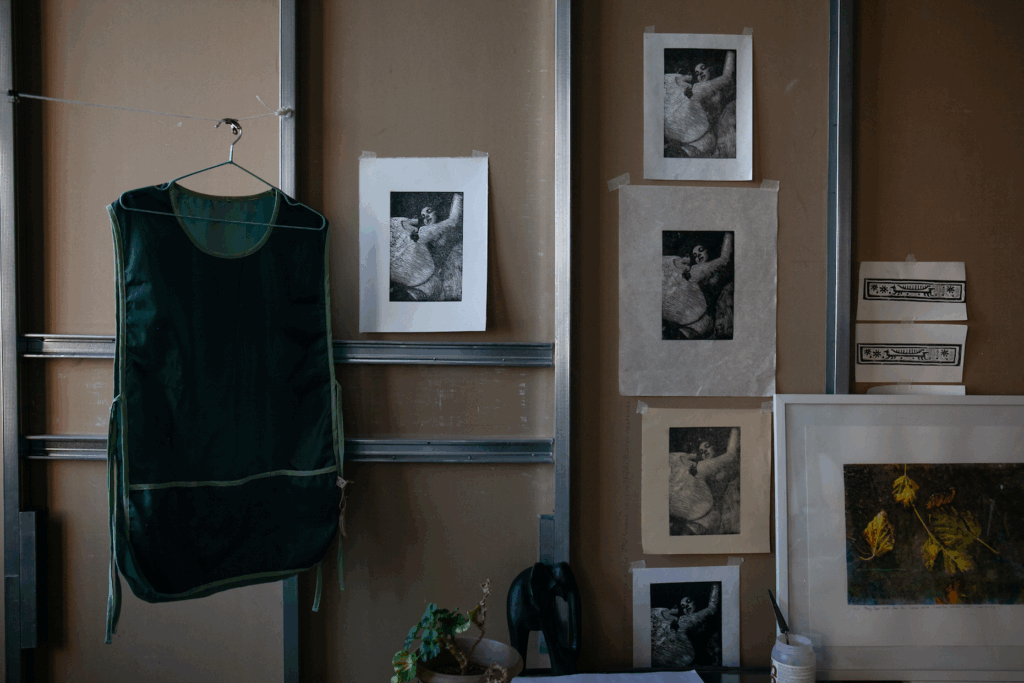
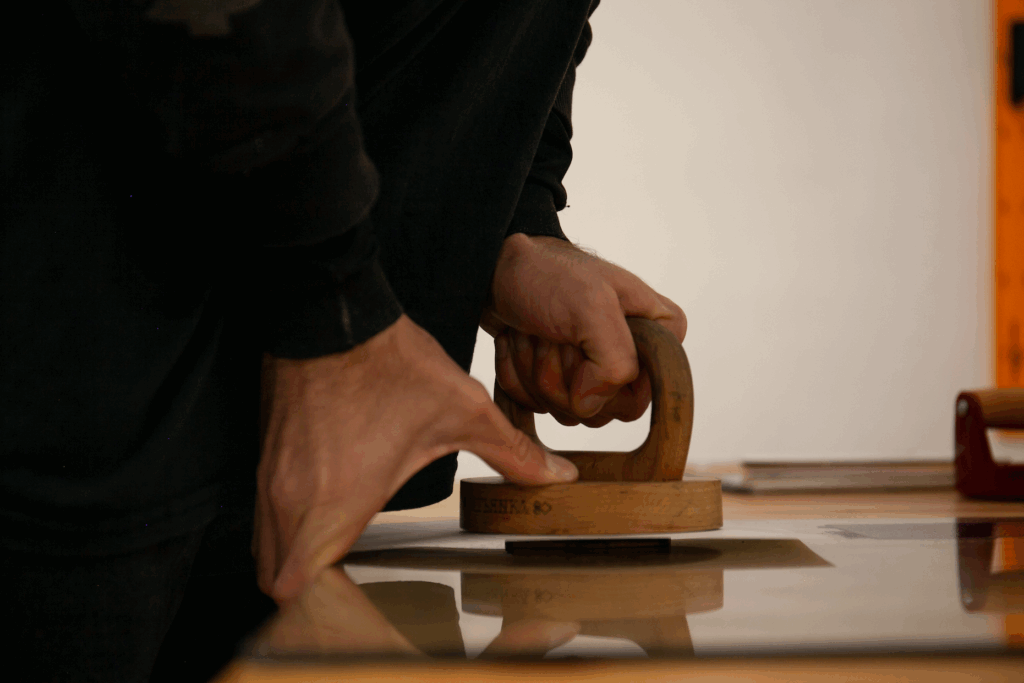
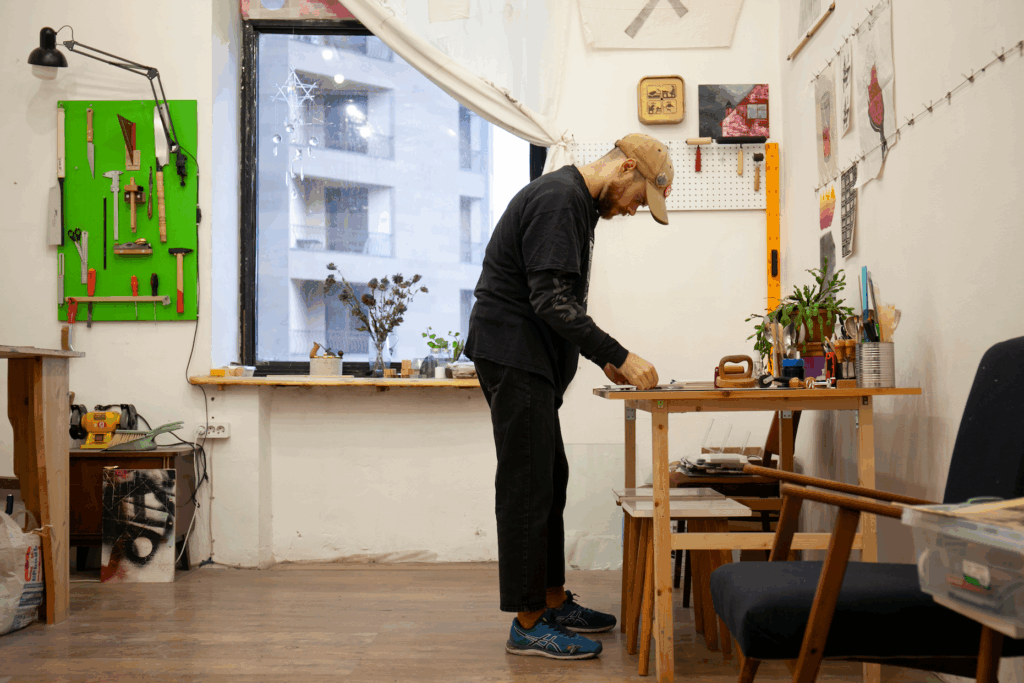
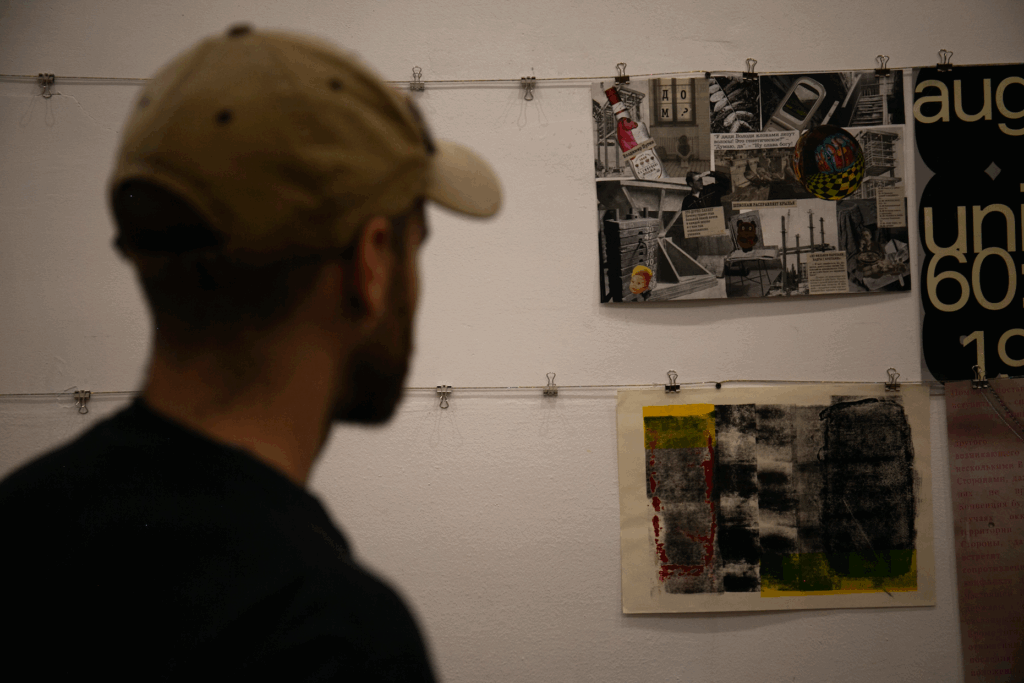
Wandering through the building, the halls and stairwells are hushed and empty. But occasionally, faint voices or a whiff of cigarette smoke betray a pocket of activity in the largely disused space. Simon Shuliakov, a Russian printmaker, works in one of these pockets. His studio comprises two rooms, which he previously shared with a friend who restores furniture. In the room that houses most of his printmaking supplies, Shuliakov demonstrates how to make a linocut stamp by cutting grooves into a piece of linoleum. He then shows how to roll ink onto the surface and press it onto paper.
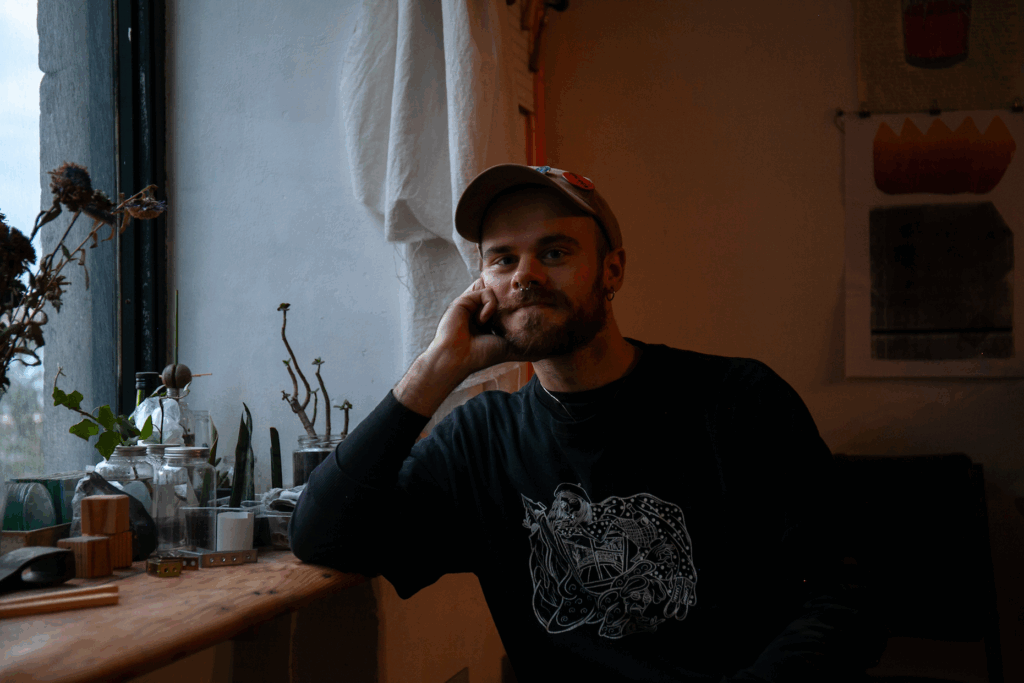
Even in rooms now taken over by stacks of refurbished chairs, or in Moon’s case, canvases and printing presses, the past isn’t too distant here. Moon says she’s met people who used to work in the factory who came back to visit. She once met a large Armenian family at an exhibition in the factory who had come to see where their grandmother had worked. “The woman started to cry. She was like, ‘Oh my god, we were making this clock, and we were sitting here,’” Moon says. “It was very touching.”
When the Soviet Union collapsed, production at the clock factory ground to a halt. Since then, the building has been privatized and is currently owned by Roventus-Centre CJSC, a closed joint-stock company where Ara Zohrabyan controls 88% of the shares. Zohrabyan headed Armenia’s Chamber of Advocates, the national bar association for all lawyers in the country, from 2013 and 2021. In the 2021 parliamentary election, he ran as the leader of the Zartonk (Revival) National Christian Party, which won 0.36% of the vote.
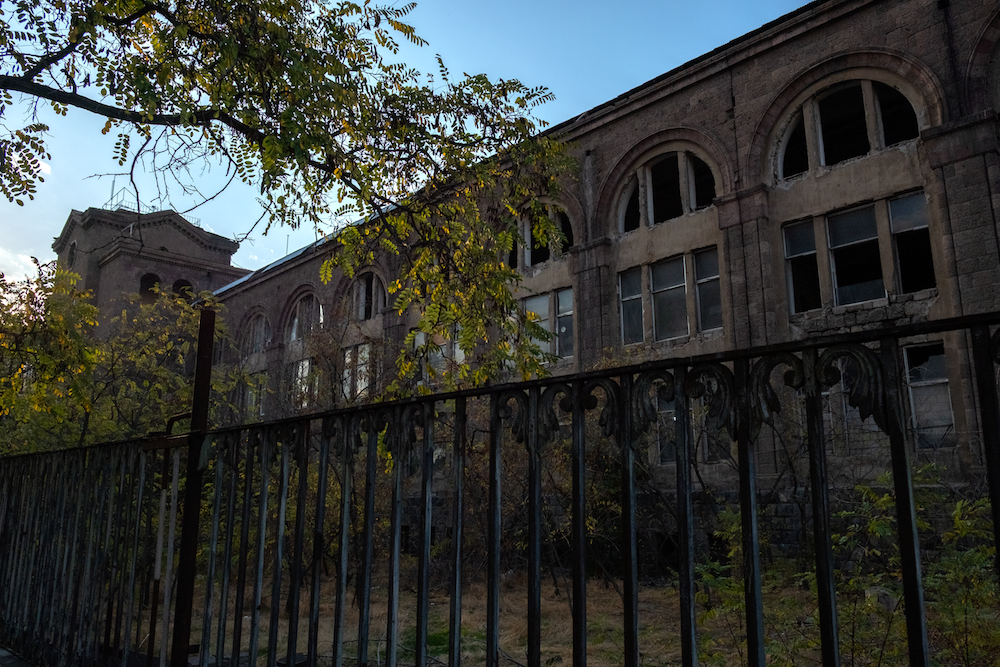
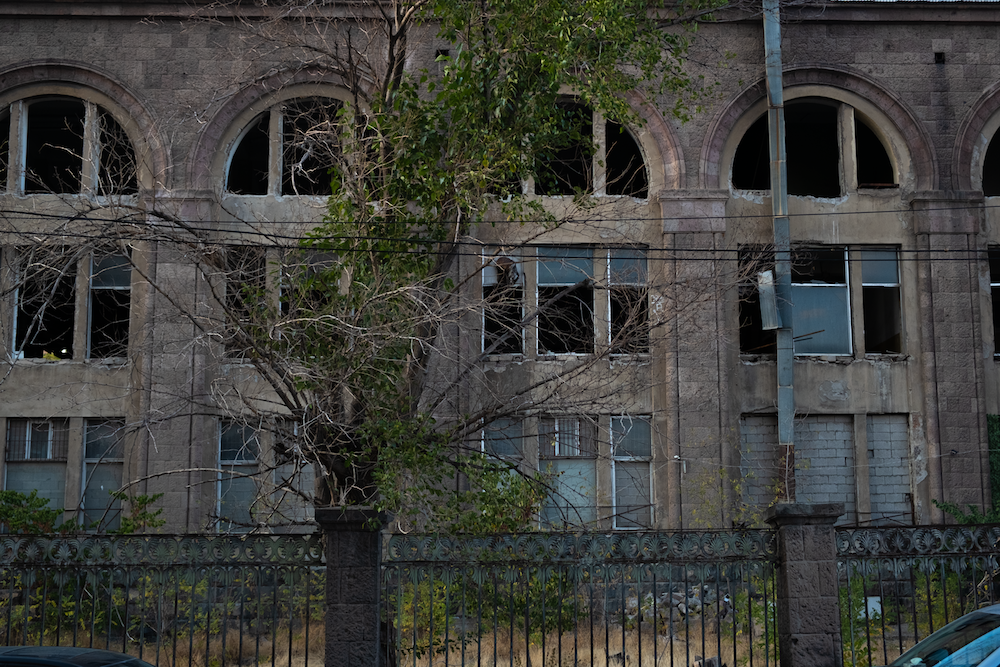
Many other buildings in Yerevan, like the Ministry of Foreign Affairs building and Aram Manukyan’s house, have experienced a similar fate: transferred to private owners but left largely untouched. The city had previously planned to demolish the factory. Suren Aghabekyan, an urban explorer who leads tours of abandoned buildings in Armenia, says he once saw a demolition notice on the factory door. But the plans seem to have been dropped. For now, Aghabekyan says, “the building still stands.”
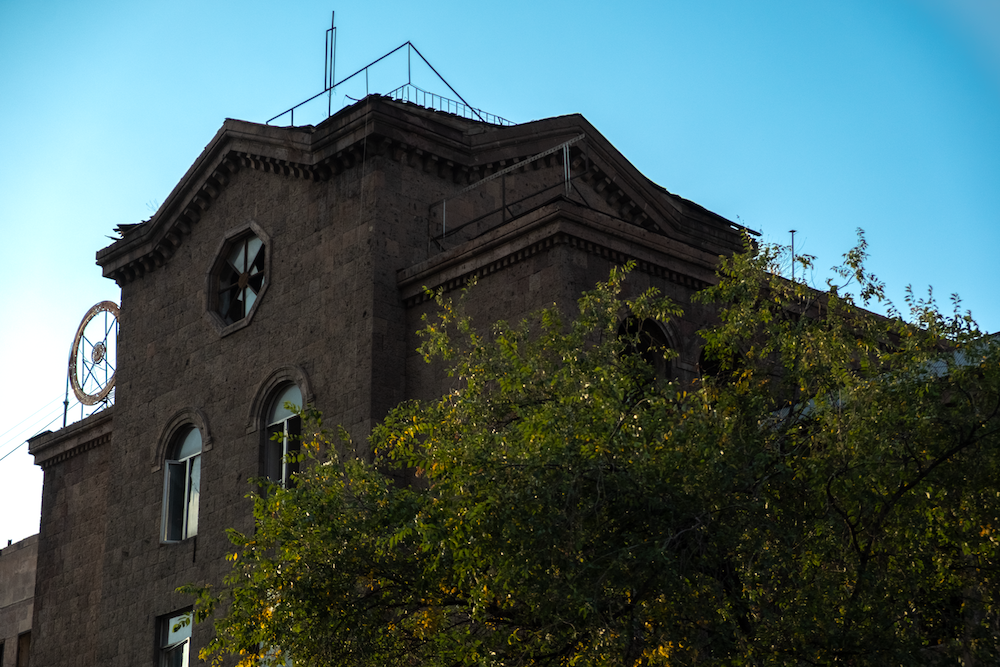
Moon doesn’t interact with the building’s owner or owners. She pays her monthly rent to an administrator who then pays the owners. “It’s a very complicated scheme,” says Shuliakov. “It’s not really easy to find the boss.” That makes it hard to determine who is responsible for the utilities. So if he has a problem, he says, “Maybe I should go to church, light some candles, just pray about it.”
The unreliable, sometimes non-existent utilities are part of why he considered leaving the factory. Without heat, the winters can be unbearably cold. “I don’t know how to work in this temperature,” he says. Ultimately, though, he stayed because he couldn’t find another place for artists in Yerevan with a similarly collaborative environment. Shuliakov says the friend he used to share his studio space with moved out, looking for more comfortable conditions.
Tokatlian and Karigian also cited the cold winters as a downside to working in the clock factory. Last winter, Tokatlian says, “My fingers couldn’t work.” Karigian plans to bring a large Persian-style gas stove to warm their studio this winter.
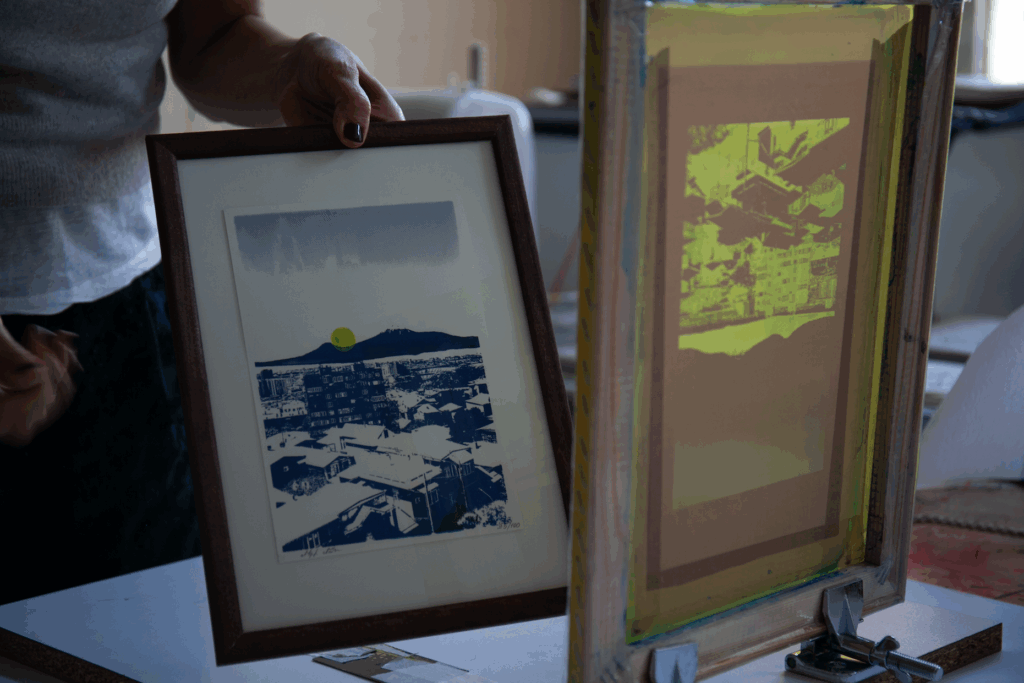
Though the factory’s owners have little to do with management and upkeep, Moon has a vision for the building’s future. She says she’s already created an “artist economy” headquartered in the building. She purchased a silkscreen printing press and shares its use with other artists. She and the other artists sell their prints to museum gift shops and bookstores, which helps them to be self-sufficient, rather than relying on grants or outside funding. “It’s a space where artists should work and should earn money,” Moon says.
Moon’s next project is hosting an artist residency in the factory. Artists from around the world working in any medium can apply until early December. The space will accommodate up to two live-in residents at a time, with stays ranging from a few days to several months. “My goal is to bring a new, diverse mentality here,” she says.
In about a year, Moon hopes to open her museum in the clock factory. “It’s important to organize a museum there,” she says, “Kind of a permanent exhibition of my generation.” She believes Armenian artists who came of age in the 1990s haven’t received the attention they deserve because of the turmoil Armenia has experienced over the last three decades.
Moon says she and the other artists have helped “revive the space.” She first started working there in 2023 after losing her old studio space to rising rents. Tokatlian began working in the factory last year, with Karigian joining her later. Shuliakov arrived about a year ago.
Photos by Lilith Margaryan.
Like Moon, Shuliakov has spent hours cleaning the building and sifting through the rubble. He’s explored around half of the old factory so far. He likes to go “dumpster diving” in the more disused corners of the building, picking through broken bottles, cigarette butts, and other debris for materials to use in his prints. He takes out a Soviet-era stamp he found that reads “Price: five rubles.”
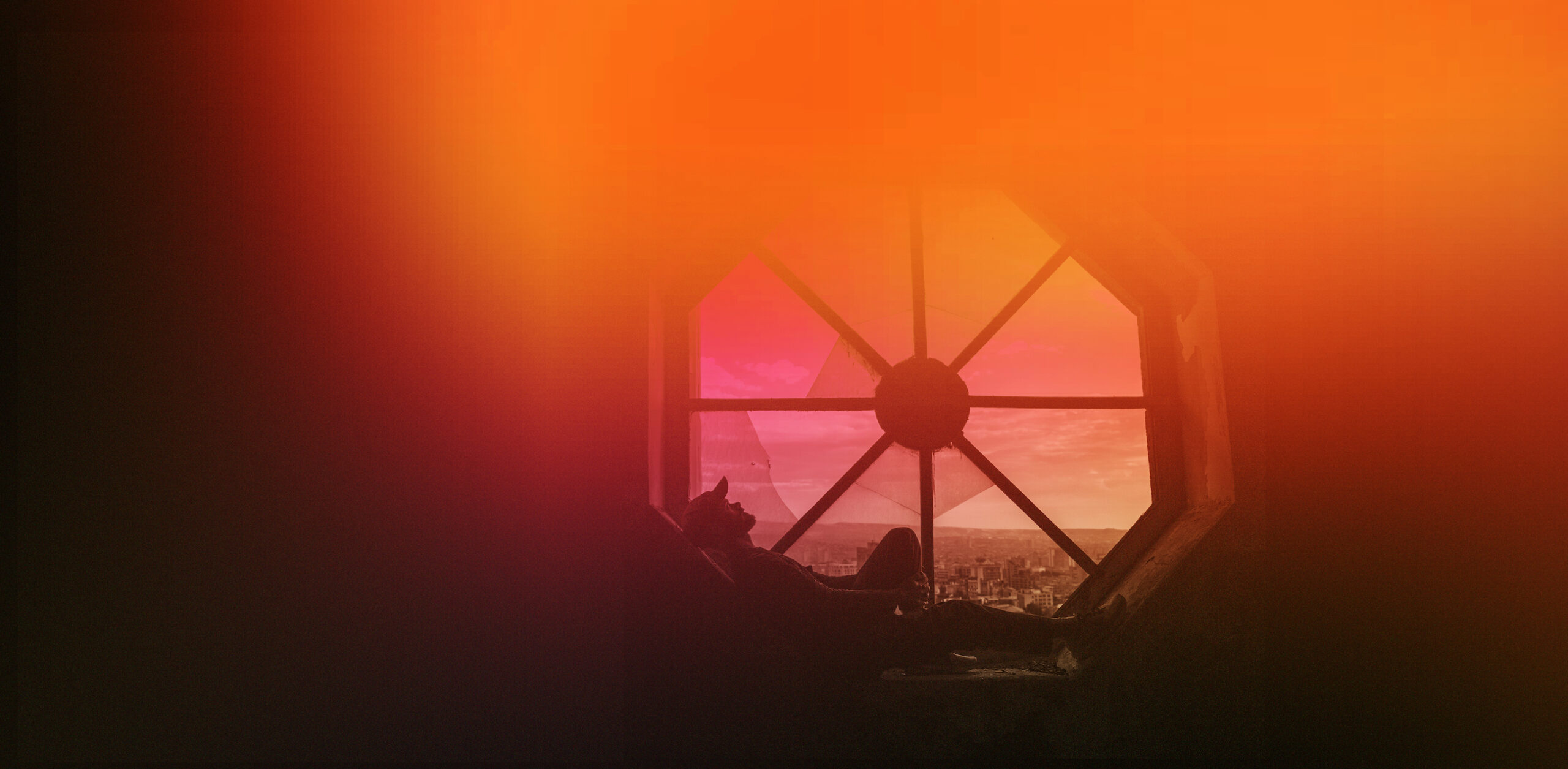
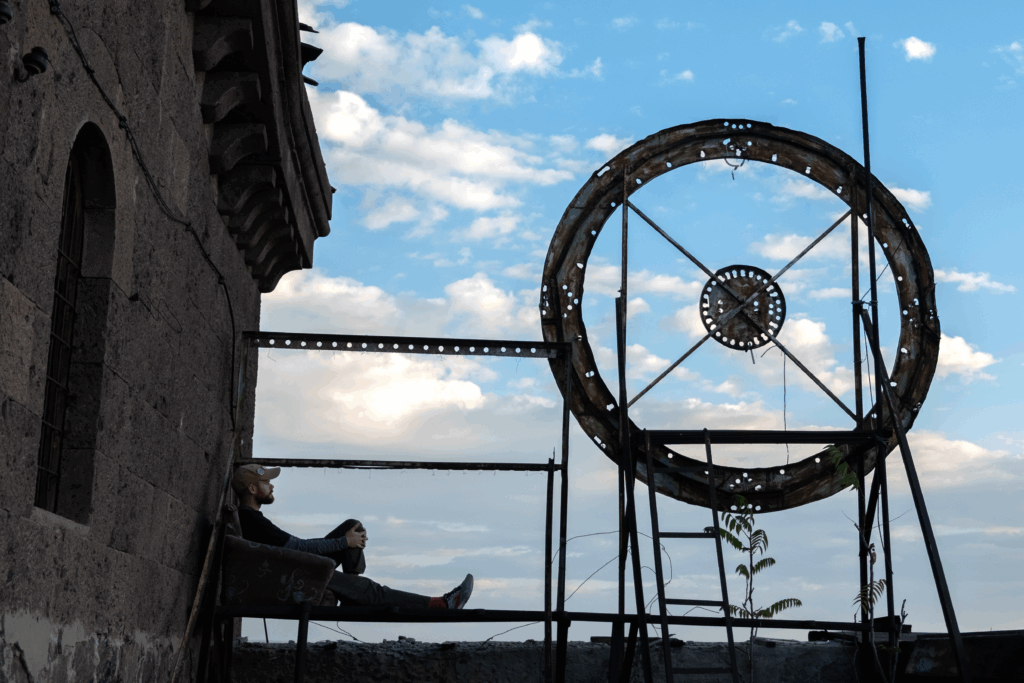
Sometimes he takes inspiration from the building. In what Shuliakov calls the “director’s room” on the top floor, an octagonal window frames Mount Ararat––a view he has captured in prints. In the director’s room, he picks up an old watch bezel, contemplates bringing it back to his studio, then decides to leave it. From the top floor, you can access the roof, which boasts an even better view of Ararat. An old armchair sits there, facing southwest toward the mountain. Shuliakov often comes up here to gaze across the Hrazdan Gorge to Ararat. He likes the view.

Cover photo by Aram Kirakosyan.
LIFESTYLE
The Runway
The October issue of SALT takes you through spaces where memory and imagination intertwine—from the house-museum of Lusik Aguletsi, who transformed remembrance into a radical act of cultural resilience, to an abandoned clock factory reborn through the vision of contemporary artists, onto the runways of Yerevan Fashion Week, and finally to a story of how one person’s initiative is transforming the face of the country.

Lusik Aguletsi’s Radical Act of Remembering
In a modest Yerevan neighborhood, the Lusik Aguletsi House-Museum stands as a sanctuary of memory. Through art, carpets, jewelry and traditional dress, Aguletsi preserved the soul of a vanishing Armenia, transforming remembrance into a living, radical act of cultural resilience.
Read more
Greener, Better, Brighter: The Quiet Revolution
A small act—picking up a piece of litter—becomes the spark for a quiet revolution. Lilith Margaryan explores how everyday gestures of care can transform indifference into responsibility and help build a greener, cleaner and more mindful Armenia.
Read more
Interesting story. The article brings a piece of forgotten history to life. Well done.