

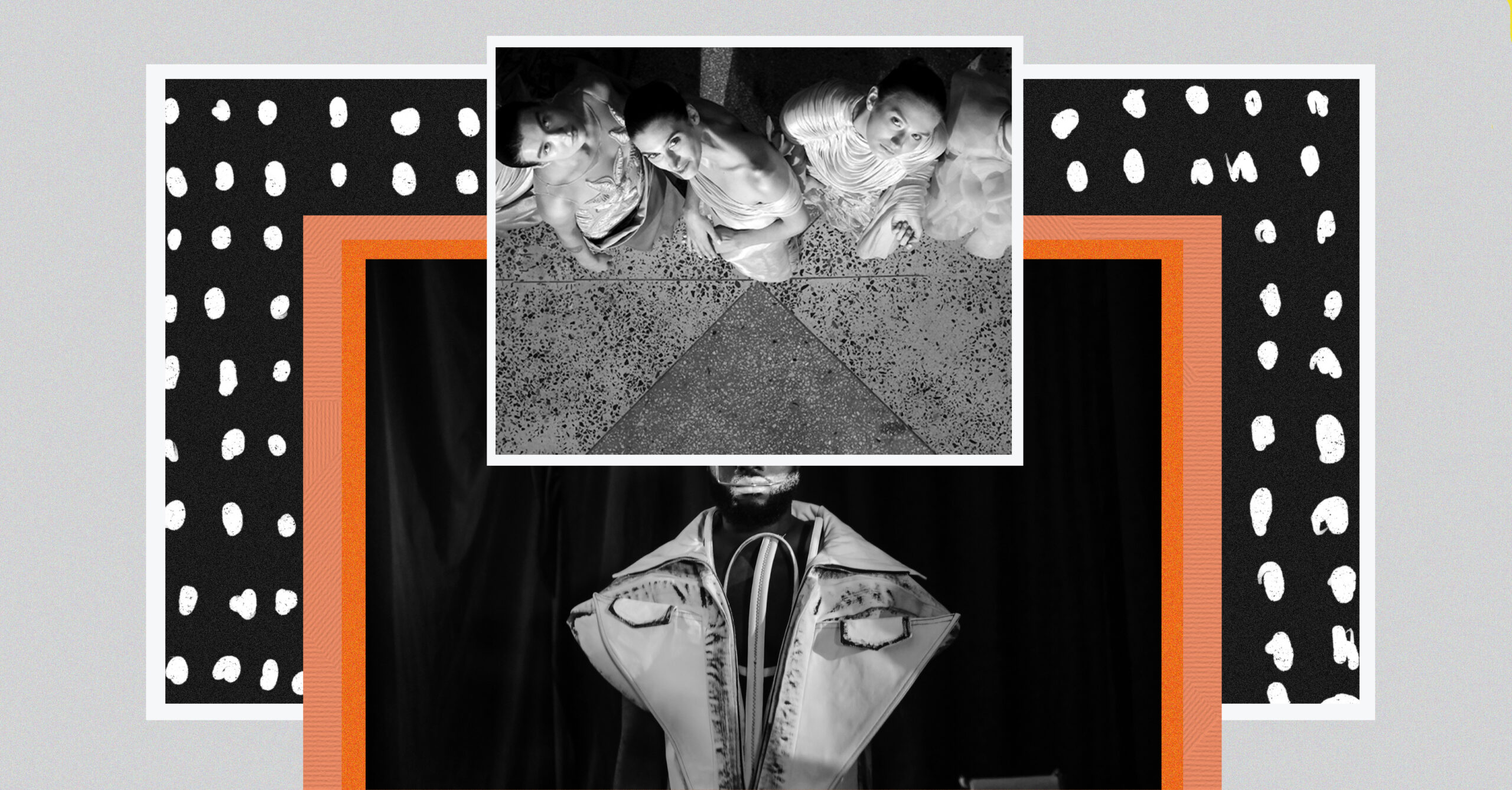
Images in the graphic by Aram Kirakosyan.
Listen to the AI generated audio article.
Fifteen years ago, one of television’s most iconic characters, Blair Waldorf, declared: “Fashion is the most powerful art there is. It’s movement, design, and architecture all in one.”
Yerevan Fashion Week 2025 (October 23-26) reaffirmed that essential truth. Over the course of a week, collections drew inspiration from architecture and national heritage, embodying movement through designs and emotion through fabric. Guests expressed their own individuality, whether industry figures or those simply eager to be part of the scene. Fashion, after all, is more than aesthetics, it’s a reflection of society, its values, beliefs, history, evolution, and the political and economical realities that shape it.
Not every visitor may have exactly found what they were looking for, but each surely encountered something worth lingering on, something to remember. Isn’t that what fashion ultimately is—a reflection of who we are and how we wish to be seen?
Now in its third edition, Yerevan Fashion Week (YFW) has visibly matured, raising the bar for both production quality and the brands it presents. This year’s collections felt more conceptual, shaped by new access to international networks, media and trends, as well as a more nuanced understanding of heritage that goes far beyond simply placing pomegranates on fabric. With travel and collaboration now more accessible, designers are increasingly influenced by diverse cultures and details. Through partnerships with global institutions and professionals, the YFW team continues to bring these opportunities closer to Armenia’s creative community.
Several brands—LOOM Weaving, THEMIS, NARNY, The Workshop, and Manuk Aleksanyan—returned to the runway this year. For Armenian designers, that decision is far from simple. It requires significant resources, especially financial ones, which often remain the greatest challenge. Still, consistent participation in fashion weeks and similar events clearly drives progress, enhancing visibility and showcasing craftsmanship. It’s a strategic move that requires balancing high costs with long-term vision, but the rewards are evident. Like most creative ventures, these brands are exploring alternative approaches—digital storytelling and social media marketing—to expand their reach and boost sales.
Each designer brought not only a collection but a clear identity and ambition.
This year’s LOOM Weaving collection was inspired by the golden era of the late 1960s and early 1970s–a time defined by music, freedom, and daring elegance. The brand’s signature bohemian aesthetic aligned beautifully with the current global revival of boho-chic, balancing effortless chicness with trend awareness. As a result, the collection felt both timeless and timely, a smooth dialogue between past and present.
“My inspiration usually comes from people,” says founder Inga Manukyan. “This time I was deeply inspired by the 60s and 70s and the captivating faces of that era–Jane Birkin, Picasso, Westwood and others. I realized there was a gap in the market for high-quality knitted fashion. Though the concept is quite specific, we always try to create something new and fresh. However, there’s more demand for our brand abroad–in Italy, the Scandinavian countries and Russia, than in Armenia.”
Inga Manukyan’s Loom: Weaving Boldness Into Fashion
Loom Weaving, founded by Inga Manukyan in 2014, sparked a quiet revolution in the Armenian fashion industry. More than just a knitwear brand, it became a force of artistic expression, creating pieces that embody movement, innovation and self-expression.
Read moreFounded in 2014, LOOM Weaving has become one of the most captivating brands in Armenia’s fashion scene. Each collection is composed primarily of hand-knitted pieces that take months to complete, an exacting process that yields extraordinary results. This season, the brand embraced transparency and subtle openings that reveal the skin with elegance rather than exposure, resonating with a global movement where women express strength without abandoning femininity. The silhouettes, meanwhile, echo the fluidity of chiffon, yet are crafted from knitted textures. The effect is remarkable—movement and softness emerging from the unexpected.
The Symphony of Stones collection by THEMIS draws inspiration from the basalt columns of the Azat River gorge, translating their vertical lines, contrasts, and flowing energy into powerful silhouettes.
Equally compelling is the story behind the brand. Its founder, Nelly, teaches law at Yerevan State University, yet her deep connection with fashion led her to pursue design courses four years ago. Since then, her work has been defined by passion, discipline, and clear ambition for her brand’s future.
The new collection evokes reserved wisdom, quiet power, and effortless self-awareness. Darker in tone yet lighter in structure and layering than in 2024, this season’s pieces introduced a sharp silver accent—a subtle hint of what’s to come.
The collection by NARNY draws beautifully from literature. Inspired by The Little Prince and its rose, the brand celebrates eternal beauty and love through signature silhouettes and flowing dresses. Minimalism meets evening and vacation vibes in this collection, with chic, effortlessly stylish combinations like a basic T-shirt paired with an evening skirt—less formal, yet far from ordinary.
One distinctive element that set NARNY apart this season was its use of polka dots. The print may seem simple, but it is incredibly demanding: one wrong line, cut, or detail can ruin the whole effect. Executed with precision and confidence, NARNY’s interpretation captured playfulness and sophistication, proving that even the most classic patterns can feel entirely fresh.
The Workshop presented a collection inspired by Soviet aesthetics, fusing power dressing with softer, feminine forms for a modern take on the past. The hairstyles, makeup and silhouettes evoked memories of wardrobes once worn by mothers and grandmothers, perhaps even by the audience themselves. Structured shoulders, bold lines, and bright tones brought a sense of power dressing into the present. Founded in 2015 by Qristina Uzunyan, the brand has become known for its confident use of vivid colors, now a signature feature of the label.
This season, Uzunyan drew inspiration from Soviet-era fabrics, including those once used for bedding. “They were rare, bright, different,” she noted, adding that sourcing enough material was among the hardest parts of the process. Despite limited resources, she produced 26 unique designs. Uzunyan admits that one of her brand’s greatest challenges remains the shortage of professional tailors and sewers, which limits production scale. This stems from the education system, where most students want to become designers. Yet, even amid post-war recovery and the pandemic years, The Workshop has continued to grow. With fashion’s traditional “20-year rule”, now accelerated by social media and micro-trends, this aesthetic may return sooner than expected.
Manuk Aleksanyan’s past presentations from the striking Republic Square showcase to the mushroom-inspired finale of Yerevan Fashion Week 2024, set expectations high.
Aleksanyan knows how to create a moment. His collections fuse traditional elements with contemporary structure, combining innovative craftsmanship with theatrical presentation. He understands the language of modern media and uses it to shape perception. There is a drive to surprise, to provoke thought, to leave an imprint. Something tells me, there’s still much more to unfold.
Designers Moment of White, Faina, and Harmony Yerevan offered a different kind of beauty, rooted in elegance, softness and form.
Yerevan Fashion Week Makes Waves
The second edition of Yerevan Fashion Week brought fresh energy and sparked new conversations about Armenia’s evolving fashion scene. With a diverse lineup of established designers and emerging brands, the annual event is helping to redefine the local fashion narrative.
Read moreMoment of White, founded by Alena Konnova, reimagined the white shirt as a symbol of femininity and movement. The brand draws inspiration from local architecture, its aesthetic sits somewhere between bridal refinement and quiet modernity. Konnova’s words capture it best: “We are endlessly inspired by the silk dresses of the 1930s, their graceful silhouettes, fluid lines, and understated luxury. This era captures the essence of femininity and confidence that we strive to channel in every design.”
Each dress carried that timeless confidence, the power of minimalism that whispers rather than shouts.
Faina focused on individuality, transforming the cycles of nature into unexpected beauty. The collection celebrated metamorphosis, turning transformation itself into art. It felt like poetry in fabric: delicate yet confident, rooted in nature yet elevated in form. Soft transitions of color and texture mirrored the rhythm of growth, a reminder that true beauty often lives in imperfection and change.
Harmony, known last year for bold earrings and handbags, stepped into refined luxury this season. Its collection, Morphea, drew inspiration from the almond, a symbol of awakening and inner strength. From hidden shell to radiant bloom, each gown traced the journey of renewal.
“When fragility becomes power and stillness turns to life,” the show notes read. Each piece felt like light unfolding from within, a story of remembrance, resilience, and quiet rebirth.
Ruzane continued the theme of transformation with a collection that found beauty in unexpected places, in withering flowers and reborn matter. Each dress felt alive, breathing with the rhythm of nature’s cycles. Music composed and mixed by Hayk Karoy, became an essential part of the experience, translating the philosophy of renewal into sound.
Gaya closed the week with The Echo Collection, inspired by the geometry of Armenian architecture. The dialogue between structure and softness, earthy tones and light fabric, created a harmony of resilience and sensitivity. It was the kind of collection that gives wings to the wearer: freedom to move, to express, and simply be.
Designers across the week echoed a similar sentiment. They acknowledged how far Yerevan Fashion Week has come, and recognized that these are just the first steps. Self-aware and motivated to evolve, they continue to refine their craft alongside a Fashion Week that grows stronger with each edition.
“Our goal is to spotlight Armenian designers, support authentic creativity, and provide them with opportunities to grow internationally,” says co-founder Elen Manukyan. “Yerevan Fashion Week isn’t just a glamorous event, it’s a platform for cultural expression, innovation and sustainable fashion. It helps designers access resources, collaborations, and international exposure to make Armenian fashion both authentic and globally visible.”
There were quiet but noticeable absences. Some familiar voices from previous seasons and rising stars from the broader Armenian fashion industry were missing. Growth rarely happens without pauses, and it’s natural for designers to step back and return even stronger. At the same time, encouraging a culture of collaboration and openness will be essential for the community to fully thrive, ensuring that each season builds on the last.
Beyond the runway, Yerevan Fashion Week 2025 unfolded on a larger and more ambitious scale than before with 21 runway shows, six exhibitions, 15 fashion talks, and over 60 brands participating in the Fashion Expo.
The program extended across multiple venues, featuring designers from Armenia, the UAE, Iran, Kazakhstan, Uzbekistan, Moldova and Russia. Alongside the shows, guests could attend industry panels, workshops and evening events, each reinforcing Yerevan’s growing reputation as a regional fashion hub. The atmosphere felt both international and rooted in local identity.
A major highlight was the Fashion Scout Armenia Award, organized in collaboration with Fashion Scout London. With sustainability as a central theme, the competition offered young Armenian designers mentorship, visibility, and a chance to showcase at London Fashion Week. The finalists were selected by an international jury headed by Polimoda Director Massimiliano Giornetti and Fashion Scout Director Martyn Roberts. This was a rare opportunity for Armenian talent to gain global recognition and support.
The collaboration with Polimoda, one of Europe’s top fashion schools, also added an educational layer to the program. This year, Polimoda offered a €4,500 scholarship for one of its short-term courses and a three-hour portfolio review session for eight Armenian designers.
Another standout element of this year’s YFW was an exhibition at the National Gallery of Armenia, an extraordinary dialogue between fashion and fine art, reminiscent of exhibitions at globally renowned museums. Over 25 designers presented collections inspired by paintings of masters like Saryan, Sureniants, Aivazovsky, and Jansem, reinterpreting their colors and narratives into contemporary design.
Among the exhibition brands, three voices stood out. Moment of White presented Moment of ART, a silk organza capsule created with the Museum of Russian Art in Armenia. The collection drew from a palette of ten soft shades, a quiet conversation between fabric and light, accompanied by ocean sounds and golden sands.
Shabeeg continued to reinterpret cultural identity through contemporary form, drawing inspiration from the Armenian Kingdom of Cilicia. Its pieces celebrated national heritage without freezing it in time, proving that authenticity and modernity can coexist.
Designer Ariga Torosian unveiled an extraordinary hat collection inspired by Persian headwear and its rich historical significance. Her designs fuse heritage with contemporary minimalism, drawing on traditional women’s hats and poets’ hats, with distinctive details such as hair holes. Produced in Iran and brought to Armenia, each piece reflects meticulous research and collaboration with Persian hat specialists, and all are made in limited quantities without mass production.
Torosian highlights the industry’s evolution over the past decade and the opportunities offered by Yerevan Fashion Week, noting that the platform allows Armenian designers to express themselves more fully than anywhere else. At the same time, she acknowledges the local market’s limitations, emphasizing that international exposure through pop-ups in cities like Moscow, Paris, and Copenhagen remains essential for the brand’s growth.
These projects, alongside the Denim Cycle sustainable fashion initiative and the regional collaborations of CreLab Tavush and CreLab Kotayk, highlighted YFW25’s commitment to nurturing a wider creative ecosystem. From sustainability and education to cross-cultural partnerships, the event signaled an industry beginning to shape its own identity, one that, with time and effort, has the potential to grow even stronger. Together, these initiatives laid a foundation for a community of designers, artists, models and photographers who are learning how Armenian fashion can confidently stand and evolve on the international stage.
Ariga Torosian: High Fashion Made in the Margins
Fashion designer Ariga Torosian blends the architectural edge of Armenia with the layered textures of Iran to craft bold, sculptural garments. Her brand reflects a decade-long journey of cultural fusion, personal evolution and sustainable, made-to-order design.
Read more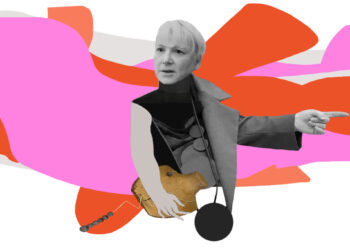
Natacha Kalfayan: Celebrate the Problem, Then Make a Choice
With her bold vision, upcycled jewelry designs and multiple creative endeavors, Natacha Kalfayan empowers artisans, fosters women’s entrepreneurship, and is reshaping Armenia’s design landscape with sustainability, creativity, and social impact.
Read moreAt the same time, the event highlighted areas where professional cohesion could be strengthened. While the week offered remarkable creativity and vision, some aspects of organization and communication could improve to match the ambition of positioning Yerevan Fashion Week as a regional and international platform. Addressing these challenges collectively would allow the Armenian fashion community and each designer to fully realize their potential and ensure that both participants and visitors experience the event at its highest level.
Yerevan Fashion Week is organized by the Fashion & Garment Chamber of Armenia (FGC) in cooperation with Yerevan Municipality and international partners – a sign that the event is gaining growing institutional recognition and could, in time, attract broader state support to strengthen its international presence.
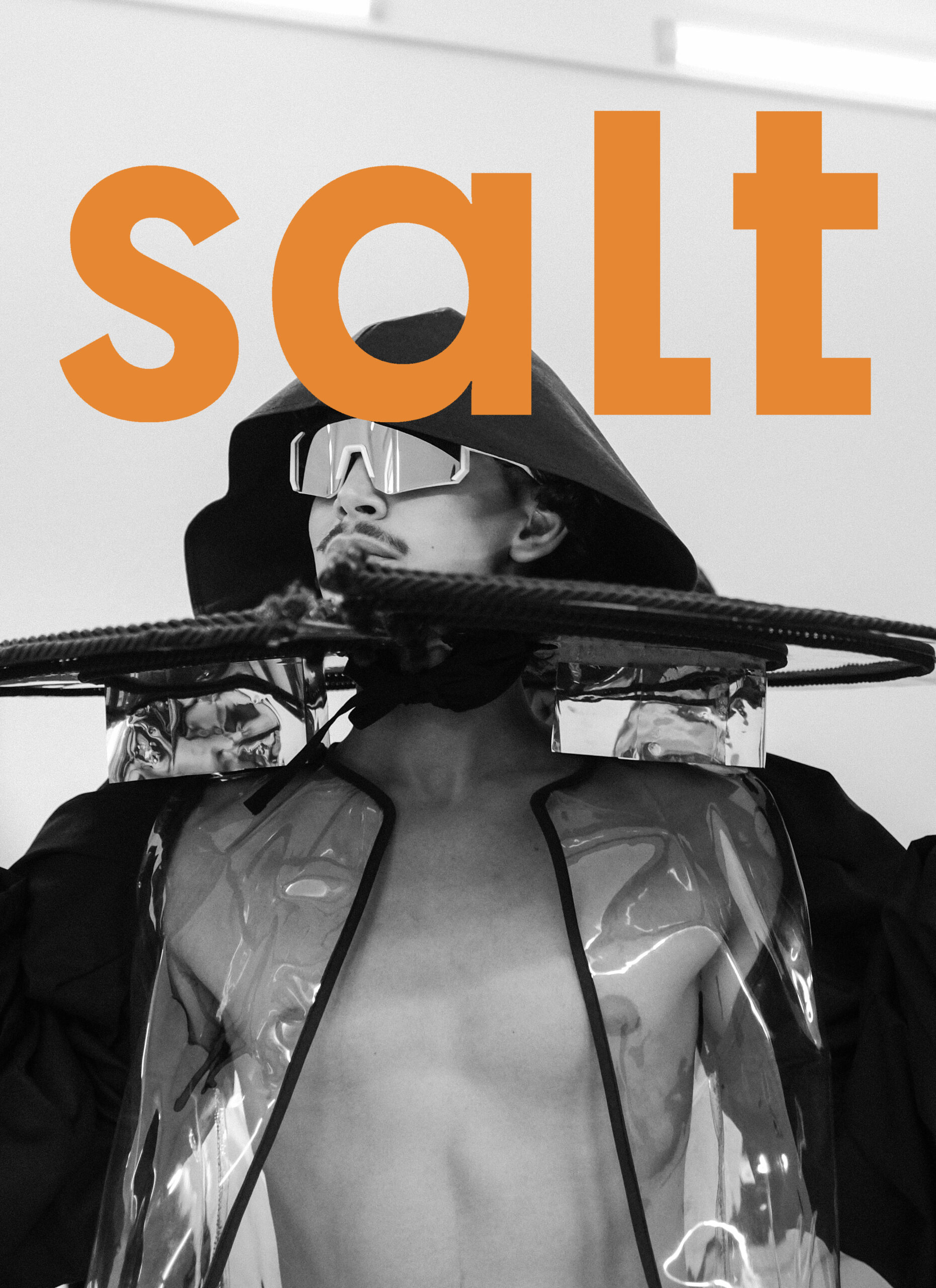
Cover photo by Aram Kirakosyan.
LIFESTYLE
The Runway
The October issue of SALT takes you through spaces where memory and imagination intertwine—from the house-museum of Lusik Aguletsi, who transformed remembrance into a radical act of cultural resilience, to an abandoned clock factory reborn through the vision of contemporary artists, onto the runways of Yerevan Fashion Week, and finally to a story of how one person’s initiative is transforming the face of the country.
Borrowed Time: Yerevan Clock Factory Gets New Life as Artist Hub
Once a symbol of Soviet industry, Yerevan’s abandoned clock factory is alive again, this time to the rhythm of creativity. Artists have transformed its forgotten halls into studios, reviving the space with new life, collaboration, and visions for Armenia’s contemporary art scene.
Read more
Greener, Better, Brighter: The Quiet Revolution
A small act—picking up a piece of litter—becomes the spark for a quiet revolution. Lilith Margaryan explores how everyday gestures of care can transform indifference into responsibility and help build a greener, cleaner and more mindful Armenia.
Read more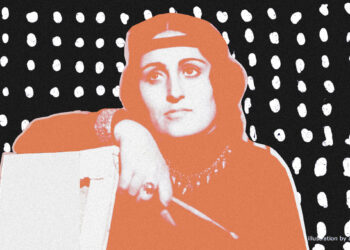
Lusik Aguletsi’s Radical Act of Remembering
In a modest Yerevan neighborhood, the Lusik Aguletsi House-Museum stands as a sanctuary of memory. Through art, carpets, jewelry and traditional dress, Aguletsi preserved the soul of a vanishing Armenia, transforming remembrance into a living, radical act of cultural resilience.
Read more