
Listen to the AI generated audio article.
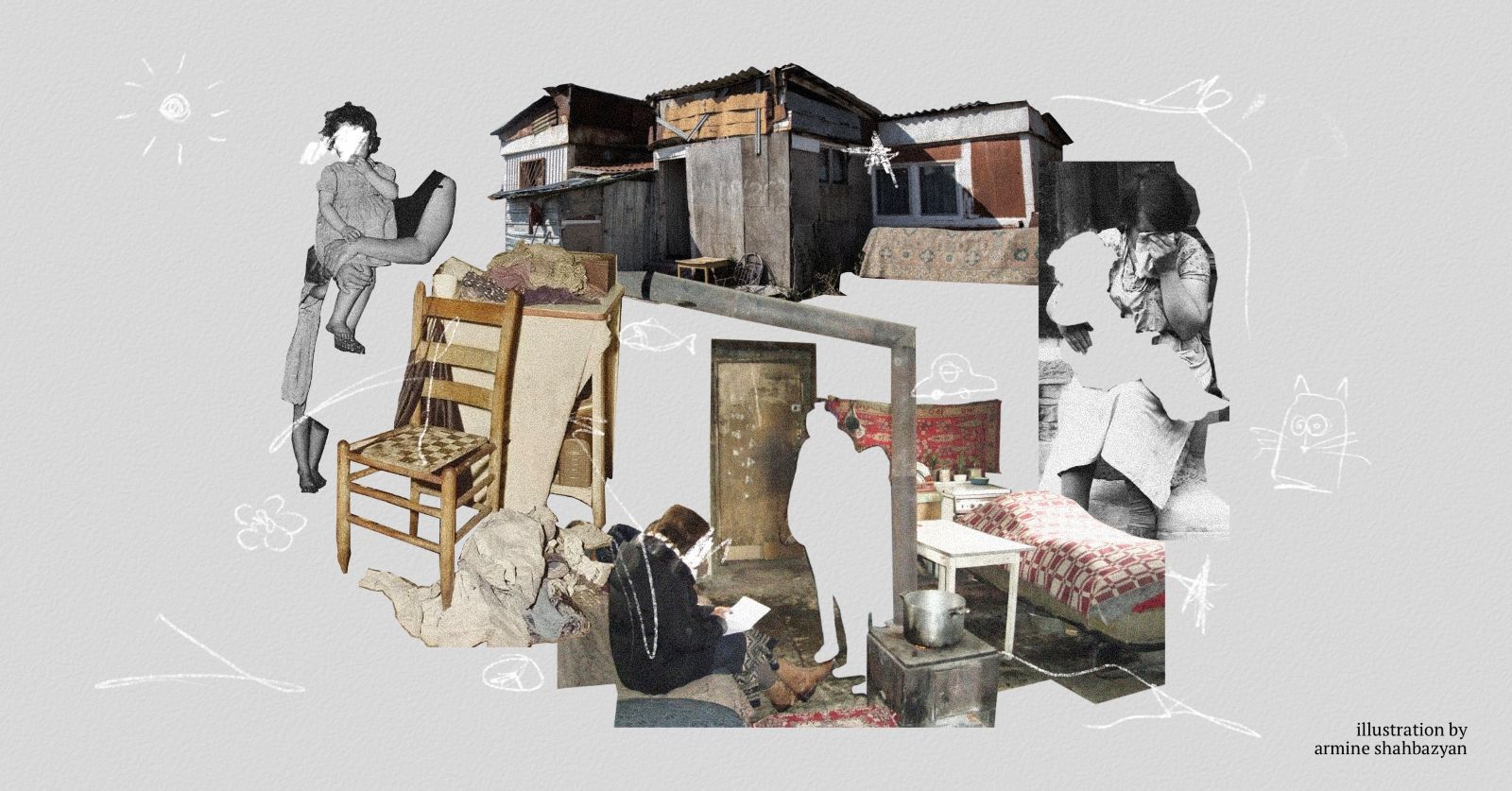
In a small village near Gyumri, a young mother holds her newborn with a disability, facing an agonizing decision. Local doctors, reflecting long-standing views, suggest the child may be “better off” in an orphanage. In another part of Armenia, a father struggling with poverty considers placing his children in a state boarding school so they will not go hungry. These personal dilemmas reflect a deeper reality: for decades, many children in Armenia have grown up outside their families, placed in institutions due to poverty, disability, or stigma. As the country works to reform its child protection system, a central question remains: can every child grow up in a family? The human cost of institutionalization underscores the need for urgent action.
From Orphanages to Families: A System in Transition
Institutional care in Armenia has deep historical roots. In the post-Soviet period, large orphanages and boarding schools housed thousands of children, many of whom had living parents. Over the past 20 years, Armenia has increasingly aligned with international norms that children should grow up in families. Since the 2010s, child protection reforms have reduced the number of children in residential care from approximately 3,457 in 2016 to 706 by the end of 2024. This decline reflects targeted efforts to shift toward family-based alternatives, including guardianship and adoption. Yet serious challenges remain. The children who remain institutionalized are often those most at risk. Data show that nearly 74% of children in orphanages have disabilities, and over a third have diagnosed mental health conditions. Institutional care continues to be a last resort for children with disabilities, reflecting a lack of adequate support systems. Children from the most disadvantaged socio-economic backgrounds are also disproportionately represented. These trends reveal systemic failures: children born into poverty or with disabilities are still far more likely to be placed in institutional care.
This system transition has not occurred in isolation. International donors and child rights organizations have supported reforms, offering both technical expertise and funding to pilot new models of care. These partnerships have helped establish alternative care systems and raised public awareness about the importance of family-based care. Yet, for long-term sustainability, reforms must be embedded in national policy and budgets. That means ensuring national ownership of deinstitutionalization, coupled with legislative backing, workforce development, and ongoing monitoring.
International human rights standards frame this issue as a matter of children’s rights. The UN Convention on the Rights of the Child (CRC) and the Convention on the Rights of Persons with Disabilities (CRPD) emphasize the right of every child to grow up in a family and to receive the support needed to make this possible. Institutionalizing children due to poverty or disability contravenes these principles. The UN Committee on the Rights of the Child has repeatedly urged Armenia to prevent child abandonment and to strengthen family support systems.
Poverty, Stigma and Other Drivers of Family Separation
Economic hardship remains one of the primary reasons families turn to institutions. Research indicates a strong correlation between poverty and institutionalization. In rural areas with high unemployment, orphanages have often served as a safety net, offering food, shelter and education. Although social assistance programs exist, they often fall short in meeting the needs of vulnerable families. As one parent explained, “I didn’t want to lose my children, but I had no job and no house. The orphanage felt like the only way they could eat and go to school.”
The gap between policy and lived experience is particularly stark in rural communities. There, economic conditions can be compounded by geographic isolation, limited access to services, and a lack of employment opportunities. Families may not even know about available support or may lack the means to travel to urban centers where services are concentrated. In such contexts, institutions may seem like the only viable option.
Stigma, particularly around disability, is another powerful factor. Deep-seated societal attitudes have long labeled children with disabilities as burdens. In some cases, medical professionals still advise parents to place children with disabilities in care. Cultural norms can also exert pressure, with relatives sometimes urging institutionalization out of concern or misunderstanding. These influences, combined with limited support services, create a pathway from maternity wards to orphanages, one that child protection advocates are striving to break.
The stigma does not only impact families’ decisions, it also influences how institutions and schools treat children with disabilities. Many mainstream educational settings still lack the training, infrastructure and attitudes to include children with physical or cognitive differences. Teachers may be unfamiliar with adaptive methods, or school buildings may lack accessibility features, further reinforcing segregation. When parents see that their child cannot thrive in their community, they are more likely to believe that institutional care is the only path to education or safety.
Another barrier is the lack of accessible community services. Parents may want to care for children with disabilities but cannot find the support they need: early intervention, respite care, inclusive education, or medical services. In many towns, these resources are scarce or nonexistent. Even where services are available, cost, transportation, or lack of information often limit access. Without this support, families become isolated and overwhelmed. Some eventually conclude that institutional care is their only option, not from lack of love, but due to exhaustion and lack of provided and experienced alternatives.
Efforts to build community-based care models must take into account regional disparities. Urban centers like Yerevan may offer more services, but families in regions like Shirak, Tavush, or Syunik often remain underserved. Effective reforms require a national investment plan in infrastructure and training across all provinces, not just in capital areas. Solutions must also be culturally appropriate and built on trust, engaging communities in the design and delivery of support.
Deinstitutionalization and Its Discontents
Since the early 2000s, Armenia has made progress in shifting from institutional to family-based care. Guardianship by relatives remains common, while foster care has expanded. Domestic and international adoption also offers long-term solutions, though primarily for younger children without disabilities. NGOs and social workers have facilitated reunifications by supporting families with counseling and resources.
One significant policy was the Comprehensive Program for 2020-2023, aimed to address these issues by strengthening family support systems and expanding community-based services. It emphasized holistic development in family settings and strengthened social services and inclusive education. By 2015, all Armenian secondary schools were “officially” inclusive. Inclusion has helped children with disabilities remain in their communities. A mother described how her son, who uses a wheelchair, was accepted in a mainstream school, his peers supported him and helped him integrate. Such experiences challenge stigma and promote equality.
However, the reality is that inclusion is unevenly implemented. In some schools, the presence of a single child with disabilities may be celebrated, while others quietly discourage enrollment. Teachers often lack training, and support staff are scarce. A truly inclusive system requires not just legal mandates but consistent funding, professional development, and an accountability framework.
Despite progress, social services are still underfunded and inconsistent. Previously, local guardianship committees, often headed by untrained officials, handled child protection, leading to gaps and missed interventions. Calls for professional social workers in every community have grown, alongside demands for clear referral pathways and stronger cooperation between agencies. These reforms are critical to avoid both neglect and unnecessary family separation.
An effective child protection system must also be proactive, not just reactive. Social workers should not only respond to abuse or abandonment cases but should work with families to prevent crises. This includes helping families develop care plans, connecting them with resources, and ensuring children’s needs are met in a family environment. Hence, preventive work is essential to truly break the cycle of institutionalization.
A New Law on Child Rights: Potential and Pitfalls
In October 2025, Armenia adopted a new Law “On the Rights of the Child and the Child Protection System,” replacing the outdated 1996 legislation. The law, which entered into force on November 29, 2025, creates a more coordinated child protection system, strengthens the responsibility of the State and local communities, mandates the involvement of social services and multidisciplinary specialists, and establishes clearer responsibilities for local and provincial authorities. It also introduces unified information and rapid-response mechanisms to identify and respond to cases of abuse, violence, bullying and neglect in a timely manner.
The law also emphasizes children’s voices. It removes age limits on children expressing their opinions in decisions affecting them and mandates regular review of all alternative care placements. This approach aims to ensure that no child is placed in institutional care without a plan for family reunification or alternative family-based care. These provisions align with the UN Guidelines on Alternative Care, which state that poverty alone should never justify removing a child from their family.
The law’s emphasis on prevention is commendable. It introduces anti-bullying measures and clarifies cooperation responsibilities among social workers, schools, and other stakeholders. Experts like Davit Tumasyan highlight the importance of such cooperation in identifying and responding to risks early. Schools now have an obligation to report suspected abuse, breaking the silence that once rather protected perpetrators.
However, the law falls short in addressing poverty- and disability-related family separation. It does not introduce new financial support mechanisms or guarantee expanded community services. Families raising children with complex needs may still lack access to respite care, in-home support, or inclusive daycare. Without material support, systemic pressures remain unaddressed. The law assumes that better coordination alone can prevent separation, a promising but rather insufficient approach.
Its implementation will be the ultimate test. Armenia must not only establish social worker positions but also train and support them. Tools like the MANUK database must be rolled out to facilitate inter-agency collaboration. Without these steps, the law’s intent may not translate into real outcomes.
International Standards and the Road Ahead
Armenia’s reforms align with international standards. As a party to the CRC and CRPD, and a signatory to the UN Guidelines on Alternative Care of Children, the country is committed to prioritizing family-based care and preventing separation caused by poverty or disability.
Other countries offer valuable lessons. In Georgia, deinstitutionalization included the creation of family support centers. In Romania and Bulgaria, transitions were paired with social worker training and stigma-reduction campaigns. Armenia’s path could include similar investments: public education, inclusion in health and education systems, and increased support for vulnerable families.
Crucially, inclusive education must be expanded to all levels: preschool, secondary and higher education. Training programs for professionals (e.g. teachers, social workers, medical staff, etc.) should include modules on diversity and (disability) inclusion, while educational facilities must be made physically and pedagogically accessible. Coordinated efforts between the Ministries of Education and Social Affairs can ensure children with special needs are not forgotten nor left behind.
Equally important is the reform of the broader social work profession itself. Universities must update curricula to reflect modern child protection practices. New specializations in-programs, focusing on disability, trauma-informed care, and community-based interventions should be developed. Mandatory internships in child welfare settings can help bridge theory and practice. Ongoing training should be offered to existing social workers, equipping them with tools to work more effectively with families in crisis.
Administrative burdens placed on social workers must also be addressed. Excessive paperwork often prevents social workers from spending time with families. Digital case management systems can help streamline documentation. At the same time, salaries must reflect the complexity and importance of this profession to retain skilled staff and motivate new entrants.
Conclusion: From Vision to Implementation
Armenia has made notable progress in building a child protection system centered on family care. The 2025 law lays a solid legal foundation and affirms key rights. But laws alone are not enough. To ensure that no child grows up in an institution unnecessarily, Armenia must turn vision into practice.
This means investing in inclusive, accessible services across all regions. Social workers must be empowered and equipped to provide real support. Families need concrete assistance, such as respite care, therapy, education access, and financial help. Institutional care must remain a last resort, subject to frequent review and always oriented toward reunification or family placement.
The principle is clear: children belong in families. Upholding this requires commitment, coordination, and compassion. Armenia is on the right path. What’s needed now is the will and resources to walk it fully.
Future reforms should also build on evidence. Data collection systems should track not only the number of children in care but also the quality and outcomes of interventions. Feedback from families and children themselves should guide improvements. Continued training, peer learning, and partnerships with other countries in the region can accelerate progress.
Ultimately, the success of child protection reform in Armenia will be measured not in laws passed or policies launched, but in the lives changed. Every child who grows up in a family instead of an institution is a step toward a more just and humane society.
Also see
When Tradition Isn’t Enough: New Approaches to Parenting in Armenia
As young parents confront sleepless nights and conflicting advice, many are turning from tradition to science-based parenting. Through sleep consultants and Armenia’s first Parenting School, some families are redefining child-rearing with modern tools, research and empathy.
Read more
Why Armenian Children Eat So Much Sugar
Candy, cake and “kompot” are staples of childhood in Armenia, not only because they taste good, but because they’re inseparable from cultural ways of showing love. The love of sweets, however, will soon force a rethinking of tradition.
Read more
Childcare: The Working Mother’s Dilemma in Armenia
Facing limited childcare options and short parental leave, many Armenian mothers are forced to choose between career and caregiving. Hranoush Dermoyan explores the systemic failures behind Armenia’s childcare crisis, and what it means for women, families and economic growth.
Read more
Motherhood Behind Bars
Exploring the lives of incarcerated mothers at Armenia's Abovyan Penitentiary, Astghik Karapetyan delves into the challenges of raising children in confinement, the impact on maternal bonds, and the institutional efforts to balance rehabilitation with the children’s best interests.
Read more
Born Too Soon: Challenges of Premature Births in Armenia
When she unexpectedly had to deliver her first baby at 29 weeks, Hranoush Dermoyan had no idea what the journey ahead entailed. Weighing only 700 grams, her daughter spent the first 75 days of her life in NICU. The experience revealed emotional and medical challenges, and healthcare disparities in Armenia.
Read more