

Listen to the AI generated audio article.
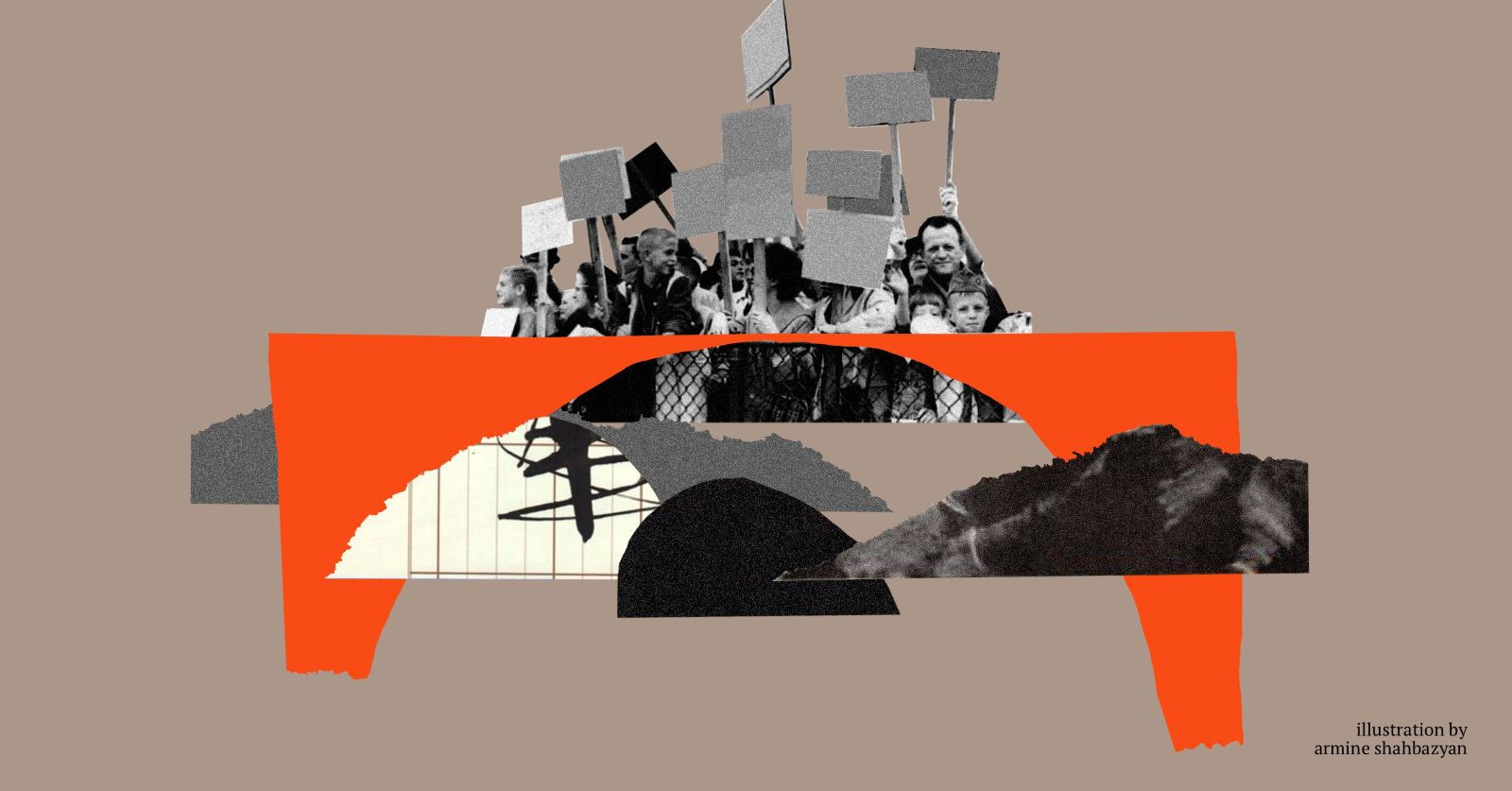
In the aftermath of Armenia’s elections, divisions within Armenian society, both in the homeland and across the diaspora, have become increasingly visible. Yet differing views on foreign policy, security and national priorities should not be mistaken for a lack of patriotism.
The purpose of this article is not to deepen these divides, but to encourage a more open-minded and respectful conversation about Armenia’s future. As we navigate an uncertain geopolitical landscape, our greatest strength may lie in our ability to listen, reflect, and seek common ground.
Some people see the glass as half empty; others see it as half full. In Armenia today, it is understandable that society remains divided over questions of Russia, national identity, and historical memory.
For decades, Russia was viewed by many Armenians as our principal security partner. Yet the painful experiences of recent years, both in Artsakh and within Armenia itself, have led many to question that relationship. Critics argue that Russia failed to act as Armenia expected during regional crises, weakening public confidence in relying so heavily on Moscow.
At the same time, many Armenians, particularly from older generations, continue to view close ties with Russia as essential to security and stability. Others support a more independent foreign policy, multilateral engagement with Europe, and diversified international partnerships. What is often missing from this debate is a clear alternative strategy that addresses Armenia’s security concerns while adapting to new geopolitical realities.
The Armenian diaspora is equally difficult to generalize about. It is passionate, politically diverse, and deeply committed to Armenia. Some emphasize continuity and caution; others advocate reform and reduced dependence on Russia. These perspectives often reflect different historical experiences rather than differing levels of patriotism.
For many Armenians, fear is rooted not only in current events but also in historical memory. I am the son of two orphans who survived the Armenian Genocide. The memory of what was lost—ancestral lands, communities, and lives—has been passed from generation to generation.
More recently, the displacement of Armenians from Artsakh reopened these wounds, equally painful is the perception that much of the world stood by while these events unfolded. For many, witnessing an ancient Armenian population leave its homeland reinforced a deep fear of abandonment and insecurity. Whether one agrees with that interpretation or not, these fears are real and deserve acknowledgment.
Armenia is a democratic country, and in a democracy no side wins the argument forever. Governments may receive an electoral mandate to pursue a particular foreign policy direction. Nevertheless, substantial segments of society with different views must still be given a voice. Major strategic changes are more durable when built on broad public consensus rather than narrow majorities.
The current debate reflects competing priorities: security and familiarity on one hand, sovereignty and diversification on the other. The question is not whether Armenia should be “pro-Russia” or “anti-Russia,” but which combination of relationships best serves Armenia’s security, prosperity and independence. No single power should be Armenia’s sole guarantor of security, as recent history has demonstrated.
Russia has disappointed Armenia, but there is no guarantee that new partners will always act in Armenia’s best interests. States pursue interests, not friendship, as geopolitics is not static. Nations that endure are those that adapt to changing realities rather than remain trapped by old assumptions.
Finally, we should reject the temptation to insult our own people. Disagreement does not diminish patriotism. Calling our leaders or fellow citizens names does not strengthen our nation; it weakens our ability to have the difficult conversations this moment requires.
The diaspora and the homeland may assess risks differently, but both ultimately seek the same goal: a secure, sovereign, and prosperous Armenia. Our future will depend not on uniformity of opinion, but on our ability to engage in honest dialogue, learn from history without being imprisoned by it, and work together in pursuit of a common national purpose.
Also see
Beyond the Promised Land
For generations, Armenians in the diaspora have been told that returning to the homeland is a duty. But what if the stronger case for Armenia is not sacrifice, obligation or identity alone, but the possibility of building a meaningful life in a place that offers connection, opportunity and belonging?
Read more
The Women They Refuse to See
Who does the work that keeps Armenia’s institutions functioning? Ahead of the parliamentary elections, Davit Khachatryan examines the disconnect between the women who sustain public life and the political class that claims to represent it.
Read more

Greg Sarkissian is as thoughtful and hopeful as ever about the importance, even the necessity, of respectful dialogue. The Zoryan Institute is a testament to that commitment. Articles in evnreport are always a worthy read.
Very balanced and insightful article. Thank you Greg. Disagreements are normal and fruitful. It’s the reactions, the consequences that can be counterproductive. Courage is required, not closed mindset.