
Listen to the AI generated audio article.
June 1940 was a tragedy for France. After eight months of the so-called “Phoney War,” the French army collapsed, surrendering to German troops within six weeks. Marshal Philippe Pétain, a hero of the First World War, became head of the French government, which was subservient to Nazi Germany. On June 18, however, General Charles de Gaulle issued his famous appeal from London over the BBC airwaves, calling on the French people to resist. The defeat forced historian Marc Bloch, who had been serving as an officer in the French army, to lay aside his uniform. He returned home and wrote a searing testimonial of the country’s collapse, published posthumously under the title Strange Defeat.
This first part of this article is a five-stop journey through Bloch’s account of the war, followed by reflections on Armenia in the aftermath of the 2020 Nagorno-Karabakh War. Each section begins with a quote from the book. (The quotes have been translated from the French and do not correspond to an official English edition.)
Part 1: A Journey Through Strange Defeat
- “A witness needs a personal history. Before recounting what I saw, I must explain through whose eyes I saw it.”
Marc Bloch was a French historian specializing in the Middle Ages. He co-founded the Annales School with another historian, Lucien Febvre. Together, they introduced a new approach to writing history, one focused on the present and attentive to social factors.
He belonged to a generation that fought in two wars. A mid-level line officer in 1914, he was later transferred to intelligence with the rank of captain. He was at the height of his career a teacher and historian when the Second World War was declared in September 1939. Called up again, he was assigned to a post closer to headquarters, in charge of supply operations in northern France. A phase of “latent” war began, what came to be known as the “Phoney War”, during which little happened. Hostilities began in earnest in May 1940. Within a few weeks, French forces had collapsed. Once the defeat was confirmed, he returned home to the Creuse region and immediately took up his pen to bear witness to those weeks and to understand the multiple causes of France’s defeat. His manuscript was written in the heat of the moment, but with extraordinary precision and vividness. Later in the war, unwilling to accept defeat, he went to great lengths to join the Resistance at an advanced age, renewing the spirit of sacrifice wherever he hoped that “we still have blood to shed.” His path bears truth and life in equal measure.
- “The Germans waged a modern war, characterized by speed. For our part, we did not even attempt to wage a war of yesterday or the day before. In short, while our leaders claimed to be reviving the war of 1915–1918, the Germans were waging the war of 1940.”
Bloch traces the immediate causes of defeat to the military’s rigidity. From the ground, he bears witness to his own uselessness. He regrets not being put to better use and, more generally, laments the waste of available resources.
He then offers a detailed indictment of “the command’s incompetence” and those responsible for the country’s defense. He cites failures such as not using the “Phoney War” period to update plans; disorder, lack of initiative and passivity, including poor intelligence communications.
He turns next to leadership failures. First, the chiefs of staff were unable “to anticipate the unpredictable,” creating a total disconnect between how the French army conceived of war—entrenching itself in a defensive strategy embodied by the supposedly impenetrable Maginot Line—and the reality of war. Second, there was a lack of operational leadership on the ground, which should have combined freedom of action for those carrying out orders with full responsibility for the outcome.
A further set of faults appears in education and training: weak executive training and “minds conditioned to operate at a slow pace,” along with the fact that “military education prepares you for everything except war.” Finally, Bloch blames his own generation’s short-sightedness. Confident in the lessons of victory in the First World War, the older generation of generals dismissed the perspectives of younger officers and ignored modern tools such as “social psychology,” which the Germans had learned to exploit effectively.
- The “most horrific collapse in our history” has a wide array of underlying causes found in broader social trends and in a “divided nation”.
Bloch offers an anatomy of an entire society’s collapse, sparing no one. He also accepts his share of the blame, arguing, for instance, that academics would have done better to pay attention to events beyond their offices rather than working in isolation. He adds that his generation, having suffered so immensely during the First World War, made poor decisions at Versailles that partly led to the collapse of Weimar Germany, and he apologizes to the younger generation “for the blood now on our hands.”
Within French society, his sharper criticism is directed at the bourgeoisie: the wealthy class, unable to accept that the masses demanded and won more rights and embittered by the belief that they could be exempt from war, therefore accepted defeat very quickly.
On a psychosocial level, he argues that the political elite’s pacifism, dating to the World War I era, could become a kind of blindness: a mindset that prevents people from even considering the unimaginable. He believes the trauma of the Great War led parts of the French political class to stop seeing the world as it was and, in particular, to stop seeing Germany as it was. Germany wanted to wage war again, and the pacifists’ mistake was failing to prepare for it. They failed to recognize the Spanish Civil War in 1936 and the 1939 invasion of Poland for what they were. According to Bloch, appeasement and popular sentiment at the time fostered “weak patriotism” and obscured the reality of the Nazi regime, a danger to all of Europe.
- At the Root of the Problem: “An intellectual bankruptcy”
Evidence of this intellectual failure has been detailed in the two previous sections: the French military reimagined the war of 1918, and politicians, under the guise of realism, advocated appeasement with Mussolini and Hitler. The acceptance of defeat in advance, or very early in the war, helps explain why the debacle was never met with accountability: dismissals for incompetence were few, and certainly not commensurate with its scale. Propaganda from neighboring dictatorial regimes seeped into people’s minds, sowing doubt, and poisoning public opinion.
Born Jewish, Bloch was ostracized by laws adopted by the Vichy regime in France. The “Statute of the Jews” was published in 1940. In October, he was barred from teaching at the Sorbonne. The context compelled him to ask what it meant to be Jewish in France. “I never assert my origins except in one case: when someone tries to hold them against me. France will always remain, no matter what happens, the homeland from which I cannot detach my heart. I was born here, I have drawn from the wellsprings of its culture, I have made its past my own, I can only breathe freely under its sky, and I, in turn, have strived to defend it to the best of my ability.”
Bloch was a staunch republican. Although his family had roots in Prussia, they had chosen France, and his father and grandfather had fought in previous wars on the French side. Bloch was granted an exceptional exemption for services rendered to France, which allowed him to resume teaching, first at the university in Clermont-Ferrand and then in Montpellier. It was there that he chose to join the Resistance, at an age when he was practically ready for retirement. The seeds of that decision are already visible in Strange Defeat, where he rejects defeatism and sees the Resistance as the only possible path.
- “It will not fall to men of my age to rebuild the homeland. The France of defeat will have had a government of old men. That is only natural. The France of a new spring must be the work of the young.”
Bloch held faith in the future and in generations to come. In 1942, he moved to Lyon, a hub of the Resistance and his place of birth, where he sought to join the underground and succeeded. On one side was Professor Marc Bloch; on the other was “Narbonne” and “Chevreuse,” his aliases. After months of hard work, he became a leader for the Rhône-Alpes region, in keeping with his faith in the future. For him, the Resistance embodied youth, and from 1941 to 1944 he found in it a kind of renewed youth. He played an important role in organizing and unifying the Resistance movements. He was imprisoned, tortured, and summarily executed by the Gestapo shortly after the Normandy landings on June 11, 1944.
His final lesson is not so much historical as political. It reflects both his patriotism and his confidence in a people’s ability to rise again after defeat and mobilize to build the future: “Our people deserve our trust and deserve to be kept in the loop.”
Part II: Lessons Beyond Defeat
Marc Bloch’s Strange Defeat is more than an account of France’s collapse in 1940. It is an inquiry into how societies confront failure and whether they possess the intellectual courage to learn from it. Although Bloch wrote in the context of the Second World War, many of his observations transcend time and place. They offer lessons not only for militaries but also for states and societies seeking to recover after defeat.
There are six reflections useful for Armenia(ns) drawn from Bloch and focus on strategy, institutions and society.
The first lesson is that defeat is never to be understood as a final verdict on a nation. A military loss does not define a people by nature or condemn them to permanent weakness. Rather, it should provoke difficult but necessary questions: Why were we defeated in this particular war? What political, military, institutional and societal factors made it possible?
The second lesson is resisting the myths that almost inevitably emerge after defeat. Societies often search for explanations that verge on justifications: we were betrayed; the world was against us; we were simply unlucky; the enemy was overwhelmingly strong; our soldiers lacked courage; or our leaders failed us. Some of these claims may be partially true, but none of them is sufficient to grasp the whole spectrum of causes. Nevertheless, if a society wants to rebuild an army, for any given purpose, it must have the courage to resist the temptation of convenient stories. State institutions including institutions that are in charge of defense include both state and society as organizations. An organization that refuses to see its own mistakes often prepares the next defeat.
The third lesson is that courage, however admirable, cannot compensate for systemic weaknesses. One of the most difficult truths to accept after a military loss is that brave soldiers and dedicated officers may fight with extraordinary determination and still be defeated. Bloch insists that modern warfare is ultimately a contest between systems. Victory depends not only on individual heroism but on the quality of command, the effectiveness of information flows, logistical capacity, preparedness and, above all, the ability to adapt. Honoring sacrifice should never come at the expense of sober institutional self-criticism.
The fourth lesson is the trap of past prestige or inherited assumptions. Large powers are often trapped by confidence in their own doctrines, but smaller states are equally vulnerable when they attempt to imitate successful foreign militaries without adapting those models to their own realities. The question should never be how to be like the world’s most prestigious armies, but how to build an effective military with the resources, geography and strategic environment one actually possesses. In modern conflict, success belongs not to the strongest force but to the one that learns faster, makes decisions more quickly and adapts more effectively.
This same principle applies to military modernization. After defeat, public debate often gravitates toward weapons procurement, as though acquiring new technology alone can solve deeper structural problems. And that’s the fifth lesson: Technology cannot substitute for organization. Modern equipment has limited value if it is not accompanied by reforms to command structures, training, operational procedures and, perhaps most importantly, a culture that encourages learning and self-criticism. Without such reforms, an army risks repeating the same mistakes with more sophisticated, and more expensive, equipment.
Finally, Bloch emphasizes initiative as a strategic resource, particularly for states with limited material capabilities. Countries that cannot compensate for mistakes with superior numbers or resources must instead cultivate flexibility and decentralized decision-making. Junior officers should understand their commander’s intent, exercise judgment without waiting for constant instructions and take advantage of emerging opportunities. Highly centralized command structures inevitably slow decision-making, and for smaller armies, that delay can prove especially costly.
Bloch’s central lesson is not only military, it is fundamentally intellectual and cultural in nature. An army can only be rebuilt by honestly answering three questions: What did we misunderstand? Which assumptions proved false? What must we change, even if doing so challenges our most deeply held beliefs?
For Bloch, defeat becomes dangerous when it is denied, justified or transformed into a myth. When examined with intellectual honesty and historical rigor, however, defeat can become not the end of a nation’s story, but a starting point for renewal.
Conclusion
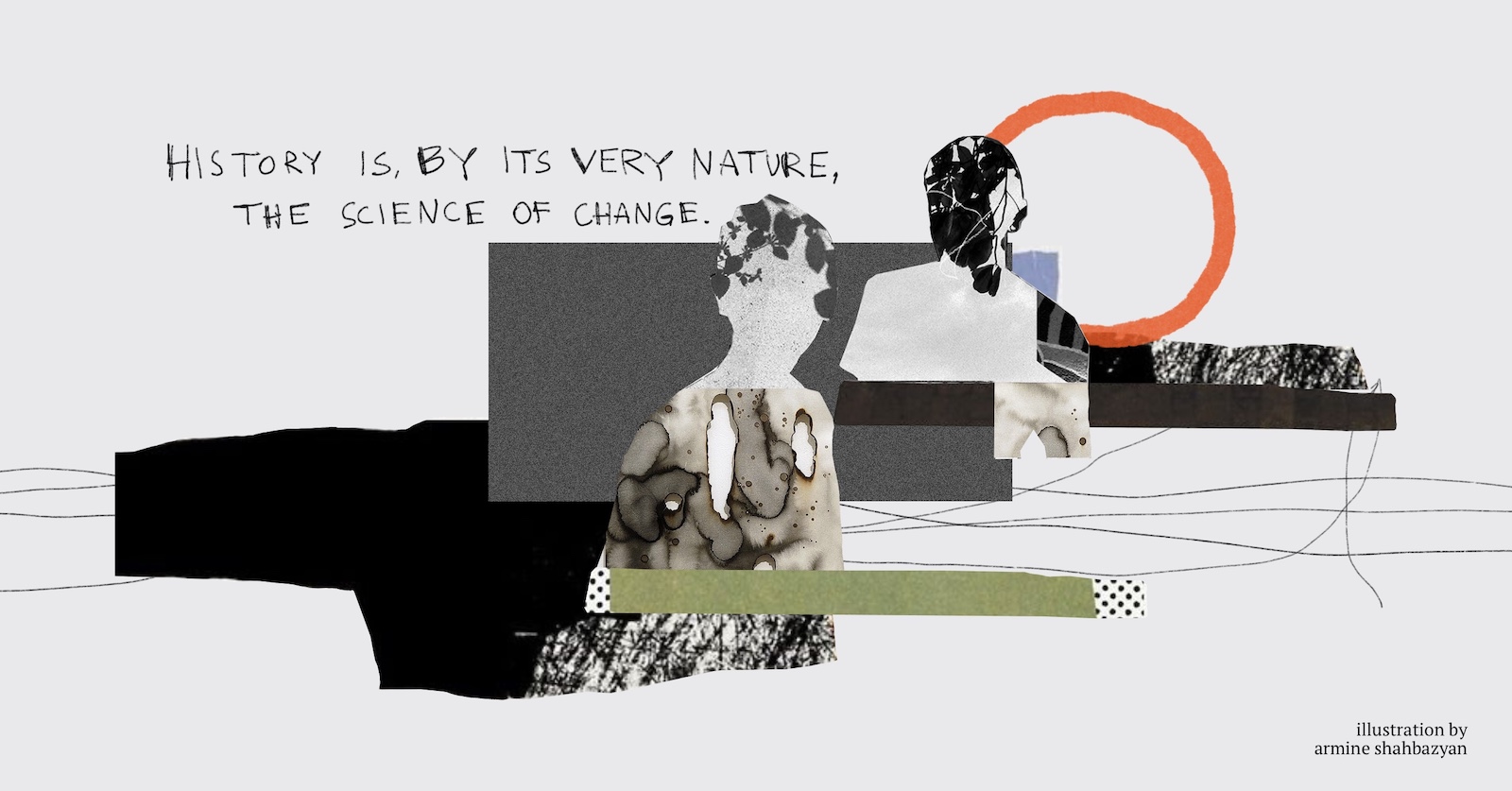
Strange Defeat was published posthumously in 1946 and was only truly rediscovered by historians in the late 1970s. Some scholars suggest that, for a time, the aura of Bloch the Resistance fighter, and his sacrifice, overshadowed Bloch the historian. “History is, by its very nature, the science of change. It knows and teaches that no two events ever occur in exactly the same way, because conditions never coincide exactly,” he wrote.
Bloch weaves the historian’s methodology into the soldier’s testimony. Writing during an extremely turbulent and tragic period, he sought to understand rather than judge. His explanations can certainly be debated, but he responds as a historian immersed in the present. This kind of analysis makes it possible to assess critically the darkest periods of a nation’s history. Without such an assessment, the future remains burdened and compromised. The historian, the Resistance fighter, and the man are inseparable. It is this republican and universal trinity that the French people honored in June 2026 with the entry of his remains into the Panthéon.
State of Play

The Cost of Ruling: What Armenia’s Election Really Revealed
In this episode of “State of Play”, Maria Titizian speaks with Nerses Kopalyan about whether Armenian voters are becoming more sophisticated, whether Civil Contract has evolved into a durable political party, what the election says about the opposition and the future of electoral competition.
Read morePolitics
An Armenian Drone Fleet At Last?
Nearly six years after the Second Nagorno-Karabakh War exposed Armenia's vulnerability to drone warfare, the country's military has unveiled a dramatically expanded UAV fleet. Hovhannes Nazaretyan examines how Armenia got here, and whether new capabilities can translate into real battlefield effectiveness.
Read more
Armenia’s Next Democratic Challenge: Building a Credible Opposition
Democracies are judged not only by those who govern, but also by the strength of those who challenge them. Reflecting on Armenia’s 2026 parliamentary election, Armine Bagiyan argues that building a credible, constructive opposition is essential to the country’s democratic consolidation.
Read more
Armenia’s New Army: Diversification, Rearmament and the Military Balance
The May 28 military parade in Yerevan was more than a showcase of new weapons. It revealed the contours of Armenia’s emerging “new army”, one built on diversified international partnerships, expanding domestic defense production and a determined effort to adapt to a transformed regional security landscape. In this in-depth analysis, Sossi Tatikyan examines what these changes mean for Armenia’s evolving military balance and regional security.
Read more
The Enclave Issue Between Armenia and Azerbaijan
As Armenia’s parliamentary election campaign intensifies, the issue of Soviet-era enclaves between Armenia and Azerbaijan has re-emerged as a sensitive political and security question. Sossi Tatikyan explores their historical origins, legal status, international parallels and the possible scenarios being discussed within the peace process.
Read more
How Armenia and Azerbaijan Are Lobbying for Influence in D.C.
As Armenia and Azerbaijan compete for influence in Washington, a new lobbying battle is reshaping U.S. engagement in the South Caucasus. From diaspora advocacy to multimillion-dollar lobbying campaigns, both sides are working to influence American policy, peace efforts and regional power dynamics.
Read morePodcast

«Տարօրինակ պարտության» զուգահեռներ
Զրույց քաղաքագետ, միջազգային հարաբերությունների դասախոս Թալին Փափազեանի հետ՝ Մարկ Բլոկի «Տարօրինակ պարտություն» գրքի հայերեն թարգմանության առթիվ՝ պատմությունից դասեր քաղելու, ֆրանսիական փորձառության, հետպատերազմյան Հայաստանի համար Բլոկի պարտության զննության գիտակարգի կարևորության մասին։
Read more