

Sossi Tatikyan

Sossi Tatikyan

Sossi Tatikyan has a Diploma from Yerevan State University, Master of Public Administration from Harvard Kennedy School of Government and Executive Master of Business Administration from ESCP Europe Business School. Currently she is a PhD fellow in the Sorbonne Nouvelle University.

She has worked in the Armenian Foreign Ministry for over a decade, mostly dealing with Armenia's relations with NATO, International Atomic Energy Agency, international human rights bodies and Iran. Sossi has worked with the OSCE, UN and EU Missions in Europe, Asia and Africa, providing political strategic analysis and advice in the area of good governance and security policies, and designing and managing technical assistance programs and projects in reforming security and rule of law institutions. Since 2019, she has provided advisory services to inter-governmental, public, non-profit and private organizations, such as UNDP, EU, Freedom House, DCAF, both in Armenia and globally. She has a number of publications, such as on Euro-Atlantic integration and energy security issues published by NATO Defense College.

In 2025, Sossi Tatikyan co-founded and was elected the President of the Yerevan Center of Foreign and Security Policy.

Armenia’s New Army: Diversification, Rearmament and the Military Balance

Armenia’s New Army: Diversification, Rearmament and the Military Balance

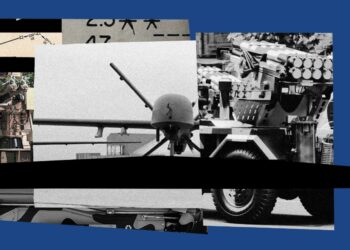
The May 28 military parade in Yerevan was more than a showcase of new weapons. It revealed the contours of Armenia’s emerging “new army”, one built on diversified international partnerships, expanding domestic defense production and a determined effort to adapt to a transformed regional security landscape. In this in-depth analysis, Sossi Tatikyan examines what these changes mean for Armenia’s evolving military balance and regional security.

The Enclave Issue Between Armenia and Azerbaijan

The Enclave Issue Between Armenia and Azerbaijan

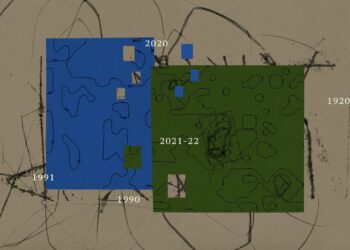
As Armenia’s parliamentary election campaign intensifies, the issue of Soviet-era enclaves between Armenia and Azerbaijan has re-emerged as a sensitive political and security question. Sossi Tatikyan explores their historical origins, legal status, international parallels and the possible scenarios being discussed within the peace process.

Cognitive Warfare: Toward a Resilience Framework for Armenia

Cognitive Warfare: Toward a Resilience Framework for Armenia

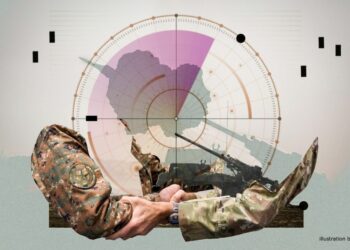
As modern conflict increasingly targets how societies think rather than what they control, Armenia faces growing exposure to cognitive warfare. Sossi Tatikyan explains the concept, maps its risks in Armenia’s post-war context, and outlines a resilience framework to strengthen cognitive security, public trust and democratic stability ahead of the 2026 elections and beyond.

Iran’s Domestic Crisis and Implications for Armenia

Iran’s Domestic Crisis and Implications for Armenia

Nationwide unrest and escalating repression in Iran are reshaping regional security dynamics, with growing risks of external escalation. For Armenia, the crisis heightens exposure to border instability, trade disruption, and diplomatic strain, testing Yerevan’s ability to balance relations amid a shifting deterrence landscape.

Armenia vs. Azerbaijan: Competing Narratives at the UN

Armenia vs. Azerbaijan: Competing Narratives at the UN

Five years after the 2020 war, Aliyev and Pashinyan addressed the UNGA with sharply contrasting narratives. Aliyev employed cognitive warfare to assert dominance and legitimize past aggression, while Pashinyan exercised narrative constraint, emphasizing sovereignty, reciprocity and constructive peacebuilding. Sossi Tatikyan explains.

Page 1 of 6 1 2 3 4 5 6