
Listen to the AI generated audio article.
“My mom worked so hard to buy me all these things… It’s my only connection with her now,” says Annie. She is 49, a third-generation survivor, living in a large house inherited from her grandmother, rebuilt by her mother who spent a lifetime working in the United States as a private nurse to sustain Annie and her younger sister. Annie has never worked, she doesn’t now either. It’s her daughter who supports the household.
Annie is attractive, well-read, speaks a little French, and, as her neighbors say, loves hosting dinners and all kinds of qefs.
Her basement is a museum of 1990s America.
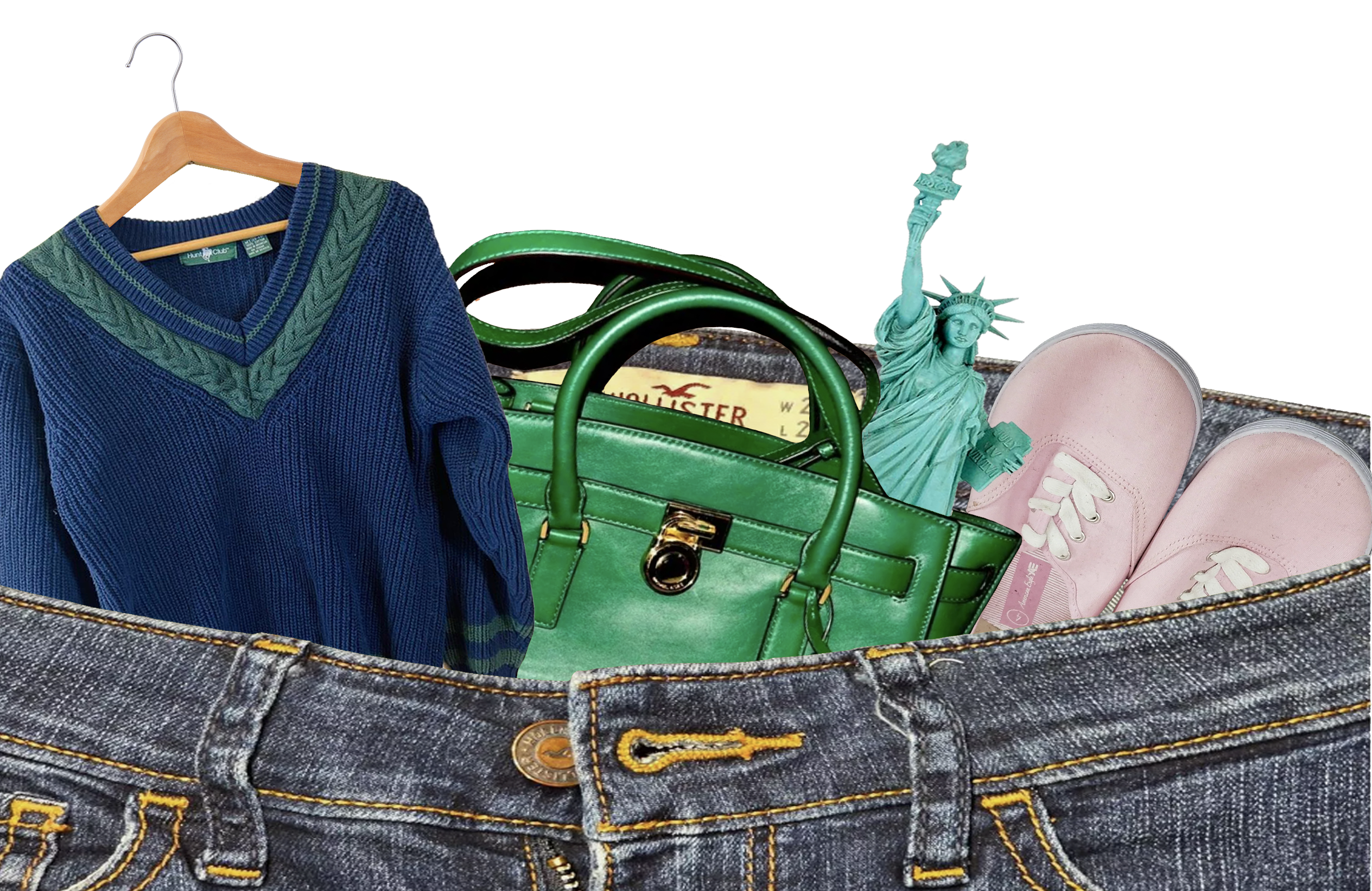
Every year, she performs a ritual: four to five days cleaning the basement, a week laying the items out in the sun to prevent spoilage, three more days putting it all back. The collection is staggering, hundreds of clothing items, from Michael Kors to forgotten mall brands of the ‘90s, from Indian textiles to hand-knit sweaters. Twenty or so furniture pieces. Countless decorative objects. All brought from the America her mother knew.
A sharp eye might see a curated vintage boutique waiting to happen. Annie sees only loss.
She doesn’t want to sell anything. Neither does she want to use it, or give anything away.
“These things are so outdated, they have no value anymore, except to me. My mom worked all her life to sustain me, to give me the chance to wear beautiful clothes and look like those women on TV. Basically, her life, our time together, was poured into giving me these things… She died five years ago, just a year after returning from the U.S. I hadn’t seen her for so many years. When she came back, I was so happy…we reconnected, and I thought we’d have the rest of our lives together. But COVID took her away… Now, how can I give these things up? Holding onto them is the only way I can keep her with me a little longer,” Annie says.
Her eyes glisten. I offered to help sort through the items, to catalog and sell them online, especially since she seems to be facing financial difficulties. Annie’s daughter has been quietly looking for ways to help her mother clear out the clutter and remodel the house.
We walk through Annie’s basement, which stretches beneath the entire house—large enough to become almost anything. Some might see it as the perfect space for a wine cellar or a bar, attach a vintage shop to it and it can become something more.
Today’s culture in Yerevan, with its hunger for new, decentralized spaces of leisure, might have given this basement a second life. But Annie has chosen to preserve it as a cavern of memory, a nostalgic shrine to her mother. She leads me through the heaps of decorative objects, bags and accessories scattered across the floor. As we step carefully through the piles, I feel as though I am walking through pages of a 1990s Bloomingdale’s catalog, filled with objects once desired, now abandoned.
“My mom spent her life collecting these things, and I’ll spend mine keeping them alive,” she says. “I don’t know what to do with them…nobody wants this stuff…” She falls quiet for a moment, and in the pause, I suggest buying a few vintage Gap sweaters. They remind me of the early seasons of Friends—still new, untouched, just hanging in the basement, waiting for their turn to be worn, to be useful, to finally live.
Annie studies me for a moment before asking how much I think they’re worth. After hearing my answer, she pauses again, then asks softly if I truly believe her basement could bring any profit at all.
I start talking. Ideas bloom one after the other. A vintage shop, maybe an auction where she could personally share each item’s story. I speak with enthusiasm, but deep down I know it’s in vain. I see it in her eyes, just like many others in Armenia, Annie wants to hear about solutions but does not want them. She wants to live in her past and grieve.
Still, I push forward, sharing more ideas, connections and opportunities. Why? Am I a masochist or simply trying to feel less guilty, making sure I offer everything I can to someone who seems to be in trouble? But my feelings of guilt were brief, Annie’s was lifelong. Perhaps out of guilt for never having worked, or for losing time with her mother, she kept treating herself, and her time, this way. Yet, I felt it was important to remind her that there are always ways to break the cycle, and there will always be people willing to help.
I know her daughter is scared that her mom can’t let go of her memories, but also that she can’t let go of her things. This condition is often called hoarding disorder, HD or simply Plyushkin disorder, after Gogol’s tragic character in “Dead Souls”.
Hoarding is marked by a persistent difficulty in parting with possessions and engaging in excessive acquisition of items that may not be really needed.
The term has gained traction in Western media, usually with images of extreme cases showing homes overtaken by clutter. But in subtler ways, it exists everywhere. It exists in the balconies stacked with “just in case” junk. It exists in the garages of our aging parents who can’t throw away anything, because it’s still “perfectly good” and “maybe used someday.” The further you travel from the city center, the more you see homes suffocated by stuff, suffocated by the past that is easy to leave behind in theory, yet stubbornly preserved.
Does this mean that our society struggles with letting things go?
“Hoarding is connected to anxiety about the uncertainty of the future, as well as trauma, especially loss,” says psychologist Hrachuhi Arakelyan. “Although it can also be hereditary.”
Given that Annie is also a third generation survivor of the genocide, it could be possible that she was raised with the idea of loss, the idea that she is missing something essential or has lost something important. And maybe that idea shaped her reality today and she is afraid of having less than she may need or that she won’t be able to acquire something new.
I asked Annie if she had stories about their lost wealth or anything close to it. She only recalled an old family story. They had several barber shops with expensive marble floors in Bolis (Istanbul). She even remembered that there were some letters her grandmother kept. It had the addresses of their Bolis businesses and their homes. But in this pile of clothes, she couldn’t find it.
Many specialists note that people with hoarding disorder usually save items because they believe those items are unique or may be needed at some point in their future; they are emotionally connected to these souvenirs, these items give them a sense of safety.
The other main reason for hoarding is the memory of prior deprivation and current beliefs about fear of future material deprivation.
If we expand the lens beyond Annie’s basement and beyond individual cases, it is not hard to see how generations raised under economic uncertainty and war, generations that are constantly reminded about trauma have shaped a collective culture of hoarding, a culture of overconsumption and bad resource management (let’s not forget how much food is wasted in households in Armenia).
“My mother’s father was a Holocaust survivor and, despite having very little when moving to the States, he was determined to be prepared for the next crisis,” writes Victoria Dozer, in her piece, “Breaking the Cycle of Holocaust Hoarding”.
The sentiment is familiar. The fear of recurring deprivation still lingers throughout our country, even though life today is objectively better. Yet, since our society didn’t have enough pause, the time to raise at least one generation that could live well and fully experience the sense of material and spiritual safety, our habits born of fear overlap and clash, turning us into bright, colourful neurotics populating this pink city.
And on top of the past, we also have a present that promises us a very strange and unsettling future: climate change, the threat of high rates of AI-powered unemployment, shifting global structures and many more. Sounds enough to be scared and hold on to what you have, right?
As Annie showed me her collection of silk ties, I caught myself thinking: perhaps her fears would not have taken root so deeply if, alongside her generational memory of loss, she hadn’t also inherited the Soviet memory of chronic product deficiency.
Looked at more metaphysically, aren’t we all, the majority of people once merely hosted by this country, later turned into its citizens, raised with the feeling that we lack something essential? Political rhetoric thrives on this sense of absence, promising to fill the void if only we embrace something new: a new leader, a new war, a new direction, a new gaze upon our past. Perhaps it will work. But perhaps, instead of trying to fill it, we should stop and look more closely at the void itself, where it comes from, and why it still lingers.
Annie walks me out and then, almost shyly, asks me to change her name.
“My daughter would feel uncomfortable if you used our real names and identity,” she says.
I agree, and ask whether she has a preference, or if I’m free to choose. She pauses, then, with a playful smile, says: “Something that sounds American would be great for me. I always wanted to be one.”
I smile back and promise to find her a good American name.
*Thanks to Laura and Louisa for helping me find this story.
Rhythms
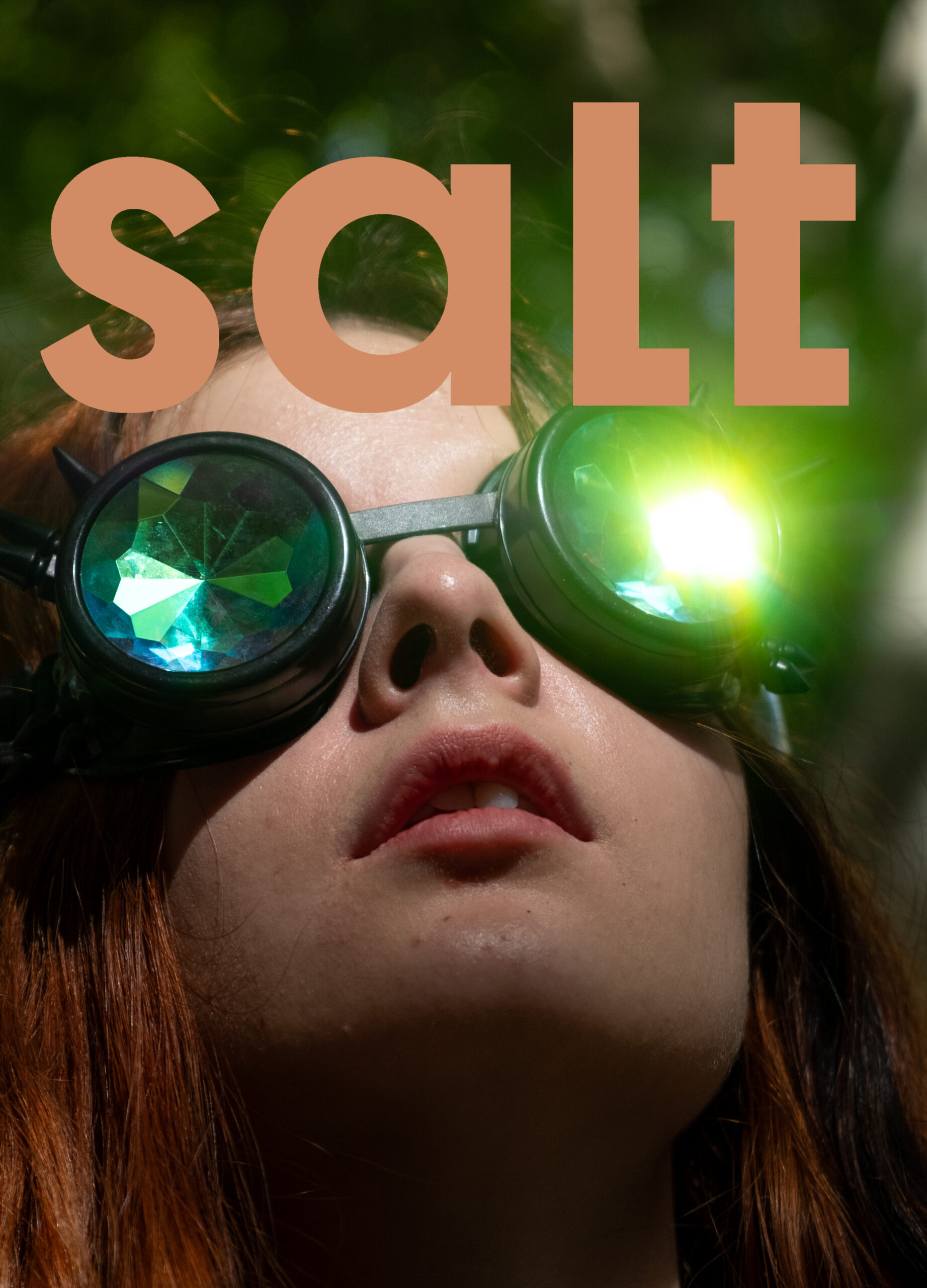
The August issue of SALT will immerse you in the rituals, rhythms and contradictions that shape contemporary Armenian life. From the evolving traditions of wedding rituals to the raw voices of Yerevan’s underground music scene, this month is about encounters, where heritage meets reinvention, where spectacle (hello, J.Lo) collides with satire, and where diaspora-Armenia relations unfold in all their messy, modern “situationships.” August is a month of intensity, and this issue embraces it with stories that are layered, unexpected, magnetic.
Cover photo by Lilith Margaryan, featuring Futurili.

The Raw Voices of Armenia’s Underground Music Scene
From psychedelic rock to post-punk and beyond, Armenia’s underground musicians are reshaping soundscapes with raw honesty, intimate stories and bold experimentation. In conversation with four artists, Lilith Margaryan reveals the passions and struggles driving their creativity.
Read more
Armenian Wedding Edition: Green and Red to White
From ancient rituals of red and green wedding attire to modern white gowns and tiered cakes, Armenian weddings have continually transformed. Maria Tumanyan explores how age-old symbols, myths and customs have evolved, blending tradition with contemporary influences.
Read more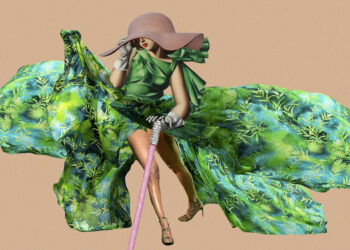
Jenny On Our Block: What the Latina Diva Triggered in Our Armenian Hearts
When Jennifer Lopez arrived in Yerevan, she brought music and glamor and lots of conversation. From admiration to envy, the J.Lo effect revealed our society’s contrasts, ignited debates about culture and trust, and hinted at Armenia’s potential as a stage for the world.
Read more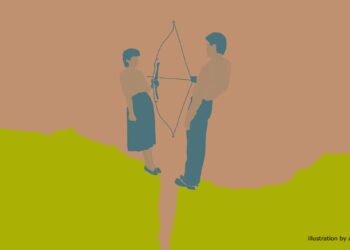
Armenia and the Diaspora: A Situationship?
Armenia and its Diaspora share a bond of love, pride and pain—full of longing, misunderstandings and unspoken truths. Tatev Hovhannisyan explores their complicated “situationship” where memory and survival meet politics, and where distance both deepens and strains connection.
Read more