

Listen to the AI generated audio article.
During COP17, the Green Zone at Yerevan’s Karen Demirchyan Sports and Concert Complex became a lively public space for conversations, workshops, exhibitions and hands-on activities around biodiversity. From panels on urban animal welfare and biodiversity education to climate-monitoring workshops, children’s activities, regional exhibitions and traditional Armenian crafts, the program offered visitors countless ways to engage with the issues at the heart of the summit.
This photo story captures just a small selection of what took place there over the course of the week, a glimpse into a space where no two visits quite looked the same.
***
As you climbed the stairs of Karen Demirchyan’s Sports and Concert Complex, volunteers greeted visitors at the entrance, scanning QR codes and welcoming them inside. After passing through security, the atmosphere changed. The main floor was filled with trees and plants, creating the impression of a forest growing inside the venue. Music played in the background as visitors began their exploration.
The Green Zone was designed to be explored. Around the main floor, visitors could move between different spaces, stopping at a panel or workshop, browsing exhibition booths, joining an activity or simply taking in the atmosphere. With something different happening throughout the day, a visit could unfold in any number of ways.
On the Main Stage
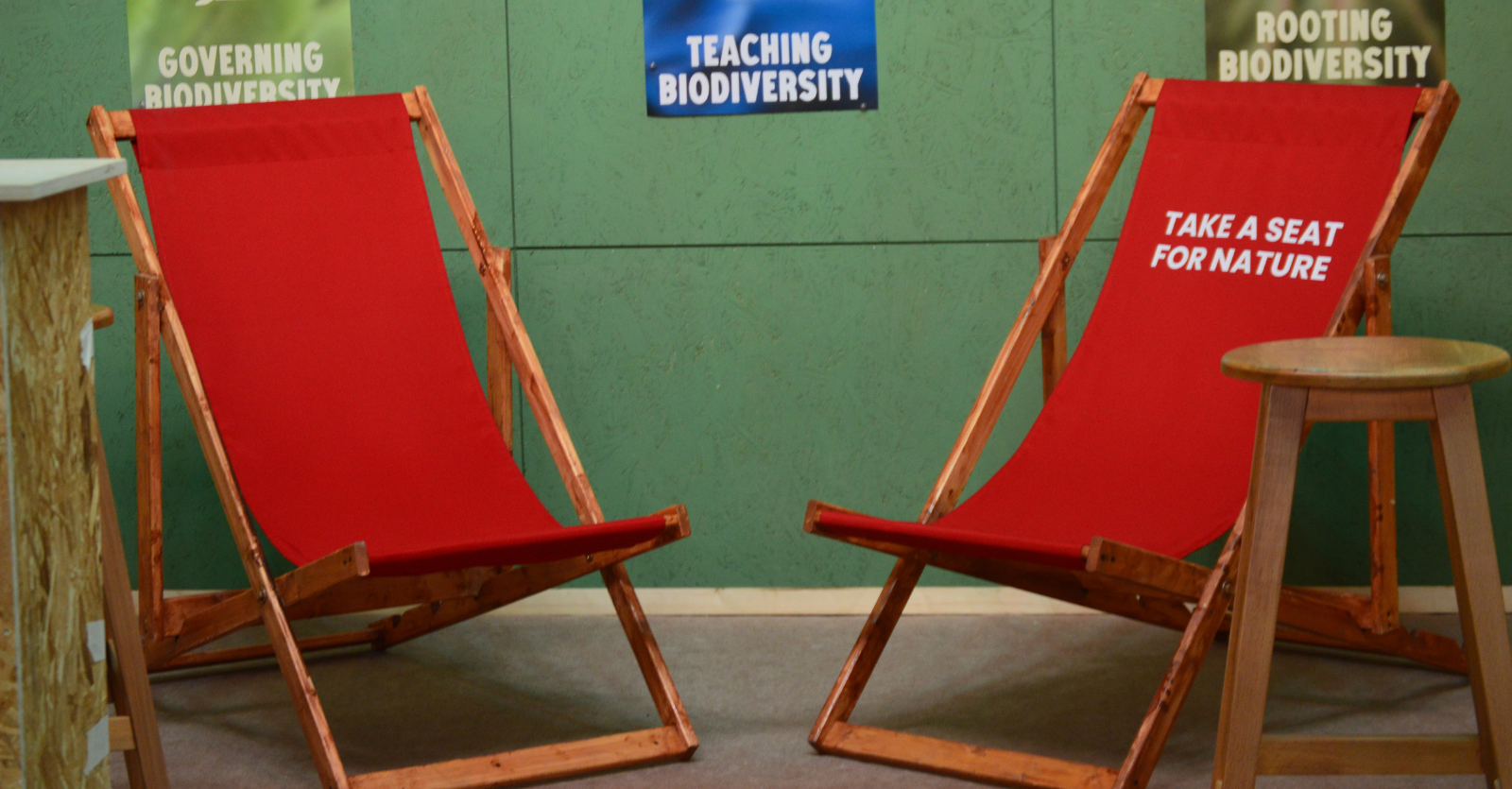
After entering the venue, there’s a walk until you reached the stairs, which led you to the main stage, where most of the panel discussions took place.
One of the local panels included a conversation regarding animals titled Humane Urban Animal Population Management. They introduced the work of Mobile Paws Armenia, an initiative that was designed to provide veterinary care for stray dogs and cats in Armenia. The discussion centered on animal welfare and the importance in managing urban animal populations through humane and ecological approaches.
Another panel explored how education can prepare students to respond to biodiversity-related challenges across areas such as water, land, climate, food, and urban development. The speakers also discussed ways to strengthen biodiversity education, emphasizing the importance of integrating biodiversity into different fields of study within schools, and how this approach could help students better understand the connections between biodiversity and everyday life, while equipping them with the knowledge needed to address environmental challenges.
Hands-on
After leaving the main stage, you would walk to the left, pass the elevator, and find the workshop room. TUMO hosted a workshop that explained how to build an IOT (Internet of Things) device for climate monitoring. They showed the process behind climate data collection and explained the technology behind climate monitoring.
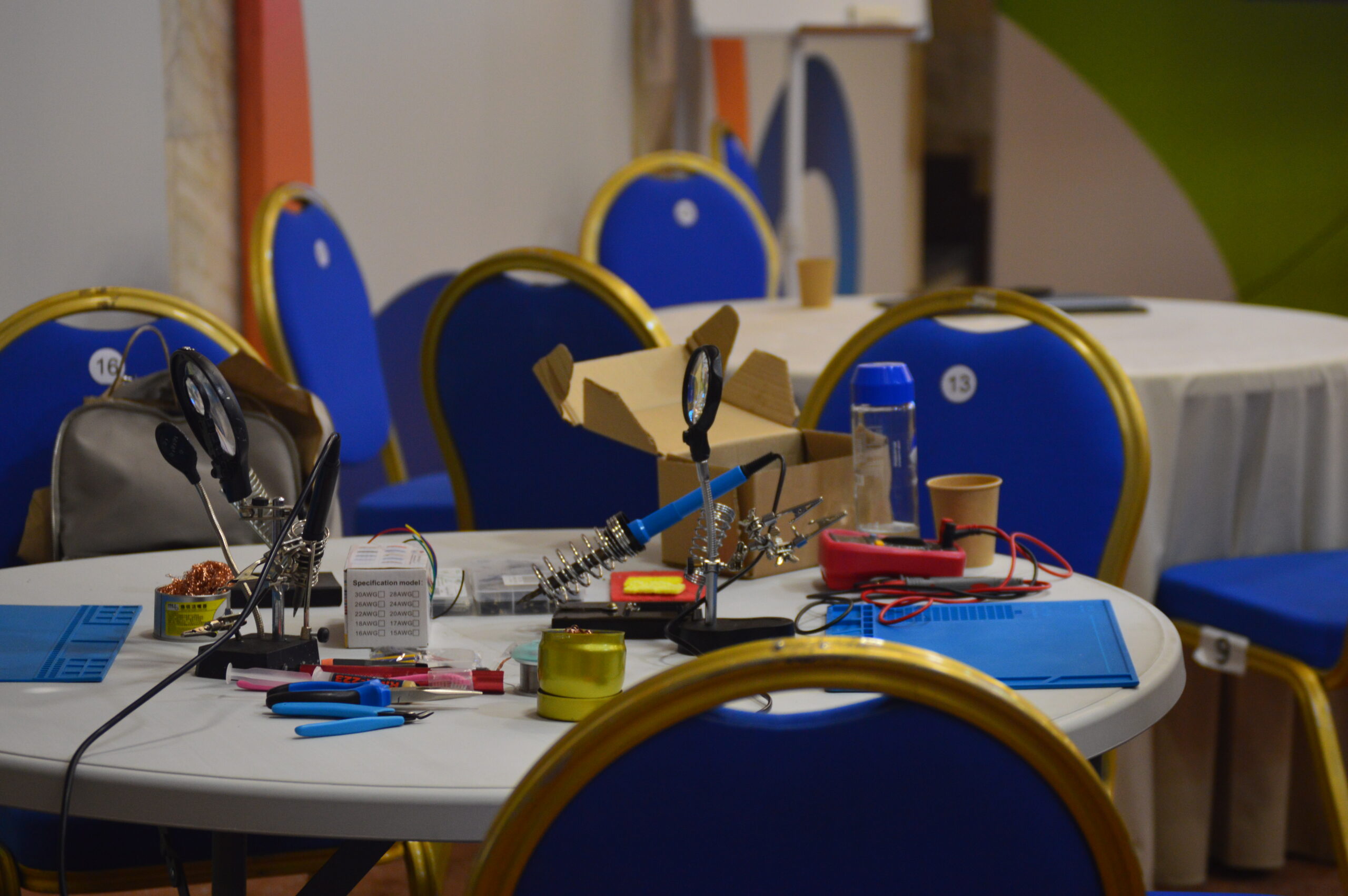
The workshop room had tools and computers on a few of the tables, so after a brief introduction, they allowed the participants to put the theory into practice by having them assemble their own IOT device for climate monitoring.
While some workshops explored the role of technology in environmental monitoring, Staff.am focused on how people can contribute to a nature-positive future through their work. Its workshop, Building the Workforce Behind a Nature-Positive Economy, examined how meeting biodiversity commitments will require changes in the labor market, and how sectors such as tourism and hospitality, finance and investment can adapt to better support biodiversity. At the end of the workshop, participants were invited to consider their own roles and write down ways their work could have a more positive impact on nature.
For the Kids
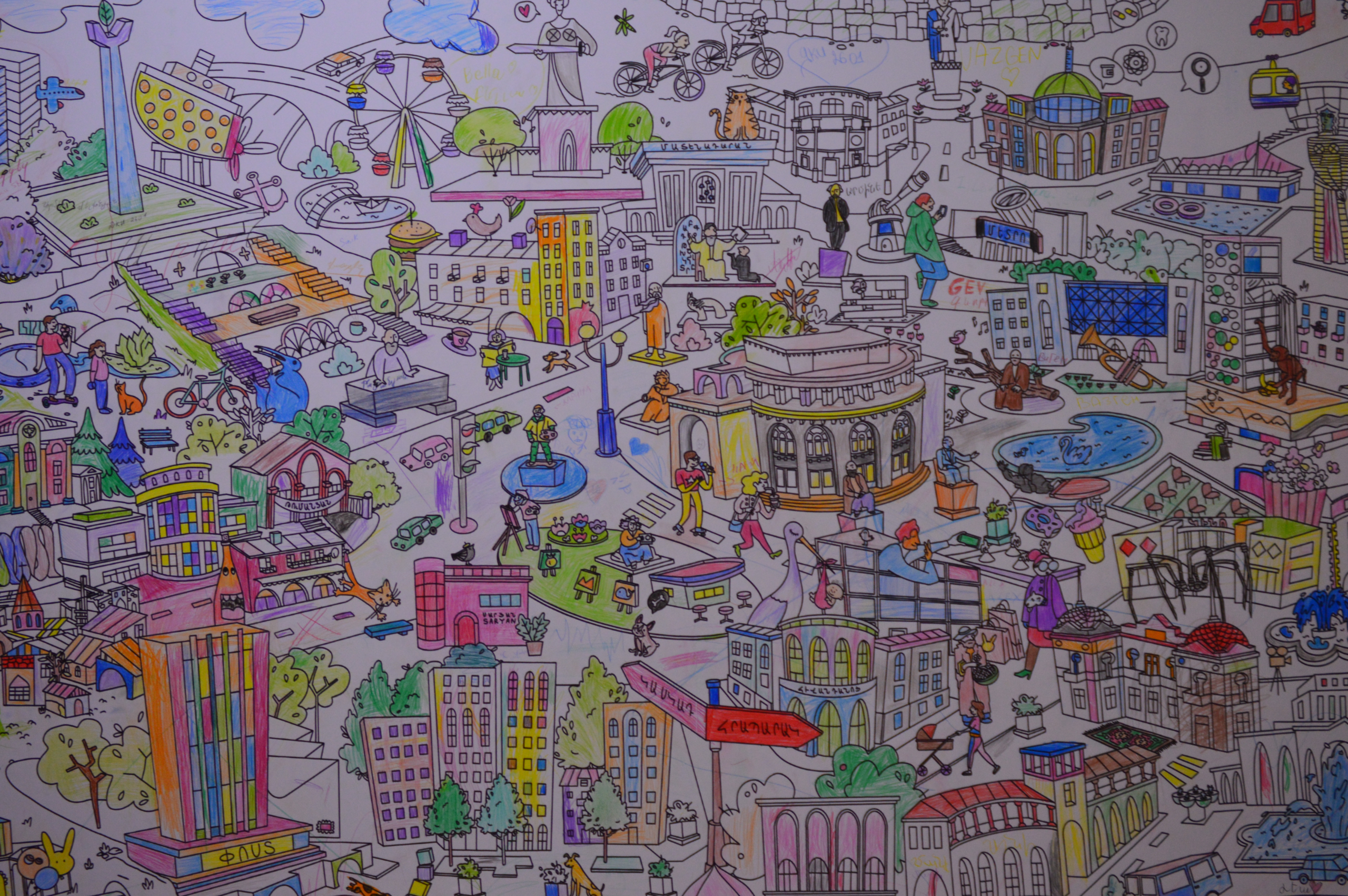
While many of the panels and workshops were geared toward adults, the Green Zone also had a dedicated space for children. Here, environmental topics were turned into something to explore through games, crafts, movies, coloring and other hands-on activities.
Among them was a recycling workshop where children, with the guidance of an adult, learned to recycle paper. The room also hosted movie screenings, alongside coloring, painting, and clay making activities that encouraged children to explore environmental themes in a creative setting.
What Was on Display
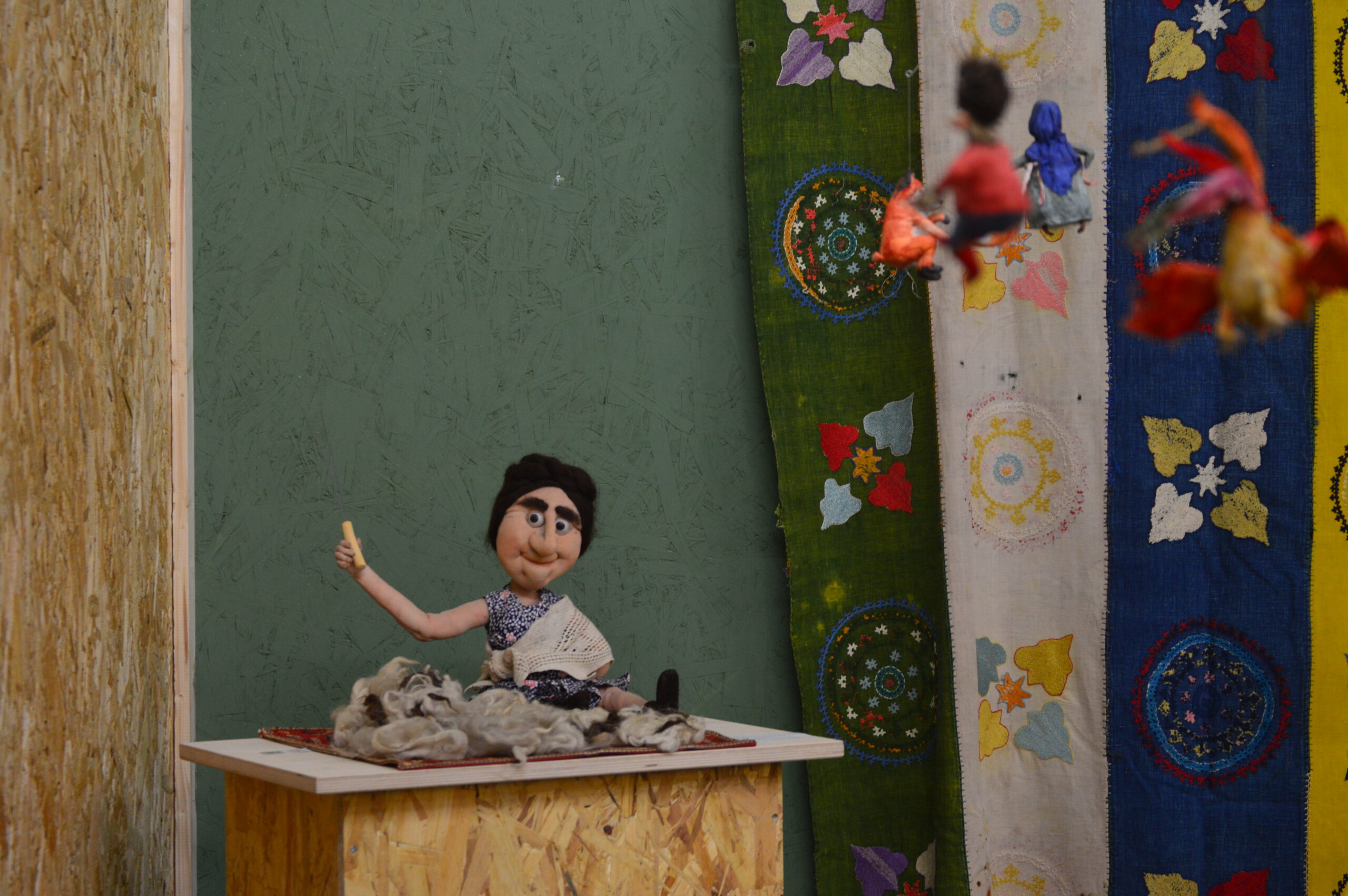
The Green Zone also had an exhibition area where visitors could walk between booths and discover a range of environmental initiatives. Representatives from different regions, NGOs, companies, and organizations presented their work through displays, products they were working on, and ongoing projects. Regional booths also offered a taste of what each area had to offer, from honey, jam and dried fruits to wine, along with photo booths where visitors could stop for a picture.
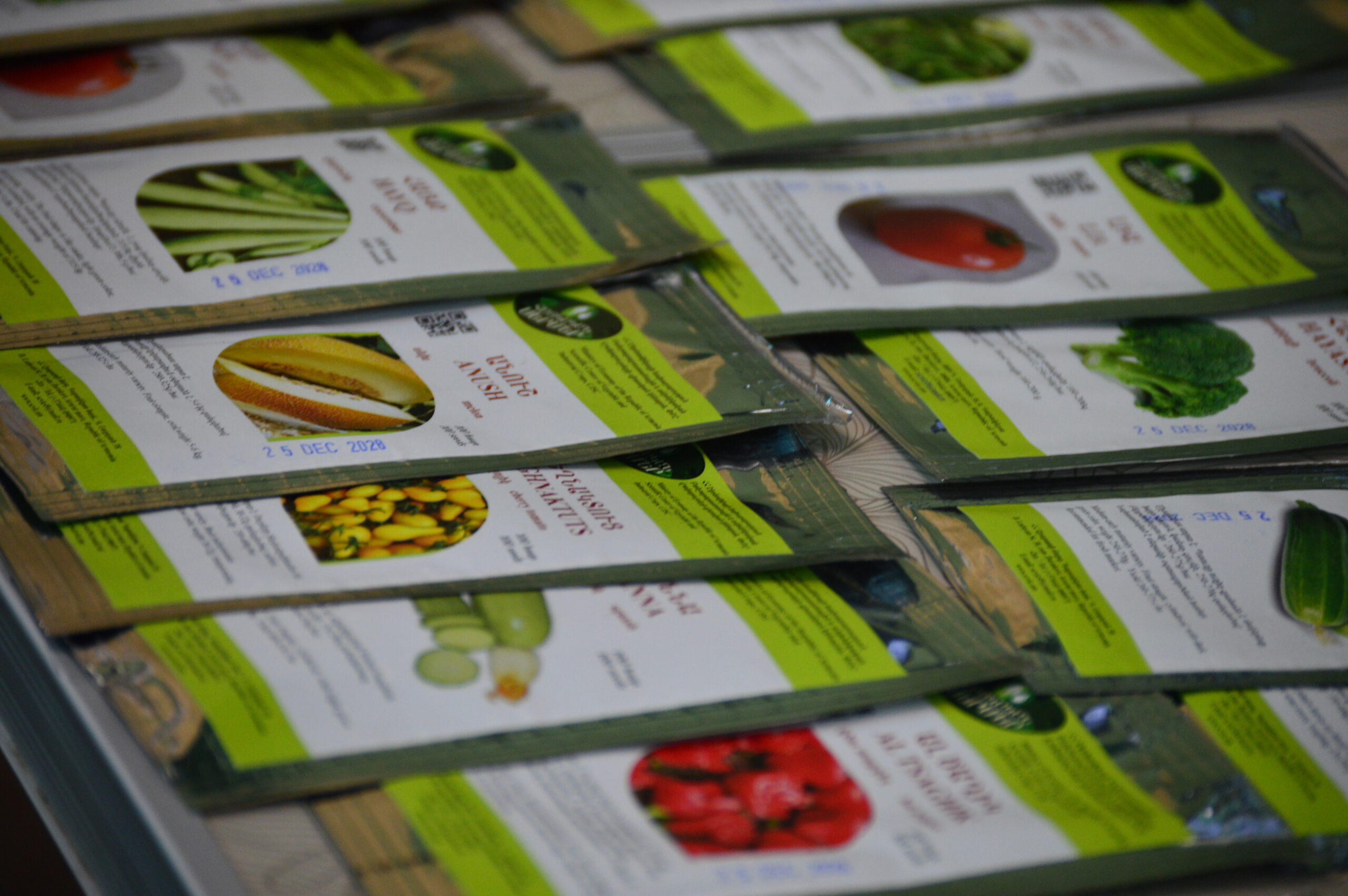
Among the regional exhibitors was the Scientific Center for Vegetable and Technical Crops (SCVIC) from Ararat. Its booth featured small aluminum packets containing seeds, each printed with an Armenian name. The names belonged to the team members’ children, giving the display a personal touch: a melon named “Anush,” a type of tomato named “Noy,” and many others.
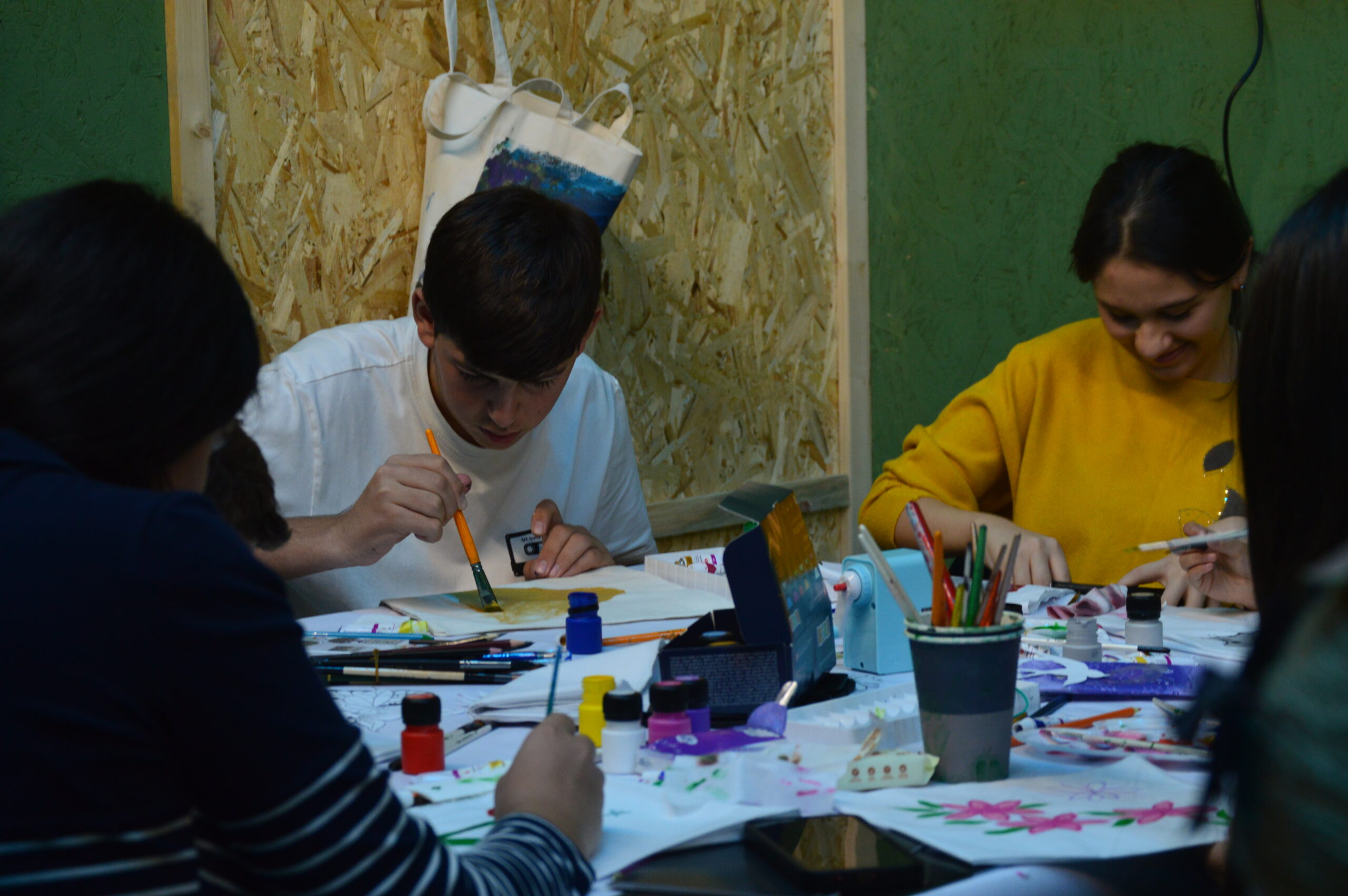
A few booths away was the stand of Armenian Progressive Youth (APY). Its display featured environmentally themed board games and coloring books created by students, to help people engage with environmental issues in creative ways. Another section invited visitors to write down ideas for nature-focused initiatives they could start in their own communities and place them in a box, with APY offering support to help bring these ideas to life. And at a nearby table, visitors could sit down and try out the coloring books themselves.
Activities
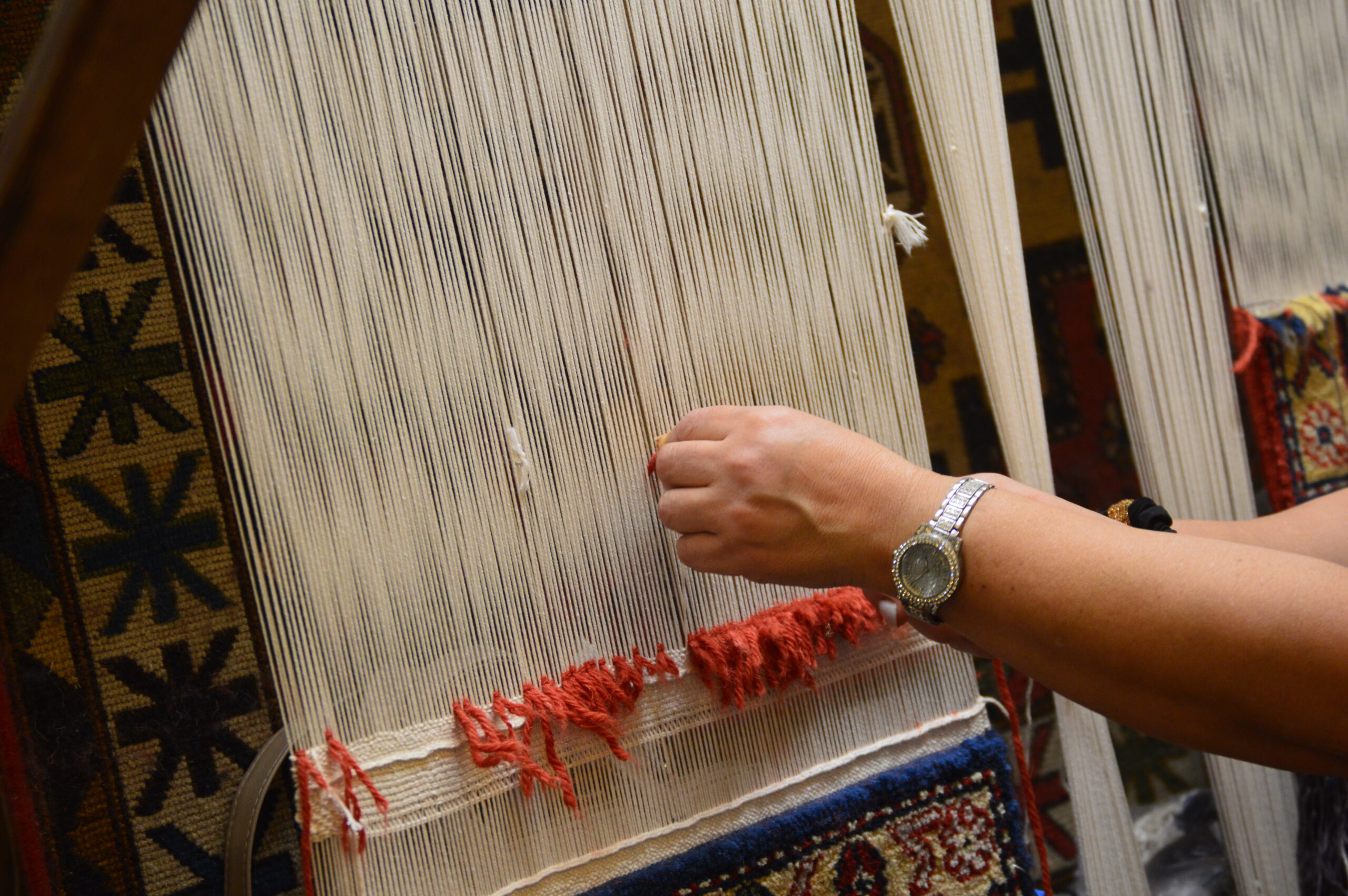
In the main area near the venue’s entrance, visitors could take part in two activities offering a hands-on introduction to traditional Armenian craftsmanship. One was a traditional rug-weaving station, where visitors could try weaving themselves under the guidance of a local craftswoman, learning the techniques involved in creating woven rugs.
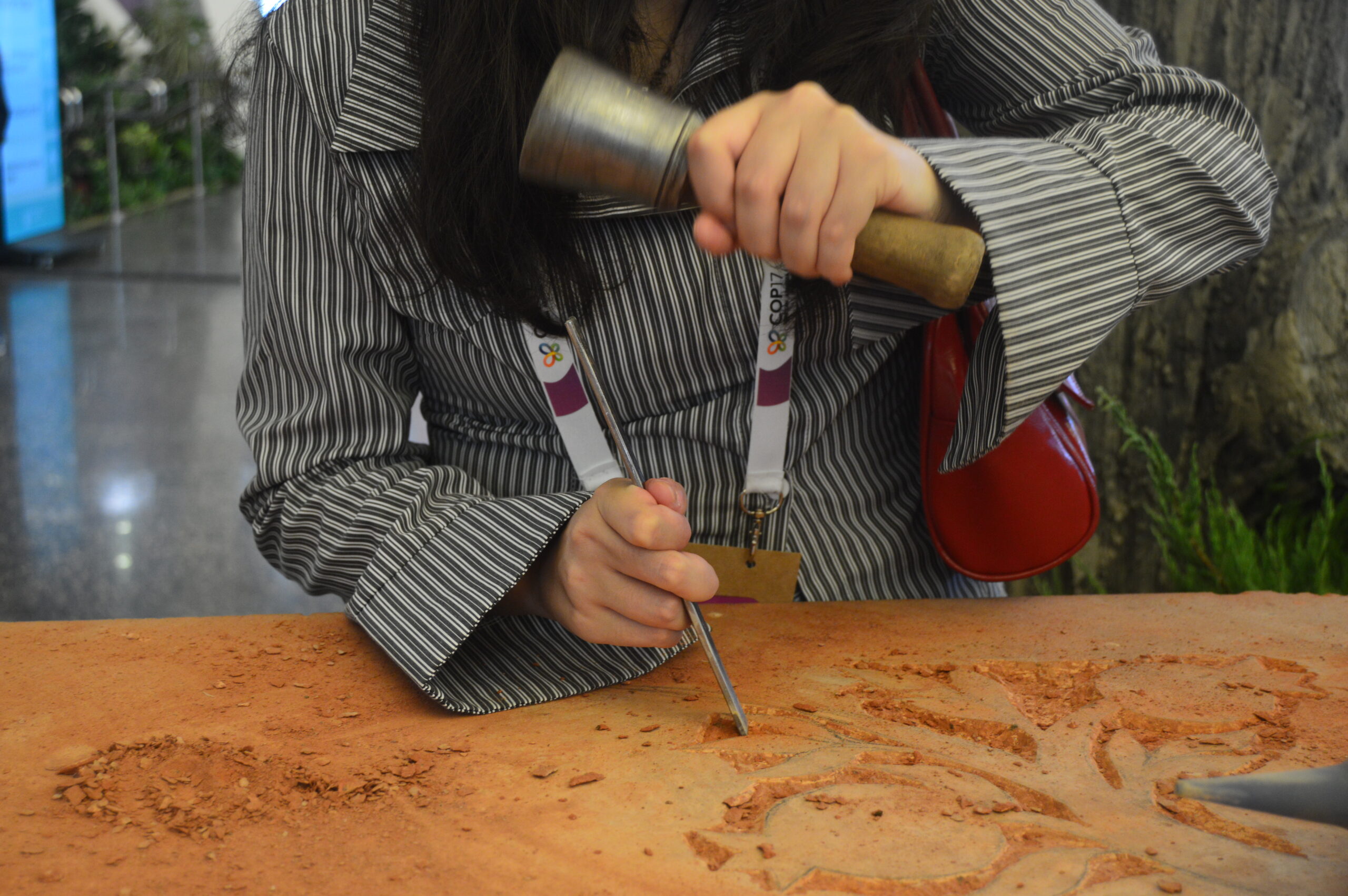
Nearby, another activity invited visitors to take part in carving a khachkar (stone cross) under the guidance of a craftsman. Participants could carve a small section of the stone, contributing to a larger piece that will eventually be placed in front of a church. It offered visitors a chance to leave their mark on a shared creation, and take away a memory of having been part of it.
By the end of the week, walking up the stairs, passing through security and opening the agenda each morning had become routine. But beyond that familiar beginning, the Green Zone was constantly changing. There was always another conversation, activity, exhibition or detail to discover, making no two visits the same.
Photos by Meghrie Yaacoubian

Cover photo by Lola Medina Cirera
LIFESTYLE
The Shape of Things
From fashion and interior design to exotic crops growing in unlikely places and the iconic Armenian nose, this issue of SALT explores innovation, change and new possibilities, the old mixed with the new, the past meeting the future, and ideas taking root, taking shape and taking off.
What’s Growing in Armenia? Olives, Kiwis and More
In Armenia’s warmest corner, olives, kiwis, persimmons and other crops more familiar to Mediterranean climates are taking root. Meet the farmers experimenting with Meghri’s unique microclimate, and discovering new possibilities for what can grow in Armenia.
Read more
The Armenian Nose
What happens when one of the most recognizable features of Armenian identity becomes something to fix? From the “Most Armenian Nose” contest to TikTok’s “Barbie nose,” Iren Bakunts looks at how beauty standards, social pressure and rhinoplasty are changing the way Armenians see their own faces.
Read more
Evroremont/Евроремонт
Evroremont became a material expression of the post-Soviet transition, reshaping inherited Soviet landscapes through renovation, adaptation and improvisation. Vrej Haroutounian traces its evolution from an imagined European future into a reality of its own, and asks what comes next when imitation gives way to recognition.
Read more
Armenia’s Fashion Scene Looks Forward, Without Forgetting the Past
Yerevan Fashion Week’s fourth edition brought Armenian fashion into dialogue with the city, with designers staging collections in historic landmarks and reimagining heritage through contemporary silhouettes. As established names and emerging voices look outward, Armenia’s fashion scene is finding new ways to carry its past into the future. Lola Medina reports.
Read more