

Listen to the AI generated audio article.
In my childhood, the Dalma Gardens began from Tsitsernakaberd hill, next to Tumo Park, and spread southwest. In time, that giant green eye, where traces of ancient history could once be found, was reduced to small fragments.
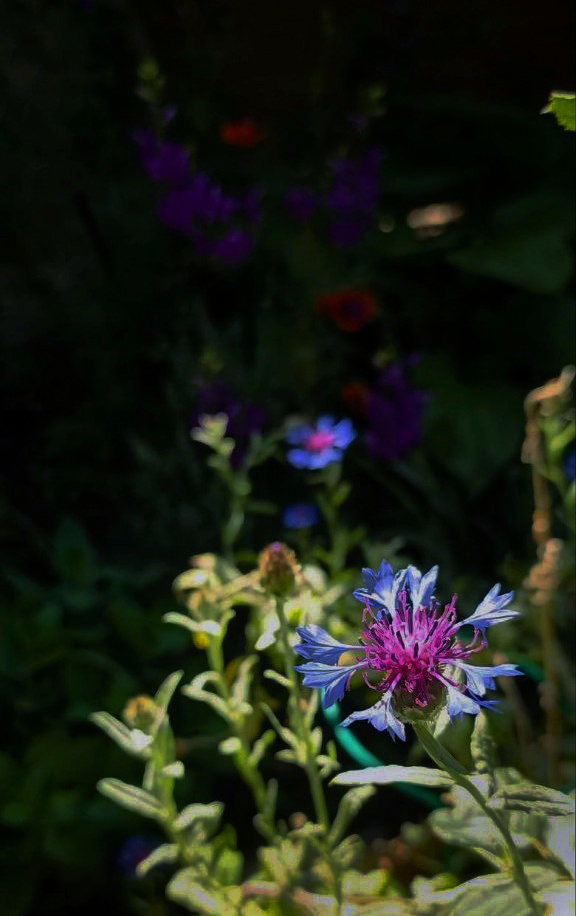
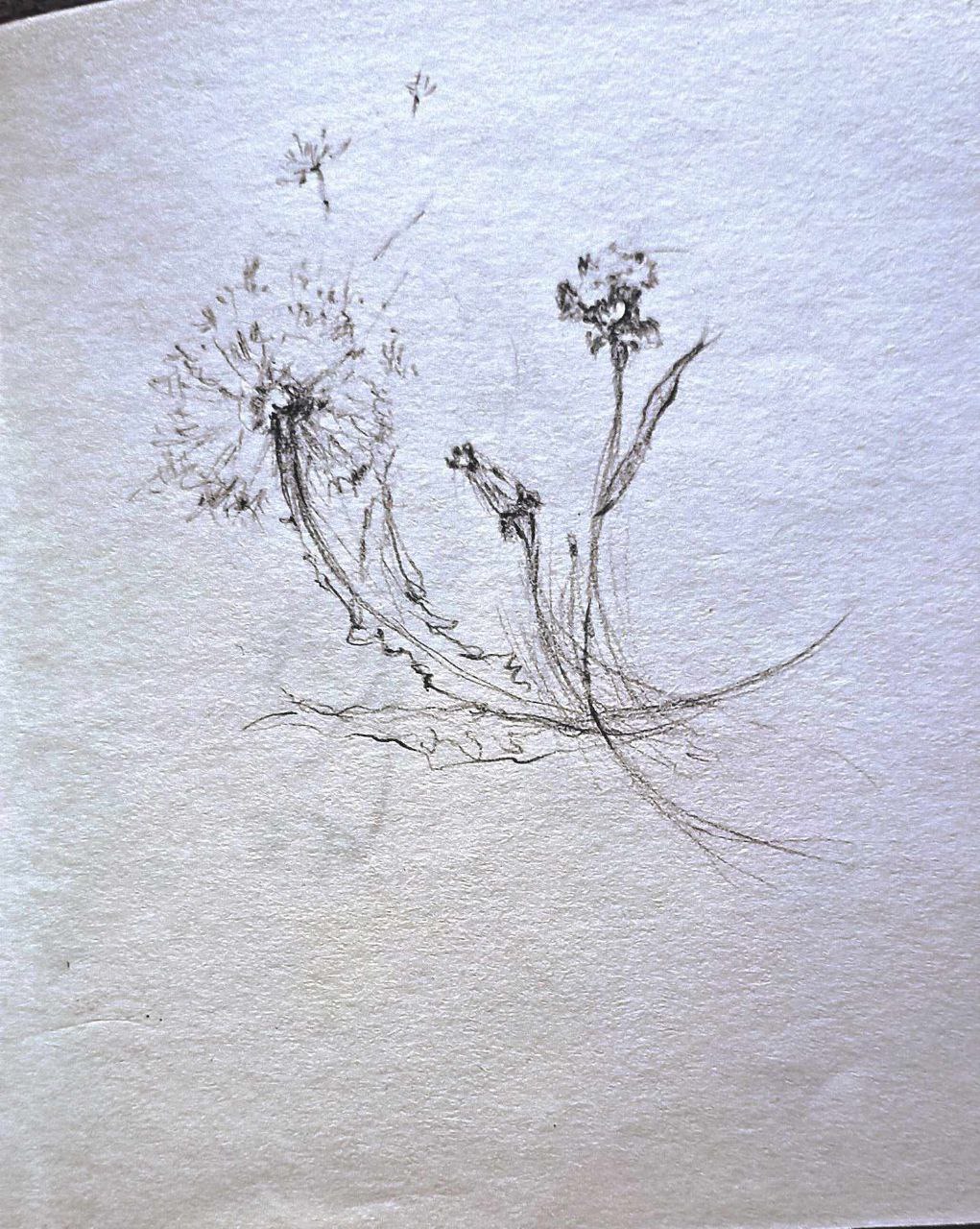
During Covid, hoping to find a bit of greenery and see some plants, we hid in the remaining patches of Dalma Gardens. There, we found centaureas growing in clusters along the ditches. I had never seen a centaurea anywhere else in Yerevan. They’re blue, and when in full bloom, they turn the deepest of blues.
Blue flowers are altogether rare in Yerevan. The banks of the Hrazdan Gorge are violet and yellow in the spring, there is no blue. But the narrow, long ditches of the Dalma Gardens were embroidered in azure.
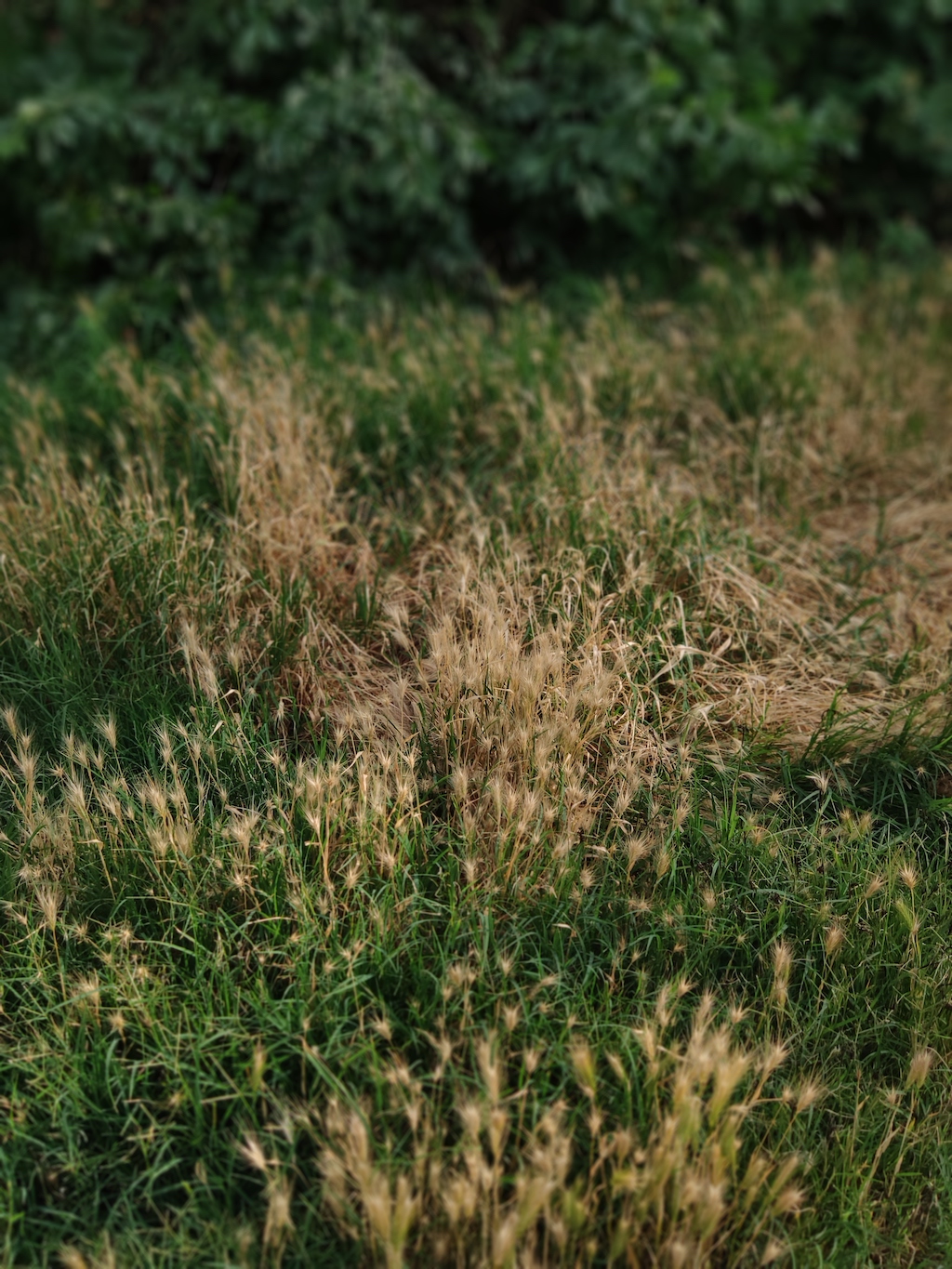
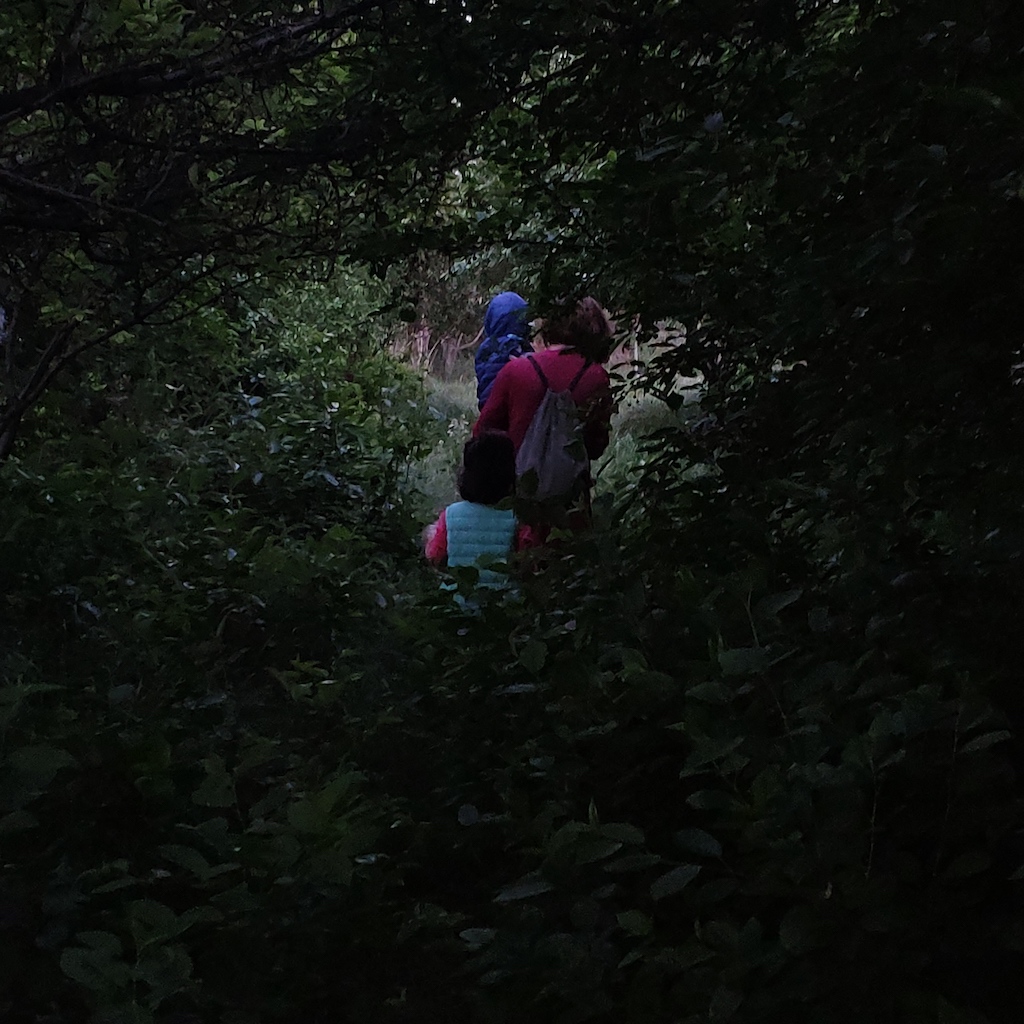
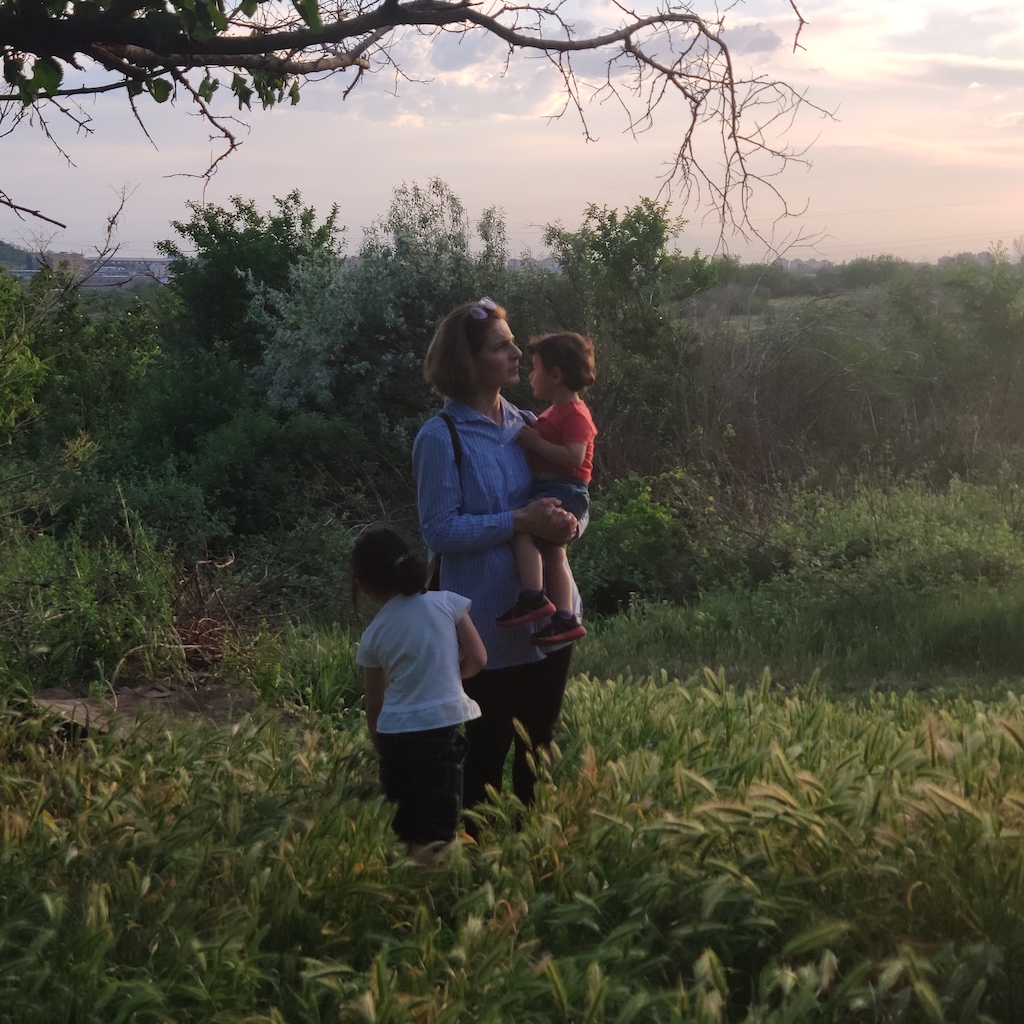
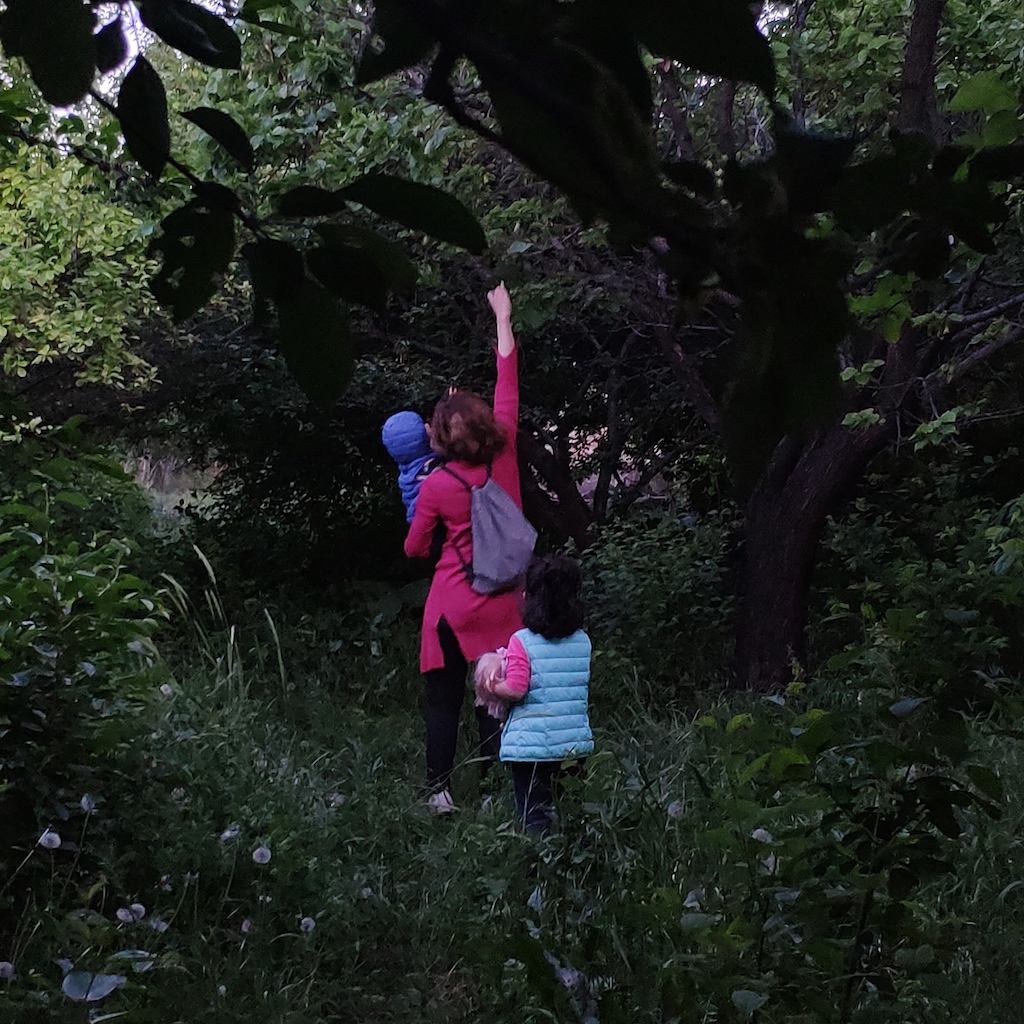
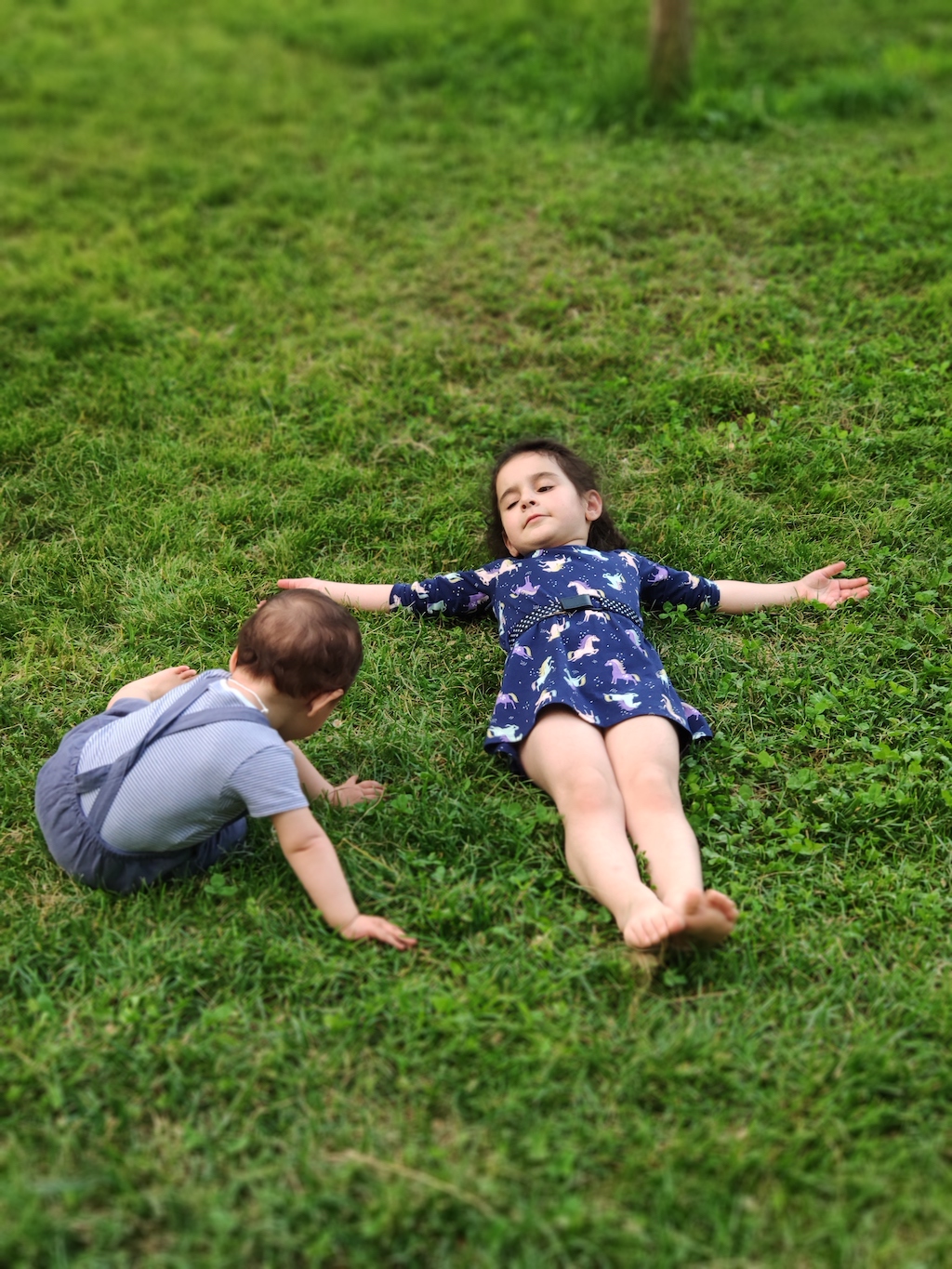
With my children, we would seek out the nearest remnant of nature and let the wild green caress our eyes. Every year, a few days before May, the centaureas would blossom. We already knew that, it coincided with the eve of my daughter’s birthday. Announcing the advent of her birthday, the centaurea would open their crowns to repeat their annual exhibition, each time with a new pattern. Walking along the paths, one could almost envision the old mulberry trees and the apricot trees as saplings. Or hear the stories of an abandoned bench in the traces left by its maker. The wind in the Dalma Gardens carried the melancholy scent of Yerevan’s passing stories and old winepresses’ sorrow.
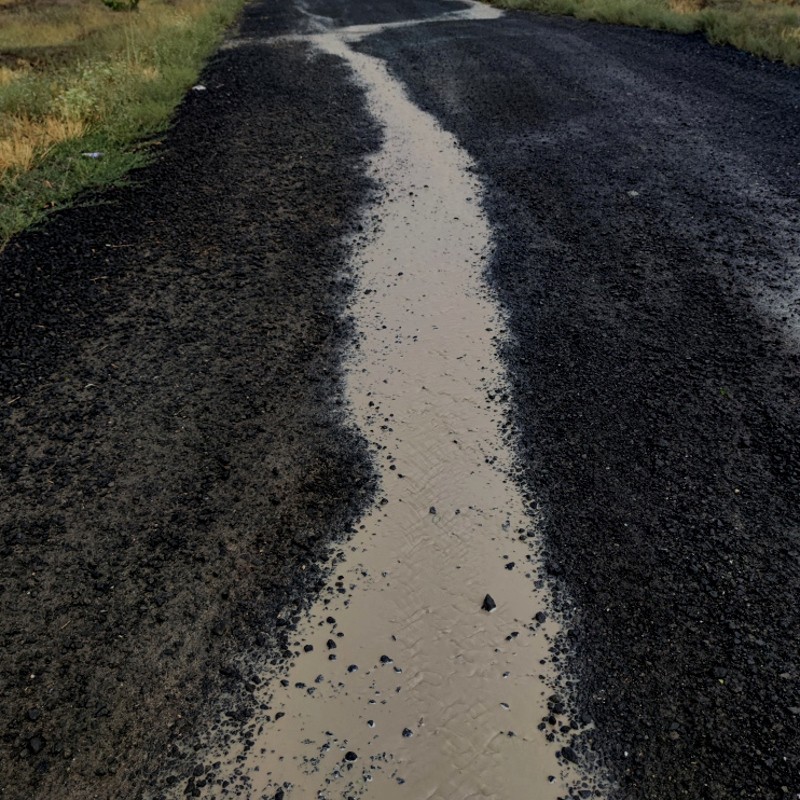
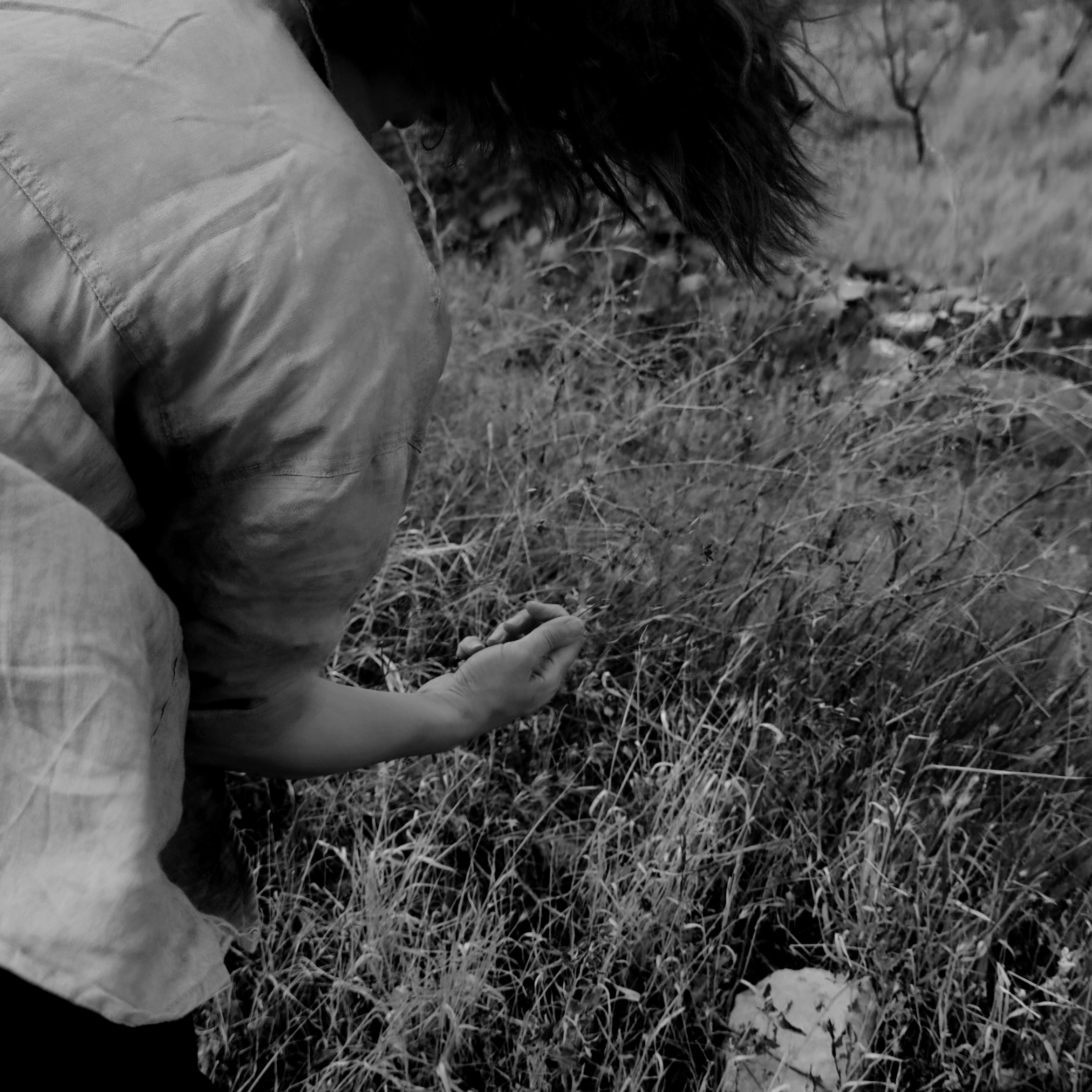
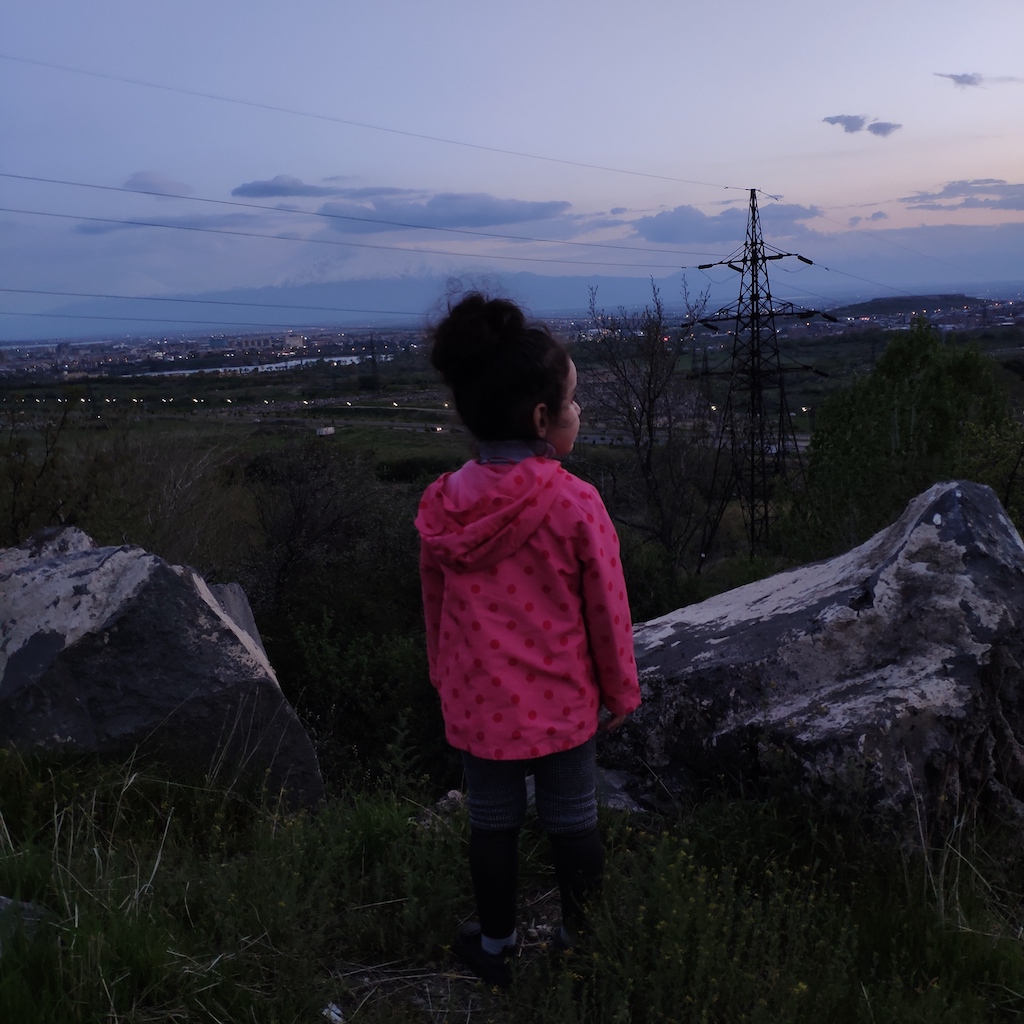
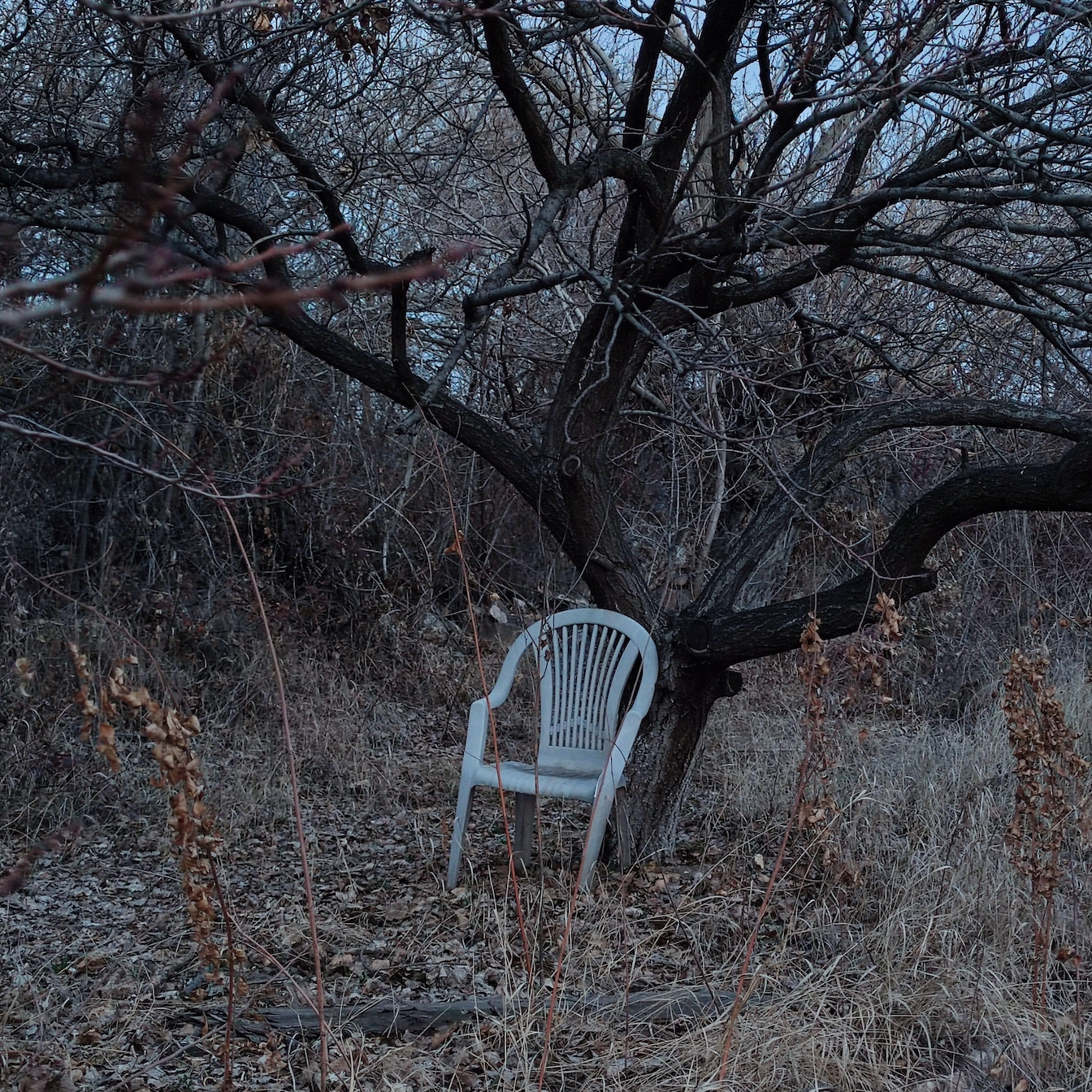
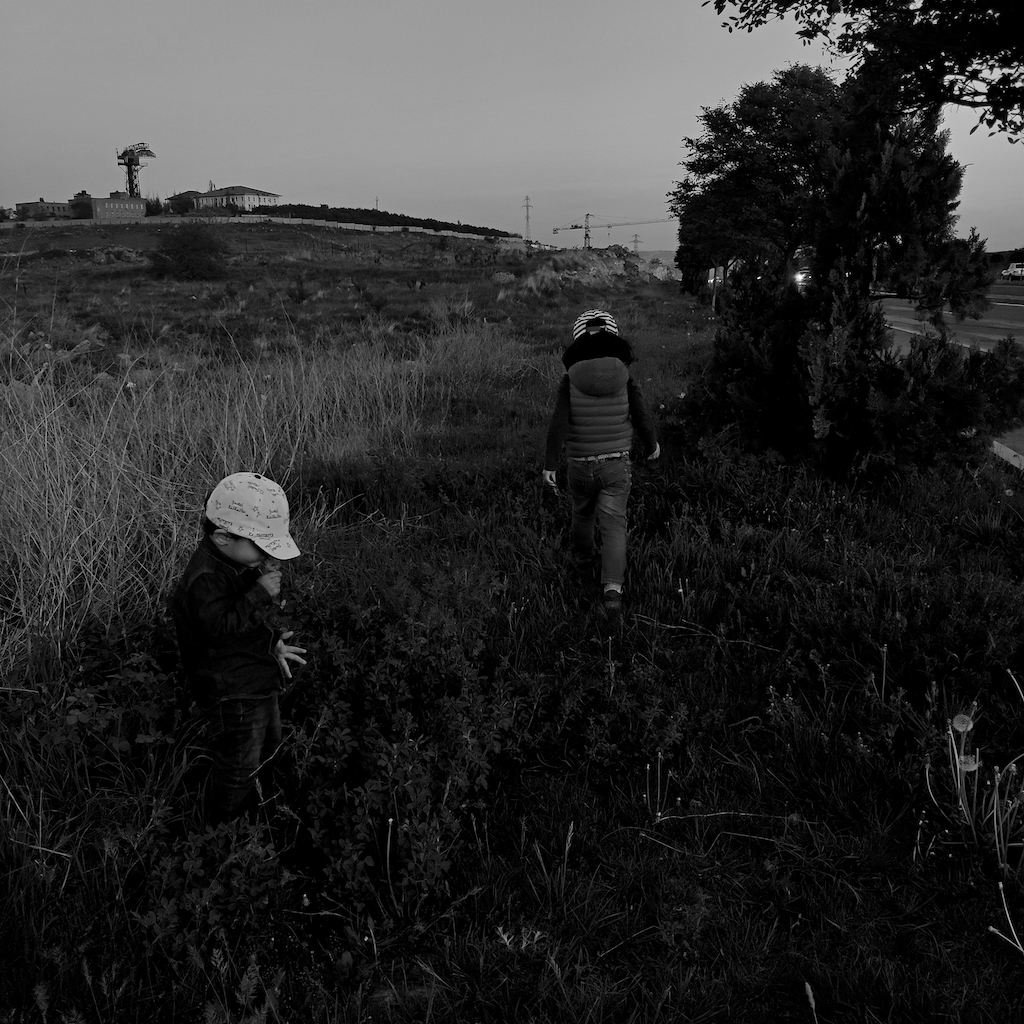
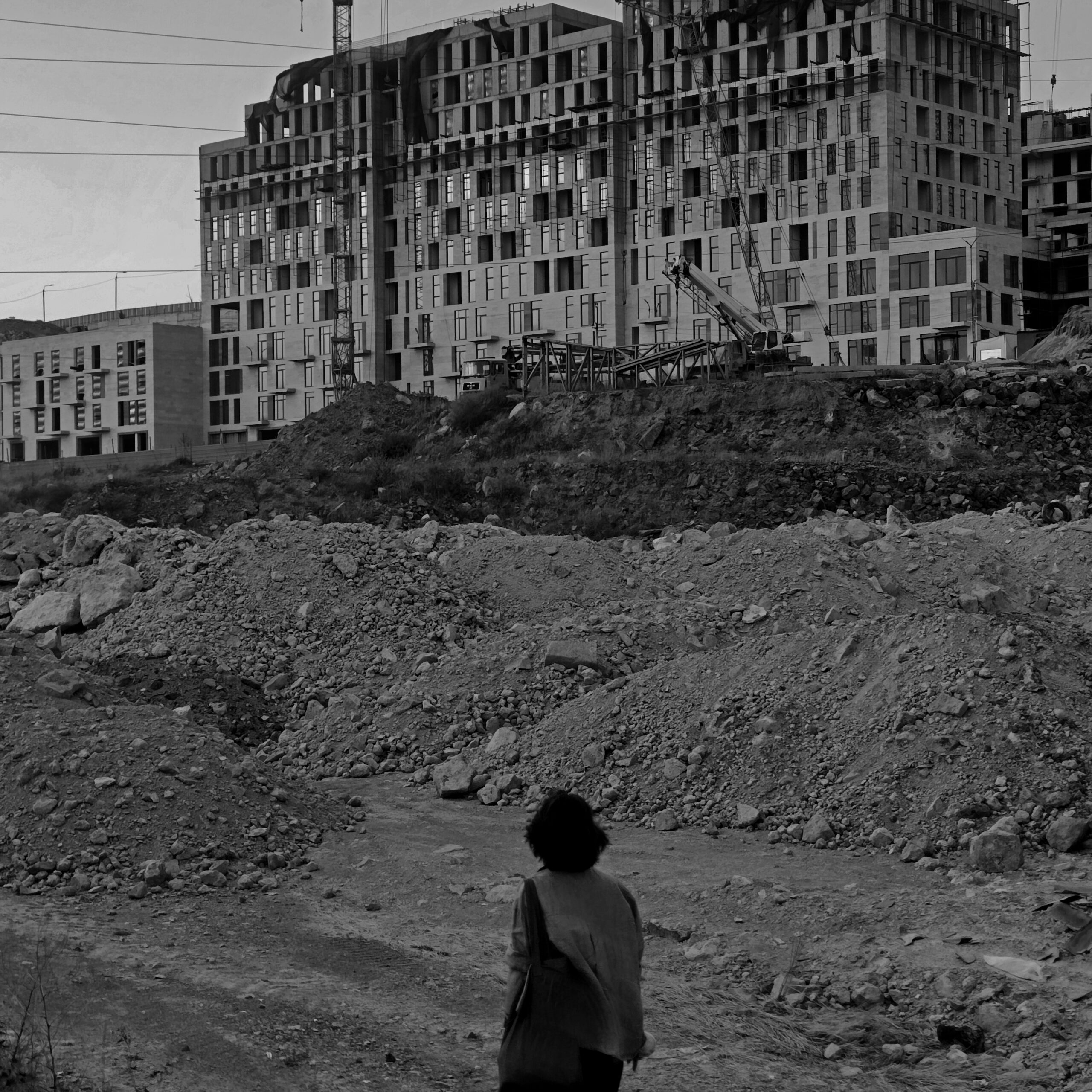
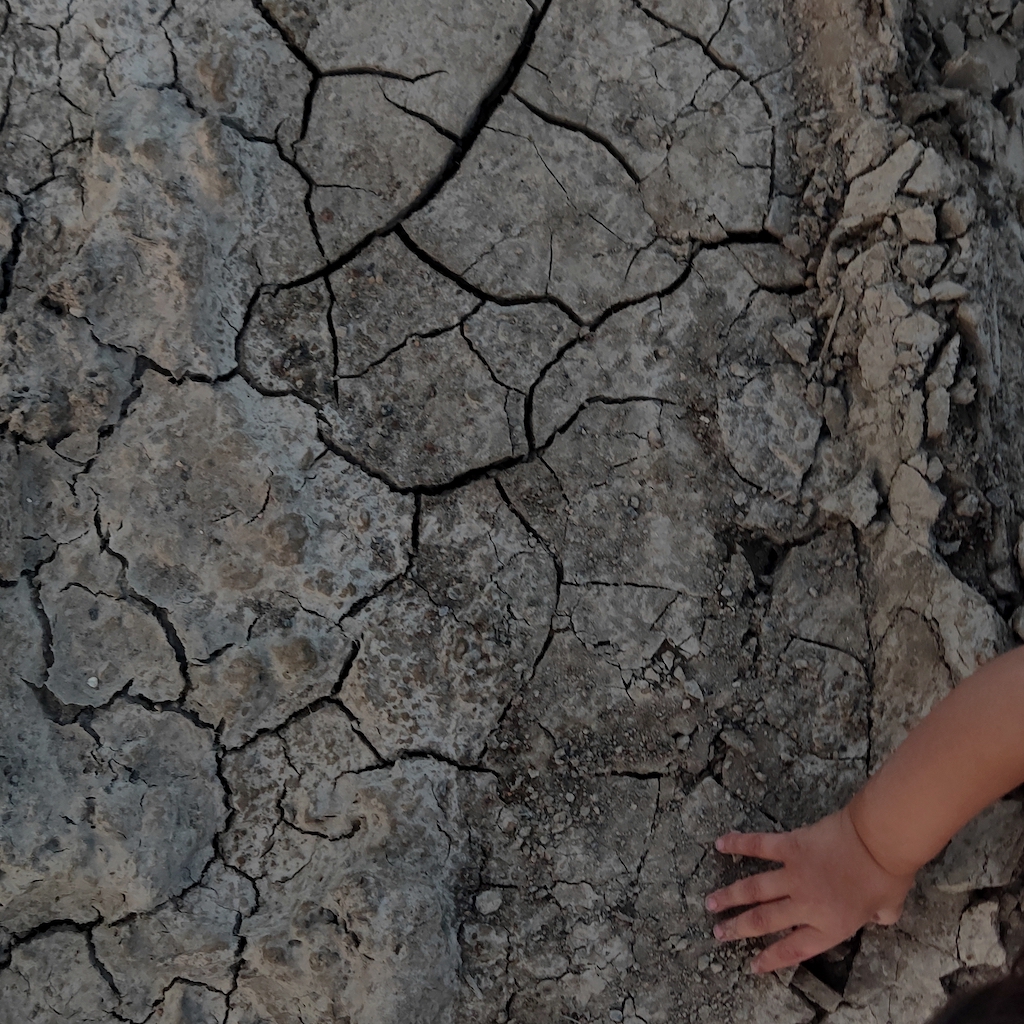
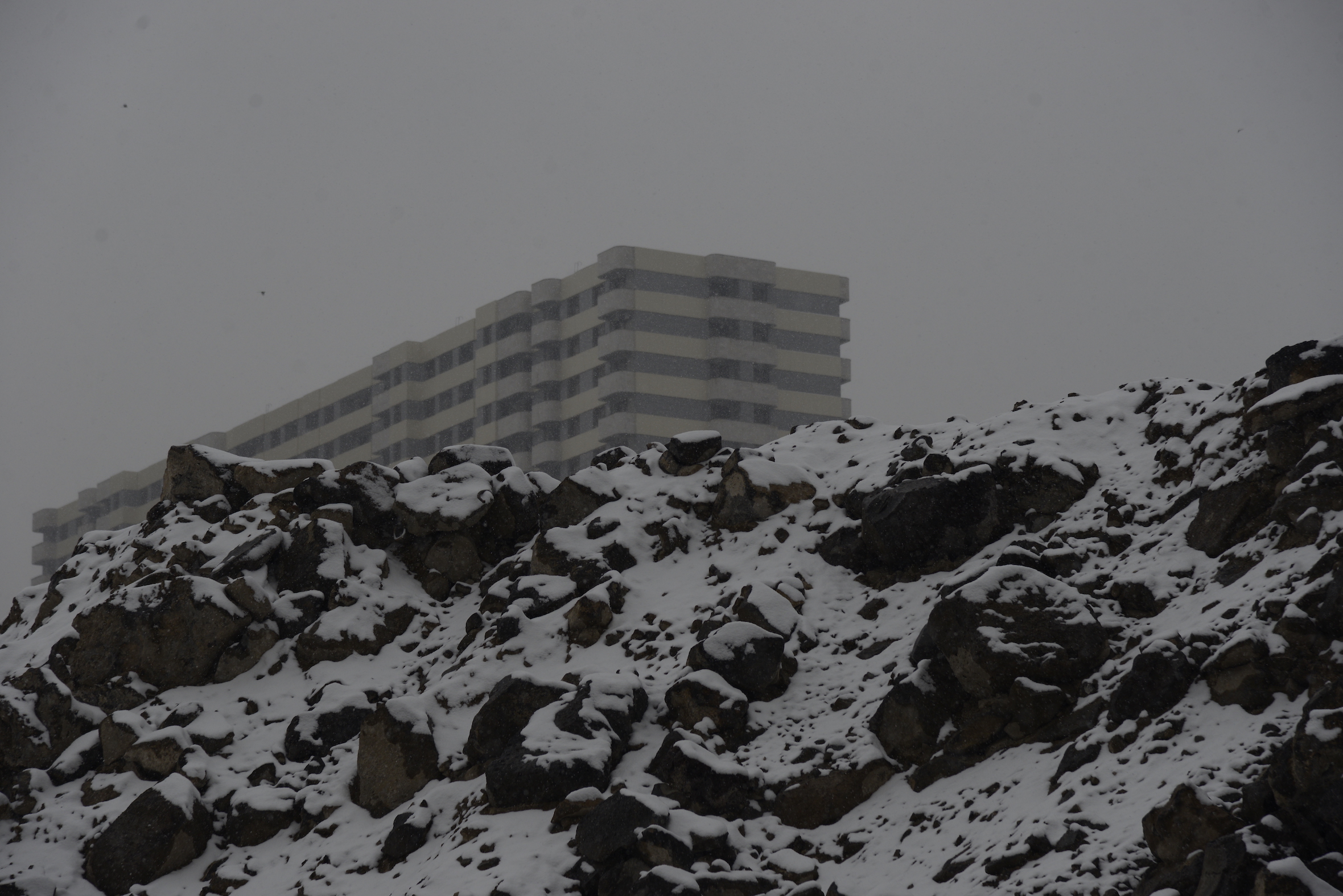
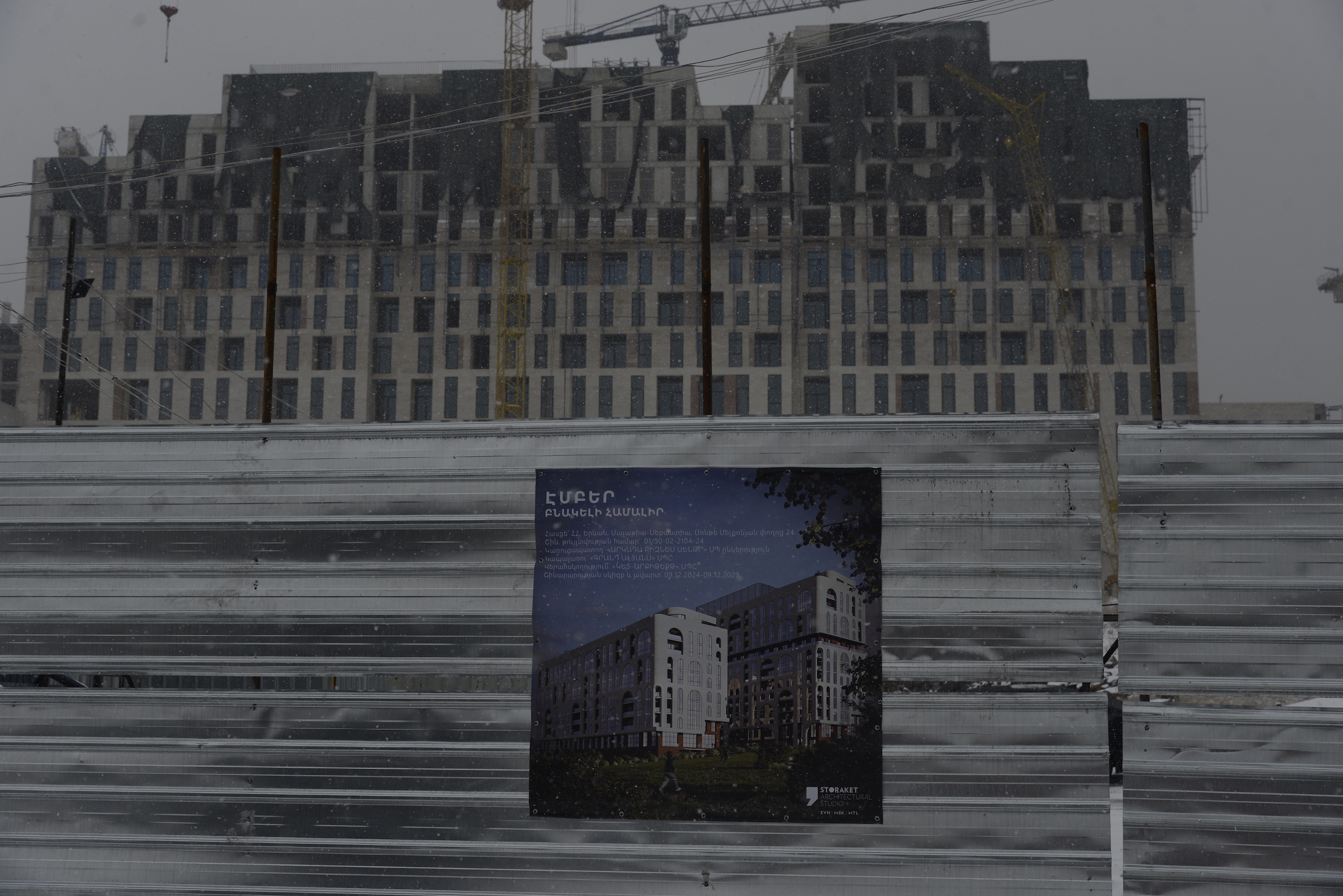
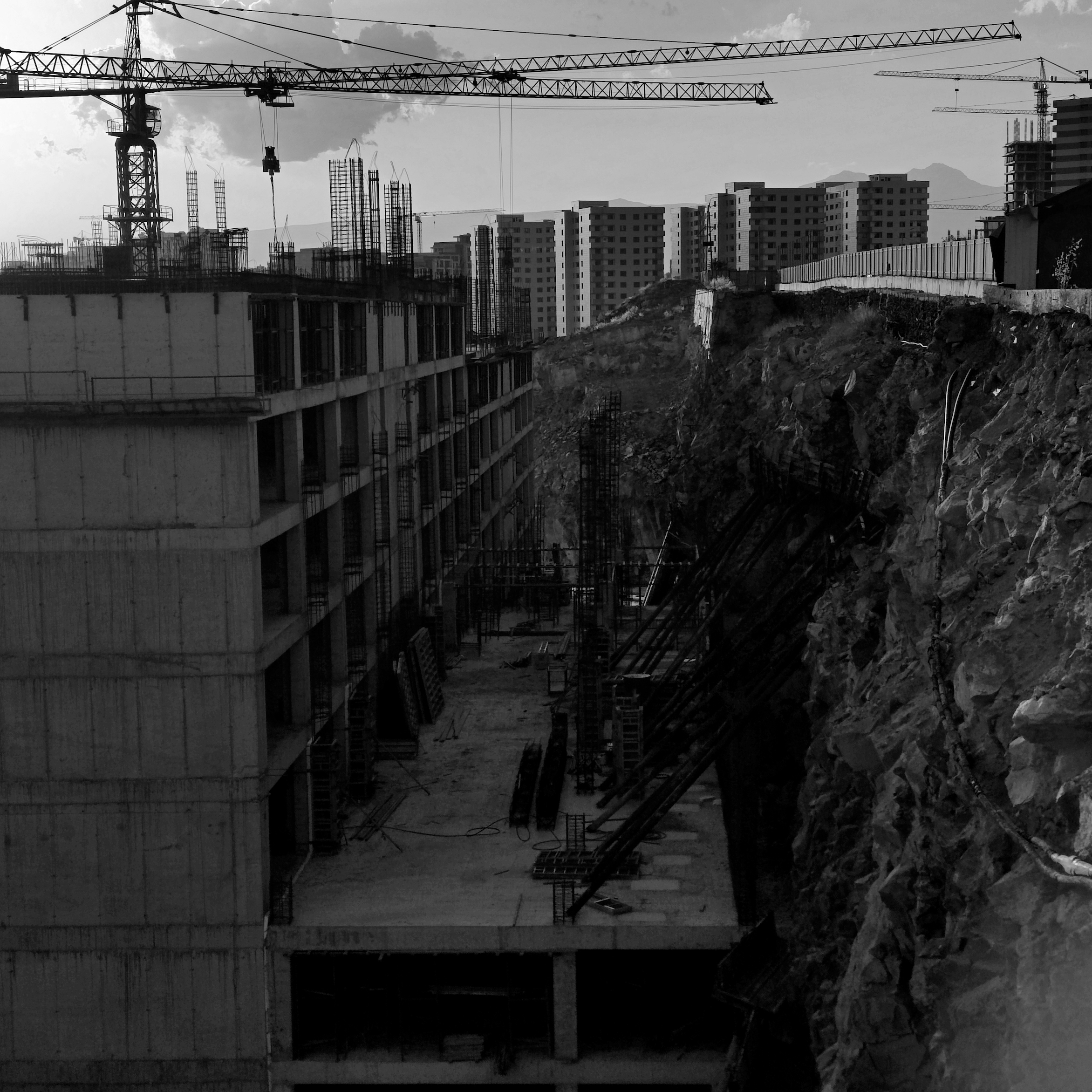
Now there is a concrete forest here. We inhale the cement dust from the construction, exhale the sandy remains of our own lungs. Not even a symbolic patch of green from the massive hectares survived.
I used to think how beautiful these paths would be if, instead of just patterned snakes and the hum of insects, tourists and locals were to also wander around, buzzing softly. Wooden signs could guide our steps, pointing to different workshops snug in patches of the gardens. Let’s imagine a silversmith’s, where you could study old and new ornamentation together, then craft your own little piece of silver in the depths of his garden and delight in the gift you made for yourself. Or other workshops, art galleries, a literary club, a grape cellar, an Armenian gata house, a coffee tavern, workshops that would recall old Armenian cottages, yet filled with new creations. And so Dalma Gardens would become the green healer of Yerevan’s heart, a place where one might occasionally steal tsogols [sour apricots] and shlors [our plums] or organize a tsogol-thieving festival.
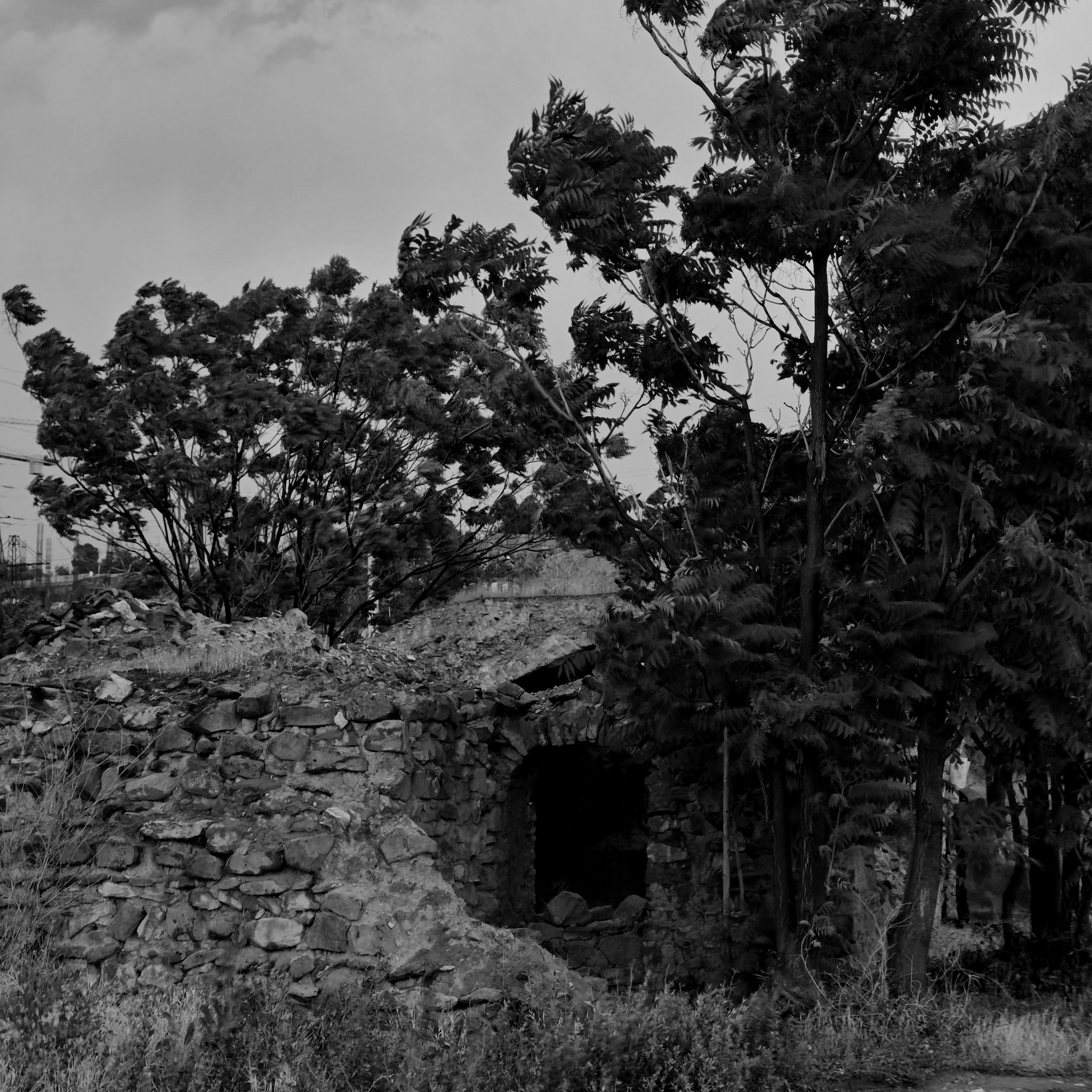
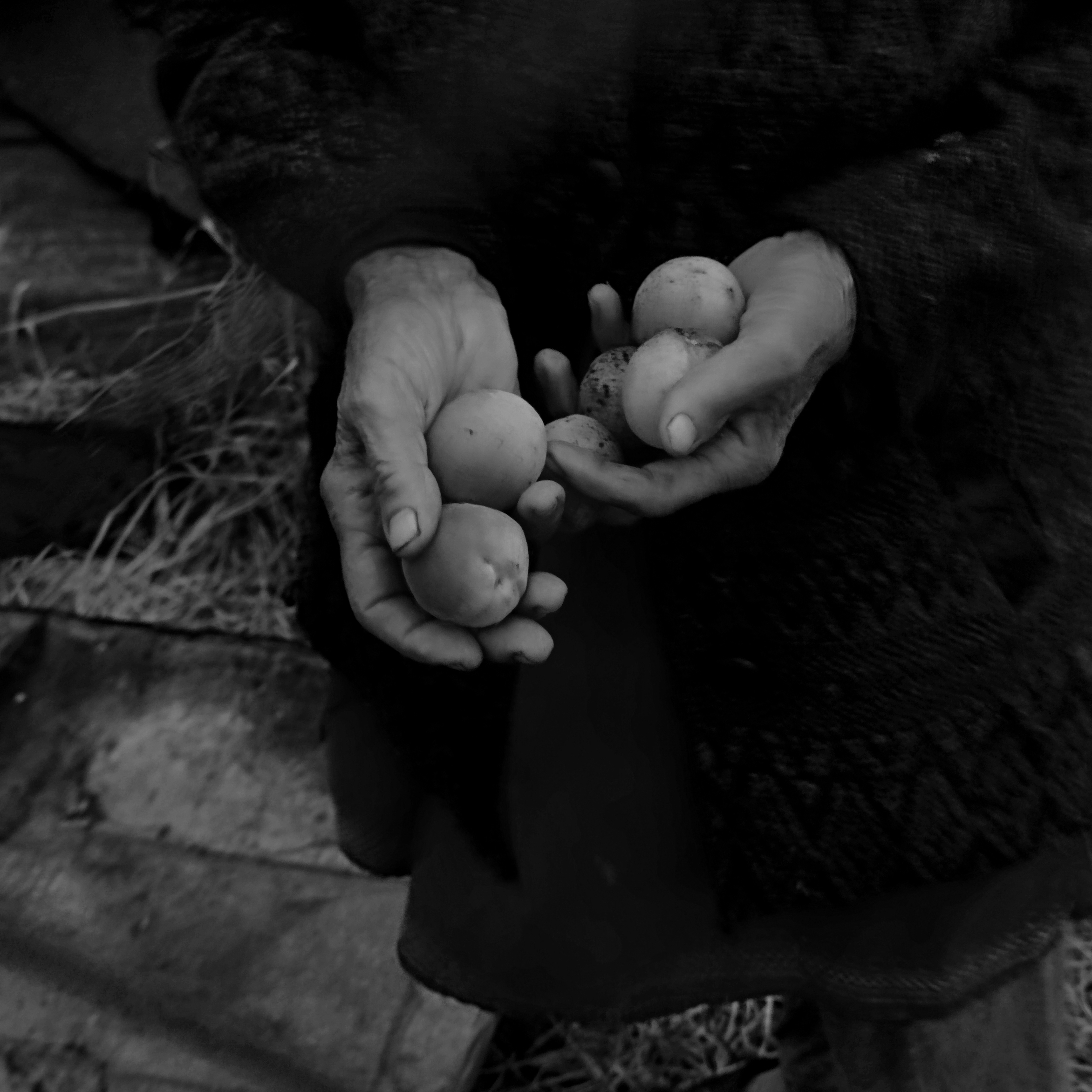
But no. Apart from malls (one, incidentally, rises right above the gardens), there’s nowhere left to go. There is no shortage of synthetic amusements, like the amusement park that bears Yerevan’s name, with its cosmetic trees in rows that encroach upon land that once was part of Dalma Gardens. As the classics would have said back in the 19th century, science and art have left their modest workshops and stepped out to serve the fashions of high society. And so, ladies and gentlemen, every year this morsel was devoured piece by piece by new buildings (apartments, residential buildings, residential districts, business centers, parking lots), that have now formed an entire army.
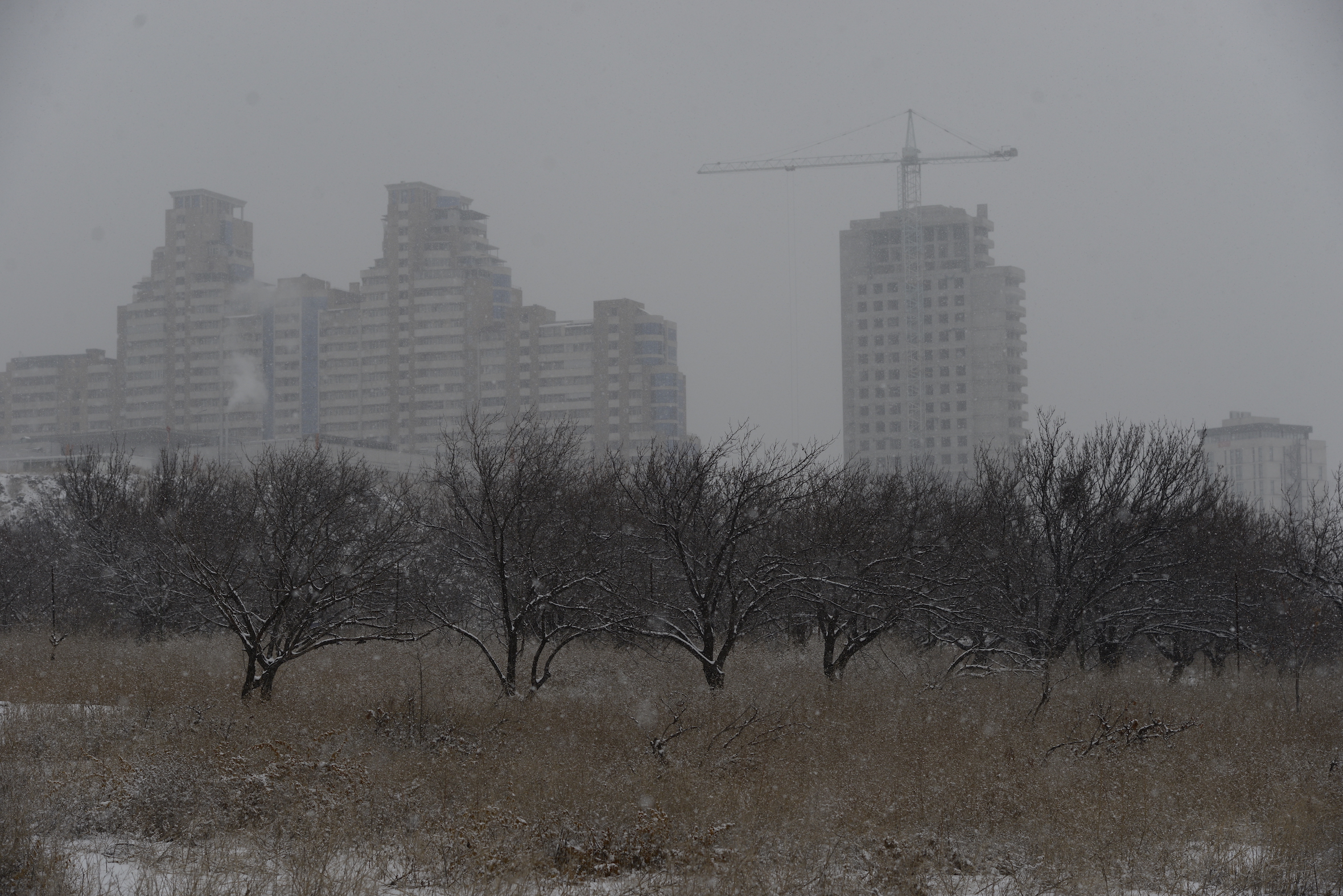
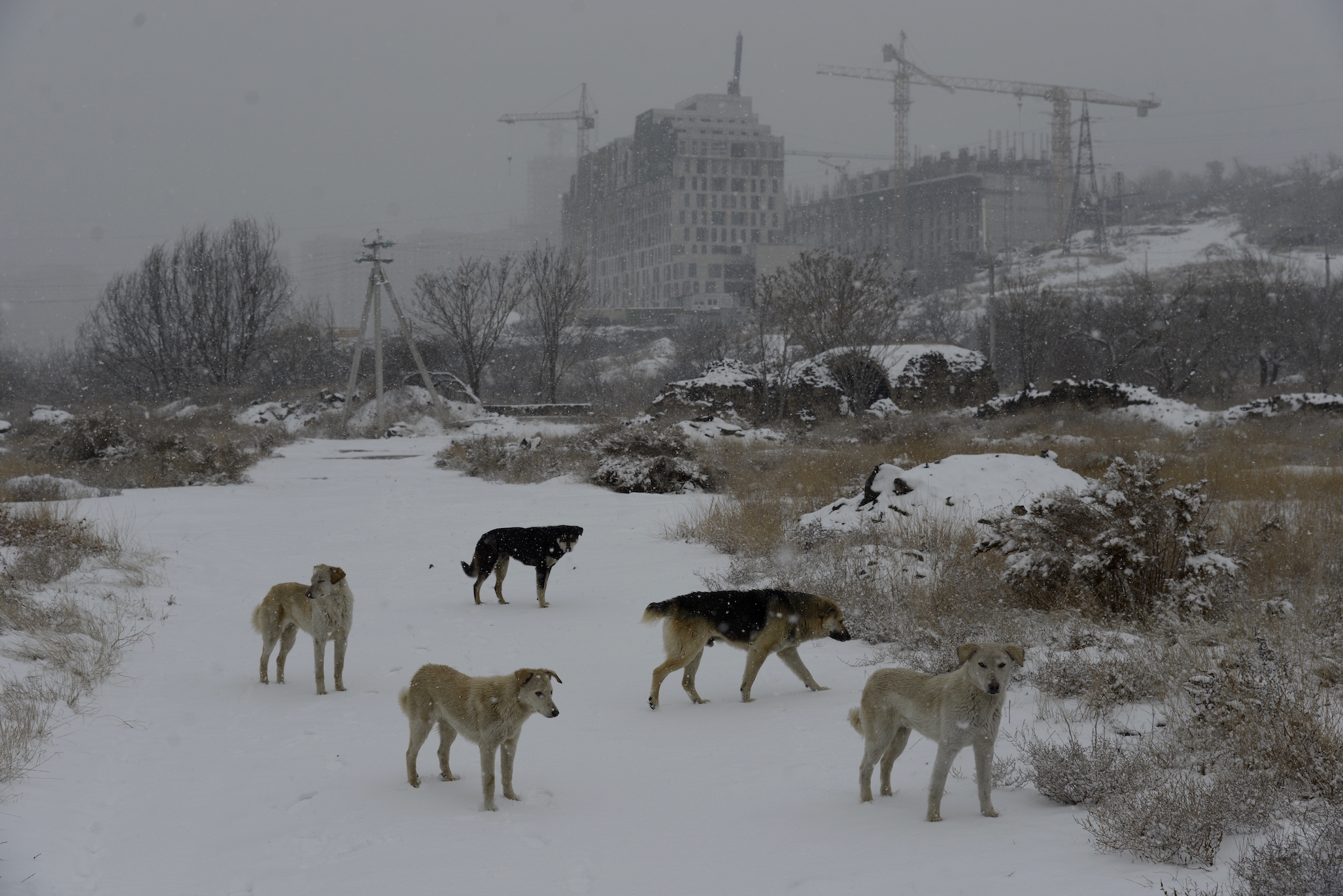
I used to uproot the centaurea and replant them in the small garden under our building, even though I knew that a year later the excavator, the crane and the bulldozer would skin the heart of their soil and there wouldn’t be a single leaf left. I couldn’t uproot the apricot trees or the old grapevines of kharchi, mshkhali, and other varieties; I probably wouldn’t even have a place to plant them. The courtyards of the residential buildings had become a parade of metal-and-concrete garages between the buildings. So there’s simply no space left for trees or greenery here.
I don’t want to disregard the need for entertainment centers, malls, or parking lots. But it shouldn’t be the little lungs of Yerevan’s children that pay the price. Nor should malls, parking lots and business centers tower where Yerevan’s parks used to be. There is a rather significant difference between need and want; we should point this out when our children confuse whim with obstinate desire. Yet we, the adults, live in an age that glorifies wanting, where even our most organic needs are pushed aside with such intensity that breathing air itself is no longer considered a basic necessity.
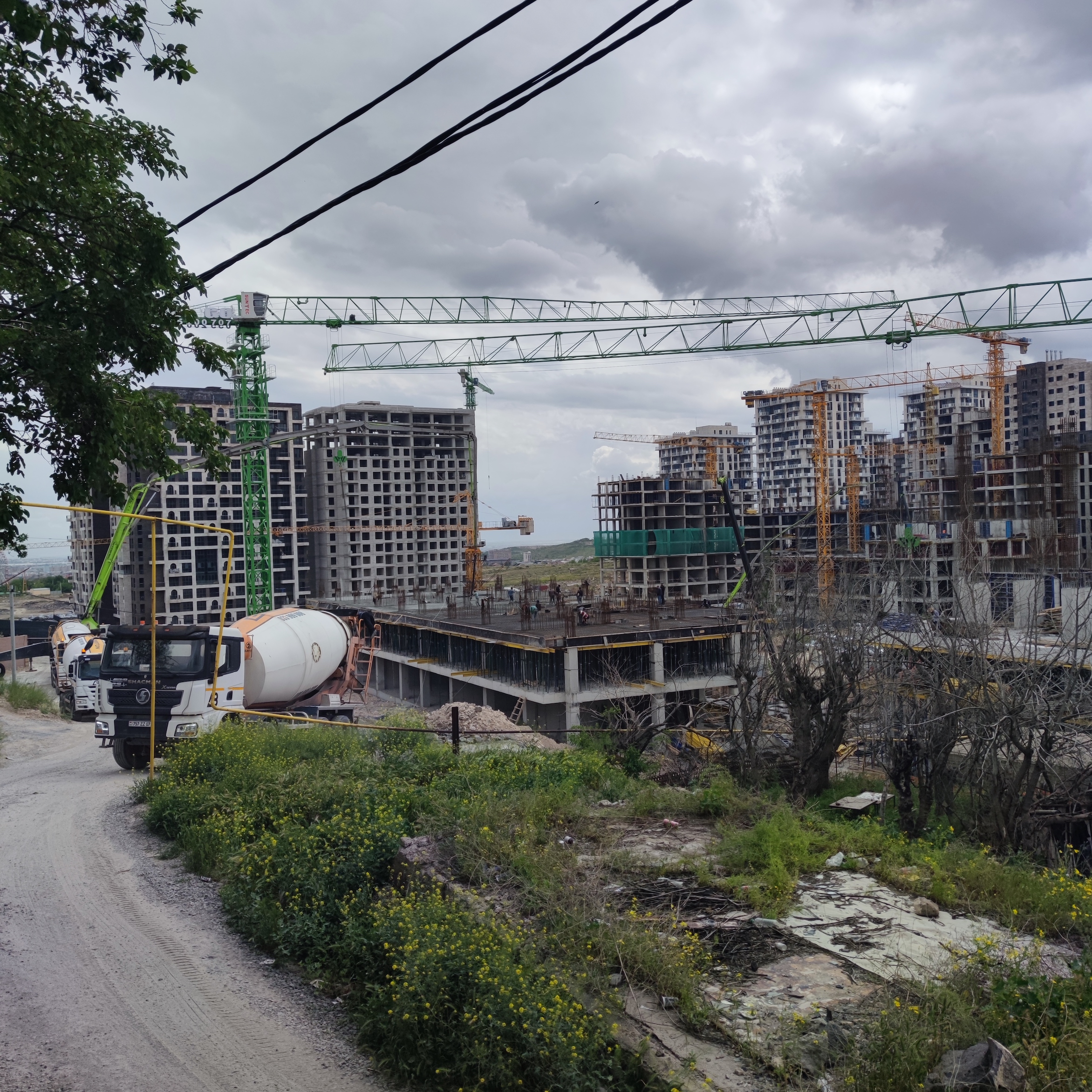
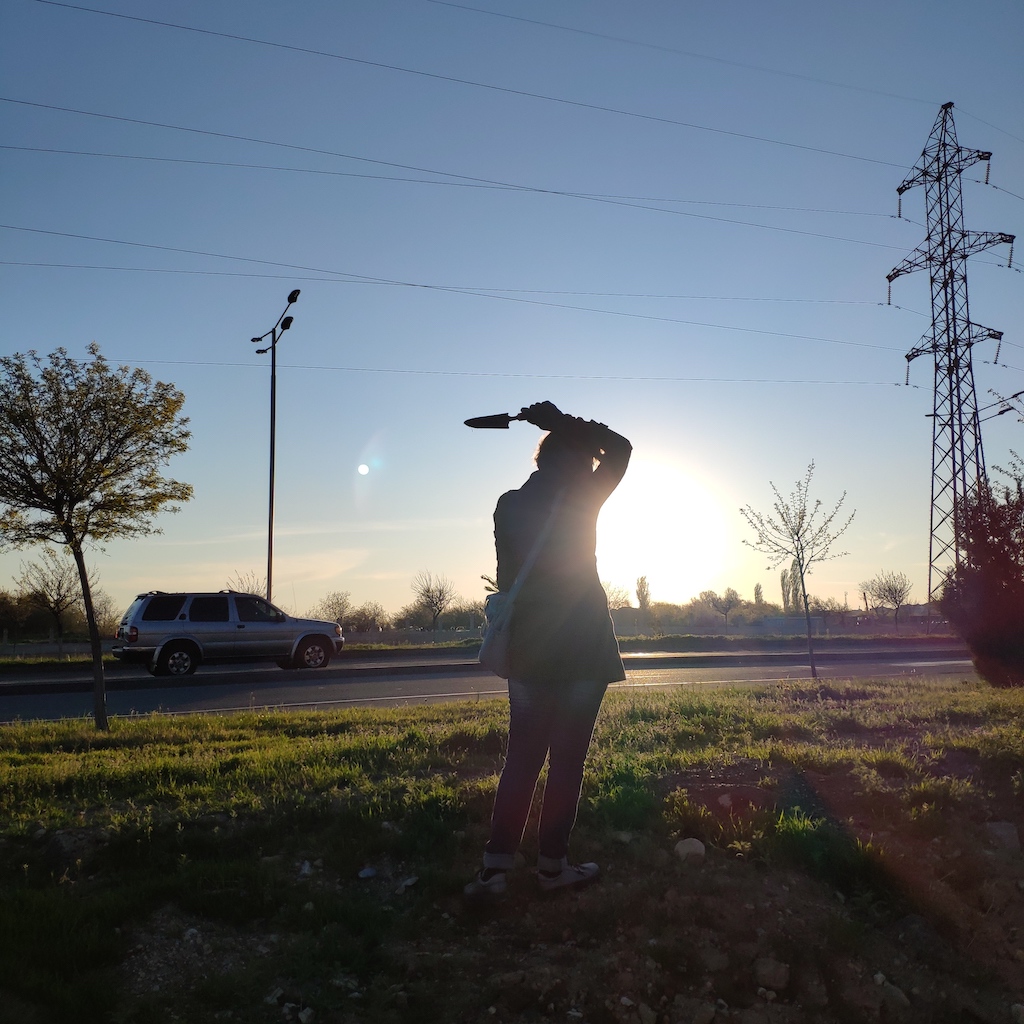
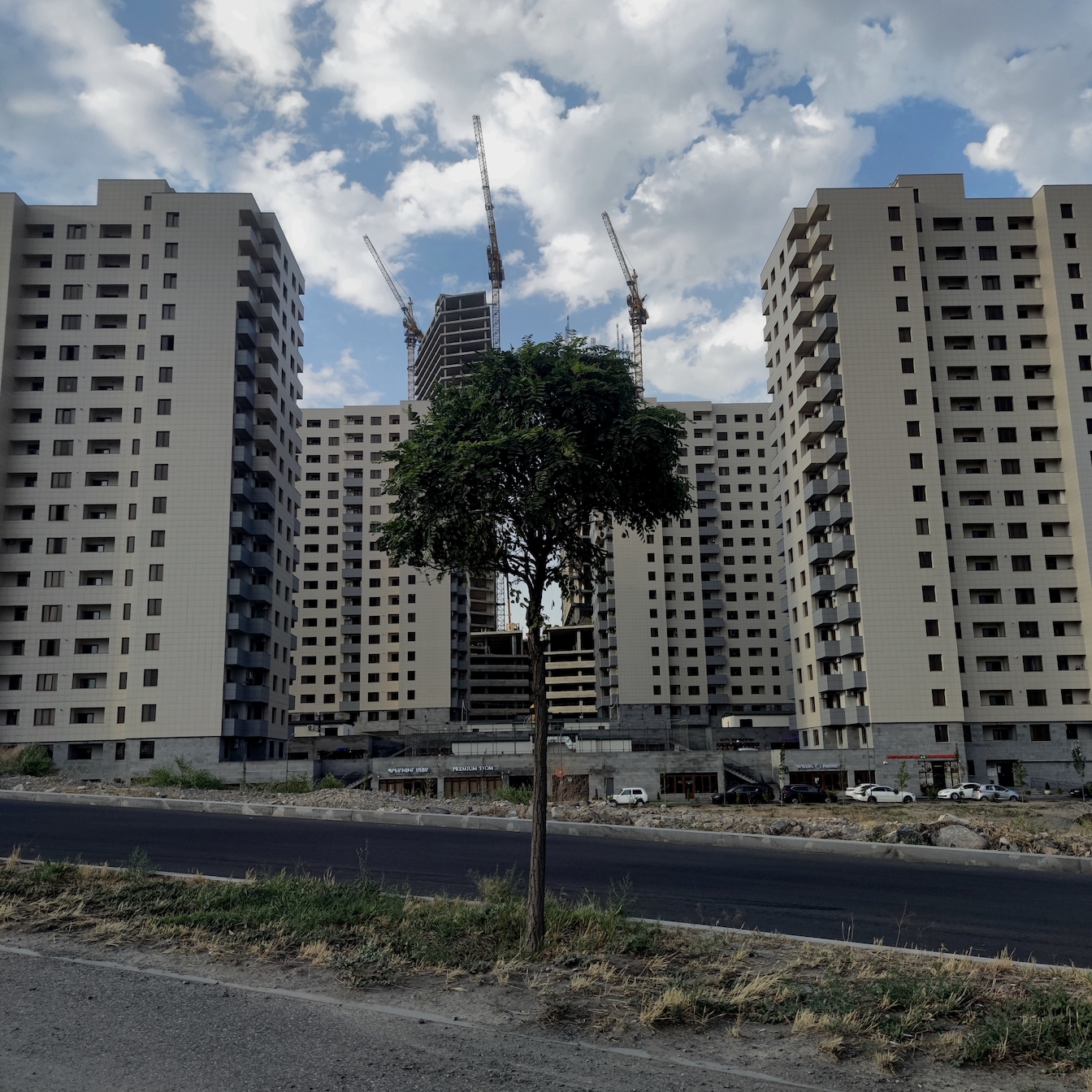
When I speak about Yerevan, a dissonance arises. I don’t quite know which Yerevan I’m talking about – the old Yerevan of Tamanyan, Tarkhanyan, Torosyan with its slightly archaic suburbs, with its mulberry trees that would offer at least one mulberry that splashed on your shirt and sweetened your day, or this transformed, unfamiliar city that’s becoming an environmental, urban and public health disaster. And if, as the song goes, Yerevan Is Us, then who are we and what do we reflect?
Notes
The Dalma Gardens were located within the area enclosed by Yerevan’s Kentron, Ajapnyak and Malatia-Sebastia administrative districts. They were the largest and oldest fruit orchards in the capital.
Rich in biodiversity and ancient historical-cultural monuments, the Dalma Gardens constituted a unique historical and cultural complex of significant archaeological value for Armenia.
The Dalma Gardens date back to the reign of King Rusa II of the Urartian Kingdom. It is known that since ancient times, the Dalma Gardens were cultivated as orchards. More than a thousand varieties of grapes were grown there, producing large quantities of wine.
The gardens are first mentioned in a cuneiform inscription left by Rusa II, which is located near the Zvartnots Cathedral. The inscription states: “The area of the garden was intentionally chosen. It is on a southwest slope, and in such a geographical location, the lighting and thermal conditions are most favorable for agriculture.”
Information about Yerevan’s gardens, particularly Dalma, was provided by Ghevond Alishan, Yervand Shahaziz, European travelers Frederic Dubois de Montperreux, Joseph Pitton de Tournefort, tsarist official Ivan Chopin, and others.
Until 2000, the Dalma Gardens were included in the list of state-protected natural monuments of the Republic of Armenia, covering a total area of 790 hectares, of which 533 hectares constituted the core garden. However, in 2003, for unclear reasons, an additional 277 hectares were excluded from the protected area.
Today, the Dalma Gardens cover an area of 256 hectares, but originally the gardens began at Tsitsernakaberd hill and extended all the way to the Zvartnots Cathedral.
Text by Diana Galstyan.