Listen to the AI generated audio article.
War forces you to look at life without illusions. Though wars end on paper with treaties, they continue to live on in the minds and memories of those who experienced them.
This piece is an attempt to approach that unfinished conversation, to listen to the questions whose answers are sometimes absent, and other times too difficult to put into words.
In this article, soldiers who participated in the 44-day war give continuity to my unfinished questions. Their thoughts and feelings become answers — directed at time, identity and the future. Despite immense hardship, they have found ways to move forward through interrupted lives, carrying memories that did not end with the ceasefire and continue to shape their present.
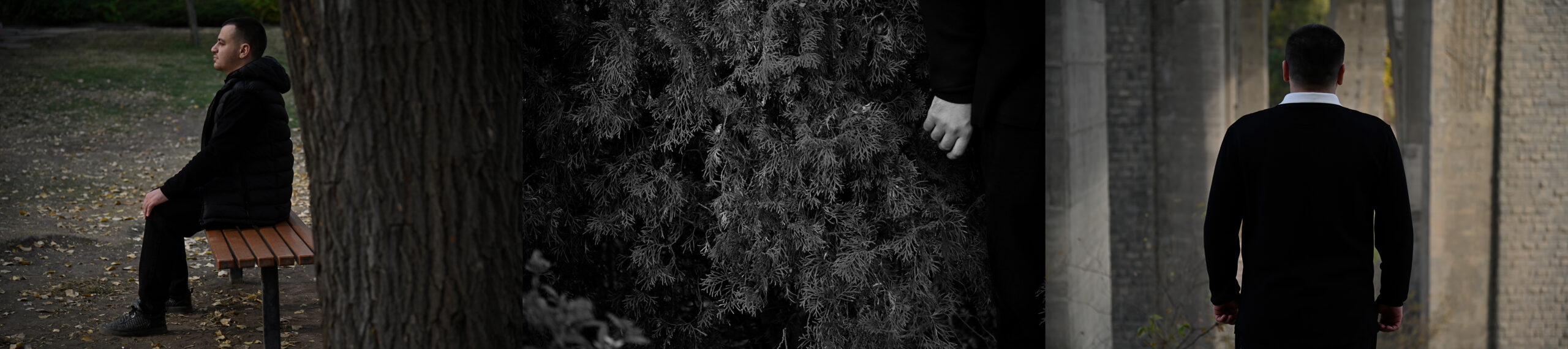
Arsen Kirakosyan, 25, Economist
Before the army, I lived in Russia. I studied accounting at Kuban University. After graduating I came to Armenia to serve.
Before the war …
I was a conscript. I served in Artsakh in an artillery unit, working with D-20 gun-howitzers and mortars. I served as both a driver and a sniper.
War in one word…
It’s difficult to put into one word… an ordeal.
The most difficult day during the war…
It was the day I lost my finger.
I underwent surgery twice during the war because my wound had become infected and gangrene was beginning to set in. I also needed surgery on my neck.
The best day during the war…
It was the first day, there wasn’t much panic. Our driver was a new guy. He brought the artillery gun in and positioned it the wrong way around.
We had one guy who started smoking from stress. Once we realized he had cigarettes on him, suddenly we all had cigarettes, after that, we grew very fond of him.
The strongest thing during the war…
It was the trust. I didn’t know such trust could exist, when the person serving beside you stays by your side at the cost of his own life.
One day, during an attack, I didn’t manage to reach the shelter in time. One of our guys, Suren, grabbed me by my body armor and pulled me into the shelter, putting himself in danger.
The father of one of the soldiers, who had come as a volunteer to stay beside his son, also tried to protect me during shelling. When the bombs started falling, he would cover my head and say, ‘Lie down, son, I’m older,’ shielding me with his own body. I tried to protect him too. Both of them were killed. In war, the sense of care you feel toward your comrades can become even stronger than what you feel toward your own family.
The strongest emotion during the war…
There wasn’t any single emotion, and maybe that was for the best. It’s as if you disconnect yourself from your emotions, you have a goal and a mission. Other thoughts can cloud your mind, make you lose control of yourself.
During the war, I missed…
My younger brother. He was three years old at the time.
The most memorable taste…
Harisa. It was the first time I had ever eaten harisa. I had never liked it before and had never even tried it. Gnun, a volunteer from Ashtarak with a great sense of humor, said, ‘You’re going to eat it, and I’m going to watch you do it.’ I ate it and was surprised. It was the best thing I tasted during the war. I don’t eat it anymore.
The most difficult thought during the war…
It was the fear of not having enough time. We had to dismantle our shelter and build a new one. We fought during the day, and at night we unloaded artillery shells. The hardest thought was that we wouldn’t manage to finish building the shelter. At dawn, the shelling would begin again.
The happiest thought during the war…
Sleep, having enough time to close your eyes for a little while.
After the war, I…
I began to understand the importance of people. Before the war, I could never have trusted others that way. I also came to understand my own value, to understand where I could be useful.
The war did not change in me…
The value I place on loyalty.
Peace…
The absence of indifference
Victory…
Unity in pursuit of a common goal, a common idea, no matter how overused those words may sound.
Defeat…
Relying on others and underestimating yourself.
I won, because…
I served with people who changed my outlook on life. With them, I felt I had already won.
I live…
Because I was given the chance to live. I have goals and dreams that I want to fulfill.
One of those dreams is to build or buy a home of my own, a place where I can truly feel at home. My own ‘sweet home.’
When I remember the war…
I often see moments from the war in my dreams. I often remember the jokes we made during the hardest moments.
I lost…
The guys, the sense of family I had with them, and the very thing we were fighting to protect.
When I came back…
For a long time, I struggled. I had returned, but I couldn’t accept the reality and the values I found here, or the people who had never seen war, yet criticized it. Coming back was difficult.
When people asked about the war…
I talked about it a lot when I had just returned. But now I avoid it. As a memory, I keep within me the care and concern that you cannot receive from anyone in peaceful everyday life.
When I go to Yerablur…
I often go to visit Hayk. He was not supposed to join the battalion, but they took him to the front line. After he was wounded in Artsakh, he was transferred to Yerevan, but without telling anyone, he returned to the battalion again. We always thought we had to serve in such a way that after the war we would be able to look each other in the eye and not feel ashamed. He was the youngest among us, funny, and we loved him.
I want…
A peaceful Armenia. Our generation lived through this, and I don’t want the next generation to go through the same thing. During rehabilitation at the Soldier’s Home, I see in the eyes of other soldiers the same thing I carry within myself. My grandmother fought in a war, my uncle fought in a war, and so did I. I never want another generation to experience that again.
If I had not returned…
I would have wanted my brother to grow up feeling proud of his brother, of me.
I still haven’t been able…
To fully process what happened.
When I see someone in military uniform…
I get goosebumps.
When I walk in the city…
I feel happy when I see a soldier walking with his girlfriend.
I learned to appreciate…
Even the smallest gesture of kindness or care shown toward me.
I would want people to know…
That the Armenian soldier is someone who is ready to stand to the very end, without surrendering.
I remember…
During the war, we received aid, jars of ‘lecho’. On the jars it said ASUE. I asked Virab what that meant. I had come from Russia and wasn’t familiar with the local universities. Virab was a warm-hearted ‘panda’; he had come to serve after graduating from university. He explained that it stood for the Armenian State University of Economics. I had promised Virab that after the war we would go to a pub for a drink. Sadly, Virab was killed. After the war, when I was discharged from the hospital, I went to apply to that very university. It was winter, and there was no admissions period. When they asked me why I wanted to apply there, I said, ‘The lecho you sent reached me.’
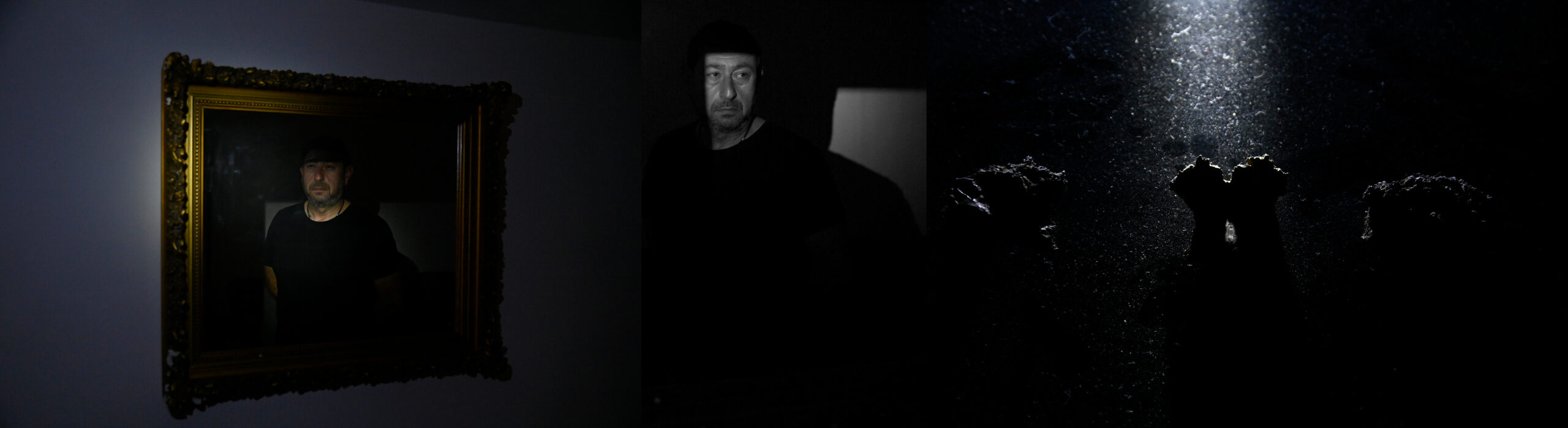
Davit Petrosyan, 52, Engineer
I am a technical engineer specializing in materials science. My second profession is teaching. I am currently pursuing postgraduate studies.
I also work in jewelry-making. From a young age, I was recognized as a folk artisan. In 2022, I participated in the ‘Master of Armenia’ competition, won, and earned the title of master jeweler.
I also created an international project called the ‘Children’s Jewelry Laboratory,’ which I’m currently developing further. In addition, I proposed a new school subject for grades 4–8 focused on jewelry-making and metalwork.
Before the war…
I was a teacher. I had already begun making efforts to make jewelry-making part of general education.
War in one word…
A farce.
The most difficult day during the war…
The hardest day was September 30, when I first reached the front line. When they showed me where I would be stationed, I was certain I would not return. I thought, ‘My God, so this was that place.’
The other difficult day was November 9. Soldiers who were able to ‘work together’ knew that when artillerymen are told to ‘stop,’ it means a counteroffensive has begun. For a patriotic fighter, that is the most desired moment. That is how you understand the situation on the battlefield through the news. Our artillery positions were in Berdzor. Honestly, I was crying.
The best day during the war…
Artsakh is a place of extraordinary beauty. Our last combat position was in Berdzor. There were beautiful walnut trees, and we were near the river. People had let the cows and horses loose, and the animals were roaming freely through the gorge. When we cut down the tree in front of the cannon so it would not obstruct us, we felt guilty for destroying that beauty. I was lying under a walnut tree, watching the horses run freely, or the cow loudly calling for her calves in the middle of the war. It was my most beautiful day.
The most intense moment during the war…
The ceasefire. The enemy operated like clockwork. We were out in the open on flat ground and clearly visible. Anyone could have hit us with a walnut. After that ceasefire, the counter-battery and artillery attack against us began suddenly and with unimaginable force.
I threw myself into the nearest bunker, but the fire was coming from every direction, we did not even know which way to open the door. There were 13 of us in the bunker. At any moment, a shell landing directly on it would have left no chance of survival. The rest of the defenses were only meant to protect us from shrapnel.
I later used one of those fragments during the Masters of Armenia competition. I used to collect the fragments that did not hit me. In the end, I said, ‘Guys, when was the last time you prayed? At least let’s die while saying the Lord’s Prayer…’ ‘Thy will be done on earth…’ in this hell… and all 13 of us made it out. It was a miracle, because out of the 72 people in our division, not a single one died.
What I felt most during the war…
Anxious.
During the war, I missed…
The Grad, I missed the operation of the grad launcher. One of my friends wanted Coca-Cola, and in the end we managed to find some. The camaraderie between fellow soldiers is unique. We are still close to this day.
The most delicious food during the war was…
Spas. I do not like spas. But at the time there were excellent Armenian-made canned foods. We would heat them over burning gunpowder, and during the war that spas was the most delicious thing.
The most difficult thought during the war…
I’m simply a citizen of the Republic of Armenia who was conscripted as an officer, that’s not how it feels on the battlefield. Out there, I needed to feel that the Armenian army was standing behind me.
The happiest thought during the war…
It was in Martakert. During one of the ceasefires, when you realize they are not shooting, you start moving around a bit. It was already evening, around 7:10 p.m. I had a cup of coffee in my hand, and a few of us were drinking when the shelling suddenly started. There was no other option, you had to take cover.
It was cold, and I was wearing a bushlat (thick military coat). I threw myself toward the entrance of one of the bunkers. The entrance was narrow, and I got stuck right in the doorway. No one else could get in. They were pulling me from inside and pushing me from outside, while I suddenly burst into hysterical laughter under the artillery fire. It was like a Winnie the Pooh story.
‘Move out of the way, move!’ the guys were shouting from both inside and outside.
After the war…
For a very long time, I could not come to my senses. After demobilization, I kept my combat gear and everything needed for war in the trunk of my car and carried it around with me. We were demobilized after the war, on November 22. We had no commander. When we asked what we should do, someone from the command came and said, ‘Let everyone do whatever their conscience allows.’
The first month was very difficult. I would not take off my uniform, I even slept in it. I was in a constant state of anxiety. Without realizing it, I was drawn to basements and underground spaces. I needed a psychologist, but at the time I did not fully realize it. Besides, that kind of culture is not very developed among our generation. At most, we would go to a surgeon. But gradually, I adapted. I immediately resumed my work as a teacher, though I asked my supervisors to allow me not to teach for some time.
After the war, there was still a feeling of incompleteness. As if you had a stolen victory that had been taken away from you. When you are in a state of combat, you are in the process of reclaiming victory… I transferred that energy into public education, sublimated it, and began making my achievements public.
The war changed in me…
Everything. One person left, another came back. I finally became a man. A man remains a child until old age. One plays with cars, another with little houses, and so on. David the child, me, died in the lands of Utik and Artsakh. I have eaten so much of that soil that its genetics have passed into me. We were digging, digging deep. You breathe in and swallow the dust of the exploded earth. The other toys no longer interest me.
Peace…
It is a bluff.
Victory…
It is an episode.
Defeat…
A responsibility.
Did I lose, or win…
I do not separate myself from my homeland. In this case, there is no defeat. It was a farce that took place. In a farce, you cannot lose. It was not defeat, but the exposure of everything you would never want to see. I came back to Armenia missing everyone, happy that they were alive. I go to the guy at our tire repair shop, happy that he is alive.
But I can feel the indifferent looks of people for whom nothing had changed.
I live because…
That itself is a question, whether we are truly living or not. There is a responsibility that people must feel. We need to move beyond consumerism. I feel a great responsibility within myself to change something.
When I remember the war…
I do not simply remember it, I just fall back into that place, and the war starts continuing again. I begin living through it all over again. I end up in a dissociative state. You have to be strong enough to come back from there.
In the war, I lost…
My childhood.
When they ask about the war…
The hardest thing today is…Finding something good, hearing good news, finding good people. I do not want to make that hardship even heavier. We all know we are mortal, but as Woland said, we are all ‘suddenly mortal.’
When I go to Yerablur…
I do not go to Yerablur.
I want people to know…
Justice.
If I had not returned…
It would have been better. I would not have known or heard everything that I came to know.
I still have not been able to…
Live the life of a ‘normal’ person by society’s standards.
I have not lost…
The ability to analyze.
When I see a military uniform…
It is very contradictory. It depends on how that uniform is being worn.
When I think about the fallen…
I sometimes think they are fortunate that they left with that faith, with that outburst of spirit. At the same time, I feel pain. They were our Armenian boys, who should have lived, fulfilled their dreams, built families, so that today we would be not 3 million, but 7 million.
When I walk through this city…
I do not want to walk through it. That is why I came out here to the edge of this mountain like a hermit. In the city, people are supposed to be civilized, but…
I learned to appreciate…
Everything.
I wish people knew…
That they need to live carefully.
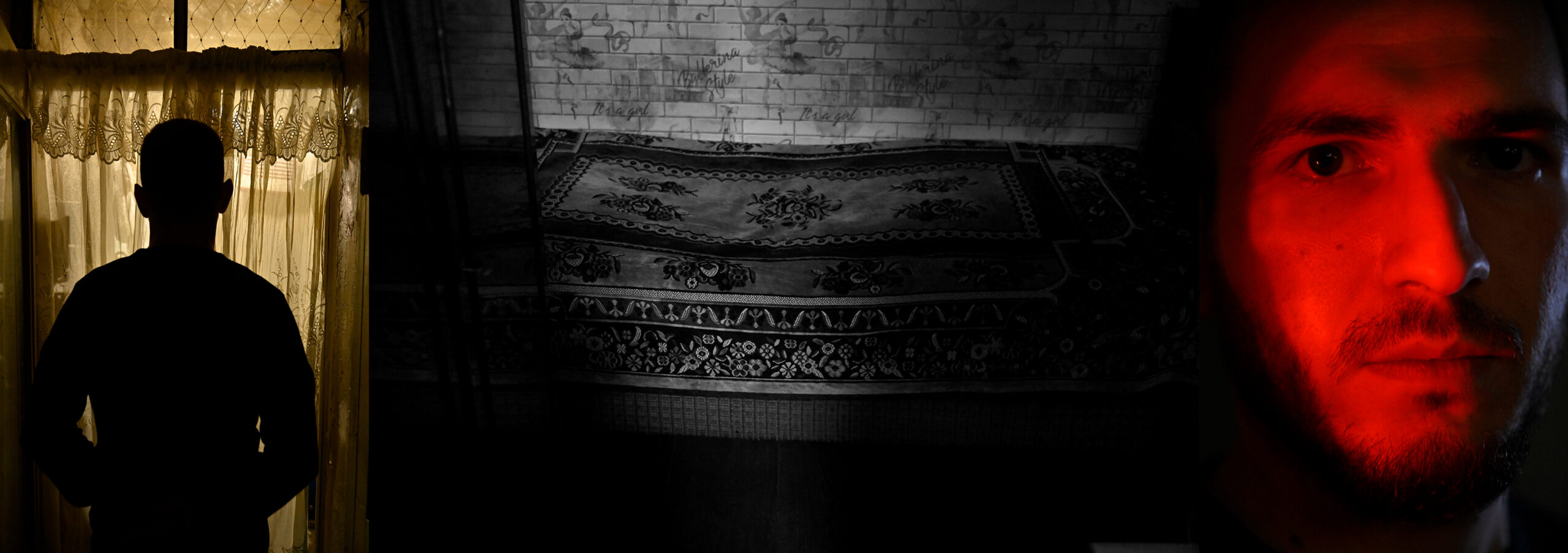
Grigor Stepanyan, 24, Chef
Before the war…
I was a different person. I could not focus on one thing. I was searching for myself. I worked wherever I could. I did not know what my purpose was. I had no prospects. Even in 2019, I still did not know what I would do after returning from the army.
The war in one word…
Evil. It is evil in its entirety.
The hardest day during the war…
The first day of the war. It is the day when you go somewhere and come to terms with the fact that you are going to die.
The best day during the war…
The last day. When it finally became possible to breathe, even though I still had another year of service ahead of me.
The most intense moment during the war…
When you begin to understand what you are made of, that you are not just flesh and bone, and that there is something inside you that does not weaken. Even now, when I feel weak, that strong thing keeps me standing. I tell myself, ‘Remember who you were.’
During the war, what I felt most was the presence of God.
When shells falling right next to you with full force do not explode, when they would have left nothing but dust of you, you understand that you did not survive by accident.
Or when the shell of an aerial bomb falls, explodes, and sends more than 200,000 fragments flying, and not one of them touches you, you think to yourself that things do not happen like that by chance.
What I missed most…
My mom and dad, and also the couch at our home.
The most delicious thing during the war…
Khashlama with canned meat that I made myself for the guys. During the war, there were very few times when we got to eat like that.
The hardest thought during the war…
That the person standing next to me was no longer there.
The happiest thought during the war…
I did not have happy thoughts. But there was a girl from my class. I loved her, but she did not love me. She hated me. But during the war, she called me. She even called my mother to ask how I was doing. That made me happy.
After the war…
When I came back, at first it was very bad. I kept seeing my guys who were no longer alive. Then I shut myself away. I would not leave the house. The war was over, but I was still fighting. In my thoughts, I constantly kept thinking, At that moment I could have done this, then, at another moment I could have done that…
Then I decided to leave the house. I worked with a psychologist. Later, I tried to help myself. One night I got up because I could not sleep. I looked at myself in the mirror and realized that I could not go on living like that for long. I started doing manual labor. I wanted to get all that accumulated negativity out through physical exhaustion. In one month, I lost 20 kilograms.
Then I asked myself: Do you remember that you are a chef, that you have a profession? I remembered that things had started going well for me when I did the same thing every day, naturally, I became more skilled at it, and I returned to working in my profession. I called a friend of mine who was a chef. I told him I wanted the hardest job. So I started working in my field again. At first, I would lose my temper very easily. Work helped me become more patient. I realized that life goes on.
The war changed in me…
My way of thinking, my way of living… It changed everything.
Peace…
It is inner calm.
Victory…
It is taking one step ahead of yesterday’s version of myself.
Defeat…
It is when you remain in the same place.
I have won…
Because I returned to my parents.
I have lost…
Because maybe I could have changed something, but I did not.
I live…
Because I have seen death, my own death.
I exist…
Because the light still rises for me.
When I remember the war…
I become gloomy.
I lost…
My friends and my soft heart.
I returned…
So that my family line would continue.
When people ask about the war…
I do not answer. My whole body starts trembling.
The hardest thing today…
Every day is hard for me.
When I go to Yerablur…
I understand that I was at the final boundary of life.
I want…
For there to be no more war.
I still have not been able to…
Come to terms with the fact that my friends are gone.
I have not lost…
Myself.
When I see a military uniform…
I remember myself.
When I think about the fallen…
I miss them.
When I walk through this city…
I realize how much I have gone through.
I began to appreciate…
Every new day that begins.
I wish people knew…
That you should never keep your head down. You need to look up often.
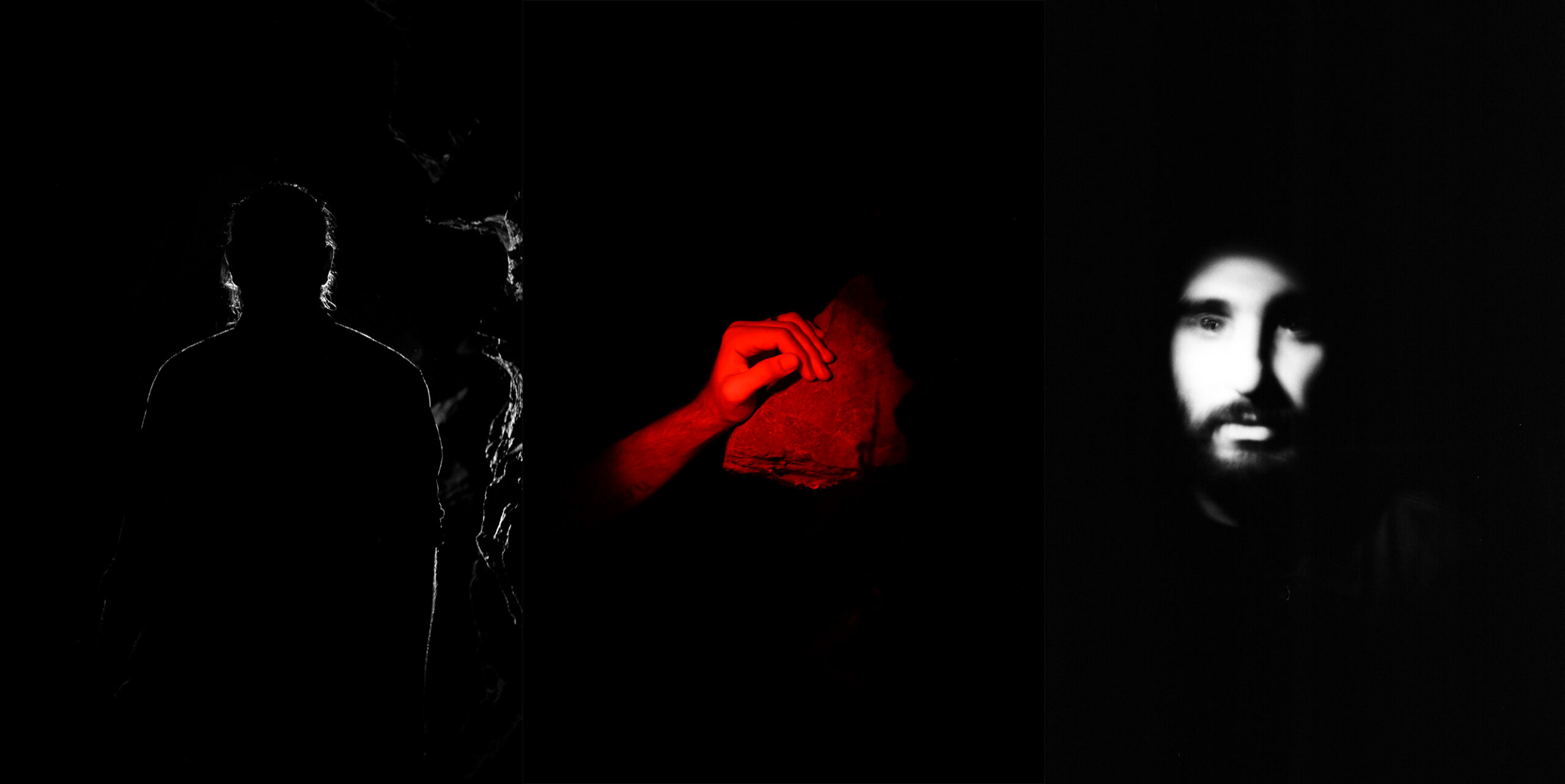
Mikael Muradyan, 27, Digital Artist
Before the war…
I was undecided about many things. At least 50 percent of the things I’m doing now, I planned during the war. It’s strange, but, in so many aspects, the war propelled me forward. There were things that worried me, that I wasn’t sure about … Getting married, having children.
In one word, I’ll describe the war…
Buttocks.
The most difficult day during the war…
The most difficult days were the 13th , 14th and the 15th days. The day before, a new detachment from Yerevan had just joined us and it was very quiet, we were surprised at how quiet it was. We thought it must be a ceasefire. In the evening, the shelling started and it was so intense that there was no taking shelter. It was raining bombs. I couldn’t imagine how it was possible to fire that many shells non-stop and all along the 4 kilometer stretch of our post. We didn’t have any weapons to retaliate. Dead and wounded… It was like it was a movie: a flash, you see a small part, then another flash, and again a small clear piece of the frame… again chaos. You get overwhelmed by emotion.
The best day during the war…
I smoked. It was a moment of rest. I was in an internal struggle. Stress and hopelessness, lack of communication, insomnia and uncertainty created a difficult situation. I would have preferred to drink, but there was no alcohol.
The strongest thing in the war…
The negative prevails. It is when you have no agency to make decisions. There are many bad things happening, but you do not have decision-making power. The worst in people comes out in difficult situations. There were many who came in with dukhov (bravado) and then left with dukhov. That had the worst effect.
During the war, more than anything, I felt…
Loneliness. The presence of an officer is a necessity in the army. The absence of one was felt very deeply.
During the war, I missed most…
Life. I felt how life was leaving me.
The most delicious thing you ate during the war…
I don’t remember what I ate during that time. I definitely didn’t eat for at least 15 days.
The most difficult thought during the war…
How to solve serious problems in difficult situations. There was no officer, you had to make sober decisions.
The happiest thought during the war…
It was the thought of getting home. We had no news about what the situation was, I didn’t know if we were winning or losing. We didn’t know what was happening.
After the war…
When my brain recovered from the extreme experiences, I decided to get married. A large part of my indecisiveness disappeared.
The war changed my…
Trust in all state structures, authorities. We were very carefree before the war. I haven’t had that feeling since.
Peace…
It’s happiness.
Victory…
Ugly domination.
Defeat…
It’s a humiliating thing. In many situations defeat may be unavoidable, but when it comes with humiliation, that’s just ugly domination
I won…
I didn’t win. I lost because I think we could have done more.
I live…
Because I love life, my family, my wife, my child, the sunset.
I am…
Because I trust fate and try to implement my well-thought-out decisions with boldness. Not to back down.
When I remember the war…
I mostly get angry.
I lost…
The feeling of living in safety.
I returned…
In reality, I returned broken but also I returned so that I can go on.
When they ask me about the war…
I don’t go into details.
The most difficult thing today…
Being Armenian.
The most difficult thing during your day…
Being a father.
When you go to Yerablur…
I don’t, it is difficult for me.
I still remember…
The smell of war.
I want…
To live in my motherland. I fear that I might somehow not live here.
Peace is…
A temporary reality.
I still have not copped with…
All the consequences.
I have not lost…
I have lost.
When I see a military uniform…
I feel respect and reverence.
When I think of the fallen soldiers…
I imagine if they were with us, what their journey would be like. It is as if there were roots spreading but then they stopped. In my mind’s eye I see roots that are sparse.
When I walk in the city…
I feel confusion.
I learned to appreciate…
What I have today.
I would like people to know…
Not to know but to somehow feel the realities of war. If they had a more accurate understanding of it, they would not be talking nonsense.
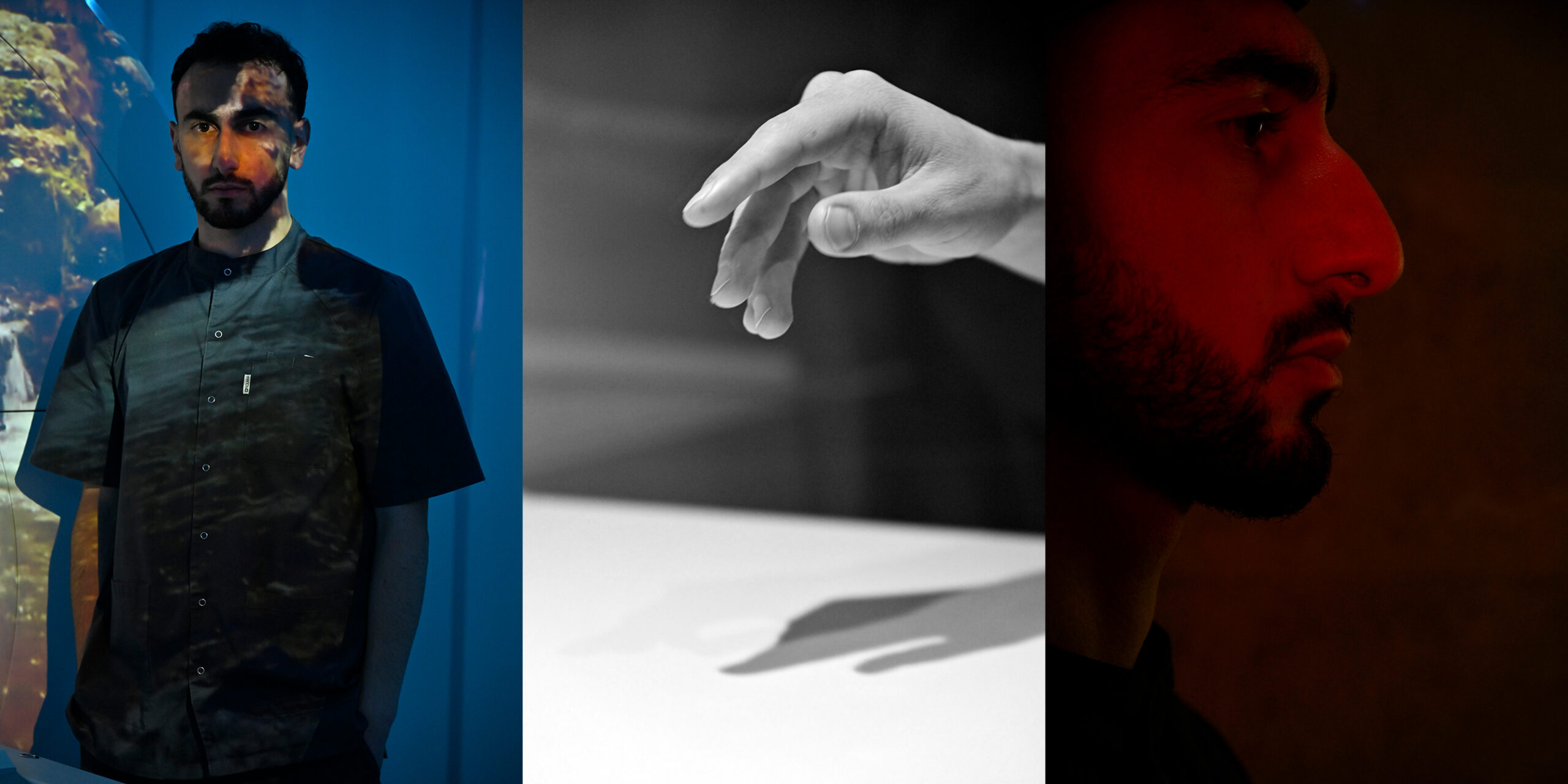
Sevag Giragosyan, 24, Medical Student
I study at the Yerevan State Medical University and work at Proton Diagnostics as a doctor’s assistant.
Before the war…
I had other plans, my dream was to become a conductor.
War in one word…
Chess. There are many moves but at the same time, there is a finite number of moves you can make. The possibilities of the pieces and moves are also different and limited. It’s chess because for victory, the moves of all the pieces must be strategic and aimed toward the same goal. You can go as a pawn, but you can become a rook, a queen. It’s chess because the king stands at the far end. I was a pawn at the beginning.
During the war, I was the battalion medic. It was my duty to fight like everyone else and to administer first aid when needed, to evacuate the wounded from the battlefield and see them off to the hospital. Also, retrieve the bodies of the dead.
The most difficult day during the war…
The day of the retreat. We retreated from our positions in Fizuli and went to Jartar, Martuni three, then to the village of Gghardzin. It was Covid.
The best day of the war…
I don’t want to say the day it ended, we lost many soldiers four hours after the ceasefire, including our battalion commander, the communications officer and others… There were targeted strikes. The best day, however, was when we were in the village of Gghardzin, it was the last time we were all together, the last time we saw some of our friends.
The strongest thing during the war…
Literacy
The strongest emotion during the war…
Uncertainty.
During the war, I missed…
My piano.
The most memorable taste…
Condensed milk.
The most difficult thought during the war…
Who will help the wounded if I die?
The happiest thought during the war…
They won’t forget us.
After the war…
I had different eyes, a realist’s eyes.
The war changed…
My understanding of what defending the homeland means, that much hinged on me personally. That I am the gate, the gatekeeper. Much is determined by what I do and what I don’t do. My attitude toward many changed.
The war did not change…
My belief in victory. It did not change because I did all I knew how to do and more. We were fighting on two fronts, one was the enemy and the other was indifference, the basis of which might well have been treason.
People are not here forever but ideals are.
Peace…
Is humanity’s dream. It is not real, it is a dream.
Victory…
Bringing the future into the present.
Defeat…
The biggest detector of our weaknesses.
I won, because…
I put up a fight worthy of victory.
I live…
Because life is the most wonderful thing that has been given to me twice. I exist … because I love life and life loves me.
When I remember the war…
My potential to create grows. If I have overcome the war, then I’ll overcome anything.
I lost…
My ability to be overly trusting.
I came back…
With a proud face and older eyes.
When people asked about the war…
I try to tell them what they already know.
The most difficult thing during the day…
To re-find myself. I changed my profession but my subconsciousness keeps taking me to another place. The war should not have happened for me to have become a conductor.
When I go to Yerablur…
Depression. All the flags… you see endless flags. They did everything for the tricolor but the land they died for is no longer there.
I still remember…
Where, outside of the post, I have hidden my bag full of books. They remain in the occupied territories.
I want…
For all weapons to disappear.
If I had not returned…
I would be happy with my fate.
I have not been able to…
Forget the smell of the blood on November 10. We ate waffles, presumably the war had ended. Four hours later they started shelling. That night, after we moved the wounded and the bodies of the dead, I could not take off my vest, it was cold, I slept in it. All night I felt the smell of blood in my nostrils, in my head, in my feelings… In the morning I noticed that my vest was soaked in blood. The smell is still in my nostrils.
I have not lost…
My fighting spirit.
When I see someone in military uniform…
I want to wear it again myself and I don’t. It is a dual feeling.
When I think about the fallen…
I hope that they considered themselves victorious when they left. That they left feeling content when they died.
When I walk through this city…
I see life more vividly. This is a different world, there was another world there.
I learned to appreciate…
Every experience life gives me at different stages. I learned to evaluate my abilities, people and my time more accurately. That which is realistic, is aimed at realizing my goals, building my “fortress” is a building brick, everything else is a waste of time.
I wish people knew…
That there is a positive solution to every problem. That if there is a problem then there is also a solution. That they should enjoy the company of others and be helpful to one another.
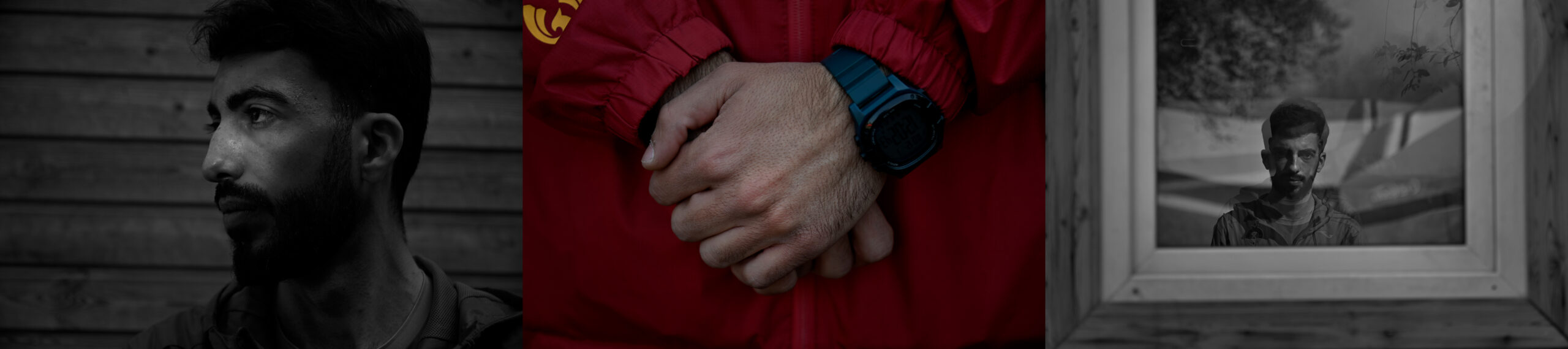
Vanush Melkonyan, 25, Football Coach and Photographer
For more than a year, Vanush has worked as a youth coach at FC Pyunik.
Before the war…
I played sports. I dreamed of becoming a professional football player.
I would describe the war in one word…
Hell.
The hardest day during the war…
The first day. I was wounded that very first day. From the beginning, you see death with your own eyes. I was a conscript soldier, serving as an air defense specialist. My legs were injured. Blood vessels had ruptured.
The strongest thing in the war…
Faith.
What I felt most during the war…
That you might simply cease to exist.
What I missed most during the war…
My mother.
The best thing I ate during the war…
Tanapur.
The hardest thought during the war…
When all you want is for it to end one minute sooner.
The happiest thought during the war…
When you believe you might survive.
After the war…
It was difficult. You come back alive, but your friends are gone.
The war changed in me…
My understanding that victory can happen in different ways.
Peace…
It’s the best thing possible in this world.
Victory…
We won on the battlefield, but lost on paper.
Defeat…
Was the continuation of enormous losses. In sports, defeat can give birth to great victories.
I have won…
Because I am still here. I live not only for myself, but also for my friends.
And I have lost…
Because I am here, but many of my brothers are not.
I will keep living…
Because life goes on. It gives you the chance to create a future where you’ve overcome all your enemies. One of my personal victories is that I can walk. I could have lost that ability.
I exist…
Because it was God’s will. If I wasn’t meant to be here, then I wouldn’t be.
When I remember the war…
Both the defeat and the losses cause pain. We have to learn from them.
I lost…
My softness.
I returned…
Stronger.
When people ask me about the war…
I begin answering with a smile.
The hardest thing today…
The mentality of society.
When I go to Yerablur…
I feel pain.
When I remember the war…
I remember it like scenes from a film.
I still haven’t been able to…
Accept the fact that we no longer have Artsakh.
When I see a military uniform…
I want to wear it again.
When I walk through this city…
I’m happy that it still exists.
I learned to value…
Every second.
I want people to know…
That we need to look at life more soberly.