
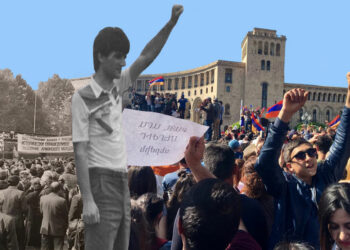
Is 2018 the New 1988?
In this new piece, Mikayel Zolyan writes about the similarities and differences between the 1988 Karabakh Movement and the 2018 Velvet Revolution - what it meant for people then and now and lessons to be learned.
In this new piece, Mikayel Zolyan writes about the similarities and differences between the 1988 Karabakh Movement and the 2018 Velvet Revolution - what it meant for people then and now and lessons to be learned.
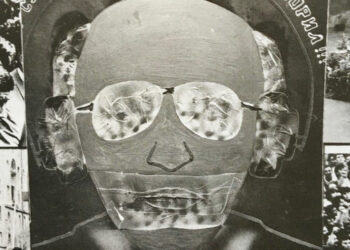
One of the distinctive characteristics of the Karabakh Movement was that in less than three years, it drastically changed how the Soviet value system was perceived. The visual and verbal manifestation of this was evident through the transformation of the language and texts of the posters and signs used during the Movement.
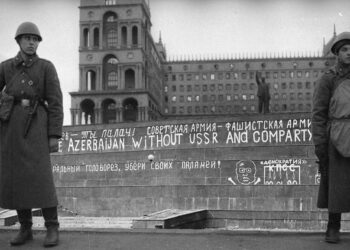
Tatevik Hayrapetyan writes that the Karabakh Movement was a catalyst for domestic developments in Azerbaijan. Unlike in Armenia, however, alternative forces like the Azerbaijani Popular Front in Azerbaijan, couldn’t find a way to collaborate with the local Communist Party. The issue of Karabakh and anti-Armenian propaganda was thereby used in their struggle against the Communist regime.
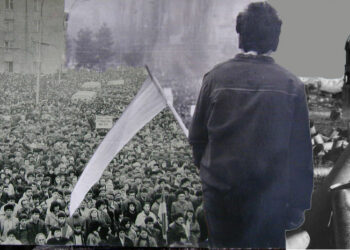
Vardges Baghryan, a journalist from Artsakh recounts his personal memories from the Karabakh Movement and the war. He recalls the siege on the village of Karintak and how the future freedom and independence of the people of Artsakh was forged.
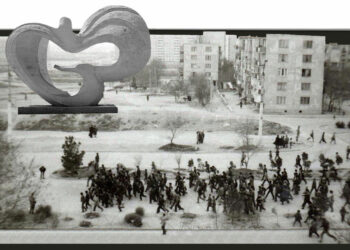
Deciding never to use the word Genocide and then coming face-to-face with it again in a new context; between reading biographies of the victims of the Sumgait Pogrom over and over again and the urge to see who now occupies the homes of the Armenians of Baku and Sumgait, writer Lusine Hovhannesyan unexpectedly discovers a common yet obvious thread.
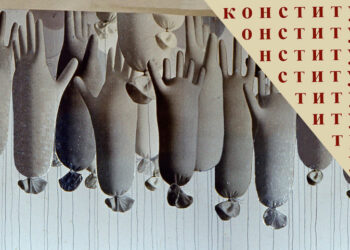
Harutyun Marutyan writes that the Karabakh Movement was not only the first of the Eastern European revolutions, but it played a considerable role in the democratization of Soviet society, was pivotal in the deconstruction of the Soviet Union and consequently in the elimination of the threat of communism.
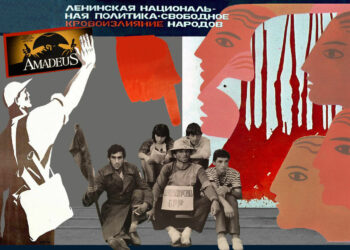
Journalist Lusine Hovhannesyan recounts her personal memories as a university student during the first days of the Karabakh Movement. She writes, “We became beautiful and fell in love easily like young men and women living out their last days at the barricades and we sang songs of resilience in the streets of Yerevan.”
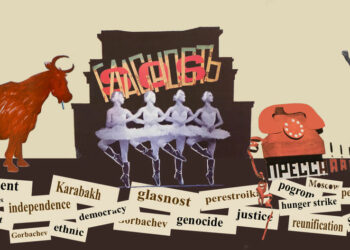
In this exceptionally honest and candid article, Gevorg Ter-Gabrielyan writes about his impressions from the first few months of the Karabakh Movement 30 years ago, with words he did not have nor could find at the time.
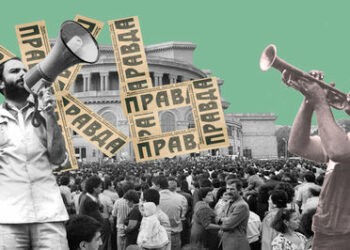
The Karabakh Movement was a crystallizing moment in the collective and historical memory of the Armenian nation. In this first in a series of articles about the Movement, EVN Report presents a chronology of the events of 1988 which eventually paved the way to independence.

Director Jivan Avetisyan of Tevanik and The Last Inhabitant talks about surviving the Spitak earthquake, the Karabakh War and the memories and experiences that have become the guiding force of his life and his films.

EVN Report’s mission is to empower Armenia, inspire the diaspora and inform the world through sound, credible and fact-based reporting and commentary. Our goal is to increase public trust in the media. EVN Report is the media arm of EVN News Foundation registered in the Republic of Armenia in 2017.