Portraits From Republic Square
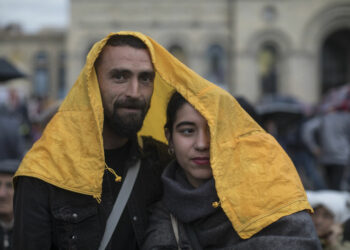
Photojournalist Eric Grigorian's series of portraits from Republic Square where thousands gathered in protest as Yerevan enters the seventh day of mass rallies, protests and innumerable acts of civil disobedience.
Photojournalist Eric Grigorian's series of portraits from Republic Square where thousands gathered in protest as Yerevan enters the seventh day of mass rallies, protests and innumerable acts of civil disobedience.
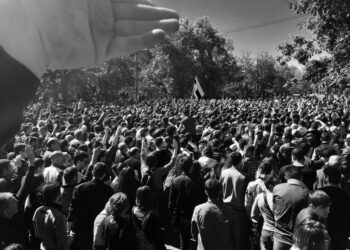
Today, former president Serzh Sargsyan became Armenia's new prime minister. Dr. Nerses Kopalyan outlines Sargsyan's achievements over the ten years as president. He writes: "The most vital complexity of Sargsyan becoming PM is that it not only reinforces, but also justifies the de-moralization of the Armenian citizen."
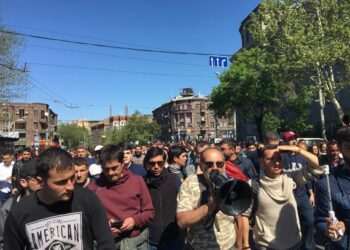
While parliament prepares to elect the country’s new prime minister on April 17, thousands of Armenians poured out into the streets of the capital, exercising acts of civil disobedience. Clashes with security forces led to dozens of injuries. A recap of the day’s events.
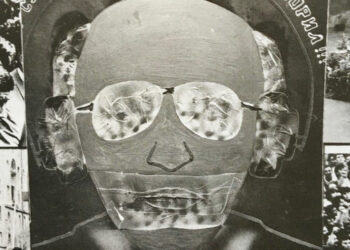
One of the distinctive characteristics of the Karabakh Movement was that in less than three years, it drastically changed how the Soviet value system was perceived. The visual and verbal manifestation of this was evident through the transformation of the language and texts of the posters and signs used during the Movement.
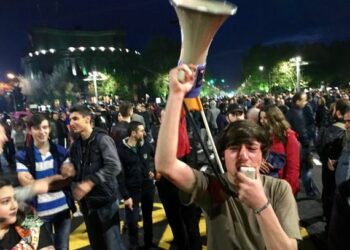
Demonstrators led by Nikol Pashinyan, leader of the Civil Contract party, have shut down a major square in Yerevan, paralyzing the downtown core of the capital to protest former President Serzh Sargsyan’s candidacy for the office of prime minister.
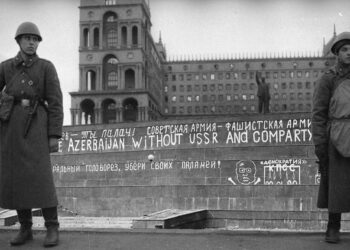
Tatevik Hayrapetyan writes that the Karabakh Movement was a catalyst for domestic developments in Azerbaijan. Unlike in Armenia, however, alternative forces like the Azerbaijani Popular Front in Azerbaijan, couldn’t find a way to collaborate with the local Communist Party. The issue of Karabakh and anti-Armenian propaganda was thereby used in their struggle against the Communist regime.
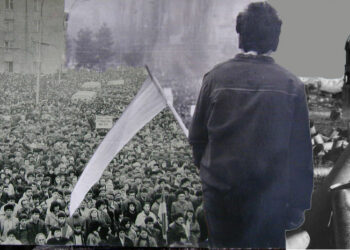
Vardges Baghryan, a journalist from Artsakh recounts his personal memories from the Karabakh Movement and the war. He recalls the siege on the village of Karintak and how the future freedom and independence of the people of Artsakh was forged.
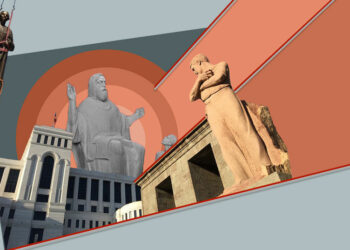
For decades, production of historical texts in Armenia was in the tight grip of Soviet state ideology. Post-independence, some topics previously repressed or omitted found their way back into Armenian history textbooks, however “memory gaps” remain.
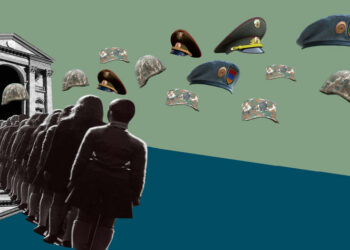
President Serzh Sargsyan’s second and final term in office ends on April 9. It is almost certain that he will be elected as the country’s new prime minister thereby prolonging his power. EVN Report looks back at the Constitutional amendments that led to this situation and a new military-patriotic educational doctrine that is set to pass in parliament.
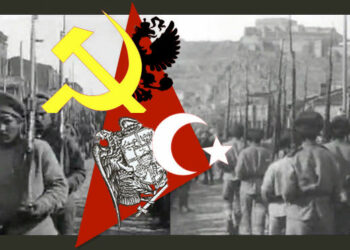
In an exclusive interview with EVN Report’s contributor Varak Ketsemanian, Alexander Balistreri of the University of Basel reflects on some of the larger historical and historiographical problems pertinent to the region around Kars a century ago and sheds light on the political and military developments that shaped the policies of the Armenian government and the larger regional powers.

EVN Report’s mission is to empower Armenia, inspire the diaspora and inform the world through sound, credible and fact-based reporting and commentary. Our goal is to increase public trust in the media. EVN Report is the media arm of EVN News Foundation registered in the Republic of Armenia in 2017.