
Listen to the AI generated audio of the text.
The word “hayat,” found in many of the region’s languages and often traced to Arabic origins, is layered with meaning. It can denote an inner courtyard, a vestibule, or a communal space between buildings. But the word also resonates with another meaning: life.
Perhaps this is no linguistic coincidence. The hayat was more than an architectural feature. It was the living heart of a neighborhood, a vital shared space between homes. Children played there, neighbors gathered, meals were prepared together, and everyday life unfolded in common view. In this sense, hayat—life—was associated not with the privacy of an interior, but with a space that was collectively inhabited and shared: the courtyard.
Until quite recently, the Armenian hayat was understood as a cultural condition, a way of living together. It embodied a form of social coexistence in which, from childhood, people were constantly aware of one another’s presence through sounds, movements, smells, tastes, shared anticipation, and chance encounters.
The Courtyard as a Child’s First Social World
“Zilina” and “Above the Ground”
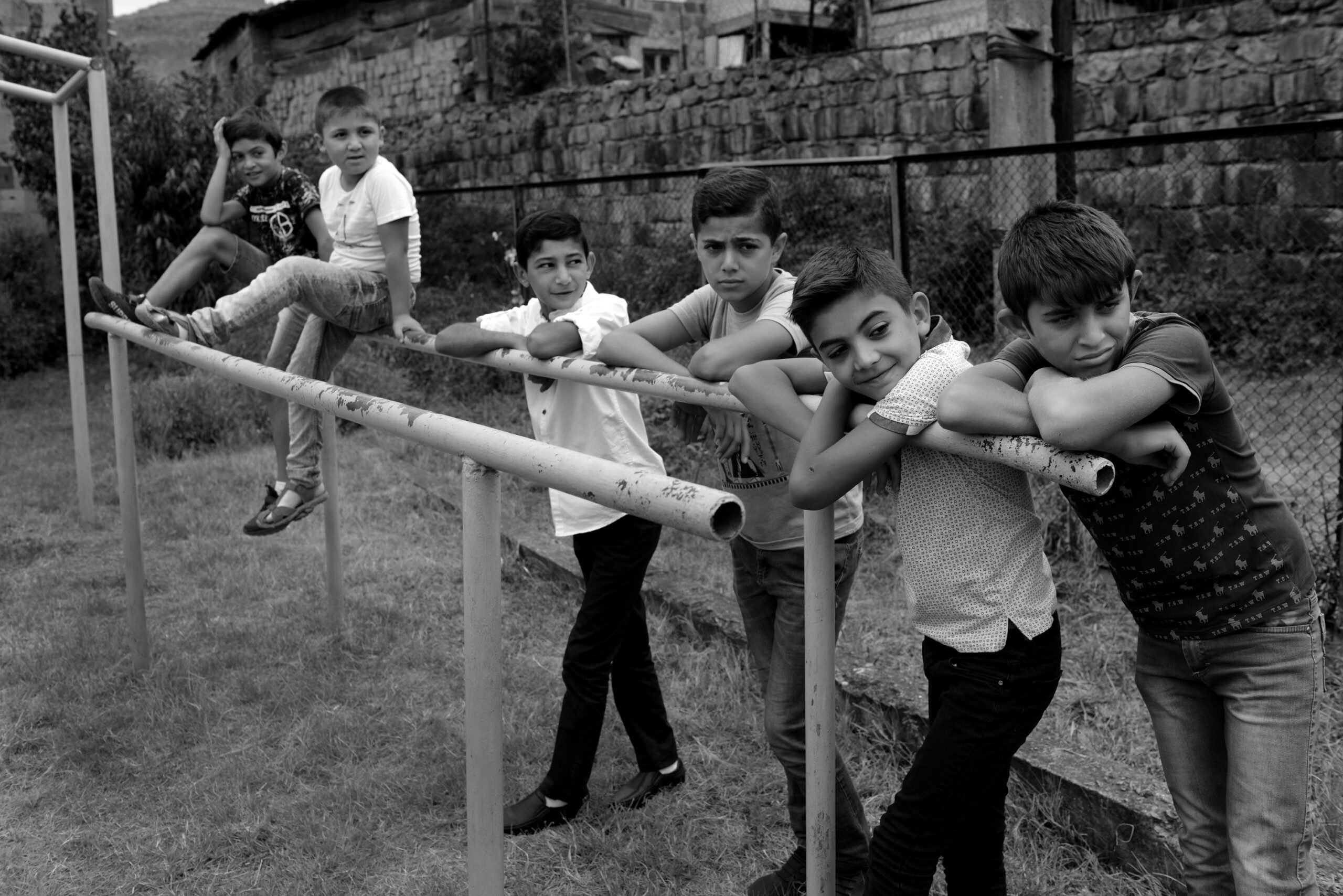
For a child, the courtyard was the first communal world. It lay outside the full authority of the family, yet had not yet become part of an institutional order. It was an intermediary space where children first began to experience the real complexity of social relations. There they learned not only how to play, but also how to interact, coexist, sense boundaries, defend their place, cope with shame, accept defeat, negotiate, and navigate life among others.
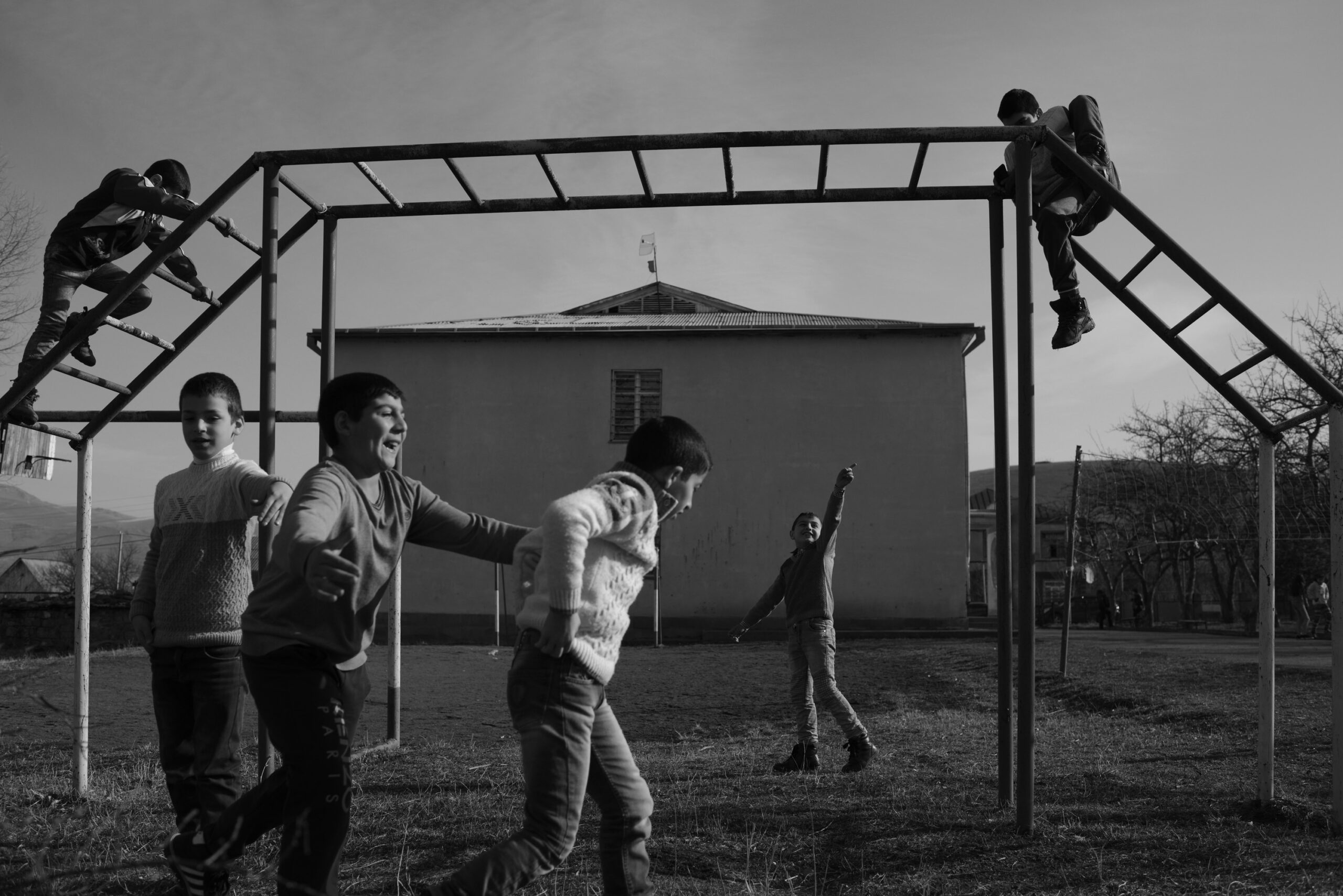
In classical theories of play therapy, play is understood as the language of a child’s inner world. Courtyard games, however, differed from solitary or structured indoor play in that they functioned as a space of collective experience. There, children worked through not only their own emotions but also the tensions of group life. The courtyard offered opportunities to confront experiences that often remained unspoken within the family: competition, the fear of exclusion, the management of aggression, social hierarchies, trust, betrayal and belonging.
In the Hidden Corners of the Mind and the Courtyard
“Hide-and-Seek” and “Tsik”
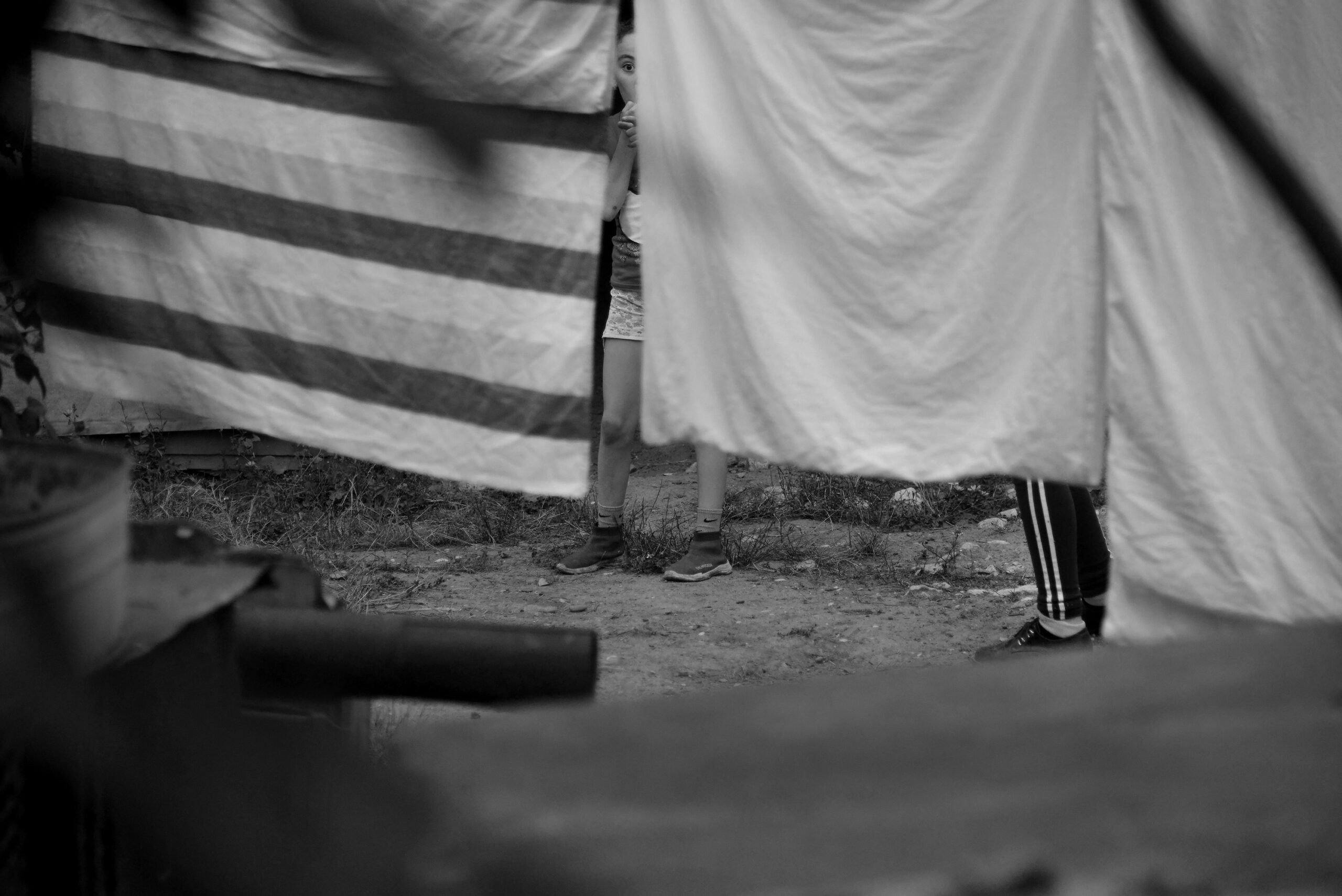
In the courtyard, children acted out one of life’s most fundamental themes: disappearing and being found. The games seemed simple, yet beneath them lay deeper questions that were difficult to put into words. Will anyone come looking for me? Can I hide myself? Is being found something to fear, or something to celebrate?
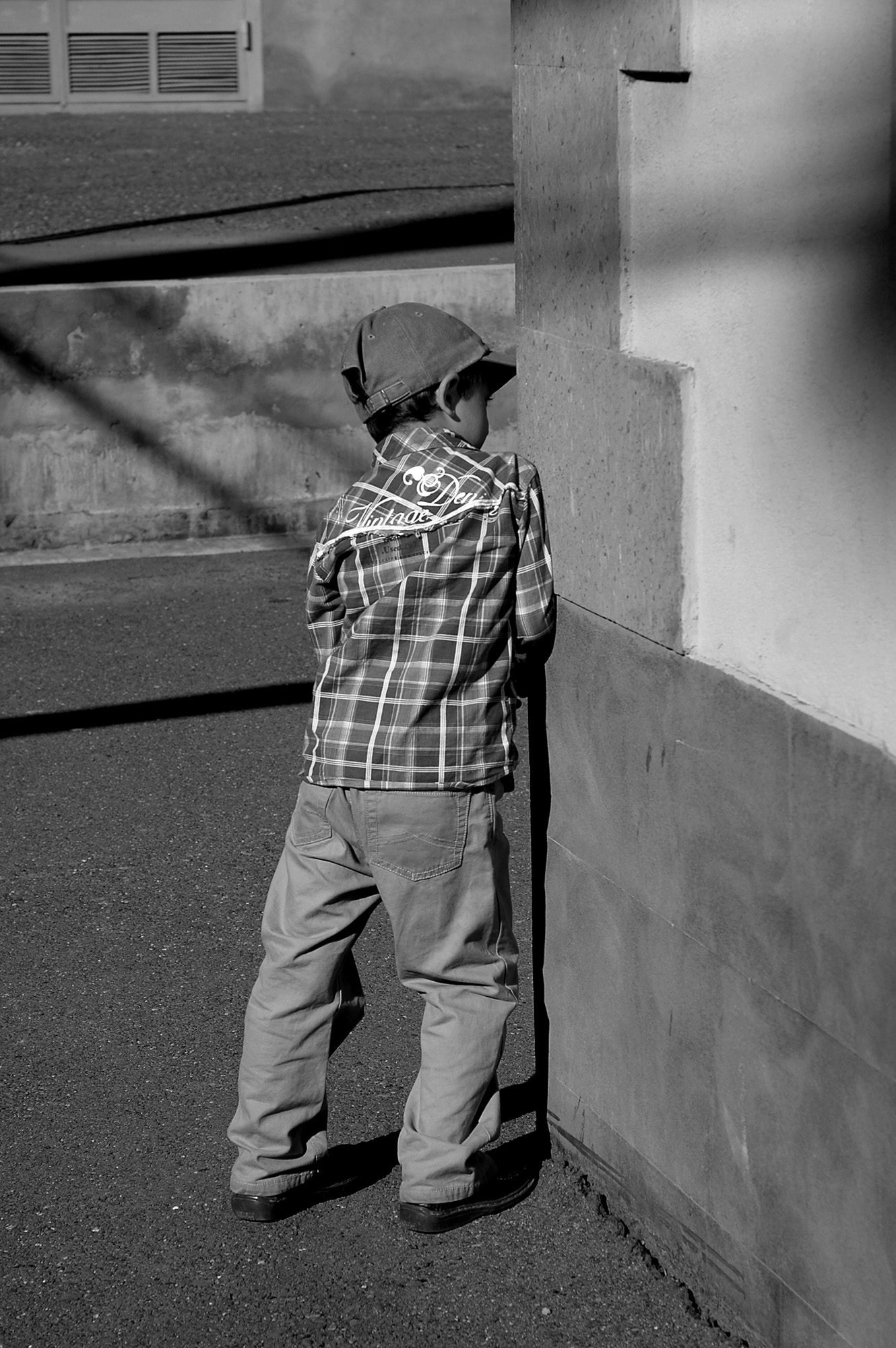
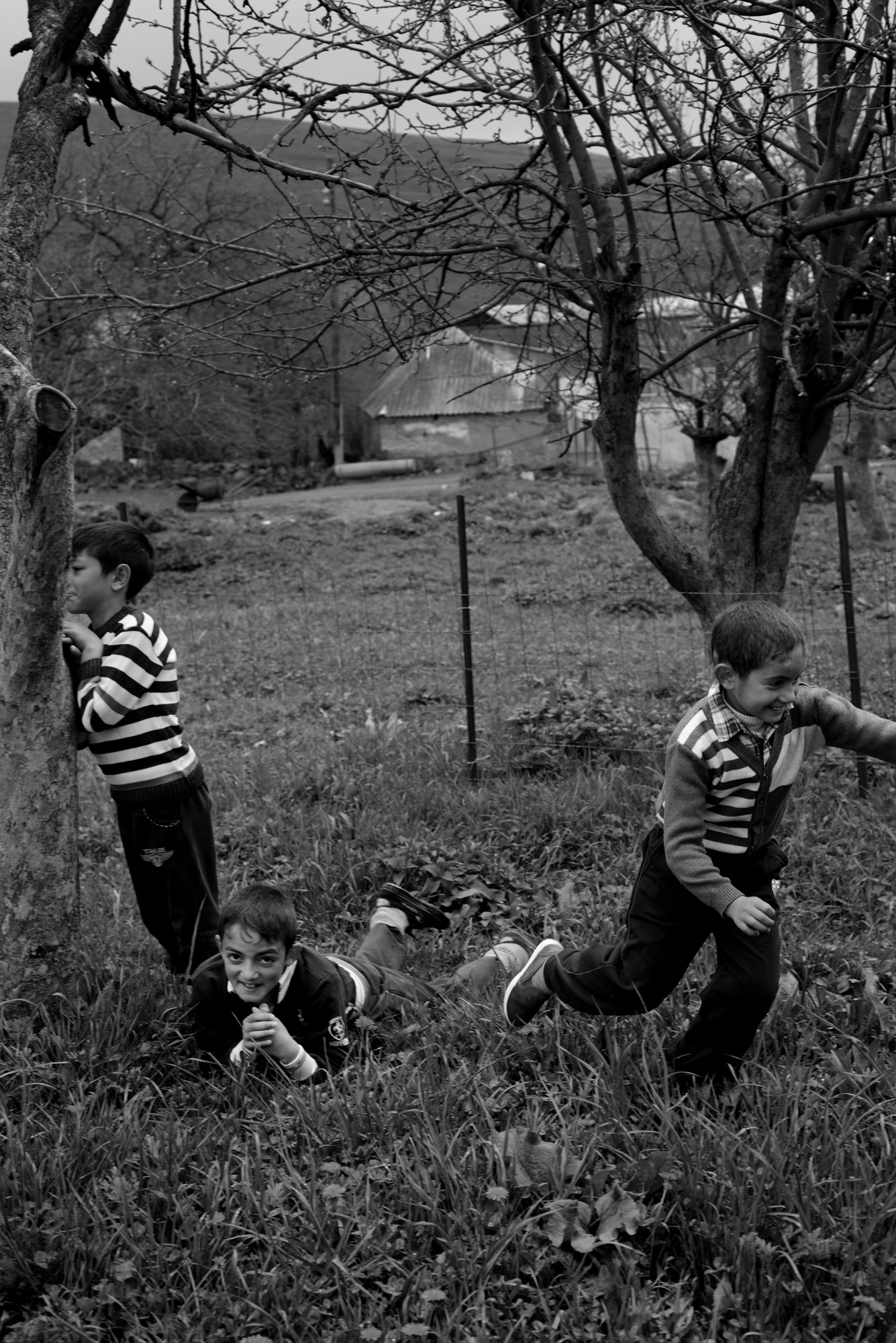
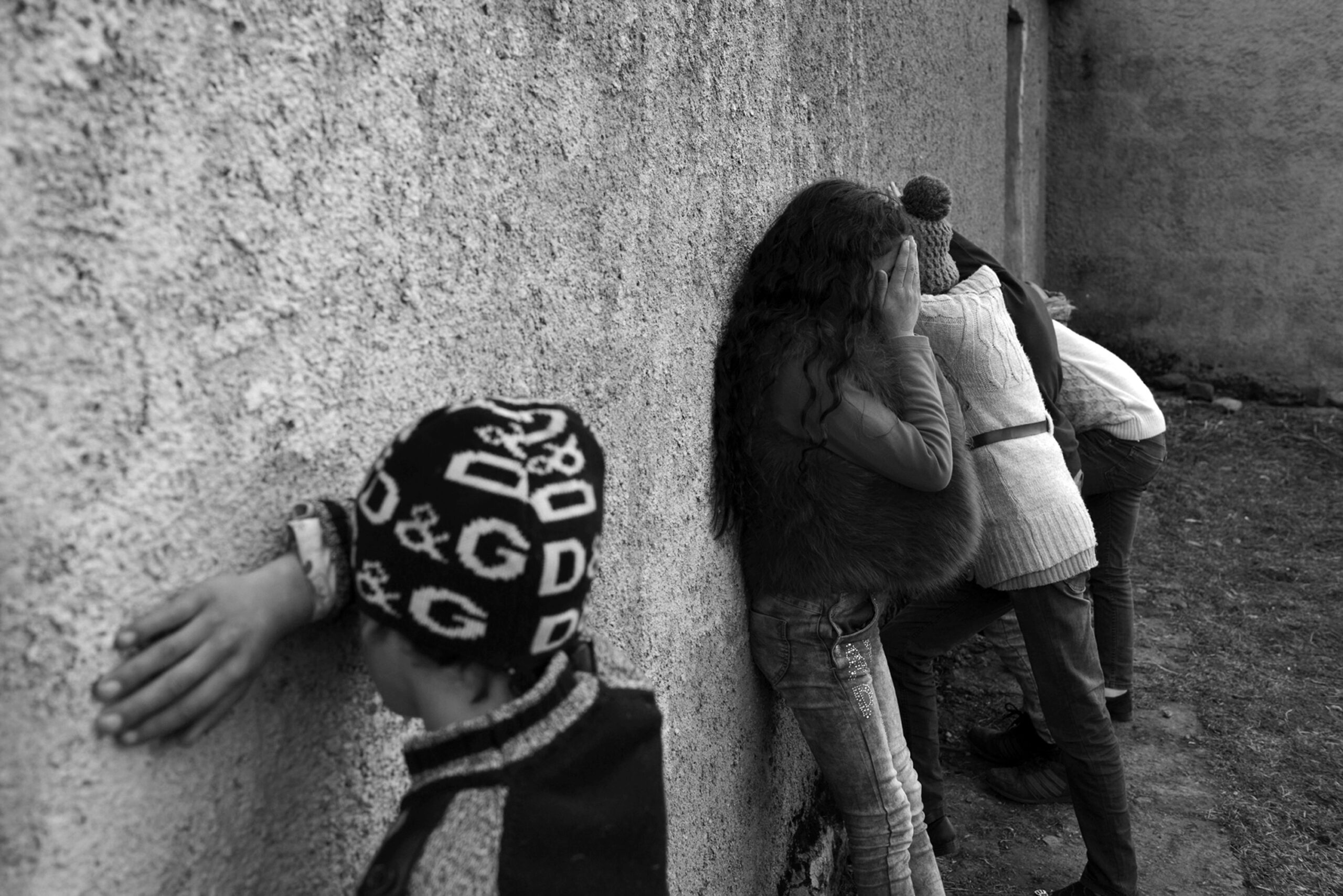
Through these games, children grappled with the uncertainties of being and not being, of being seen and unseen. Play became a symbolic rehearsal of existence itself, helping shape the boundaries of the self. In the hidden corners of the courtyard, they became Magellans of their own small universe, setting off on their first great journeys into the unknown.
Thinking With the Body
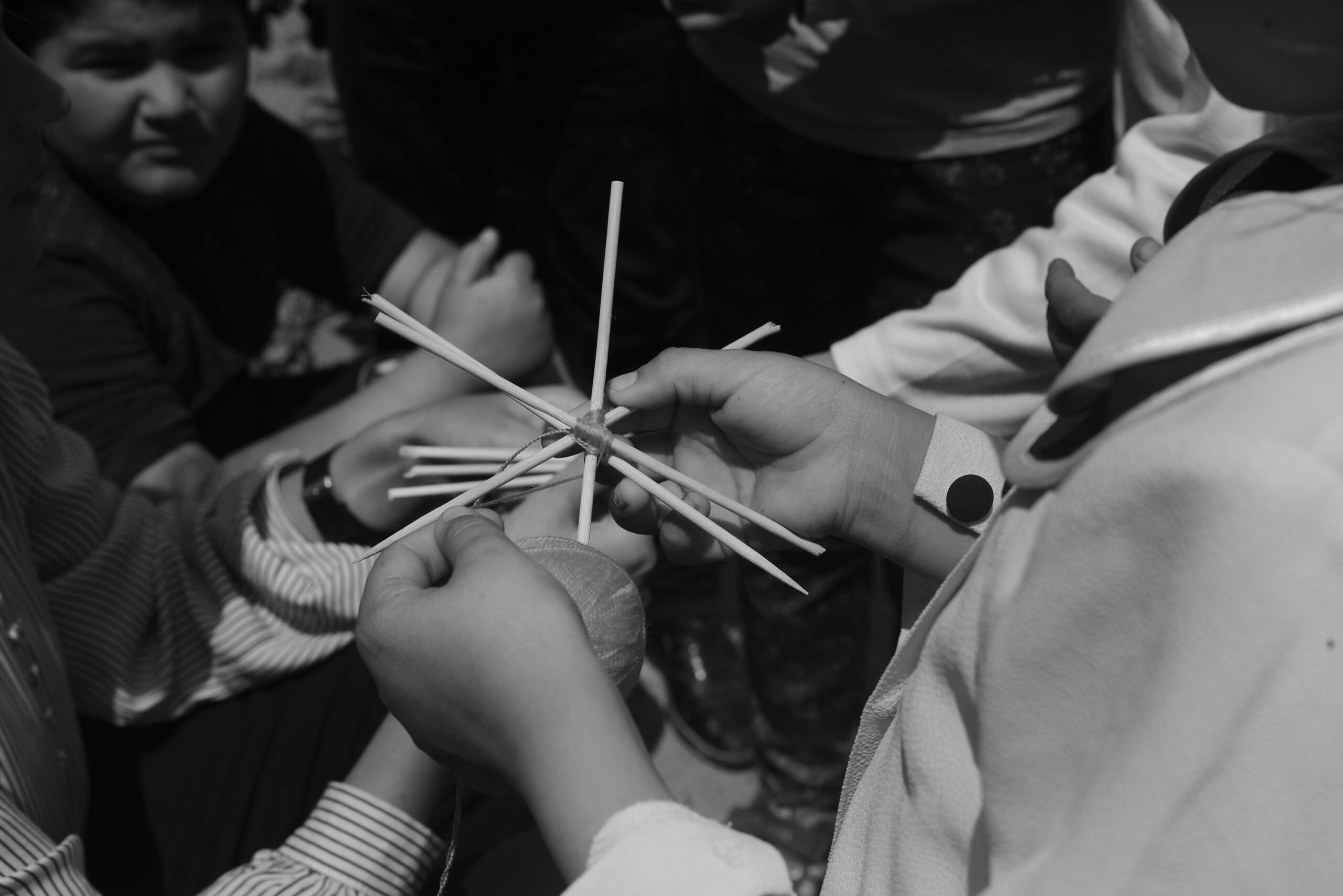
Tag, Elastics [Chinese Jump Rope], Frog, Seven Stones, Havala, Spinning Top
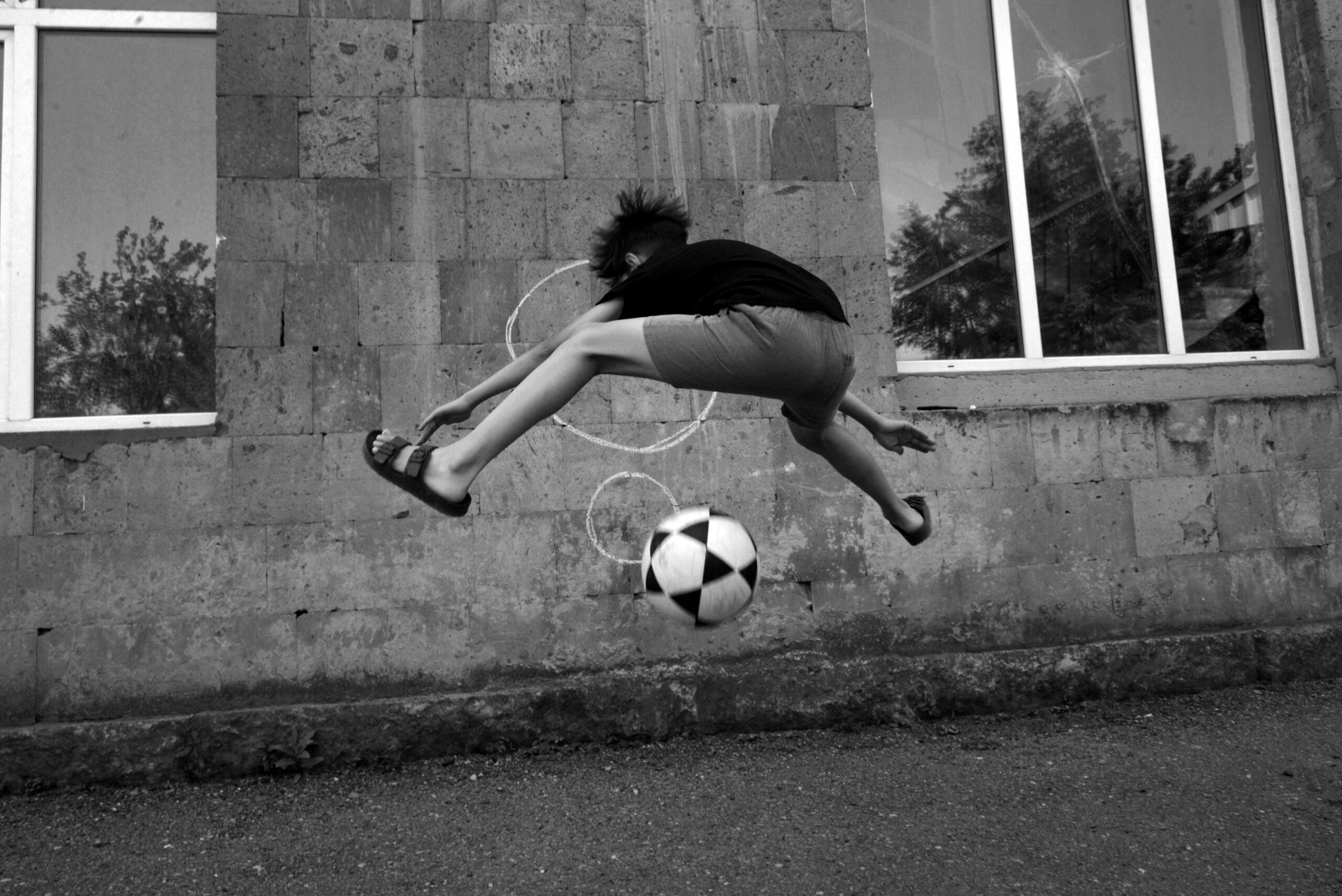
One of the defining features of courtyard games was their physicality. While many children today navigate a world of constant cognitive stimulation, these games offered a different way of understanding reality: through movement, touch, balance and the body’s direct encounter with the world.
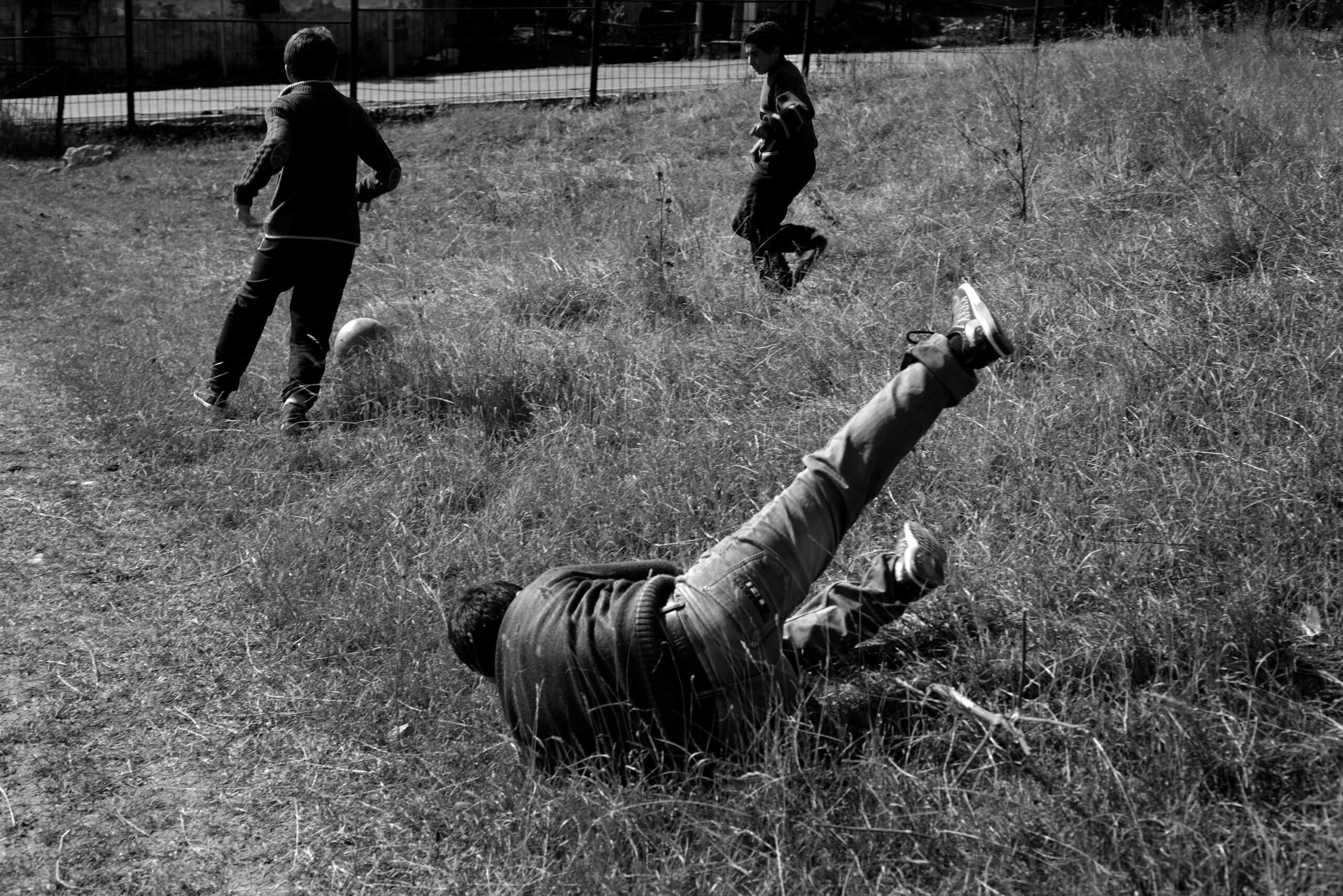
Running, jumping, balancing, chasing, falling and reacting in an instant were more than just movements. Through them, children learned how to navigate space, manage impulses, assess risk and coordinate with others. In the relative freedom of the courtyard, they developed not only their bodies but also their sense of timing, awareness and belonging within a group.
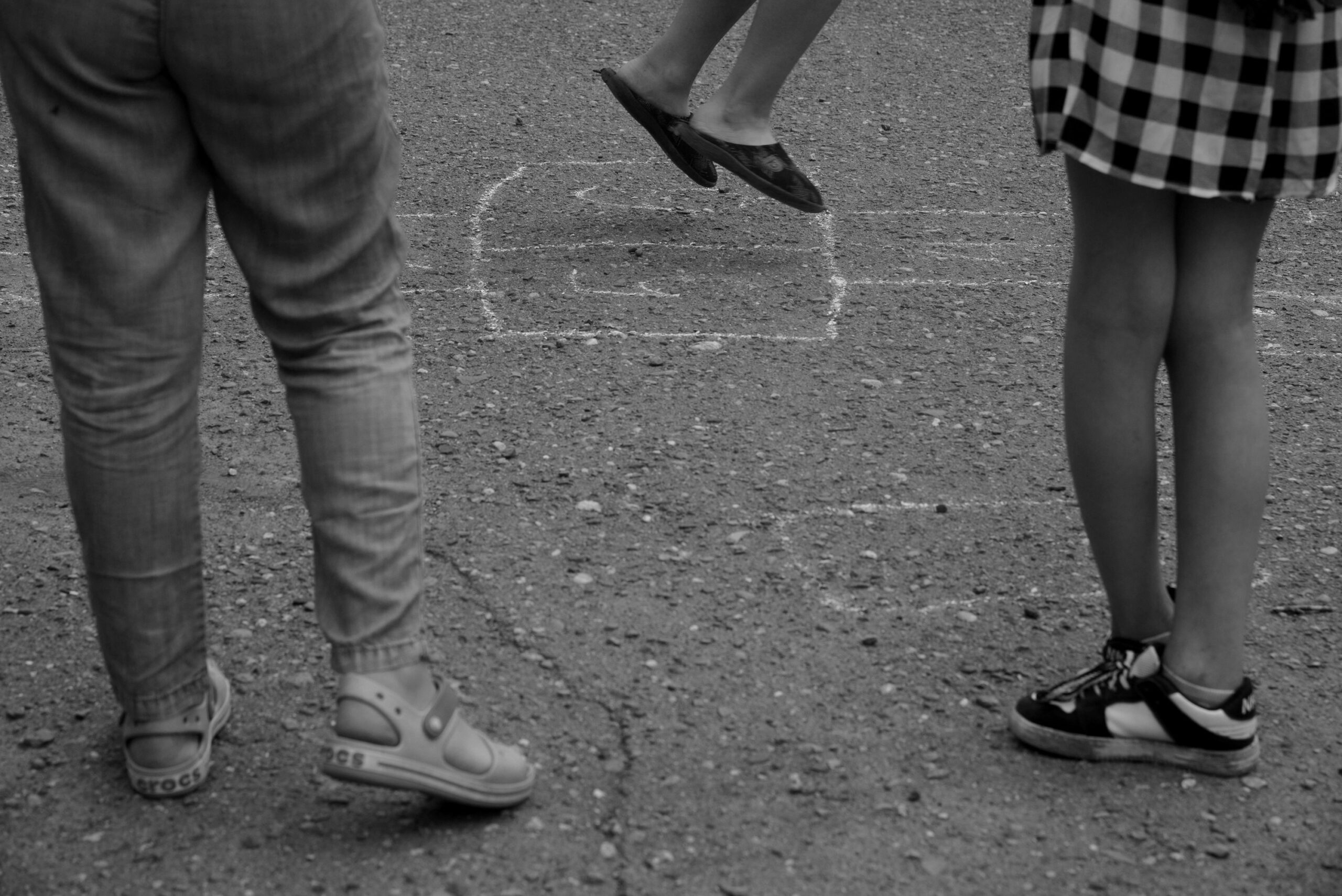

In this way, the body’s encounter with its own limits became the groundwork for the formation of inner ones. Scraped knees came to know the asphalt of the courtyard by heart, learning the laws of gravity through experience. Every cut, every bruise, every bump on the head marked the beginning of a child’s first odyssey.
The Courtyard As a Social Laboratory
“Ala bala nitsa”
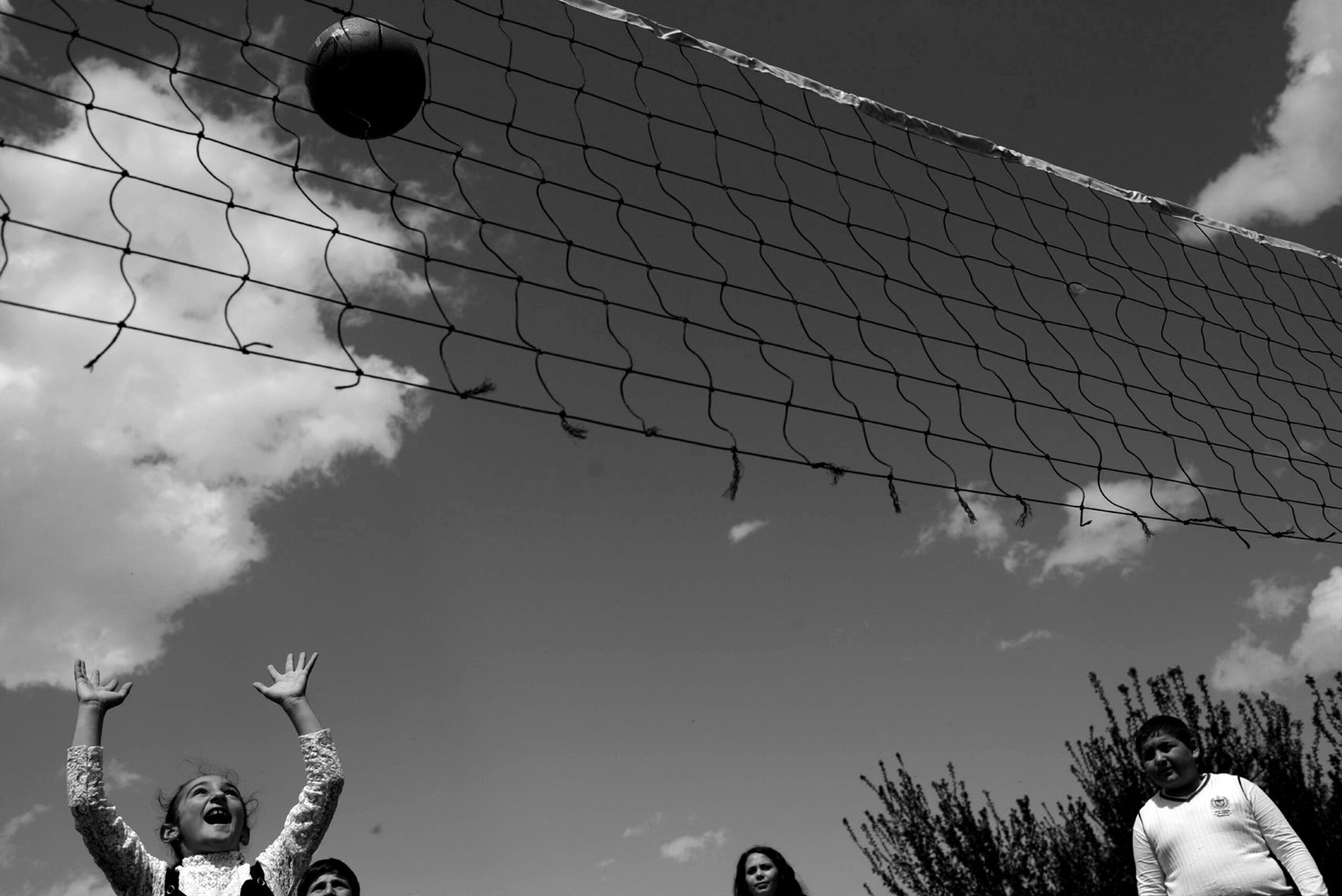
At home, children are often confined to familiar labels: the smart one, the well-behaved one, the youngest, the lazy one. In the courtyard, however, those identities were far less fixed. They could be tested, discarded and reshaped.
A shy child in the classroom could emerge as a leader in the courtyard, while the “perfect” student might find it difficult to fit in. It was a formative experience, one that taught children early on that identity has many layers, and that the judgments attached to it are neither permanent nor absolute, but often depend on the environment in which we find ourselves.
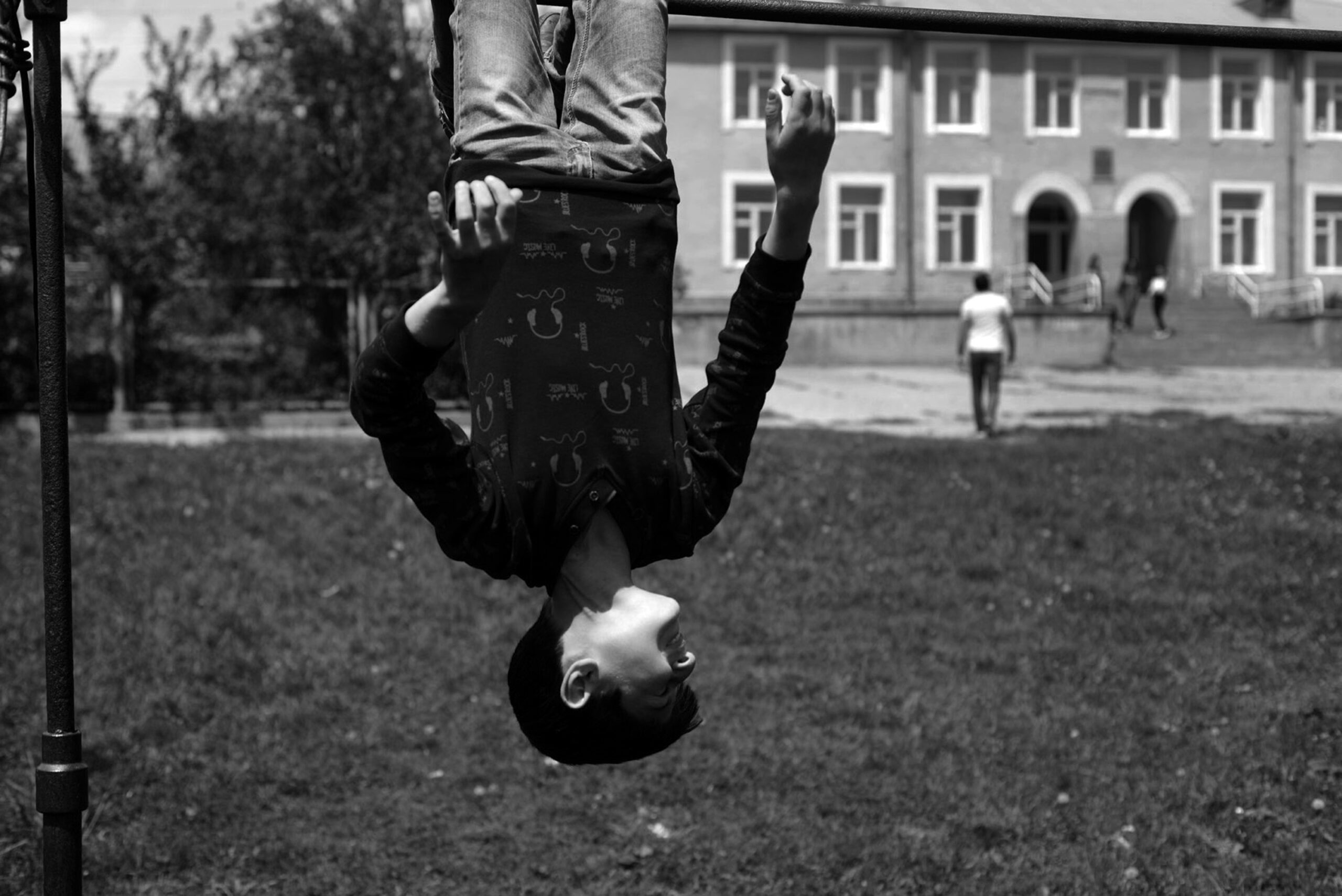
The courtyard was also a space of self-governance. Children made the rules, changed them when necessary, and determined what counted as fair. Play became a kind of early social contract, a miniature society with little adult intervention. There, children were not simply players; they were the authors of their own world, complete with its own rules, power structures and even its own police officers, whose authority rested entirely on the collective agreement of the group.
Learning Conflict Through Play
“Topkotsi,” “Chlotsi,” “Chlik Dasta” and “Donkey Police”
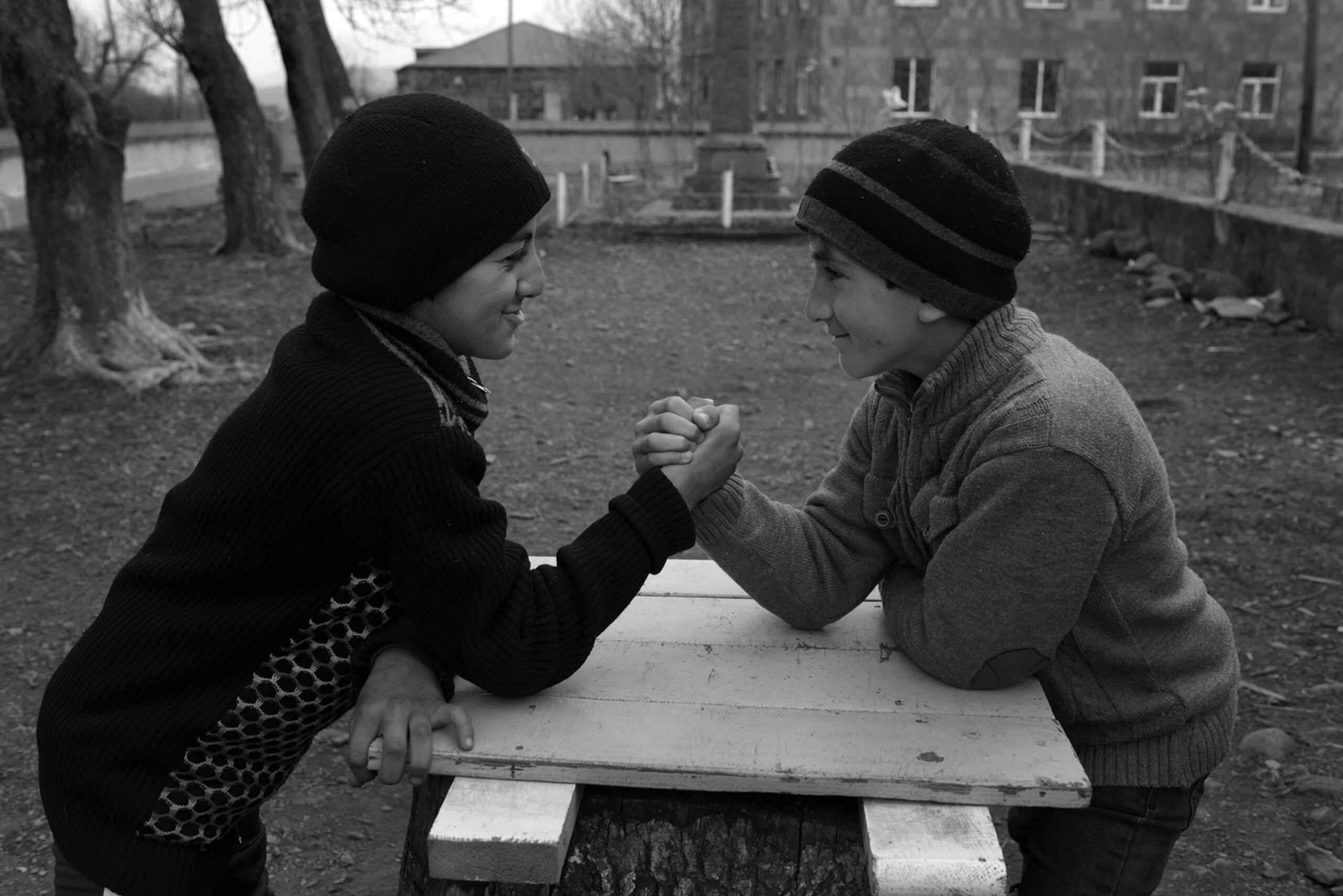
Today, there is often a tendency to suppress or sanitize childhood aggression as quickly as possible. Courtyard games offered a different approach. Through pursuit, rivalry, physical contests and noisy confrontation, children learned what they were capable of. They tested strength and status, experienced defeat, pushed and were pushed, confronted others without destroying them, and gradually learned where their own boundaries ended and someone else’s began.
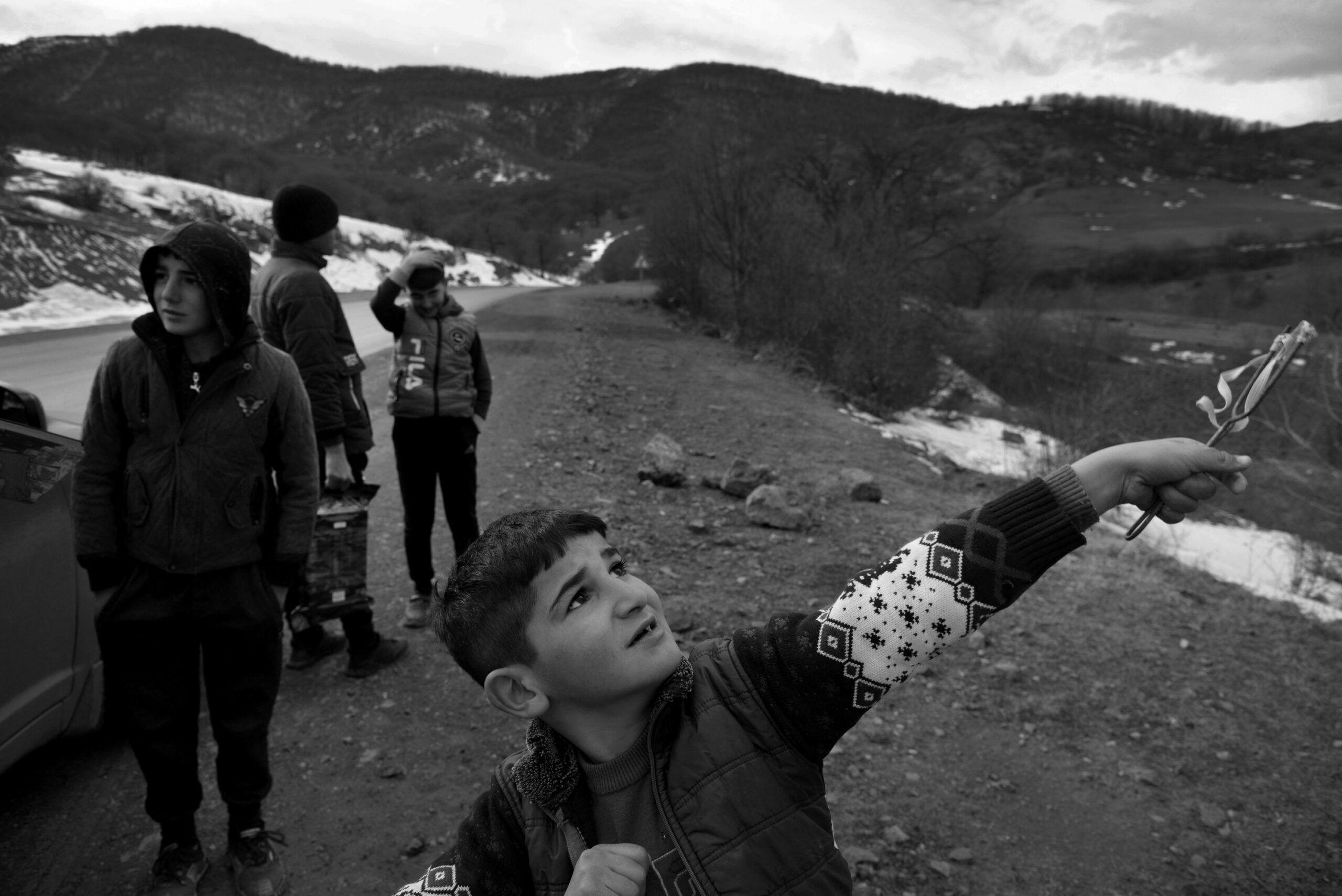
Without opportunities to work through these experiences, aggression remains unresolved. It may be pushed inward, taking the form of anxiety, passivity or inhibition, or it may surface in uncontrolled and destructive ways.
The Magic of Repetition
“Tic-Tac-Toe,” “Broken Telephone” and “The Handkerchief Game”
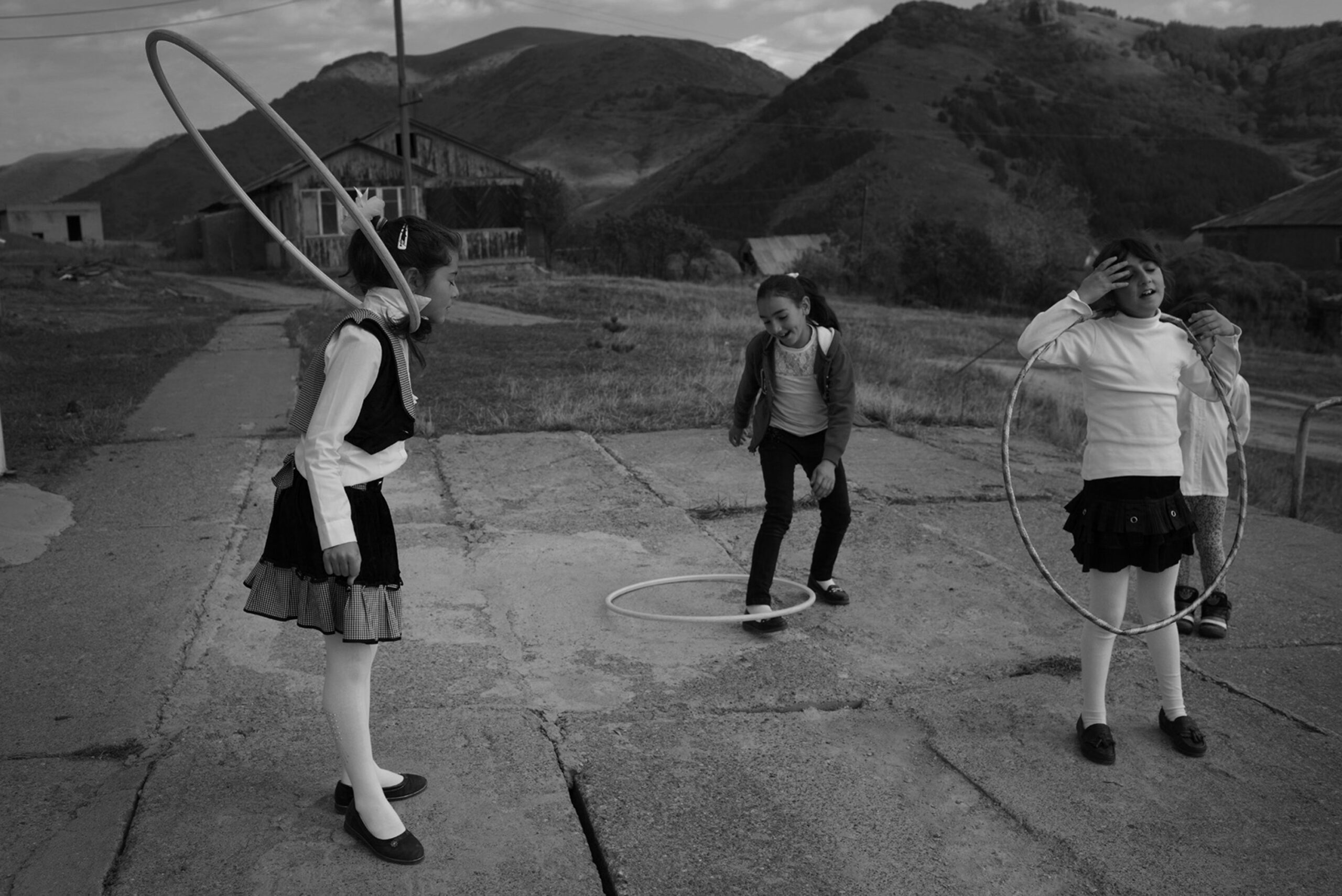
One of the most fascinating features of courtyard games was their capacity for endless repetition. How could children play the same game for days, even years, without losing interest? Because what was repeated was only the framework; each game unfolded differently every time.
Through repetition, the game created a protected and predictable world. Children knew how it began and how it unfolded, yet they could never fully foresee the friendships, rivalries, emotions, victories or defeats that would arise within it. That is what made the game both stable and alive, much like a ritual.
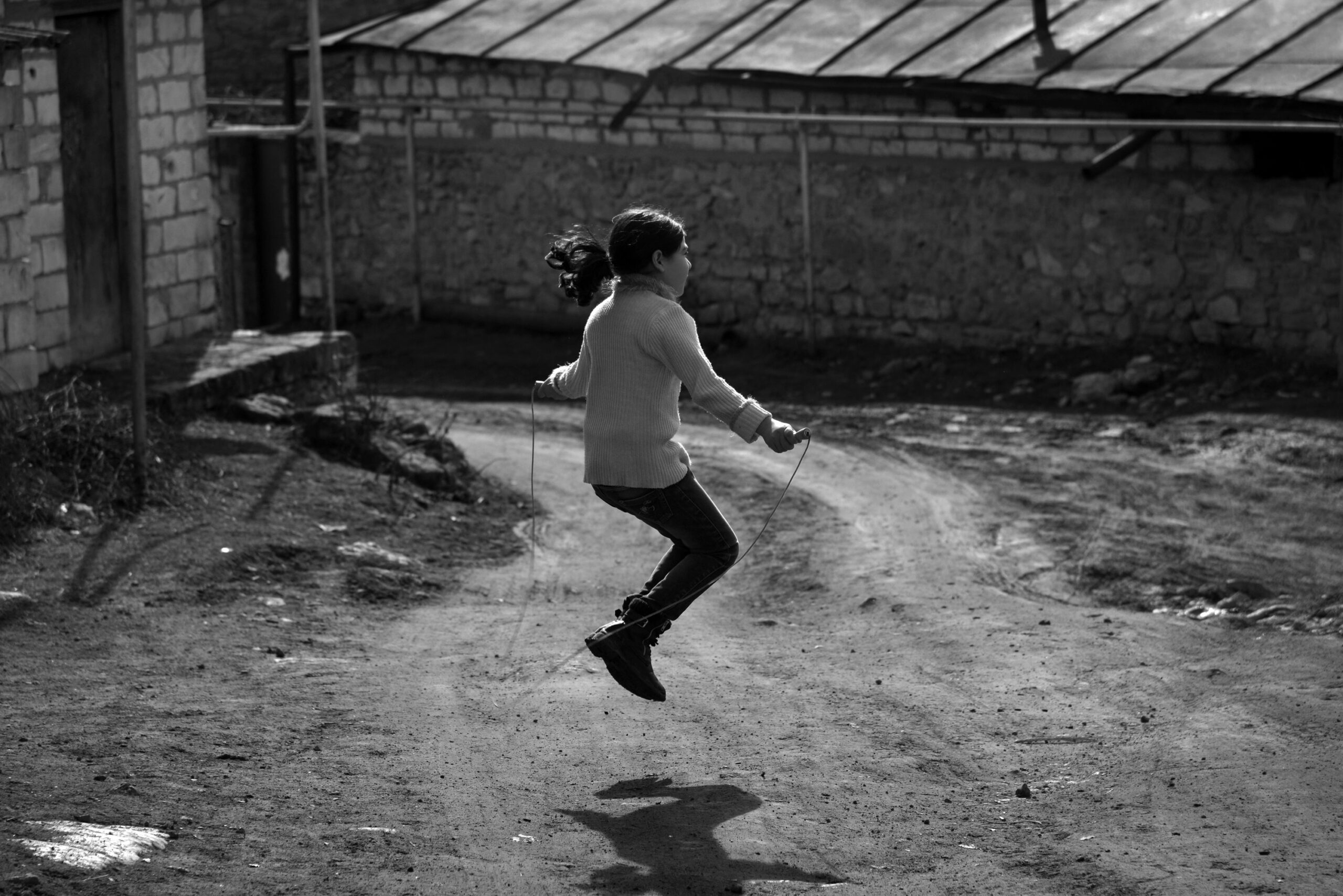
Rituals endure through repetition, not because they offer something new each time, but because they renew a sense of belonging. Courtyard games were rituals of a different kind: small communal ceremonies through which children returned not only to a familiar game, but to the same voices, the same courtyard, and the same shared we.
These games also served as vessels of cultural memory, passed down not through books but from body to body, from one generation to the next. Embedded within them were the language, rhythms, humor and ways of seeing the world that defined a particular community.
When children played in the courtyard, they were doing far more than passing the time. They were building a map of the self, one shaped by relationships, the body and emotion. The game’s familiar structure became a kind of psychological laboratory, where identities still in formation were constantly tested and reshaped. The same child might be the winner one day, the loser the next, and later a leader or an outcast.
The Contemplative Experience of Time
“Halamula” and “Whoever Loses Goes Home”
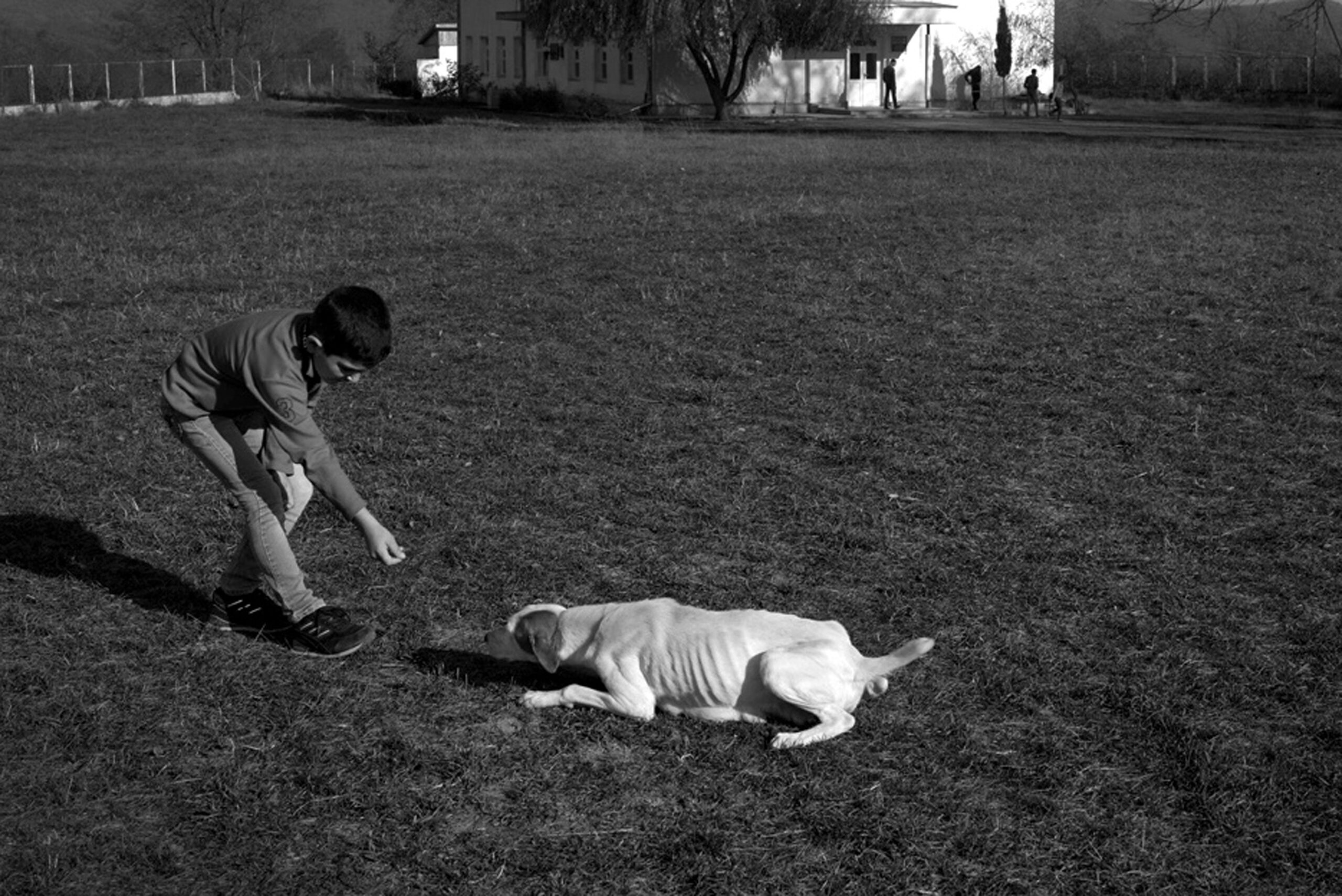
In the courtyard, time flowed differently. It was not measured by efficiency, productivity or schedules. Instead, it was felt through the lengthening of shadows, the changing sounds of the day, the gradual onset of fatigue, and a host of sensory impressions.
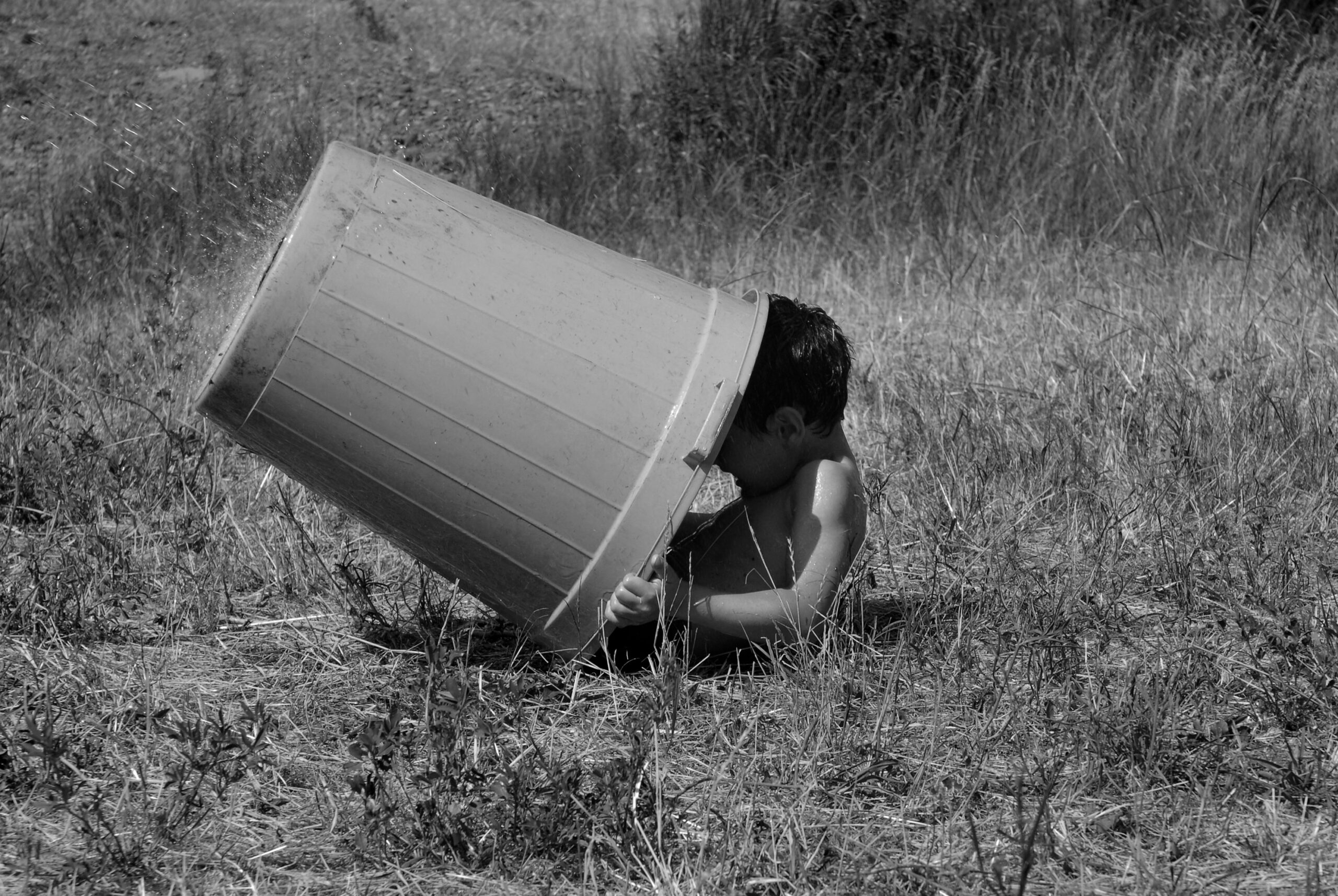
Much of modern childhood is carefully structured: sports practice, lessons, organized activities, and supervised leisure, where time is measured, divided and evaluated. The courtyard, by contrast, offered children the experience of “unproductive” time: the freedom to wander, wait, grow bored, and, through that fertile boredom, invent their own worlds. It was precisely this kind of time that nurtured creativity, imagination and the development of an inner life.
The Disappearance of Courtyard Games
“The One-legged Black Devil”
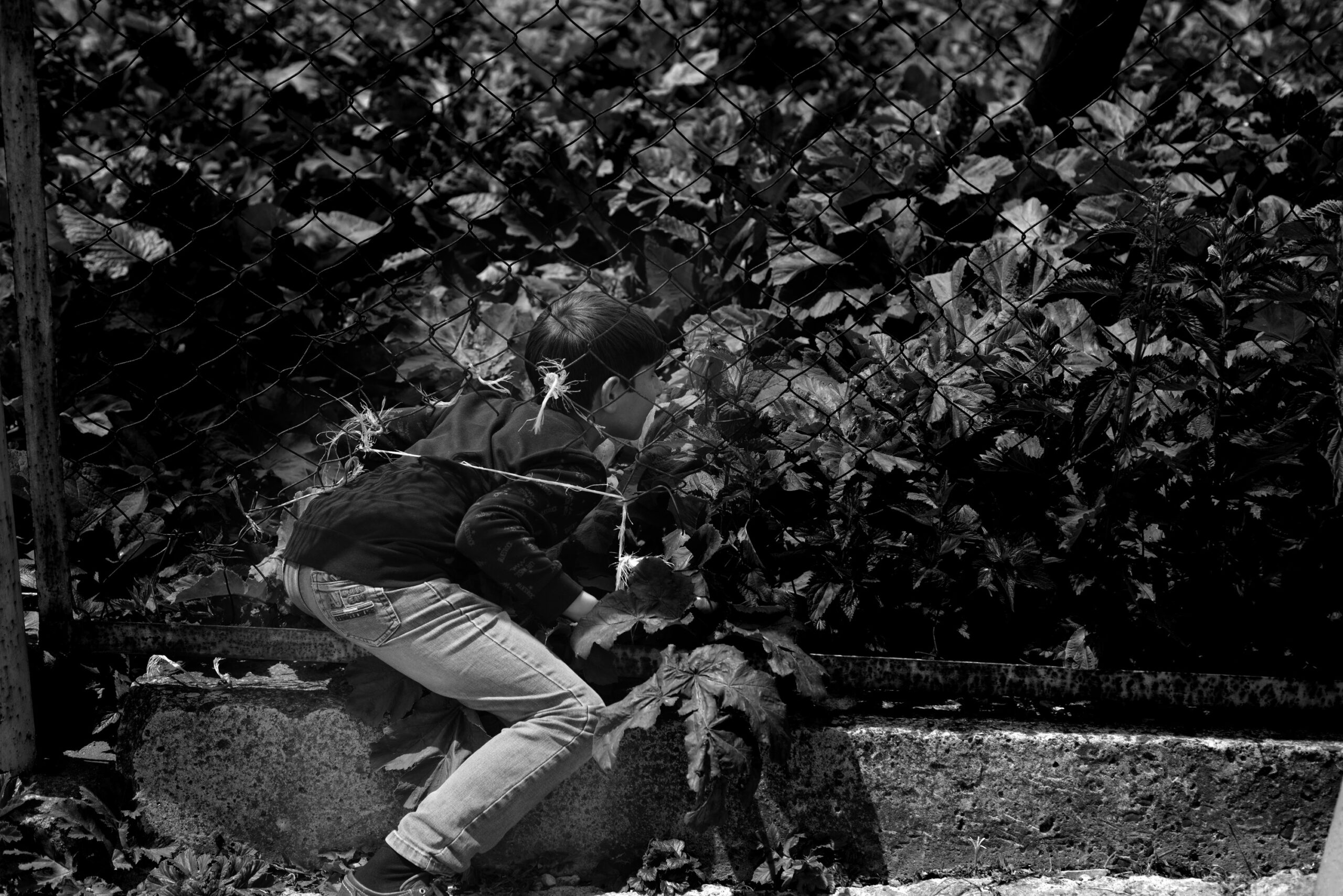
Today, courtyards as living cultural spaces are steadily disappearing. Amid the proliferation of garages, shops and carefully controlled environments, the sounds of children playing are growing quieter. The disappearance of courtyard games is not merely a matter of nostalgia; it reflects a broader cultural shift and a transformation in the very structure of childhood.
In today’s cities, childhood is increasingly defined by supervision, packed schedules, digital isolation and highly structured forms of play. As a result, opportunities for spontaneous community are steadily disappearing. No amount of carefully curated “developmental activities” can replace the value of free play. It is through unstructured encounters, manageable risks and the unpredictability of the real world that children learn resilience. As these experiences fade, they are often replaced by greater anxiety, lower tolerance for frustration, social difficulties and a shrinking space for imagination.
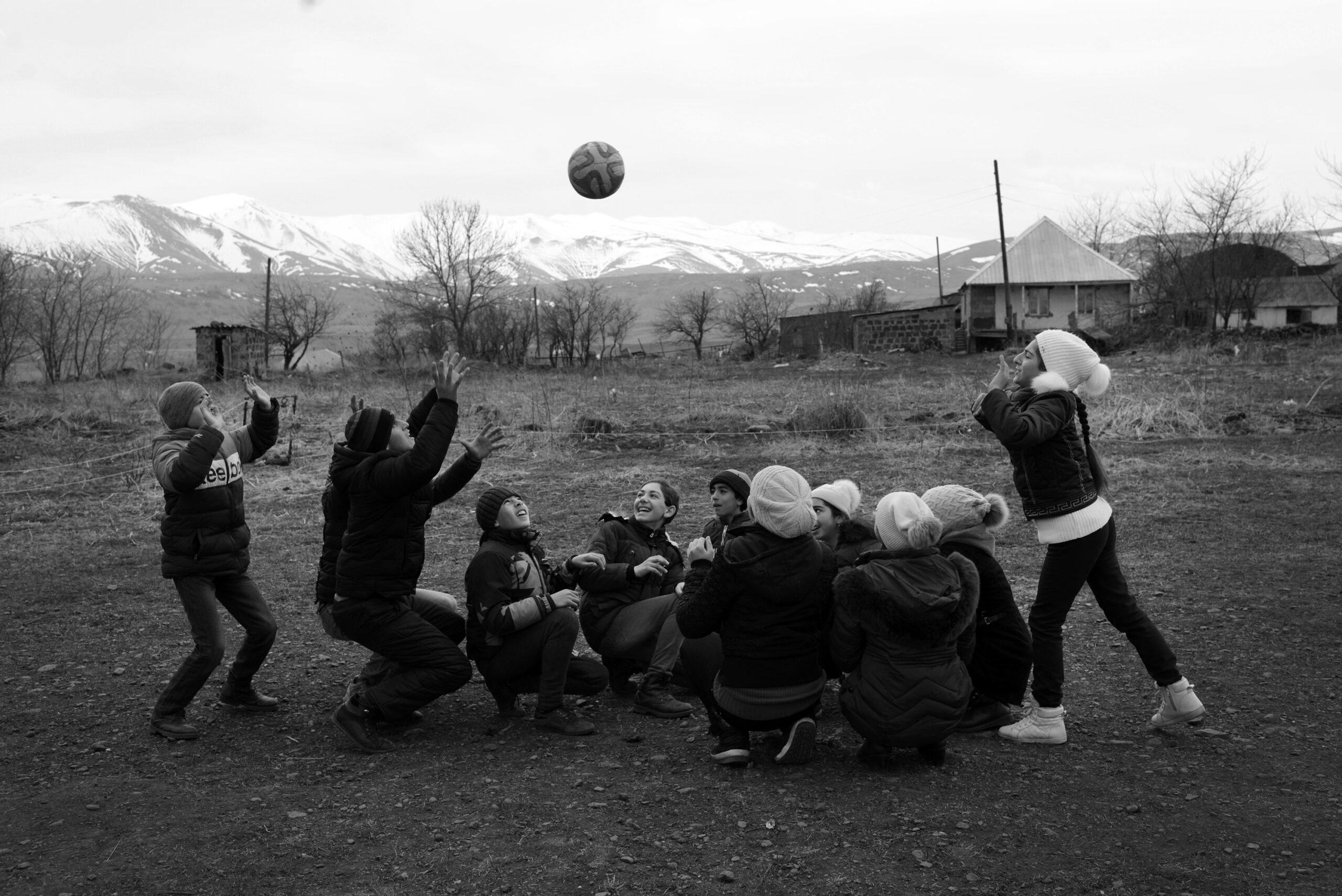
When the courtyard falls silent, children lose more than a place to play, they lose a direct, living relationship with the world.
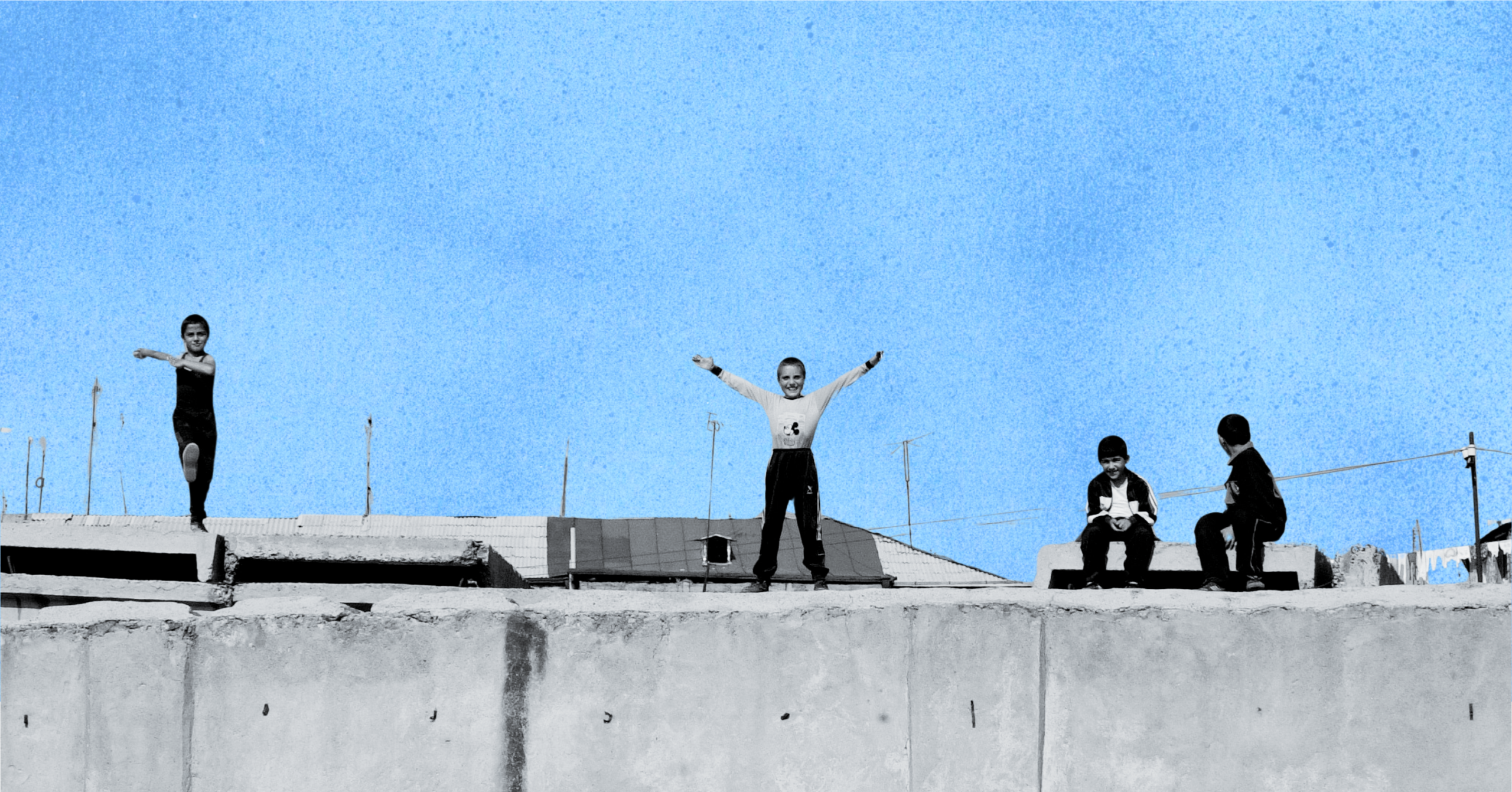
It is in the hayat that shadows seem to stretch forever. From the courtyard, a child can gaze at the windows of familiar homes and imagine the worlds inside. A rooftop becomes a summit beneath their feet.
It is there, too, that children discover themselves from different edges and perspectives, slowly piecing together a self that is at once complex and constantly in motion. They find the fragments of their inner puzzle, scatter them, and assemble them anew.
There, the One-Legged Black Devil, that mischievous symbol of fear of the unknown, makes peace with the world as it is, turning childhood into something both magical and profoundly real.
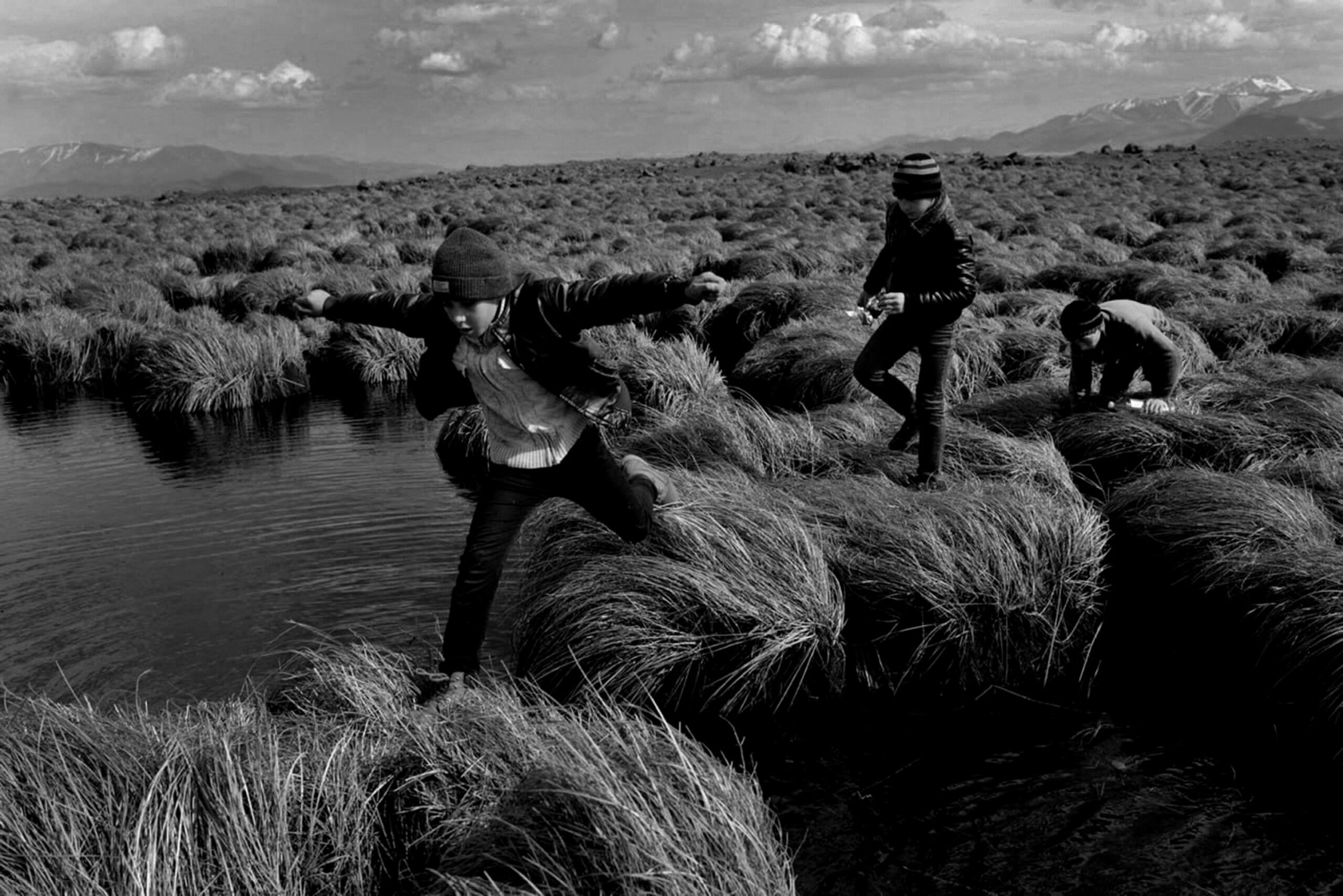
Text by Diana Galstyan

Cover photo by Roubina Margossian.
LIFESTYLE
Afterglow
May’s issue of SALT is a mix of nostalgia and gumption. From the evolution of Armenia’s post-Soviet music scene to the history of Armenian bridal fashion, from a photo story capturing the outdoor games children still play to reflections on the life of Armenian radio, and the story of one man helping revive forgotten vines, these pieces explore memory, identity, creativity and resilience in all their different forms.

Varuzhan Mouradian: The Man Who Brought the Vines Back
What happens when an accountant falls in love with wine? For Varuzhan Mouradian, it meant leaving behind a successful life in Los Angeles to plant vines in volcanic soil and help reshape Armenia’s relationship with wine.
Read more
Squash Finds Its Footing in Armenia
What began as a niche sport is steadily gaining ground in Armenia. Through the story of the 2026 Ararat Squash Cup, players and organizers reflect on the sport’s growing community, international ambitions and hopes for the future as squash prepares for its Olympic debut.
Read more
Bridal Fashion in Armenia Through History
Tracing Armenian bridal fashion from traditional taraz to contemporary couture, Nora Grigoryan explores how the wedding dress reflects identity, femininity, family expectations and cultural change. Through designers, photographers and historians, it examines the tension between heritage, modernity and self-expression.
Read more
The Sound of Post-Soviet Armenia and the Grunge Era of Rabiz
In the aftermath of the Soviet collapse, Armenia’s music scene underwent a dramatic transformation. From the rise of rabiz and estrada to experimental fusion and underground influences, Tamara Khachatryan explores how hardship, freedom and cultural upheaval reshaped the country’s post-Soviet musical identity.
Read more