
For many, it’s a day of endless joy, fun and turning the impermissible into the permissible. For others, it’s a day to stay home, shut the blinds, and ignore knocks on the door. That day is Vardavar, one of the most beloved and eagerly anticipated traditional Armenian summer holidays.
Vardavar, also known as the Transfiguration of Christ, is one of the five major feast days of the Armenian Apostolic Church. According to the church calendar, it is celebrated on the Sunday 98 days after Easter. This year, the celebration took place on July 27.
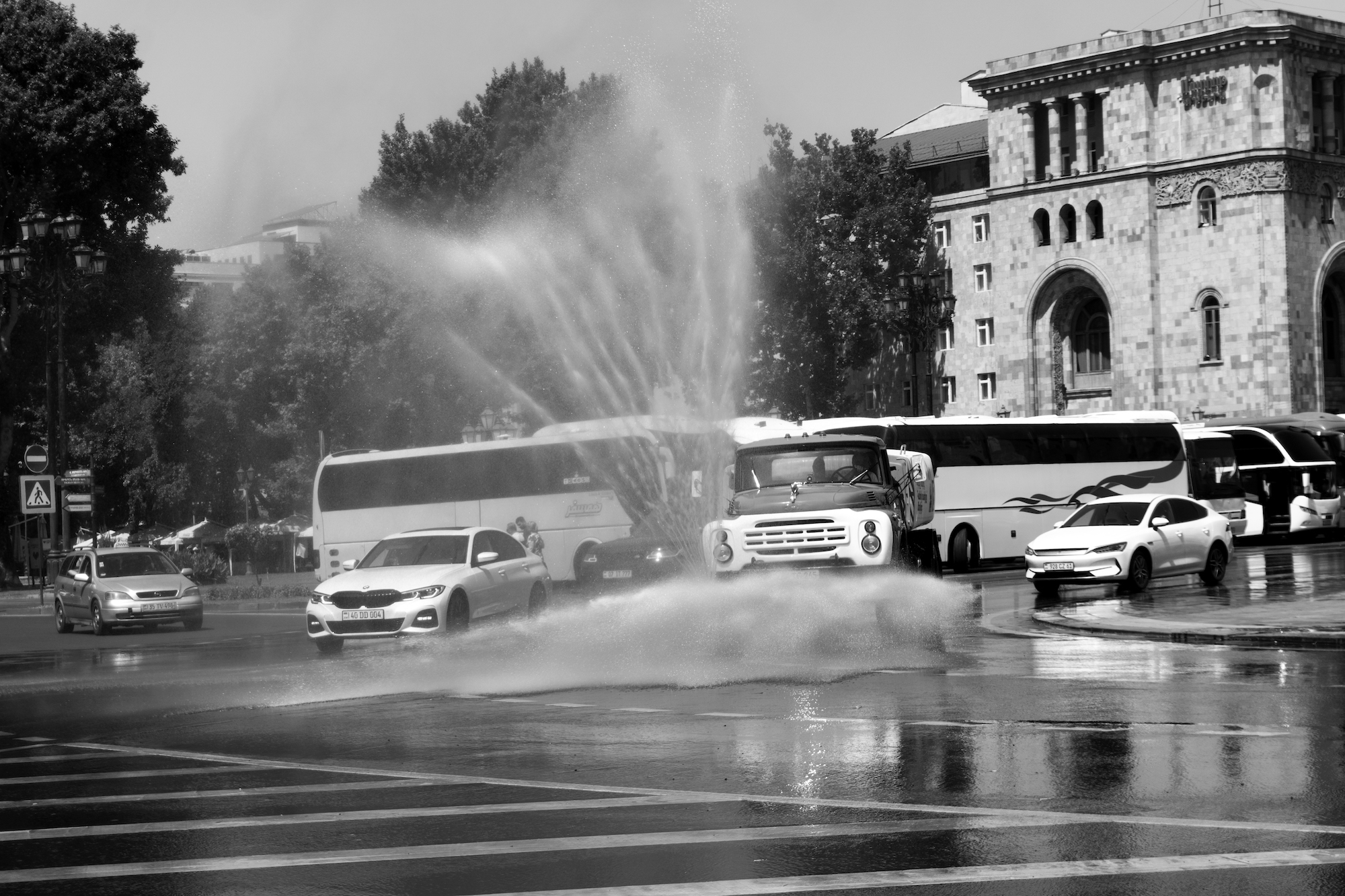
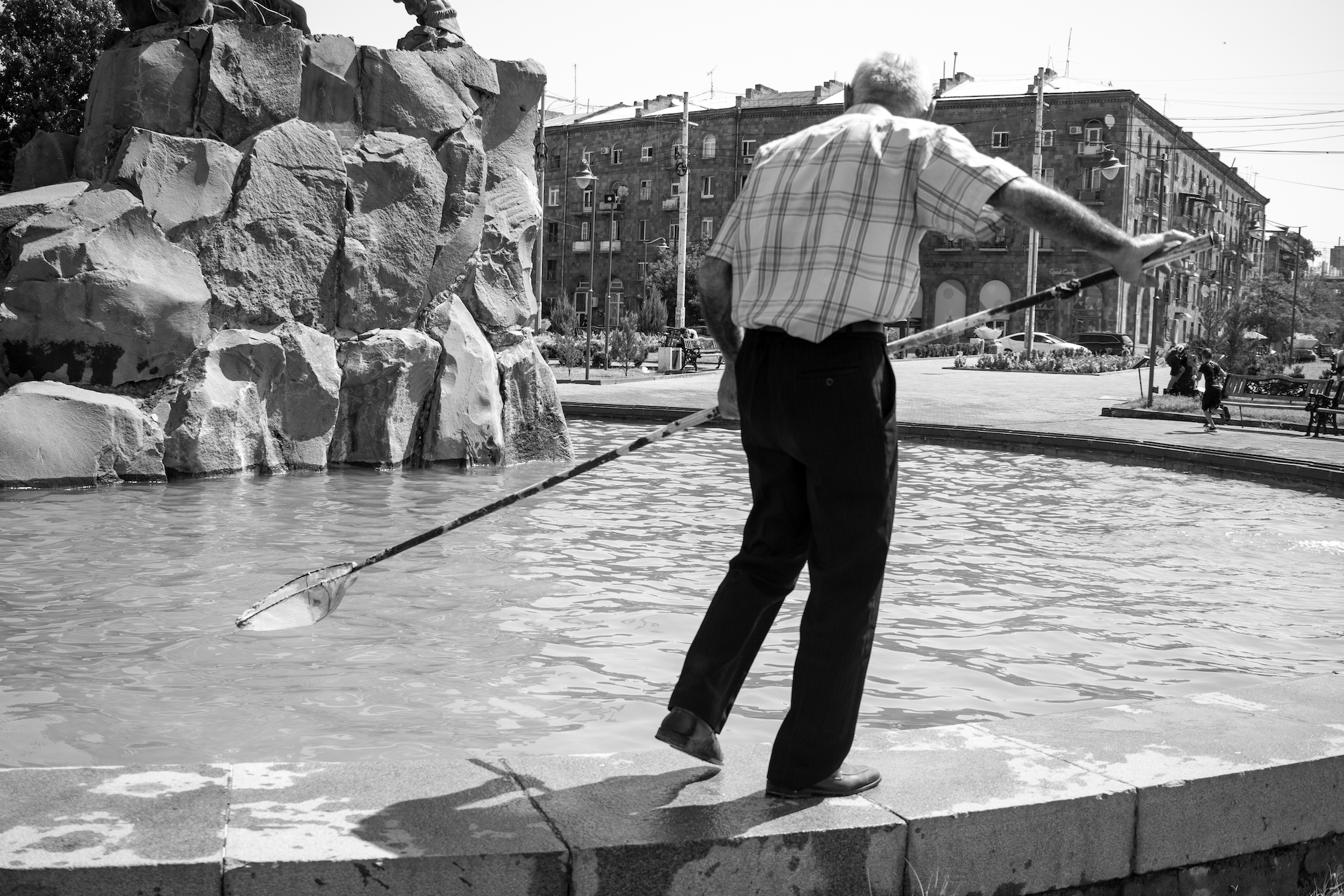
Starting early in the morning, the city prepares for the water festival. Water trucks appear everywhere, pools and fountains are cleaned, and people search for the nearest sources of water.
Despite their mothers’ pleas to wait a few more hours until the sun warms the air, the children begin their water games early in the morning.
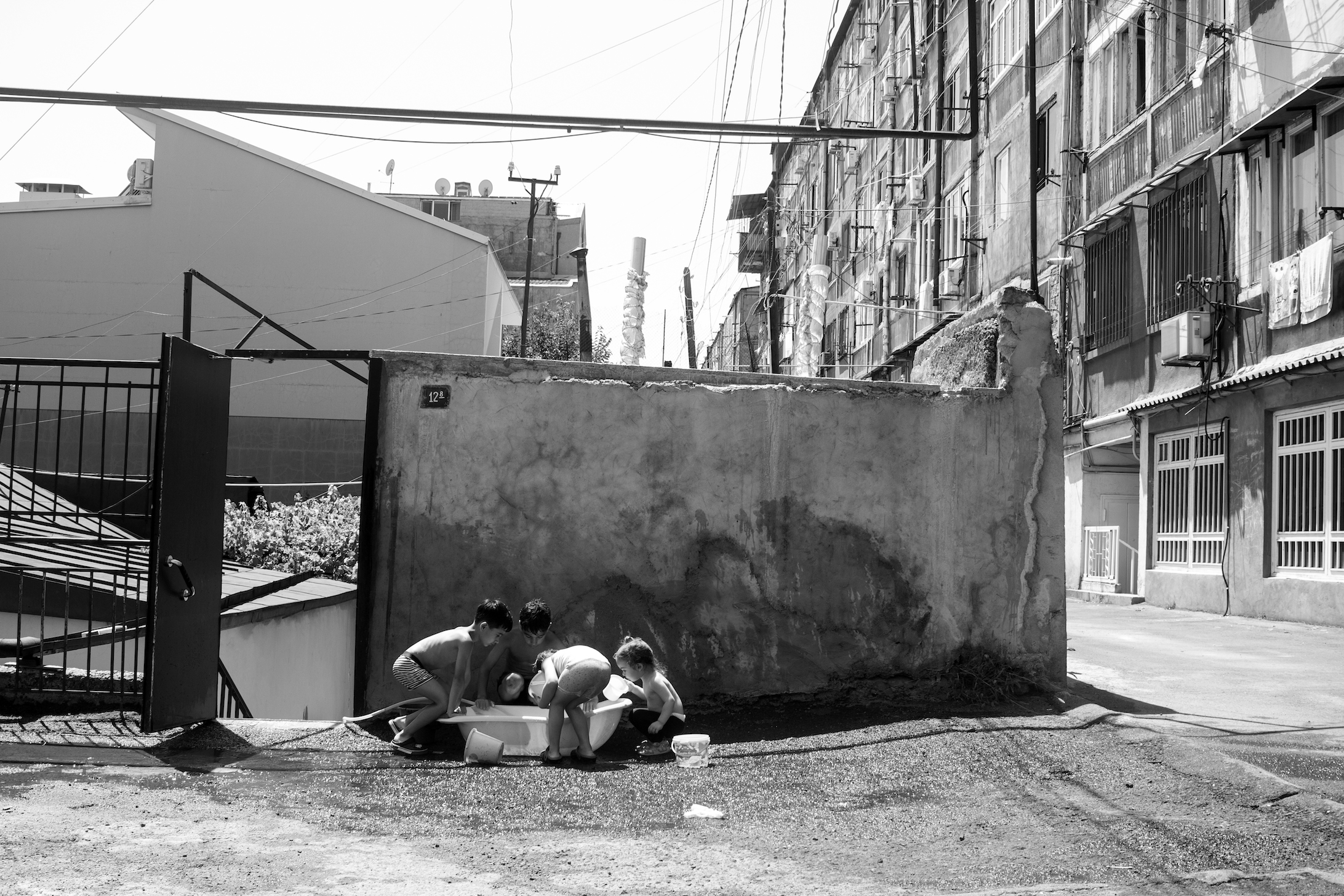
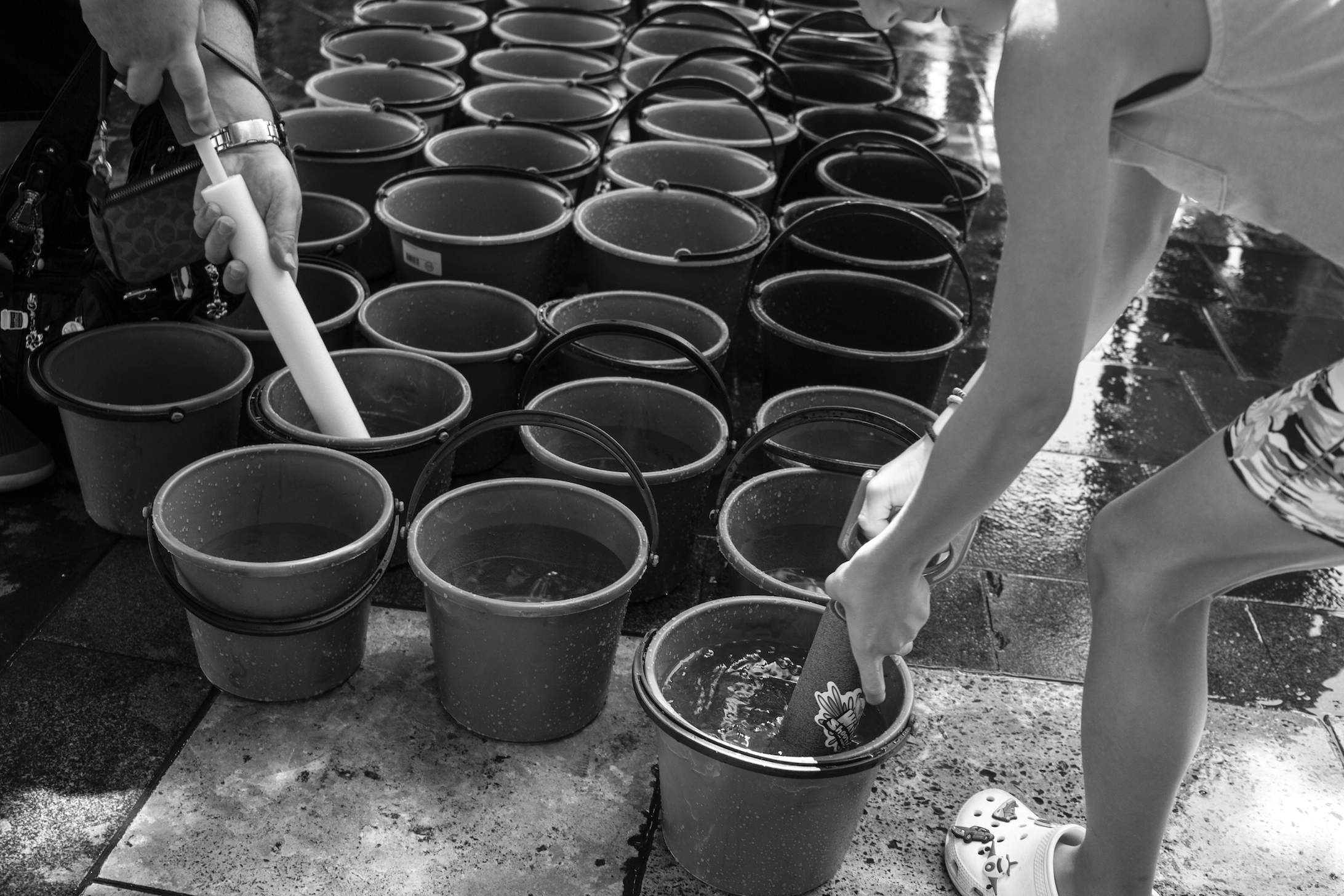
First come the water “guns,” but soon their spray is no longer enough, and the “heavy artillery” is brought out—buckets of water or large yogurt or butter containers carefully washed the day before by moms.
And where does all that water come from? From every possible source—household faucets, public fountains, and the basins of decorative fountains.
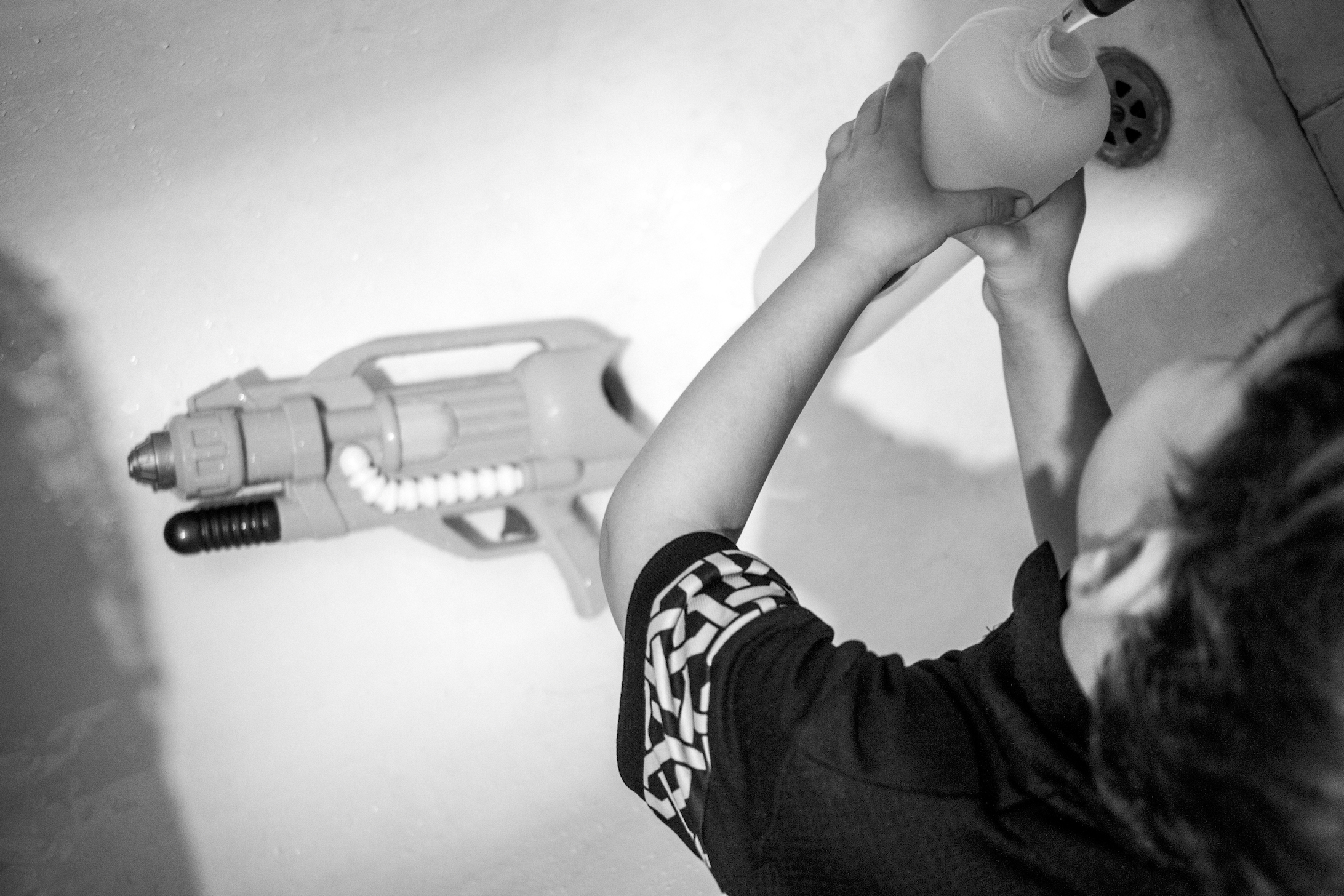
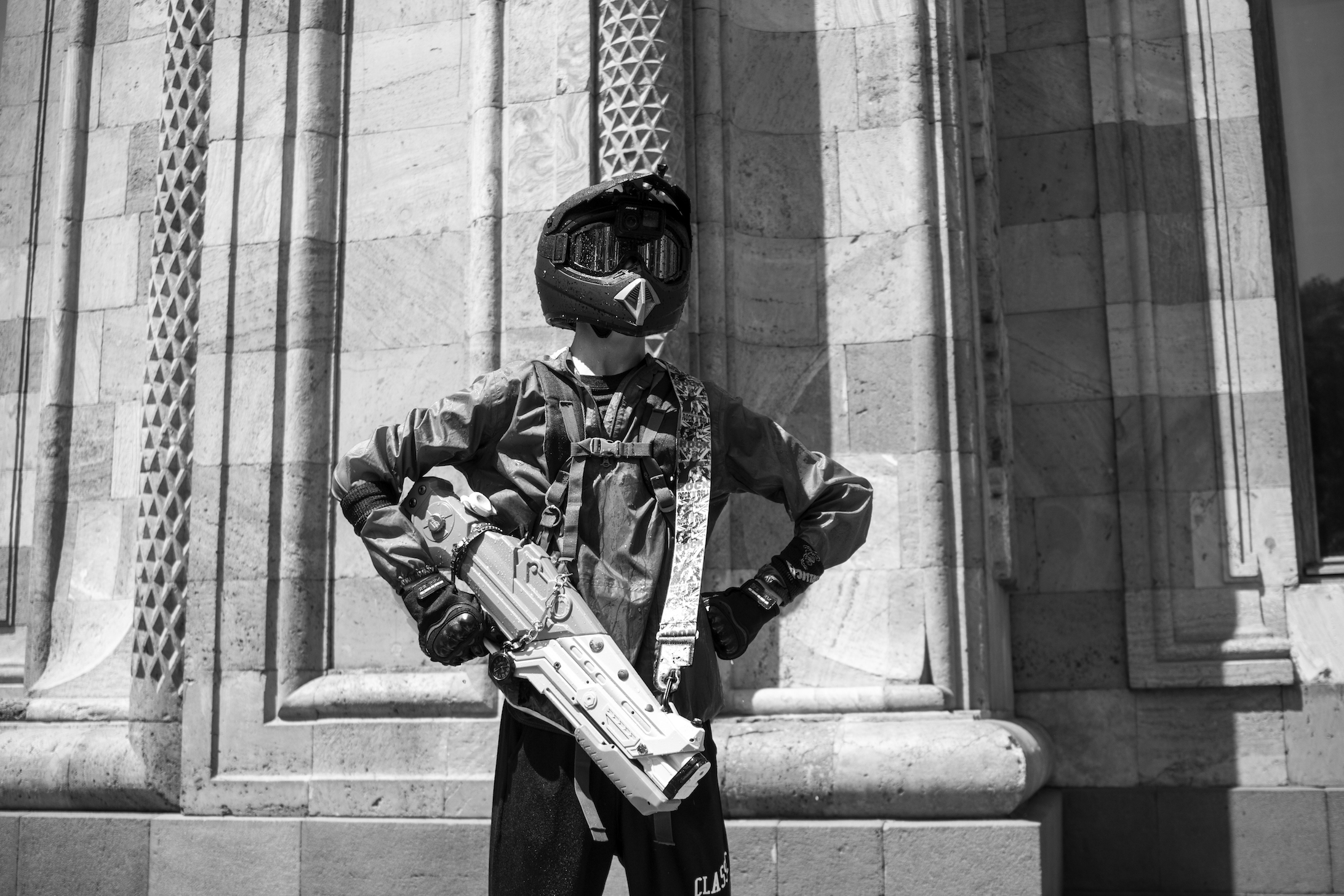
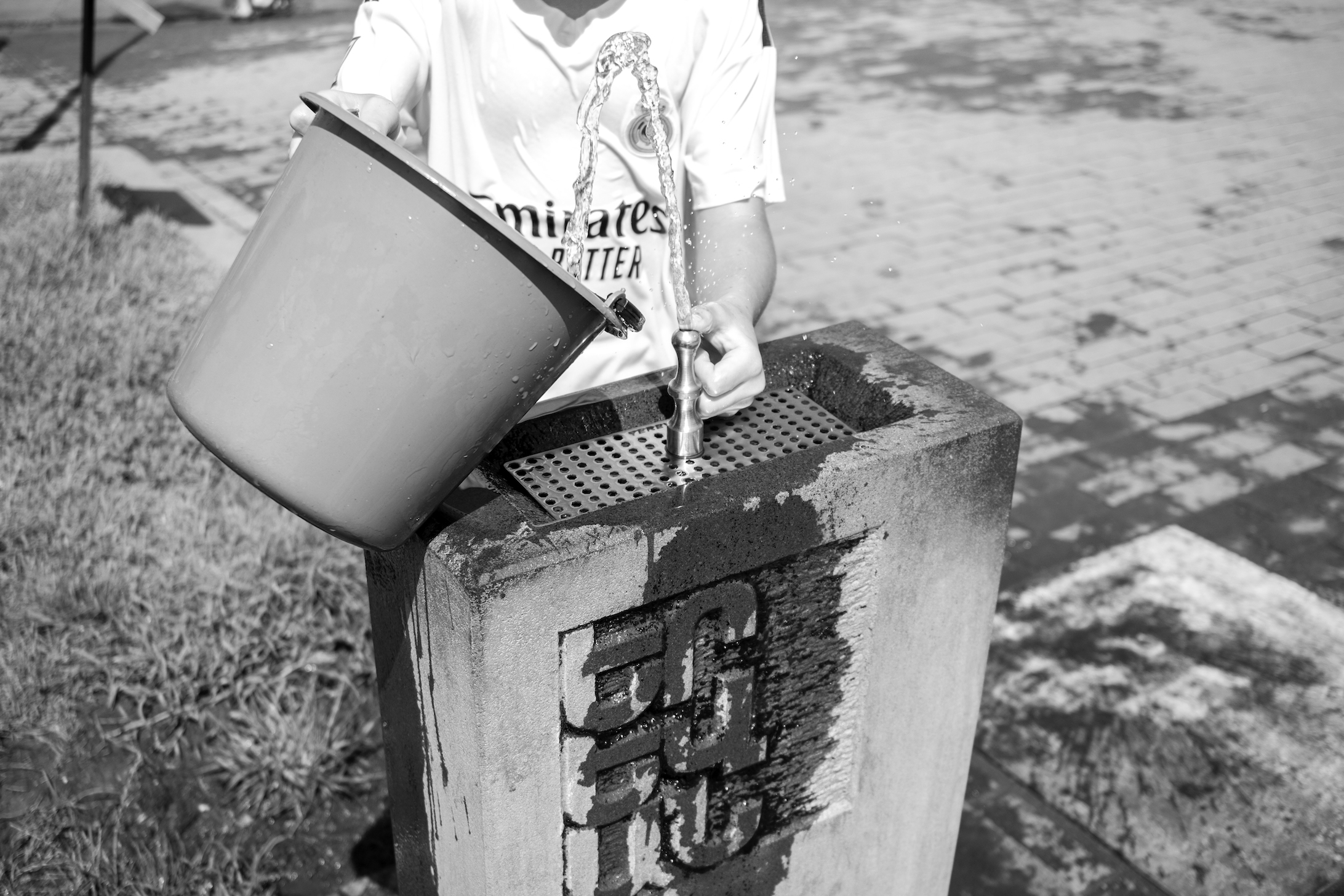
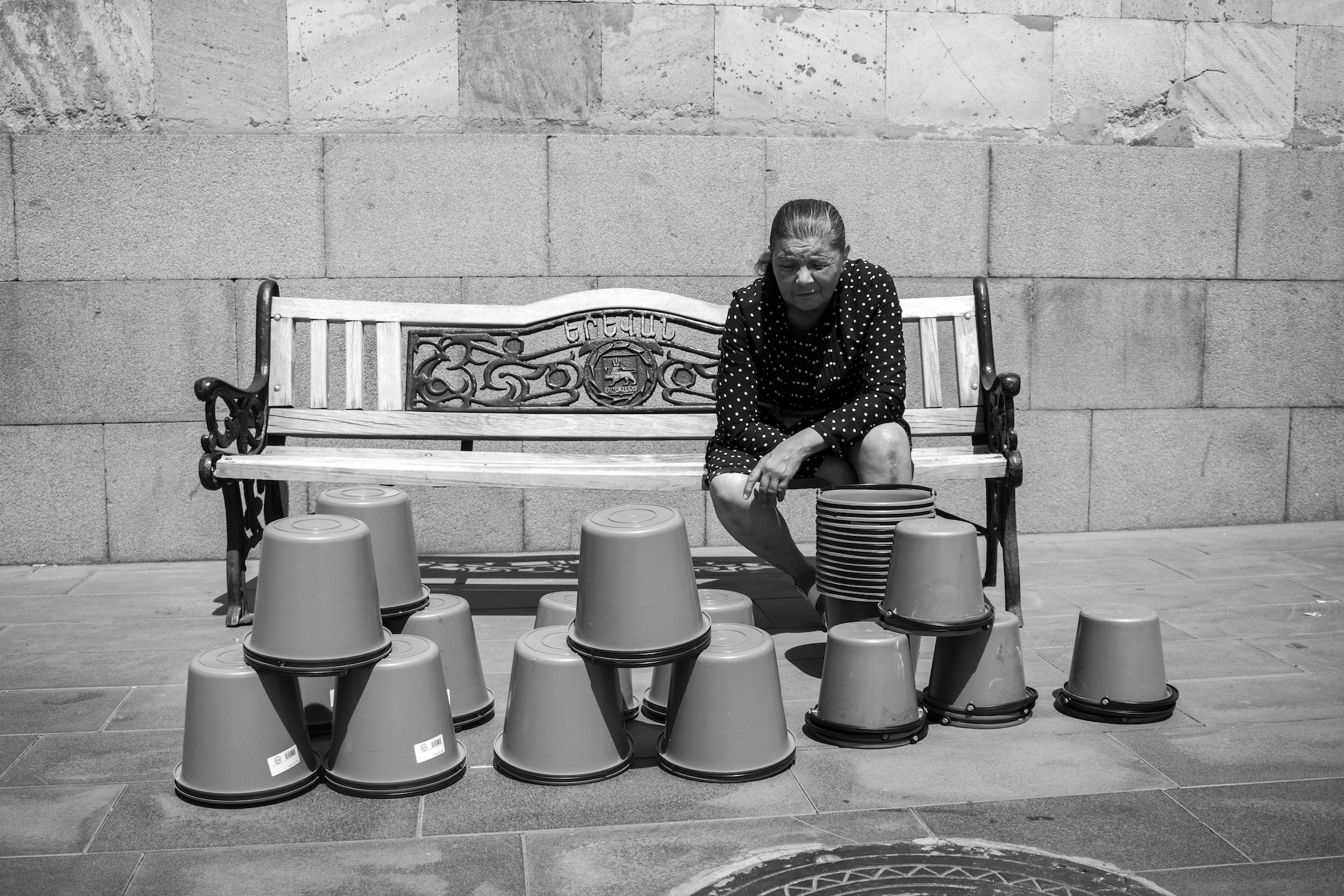
In the center of Yerevan, neatly arranged buckets appear, sold for 1,000 AMD each. Later, they begin to be sold pre-filled with water. To be fair, the price of the bucket doesn’t change because of that.
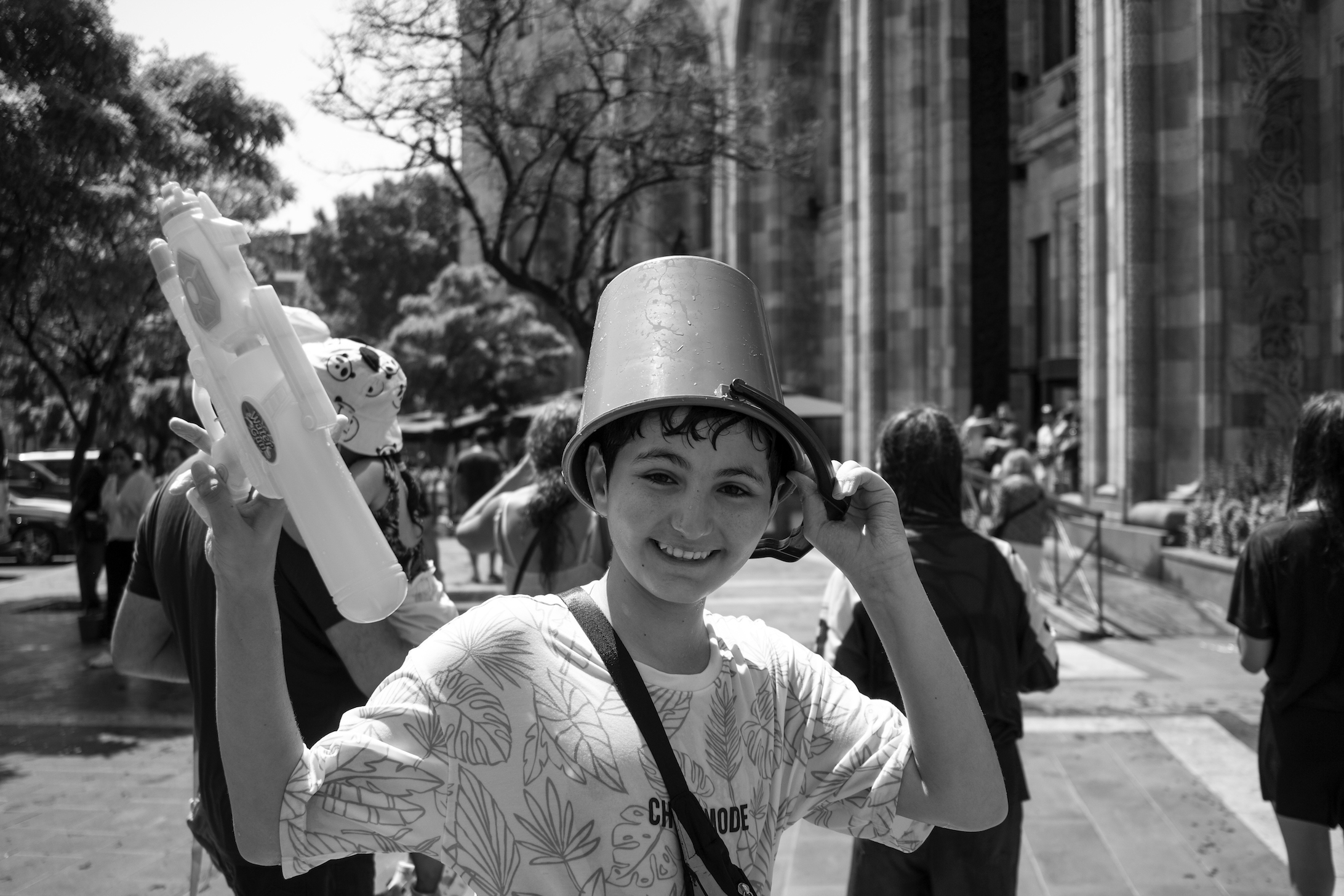
Another hour will pass before men pull rubber hoses out of their garages or deep storage spaces, connect them to fountains, and secure the most uninterrupted supply of water.
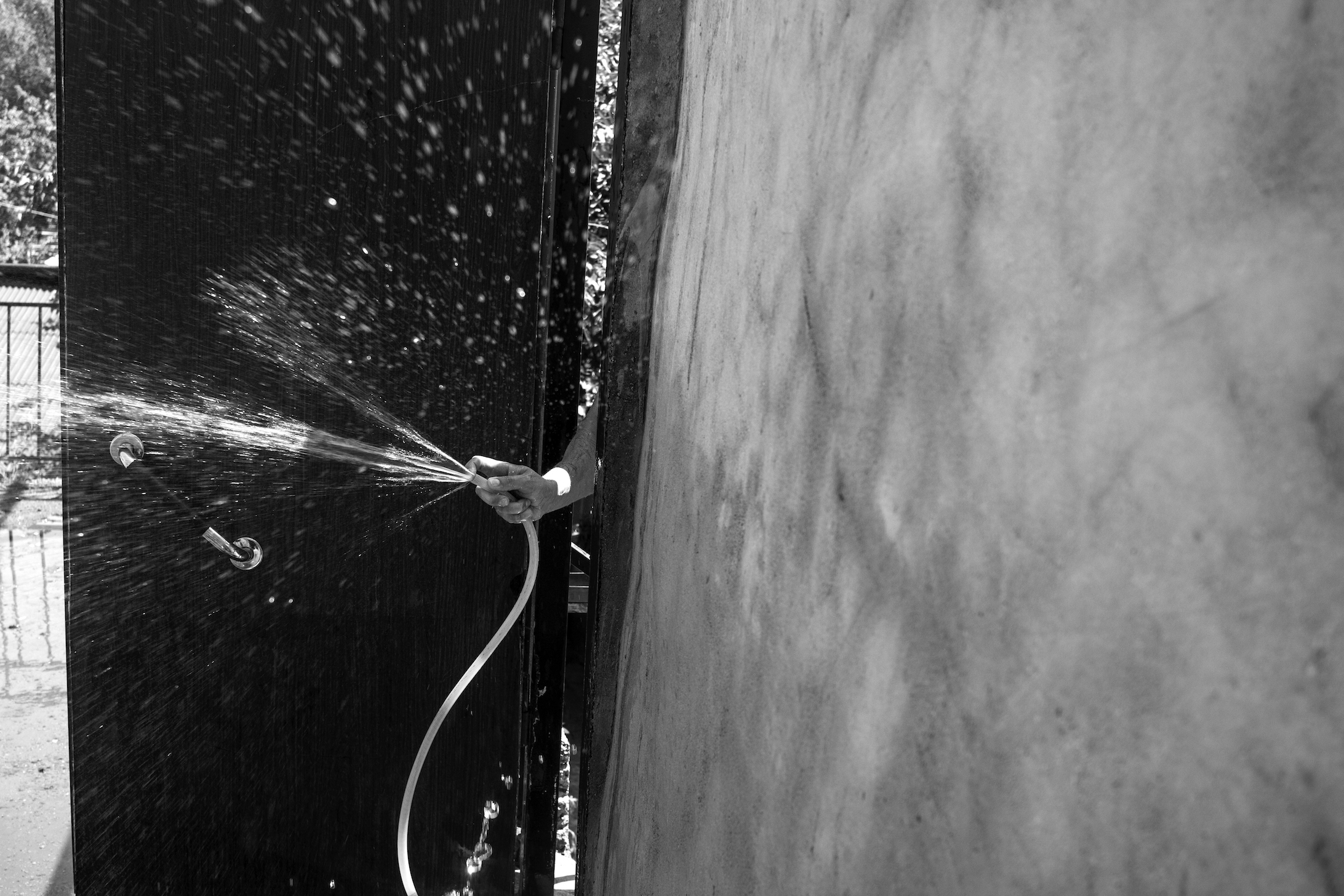
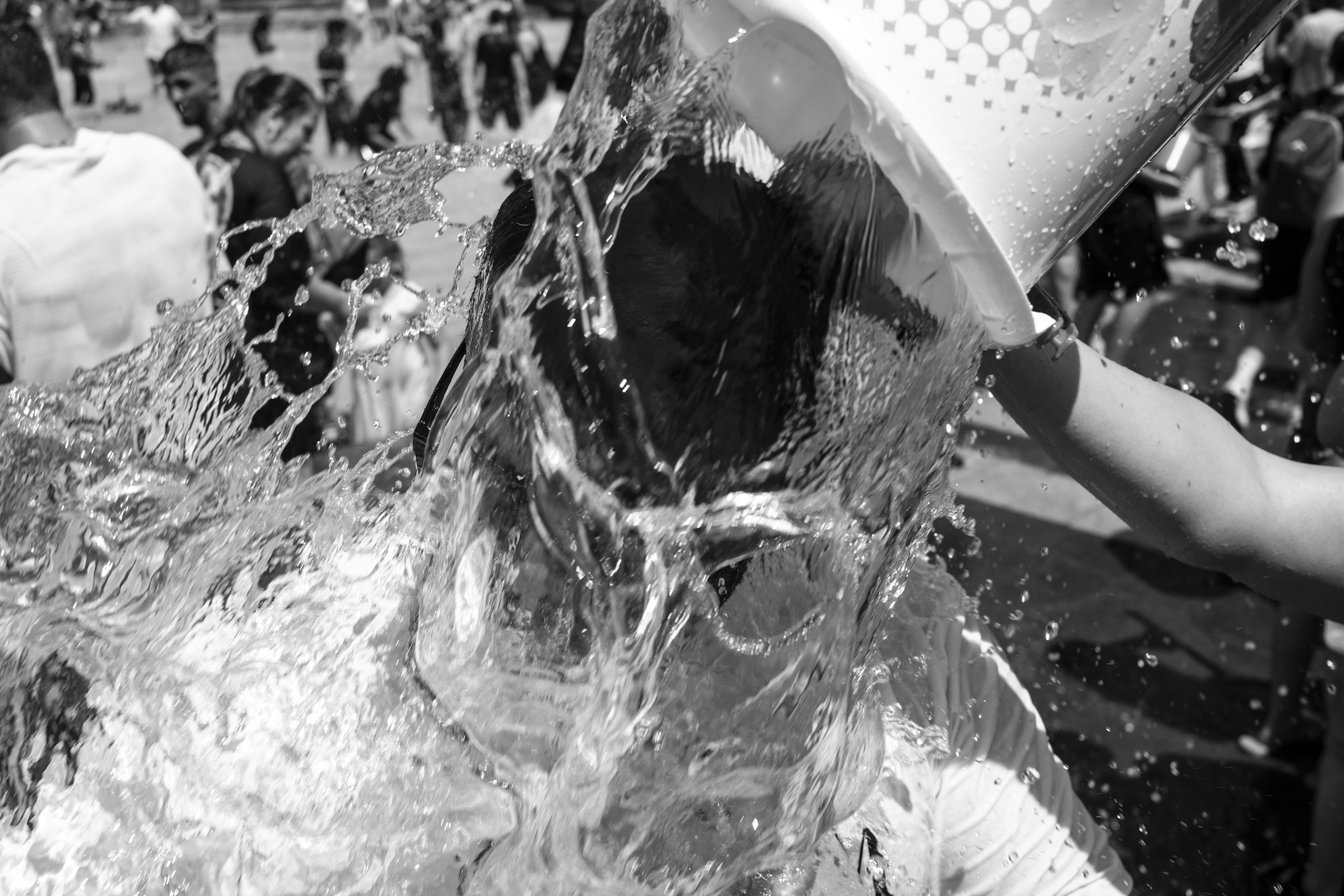
It’s time to hold on to the most valuable things—phones and money.
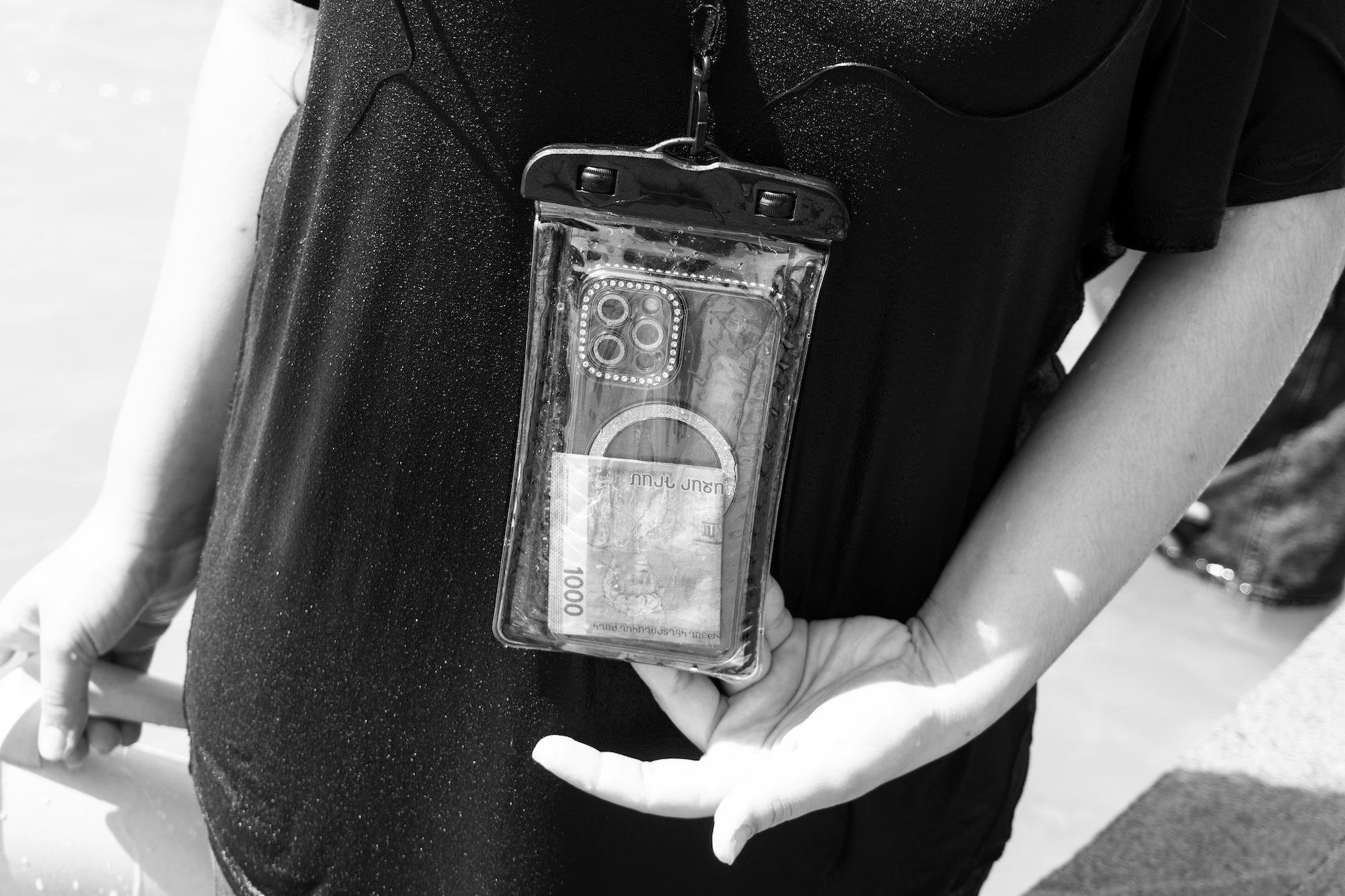
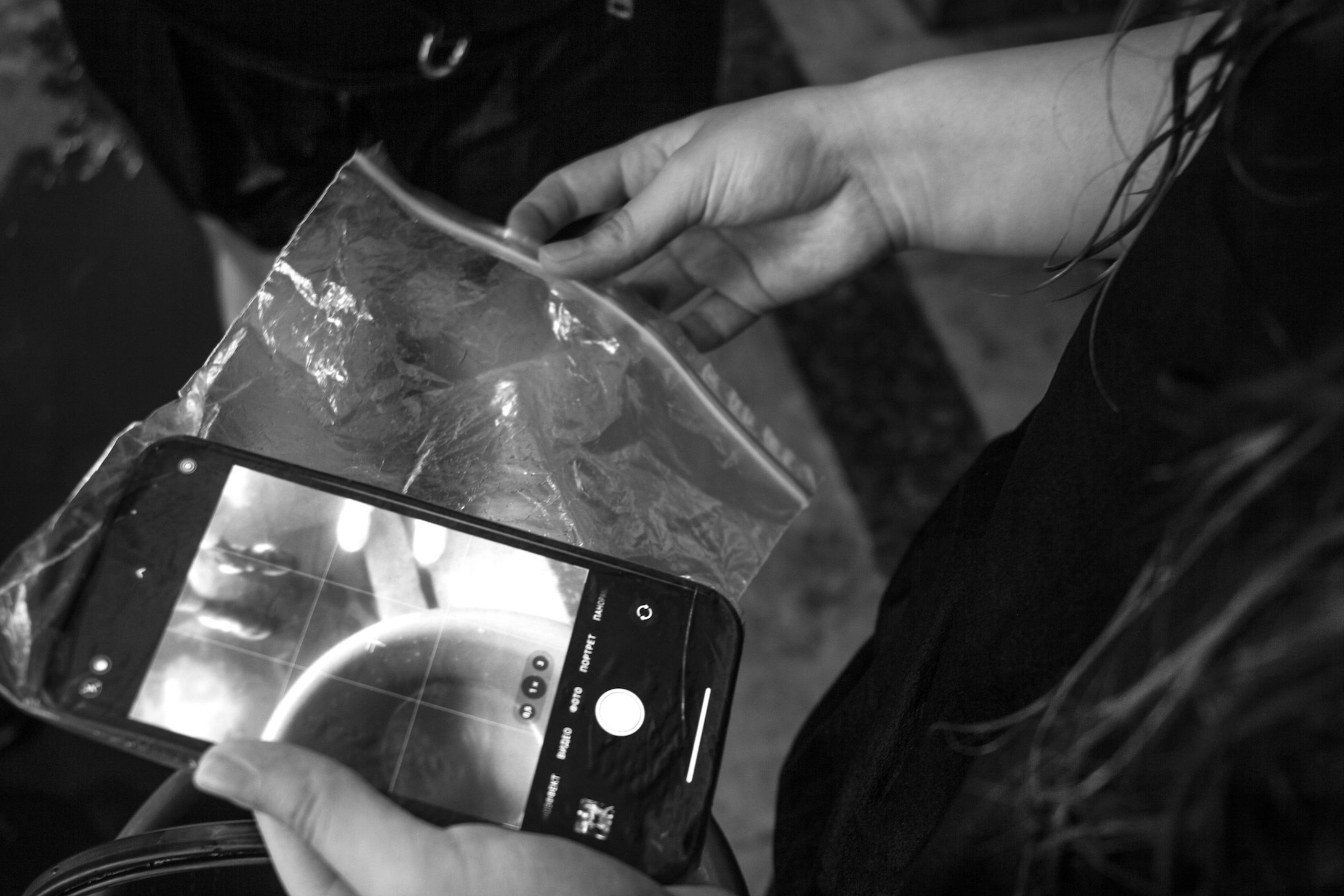
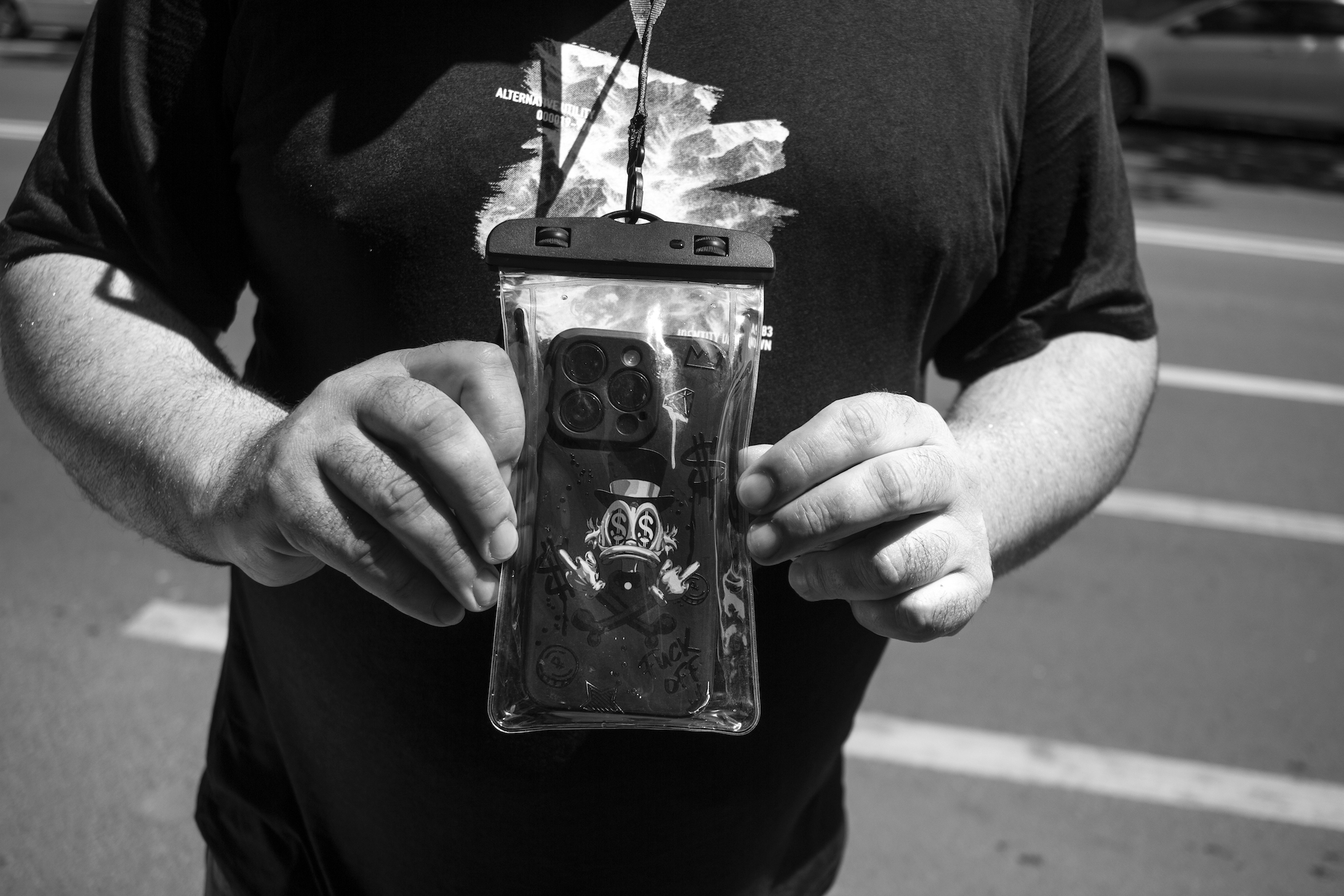
People who have started water games in their courtyards gradually gather in nearby parks or squares. The groups soon grow larger.
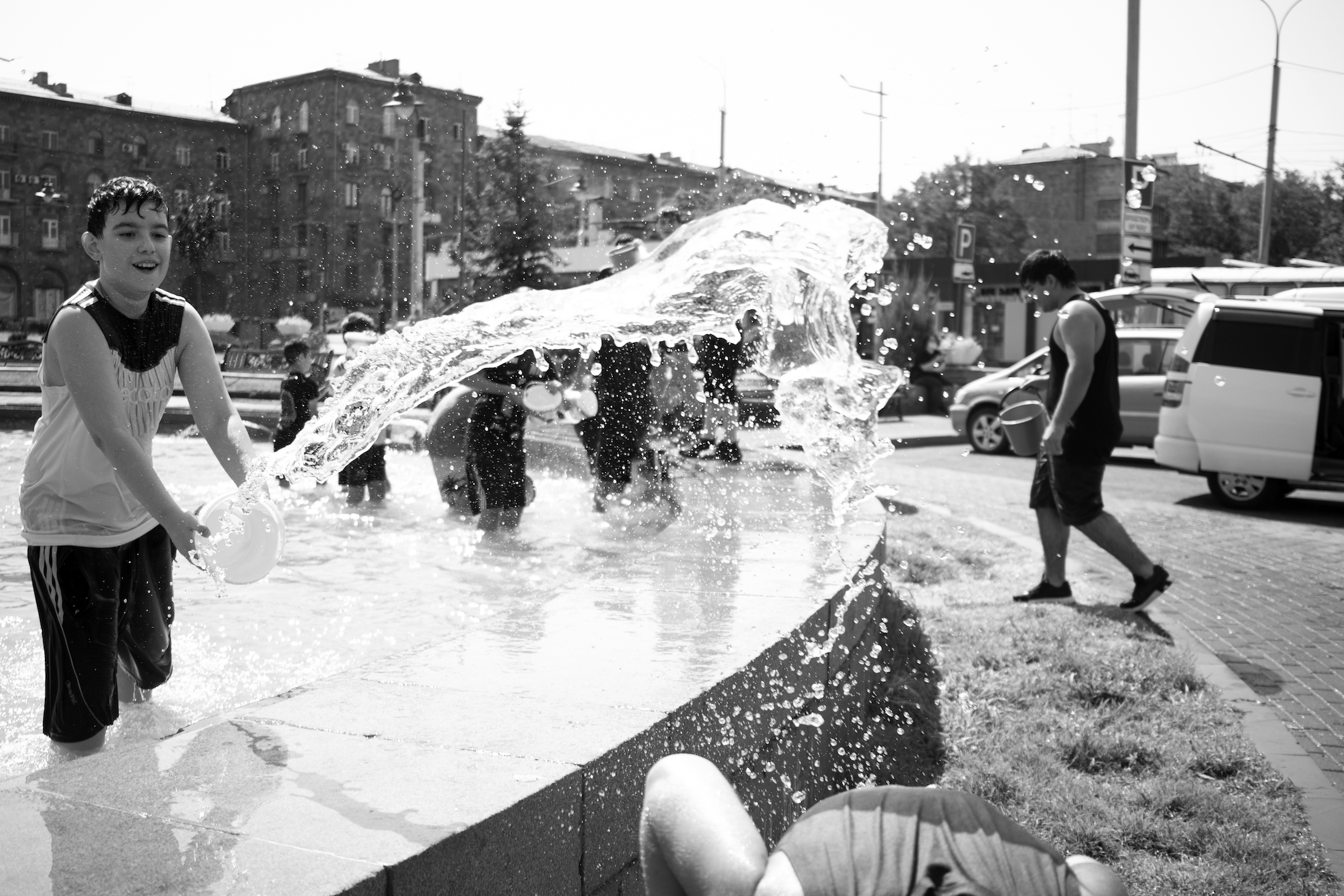
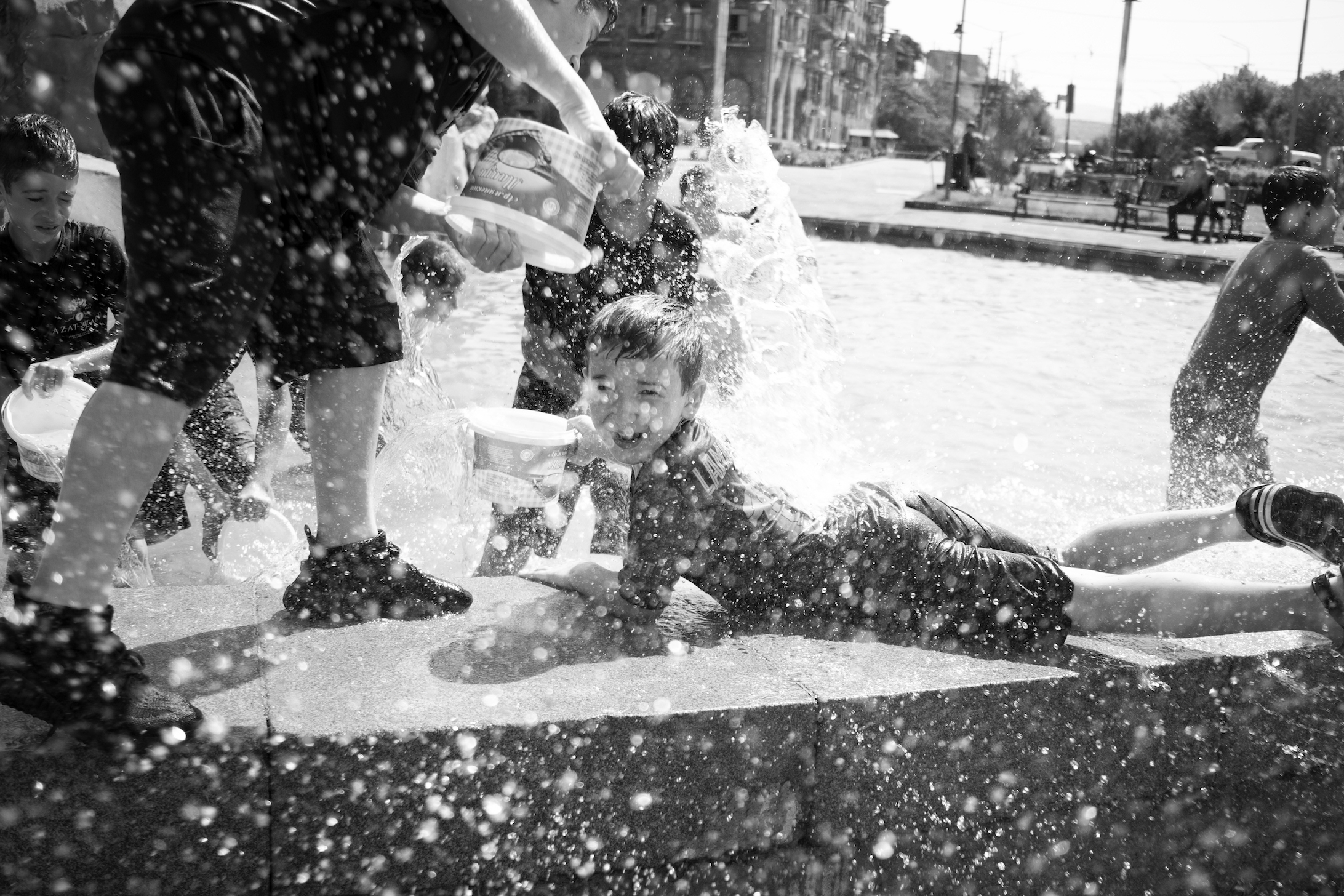
The shout “Dry person!” rings out, and everyone runs toward a passerby in the distance. Usually, it’s a young and attractive woman.
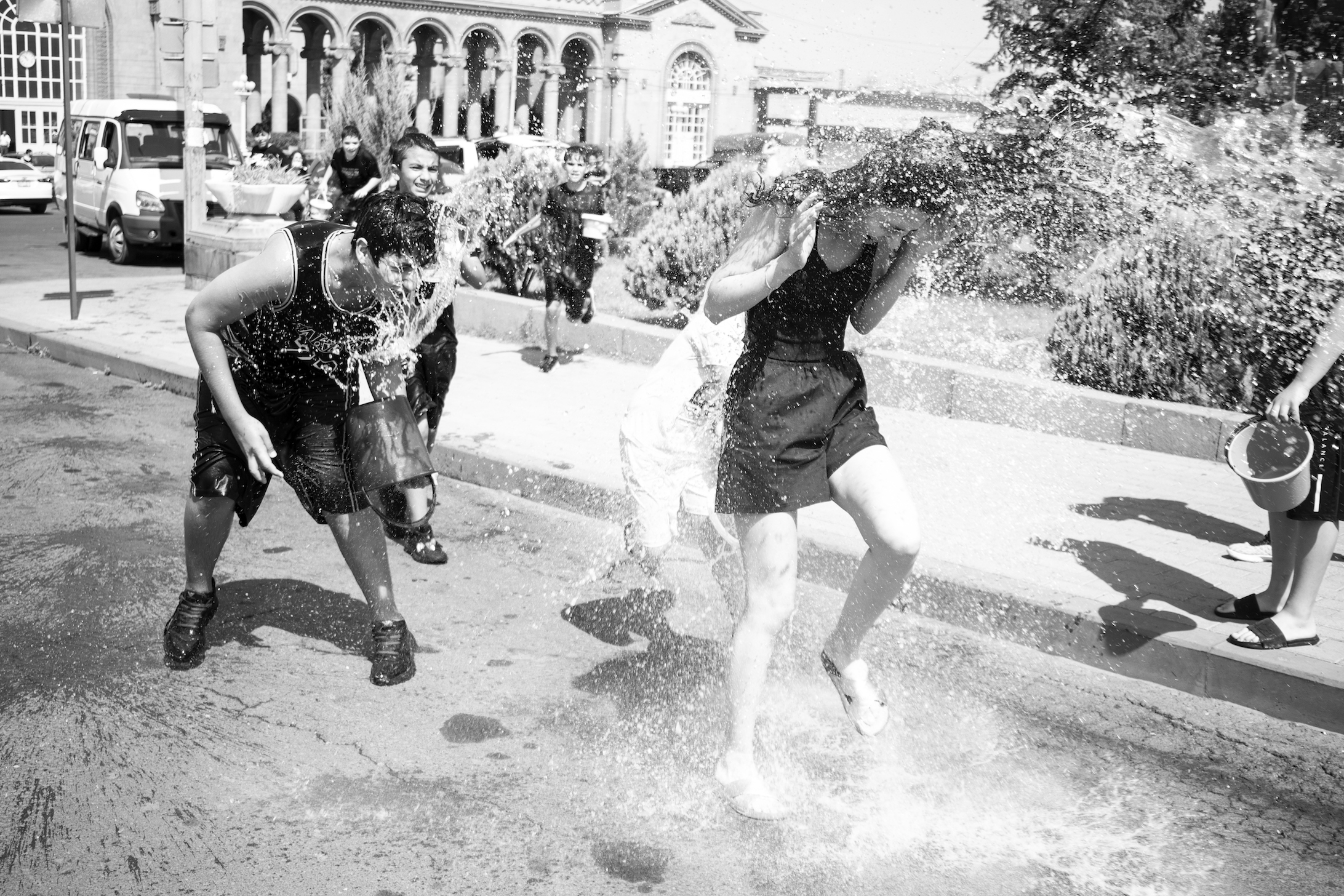
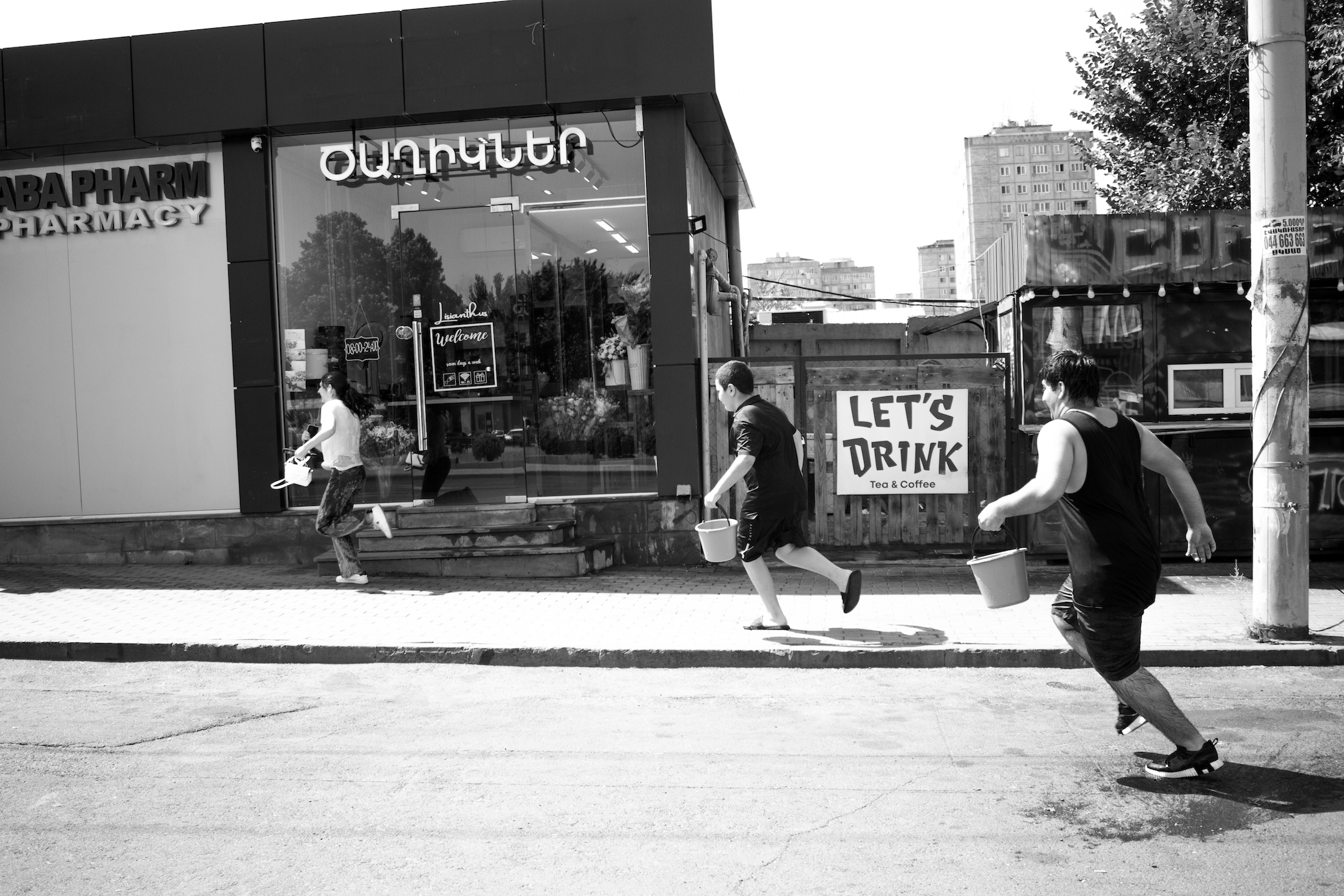
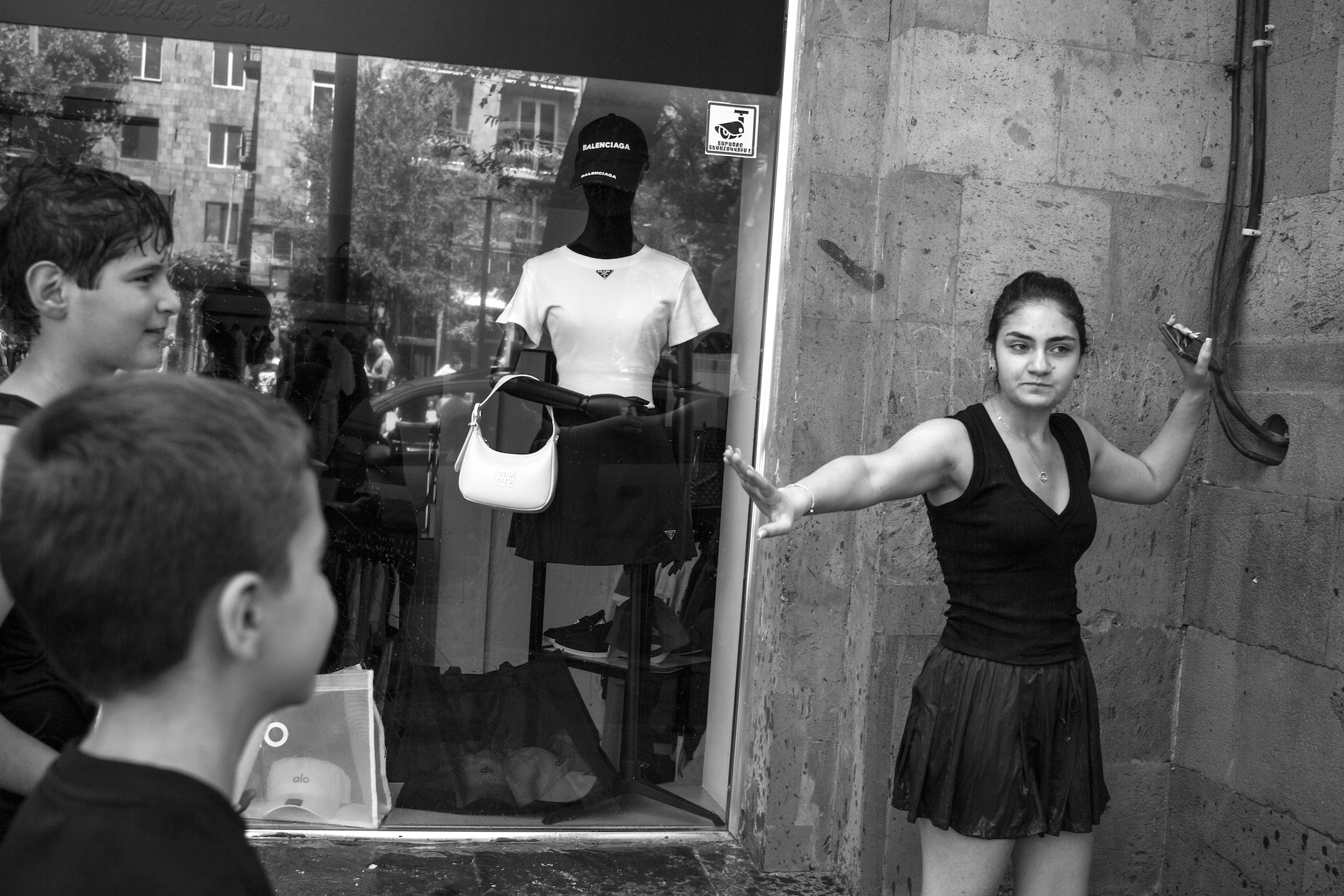
Then the cars appear.

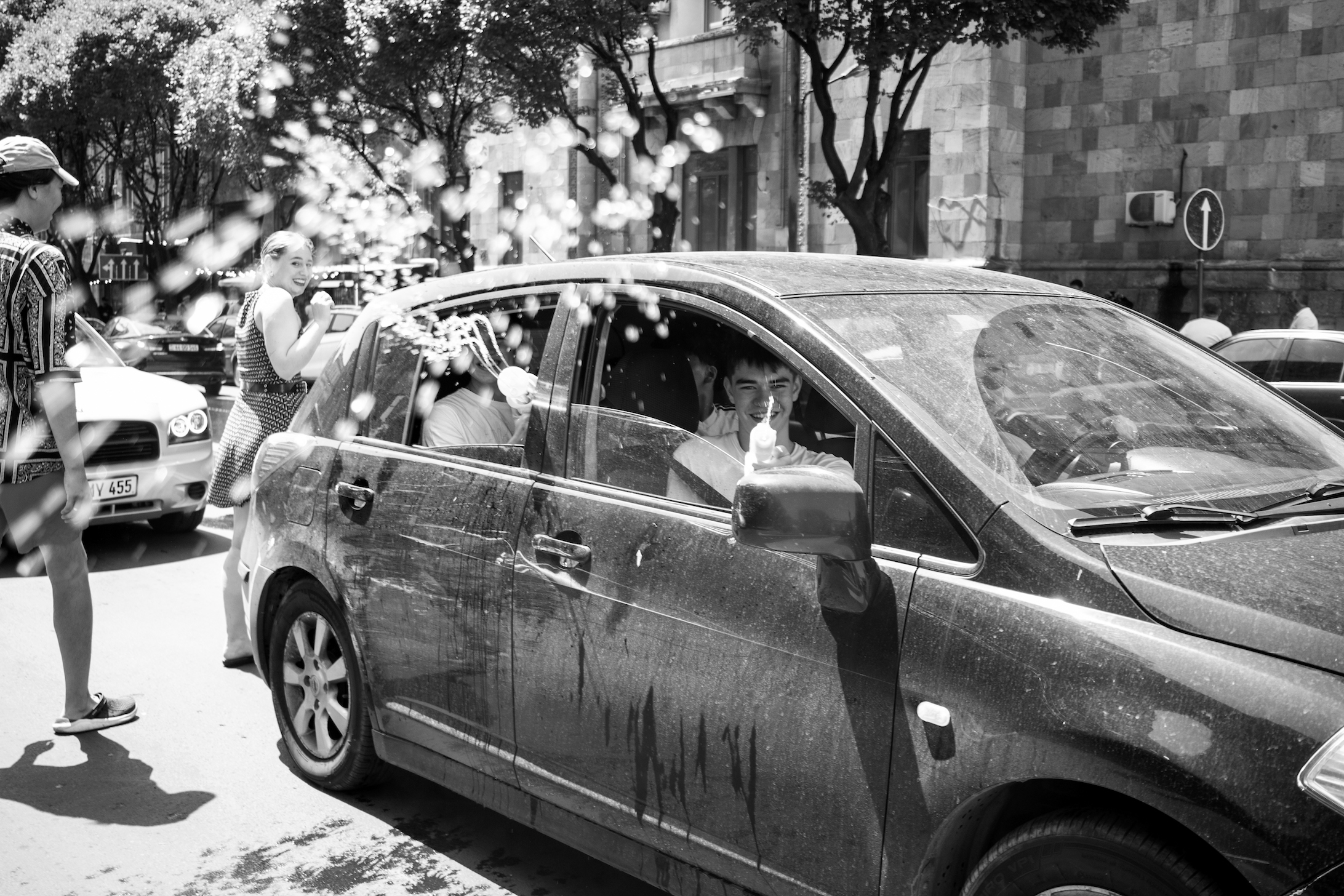
And, of course, get a worthy response.
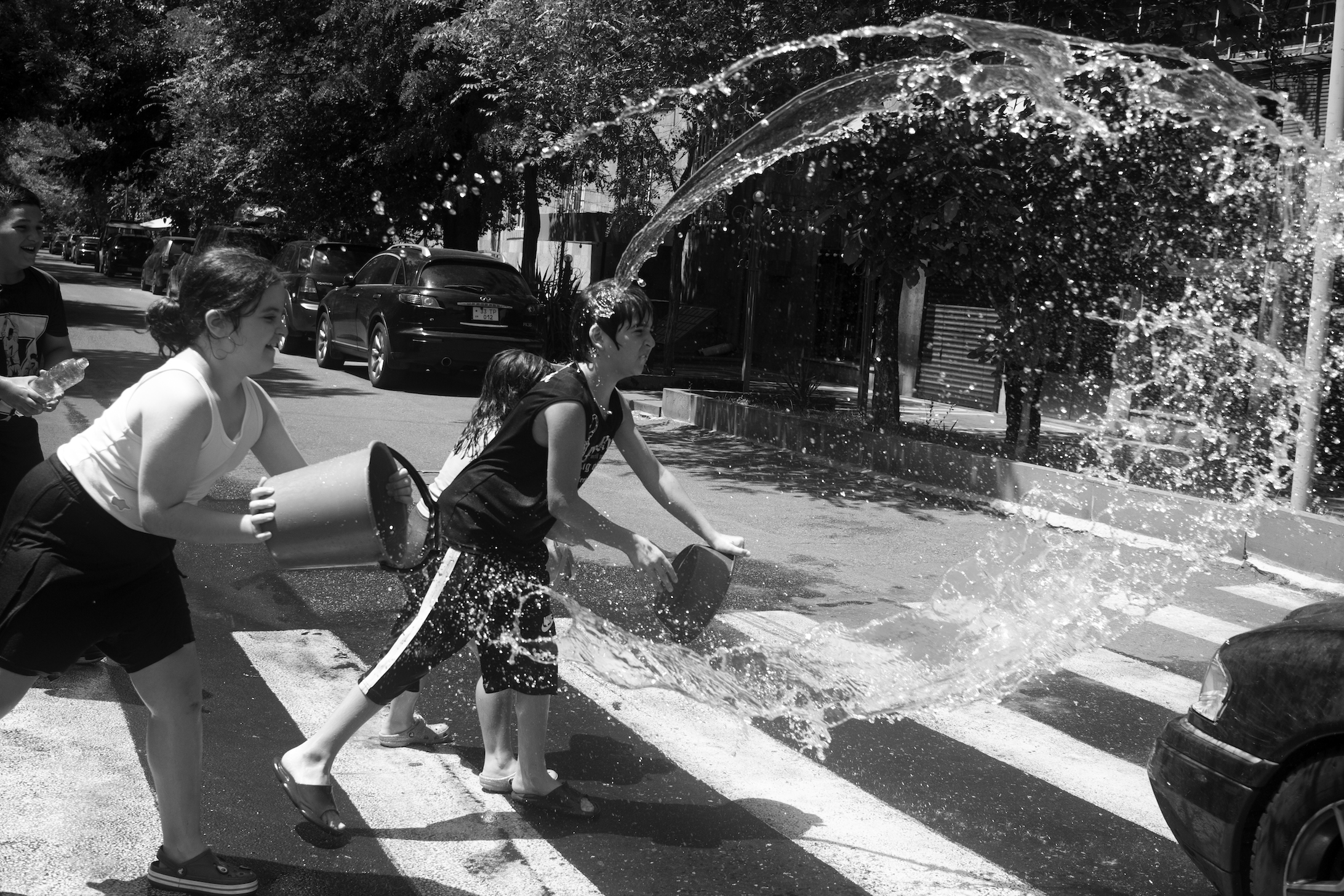
The most intense part of the day, of course, takes place in Republic Square, where not only Yerevan residents—who have already settled scores with all the “victims” in their neighborhoods and streets—gather to celebrate, but also visitors to the city.
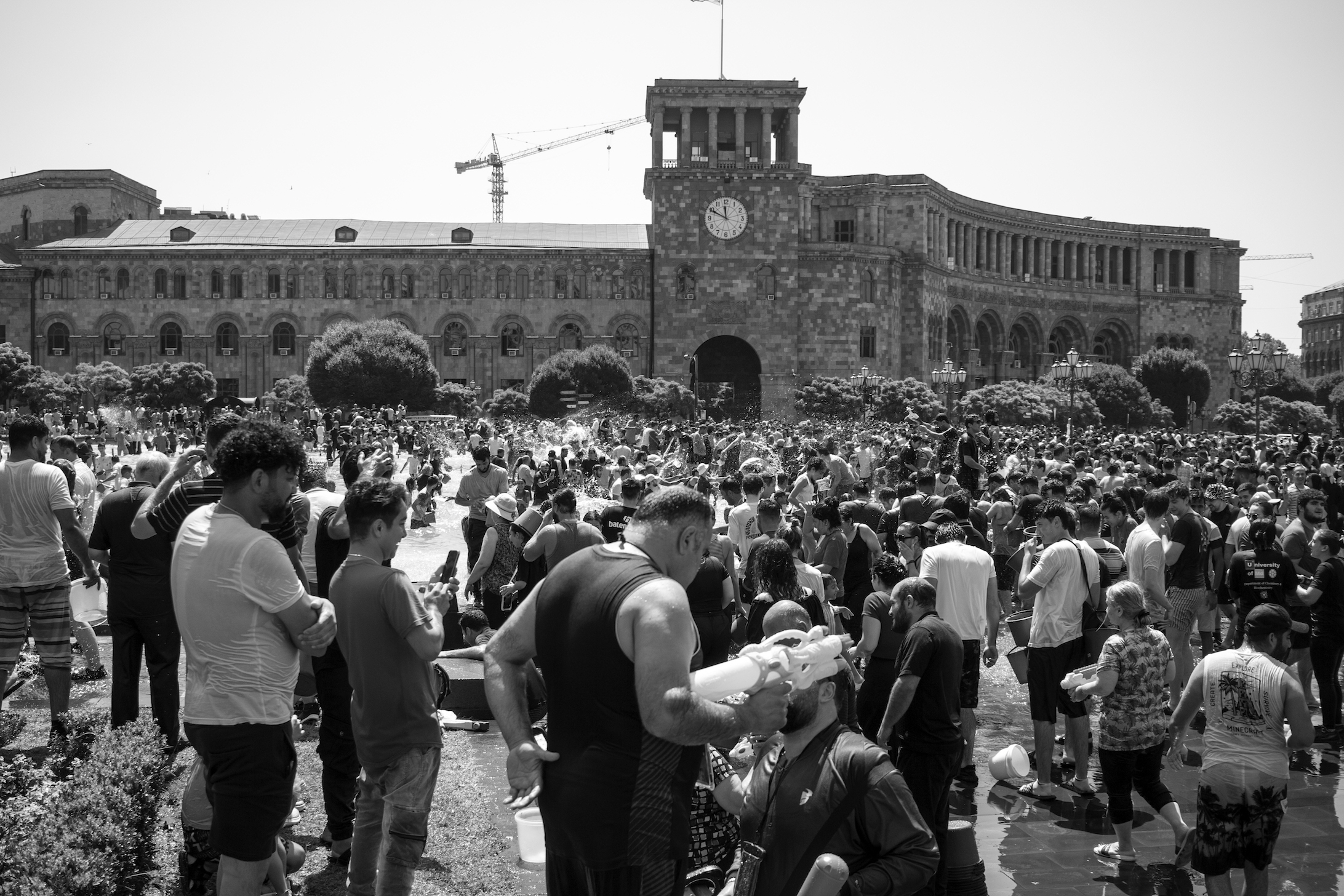
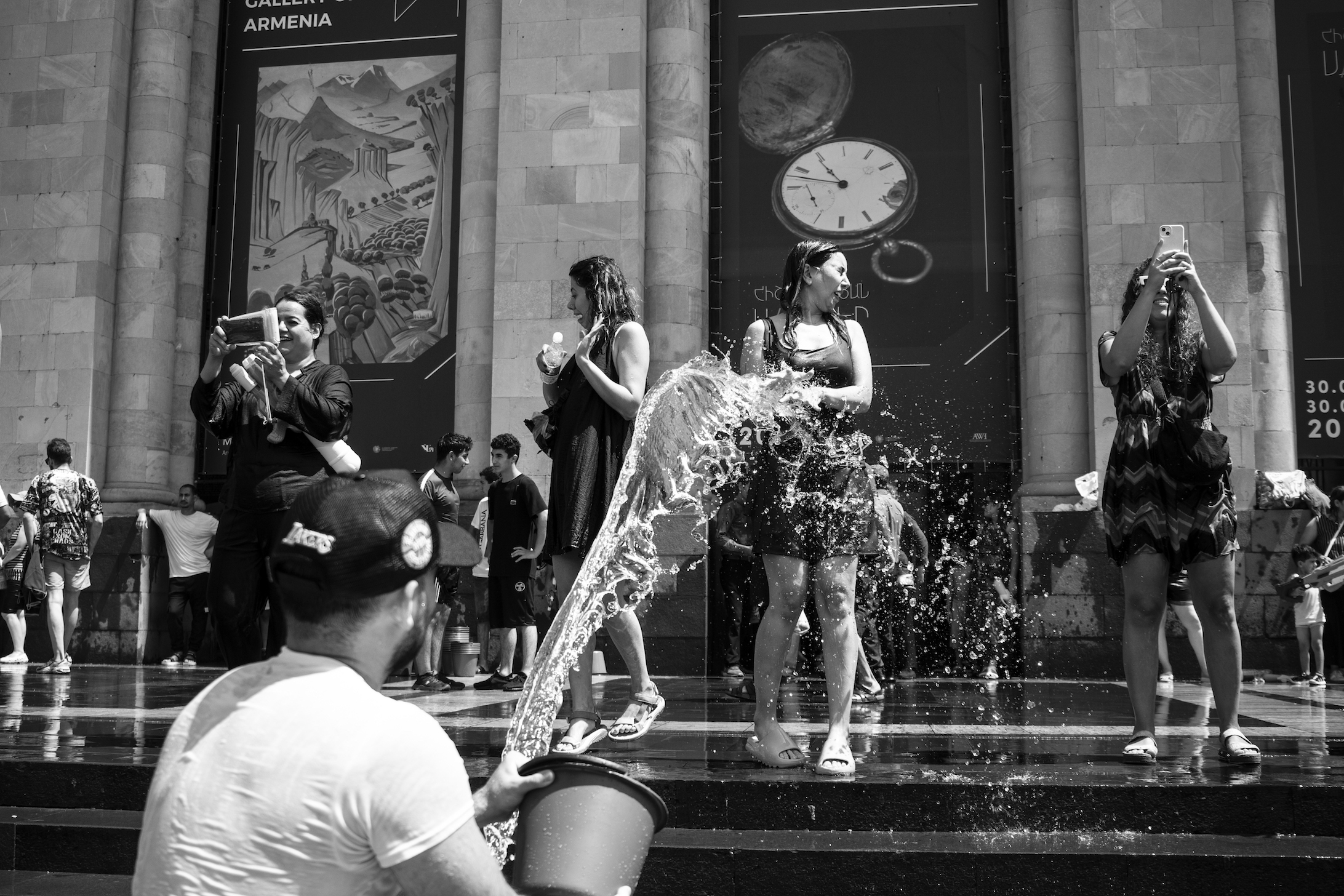
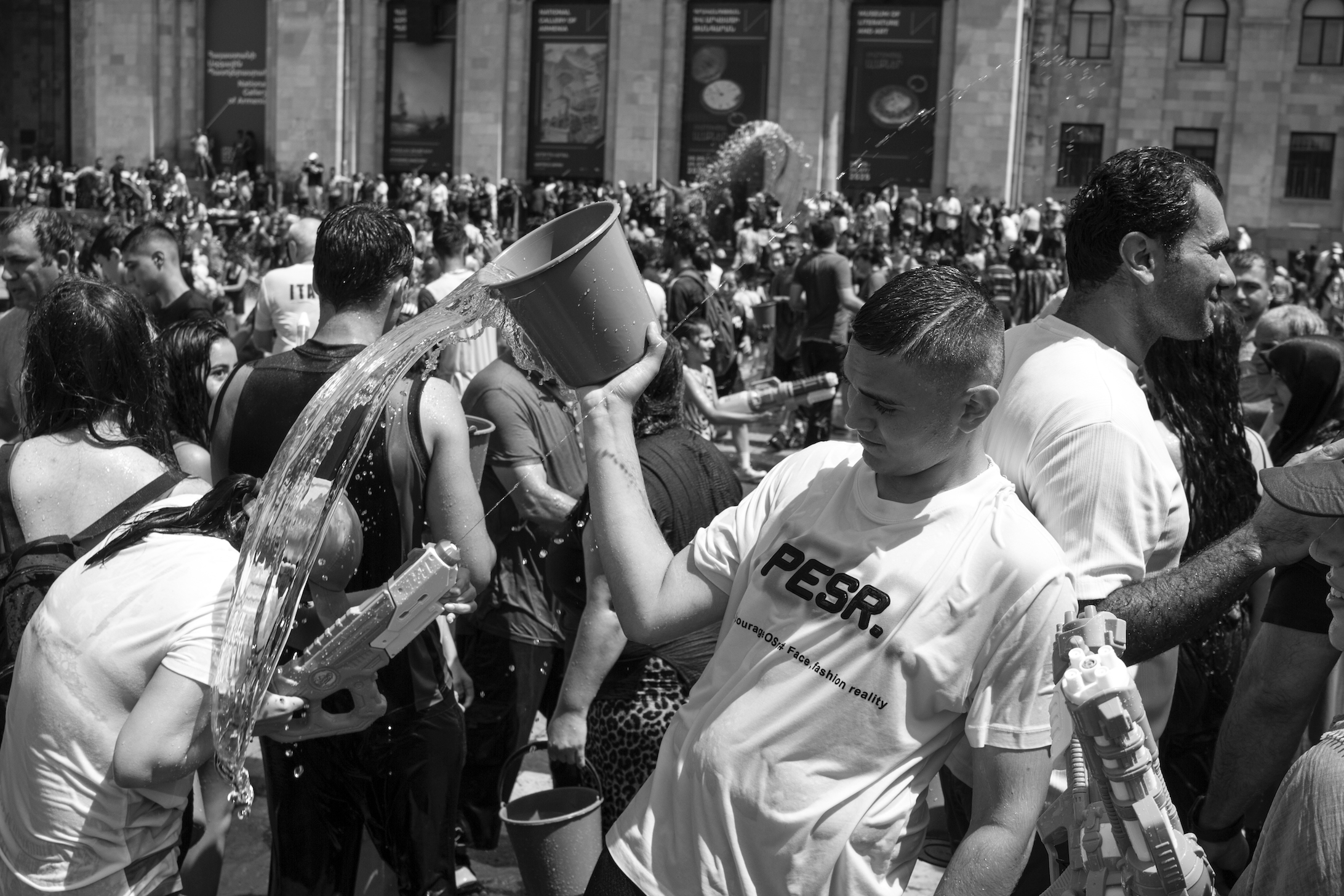
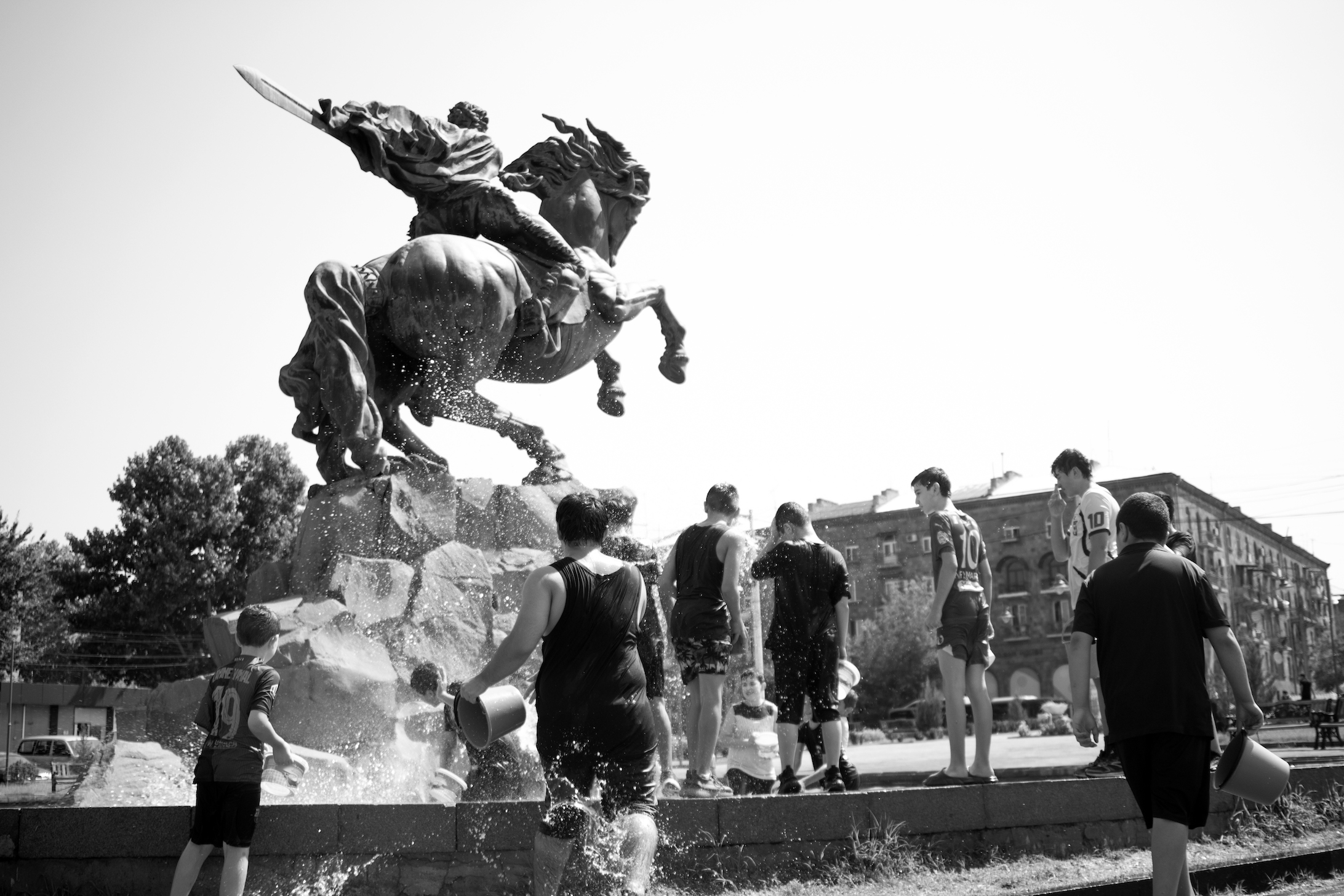
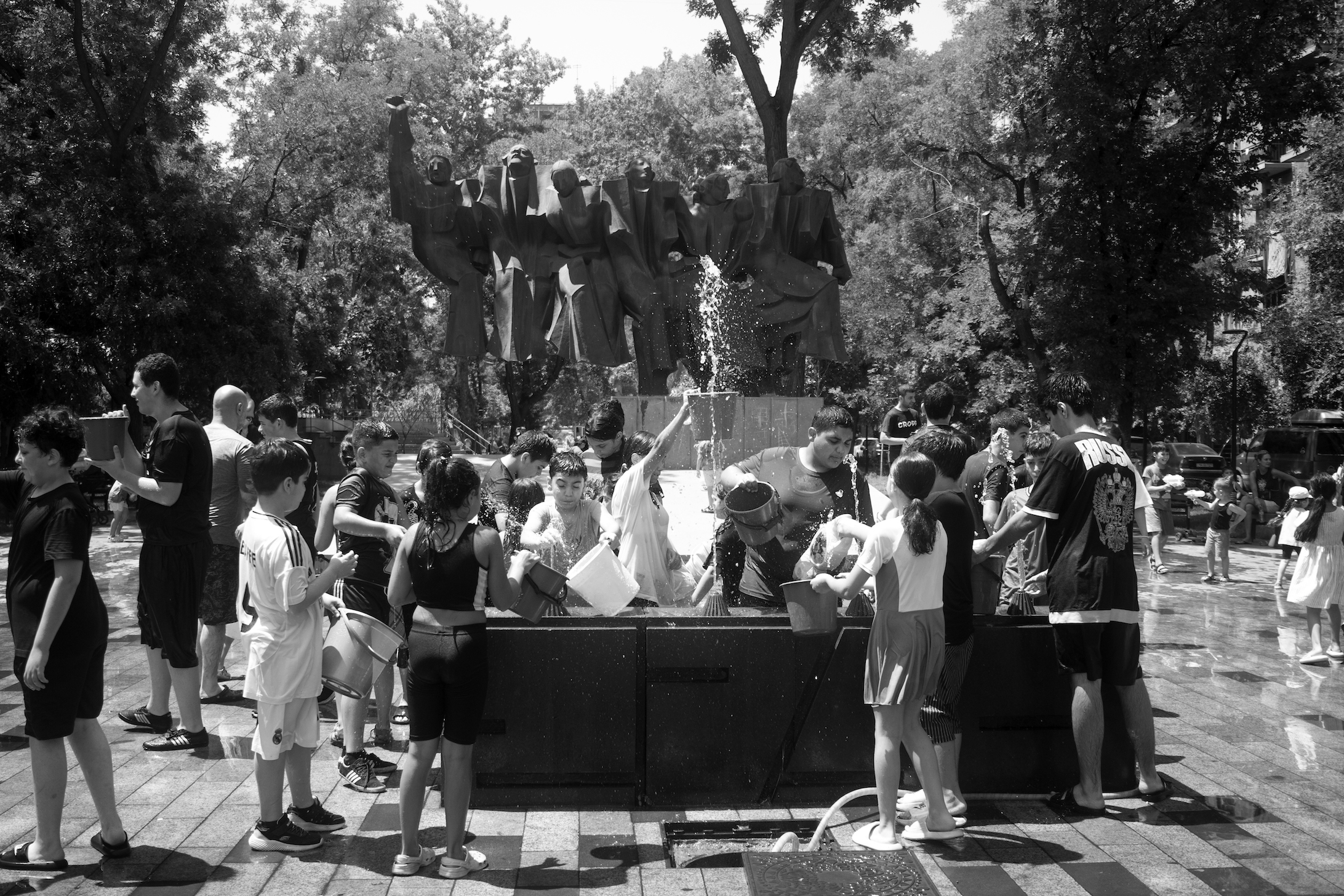
The water fight continues until the evening, with periodic breaks for drying off or resting.
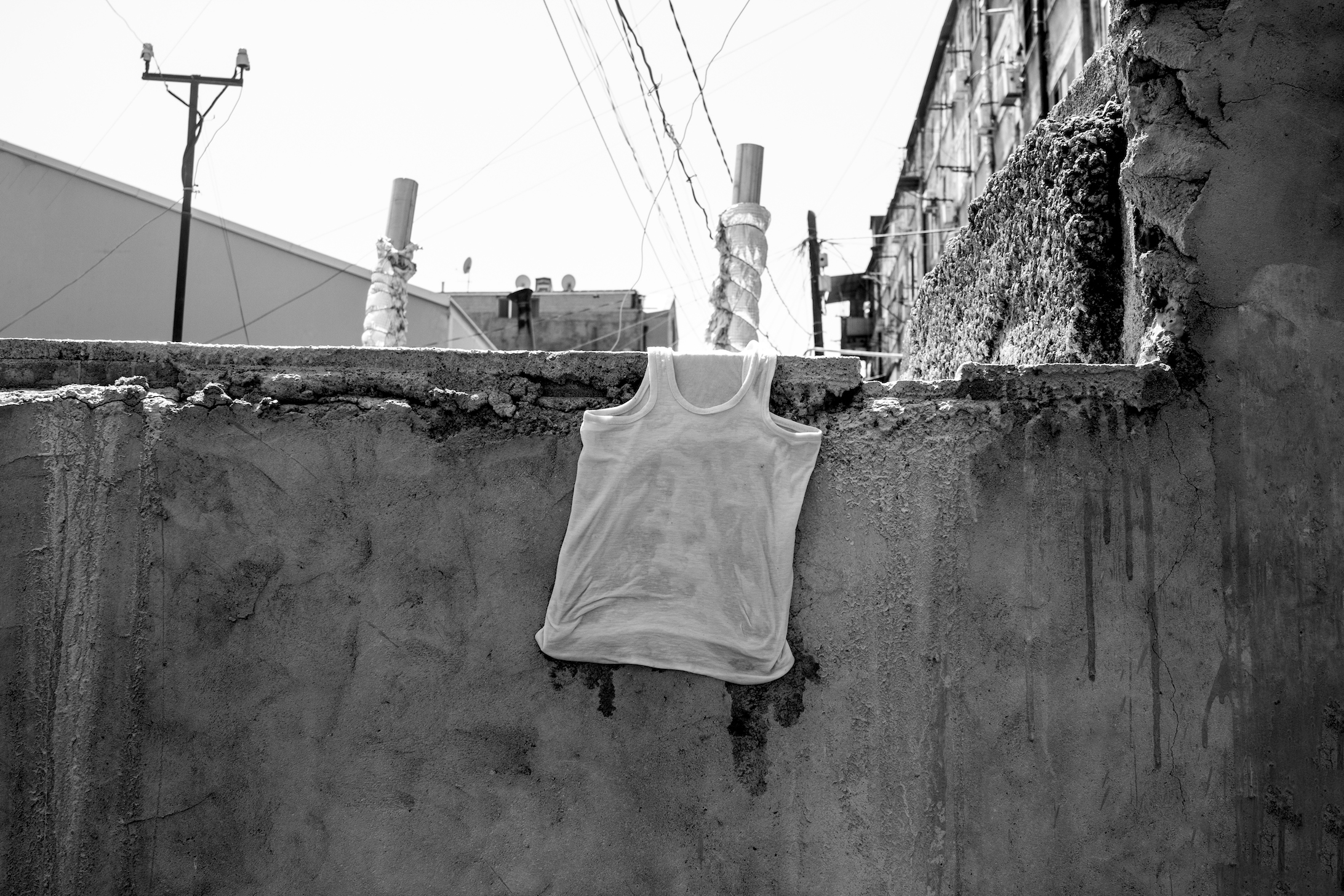
At the end of the day, you can often hear, “Only in Armenia could there be a celebration like this.” Some say it with admiration throughout the day, while others say it as they finally open their blinds and breathe a sigh of relief.

The July issue of SALT is a sensory journey through Armenia’s summer landscape — from foraging wild herbal teas in the mountains of Syunik to the weird and wonderful world of Yerevan’s Qrchi Bazaar. We explore the rise of horror writing, visit a museum of strange analogies, and spotlight an artist whose work defies convention. This month, eclecticism is our mood.
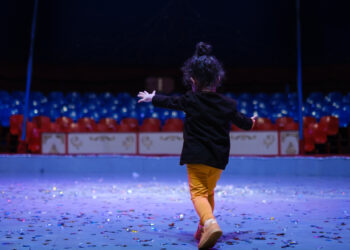
The Magical Circle in a Small Town, Under a Striped Tent
A childhood dream to live with a traveling circus reignites when photographer Areg Balayan encounters the Vardanyan Brothers Circus in Yerevan. Through his daughter’s wonder and the performers’ dedication, he gets a glimpse of the magic, trust and love that make the circus a timeless enchantment.
Read more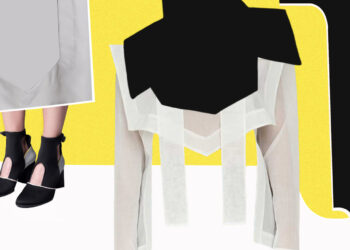
Ariga Torosian: High Fashion Made in the Margins
Fashion designer Ariga Torosian blends the architectural edge of Armenia with the layered textures of Iran to craft bold, sculptural garments. Her brand reflects a decade-long journey of cultural fusion, personal evolution and sustainable, made-to-order design.
Read more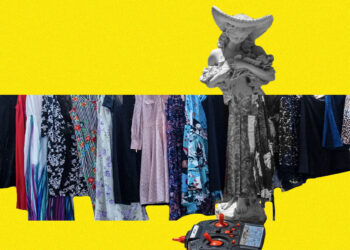
Qrchi Bazaar: Flea Market of Memory and Renewal
At Qrchi Bazaar, Yerevan’s gritty weekend flea market, worn objects tell stories of survival, memory and renewal. Once discarded, these items are repurposed and reborn, offering a glimpse into Armenia’s past and present through the chaos of things left behind.
Read more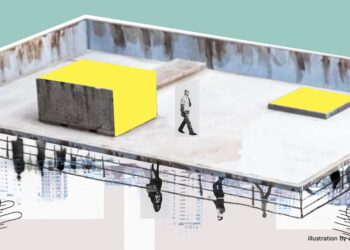
Museum of New Analogies: A Rooftop Story
Perched on a Yerevan rooftop, the Museum of New Analogies blurs the line between art, architecture, and everyday life—an ephemeral, sound-sensitive space for experimental installations, quiet performances, and surreal encounters high above the city's layered chaos.
Read more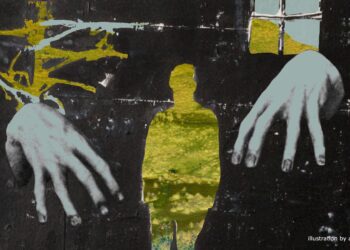
Fear and Fiction: The Rise of Armenian Horror Subculture
Armenia’s horror subculture is gaining momentum, led by YouTuber-turned-author Ruben Yesayan. His bestselling books, rooted in local myths and unsettling landscapes, are drawing a young fanbase, even as some critics dismiss his sensational, camp-infused style as unserious.
Read more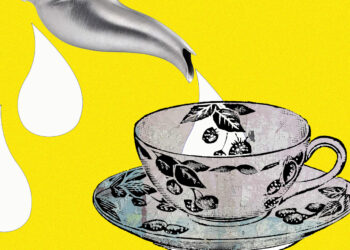
One Man’s Mission to Heal Through Nature
Nestled in the outskirts of the southern Armenian town of Kapan, Darmanadzor is a soulful teahouse where Artur Patvakanyan serves hand-foraged herbal blends. Rooted in ancestral wisdom and personal healing, his teas offer comfort, connection and a quiet resistance to modern haste.
Read more