
Listen to the AI generated audio article.
Do you ever feel like Yerevan is having too much fun?
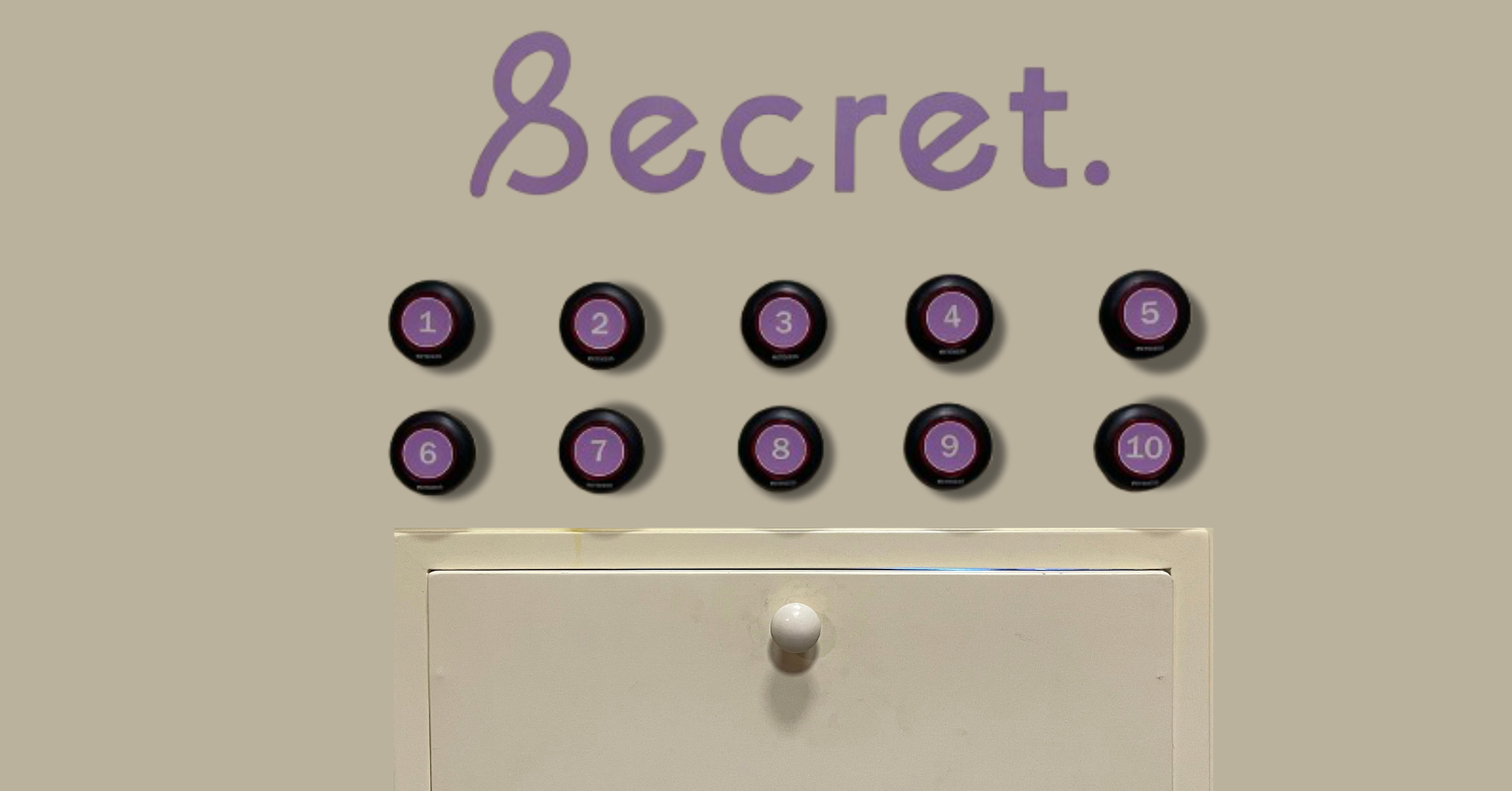
In a city that is littered with coffee shops, there’s a new cafe on the block. Tucked on the ground floor of a dilapidated apartment complex on Saryan is Secret. Born during a time where social media makes discretion a luxury, this closet-sized cafe makes coffee ordering feel whimsical.
No visible counter, no barista you’ll ever lay eyes on; just a pastel-painted door adorned with bubble buttons, offering a limited — but fun! — ten options. The usual suspects, plus odd balls like: banana bread latte, cotton candy matcha, and brown sugar coconut mango latte.
Somewhere behind the plaster, footsteps shuffle, and your order gets taken by a voice you’ll never match to a face.
Payment happens through a small cloth-curtained window, just wide enough for a hand to pass through, wrapped in a little theater of mystery. Once ready, a bell rings and behind a wing cabinet, your order is placed on a coaster in a miniature garden that looks like something a fairy would keep.
Secret is physically at Saryan 33, though finding it requires some conversation. Secret doesn’t have an address so much as a rumor. It’s just letting the city discover it on its own.
Dark dining, the practice of eating in a sensory-deprived restaurant, usually blindfolded or in the dark, is a relatively new phenomenon emerging over the past few decades. It has been argued that removing one sense doesn’t diminish the experience, it sharpens the others and makes the meal more memorable precisely because you can’t document it the normal way. It’s the same design principle Secret uses: withhold sight, heighten everything else. Only here, it’s applied to a barista instead of a whole restaurant.
In a culture where everything gets photographed, geotagged and reviewed, true anonymity has become the rarest and most desirable commodity money can’t quite buy. Secret’s whole mechanic, no visible barista, no sightline into the operation, fits that thesis exactly: it’s not hiding because it’s small, it’s hiding as the actual product.
Truth be told, when I first walked past this door, I thought it was a portal for gossip. Lo and behold, in its first two months as a concept cafe, it has garnered enough of an audience of customers that the team is eyeing a second location. Though details are hush-hush.
Unironically, social media has been the driving force behind its traffic. Its most endearing problem as a new business is that the old-school analog buttons plus the location being in a backyard make Secret a primary target for kids to ding-dong-ditch. Resulting in a comedic over-the-top latte made for a phantom customer.
There’s something almost funny about a cafe built entirely around not being found, going viral for exactly that reason. Secret’s anonymity was never going to survive contact with a smartphone, and in a way, that tension is the most honest part of the story. The owners built a space designed to withhold, and the internet, true to form, immediately did the opposite: it broadcast the location, dissected the button mechanism, and turned a rumor into a wait list. Whether that counts as a failure of the concept or its natural next chapter probably depends on how cynical you’re feeling that day.
But maybe that’s the point worth sitting with. Privacy has become such a rare commodity that even a version of it staged for public consumption still scratches the itch. Nobody walking up to that pastel door and pressing a bubble button actually believes they’ve stumbled onto something undiscovered anymore, not in a city this size, definitely not in 2026.
What they get instead is a performance of discretion, a few minutes of not knowing, a small ceremony before the curtain parts and the coffee appears. That the mystery is somewhat manufactured doesn’t seem to bother anyone standing just below Saryan waiting for a bell to ring. If anything, it’s proof that the ritual matters more than the secret itself.
Which brings us back to the question this piece started with. Yerevan does feel like it’s having a lot of fun lately, and Secret is a pretty good symptom of that: a city with enough coffee shops to fill every block deciding the differentiator isn’t the espresso, it’s the experience wrapped around it.
A run club with a DJ on a pickup truck. A cafe you order from like a game show. These aren’t just gimmicks, they’re a city testing how much delight its everyday routines can absorb before they stop feeling like routines at all.
As for what’s next: a second Secret location is reportedly already being scouted, though naturally, nobody’s confirming where. If the first one taught the owners anything, it’s that the demand was never really about the coffee, or even the mystery. It was about giving people something to talk about before they’ve even taken a sip. Whether Yerevan can sustain that appetite for secrets it doesn’t actually want kept, or whether the charm wears off once every corner has its own version, is the only real cliffhanger this story has left.
LIFESTYLE
Lace Up
SALT’s September issue is all about movement: running, cycling, walking, wandering and remembering. From Armenia’s growing running culture and the Tour of Armenia to the human body serving as spectacle, we explore how the city is experienced in motion. We also look back at Yerevan’s memories and uncover a coffee shop hidden behind a secret door.
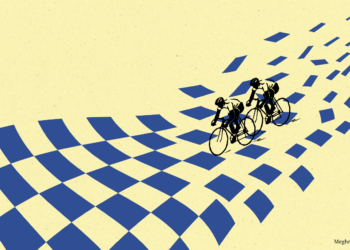
Can Cycling Culture Cross the Finish Line?
The Tour of Armenia has put the country on the international cycling map and sparked new interest in the sport. But turning that momentum into a genuine cycling culture will require more than races and enthusiasm: Yerevan needs the infrastructure to make cycling a safe, practical part of everyday life.
Read more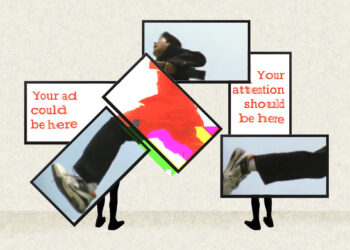
The Body in Service of Spectacle
Yerevan has a new kind of billboard: people. As human advertisements take to the city’s streets, Isaac Stephenson looks beyond the novelty to ask what their presence says about advertising, public space, visual pollution and the increasingly creative ways brands compete for our attention.
Read more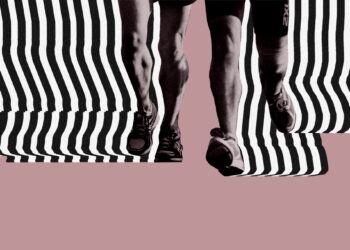
The Run Is On
Once uncommon in Armenia, running has grown into a vibrant culture of clubs, races and communities. From Yerevan to Gyumri, Vanadzor and Dilijan, runners are reshaping attitudes toward fitness, friendship and outdoor life, turning a once-unfamiliar pastime into a growing part of everyday life.
Read more