
Listen to the AI generated audio article.
We live in an era defined not just by access to information but an overwhelming surplus of it; an endless (and sometimes terrifying) buffet of health advice from bloggers, influencers, YouTubers, “Dr. Google,” and even ChatGPT.
Once upon a time, the physician’s word was law. Now? Not so much—and honestly, for good reason. Doctors are trained to treat diseases, not necessarily to keep people healthy. Medical schools didn’t teach about nutrition, stress management, or the role of exercise. Even today, board exams ask more questions about rare diseases than about how to prevent obesity or the common effects of aging or heart disease.
Meanwhile, food has emerged as one of the biggest players in health, and not always in a good way. As farmer and author Wendell Berry put it: “People are fed by the food industry, which pays no attention to health, and are treated by the health industry, which pays no attention to food.”
The food industry prioritizes profit over nutrition by feeding us junk, and the healthcare industry makes money treating the fallout. It’s a perfect system, if you’re a shareholder. For the rest of us, it’s a recipe for obesity, heart disease and cancer.
It’s true that modern medicine can keep us alive longer than ever, but what about preventing these diseases in the first place? Changing habits can do more than any prescription, but that’s easier said than done.
This topic is very personal for me. I’ve recently lost several high school friends and medical school classmates in Armenia—men and women who died in their early sixties from preventable diseases. Genes predispose, they don’t predetermine in most diseases.
Talking to my patients and friends, I see how confusing and overwhelming it can be to adopt a healthier lifestyle. There’s so much advice out there that people don’t know where to start. “You are eating too little protein” is in fashion now. But here’s the truth: small habits, consistently practiced, are incredibly powerful and can prevent disease and death.
If you make it past 50 without a freak accident, you’ll probably face one of four major threats:
- Cardiovascular disease (heart attacks, strokes)
- Neurodegenerative diseases (Alzheimer’s, Parkinson’s)
- Cancer
- Complications of diabetes
My goal? To live to at least 80, and to feel good doing it. After 35 years of practicing medicine, I’ve seen that living past 100 is rare but possible, especially if you’ve been blessed with excellent genetics (and great luck!) and have made smart lifestyle choices. In the United States, only about 0.03% of people are centenarians. We’re no “Blue Zone,” but that’s okay. The goal isn’t to live forever, it’s to live well.
The good news: many of the diseases we fear most—heart disease, diabetes, some dementias, and even certain cancers—are preventable. Simple lifestyle changes can literally save your life (or someone else’s).
Let’s explore the good, the bad, and the ugly of modern living: food (sugar, fat, protein, coffee, alcohol, cigarettes), exercise (aerobic, resistance, walking), stress (how to manage it), laughter, socialization, sleep and more.
So, grab a cup of coffee, and let’s get started.
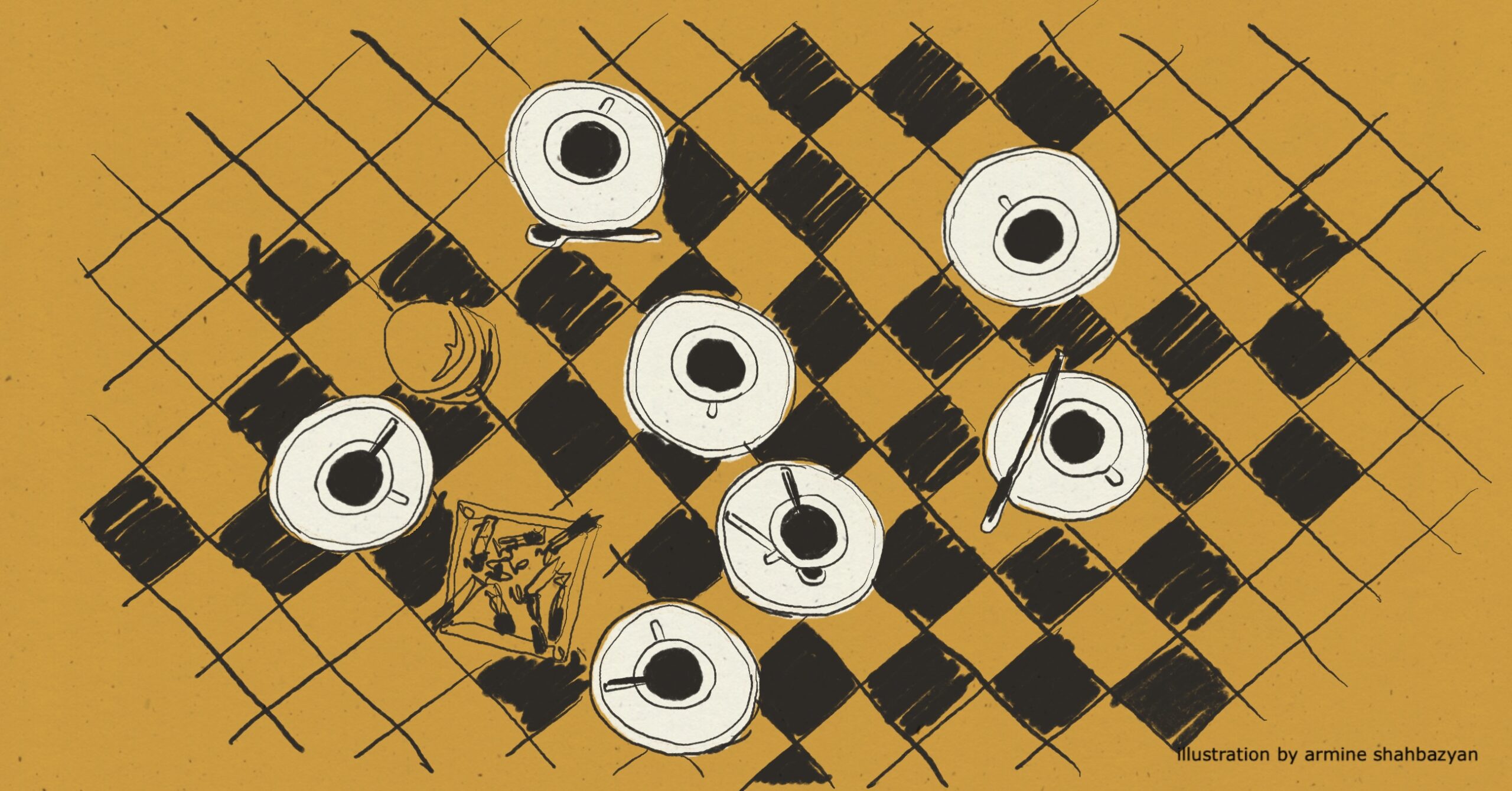
Coffee: Friend, Foe, or Just a Flirt?
For most of us, the day doesn’t officially begin until that first glorious sip of coffee hits the bloodstream. Some people greet the sunrise; others need espresso first just to tolerate the sunrise.
But coffee has had a bit of an identity crisis when it comes to heart health. Is it good? Is it bad? Or is it like that one friend who’s great in small doses but chaos in excess?
Let’s start with the facts: coffee contains caffeine, a stimulant for the nervous system that can be both hero and villain depending on the dose, timing, and your personal tolerance.
Here’s the caffeine lineup depending on what kind of coffee you drink:
- Drip coffee: 95–100 mg
- Espresso: 60–70 mg
- Armenian coffee: 40–60 mg
- Instant coffee: 30–90 mg
As with most things in life, moderation is key.
Too much coffee can lead to palpitations, jittery nerves, and sleepless nights spent staring at the ceiling, rethinking your life choices. But in moderation (up to three cups a day), coffee actually appears to protect the heart. Some studies suggest it may reduce the risk of atrial fibrillation, one of the worst kinds of arrhythmia.
A 2023 study in the New England Journal of Medicine took a fascinating look at “coffee days” versus “no-coffee days.” On coffee days, people walked 1,000 more steps, but slept 36 minutes less. The same study found no harmful effect on blood sugar, and coffee didn’t increase irregular heartbeats. In fact, it reduced them slightly.
Coffee is chemically complex, with over 100 bioactive compounds, including antioxidants and polyphenols that fight inflammation and protect cells. Several studies show that drinking coffee is beneficial for heart health. And what is even more fascinating is that decaffeinated coffee doesn’t deliver the same results.
Of course, coffee isn’t perfect. It can worsen acid reflux, especially if you’re already prone to it, and adding sugar and milk doesn’t help. Excessive coffee may also cause calcium loss in the urine—if your diet’s low in calcium, that could increase your risk of osteoporosis.
On the bright side, moderate coffee consumption (2–4 cups a day) is linked to a lower risk of several cancers, likely thanks to its antioxidant content.
A few other points to consider:
- Coffee temporarily raises blood pressure, but it doesn’t seem to increase long-term risk of hypertension. Some studies even suggest the opposite.
- Unfiltered coffee (like espresso or French press) contains compounds that can raise LDL (“bad”) cholesterol—but only slightly, and far less than, say, a cheeseburger.
- Adding cream or half-and-half will do more damage to your cholesterol than the coffee itself.
Ultimately, how coffee treats you depends on your genes, your age, and even lifestyle factors like smoking or birth control use (both affect caffeine metabolism).
If you keep it under three cups a day, coffee is more likely to be your friend than your foe. Enjoy it, savor it, and know when to stop—preferably before it keeps you awake counting imaginary sheep. And please, drink a big glass of water before or after that delicious coffee.
LIFESTYLE
Change
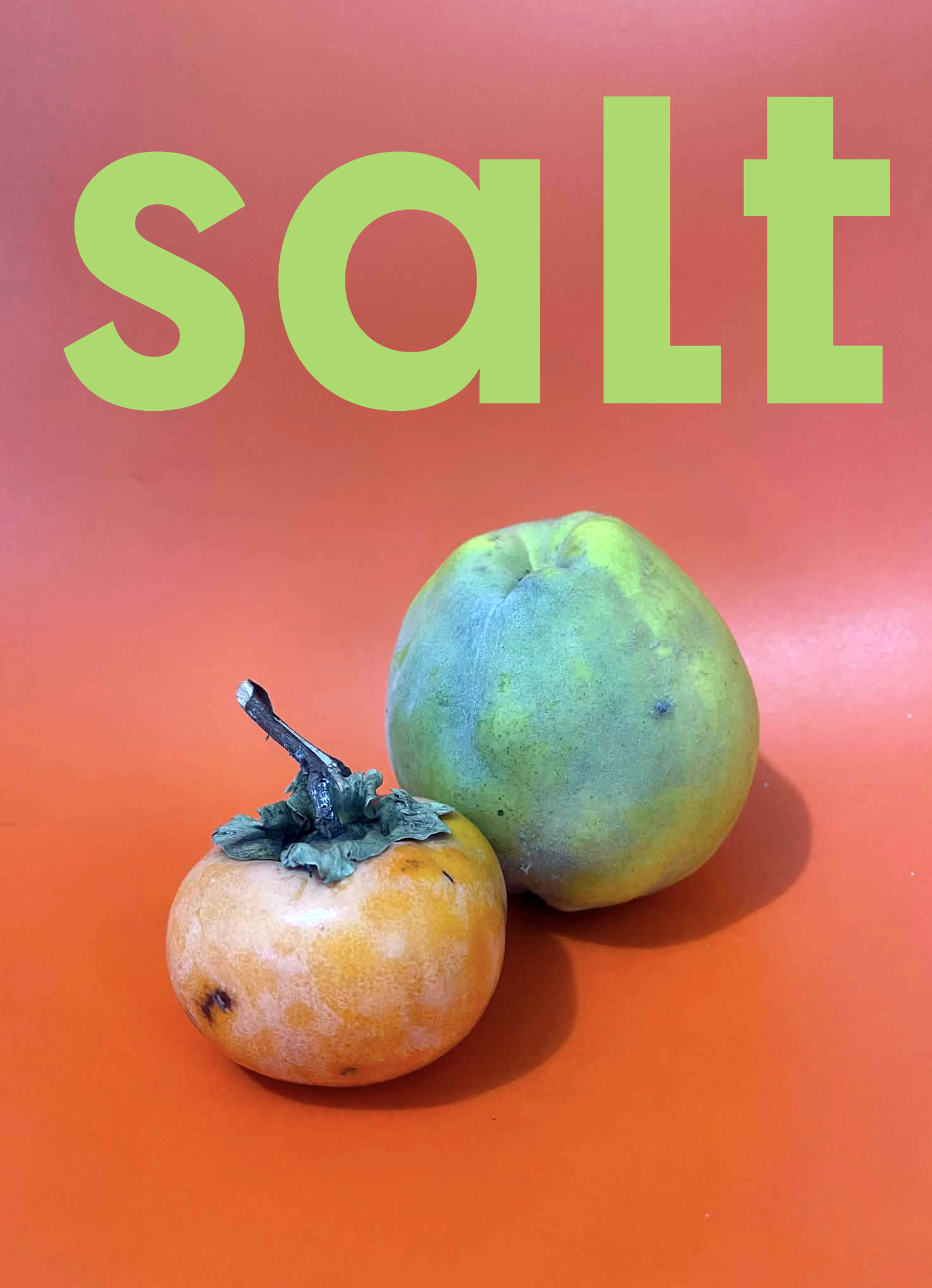
The November issue of SALT explores the parts of life in Yerevan that often go unnoticed but quietly shape our days: from the city’s increasingly chaotic rental market and the struggles of those living with celiac disease, to caring for our bodies in the age of Google, wandering a neighborhood layered with memories that refuse to fade, and stepping into the world of an Armenian viola maker, where tradition and craftsmanship create their own kind of magic.
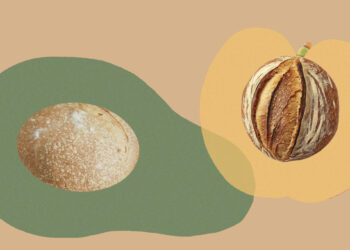
When Eating Is a Gamble: The Story of Celiacs in Armenia
In Armenia, low awareness and limited gluten-free options make life with celiac disease a daily struggle. Through personal stories, Eliza Barkhudaryan reveals how every meal can feel like a gamble, and how a small community is fighting for understanding, their wellbeing and change.
Read more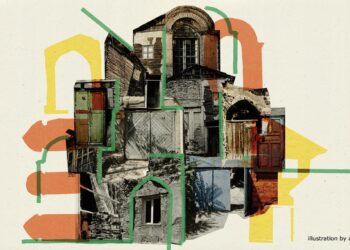
Kond in Autumn Rain
A walk through Kond during an autumn drizzle becomes a sensory meditation on one of Yerevan’s oldest neighborhoods with its layered histories, lived realities and fragile beauty. In this evocative essay, Maria Gunko explores how rain transforms the district’s mood, revealing both its charm and its unresolved uncertainties.
Read more
Welcome to the Rental Hunger Games
A darkly funny dive into Yerevan’s rental market, where outrageous prices, crumbling “designer” homes, and Soviet-era domiks collide with the everyday despair of tenants just trying to find a livable space. Ella Kanegarian-Berberian’s sharp, witty look at a city caught between illusion and reality.
Read more