
Afterglow

May’s issue of SALT is a mix of nostalgia and gumption. From the evolution of Armenia’s post-Soviet music scene to the history of Armenian bridal fashion, from a photo story capturing the outdoor games children still play to reflections on the life of Armenian radio, and the story of one man helping revive forgotten vines, these pieces explore memory, identity, creativity and resilience in all their different forms.

From One-Legged Black Devil to Zilina, Havala and Halamula, this photo essay revisits the courtyard games that shaped generations of Armenian children, reflecting on how contemporary urban life has steadily reduced opportunities for spontaneous play and community.

What happens when an accountant falls in love with wine? For Varuzhan Mouradian, it meant leaving behind a successful life in Los Angeles to plant vines in volcanic soil and help reshape Armenia’s relationship with wine.
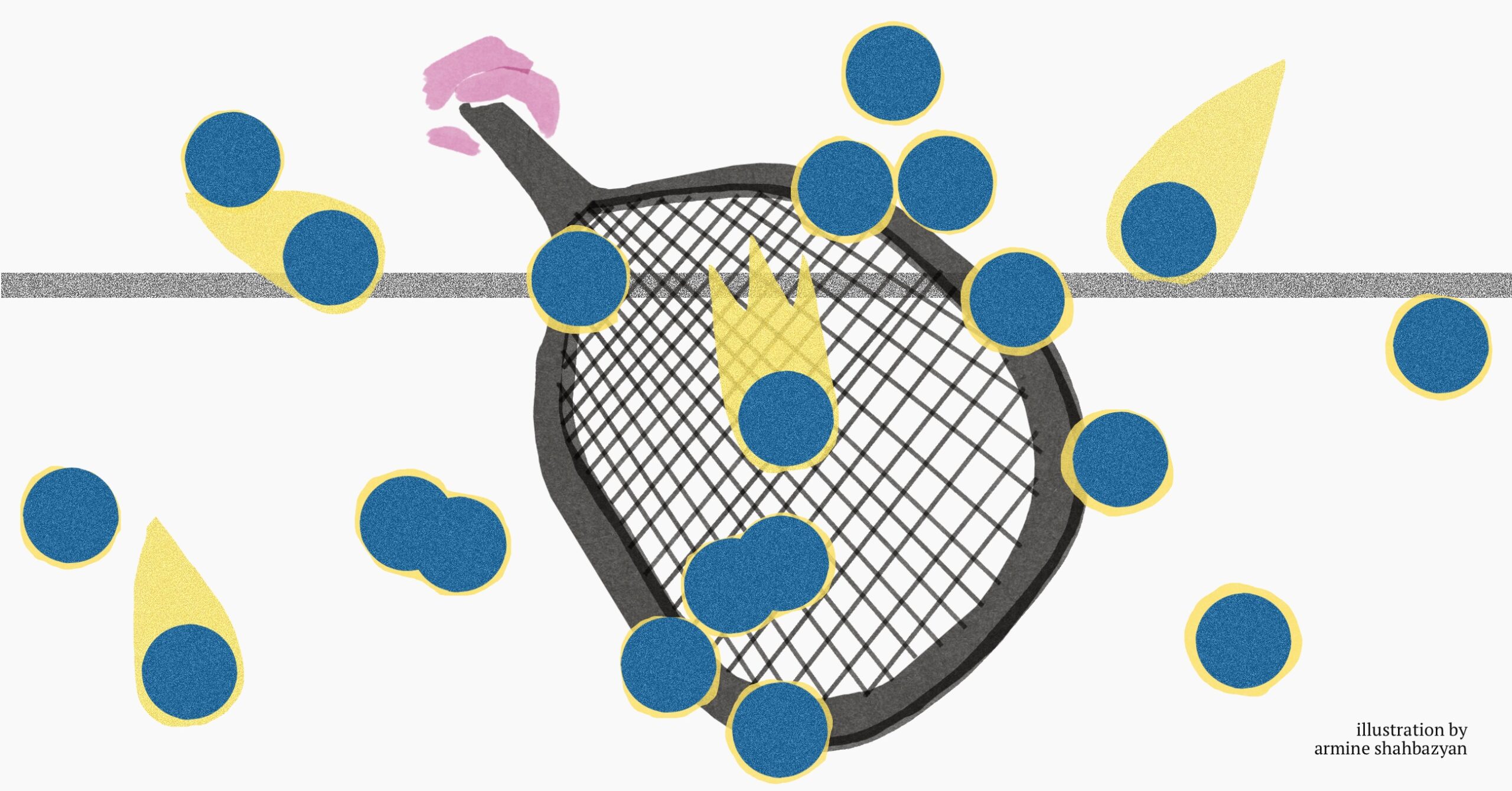
What began as a niche sport is steadily gaining ground in Armenia. Through the story of the 2026 Ararat Squash Cup, players and organizers reflect on the sport’s growing community, international ambitions and hopes for the future as squash prepares for its Olympic debut.

Tracing Armenian bridal fashion from traditional taraz to contemporary couture, Nora Grigoryan explores how the wedding dress reflects identity, femininity, family expectations and cultural change. Through designers, photographers and historians, it examines the tension between heritage, modernity and self-expression.

In the aftermath of the Soviet collapse, Armenia’s music scene underwent a dramatic transformation. From the rise of rabiz and estrada to experimental fusion and underground influences, Tamara Khachatryan explores how hardship, freedom and cultural upheaval reshaped the country’s post-Soviet musical identity.

EVN Report’s mission is to empower Armenia, inspire the diaspora and inform the world through sound, credible and fact-based reporting and commentary. Our goal is to increase public trust in the media. EVN Report is the media arm of EVN News Foundation registered in the Republic of Armenia in 2017.