

Listen to the AI generated audio article.
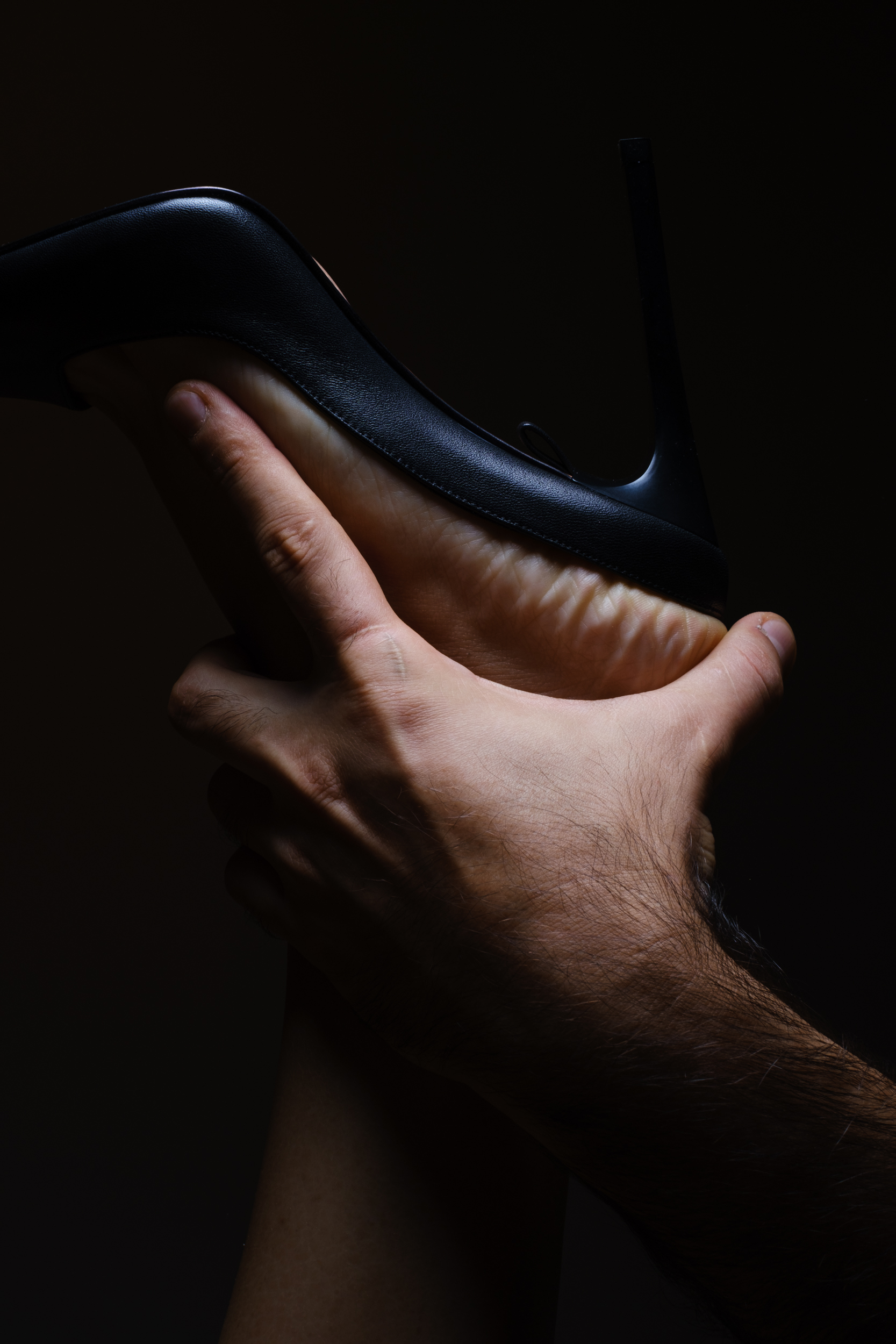
To master something has always been, and still is, a peculiar decision. Times are such that it is most astonishing to meet people who are in love with their work, despite everything, regardless, to put it mildly, of “unfavorable conditions,” as Hayk Ananyan put it himself, these are people who “pierce the asphalt and sprout, reaching for the light.”
Once upon a time, about ten years ago, my cousin called before heading to Stepanakert with his friends. “If we bring some shoes that one of my friends has made, can you take photos?” he asked. Naturally, I said “Naturally I will.” And so there was a photoshoot with the shoes and their maker.
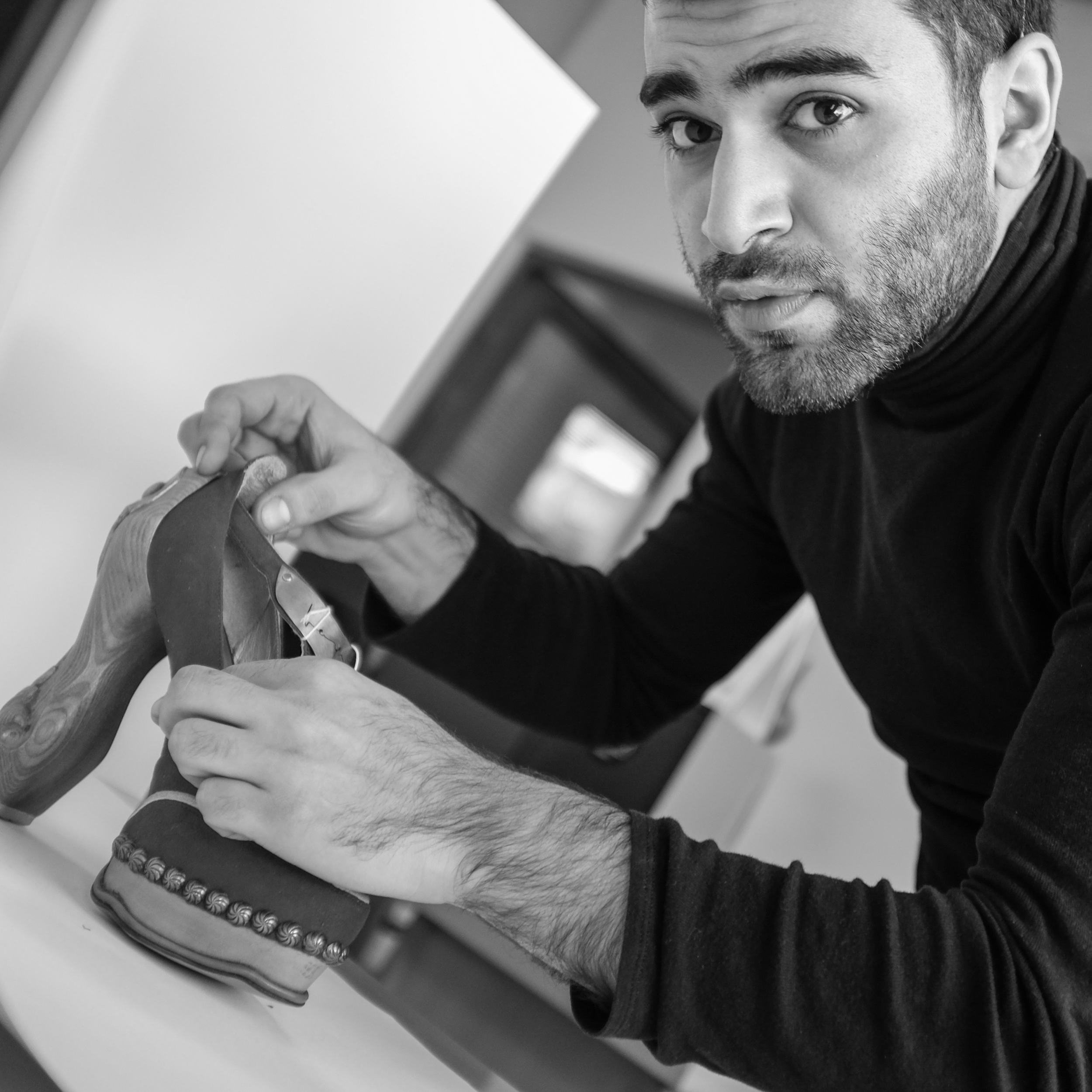
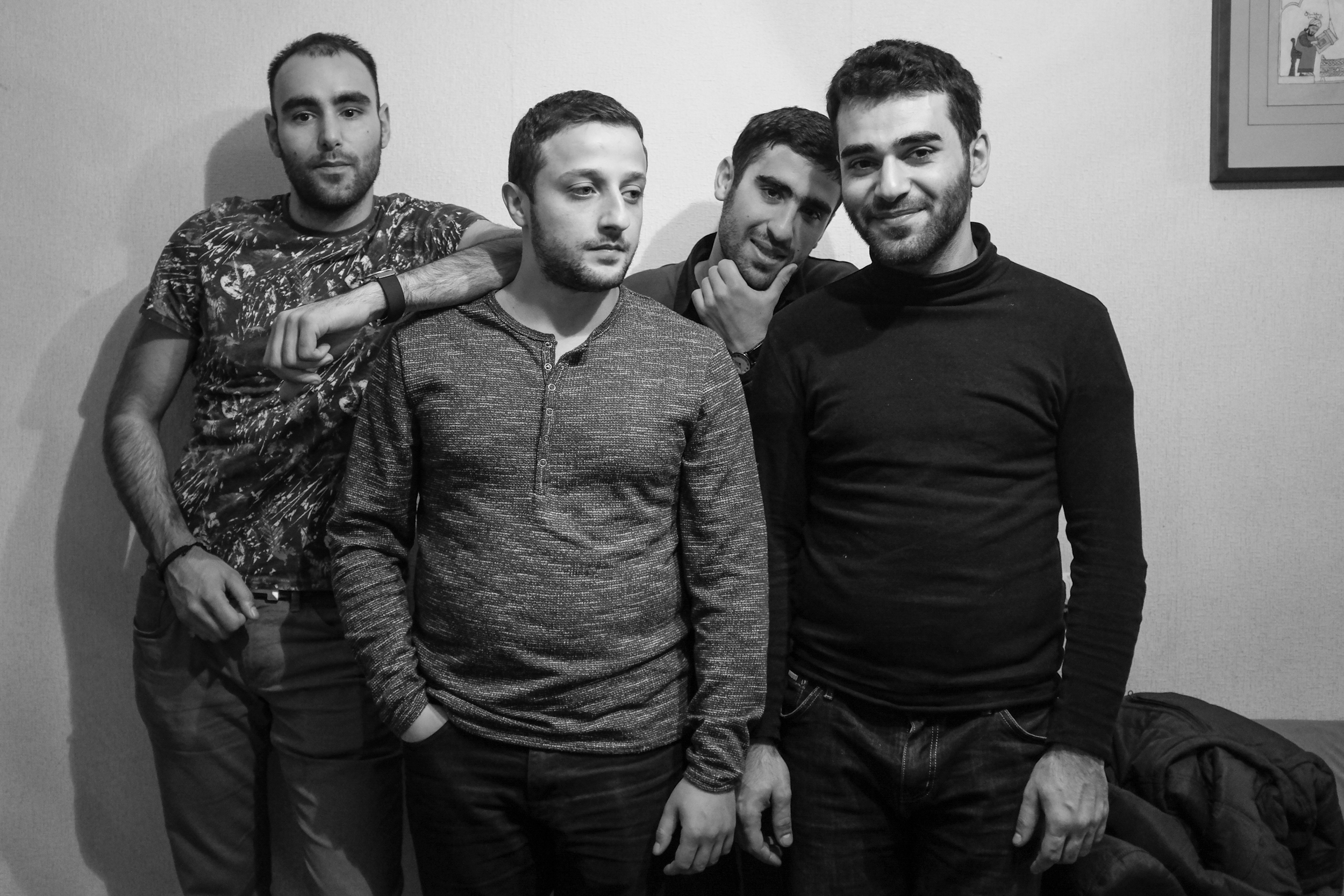

The friend was Hayk Ananyan, master craftsman, designer, maker of shoes. Today, he is the founder and designer behind the Ananyan brand, and the newly appointed CEO of Rien-à-Porter.
Little did I know that the shoes we photographed in Stepanakert would one day win a design competition in Moscow and open the doors of fashion design for their creator, making Hayk’s transition from a graphic designer to a fashion designer possible, something the gatekeepers of “academia” had not thought technically feasible.
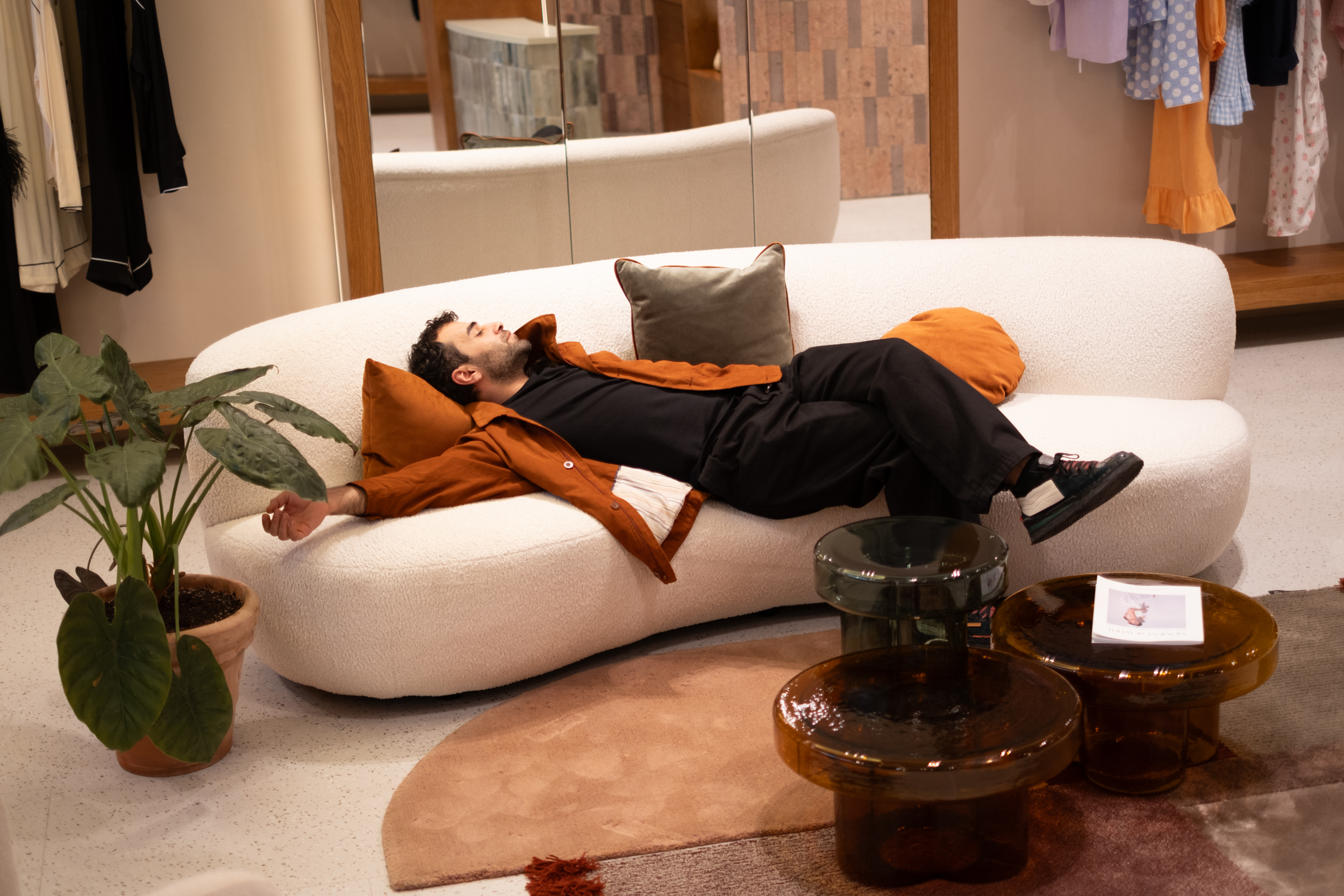
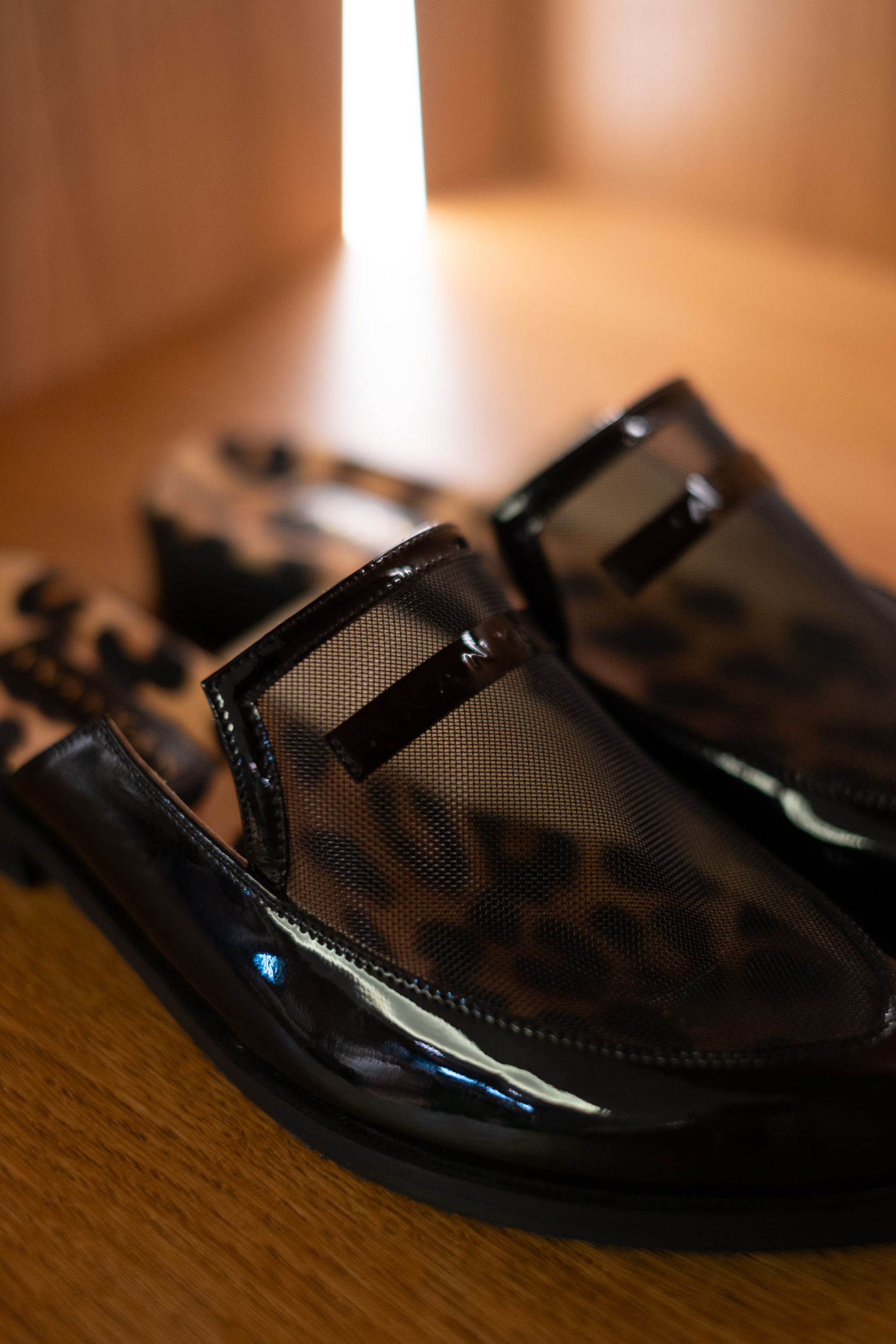
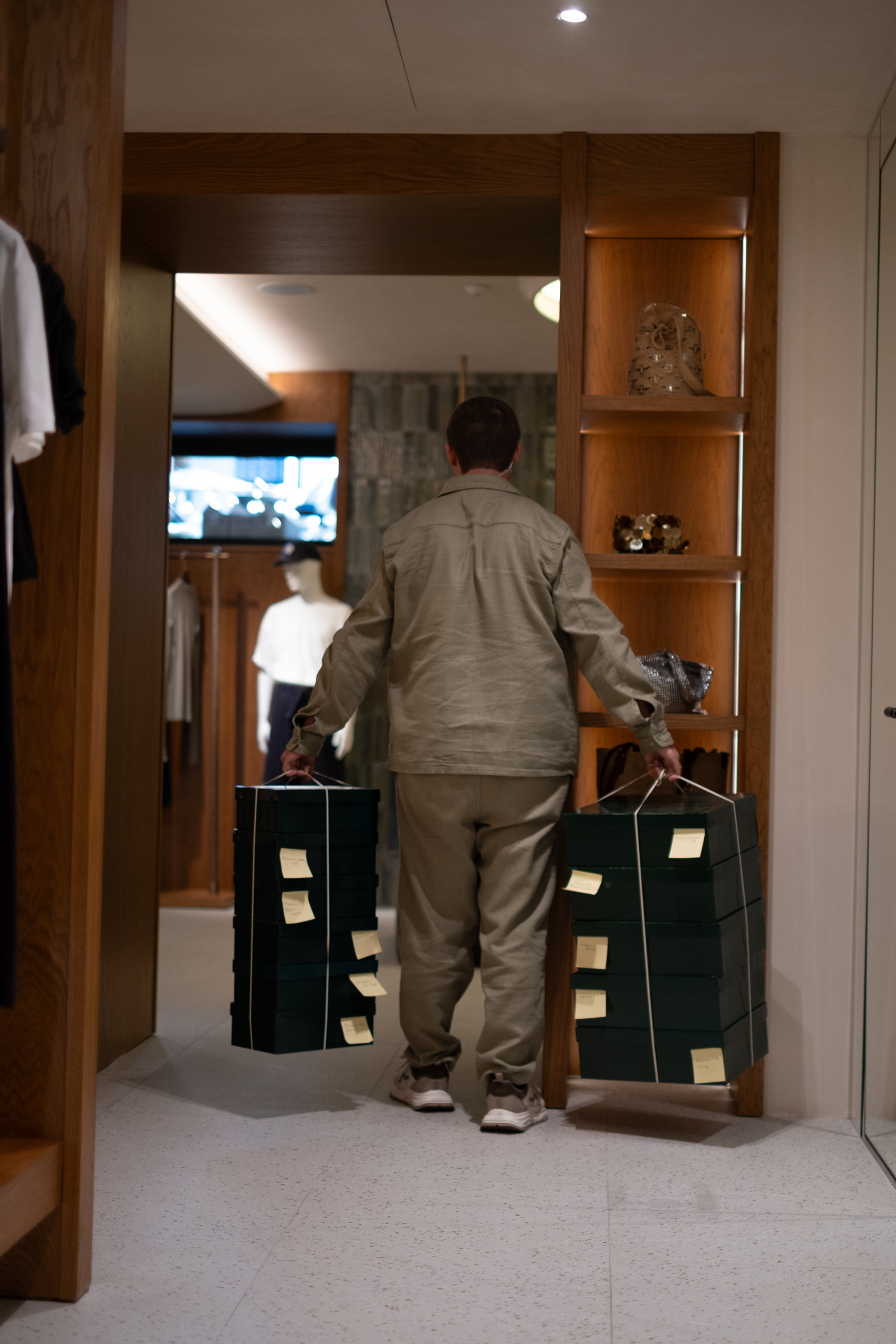
For Hayk, an education in Moscow went beyond the walls of any formal institution. It spilled into the streets and then down to a basement workshop where counterfeit luxury shoes were being made, where, as Hayk puts it, he was “not an employee and not an apprentice, but an imposter.” He would make some money on the side taking on graphic design jobs to be able to order his designs to be made at the workshop, then join the workforce making his own shoes. The workshop was eventually raided, some were jailed. Luckily Hayk wasn’t there that day.
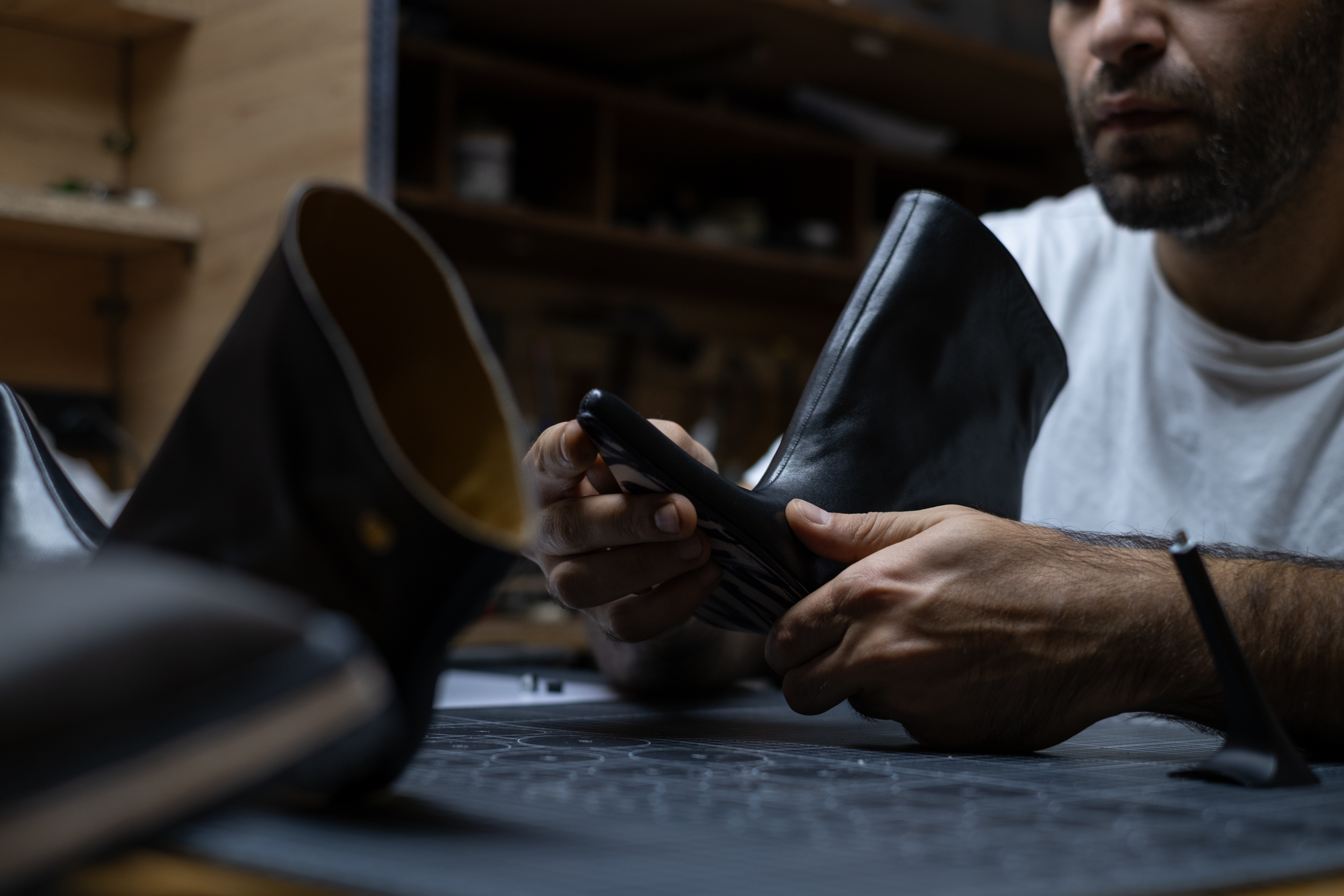
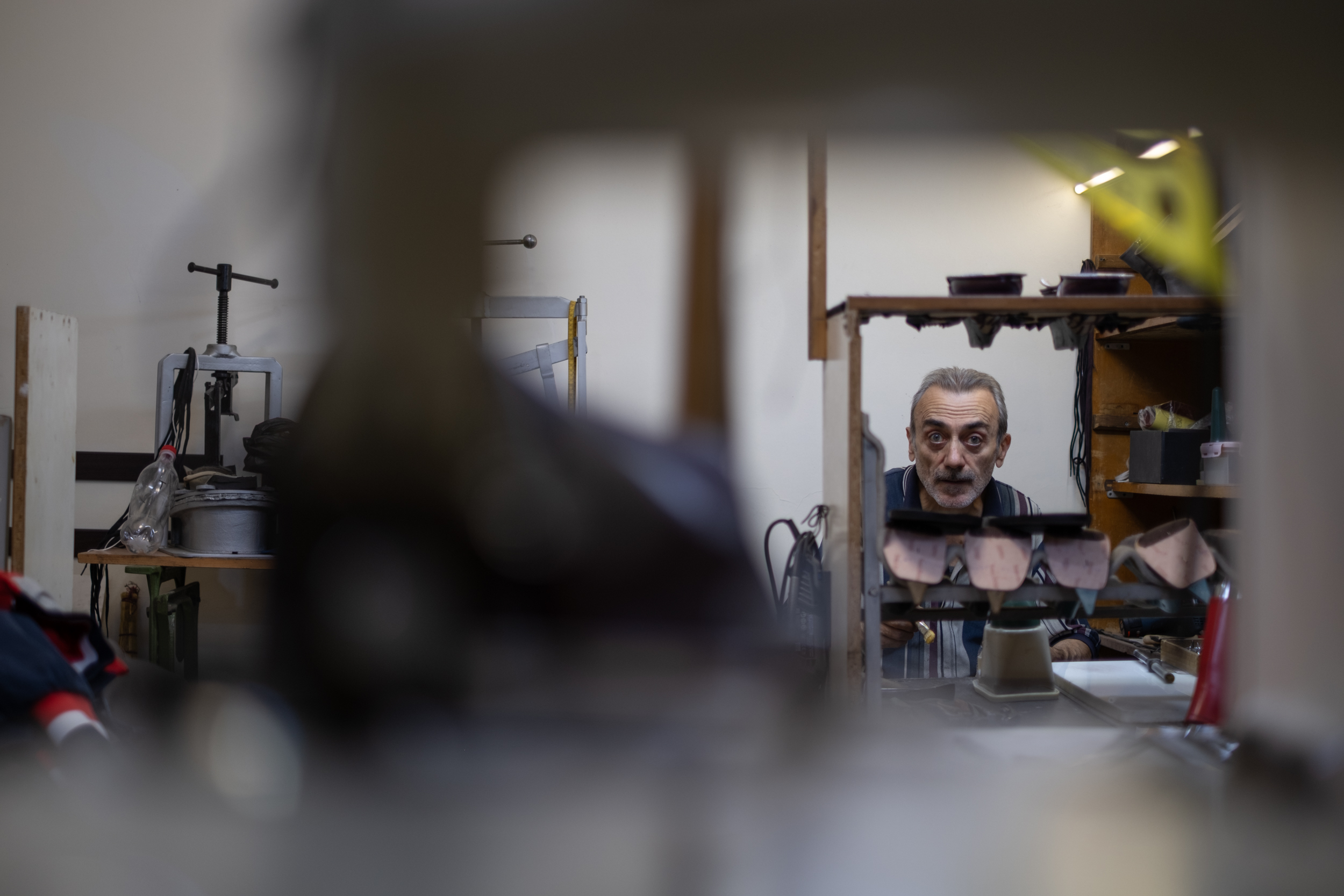
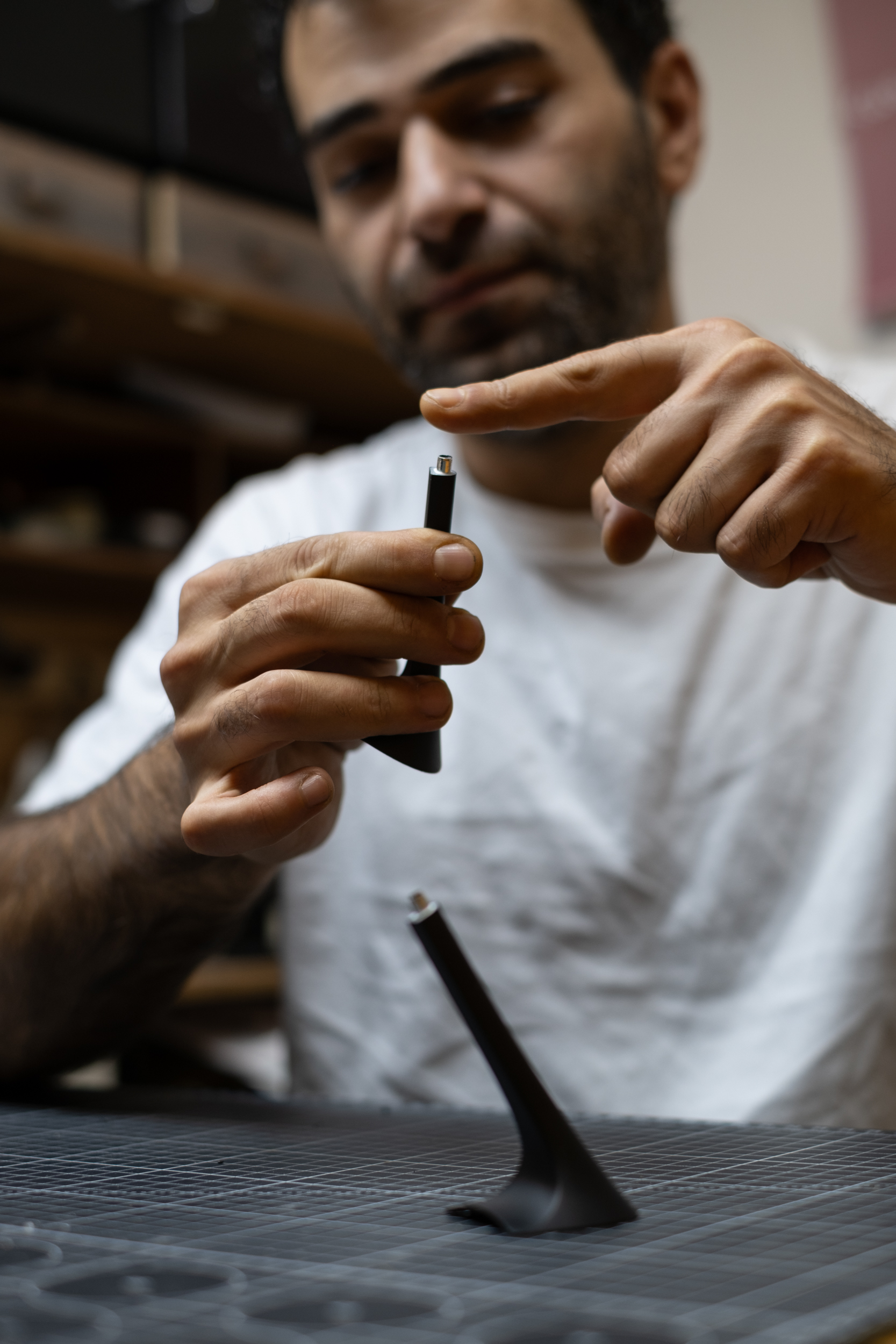
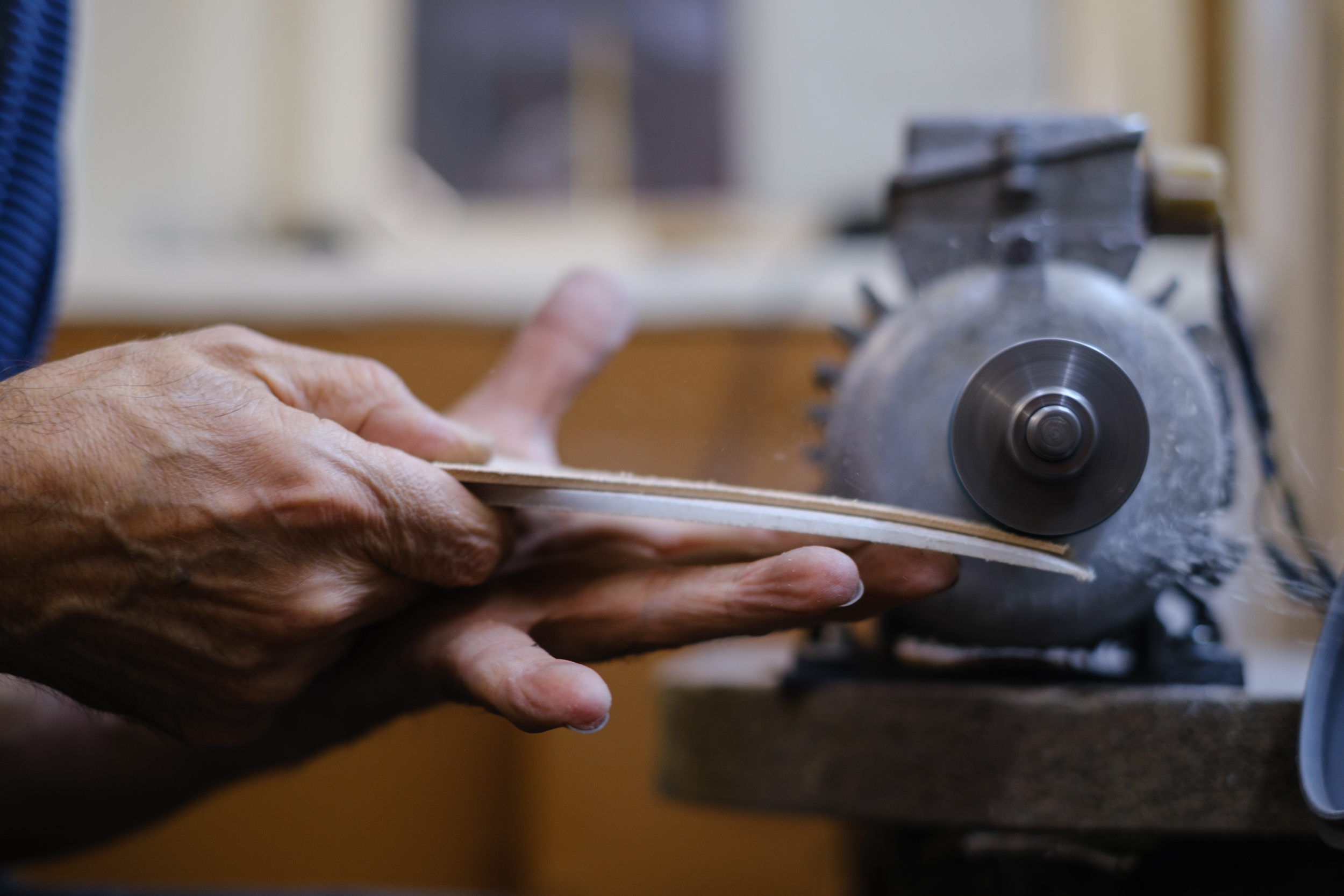
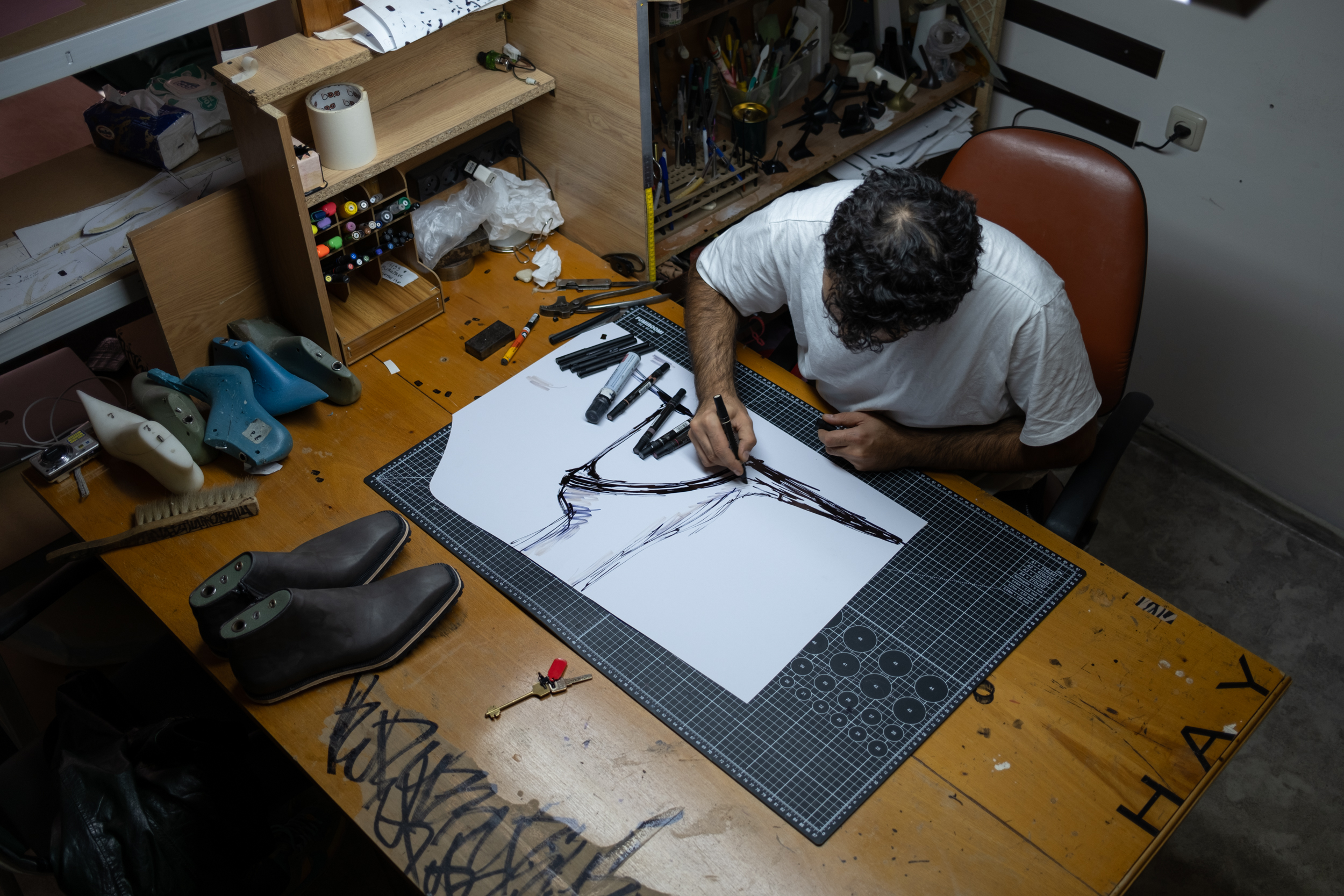
Armenia, he says, is far from having a recognized shoemaking legacy. Hayk, a self-confessed provocateur, by birth rather than by design, argues that the Soviet system was more concerned with providing jobs than ensuring quality. But there is an Armenian legacy in the trade, there are Armenian masters who made a great contribution to shoemaking in France, forming traditions and a school. “It’s not a legacy we inherited,” Hayk says, “so we continue to learn from elsewhere as there is not much here to build on.”

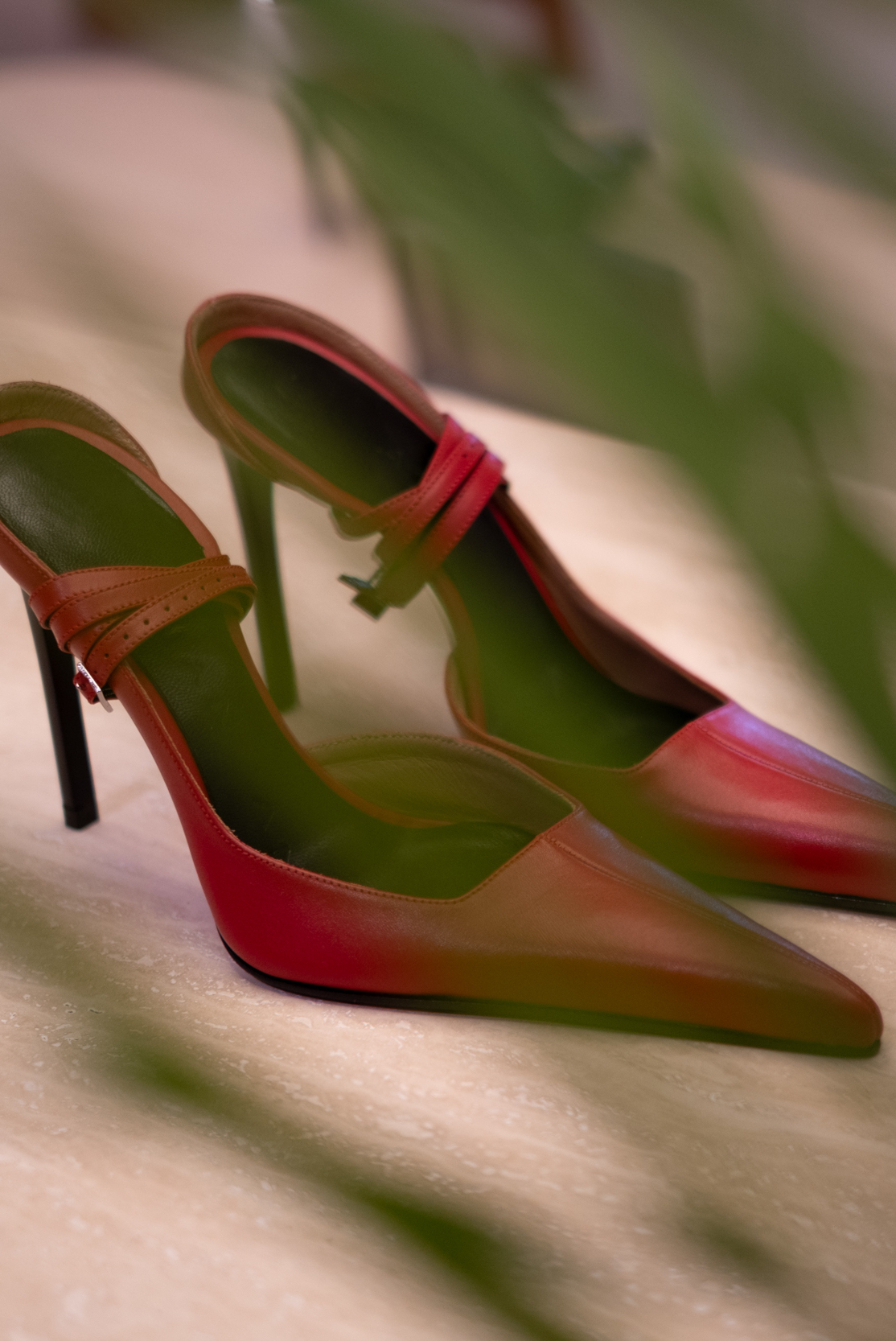
Hayk’s shoes, he insists, don’t require anything fancy for a final look. “The shoes are the final look.” For him, design is not about decoration but transformation. Heels can alter a woman’s inner world and what Hayk regrets is not being the one who invented heels: “I make shoes for independent women, who know what they want and where they are going.”

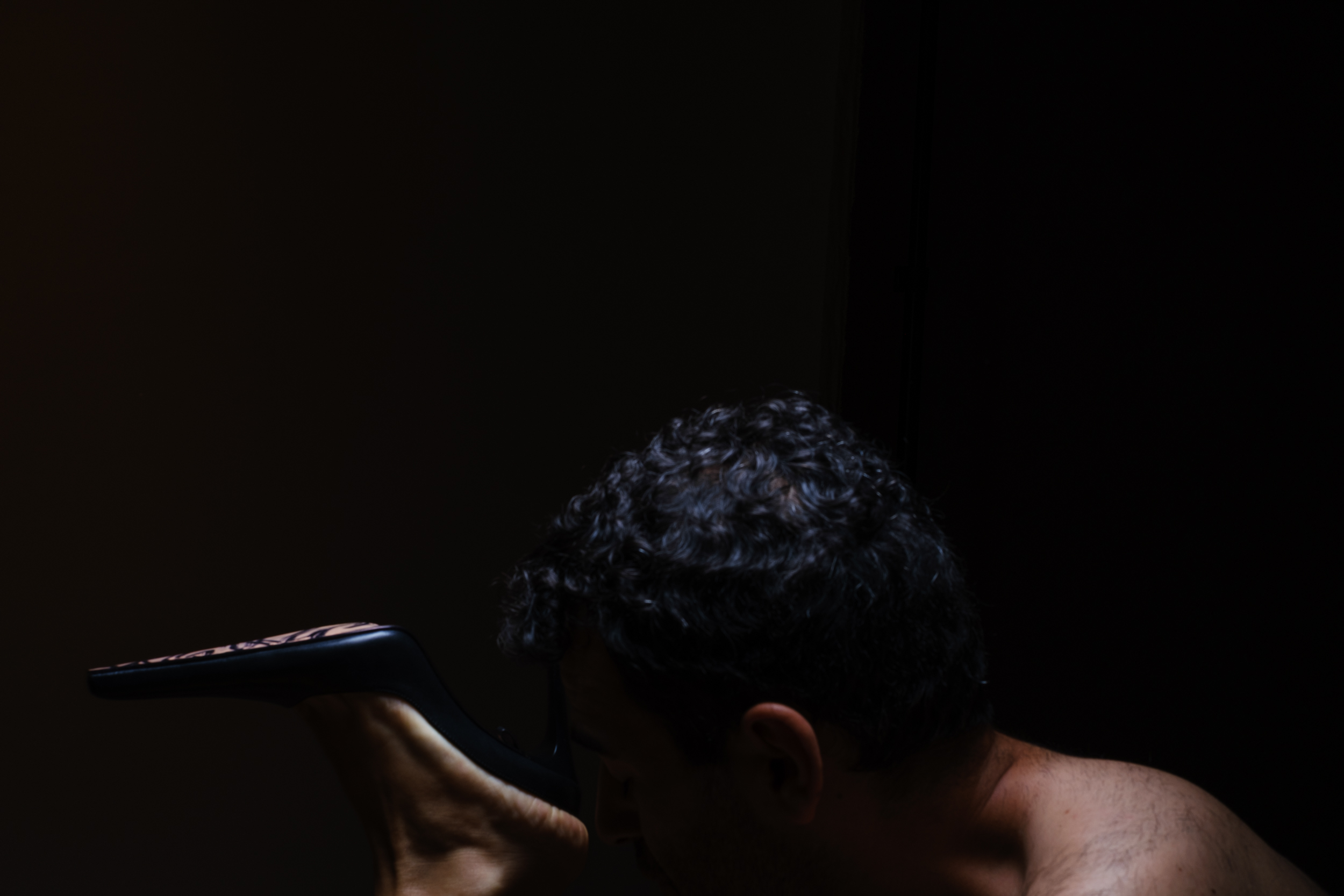
Some trivia.
Hayk hates the process of producing shoes, but has to do it, c’est la vie.
Every evening he decides to quit, but in the morning he goes back to work.
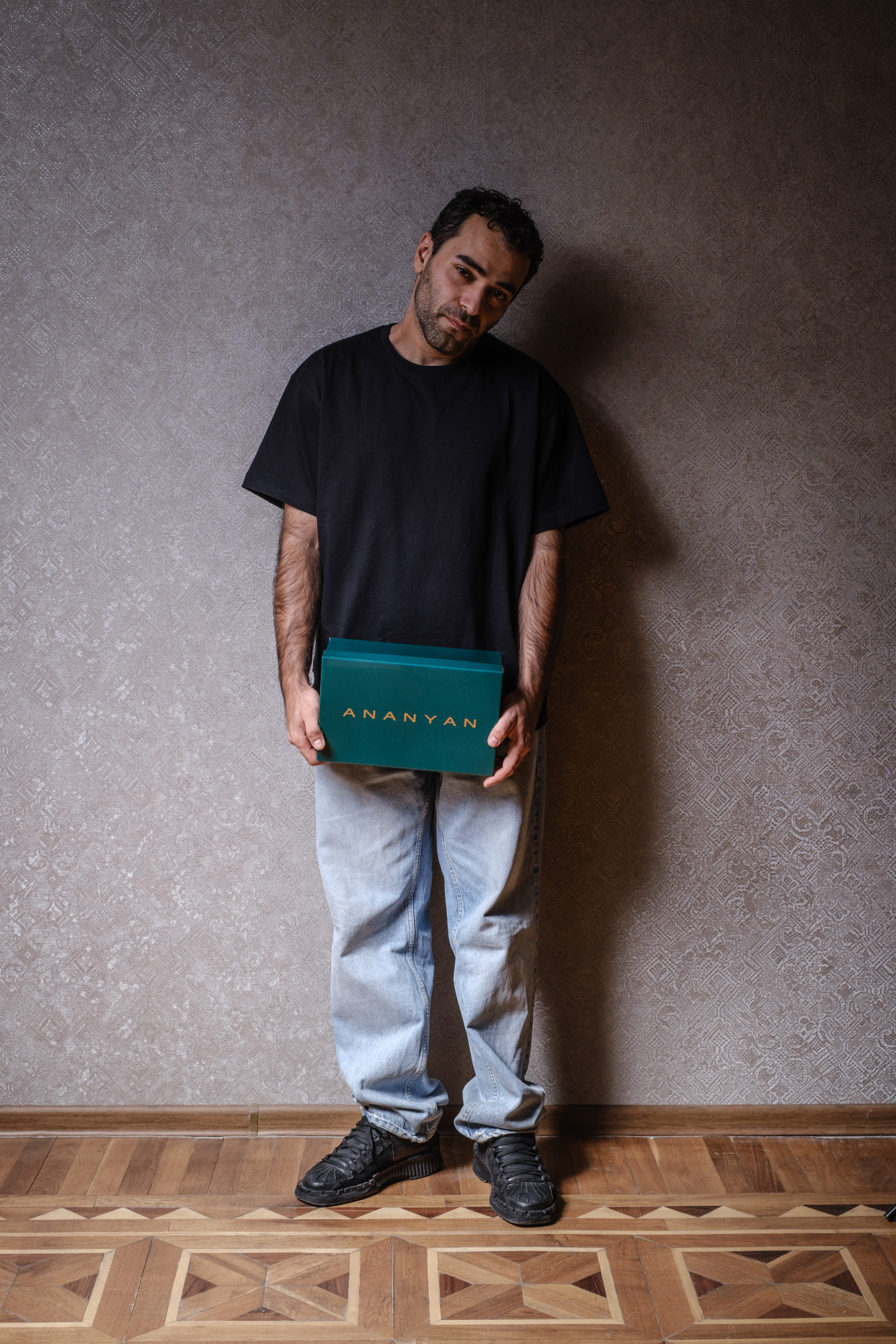
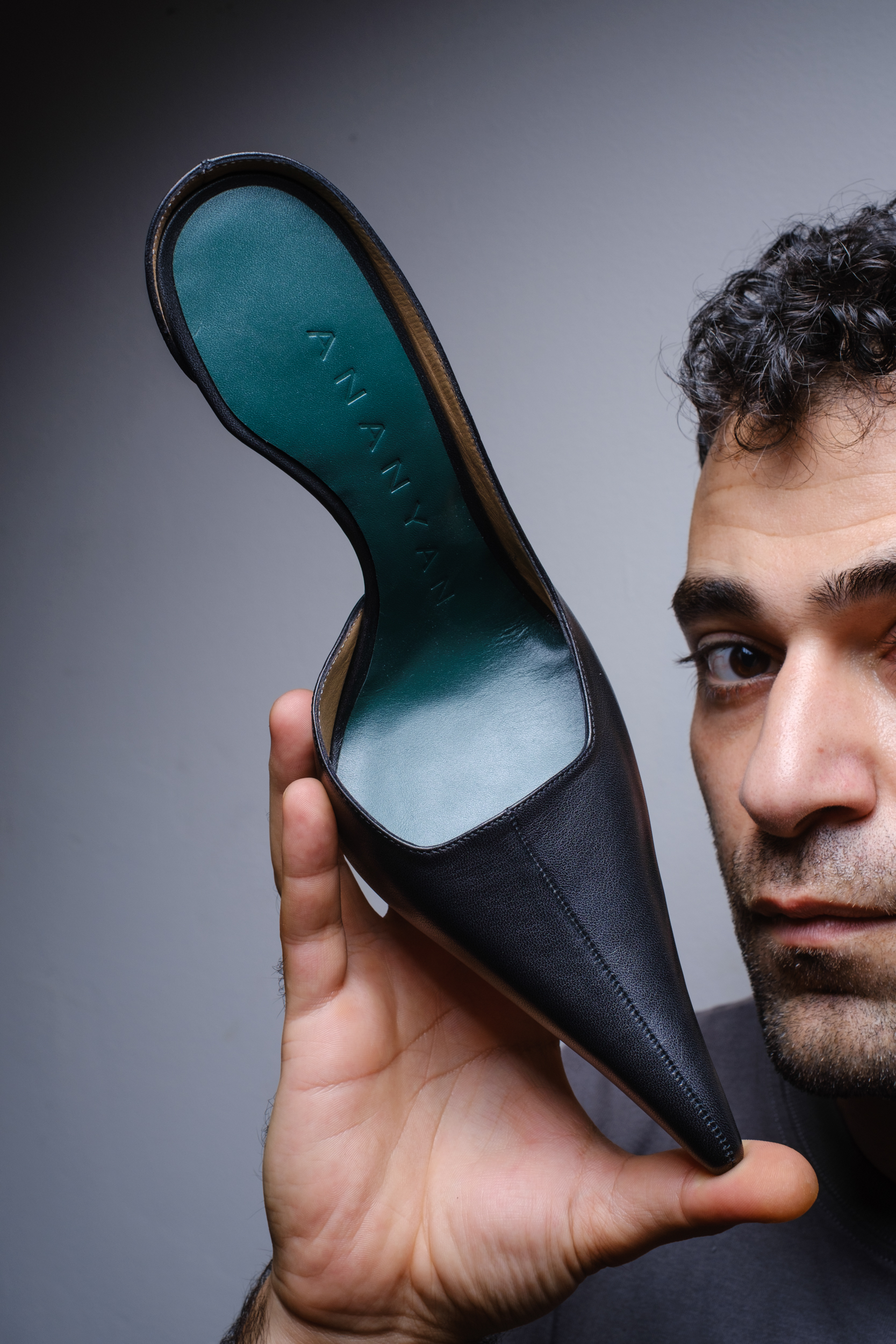
He makes men’s shoes, but only for himself.

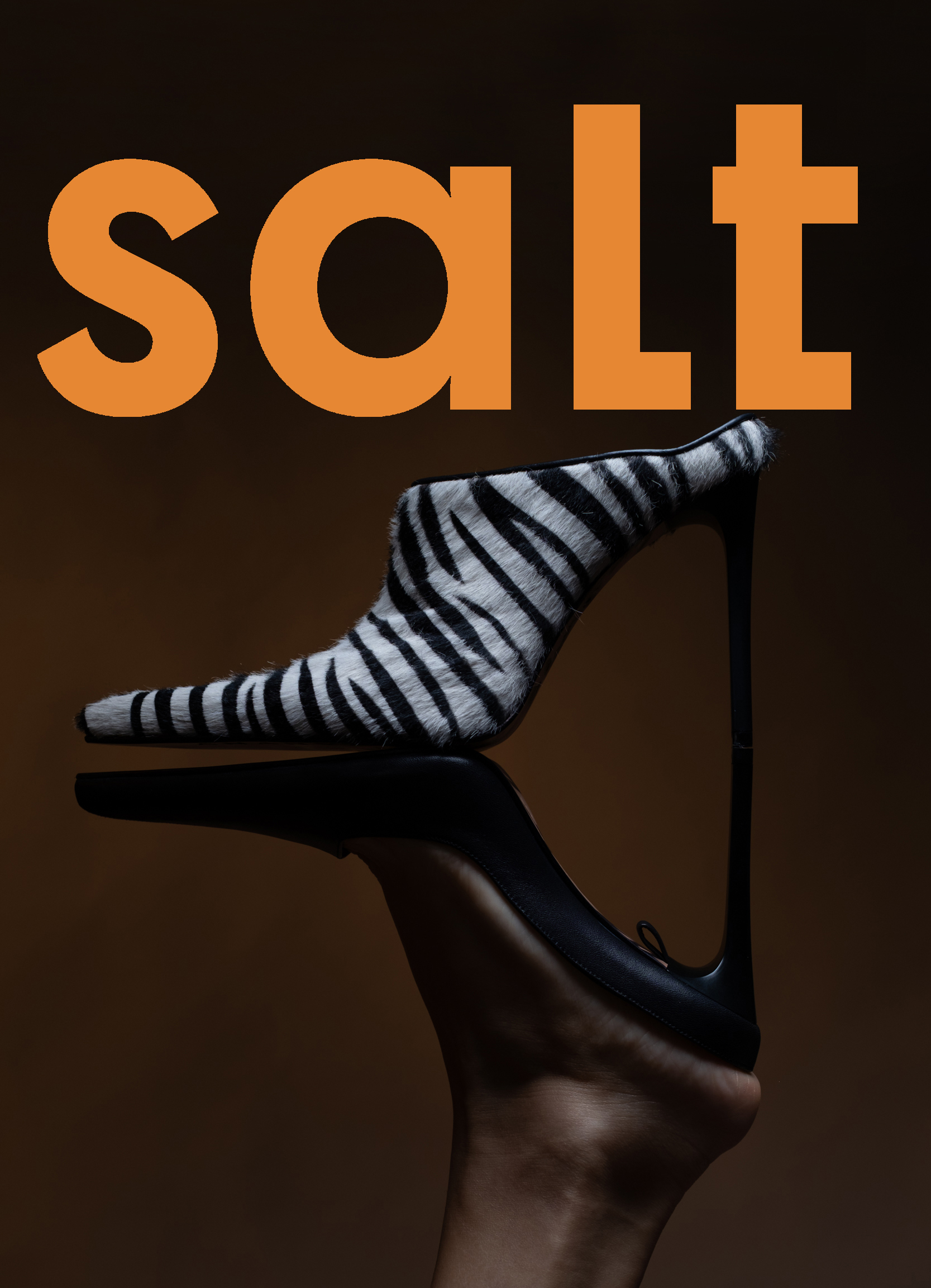
Cover photo by Areg Balayan.
LIFESTYLE
On Heels
This month’s SALT takes you from the hushed halls of the National Library turned unlikely coworking hub to the sculptor’s studio of Levon Tokmajyan. We trace Armenian culture through memes, and hear the story of a young woman navigating Yerevan’s streets in a wheelchair. SALT is where everyday struggles meet joy, creativity and reinvention.

Silence Must Be Kept: Coworking at the National Library
Inside Yerevan’s National Library, Soviet grandeur collides with digital work culture. Once a temple to knowledge, its vast halls now host students, scholars and freelancers alike, each negotiating silence, discomfort and architectural awe in an unlikely coworking experiment.
Read more
Levon Tokmajyan’s Bronze Dust and Marble Dreams
In Yerevan’s abandoned Clock Factory, 88-year-old sculptor Levon Tokmajyan continues shaping Armenia’s memory in stone and bronze. His life, spanning triumphs, personal trials, and a legacy of public monuments, reveals an artist whose work bridges history and endurance.
Read more
Lavashlife: Exporting Armenian Culture and Identity Through Memes
Lavashlife, an Armenian meme page created by Aris Mardirossian, blends humor with heritage to connect diasporic Armenians, locals and curious outsiders. With over 112,000 followers, it transforms memes into cultural bridges, fostering identity, connection and inclusivity across borders.
Read more
How Does One Get Around With a Wheelchair in Armenia?
In this personal story, Mannig Georgelin shares what it’s like to get around Armenia in a wheelchair—the challenges, the kindness of strangers, and why better accessibility matters for building a more welcoming and inclusive society.
Read more

Ok, so there are some Armenian shoe makers and designers who made great lasting contributions to the advancement of the shoe industry in the global west, not just France. But please let us not forget the Armenian shoe designers and makers of Beirut. Growing up in Beirut, it was common knowledge that the best shoes in craftsmanship and in design were found in shoe stores owned by Armenians. Venise Verte, Caldi, Regent, Chaussure Léon, Palian, Chaussure Gérard, and the list goes on.