
Long seen as a pillar of Armenian identity, the Apostolic Church now finds its relationship with the state strained. Political change, postwar trauma, and institutional mistrust have blurred boundaries between spiritual and secular authority, raising urgent questions about legitimacy, governance, the need for reform and the Church’s role in public life.
As Armenia stands at another historic crossroads, Gaïdz Minassian explores the country’s defining tension between the force of the norm—law, sovereignty and peace, and the norm of force—justice, identity and conflict, asking which path will shape Armenia’s future.
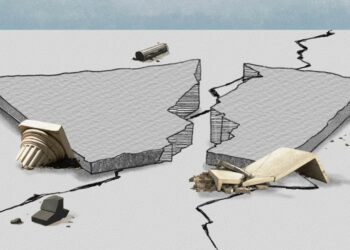
Judicial independence in Armenia is more than legal rules; it is a matter of culture, perception and action. Gor Samvel broadens the debate, examining how law, ethics, and societal forces intersect, and calling for rigorous research to inform public understanding.
Armenia did not achieve a sustainable, guaranteed peace on August 8. Rather, Armenia secured the opportunity to earn that peace by doubling down on efforts to become the primary guarantor of its security and prosperity, writes Raffi Kassarjian.
The Armenia-Azerbaijan peace process highlights the enduring tension between peace and justice. While legal rulings create certainty, they often fail victims. True reconciliation, experts argue, requires context-specific approaches where peace and justice coexist, even if one must yield to the other.
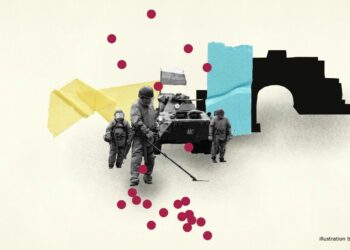
The Washington documents mark a new stage in Armenia-Azerbaijan talks, lowering the risk of renewed war for at least three years, writes Davit Petrosyan. Armenia’s challenge is to use this window of opportunity to strengthen its security and spur economic development, as the real outcome hinges on what follows, not what’s signed.
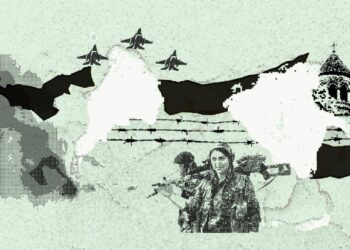
While a crime against humanity unfolds in Gaza amid the near-total indifference of Western governments, another tragedy is taking place behind closed doors: Syria is sinking deeper into decay with each passing day.
Reflecting on the fall of Artsakh and the genocide in Gaza, Karena Avedissian calls on Armenians to reject isolationism and build principled solidarity with Palestinians and other oppressed peoples facing state violence, colonialism and global impunity.
Despite agreeing to the text of a peace treaty in March, Azerbaijani President Ilham Aliyev refuses to sign, escalating demands while promoting expansionist ideology and intensifying militarization in a calculated strategy to avoid reconciliation and prolong regional instability for political gain.
If the Iran-Israel conflict intensifies with further U.S. involvement, Armenia faces mounting security, economic and diplomatic risks. This analysis explores how regional instability, energy disruptions, and great-power pressures are reshaping Armenia’s strategic landscape and testing its delicate foreign policy balance.
EVN Report’s mission is to empower Armenia, inspire the diaspora and inform the world through sound, credible and fact-based reporting and commentary. Our goal is to increase public trust in the media. EVN Report is the media arm of EVN News Foundation registered in the Republic of Armenia in 2017.
SUPPORT INDEPENDANT JOURNALISM