Ձայնագիր․ Ետպատերազմյան հետագիծ
Պատերազմի անավարտ խոսակցությանը մոտենալու փորձ է արել լուսանկարիչ Վաղինակ Ղազարյանը՝ իր ֆոտոպատմության հերոսներին՝ 44-օրյա պատերազմի մասնակիցներին անավարտ հարցեր տալով վերհանել պատերազմի թողած հետքը։
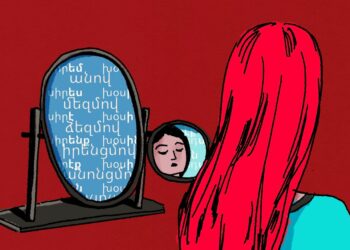
Tracing Armenian bridal fashion from traditional taraz to contemporary couture, Nora Grigoryan explores how the wedding dress reflects identity, femininity, family expectations and cultural change. Through designers, photographers and historians, it examines the tension between heritage, modernity and self-expression.
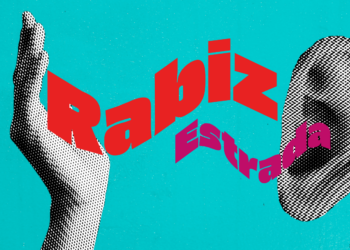
In the aftermath of the Soviet collapse, Armenia’s music scene underwent a dramatic transformation. From the rise of rabiz and estrada to experimental fusion and underground influences, Tamara Khachatryan explores how hardship, freedom and cultural upheaval reshaped the country’s post-Soviet musical identity.
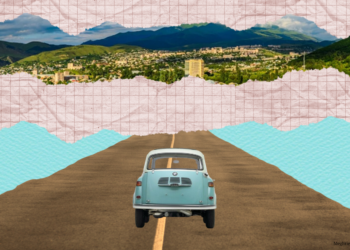
A journey to the medieval Armenian capital of Ani becomes an exploration of memory, erasure and cultural survival. Traveling through Turkey to reach the ruins visible from Armenia’s closed border, Maria Gunko reflects on heritage, identity, historical loss and the politics of preserving, and silencing, the past.
In this episode of It Has to Be Said, Maria Titizian examines how fear has become one of the dominant tools of Armenia’s parliamentary election campaign. From warnings of war and economic collapse to narratives about “Turkification” and a so-called “Ukraine scenario,” domestic and external actors are increasingly weaponizing public anxiety and collective trauma instead of debating policy and governance.
The European Commission’s first progress report on Armenia’s visa liberalization reforms highlights advances in border management, biometrics, anticorruption and digital governance, while identifying major gaps that still need to be addressed before Armenians can eventually secure visa-free travel to the European Union.
As Armenia’s parliamentary election campaign intensifies, the issue of Soviet-era enclaves between Armenia and Azerbaijan has re-emerged as a sensitive political and security question. Sossi Tatikyan explores their historical origins, legal status, international parallels and the possible scenarios being discussed within the peace process.
Indian migrant workers at a textile factory in Ijevan went on strike over abusive working conditions, unpaid wages and rising production quotas. Their protest exposes deeper problems in Armenia’s labor system, where weak protections leave migrant workers vulnerable to exploitation, surveillance and coercion. Garren Jansezian’s report from Ijevan.
As Armenia heads into parliamentary elections, debates over peace, memory and democracy are colliding amid rising polarization and the latest assassination threat. In this op-ed, Sheila Paylan argues that suppressing public grief and demands for justice over Artsakh risks eroding civic trust and weakening the democratic resilience Armenia seeks to preserve.
Ahead of Armenia’s parliamentary elections, political forces are placing domestic concerns at the center of their campaigns. In this primer, Hranoush Dermoyan examines competing visions on the economy, education, healthcare, governance, agriculture and social policy, revealing how different forces seek to address Armenia’s socioeconomic challenges.
EVN Report’s mission is to empower Armenia, inspire the diaspora and inform the world through sound, credible and fact-based reporting and commentary. Our goal is to increase public trust in the media. EVN Report is the media arm of EVN News Foundation registered in the Republic of Armenia in 2017.
SUPPORT INDEPENDANT JOURNALISM