
Statecraft & Governance
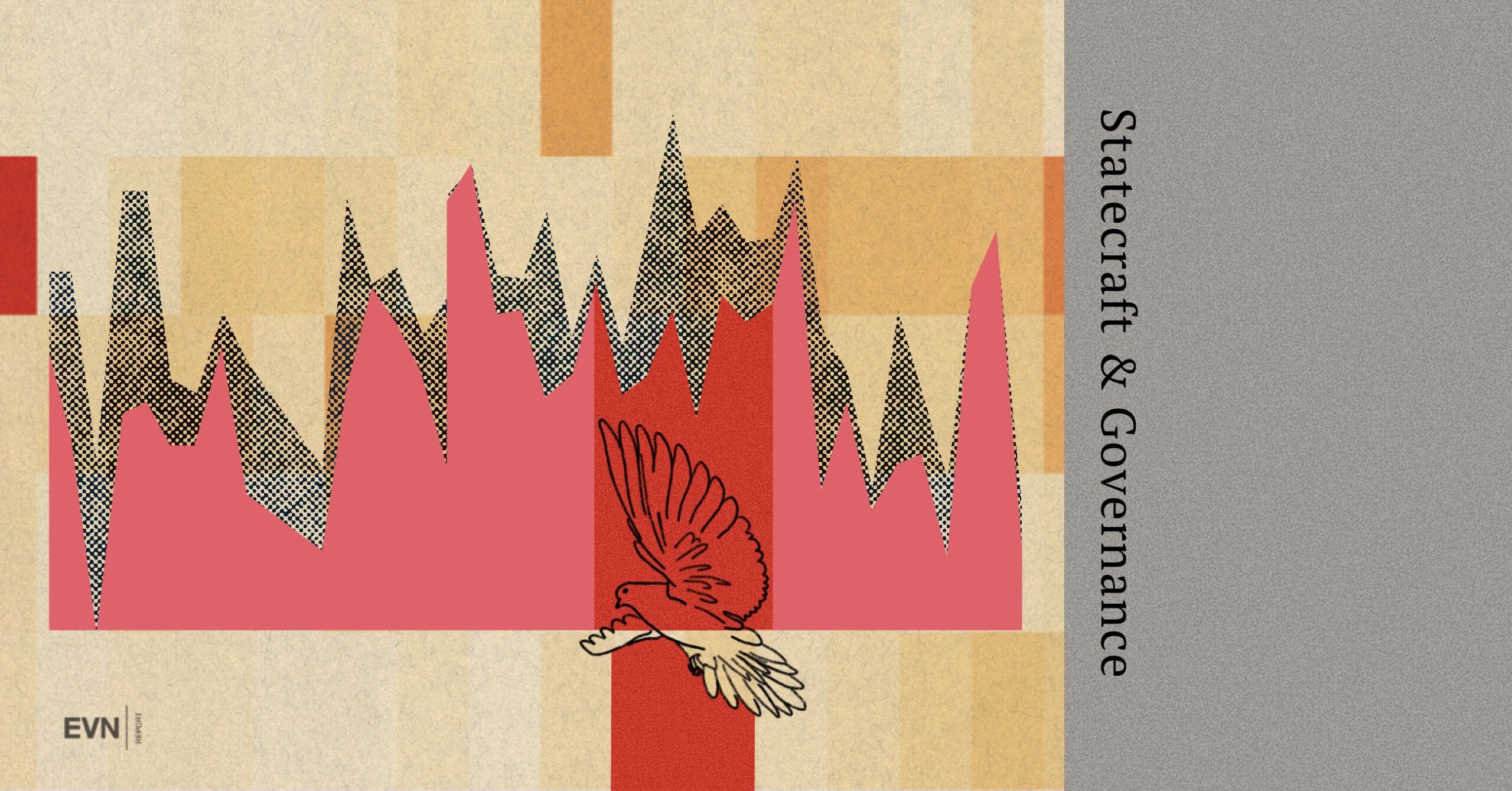
While Azerbaijani President Ilham Aliyev portrays himself globally as a proponent of reconciliation and regional cooperation, the data clearly demonstrates his questionable commitment to the peace process. In this expansive study, Nerses Kopalyan and a team of researchers produce empirically-grounded analysis, utilizing an AI machine-learning toolkit, of Azerbaijan’s media ecosystem, revealing the disconnect between Aliyev’s domestic propaganda and his diplomatic rhetoric on peace.
State of Play
With Maria Titizian and Nerses Kopalyan
The Israeli-U.S. attack on Iran is reshaping the Middle East, and the shockwaves are being felt in the South Caucasus. In this episode of “State of Play”, Maria Titizian and Nerses Kopalyan examine regional risks, Armenia’s strategic dilemma and how escalation could redraw the region’s fragile security landscape.
Politics
Azerbaijan Continues to Arm Itself While Talking Peace
Azerbaijan speaks the language of peace while steadily expanding and diversifying its military arsenal. As negotiations with Armenia inch forward, Hovhannes Nazaretyan examines Baku’s sustained rearmament, including its suppliers, capabilities and strategic intent, and what it reveals about the fragile balance between diplomacy and deterrence in the South Caucasus.
Read more
Armenia’s Diversified Partnerships: Opportunities and Risks in a Fragmenting Geopolitical Order
As Armenia moves away from decades of security dependence on Russia, it is building a network of partnerships across the West, Eurasia and Asia. Sossi Tatikyan explores the opportunities, and geopolitical risks, of Armenia’s emerging multi-alignment strategy in an increasingly fragmented world.
Read moreOpinion
Democracy as Strategic Capital: Armenia’s Path in a Transactional World
As global powers shift toward transactional, interest-driven alliances, Armenia faces a more fluid and uncertain strategic landscape. Anoush Begoyan argues that despite changing Western priorities, democratic governance remains Armenia’s most durable asset that will only strengthen its resilience, credibility, and long-term positioning in a fragmented international order.
Read more
Church and State in Armenia: A Crisis Decades in the Making
As emotion and polarization shape public discourse, ongoing debates over Church–State relations reveal a deeper fault line in Armenia’s post-Soviet order—structural ambiguity. Beyond personalities and politics, it exposes unresolved tensions between national identity, religious authority and constitutional governance.
Read moreIt Has to Be Said
Almost half of Armenia’s prison population has not been convicted of a crime, they are awaiting trial. Despite legal reforms and repeated promises that detention would be a last resort, Armenia continues to rank among the highest in Europe for pre-trial detainees.
Pre-trial detention is not punishment. It is meant to safeguard due process, to prevent flight, interference with evidence, or further crime. But when it becomes routine, the presumption of innocence begins to erode, and public trust in the justice system weakens.
In this episode, Maria Titizian examines Armenia’s reliance on pre-trial detention, what the law says, what the numbers show, and why the gap between principle and practice matters.
Since independence, every Armenian administration has amended the Constitution. Each reform has been presented as modernization, democratization, or necessity. But constitutional change in Armenia has often been just as much about political power as legal reform.
In this episode, Maria Titizian looks at how Armenia’s Constitution has evolved since 1995, why it keeps changing, and why it is once again at the center of political debate ahead of the parliamentary elections.
Elections

Armenia heads to the polls on June 7, 2026 for its first regular parliamentary elections in nearly a decade. This primer breaks down the rules of the race, the key political players, and what’s at stake as the country prepares for a pivotal vote.
Raw & Unfiltered

Getting Sicker, Younger
A young doctor’s death from advanced gastric cancer reflects a troubling shift in Armenia, where cancers are increasingly diagnosed late and at younger ages. As cases rise, limited screening, delayed detection and unequal access to modern treatments are straining patients, families and the healthcare system.
Read more
The Month Between: On Armenian Motherhood and Autism
In Armenia, where motherhood is revered and sacrifice expected, raising an autistic child exposes the gap between cultural ideals and lived reality. In this deeply personal essay, Ani Poghosyan explores identity, fear, resilience, and the invisible labor of mothers navigating autism in an unprepared system.
Read more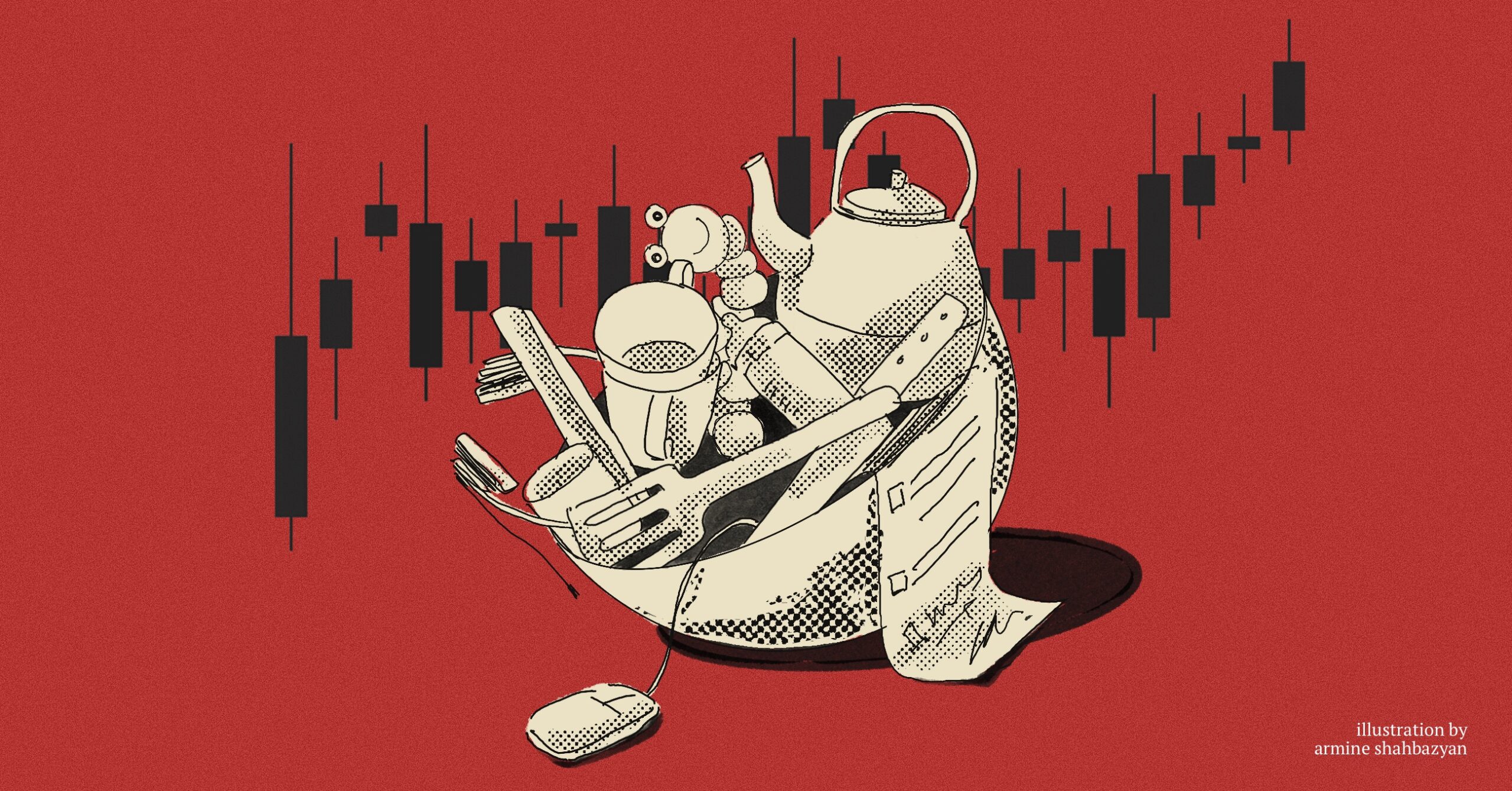
Challenging the notion that mothers on maternity leave or outside formal employment are “economically inactive”, Hasmik Soghomonyan examines Armenia’s invisible care economy, and argues that unpaid caregiving and early childhood development are vital investments sustaining families, society and long-term economic growth.
Et Cetera
Preserve Cinema Heritage or Let it Go
The acquisition of Artavazd Peleshyan’s film rights by the German Co-production Office promises long-awaited restoration and global distribution. But the deal also exposes a deeper issue: Armenia’s lack of cultural policy to protect its cinematic heritage and maintain control over its most significant films.
Read more
Reading Labels: In Lieu of an Exhibition Review
At a British Library exhibition on British-Armenian history, Naneh Hovhannisyan reads labels—and reads between them. In this piece of creative nonfiction, she offers a personal response to a major cultural event for British Armenians, reflecting on cultural visibility, diaspora memory and the ambiguities of collective loyalty and representation.
Read moreArts & Culture
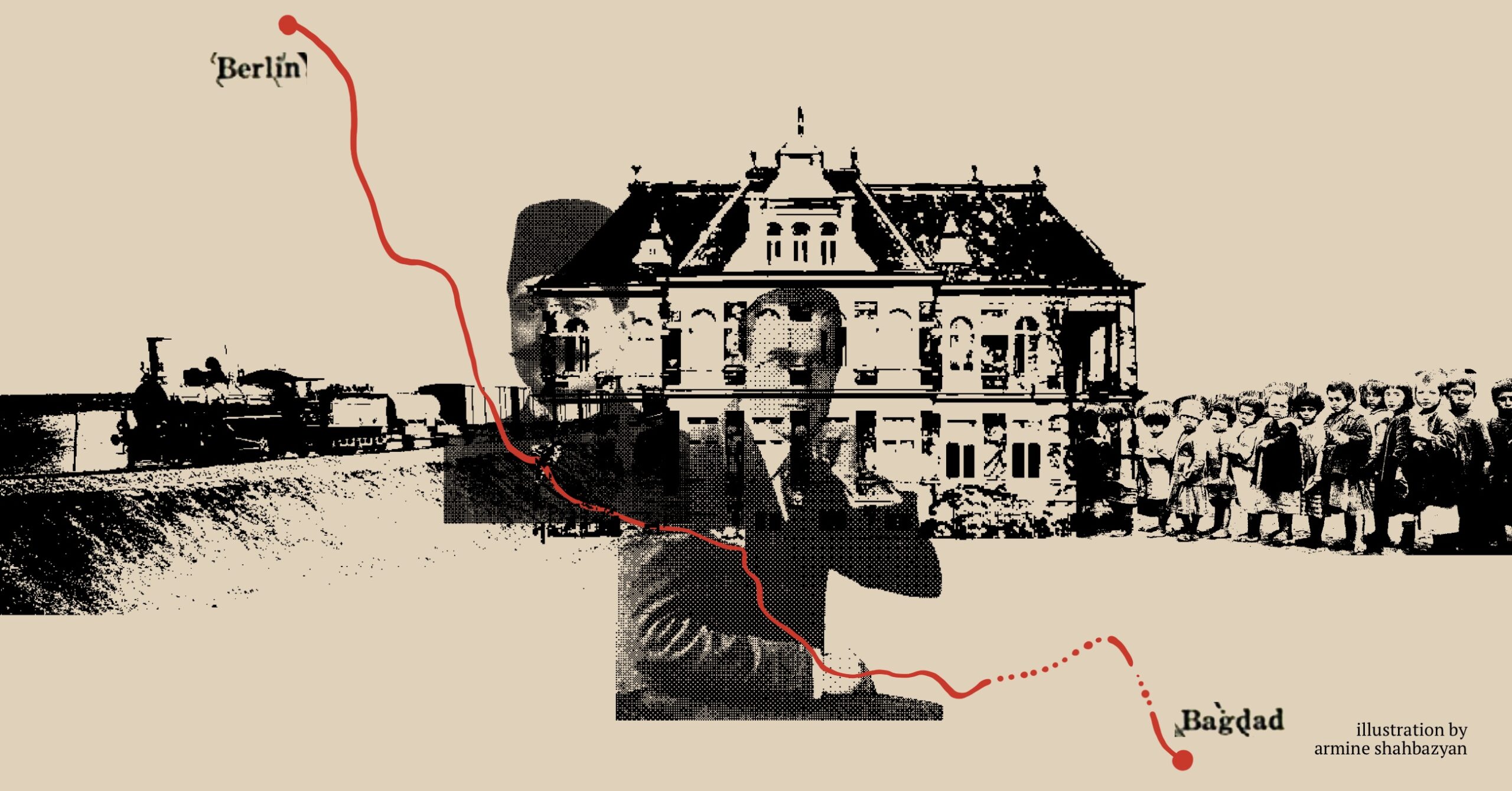
Berlin marked the 110th anniversary of the Armenian Genocide last year with an unprecedented cultural program. Yet the commemorations also exposed a deeper paradox: Germany, once complicit in the genocide, now hosts the memory work, as artists and curators confront history, responsibility and contemporary politics.
Creative Tech
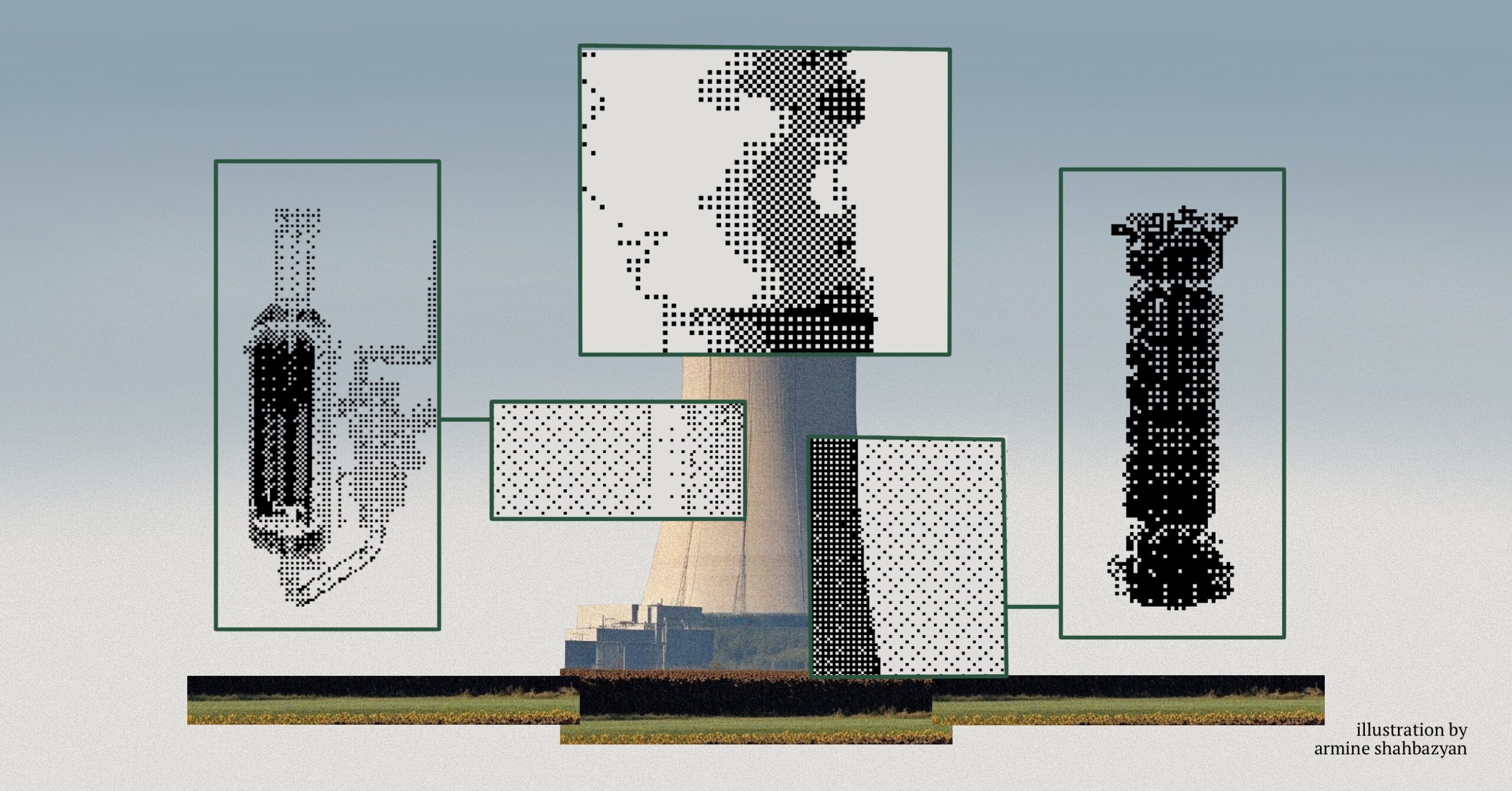
A series of recent announcements, from a major AI factory expansion to plans for a small modular nuclear reactor, suggest Armenia’s technology ambitions are moving beyond rhetoric. Together, they hint at an emerging strategy linking AI infrastructure, energy capacity and the country’s growing innovation ecosystem.
Columns

Year of the Whores
In this month’s Unleashed, Sheila Paylan challenges the double standards that celebrate women for a day but judge them the rest of the year, and makes the case for women to live boldly, freely, and unapologetically on their own terms.
Read more
…and She Waits
In a small Armenian town, women hold households together while men work abroad. Maria Gunko traces the unrecognized labor of waiting, remittances counted, calendars marked, tables set, and the endurance that sustains families across distance and absence.
Read more
Mikayel Ohanjanyan’s “Legami: Ties That Bind”
Armenian-Italian sculptor Mikayel Ohanjanyan presents five monumental marble works in Carrara that explore tension, fragility and interdependence. Bound by steel cables, the sculptures meditate on attachment, constraint and the precarious forces that hold human existence together.
Read more
Where Pashinyan Is Right, and Where He May Be Mistaken About Georgia
Speaking at the European Parliament, Armenian Prime Minister Nikol Pashinyan called for renewed political dialogue between Georgia and the EU. While the appeal underscores the importance of engagement, without concrete proposals it risks adding little to efforts to resolve Georgia’s prolonged political crisis.
Read moreLIFESTYLE
Contemplation
From rethinking what fun means for a new generation and the quiet lessons of turning 25, to the liberating pull of rave culture as a space for self-expression, and the enduring realities of water scarcity in the post-Soviet landscape, the articles in this month’s issue .