
Statecraft & Governance
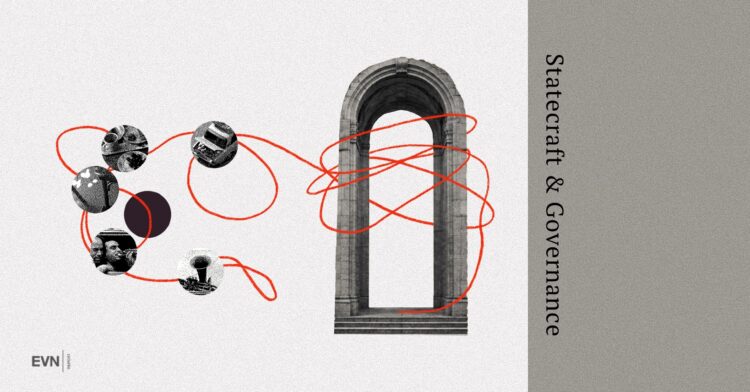
Post-Soviet cultural syndromes have reproduced a political culture in Armenia marked by benevolent nepotism, low institutional trust, disregard for the law and weak civic responsibility which has produced an unhealthy political culture, writes Nerses Kopalyan. He argues that reconciling Hayastantsi cultural norms with the demands of a modern state is essential to overcoming political underdevelopment.
State of Play
Opinion
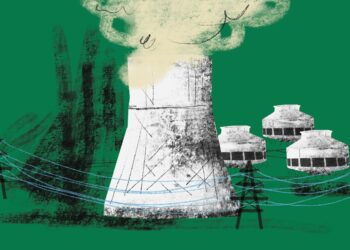
As Armenia weighs its next nuclear reactor, the debate is about more than Russian versus American technology. MIT nuclear physicist Areg Danagoulian argues that a 1,000 MW reactor may be too large for Armenia’s grid, and could create new strategic and economic vulnerabilities.
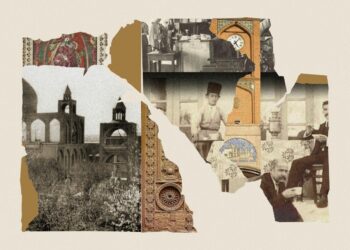
What if the Armenian Diaspora stopped asking what it can do for Armenia and began asking what it needs to become in its own right? Drawing on the history of New Julfa, Tigran Yegavian argues for a polycentric Armenian world in which Armenia and the Diaspora remain connected without one being subsumed by the other.
It Has to Be Said
Driving Like Crazy Doesn’t Make You a Hero
In this episode of It Has to Be Said, Maria Titizian examines Armenia’s dangerous driving culture and argues that road safety is about more than traffic laws and fines. With hundreds of people killed in road crashes every year, the problem is not simply a matter of reckless individual drivers, but of behaviors we have collectively normalized, and the responsibility we all share for changing them.
Columns

What does sovereignty mean when a state retains legal control over its territory but grants another entity exclusive rights to develop and operate it for decades? Examining TRIPP through international law, Davit Khachatryan explores the tension between sovereignty, control, economic interests and the long-term consequences of Armenia’s agreement.
After meeting a man in Artsakh who vowed never to leave, Sheila Paylan feared he had died when more than 100,000 Armenians fled Nagorno-Karabakh in 2023. Years later, a fallen wheat wreath makes her reconsider what it means to keep a promise, love a homeland and choose to survive.
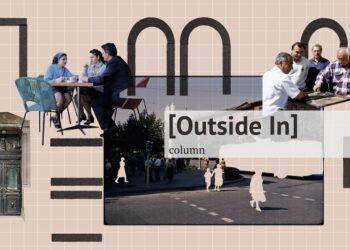
Yerevan is a city constantly rewriting itself, where familiar streets, cafes and faces can suddenly become strange. Maria Gunko reflects on memory, migration and loss, asking what makes a place remain itself when the people who remember its earlier versions have moved on.
Raw & Unfiltered
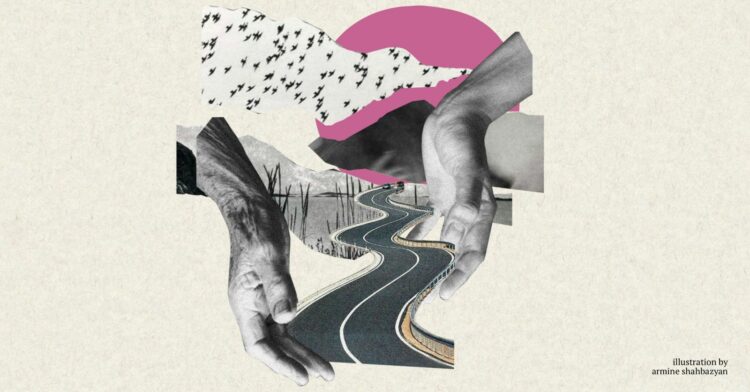
After losing its home and most of its patients during the 2023 displacement from Artsakh, the Lady Cox Rehabilitation Center is rebuilding in Armenia. Its work goes beyond rehabilitation, creating a community and support system for people with disabilities and their families scattered across the country.
Environment
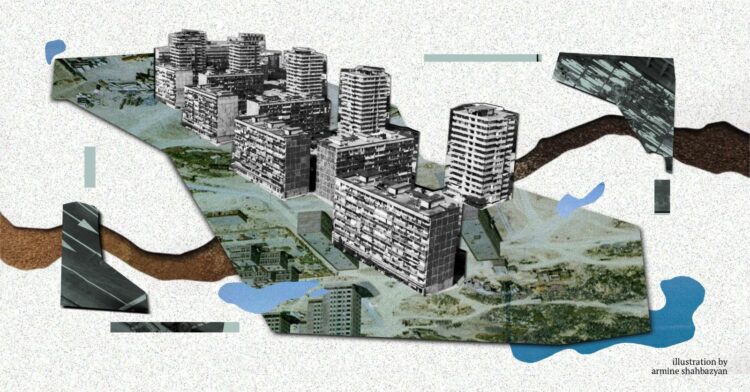
Yerevan’s rivers, springs and fountains have gradually disappeared from the city’s visible landscape. Through “Blue Yerevan”, a cultural research project examining the city’s water heritage, Elizaveta Zubiuk explores what was lost, what remains beneath the surface, and how making forgotten waterways visible can reshape the way we see the city.
Armenia is hosting COP17 while leaving key international environmental commitments unfinished. From transboundary water management and wastewater to pollution monitoring and transparency, Hranoush Dermoyan examines what ratifying these agreements could change and why implementation matters.
Armenia’s human-bear conflict is escalating, particularly in Vayots Dzor, where hundreds of incidents have been recorded in recent years. As bears lose natural food sources and grow accustomed to human settlements, experts warn that Armenia must act before a dangerous situation becomes a crisis.
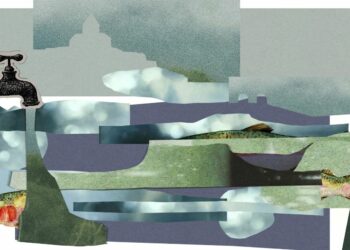
Lake Sevan is under growing ecological pressure from untreated wastewater, pollution and climate change. After years of stalled efforts, a major overhaul of wastewater collection and treatment could finally address one of its most pressing problems, but financing remains unresolved.
Creative Tech
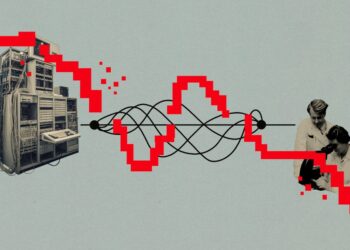
Armenia is investing more in science, technology and research, but the institutions and people needed to connect those investments remain underdeveloped. The result is a system of scientific oases without the infrastructure, talent and institutional links needed to turn them into sustained national capability. Lilit Margaryan explains.
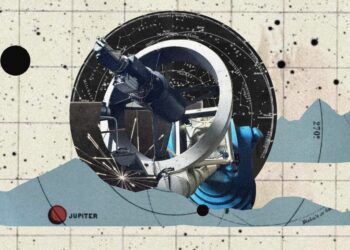
For 80 years, the Byurakan Astrophysical Observatory has helped put Armenia on the world’s astronomical map. Today, with dwindling funding, fewer scientists and aging equipment, it is finding new ways to preserve its scientific legacy and remain relevant.
LIFESTYLE
The Shape of Things
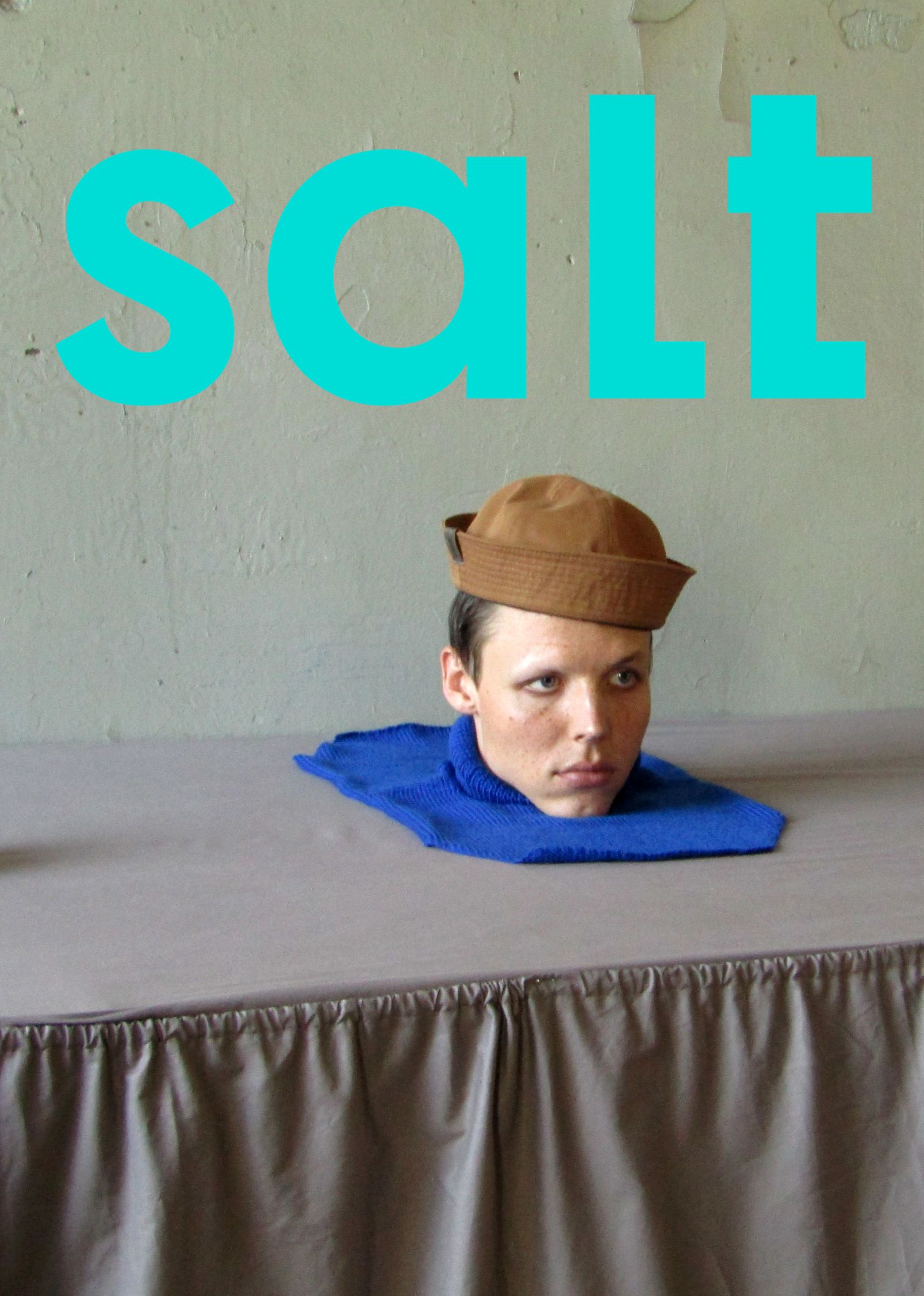
From fashion and interior design to exotic crops growing in unlikely places and the iconic Armenian nose, this issue of SALT explores innovation, change and new possibilities, the old mixed with the new, the past meeting the future, and ideas taking root, taking shape and taking off.