

Elections
EVN Report’s first of four Armenian Election Study polls ahead of the June 7, 2026 parliamentary elections offers a methodologically rigorous snapshot of voter preference, groundbreaking results on non-committed (undecided) voters and party performance, revealing cautious optimism on security and economy, and a competitive but incumbent-leaning race.
EVN Talks
Armenia’s Electoral Mood: What Our First Poll Reveals
What do nearly 37% of undecided voters mean for Armenia’s June 2026 elections? Dr. Rafael Oganesyan and Dr. Nerses Kopalyan, the social scientists behind the Armenian Election Study, break down new data on voter intention, the non-committed electorate, public perceptions of security and the economy, and how these forces are shaping the parliamentary race.
Read morePolitics
Strategic Partnerships in Motion: J.D. Vance in Armenia and Azerbaijan
J.D. Vance’s visit to Armenia and Azerbaijan signaled a deeper U.S. role in the South Caucasus, with new defense and nuclear agreements, AI cooperation and TRIPP connectivity. The parallel tracks pursued in both capitals raise important questions about balance, leverage and the future architecture of peace in the region. Sossi Tatikian explains.
Read more
On Armenia’s Southern Frontier
Syunik occupies a critical place in Armenia’s security and development calculus. The EU’s Resilient Syunik initiative represents one of the largest coordinated Western-funded regional programs in the country, combining infrastructure upgrades, economic support and governance reform.
Read moreOpinion
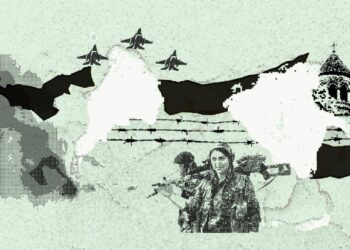
The Struggle for Northeast Syria’s Future
Syria’s January 2026 offensive against Rojava threatens a decade of decentralized, pluralistic governance in northeast Syria. Among those at risk are Islamized Armenians, whose hard-won political and cultural gains illustrate the fragility of local autonomy under centralization.
Read more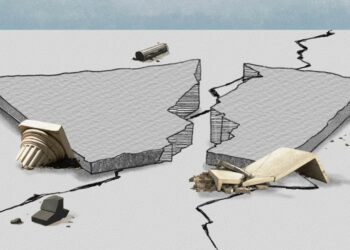
From Smyrna to Stepanakert: How National Defeats Reshape States
Focusing on legitimacy, refugees, national memory and whether trauma becomes paralysis or a catalyst for reinvention, Tigran Yegavian presents a comparative analysis of how catastrophic defeat reshapes states, examining Greece after the 1922 Asia Minor Catastrophe and Armenia after the loss of Artsakh.
Read moreState of Play
With Maria Titizian and Nerses Kopalyan
U.S. Vice President J.D. Vance’s upcoming visit to the South Caucasus, Washington’s evolving engagement, and what the TRIPP framework could mean for Armenia and the wider region are at the center of the first episode of “State of Play”, featuring EVN Report editor Maria Titizian in conversation with political scientist Nerses Kopalyan.
It Has to Be Said
The regional order in the South Caucasus is shifting. U.S. Vice President J.D. Vance’s back-to-back visits to Yerevan and Baku, following the Washington Accords and the launch of TRIPP, signal a new phase of U.S. engagement in the region. Major defense, nuclear and technology agreements are reshaping strategic calculations.
But peace cannot be built on imbalance. Nearly five years after Azerbaijani forces crossed into internationally recognized Armenian territory, key issues remain unresolved: occupation, detainees and the absence of an unequivocal recognition of Armenia’s territorial integrity. In this episode, Maria Titizian breaks down what the new U.S. role means, and what still stands in the way of durable peace.
Raw & Unfiltered

Nearly half a century later, Ararat-73 still looms large in Armenia’s collective memory. More than a football triumph, the team embodied national pride under “apricot socialism,” blending Soviet structure with Armenian identity and leaving behind a legacy that continues to shape nostalgia, culture and belonging.
Arts & Culture
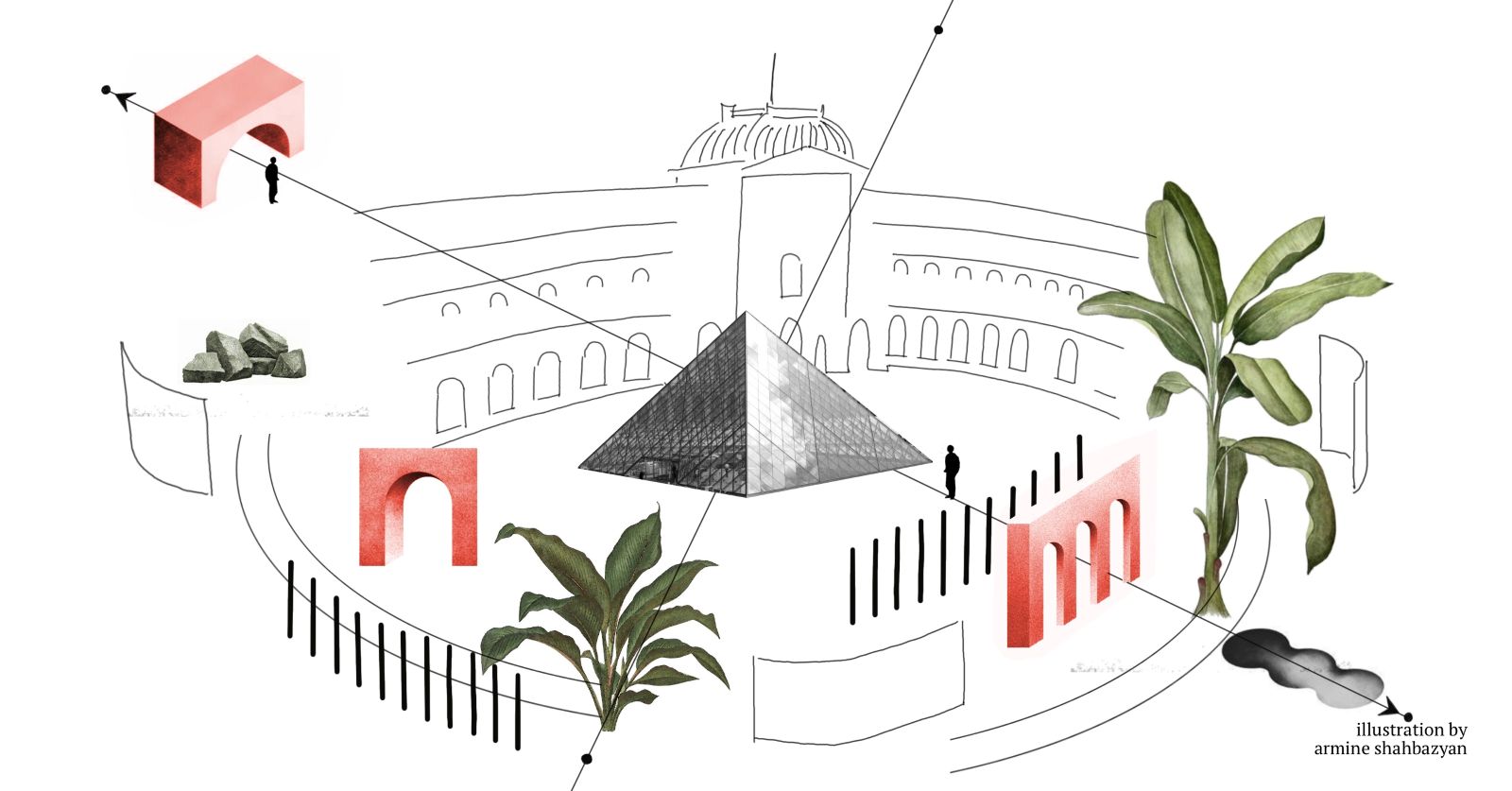
Tracing how power reshapes cities, Heghine Pilosyan’s essay moves from Paris to Yerevan to show how architecture, land and urban form have served as instruments of authority, across monarchy, socialism and post-Soviet capitalism, revealing striking continuities beneath shifting ideologies.
Et Cetera

Reflecting on the 2025 film year, Sona Karapoghosyan traces how global cinema engages with gender, grief, revenge, and political catastrophe, from Gaza to migration, while questioning trends, festival politics and what films reveal about the world we live in.
Law & Society
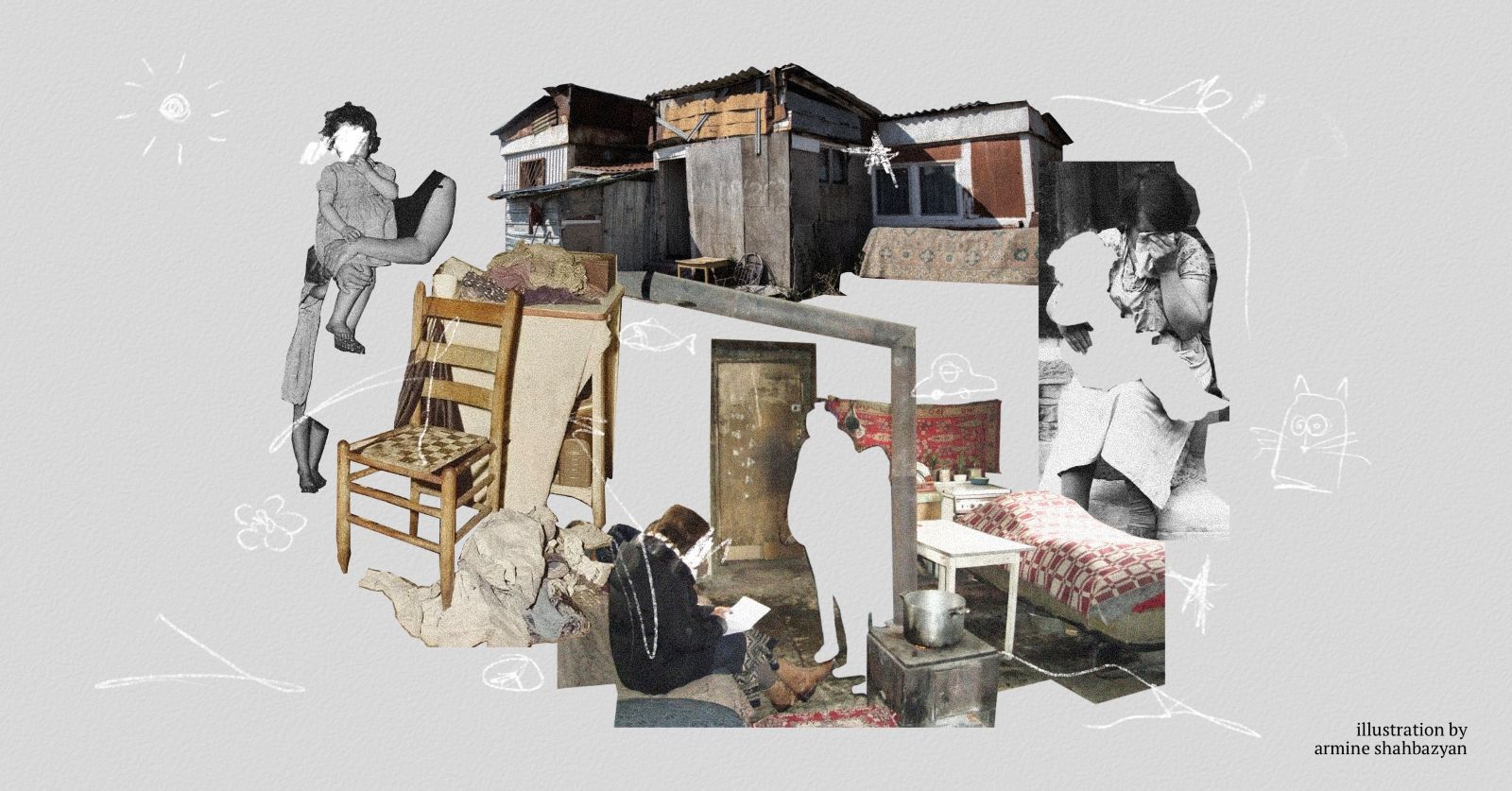
An in-depth look at Armenia’s shift from institutional child care to family-based welfare explores the roles of poverty, disability, stigma and law. Tigran Melikian examines recent positive reforms, remaining gaps and what it will take to ensure every child grows up in a family.
Creative Tech

A Cold Room, a Hot Field: YSU’s Supercomputer and Armenia’s AI Ambitions
At Yerevan State University, a new supercomputing center powered by 64 NVIDIA H100 GPUs is transforming Armenia’s AI research landscape. Backed by major public investment, the facility lifts long-standing computational limits, enabling advanced machine learning, cross-disciplinary collaboration and stronger global scientific partnerships.
Read more
Armenian Women in Tech Lead on Their Own Terms
In Armenia’s tech sector, women founders are redefining leadership while navigating motherhood, bias and limited representation. Through resilience, education and visibility, they are building successful companies, and in the process reshaping what the “ideal founder” looks like.
Read moreColumns

Lent, But Fabulous
A personal, witty reflection on Great Lent, reframed not as joyless deprivation but as disciplined transformation. Blending faith, self-control and modern life, Sheila Paylan explores how fasting, intention and style can coexist.
Read more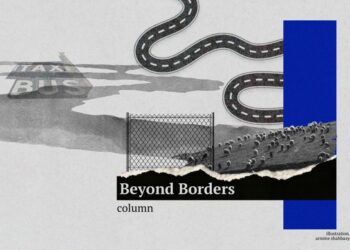
The Other Side of the Border
Conversations about reopening the Armenian-Turkish border tend to focus on trade routes, transit corridors and regional stability. Yet a border is not only a channel for goods. It is also a line between people, who have lived for decades within sight of one another without ever meeting.
Read more
Osheen Harruthoonyan: Transforming the Quotidian, One Photograph at a Time
Canadian Armenian photographer Osheen Harruthoonyan transforms everyday subjects through experimental darkroom techniques. Blending science, memory, and diasporic identity, his layered images blur the line between documentation and art, turning the familiar into something uncanny and emotionally resonant.
Read moreLIFESTYLE
Transitions
February’s SALT issue explores the quiet and defiant shifts reshaping Armenian society, from gendered double standards around smoking and young women living independently, to reclaiming St. Sargis in the age of Valentine’s Day. With a profile featuring Armenian-American writer and illustrator Nonny Hogrogian and a photo story about women footballers breaking barriers, this issue is all about transitions.