The humanitarian crisis in Artsakh (Nagorno-Karabakh) has reached a tipping point. For almost nine months, the Lachin Corridor has been under a blockade and since June, delivery of humanitarian aid by the International Committee of the Red Cross (ICRC) and Russian peacekeepers, has also been blocked by Azerbaijan. Live updates from the month of September as the siege of Artsakh continues.
Russia is not simply abdicating its responsibilities towards Armenia; it is directly working against Armenia’s interests by aligning with Azerbaijan to strengthen the Russo-Azerbaijani axis and methodically discredit official Yerevan.
The images coming out of Stepanakert depict the terrifying spectacle of a population starving, thirsty, harassed and terrorized, while the world seems to look on with almost complete indifference. What could be the worst-case scenario, and to what extent will those involved respond?
A young woman’s story of discovery, memory, loss and pain about a war that ripped apart the nation, but who comes to the realization that while Karabakh may have died on the battlefield, Artsakh, despite it all, is still alive.
Self-pity and victimhood have served as comfortable escape routes from pervasive issues, however, in the current post-war reality there are clear signs that there is a desire to address the fault lines, to understand and rethink the reasons behind past failures, to stop and reflect.
In EVN Report’s news roundup for the week of August 25, 2023: Baku refuses to repatriate the body of a young woman to Artsakh who was killed in a car crash in Armenia; an Armenian serviceman is shot dead by Azerbaijan on Armenian territory; Azerbaijani president snubs Belgium’s Foreign Affairs Minister for her “pro-Armenian stance”; Yerevan City Election Campaign kicks off and more.
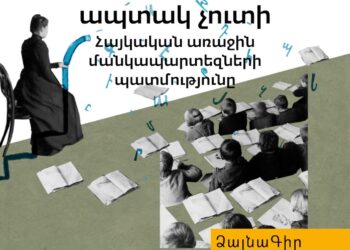
In the 19th century, Armenian women began dismantling stereotypes about them that were being published in the Armenian press of Tbilisi. Sofya Bayanduryants, founder of the first Armenian kindergartens, was among them.
A recent exhibition “The Guises of the Nude: Perceptions of Nudity in Armenian Graphic Arts” provided a powerful opportunity to challenge prevailing meta-narratives and foster a self-reflective dialogue that can contribute to the broader project of decolonization and social transformation.
Բայց և սակայն, այնուամենայնիվ… 2000-ականների սկզբից ի վեր, Երևանի անվերջ պաշարված ճարտարապետական ժառանգությունն ու հանրային ենթակառուցվածքներն առիթ հանդիսացան ինքնաբուխ, ապա կազմակերպված քաղաքացիական շարժումների ու գործողությունների առաջացմանը։ Դրանց քաղաքական նշանակությունն ու ներազդեցությունն ակնբախ դարձավ 2018 թվականի հեղափոխության արդյունքում։ 2020-ի Արցախյան պատերազմից հետո, սակայն, քաղաքացիական շարժումների ներուժն ու թափը թվում է գրեթե սպառված։ Այնուամենայնիվ, Երևանի քաղաքապետի ընտրություններին ընդառաջ և գերիշխող կուսակցական համակարգի պարունակում առավել քան կարևոր է թվում քաղաքացիական ուժերի վերակտիվացումը և մասնակցությունը թե՛ քաղաքային ժառանգության ու միջավայրի պահպանման, թե՛ քաղաքական օրակարգը ձևակերպելու գործընթացներում։ Դրա հնարավորությունների և առկա վիճակի հիմնախնդիրների մասին զրուցում ենք Երևանի ժառանգության պաշտպանության կոմիտեի անդամ Իզաբելա Սարգսյանի հետ։