
It Has to Be Said
“It Has to Be Said”, a new series on EVN Report by Editor-in-chief Maria Titizian, unpacks complex issues that shape Armenia’s political, social and economic realities in short, sharp, and contextual explainers designed to help viewers understand not just what is happening, but why it matters.
Energy Independence
Maria Titizian explores one of Armenia’s most pressing challenges: energy independence. What does it really mean for a small, landlocked country surrounded by closed borders and geopolitical uncertainty? Can Armenia reduce its dependence on Russia, strengthen its renewable energy sector, and secure its future in an increasingly unstable region?
Universal Healthcare
Maria Titizian examines one of Armenia’s most urgent and deeply personal challenges: access to dignified, affordable healthcare. Why are so many Armenians pushed into poverty by medical costs? And with the government pushing to introduce universal health coverage by 2026, can Armenia’s institutions handle such a complex reform, or will the system collapse under its own weight?
Politics
Armenia’s Murky Surveillance Landscape: When Privacy Becomes Politics
Armenia’s political landscape has been shaken by leaked recordings, questionable surveillance, and criminal cases built on audio, sometimes of unknown origin. Hranoush Dermoyan examines the murky intersection of privacy, power and politics, revealing how wiretapping has become a tool of influence and pressure.
Read more
A Viral Scandal and the Line Between Privacy and Public Interest
What are the legal and ethical boundaries between privacy and public interest in democratic societies? Using the recent leaked video involving a senior Armenian cleric as context, Anoush Begoyan outlines established principles that distinguish legitimate scrutiny from voyeurism and scandal.
Read more
Building the Architecture of Cybersecurity: Armenia’s Institutional Turn
Armenia has lagged in global cybersecurity rankings, but new institutions, a comprehensive Cybersecurity Law, and alignment with EU standards signal a turning point. Albert Nerzetyan examines the country’s emerging governance framework, its structural advantages, and the challenges ahead in implementation.
Read more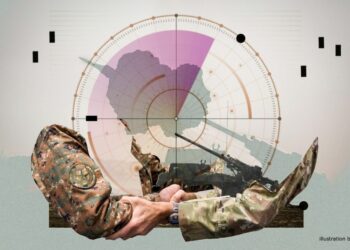
France–Armenia Defense Partnership: From Symbolic Solidarity to Support for Sovereignty
France’s defense cooperation with Armenia marks a decisive shift in its policy toward the EU’s eastern periphery. Moving from symbolism to substance, Paris now helps Yerevan build deterrence and resilience, reshaping how sovereignty and stability interact in the South Caucasus. Sossi Tatikyan explains.
Read moreOpinion

Notes From Armenian Street: Lessons on How Moldova Defeated Russia’s Hybrid War
Moldova’s quiet resilience tells a story of survival. Political analyst Mikayel Zolyan traces how this small nation confronted Russian hybrid warfare, reclaimed its democratic voice, and reflects on what its hard-won lessons might mean for Armenia’s struggle against disinformation and dependence.
Read more
How Small Powers Turn Vulnerability Into Strength
At a time when multilateralism is faltering and power politics dominate international relations, micro-states and small powers can still exist, assert themselves on the world stage, and turn vulnerability into strength—becoming indispensable to others.
Read moreRaw & Unfiltered
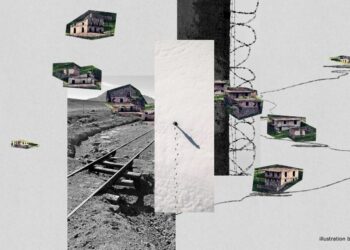
Mixed Feelings in Shirak About Reopening Armenia–Turkey Border
Residents of Shirak’s border villages view the possible reopening of the Armenia–Turkey border and the Kars–Gyumri railway with a mix of hope, skepticism and deep historical unease. Catherine Odom’s report from Shirak.
Read more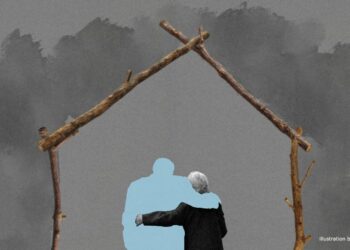
The War, Before the Peace
The lack of fear and love for the land in defiance of the Azerbaijani presence nearby is what many Armenians say keeps them in their border villages. Sandra Sadek spent several days in Armenia’s Syunik region this past summer. This is her dispatch.
Read more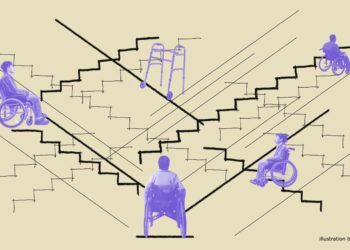
Waiting for a Ride That Never Comes
In Armenia, people with mobility disabilities face daily barriers not only in accessing care but in simply getting around. And even as attitudes toward disability have changed, the lack of accessible transport keeps people on the margins. Lori Youmshajekian reports.
Read more
When Tradition Isn’t Enough: New Approaches to Parenting in Armenia
As young parents confront sleepless nights and conflicting advice, many are turning from tradition to science-based parenting. Through sleep consultants and Armenia’s first Parenting School, some families are redefining child-rearing with modern tools, research and empathy.
Read more
Creative Tech
The Quiet Strategy Driving Global Wins for Armenian Startups
Armenian startups rarely win abroad through formal “global expansion” plans. Instead, founders reveal the quiet force that actually opens doors, from Netflix to P&G: the informal, trust-based networks of the Armenian diaspora, where shared identity becomes a powerful competitive edge.
Read more
When Technology Meets Health
From AI-powered diagnostics to digital therapy, Armenia’s emerging health-tech scene is redefining how we think about wellness. Mane Mkhitaryan spotlights Armenian-led startups bridging technology and healthcare to make expert care, better sleep, and mental resilience more accessible.
Read moreColumns

Tentative Gestures of Peace
Three months after the Washington accords, Armenia and Azerbaijan are cautiously signaling steps toward peace. The gestures are encouraging, but lasting progress depends on concrete actions that convince people in both countries that peace is possible, and the conflict belongs to the past.
Read more
Respect the Pause
Reflecting on her struggle with impatience and the hard-earned art of restraint, Sheila Paylan writes with humor and honesty about how learning to pause before reacting, speaking, or judging can become an act of power, healing and grace.
Read morePodcasts
Preparing Armenia’s Health Professionals for Leadership
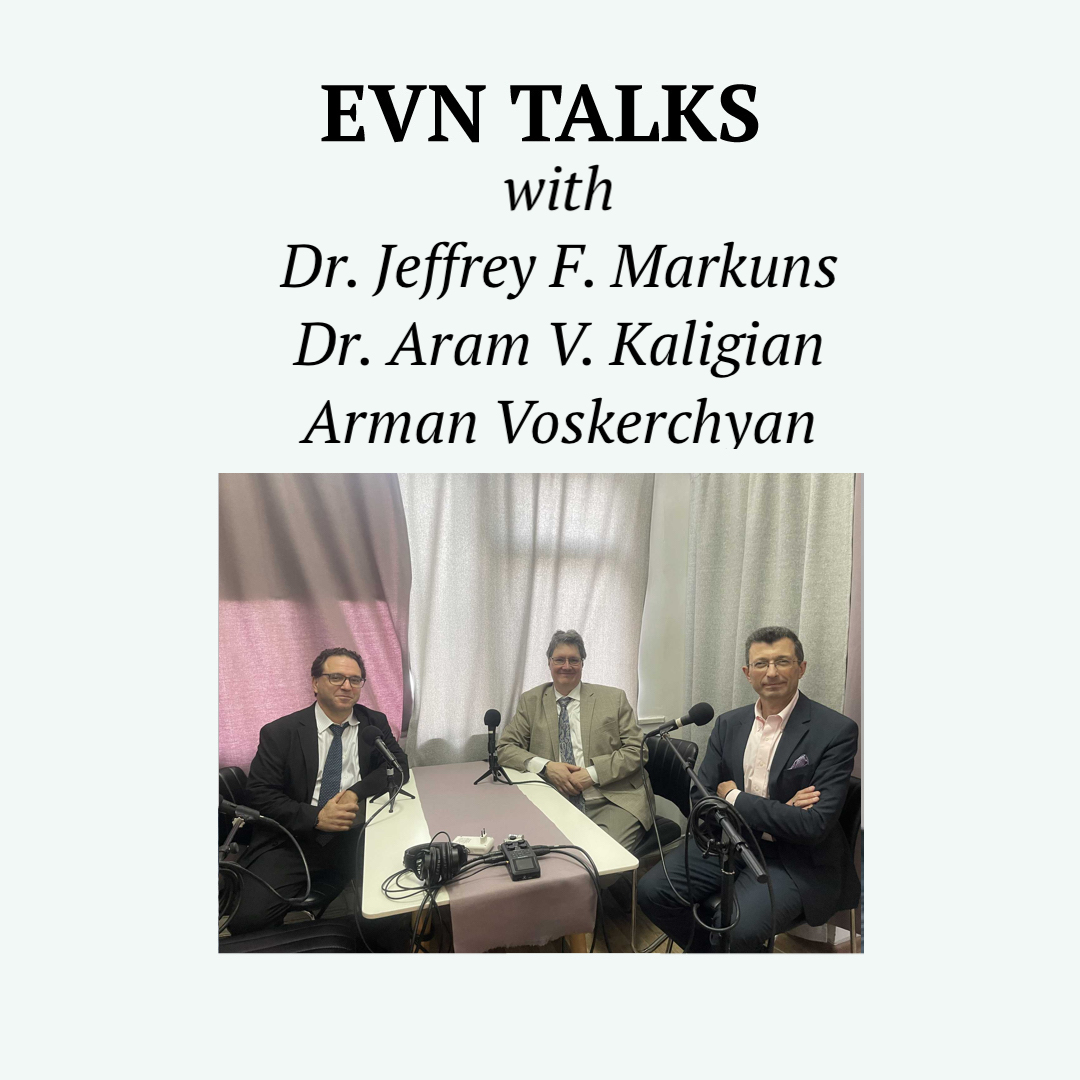
A joint initiative of Boston University and the HENAR Foundation, the Master’s Program in Health Professions Education (MSHPE) aims to develop a sustainable network of local medical educators who will lead curriculum reform, faculty training, and modern teaching practices across the country. EVN Report spoke to Dr. Jeffrey F. Markuns, Founding Director of Health Professions Education programs at Boston University, Dr. Aram V. Kaligian, Director, BU–Armenia Medical Partnership Program and Arman Voskerchyan, Co-founder of HENAR Foundation about the process of identifying needs and offering solutions.

The Shutter That Stayed Open for 26 Years
When the lens becomes more than a tool that captures a moment, when it becomes a way of listening, communicating and connecting, those moments add up and human stories start weaving history. For 26 years, photographer Winslow Martin has been capturing Armenia through a deeper gaze. His “Love Letter to Armenia” is a multimedia performance that invites documentary photography onto the stage as a live confession of times past and an intimate narration of one photographer’s ongoing journey to a country and connection with its people.
LIFESTYLE
Change
The November issue of SALT explores the parts of life in Yerevan that often go unnoticed but quietly shape our days: from the city’s increasingly chaotic rental market and the struggles of those living with celiac disease, to caring for our bodies in the age of Google and wandering a neighborhood layered with memories that refuse to fade, to reshaping public and retail design from Yerevan to Milan.