
EVN Security Report
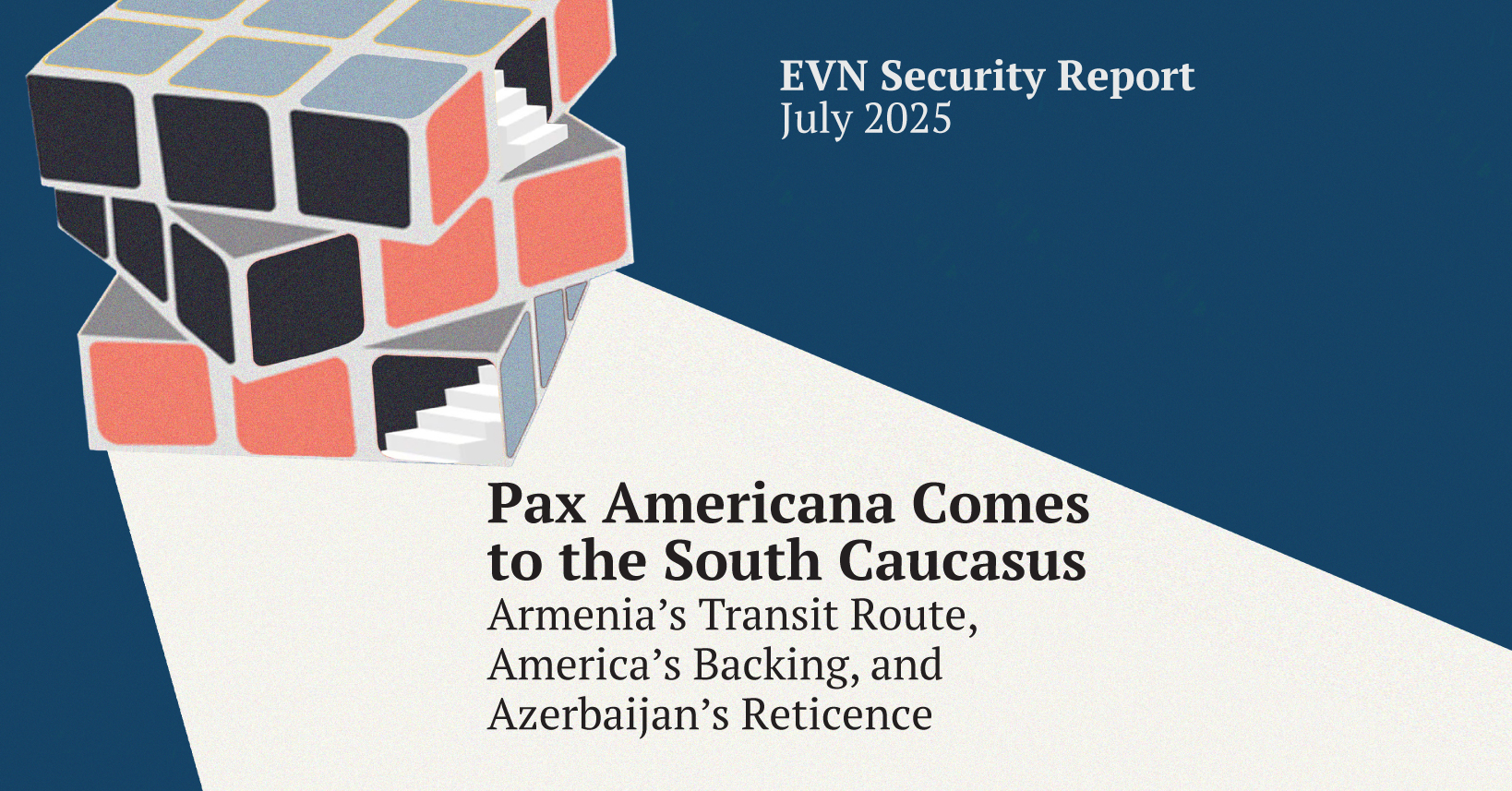
Pax Americana Comes to the South Caucasus
Amid U.S.-brokered diplomacy, Armenia and Azerbaijan agree to the TRIPP transit route through Syunik, securing Armenian sovereignty while advancing normalization. The Washington Summit cements America’s growing role in reshaping interconnectivity and trade in the South Caucasus, while limiting Baku’s capacity for renewed aggression, writes Nerses Kopalyan.

Examining the Context: Pax Americana Comes to the South Caucasus
On August 8, the leaders of Armenia, Azerbaijan, and the United States signed landmark agreements in Washington aimed at closing a chapter on decades of conflict and paving the way for normalization, economic connectivity and stability. Nerses Kopalyan joins us to explore how these accords came to be, the challenges and concerns they face, and the opportunities they present for the region’s future.
Politics

India-Pakistan Escalation, Nuclear Deterrence and Armenia’s Defense Outlook
The India–Pakistan escalation underscores the power and limits of nuclear deterrence, reveals shifting regional alliances involving Turkey, Azerbaijan, and Pakistan, and highlights implications for Armenia’s security posture, including the role of Indian weapons systems in its evolving defense strategy.
Read more
Armenia’s Perpetual Search for a Fitting Constitution
In this in-depth piece, Hovhannes Nazaretyan chronicles Armenia’s constitutional history since independence, outlining the country’s three constitutional referendums to date and detailing the current process of drafting a new Constitution.
Read more
Conditioning Peace on Constitutional Change: Impact on Armenia’s Sovereignty and Identity
Azerbaijan’s demand that Armenia amend its Constitution as a condition for peace raises serious concerns over sovereignty, governance, and national identity. Sossi Tatikyan explores the strategic, legal, and symbolic implications of constitutional change under external pressure and asymmetric diplomacy.
Read more
Russia’s Election Interference Playbook
As Armenia prepares for parliamentary elections in 2026, early signs show intensified Russian interest and possible interference. What can Yerevan learn from the experiences of Moldova and Romania? Sandra Sadek explains.
Read moreOpinion

New Coalitions for a Dying World
Reflecting on the fall of Artsakh and the genocide in Gaza, Karena Avedissian calls on Armenians to reject isolationism and build principled solidarity with Palestinians and other oppressed peoples facing state violence, colonialism and global impunity.
Read more
Aliyev’s Endgame: Holding Peace Hostage
Despite agreeing to the text of a peace treaty in March, Azerbaijani President Ilham Aliyev refuses to sign, escalating demands while promoting expansionist ideology and intensifying militarization in a calculated strategy to avoid reconciliation and prolong regional instability for political gain.
Read more
How U.S. Involvement in the Iran-Israel War Can Impact Armenia
If the Iran-Israel conflict intensifies with further U.S. involvement, Armenia faces mounting security, economic and diplomatic risks. This analysis explores how regional instability, energy disruptions, and great-power pressures are reshaping Armenia’s strategic landscape and testing its delicate foreign policy balance.
Read moreRaw & Unfiltered

The Silence That Followed the Sirens: Iranian-Armenians and the 12-Day War
When Israeli and U.S. airstrikes hit Iran, Armenians in both Tehran and Yerevan were thrust into fear and uncertainty. Gibran Caroline Boyce follows one family’s experience, revealing how war reverberates across borders, communities and generations.
Read more
“Ges-ges”, Half-Hidden, Half-Lost: Talking About Hamshen Armenians Without Labels
Centuries of forced migration, conversion and marginalization have shaped the unique identity of Hamshen Armenians. Öndercan Muti explores their complex history and evolving identity and invites reflection on preservation, memory and belonging.
Read more
Why Armenian Children Eat So Much Sugar
Candy, cake and “kompot” are staples of childhood in Armenia, not only because they taste good, but because they’re inseparable from cultural ways of showing love. The love of sweets, however, will soon force a rethinking of tradition.
Read moreCreative Tech
Armenia and Innovation: Time to Challenge the Stereotypes
Outdated assumptions, from equating innovation with cutting-edge scientific breakthroughs to glorifying Armenia’s Soviet-era academic legacy, continue to shape misguided strategies. Ani Toroyan unpacks five such narratives, urging a more pragmatic, ecosystem-aware approach that reflects Armenia’s current realities and development potential.
Read more
Bringing AI Home: What a $500M Data Center Could Mean for Armenia
A landmark $500M AI data center backed by NVIDIA, Firebird and the Armenian government is set to launch in Armenia. This in-depth look by Ani Toroyan unpacks what it could mean for the country’s tech ecosystem, energy infrastructure, and future as a regional hub for AI innovation.
Read more
Tech Diplomacy: Reshaping Global Power Dynamics?
As tech giants reshape global power dynamics, countries are adopting “tech diplomacy” to stay relevant. From Denmark’s Silicon Valley ambassador to Armenia’s quiet innovation strategy, Anahit Budaghyan explores how tech diplomacy is becoming a transformative trend.
Read moreEconomy

From Surge to Stability: Armenia’s Economic Snapshot
Podcasts

The U.S. Proposal, Sovereignty, and the State of Play
A U.S. proposal to lease a transit route through Armenian territory to connect Azerbaijan with Nakhichevan has sparked debate over sovereignty, security and regional power dynamics. Dr. Nerses Kopalyan offers expert insight into the implications and possible outcomes.
Read more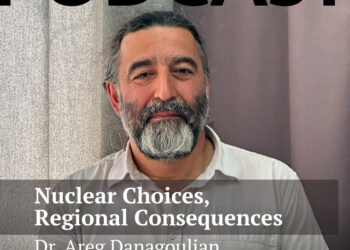
Nuclear Choices, Regional Consequences
MIT nuclear physicist Dr. Areg Danagoulian analyzes Iran's nuclear weapons program following recent Israeli strikes, assessing regional security implications for Armenia. The conversation explores Armenia's nuclear energy future, the need for small reactors to replace aging infrastructure, and challenges in developing nuclear engineering expertise domestically.
Read more
Up Close & Personal with Artur Papyan
Artur Papyan, Director of MDI Armenia and Co-founder of CyberHUB-AM, opens up about his childhood in Gyumri, his journey through international study, his lifelong passion for tech and gadgets, and candidly shares his thoughts on Armenia’s evolving media landscape, including his favorite football team, in this episode of Up Close & Personal with EVN Report’s Maria Titizian.
Read moreColumns



The Art Factory: Armenia’s Answer to Andy Warhol
LIFESTYLE
The July issue of SALT is a sensory journey through Armenia’s summer landscape — from foraging wild herbal teas i to the weird and wonderful world of Yerevan’s Qrchi Bazaar. We explore the rise of horror writing, visit a museum of strange analogies, and spotlight an artist whose work defies convention. This month, eclecticism is our mood.