

Statecraft & Governance
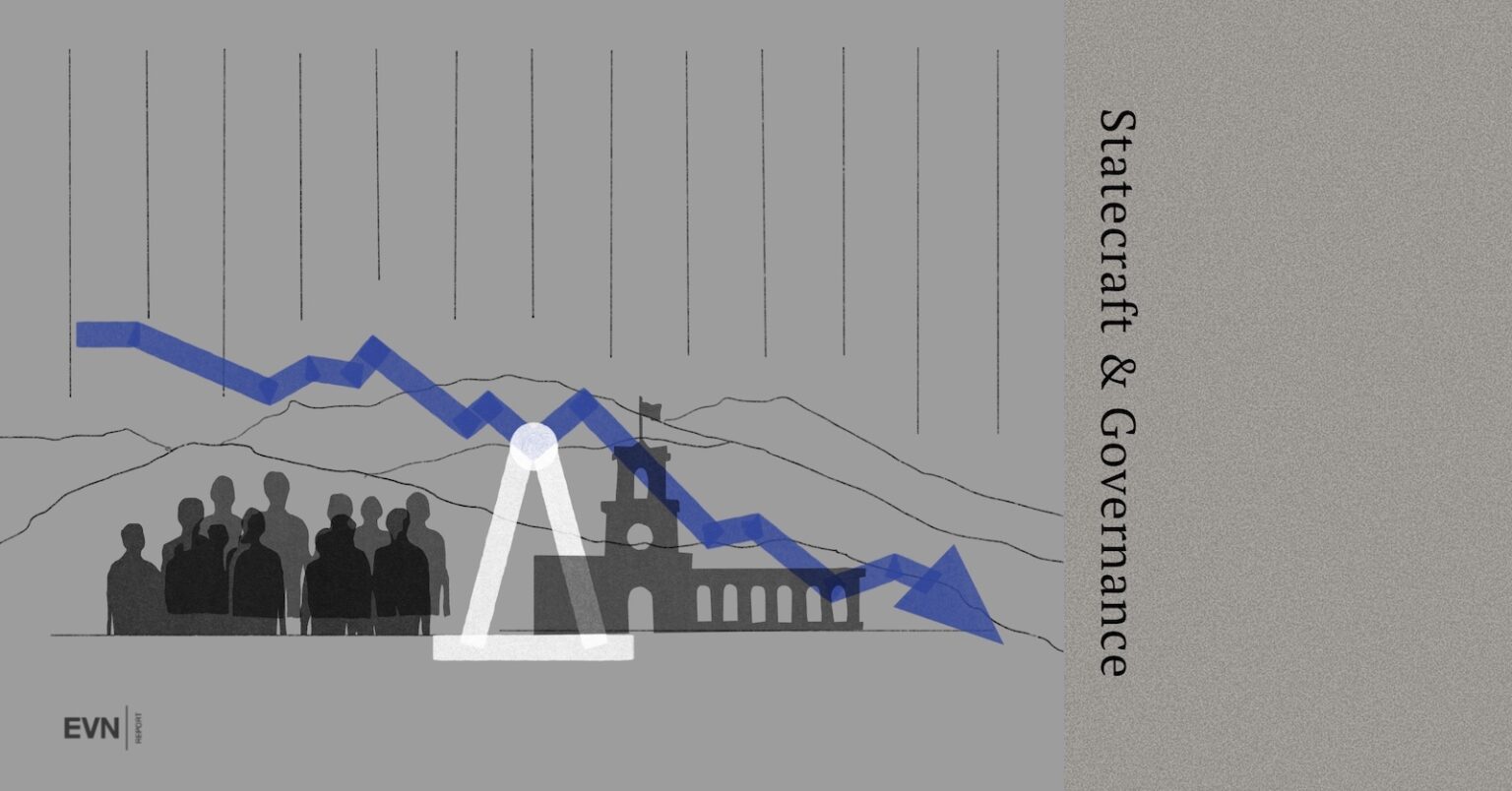
Armenia’s 2026 parliamentary vote confirmed the incumbent’s victory, but it also revealed the growing effects of the “cost of ruling,” an emerging anti-incumbent electorate, and a more sophisticated voting public. Nerses Kopalyan dissects the data behind the country’s evolving political landscape.
State of Play
With Nerses Kopalyan and Maria Titizian
One month after Armenia’s 2026 parliamentary elections, what do the results of the vote reveal about the country’s evolving political landscape? Has Armenia entered a new phase of democratic development? What does the “cost of ruling” mean and why does a decline in support for the governing Civil Contract party not necessarily signal democratic decline?
Politics
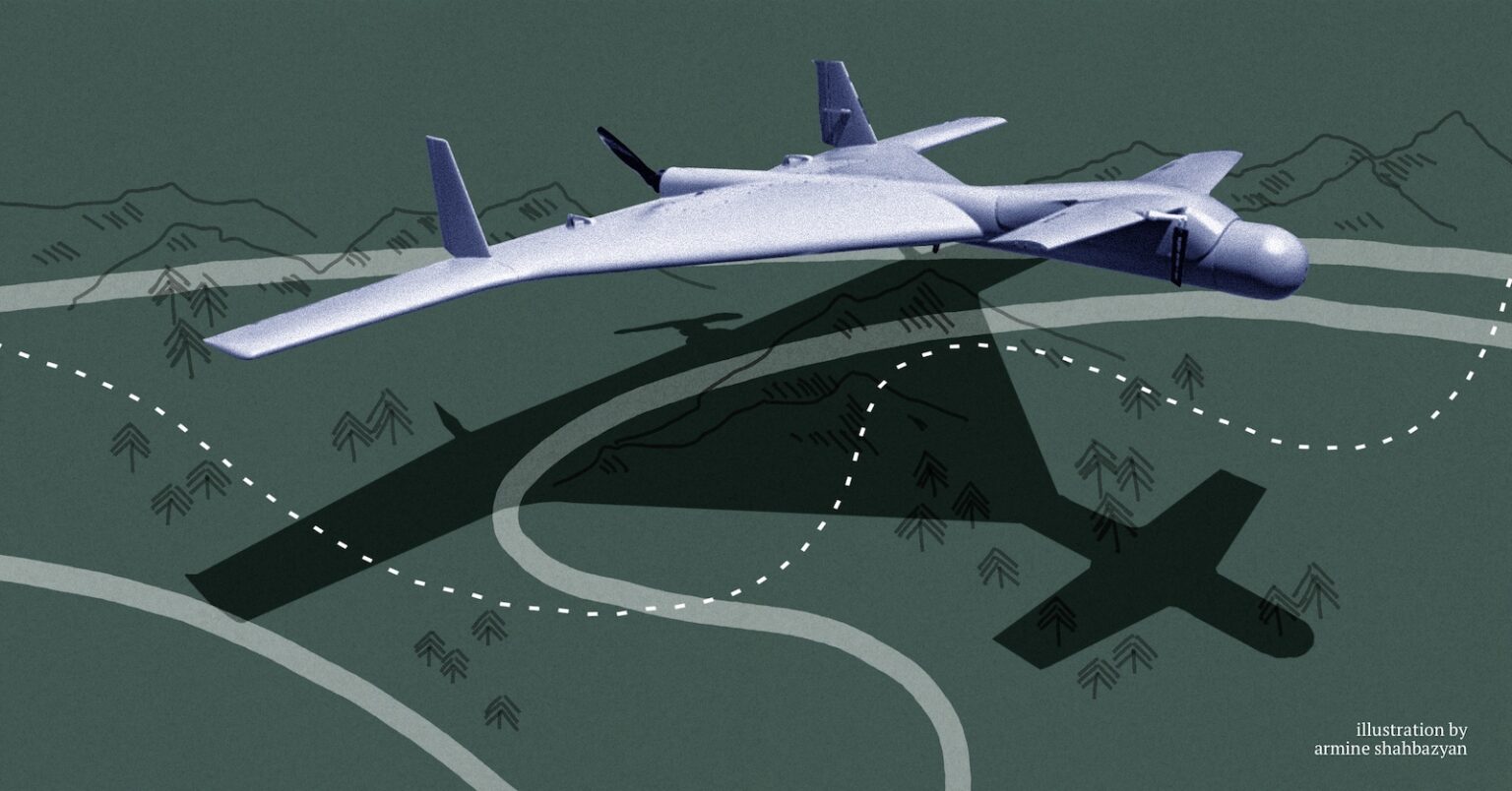
Nearly six years after the Second Nagorno-Karabakh War exposed Armenia’s vulnerability to drone warfare, the country’s military has unveiled a dramatically expanded UAV fleet. Hovhannes Nazaretyan examines how Armenia got here, and whether new capabilities can translate into real battlefield effectiveness.
After Defeat: Lessons From Marc Bloch
What can a French historian's account of his country's collapse in 1940 reveal about Armenia after the 2020 war? Taline Papazian revisits Marc Bloch's “Strange Defeat” to examine leadership, society, resistance and the difficult work of national self-reflection and rebuilding.
Read more
Beyond Symbolism: Israel, the Armenian Genocide and Gaza
Israel's move to recognize the Armenian Genocide is neither a legal judgment nor a purely moral act. As Israel faces genocide allegations over Gaza, the decision raises difficult questions about law, politics, memory and the consistency of state recognition. Davit Khachatryan examines what that recognition can, and cannot, accomplish under international law, and why Israel's decision carries both legal and political significance.
Read more
Why Azerbaijan Still Shapes Armenia-Turkey Normalization
Five years into the latest normalization process, Armenia and Turkey have expanded dialogue and technical cooperation, yet the border remains closed. Hranoush Dermoyan examines why Azerbaijan continues to shape Ankara's policy, and how Turkey's domestic politics and economic interests complicate normalization.
Read moreOpinion

Power to the Public
Armenia's takeover of Electric Networks of Armenia is about more than ownership. Drawing on international examples, André Vartan-Boghossian examines what makes an electricity system resilient, competitive and accountable, and why public control of critical infrastructure may strengthen both sovereignty and democracy.
Read more
Syria and the Levant’s New Fault Lines
Syria has returned to the center of regional diplomacy, emerging as a testing ground for a new balance of power. As Turkey, Israel and other actors compete to shape the post-Assad order, the consequences of this shifting regional architecture extend beyond the Levant to the South Caucasus.
Read moreIt Has to Be Said
In this episode of “It Has to Be Said”, Maria Titizian examines one of the Armenian public’s longest-standing expectations since the 2018 Velvet Revolution: meaningful judicial reform. While successive governments have acknowledged the shortcomings of the justice system and promised change, the deeper structural problems continue to undermine public trust and confidence.
In this episode of “It Has to Be Said”, Maria Titizian examines the issue of non-combat deaths in Armenia’s Armed Forces. While every military experiences such tragedies, the real question is whether they are treated as unavoidable or as preventable failures that demand accountability, institutional reform and meaningful change. As Armenia rebuilds its military in the aftermath of war and the loss of Artsakh, strengthening the institution is about far more than acquiring new weapons; it also requires transparency, oversight and a commitment to protecting the lives of those who serve.
Raw & Unfiltered
Women, Mining and the Unpaid Labor of Reproduction
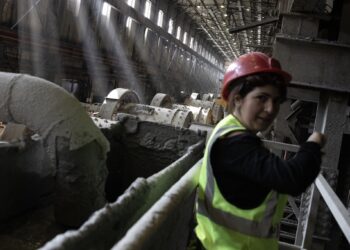
Women are increasingly visible in Armenia’s mining industry, but employment does not necessarily mean equality. In Kajaran, Gayane Ghazaryan explores how women navigate hazardous work, limited economic alternatives and the unpaid domestic labor that begins when their shifts end.
Read more
Traveling With a Lost Homeland
What does travel mean when you can’t return to the one place you most long for? Journeying through Morocco, Siranush Sargsyan finds traces of her lost homeland, Artsakh, in unfamiliar landscapes, traditions and people, revealing how displacement transforms the experience of elsewhere.
Read moreArts & Culture
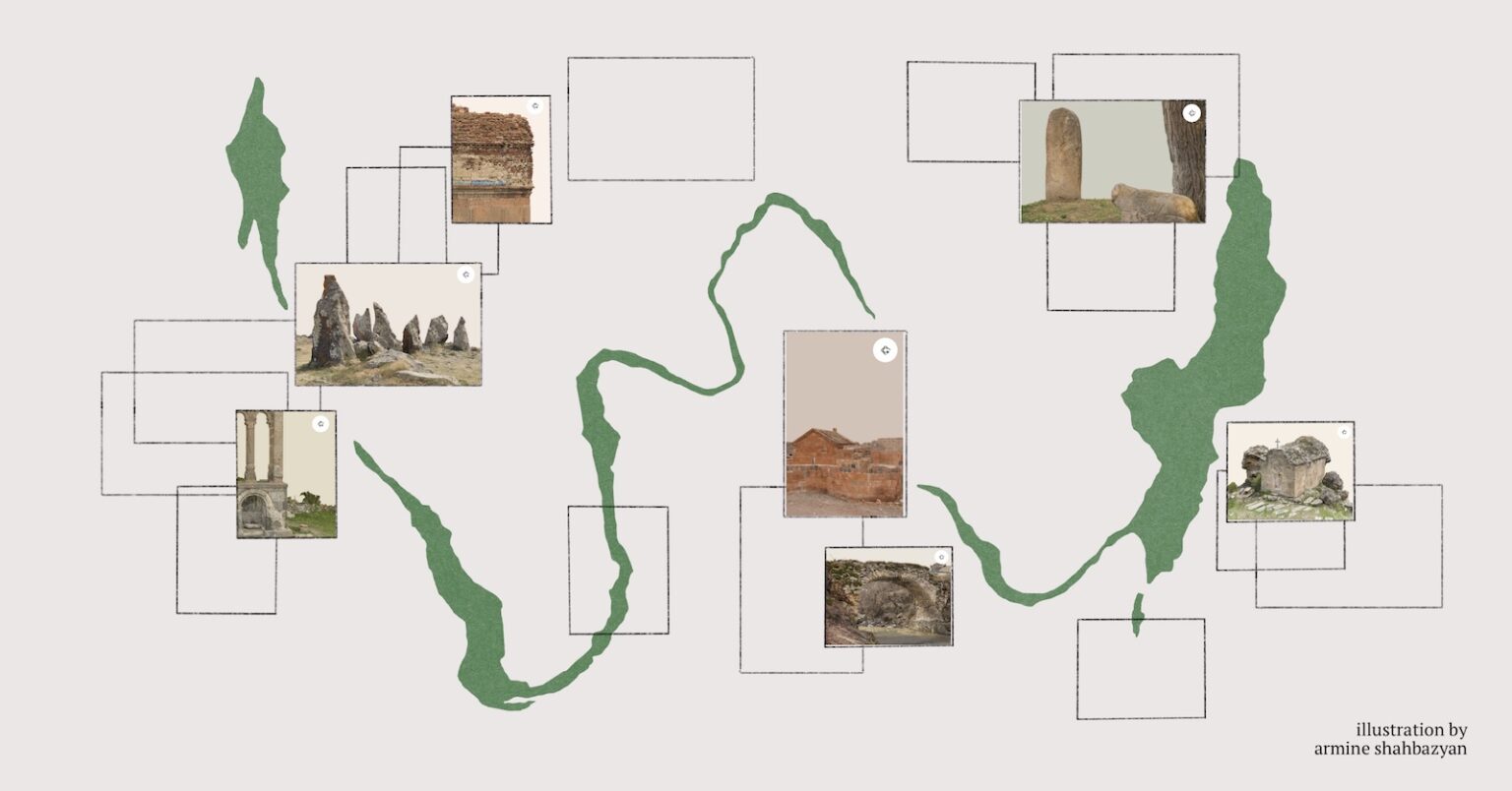
The Armenian Cultural Heritage Institute is racing to digitally preserve the country’s endangered cultural legacy. Using cutting-edge technology, its team is creating a permanent, open-access archive of Armenian monuments, safeguarding history threatened by war, revisionism, neglect and the passage of time.
Et Cetera
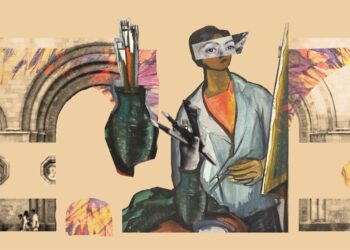
Disquiet Muses: The Armenian “Predicament” of Women’s Art
Drawing on feminist art history and recent exhibitions, Vigen Galstyan examines the persistent marginalization of women artists in Armenia’s cultural canon. From forgotten modernists to the patriarchal structures that shape institutions and historical memory, he argues that reclaiming these voices is essential to reimagining Armenian art itself.
Read more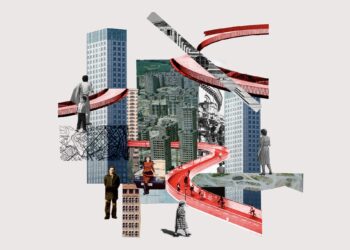
Why the Creative Class Won’t Save Yerevan
Yerevan may be culturally vibrant, but who has the power to shape the city? Heghine Pilosyan examines why artists and intellectuals cannot safeguard its cultural identity alone, as redevelopment, commercial interests and weakened institutions redefine what, and whom, the city is built for.
Read moreEnvironment
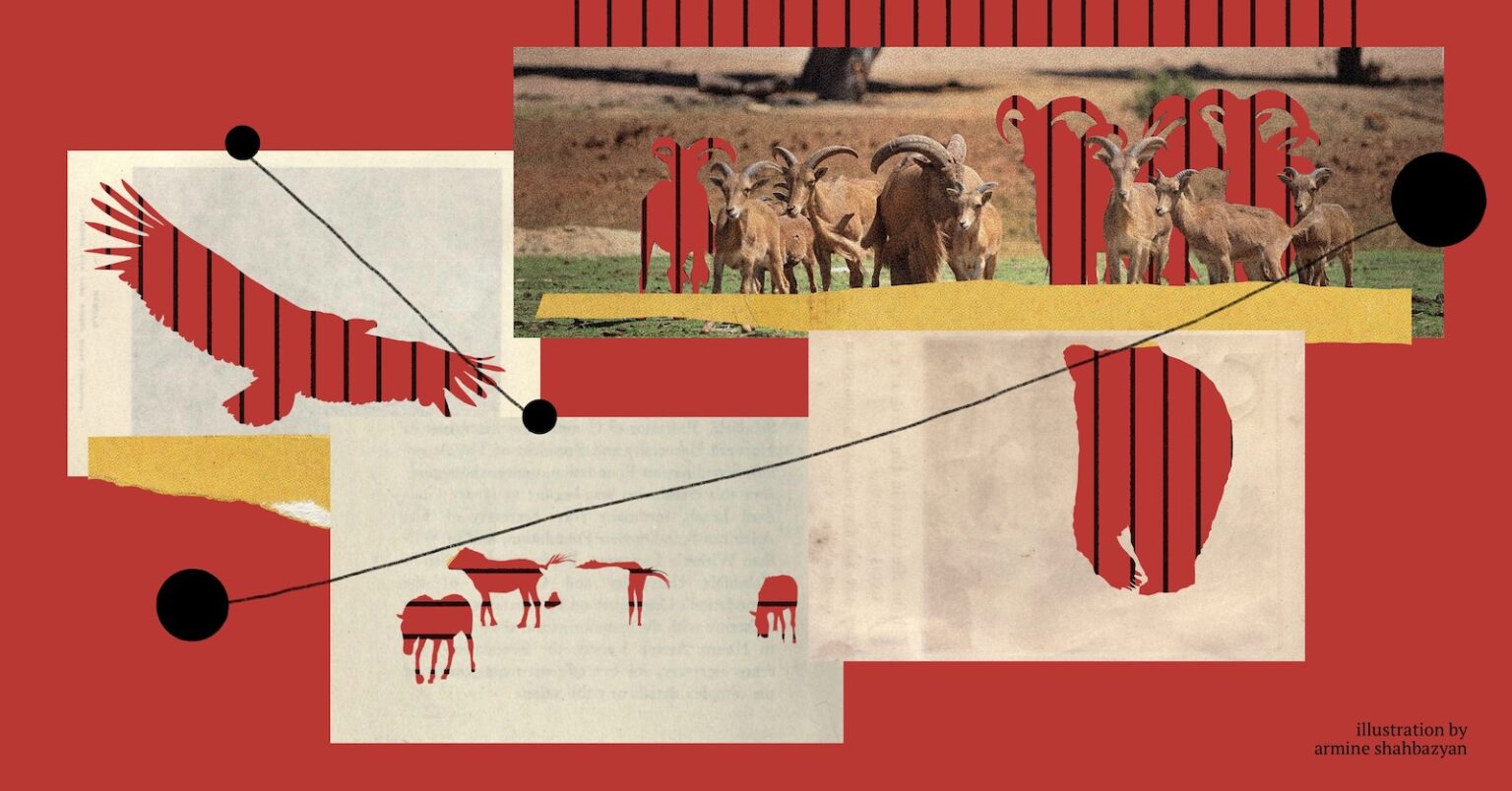
An investigation into the transfer of endangered animals from Armenia to India’s controversial Vantara wildlife center reveals troubling questions about transparency, conservation, international wildlife trade and Armenia’s role in a global network that blurs the line between rescue and commerce.
Creative Tech

AI has disrupted the assumptions on which many technology companies were built. Through Wirestock, Renderforest and CodeSignal, Ellen Tovmasyan explores how Armenian-founded companies are adapting their products and business models to remain competitive in a rapidly changing global market.
Columns

A Bathtub in Stepanavan
An awkwardly placed bathtub in a Stepanavan hotel room is more than an odd design choice. Maria Gunko traces its unlikely connections to Armenia's recent past, exploring how ordinary objects absorb history, adapt to necessity and quietly tell stories of survival.
Read more
Progress, Interrupted
Drawing from a deeply personal chapter of her life, Sheila Paylan reflects on the hard, often unflattering work of trying to become better. Exploring relapse, discipline and self-forgiveness, she argues that progress is not erased by the moments we fall, but revealed in how we rise again.
Read more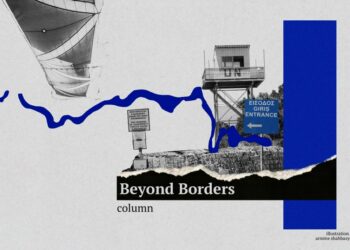
What Cyprus Teaches About Living With an Unresolved Conflict
Every conflict is different, but some offer broader lessons. Cyprus suggests that societies need not choose between a final peace settlement and perpetual confrontation. There is a third path: gradually building ways to live, communicate and cooperate even while the core conflict remains unresolved.
Read more
Carol Peligian: Inscribing the Female Body Into Contemporary Art
Through painting, sculpture and installation, Armenian-American artist Carol Peligian transforms the female body into a site of memory, identity and resilience. Christopher Atamian explores a career shaped by feminism, Armenian heritage and an enduring fascination with the mysteries of human existence.
Read moreLIFESTYLE
Drunken Cherry
Go on a journey through Armenia’s landscapes and kitchens, its memories and quiet rituals in this month’s issue of SALT. From vegan dining and forgotten recipes to hiking trails and nostalgic reflections, these stories invite us to slow down and appreciate the unexpected.