
Statecraft & Governance
State of Play
Politics
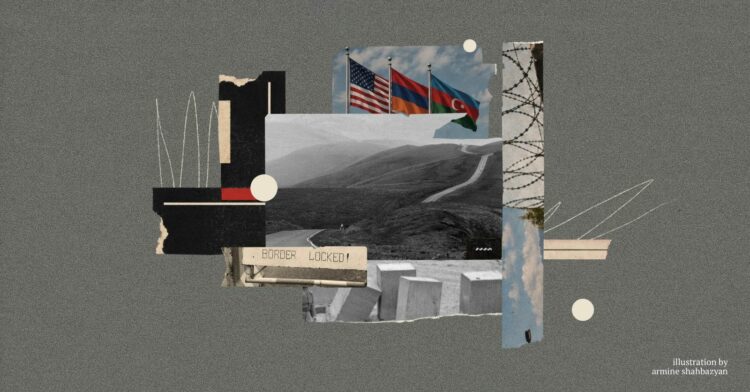
One year after the Washington Accords, Armenia and Azerbaijan have largely moved beyond military confrontation, but the foundations of peace remain fragile. Sossi Tatikyan examines the unresolved agreement, territorial and humanitarian issues, TRIPP, emerging economic asymmetries and the challenges of making peace durable.
For more than three decades, the Armenia-Turkey border has been closed but trading continued through indirect routes. Beatriz Arslanian examines Turkey’s decision to authorize direct trade, its economic implications for Armenia, and whether incremental economic ties can help advance long-delayed political normalization.

Opinion
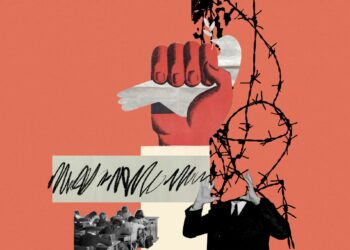
Baku’s “Western Azerbaijan” narrative continues to be prominent in state media, education and official discourse. Tatev Hayrapetyan examines how the concept has evolved, how it is being institutionalized, and what its continued promotion means for Armenia and the prospects for lasting regional peace.
The European Union has invested heavily in Armenia’s resilience against foreign information manipulation. But when its own Special Representative reduces Azerbaijan’s state-sponsored historical revisionism to competing “narratives,” diplomacy risks becoming a vehicle for the very manipulation the EU seeks to counter.

It Had to Be Said
Columns

In this special edition of “Unleashed”, Sheila Paylan examines the arrests and prosecutions of Armenia’s political opponents, asking whether the fight against oligarchy is being pursued with consistent standards and respect for judicial independence. She argues that defending democracy requires holding power accountable, even when those targeted are difficult to defend.
Dana Mashoian Walrath’s “The Book of Genocides” uses art, history and family memory to examine
Raw & Unfiltered

Three years after the displacement of Artsakh’s Armenians, the routines of exile have become ordinary. Siranush Sargsyan explores how a displaced community navigates grief, memory, identity and belonging while rebuilding lives in Armenia and abroad, and struggling to imagine a future beyond loss.

In this deeply personal reflection on the third anniversary of the loss of Nagorno-Karabakh, Yana Lalaian returns to the landscapes of Artsakh through memories of family, food, rivers and village life. As the possibility of losing that landscape becomes real, memory itself becomes a way of holding on to home.
Environment
Firebird’s $500 million AI data center has been heralded as a major economic breakthrough for Armenia, but what are the environmental implications of a project of such scale? Luan Rogers reports.
Creative Tech

From AI infrastructure and quantum computing to major venture investments, summer 2026 brought a series of significant developments for Armenia’s tech ecosystem. Ani Toroyan looks at the projects, companies and capital reshaping the country’s ambitions in AI and deep tech.
Law & Society
Armenia’s first PISA results are sobering, revealing serious gaps in student proficiency and raising questions that go well beyond curriculum reform. Arevik Anapiosyan examines what the results reveal about learning, critical thinking, attendance and classroom practice, and what an evidence-based response should look like.
Yerevan was once a much greener city, but decades of neglect, privatization and construction have taken a toll on its parks. Hovhannes Nazaretyan examines the city’s efforts to reclaim and restore public green spaces, from the Opera and Ring Park to smaller neighborhood parks, and the legal battles along the way.
LIFESTYLE
LACE UP
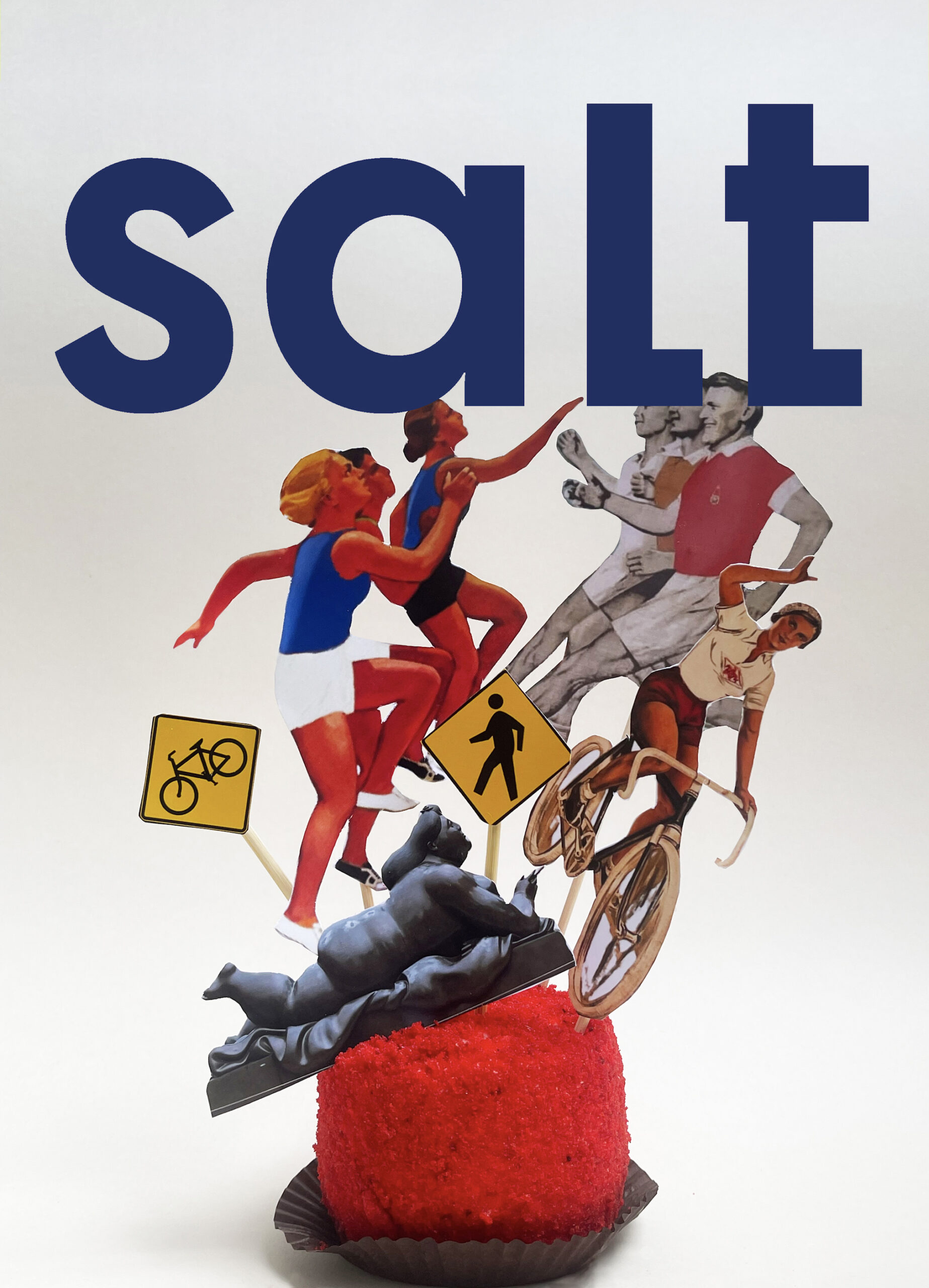
SALT’s September issue is all about movement: running, cycling, walking, wandering and remembering. From Armenia’s growing running culture and the Tour of Armenia to the human body serving as spectacle, we explore how the city is experienced in motion. We also look back at Yerevan’s memories and uncover a coffee shop hidden behind a secret door.